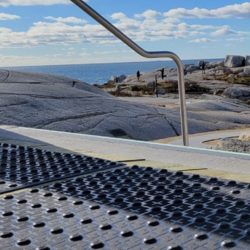
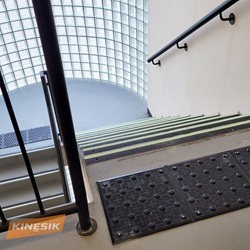
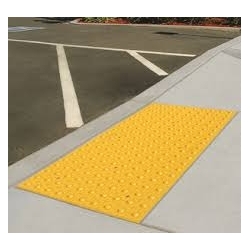
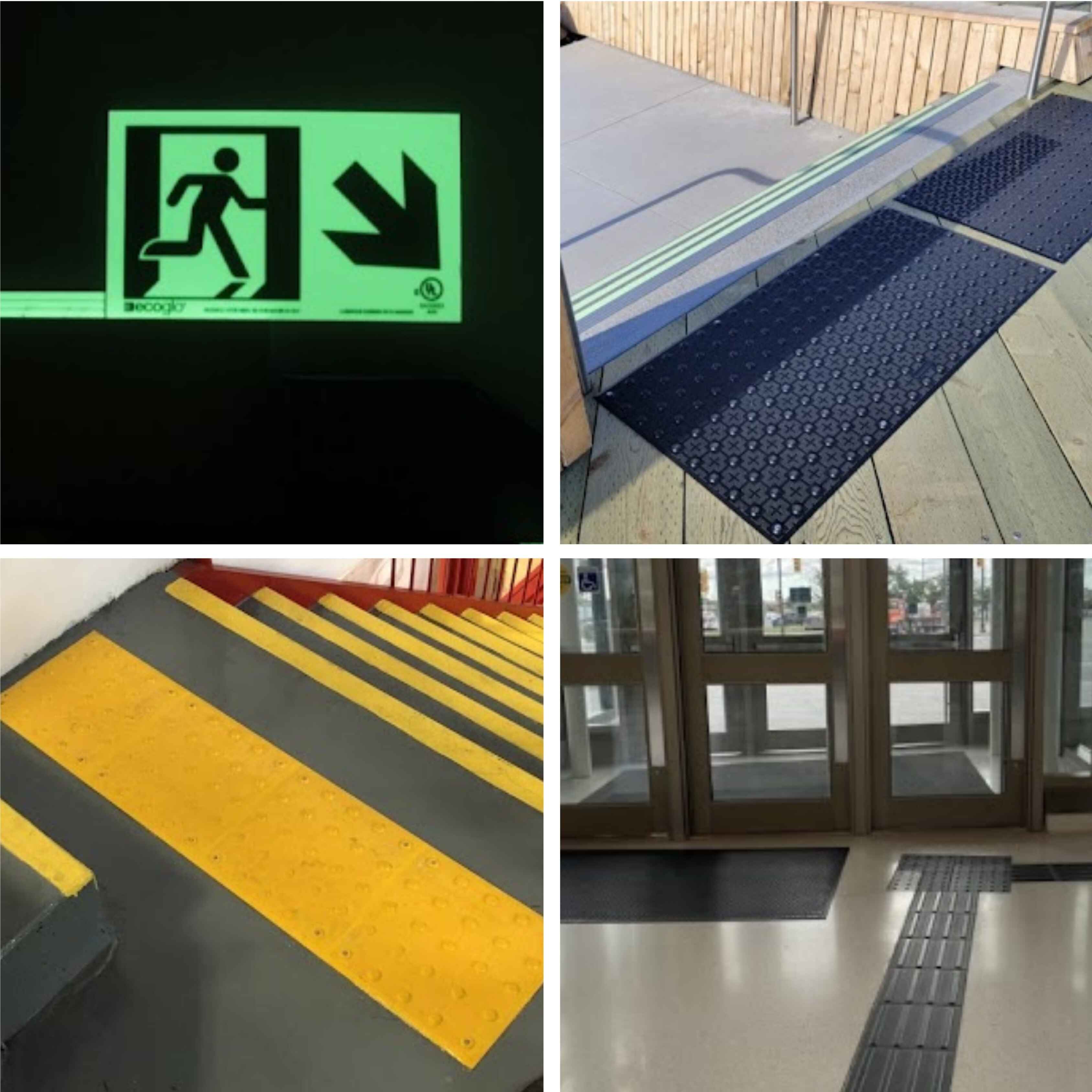
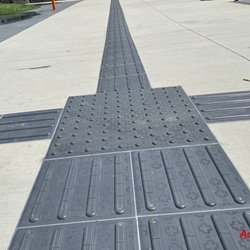
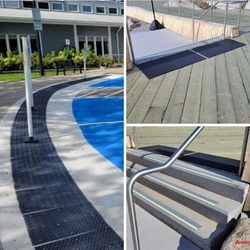
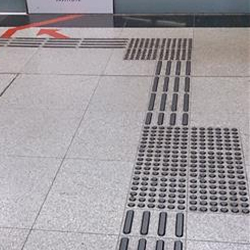
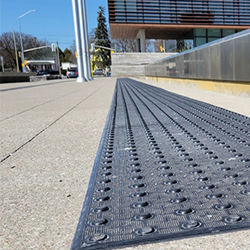
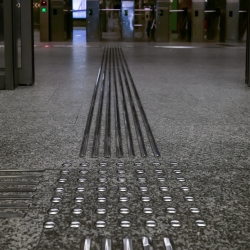
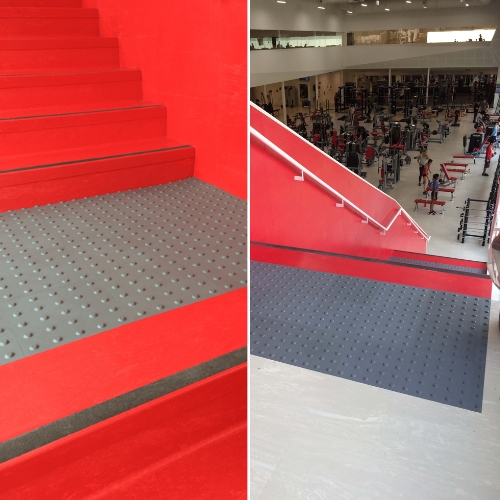
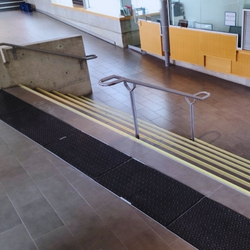
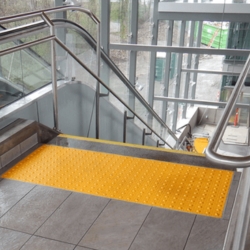
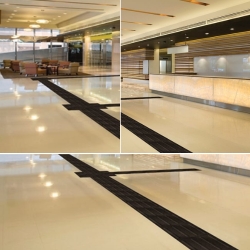
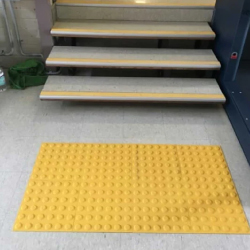
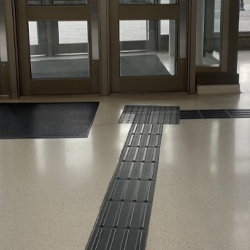
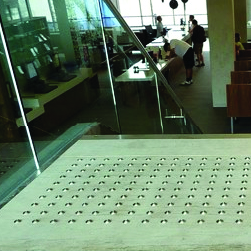
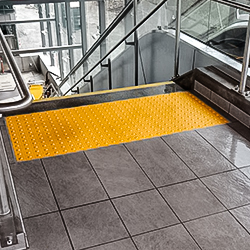
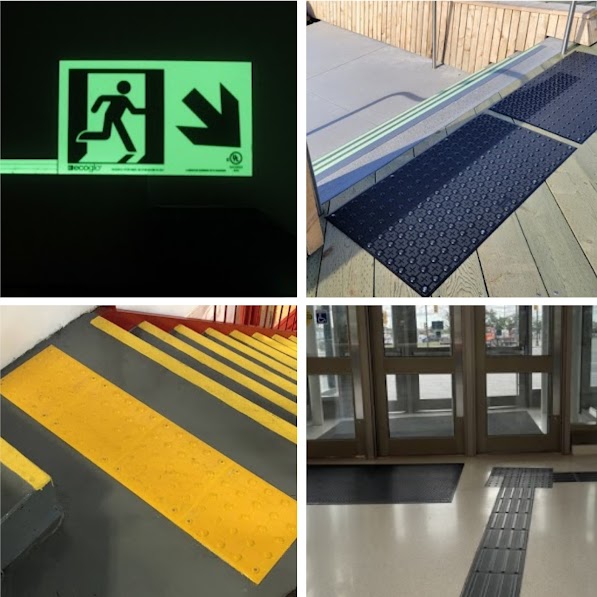
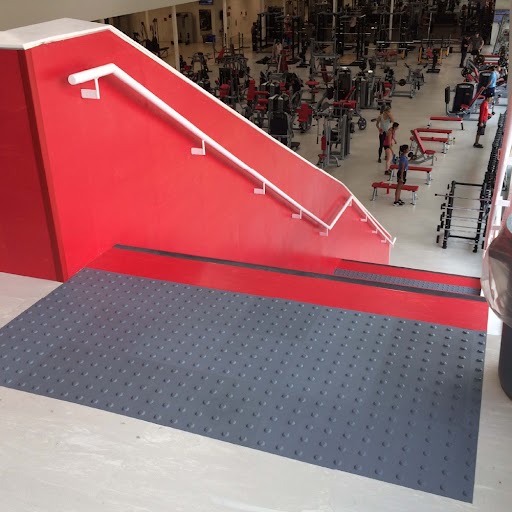
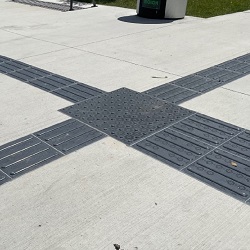
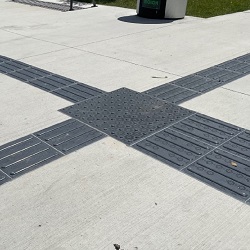
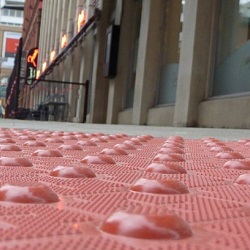
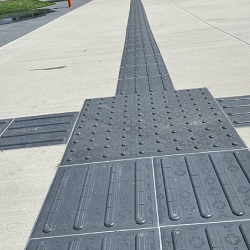
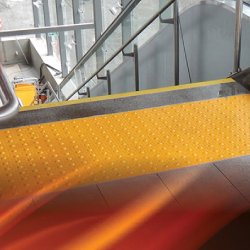
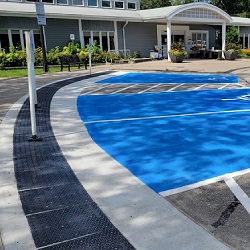
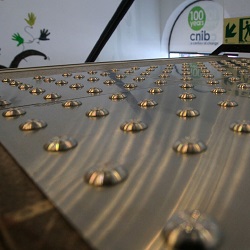
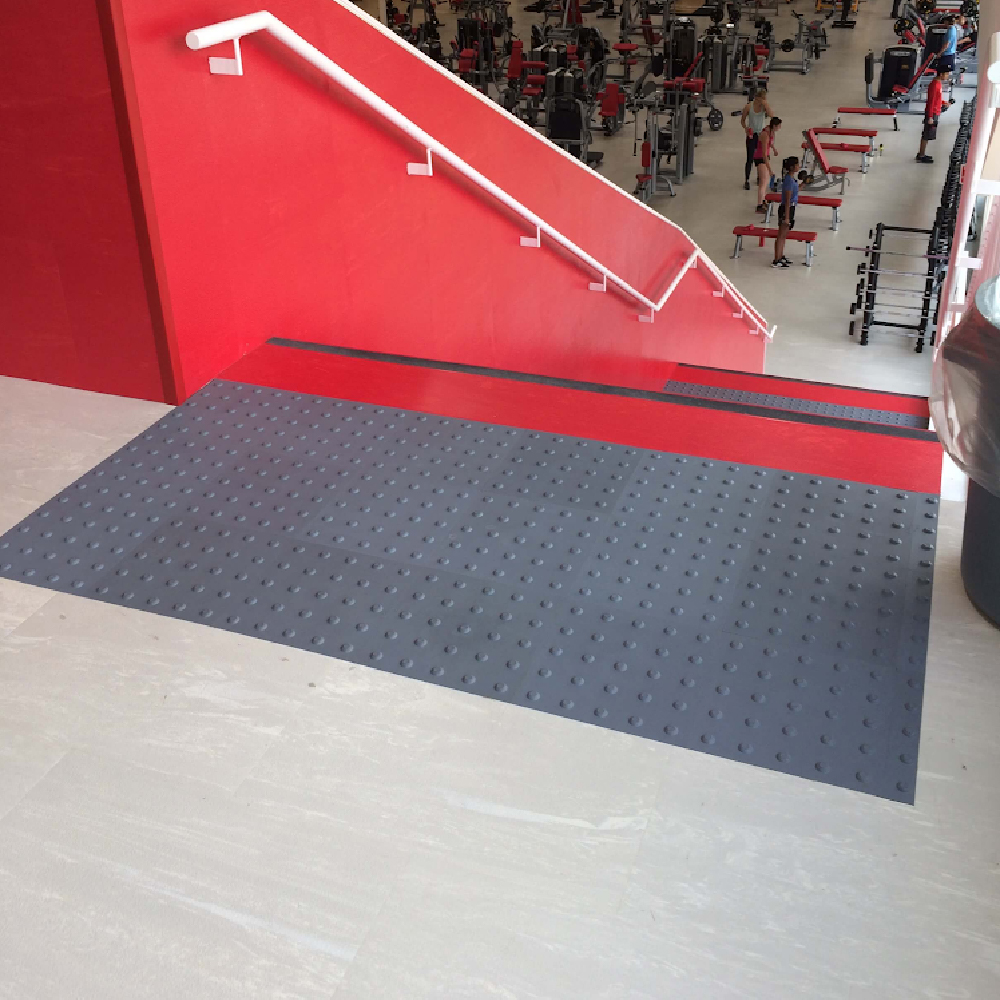
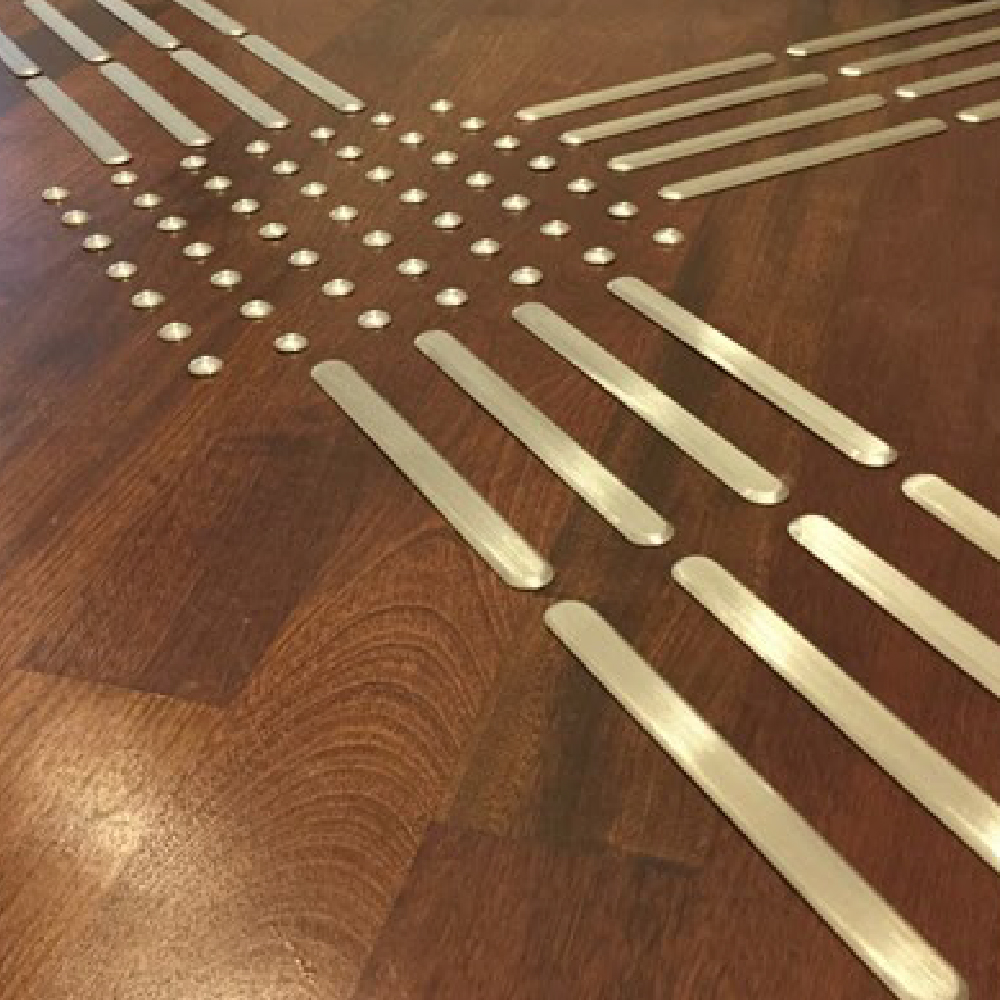
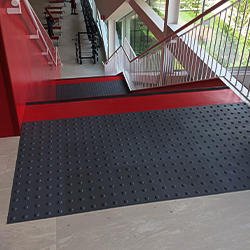
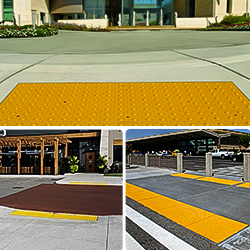
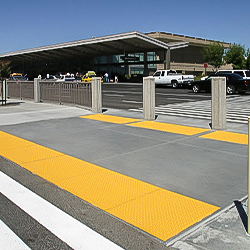
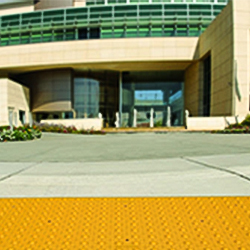
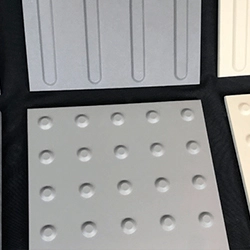
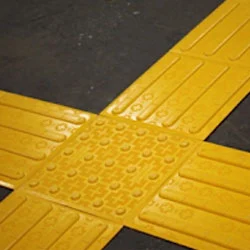
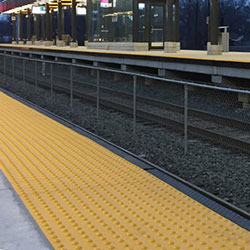
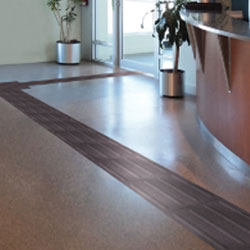
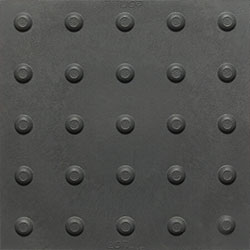
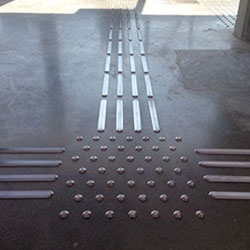
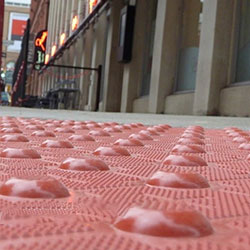
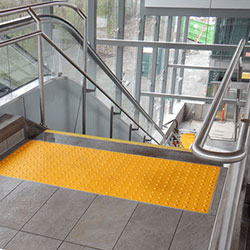
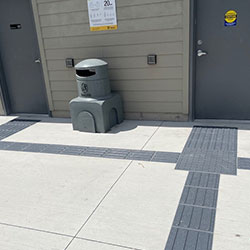
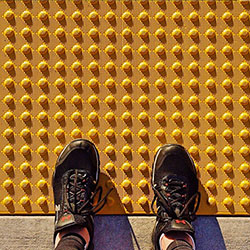
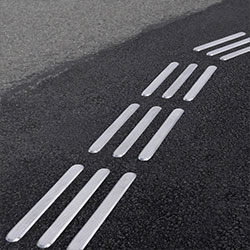
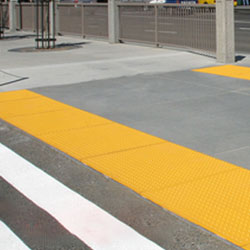
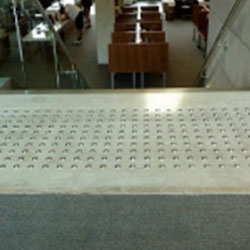
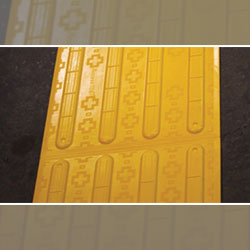
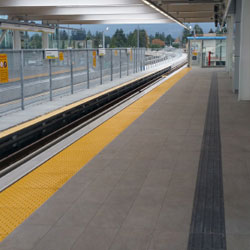
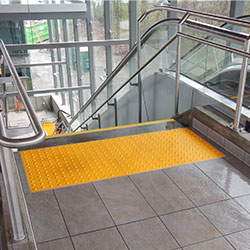
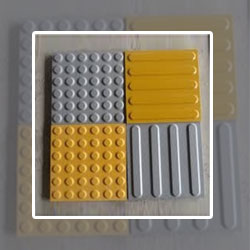
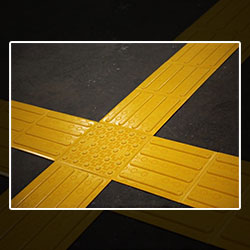
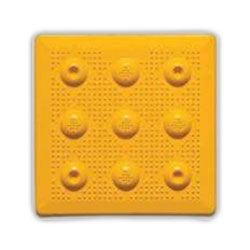
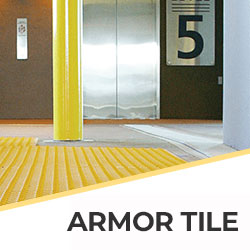
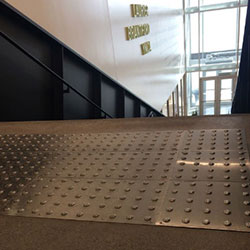
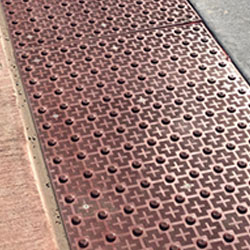
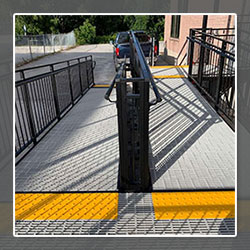
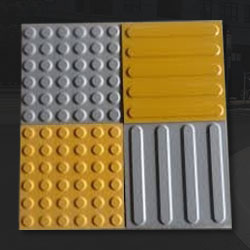
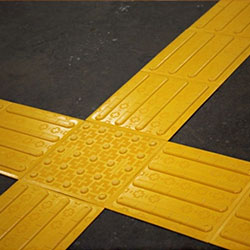
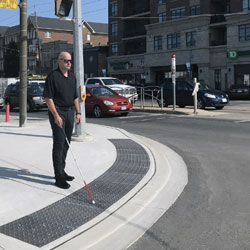
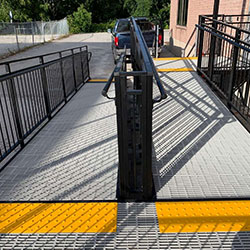
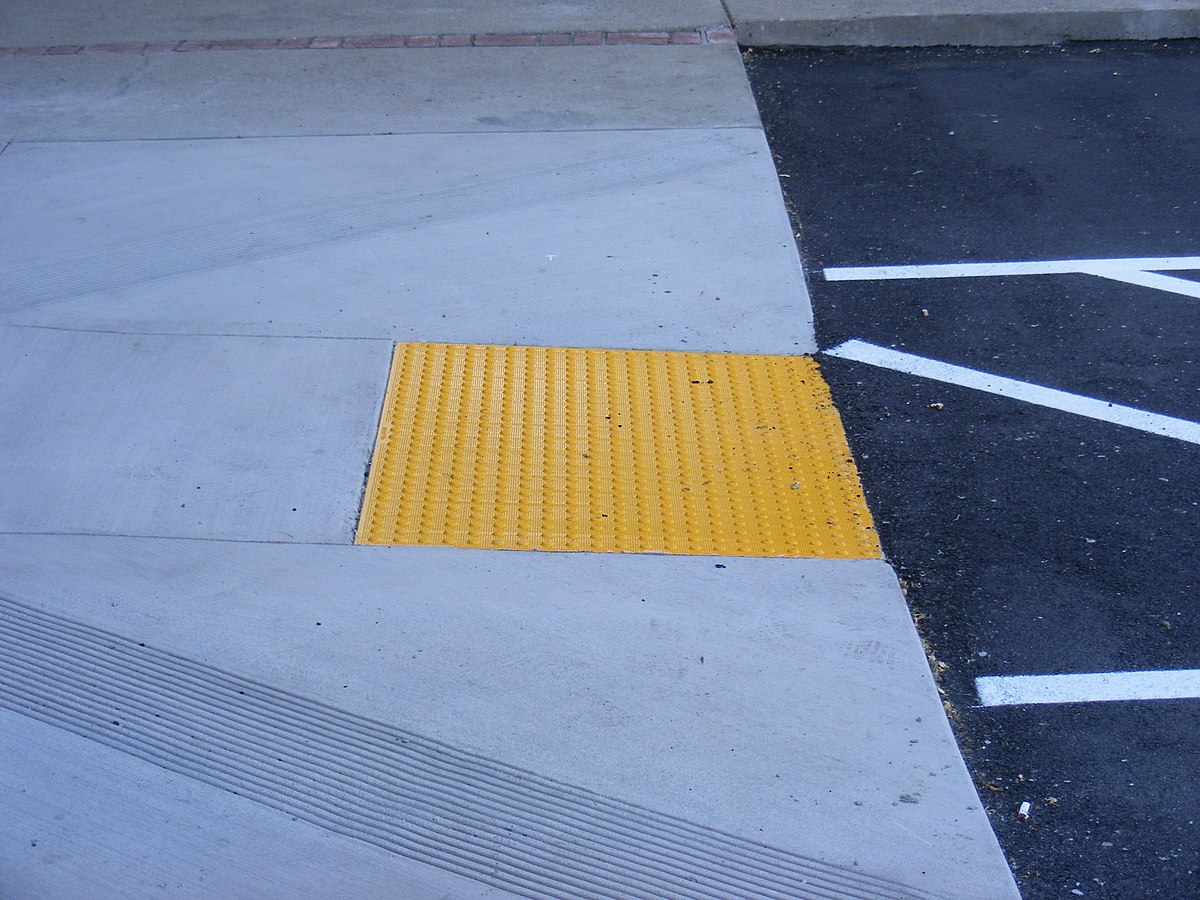
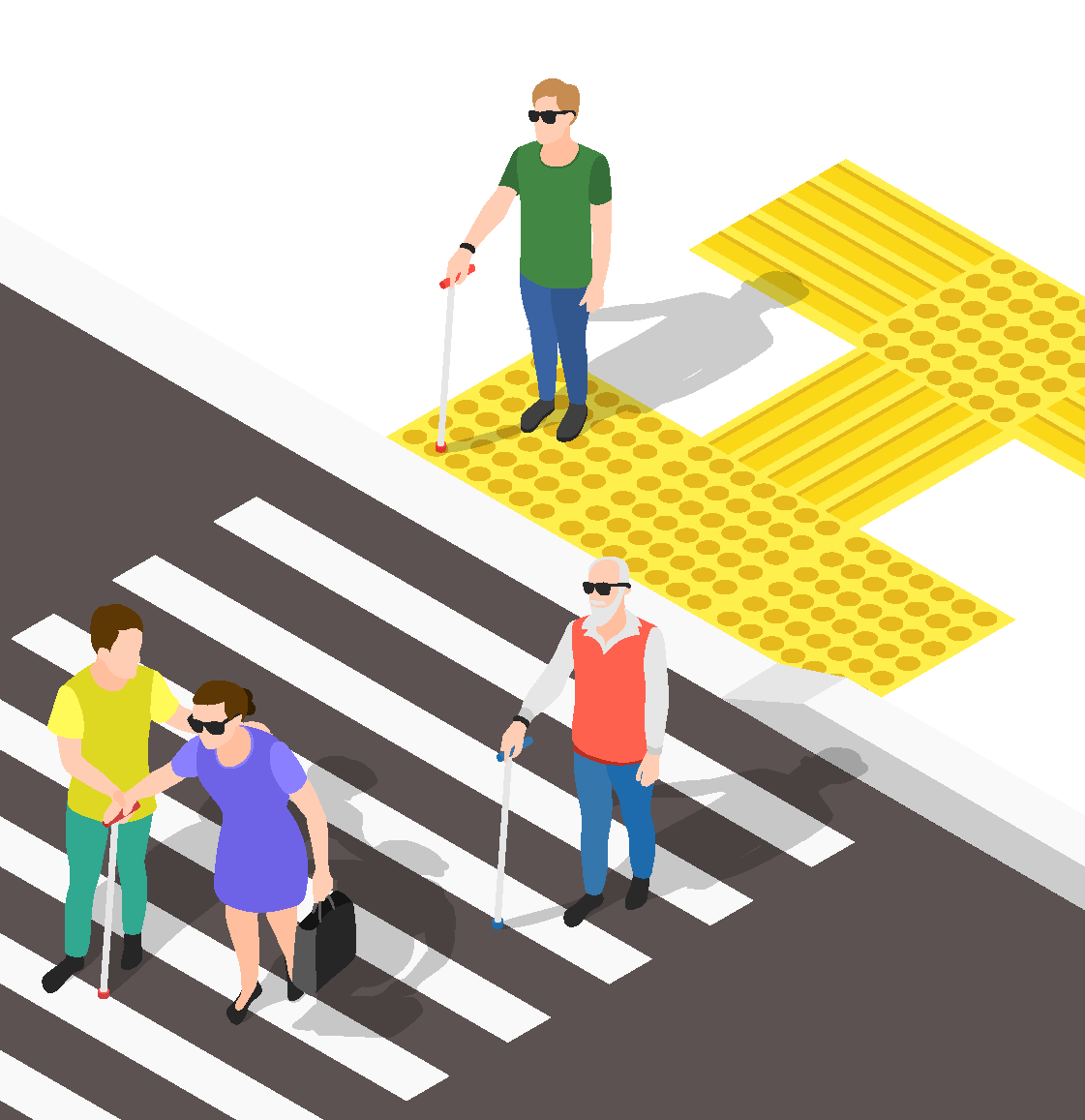
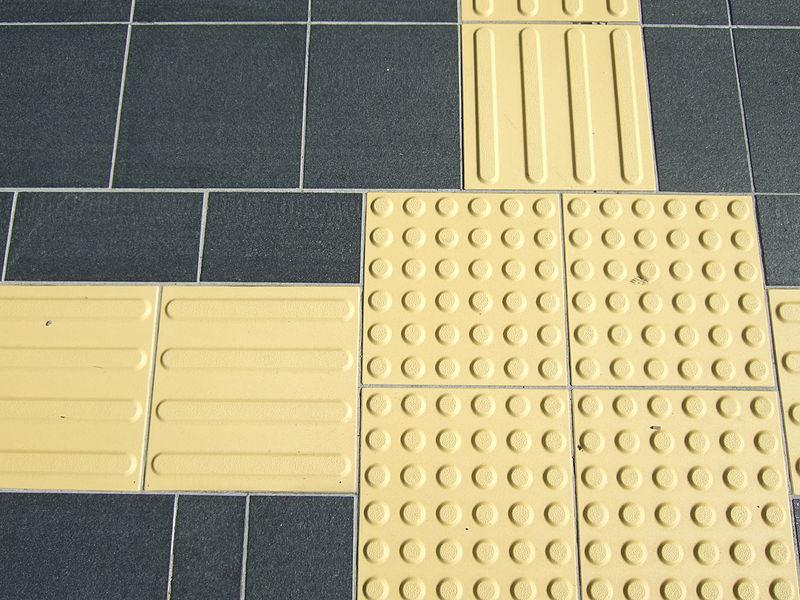
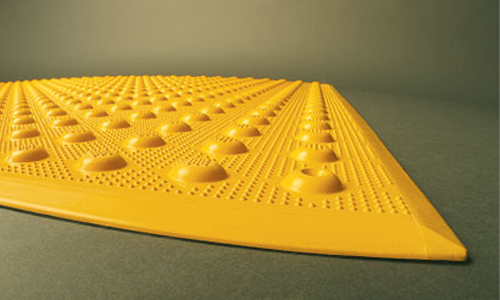
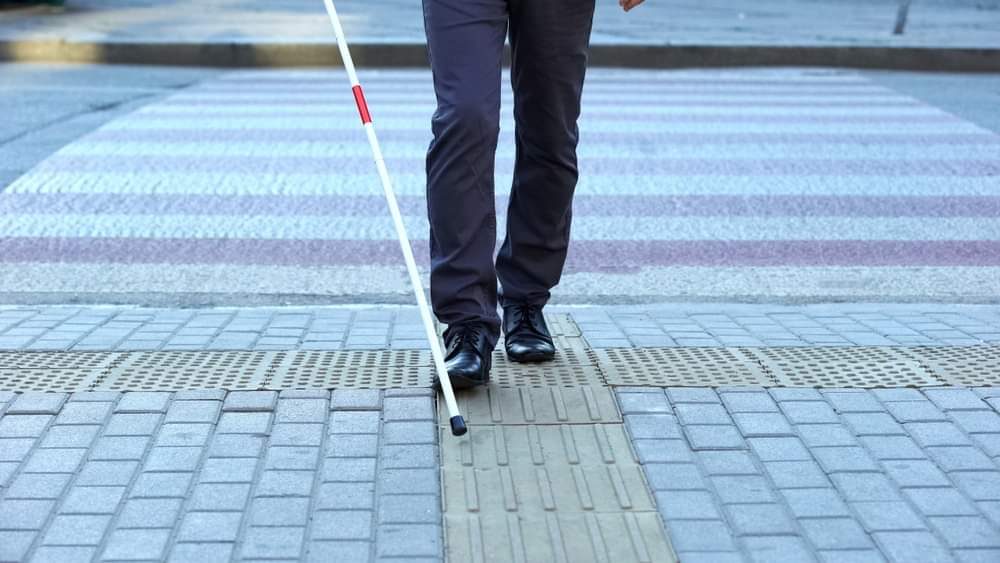
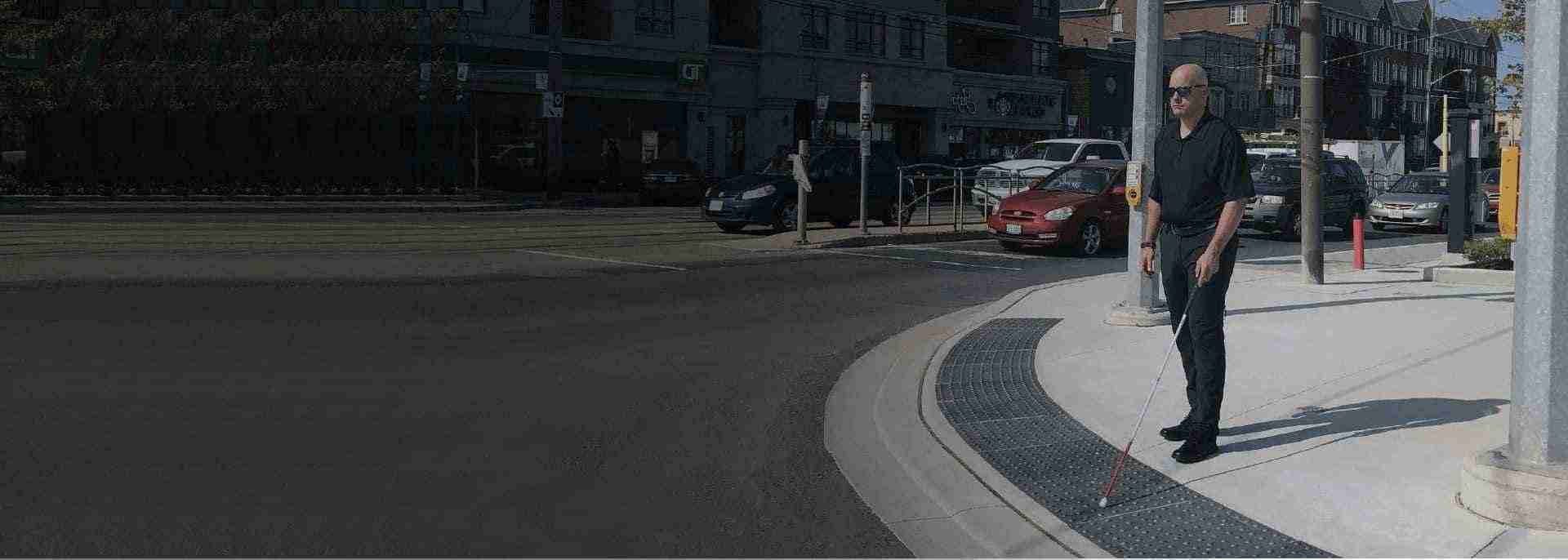
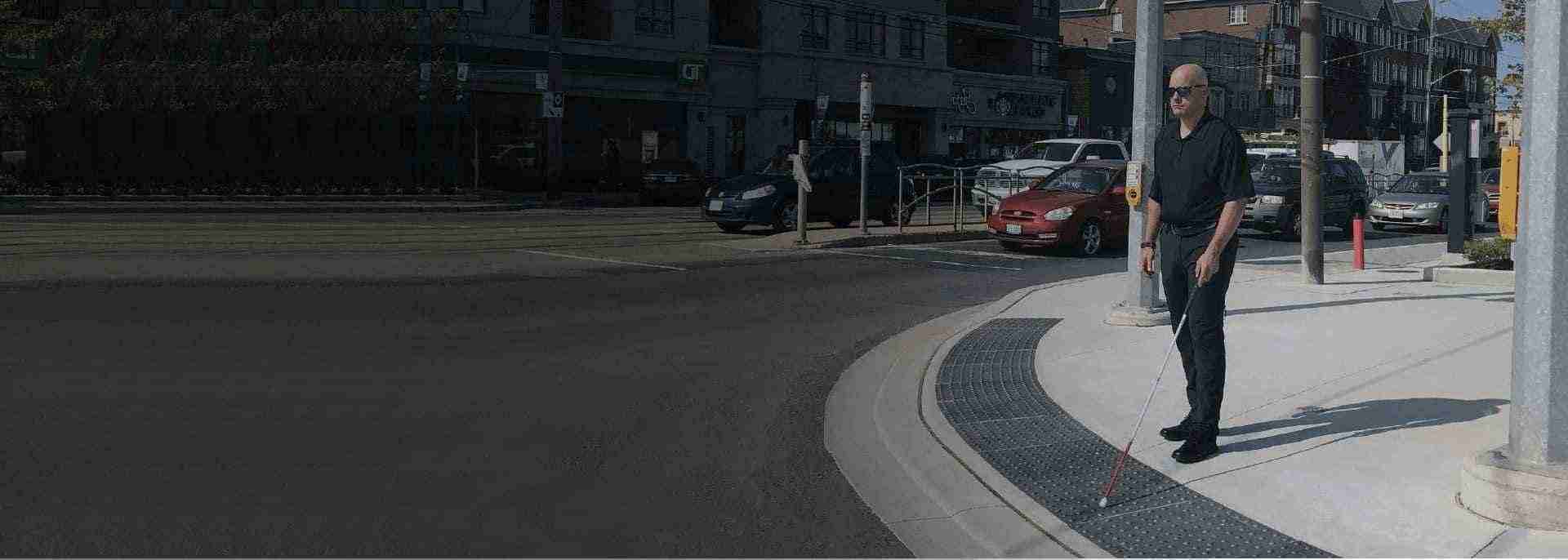
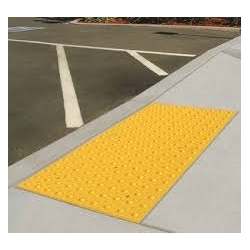
For contractors, property managers, and building owners across Canada, installing Tactile Walking Surface Indicators (TWSIs) is not just a design choice; it is a legal requirement. These textured surfaces, including attention domes and wayfinding bars, are crucial for the safety and independence of visually impaired individuals.
However, Canada’s accessibility rules are not found in one single document. Code compliance involves navigating a layered system of federal standards, provincial laws, and municipal building codes. Installing the wrong product, or installing it incorrectly, can lead to failed inspections, costly rework, and safety risks.
This guide provides a clear breakdown of how to select the right Tactile Solution Canada products to ensure your building project meets specific provincial and national building codes.
Before looking at specific provincial rules, it is important to understand the national guidelines that shape all Canadian building projects.
The NBC serves as the model for barrier-free design across the country. It outlines the minimum requirements for accessible routes, including where to place tactile cues near stairs and ramps. While it sets the baseline, most provinces adopt the NBC and add their own specific rules.
While building codes tell you where you need tactile indicators, technical standards dictate how they must be made.
Products must meet these technical specifications to be considered legally compliant in Canada.
Accessibility laws are legally mandatory in Canada. Here is a breakdown of key provincial requirements and the appropriate tactile solutions to keep your project compliant.
Ontario has some of the strictest accessibility laws in Canada under the AODA. The "Design of Public Spaces Standard" mandates that organizations must integrate specific accessibility features when building new public spaces or making significant alterations.
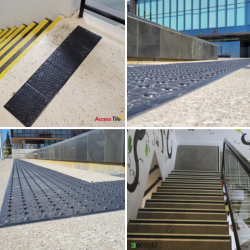
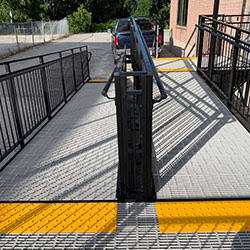
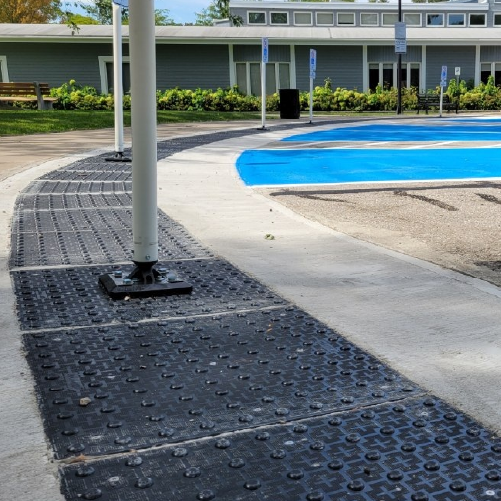
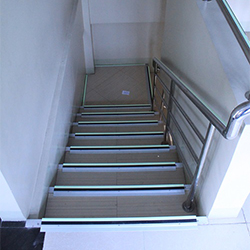
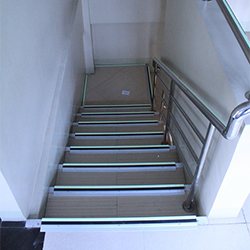
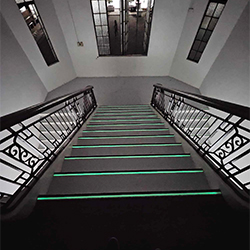
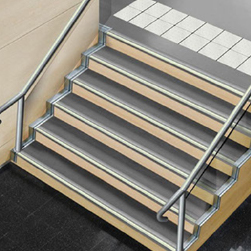
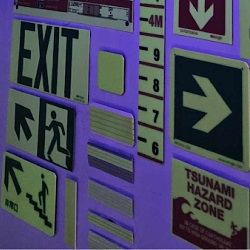
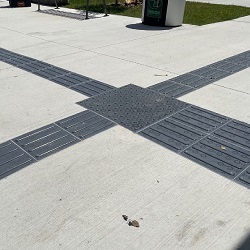
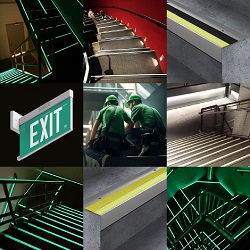
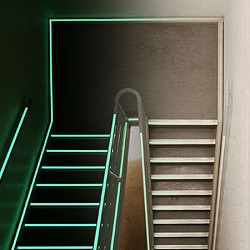
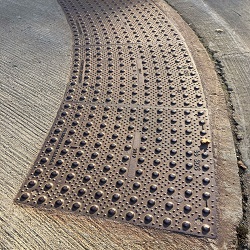
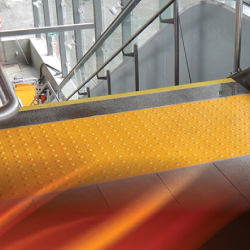
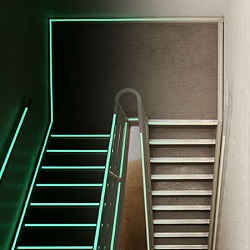
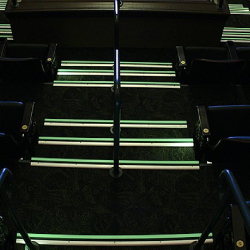
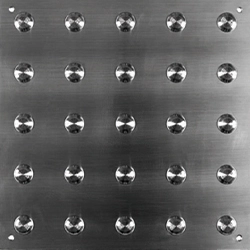
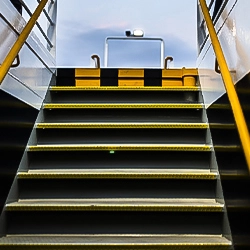
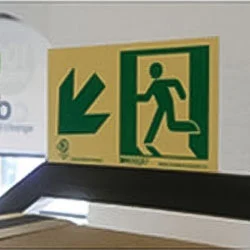
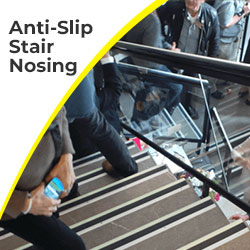
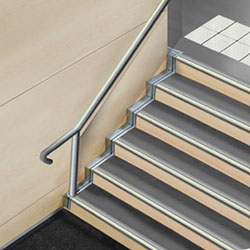
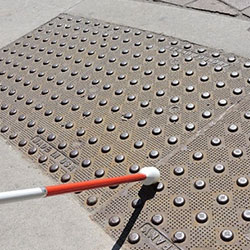
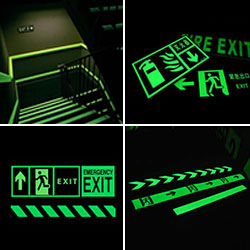
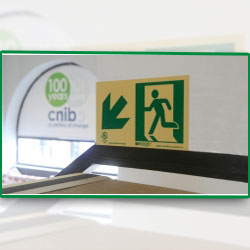
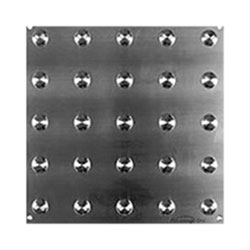
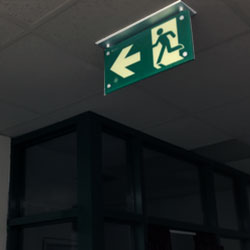
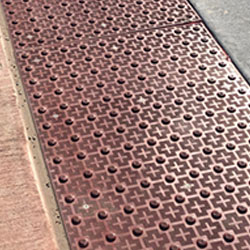
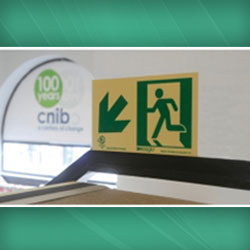
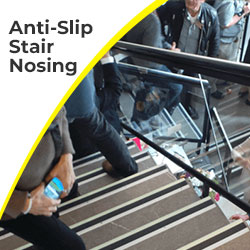
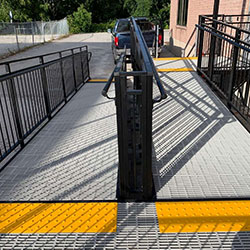
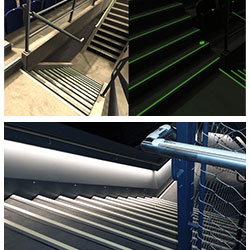
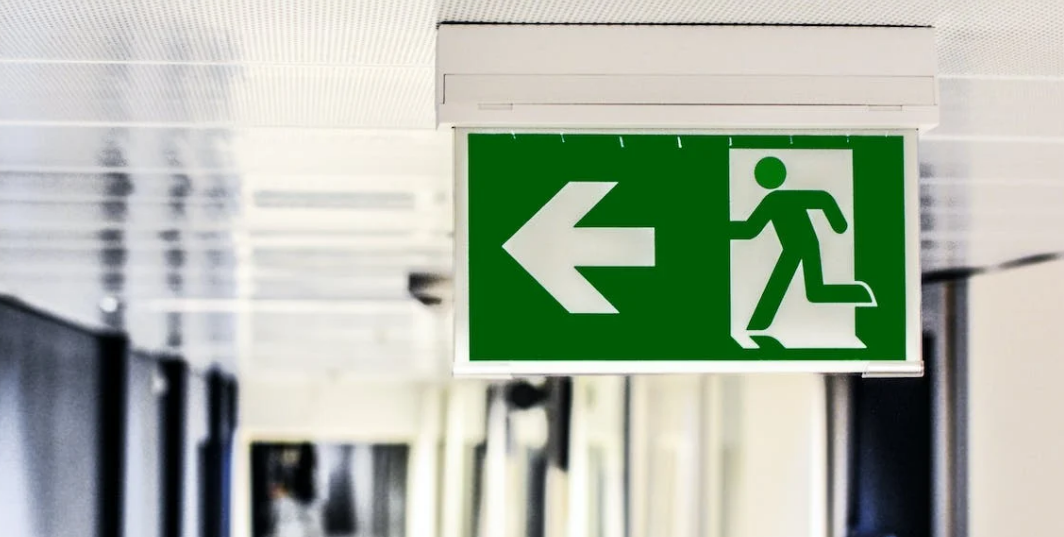
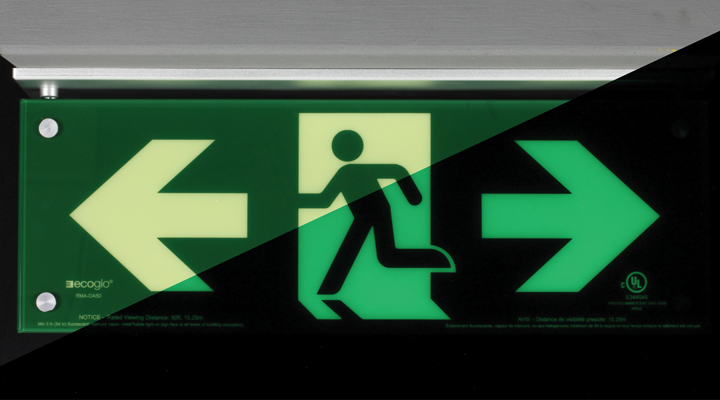
Product Selection for Ontario Projects: For outdoor applications like curb ramps that face harsh weather and snow plows, heavy-duty Cast Iron Tactile Plates meet AODA requirements for durability. For interior staircases in commercial buildings, Photoluminescent Stair Nosing is essential to meet both barrier-free access and emergency exit visibility codes.
The 2024 BC Building Code applies to all building permits filed after March 8, 2024. It is based on the NBC but includes specific amendments for British Columbia.
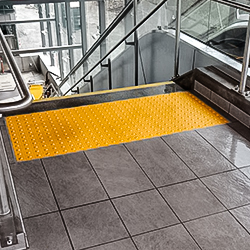
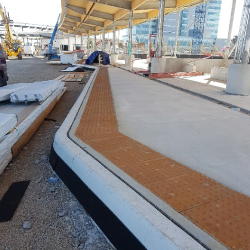
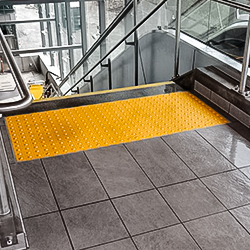
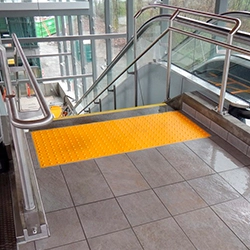
Where Tactile Indicators Are Required in BC: The BC code emphasizes clear tactile warnings at transit platforms, public stairways, and any unprotected drop-offs or hazardous edges.
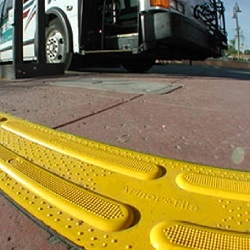
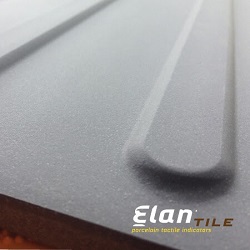
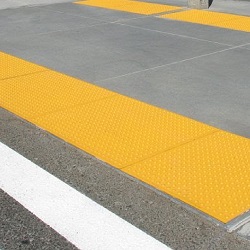
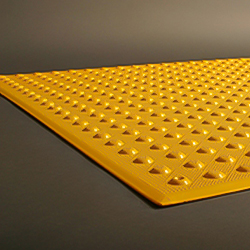
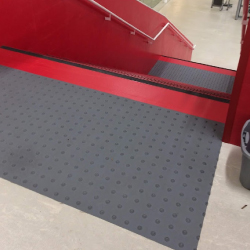
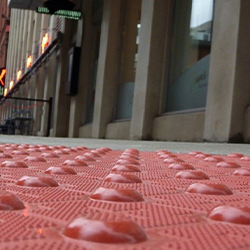
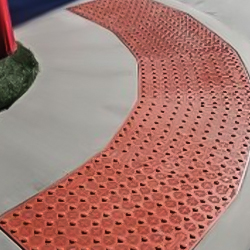
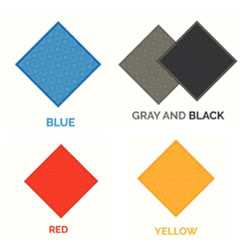
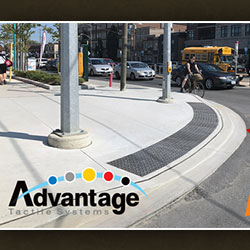
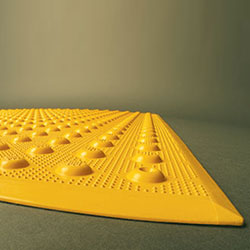
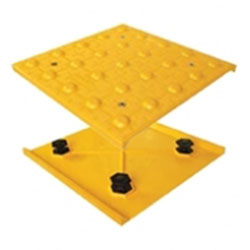
Product Selection for BC Projects: Given the frequent rain, slip resistance is a top priority for BC projects. Polyurethane Tactile Warning Tiles provide high traction and the necessary visual contrast against wet surfaces. These tiles ensure compliance with the BC Building Code's safety amendments while offering excellent durability.
The Prairie provinces generally follow the National Building Code for barrier-free design. Manitoba has also introduced its own specific legislation, The Accessibility for Manitobans Act (AMA).
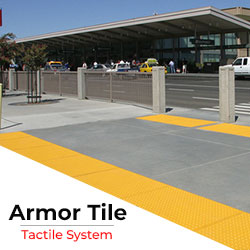
Where Tactile Indicators Are Required: The focus in these provinces is on ensuring clear, accessible routes in public facilities, shopping centers, and municipal sidewalks, particularly around stairs and ramps.
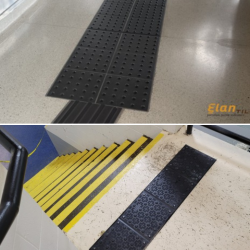
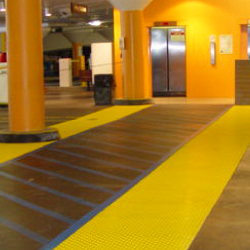
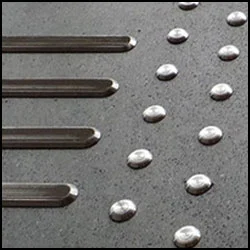
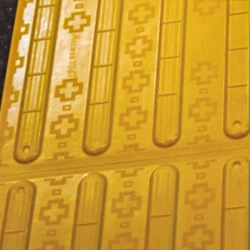
Product Selection for Prairie Projects: Extreme temperature fluctuations require materials that will not crack or warp. Surface-applied polymer tiles are designed to handle freeze-thaw cycles. For indoor applications like transit concourses, Stainless Steel Directional Bars offer a durable, code-compliant solution that withstands heavy foot traffic.
Nova Scotia is actively implementing new standards under the Nova Scotia Accessibility Act, aiming for a fully accessible province by 2030.
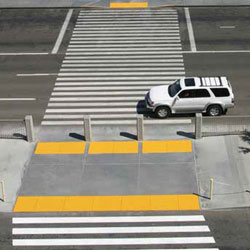
Where Tactile Indicators Are Required: Expect rigorous enforcement of tactile warnings at pedestrian crossings, transit stops, and building approaches.
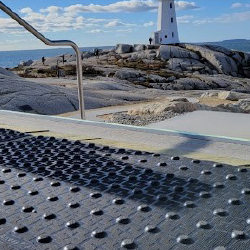
Product Selection for Maritime Projects: Coastal environments demand products that resist corrosion from salt air. Marine-grade tactile indicators are necessary to ensure that the installation remains compliant and effective over time, resisting rust and degradation.
A common reason for failed building inspections is installing the wrong type of tactile indicator.
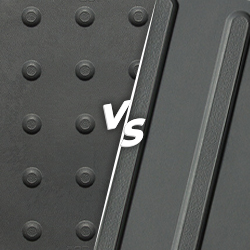
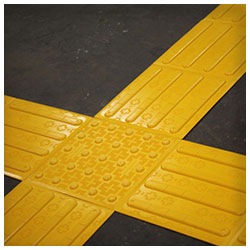
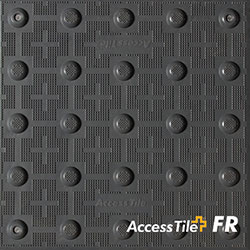
Using guidance bars where attention domes are required is a serious code violation. All Tactile Solution Canada products are engineered to meet the exact spacing and height requirements of CSA B651, ensuring they function correctly.
Simply buying a textured tile is not enough to pass inspection. The products must meet strict national standards for geometry, visual contrast, and slip resistance.
At Tactile Solution Canada, we provide building owners, contractors, and landscapers with CSA B651 and NBC-compliant systems. By choosing the right product for your specific province and application, you ensure your project is safe, inclusive, and legally sound.
Yes. Provincial laws like Ontario's AODA and Manitoba's AMA, along with provincial building codes based on the National Building Code (NBC), make the installation of TWSIs a legal requirement in new builds and major renovations of public spaces.
Provincial building codes dictate where you must install tactile indicators (e.g., at the top of stairs). CSA B651 is the technical standard that dictates how the product must be made (e.g., the exact size and spacing of the domes).
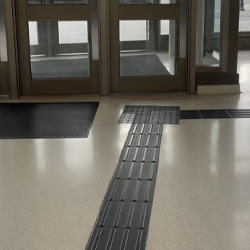
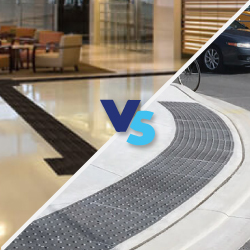
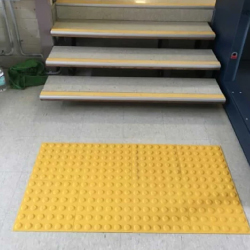
No. Wayfinding bars indicate a safe path of travel. Attention domes must be used at the top of stairs to warn of the hazard. Using bars instead of domes is a code violation.
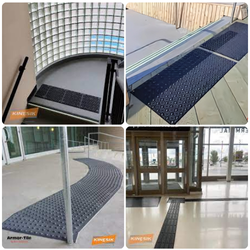
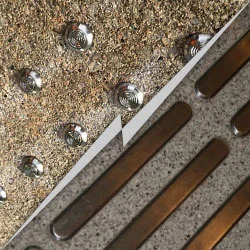
Yes. Tactile Solution Canada offers premium materials like brass and stainless steel. These options provide the mandatory tactile safety requirements while maintaining the aesthetic integrity of heritage sites.
While provincial codes set the standard, municipalities can sometimes have stricter rules. We always recommend contacting your local municipal building department to confirm specific bylaws before installation.