Have you ever walked through a modern high-rise and noticed the small textured tiles near the stairs or pool? Those are not just random design choices. They are essential tools for safety and independence.
Condominium amenity areas get hundreds of visitors every single day. Residents use fitness centers, pools, and co-working lounges around the clock. But for individuals with vision loss or mobility challenges, these busy spaces can feel full of hazards.
We are sharing this guide to show you exactly how to make your building fully compliant with Canadian codes. We will explain how tactile warning domes and wayfinding bars keep everyone safe. If you manage a property or work as a contractor, you will learn the best ways to upgrade spaces without ruining the interior design.
"Coming together is the beginning. Keeping together is progress. Working together is a success." Let me share a quick story from one of our recent projects that brings this quote to life.
A bustling downtown Toronto condo board realized they had a serious problem during their annual meeting. Their soaring condo towers boasted beautiful interiors for modern downtown lifestyles. However, their aging amenities completely overlooked accessibility.
Visually impaired seniors found it very hard to locate the pool independently. Parents felt anxious carrying strollers down poorly marked stairwells. The subtle feedback made it clear that the building needed urgent changes to serve all 400 residents fairly.
The board contacted us at Tactile Solution Canada. We walked through their entire property and pointed out the confusing routes and low-contrast stair edges. We worked with them to phase upgrades smoothly to match their capital works budget.
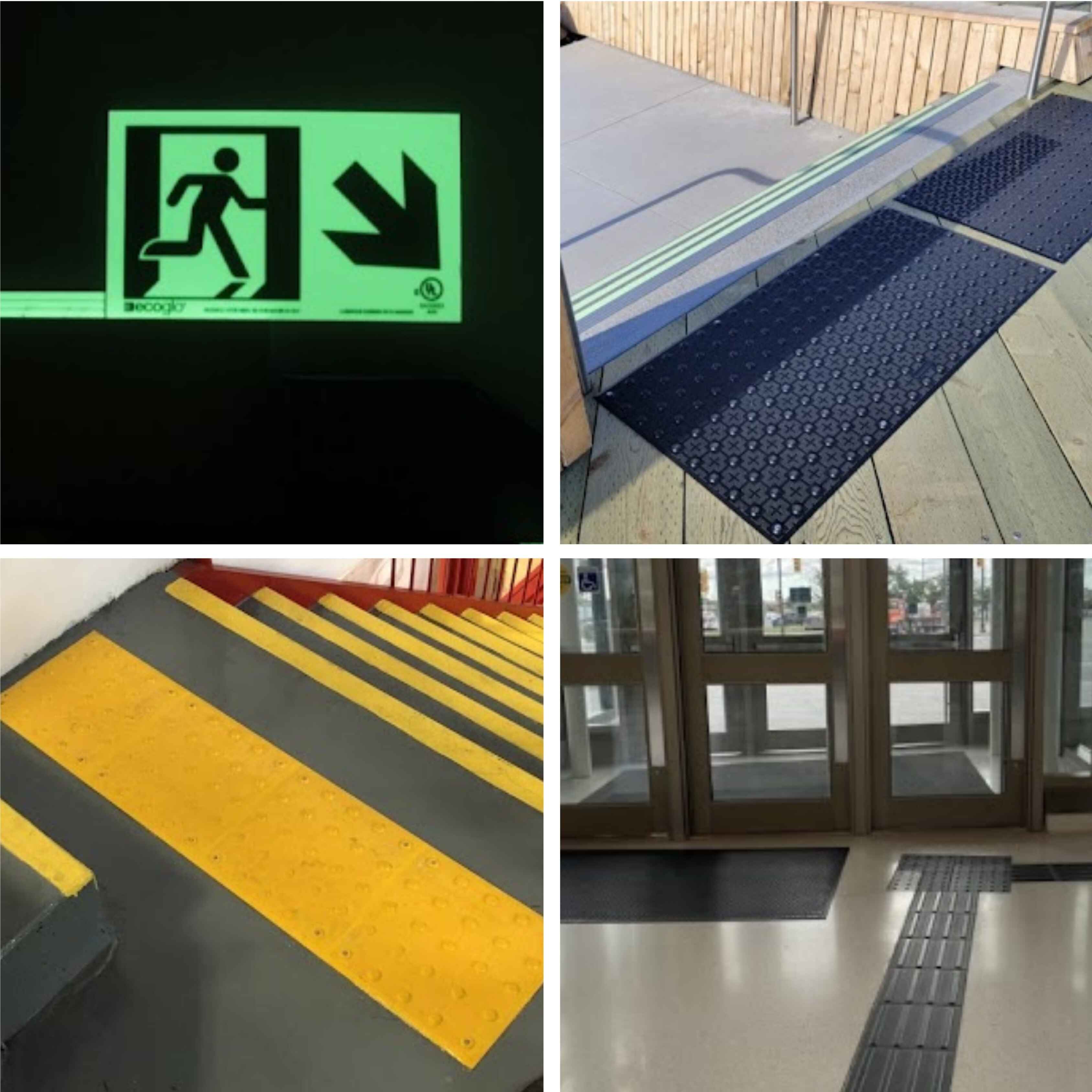
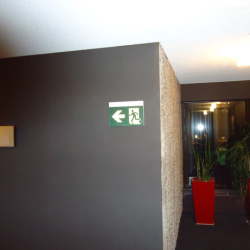
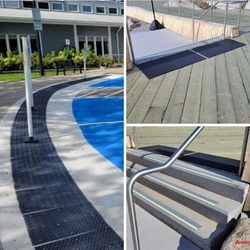
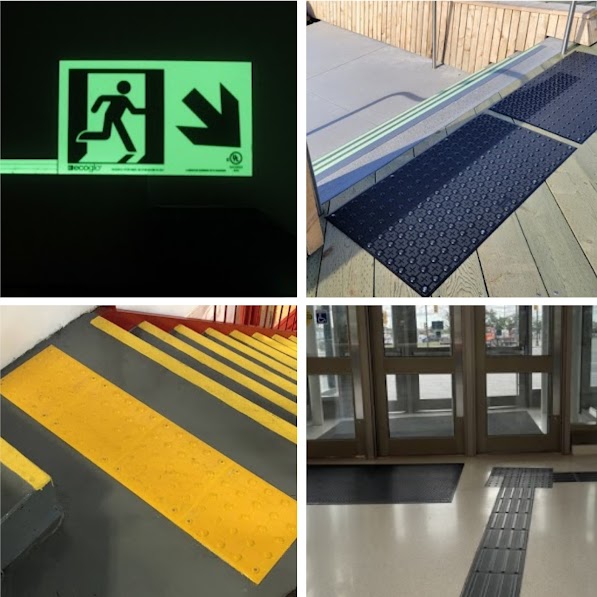
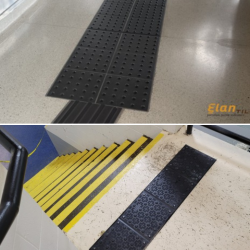
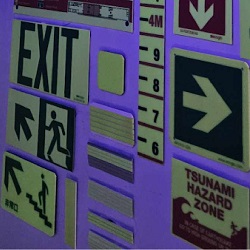
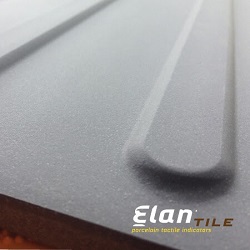
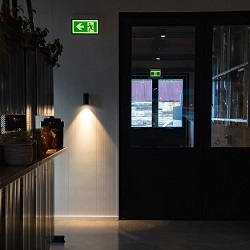
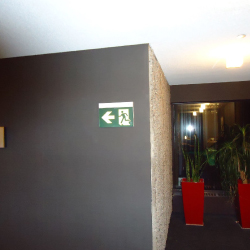
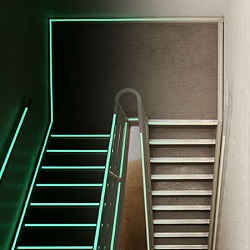
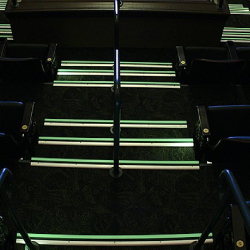
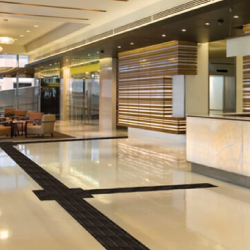
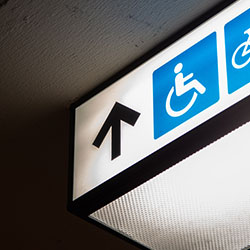
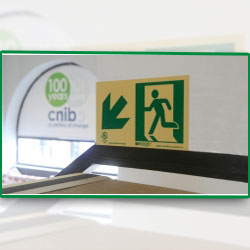
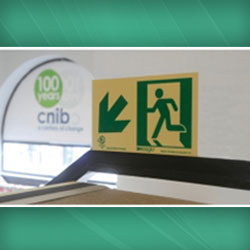
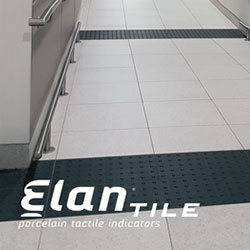
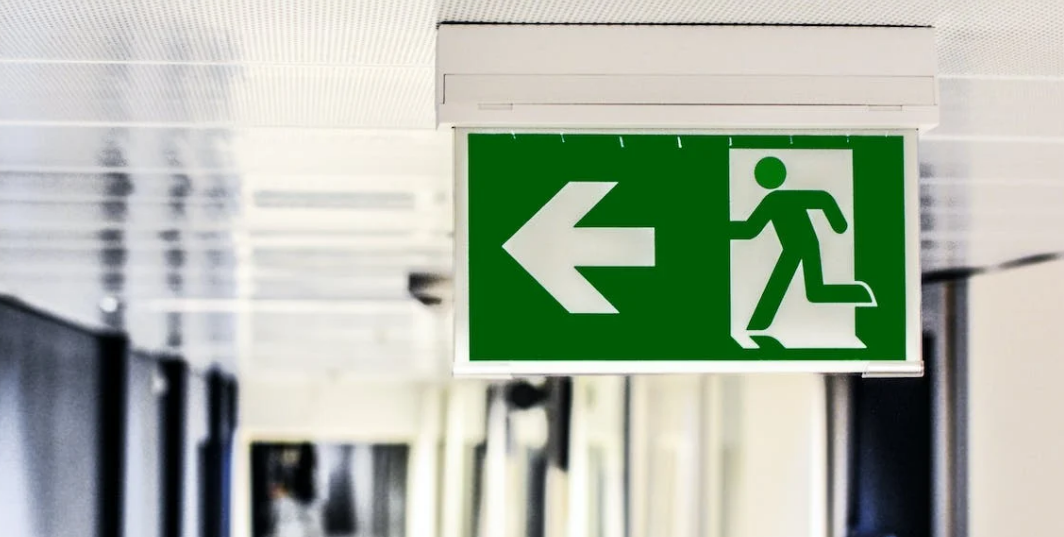
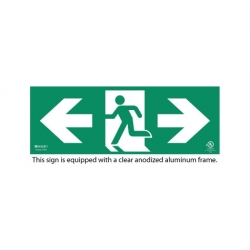
We then suggested installing Elan Porcelain Tactiles in their lobby to guide residents smoothly. For the pool area, we suggested Ecoglo anti-slip stair nosing and EON Tile rubber warning tiles. We installed clear directional exit signs near all doors.
The installation team worked efficiently during off-peak hours over two weekends. The project caused zero downtime for the residents. Today, those seniors walk to the pool with complete confidence, and parents feel safe on the stairs. It completely transformed their community into a welcoming space.
Canada has strict rules for accessible design. If you own or manage a condo, you must follow the Accessibility for Ontarians with Disabilities Act (AODA) and the Ontario Building Code (OBC). You also need to meet CAN/CSA-B651 standards.
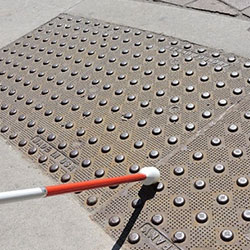
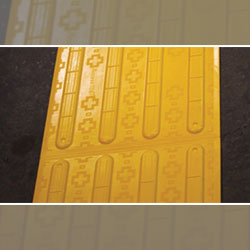
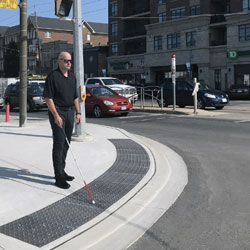
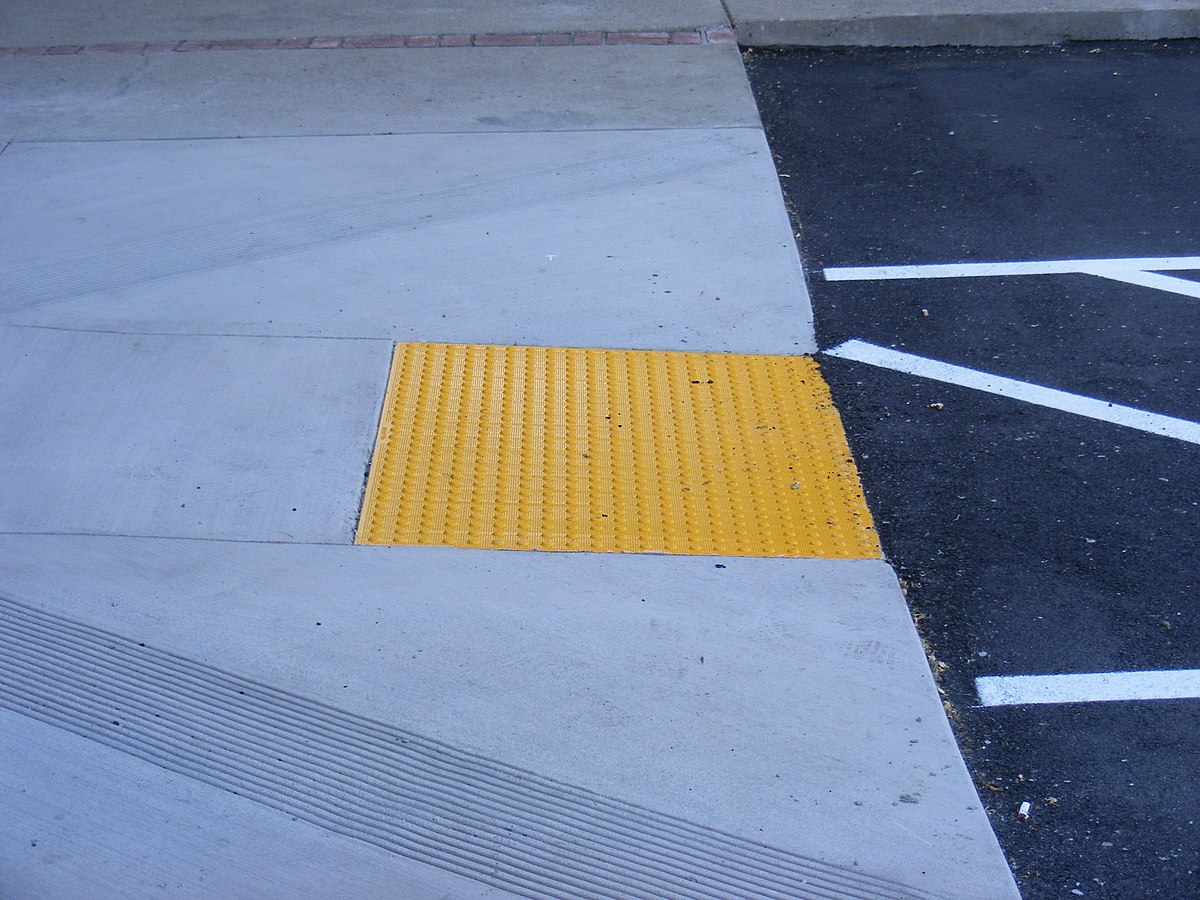
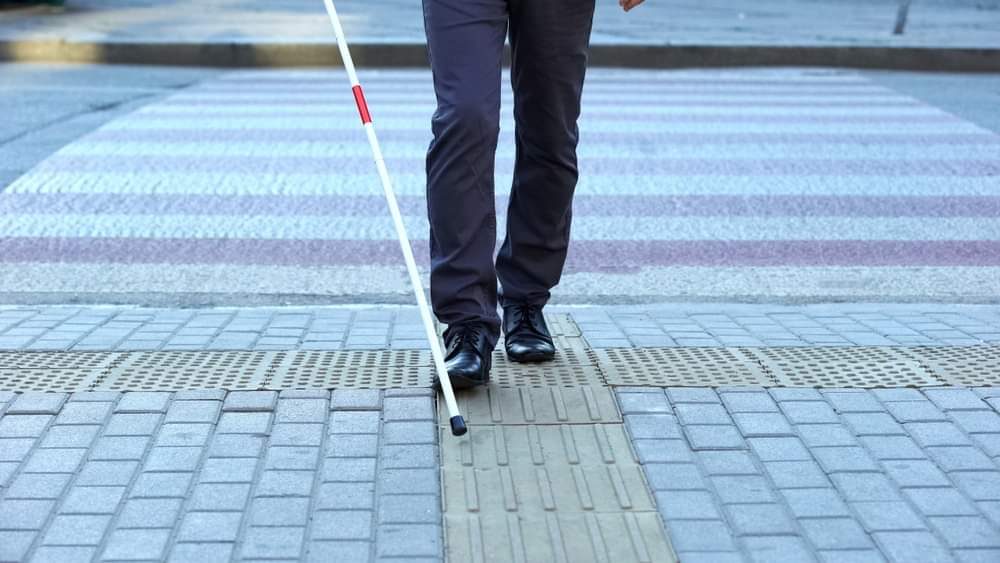
These standards require specific tactile ground surface indicators (TGSIs). TGSIs alert pedestrians with low vision to potential hazards using touch. They must be installed flush with the floor and spaced correctly for easy detection with a white cane.
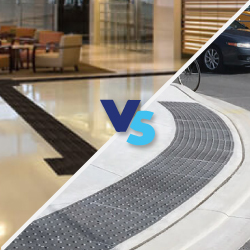
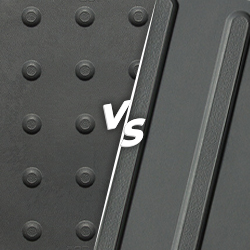
There are two main types you need to understand for your projects.
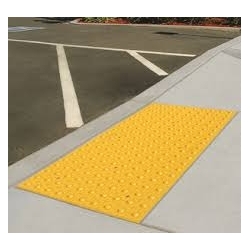
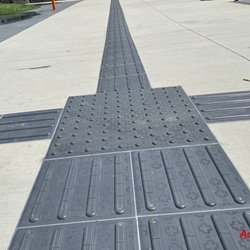
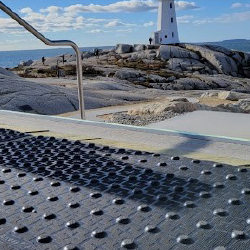
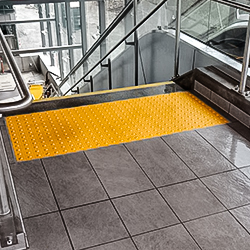
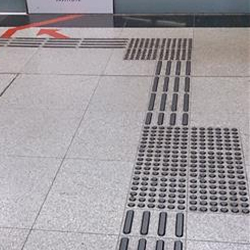
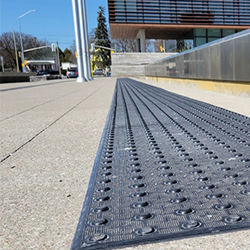
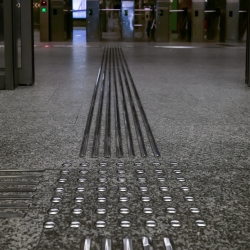
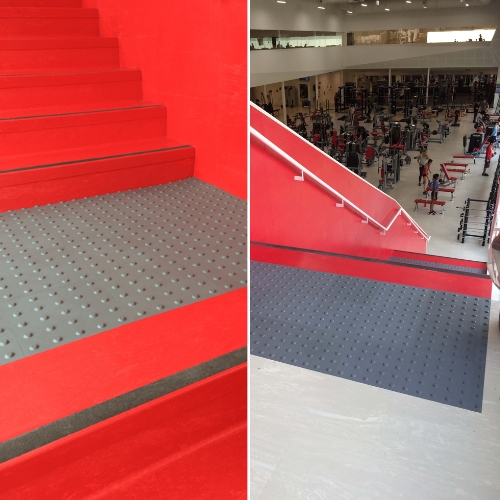
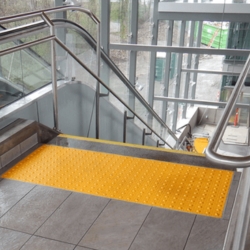
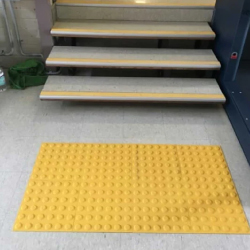
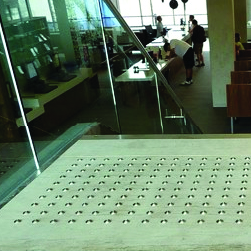
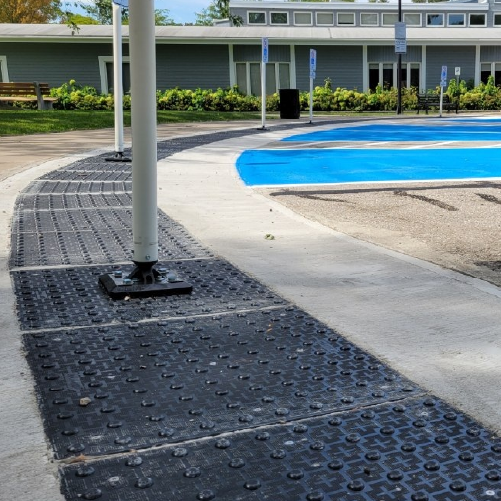
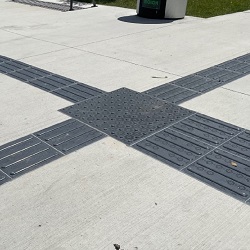
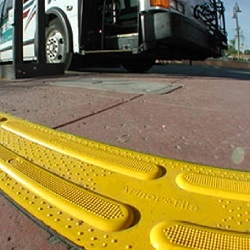
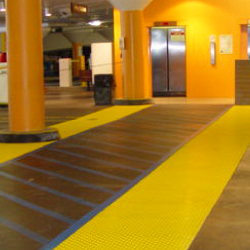
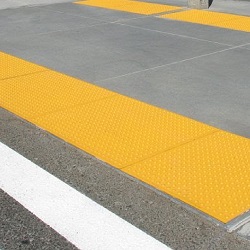
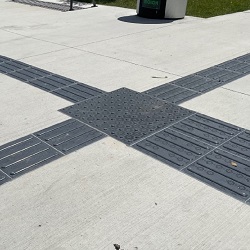
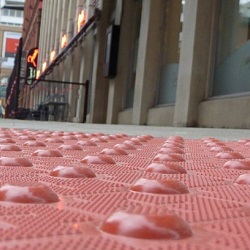
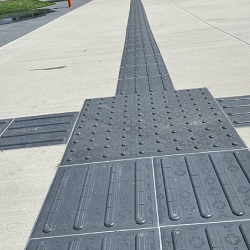
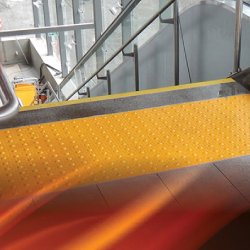
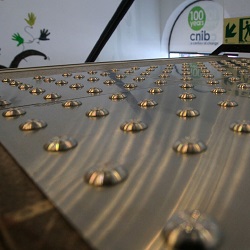
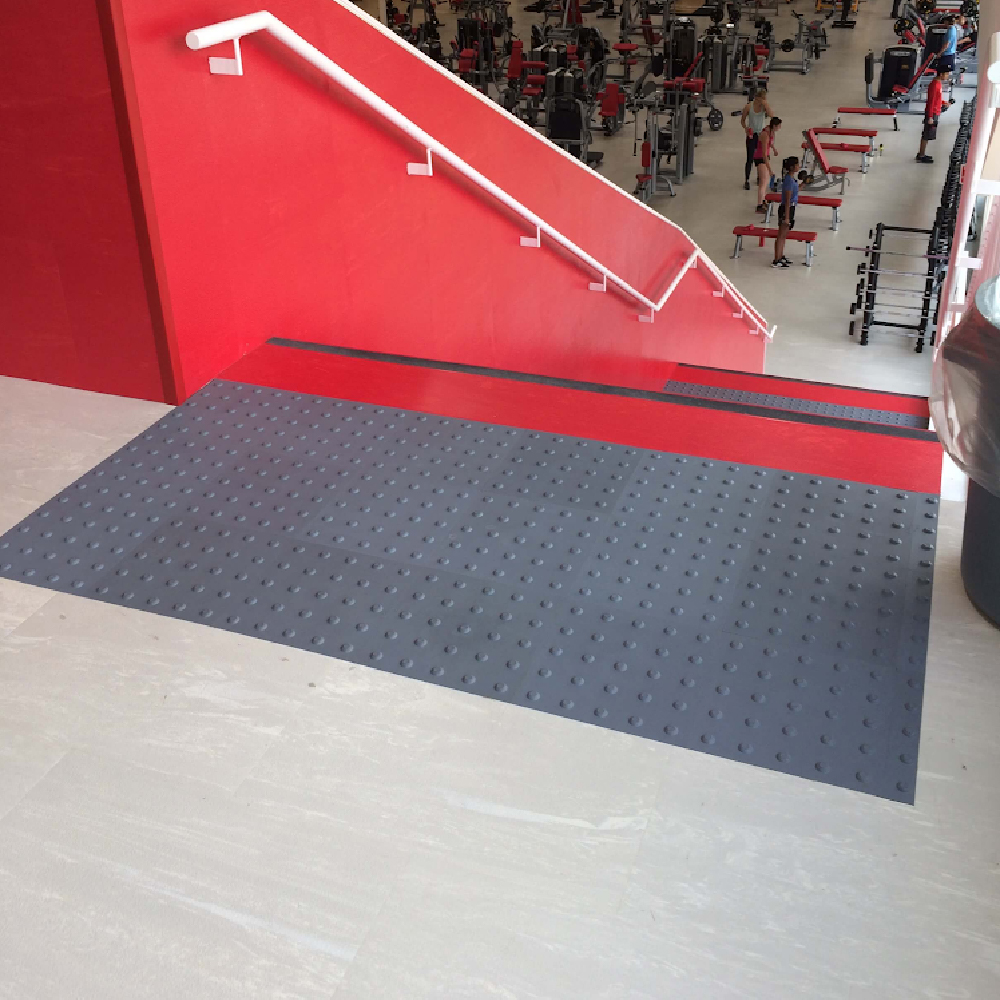
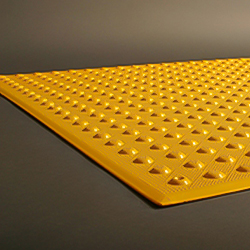
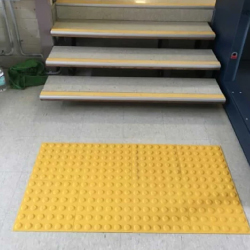
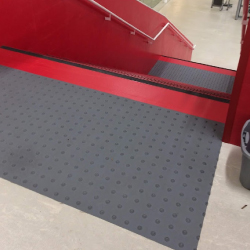
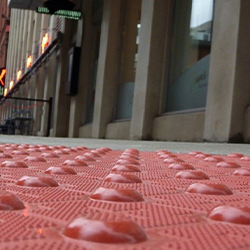
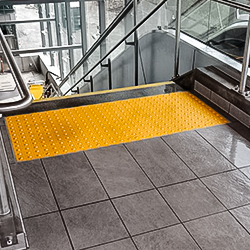
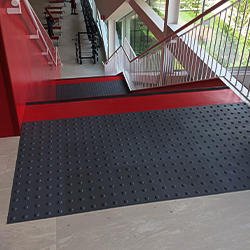
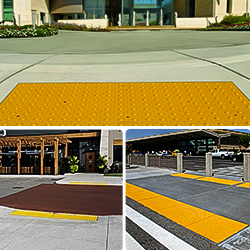
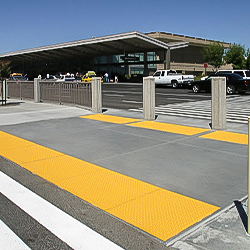
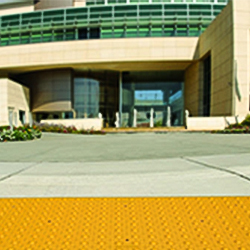
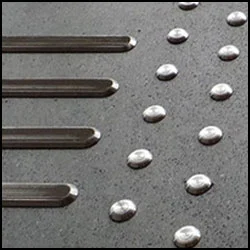
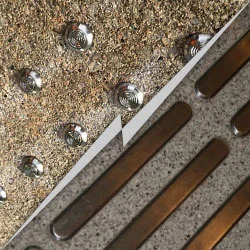
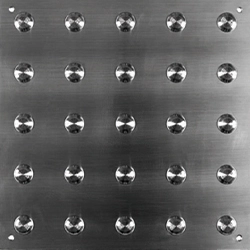
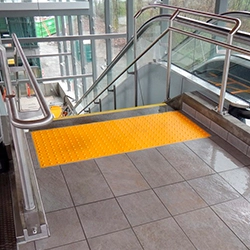
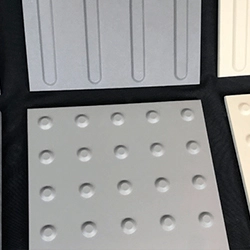
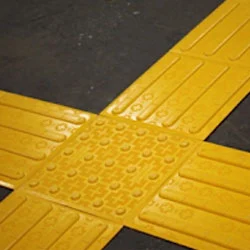
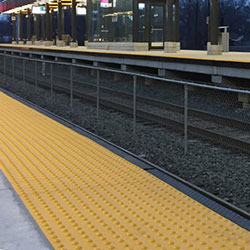
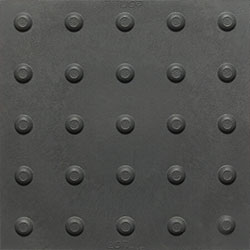
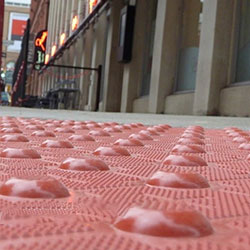
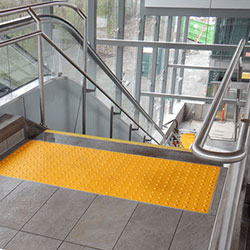
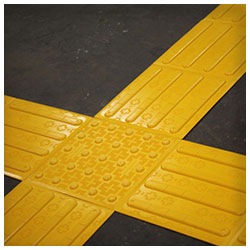
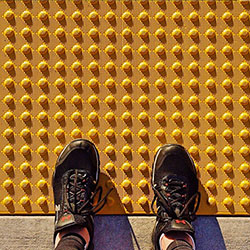
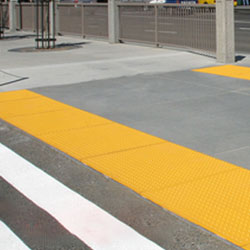
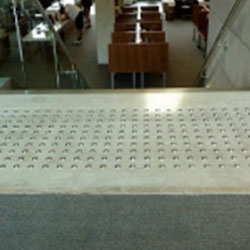
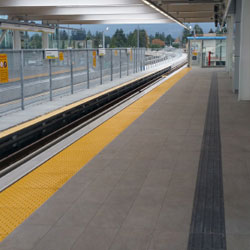
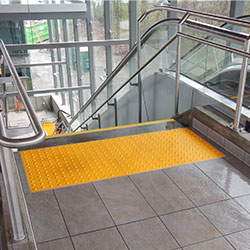
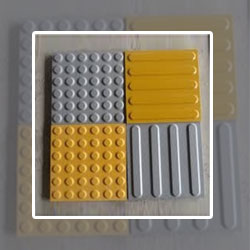
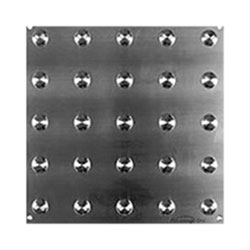
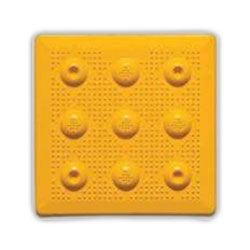
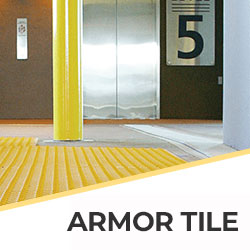
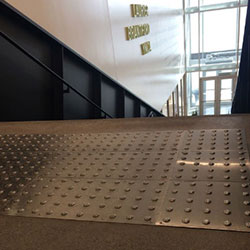
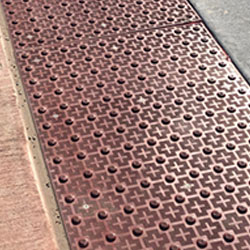
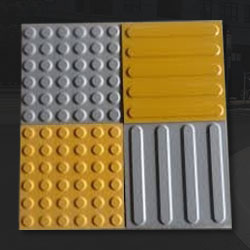
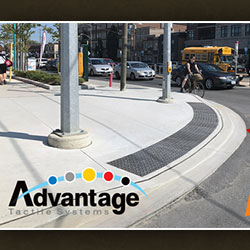
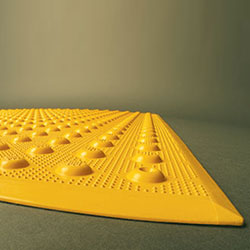
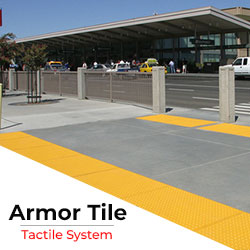
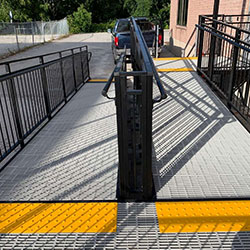
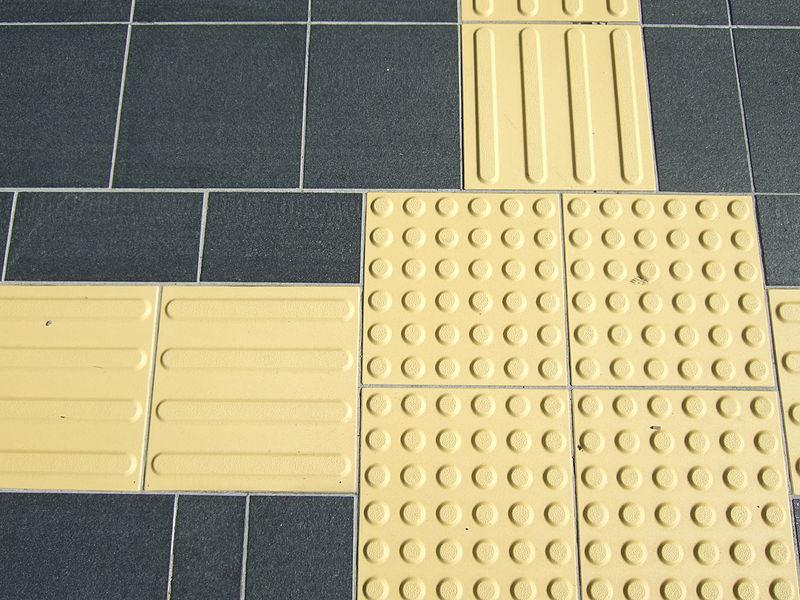
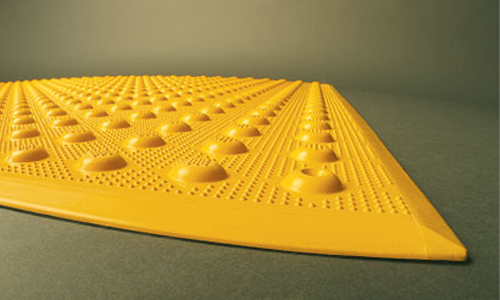
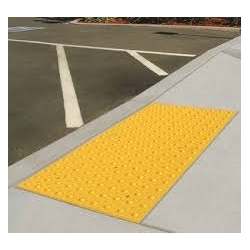
Tactile attention indicators use a pattern of circular, truncated domes. You will often hear them called tactile warning domes. They tell a person to stop and check their surroundings because a hazard is near.
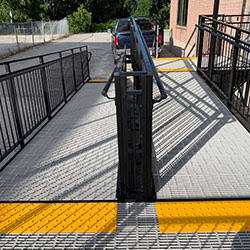
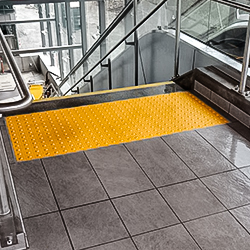
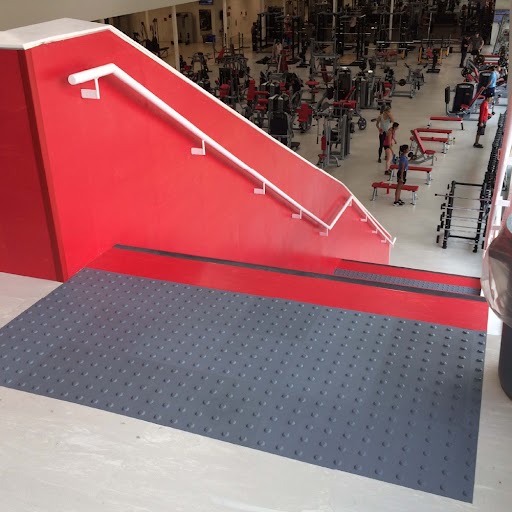
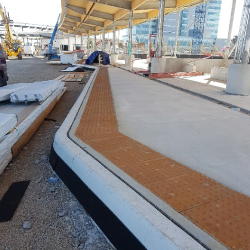
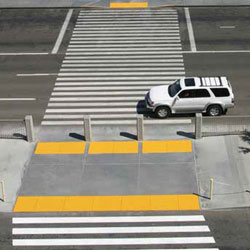
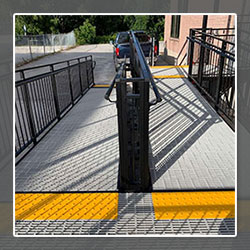
Code requires these domes at the top and bottom of the stairs. You must also place them at the edges of platforms without barriers, like a raised terrace. The domes are usually 4 to 5 mm high and arranged in a perfect square grid to ensure universal recognition.
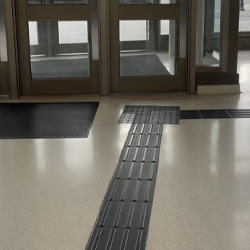
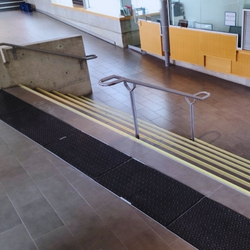
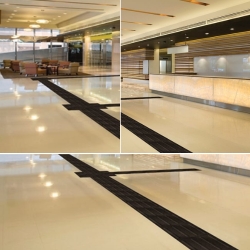
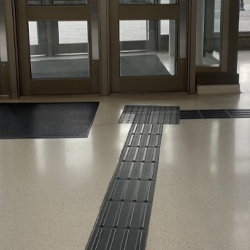
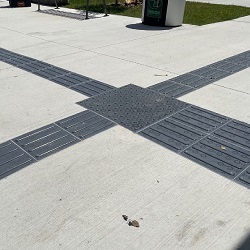
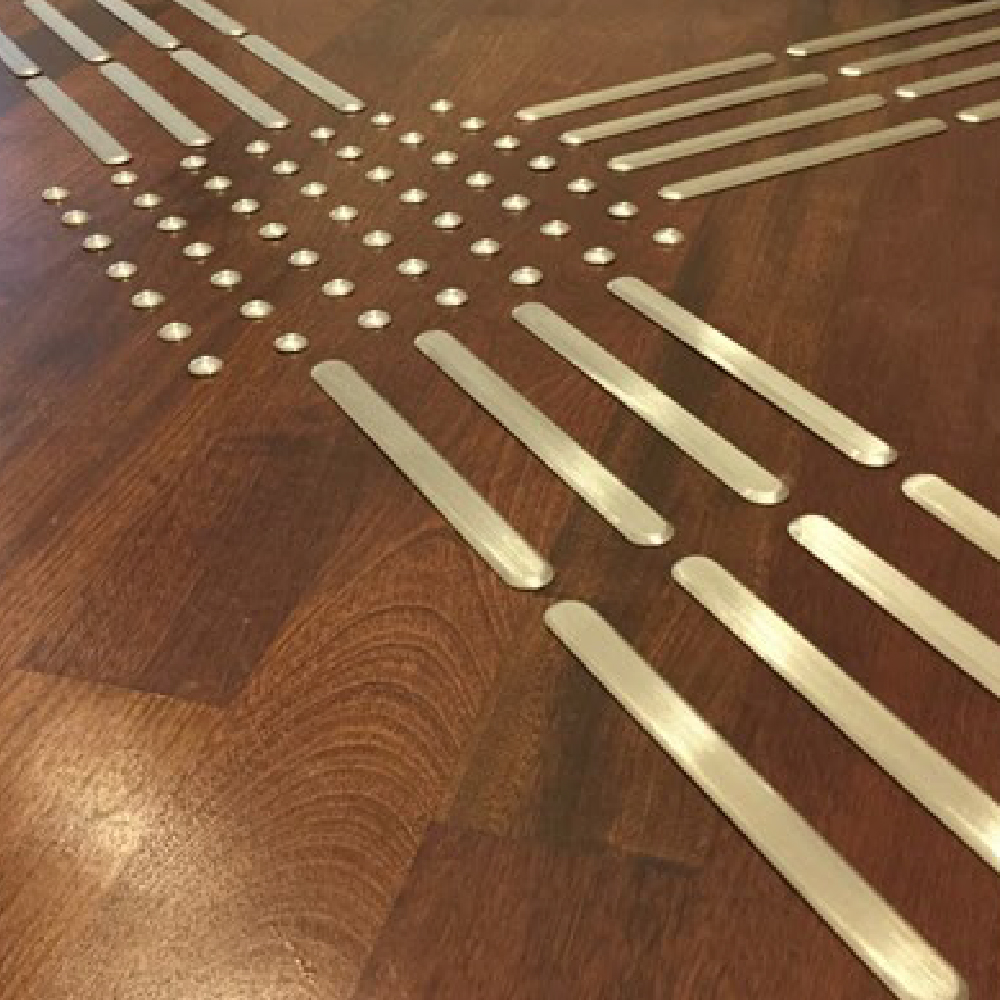
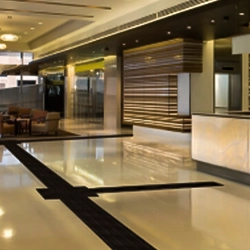
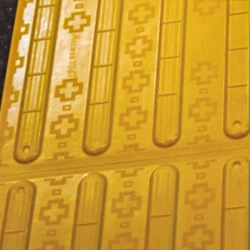
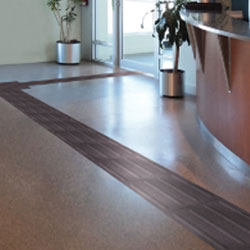
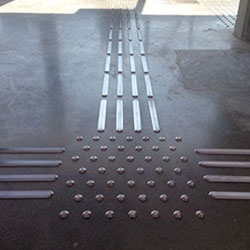
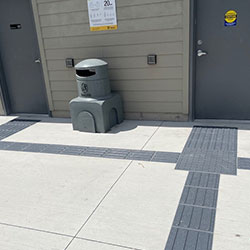
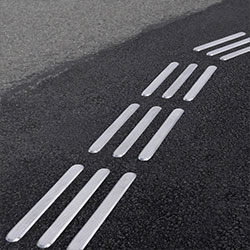
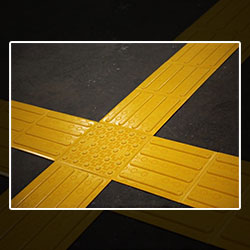
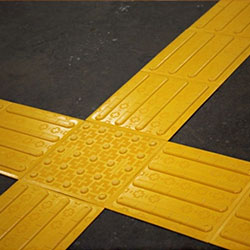
Tactile directional indicators use long, raised lines. These are commonly known as wayfinding bars. They create a clear path of travel for a person to follow.
You install these bars parallel to the direction you want people to walk. They guide residents through large, open spaces safely. For example, they can lead someone straight from the lobby doors to the elevator bank or the party room without confusion.
Every room in a condo has a different purpose and different traffic levels. A damp pool deck needs different materials than a quiet co-working lounge. Here is a breakdown of the best solutions for each space.
Fitness centers see heavy foot traffic and dropped weights daily. You need materials that resist scuffs and high impacts. Polymer composites are usually the best choice here.
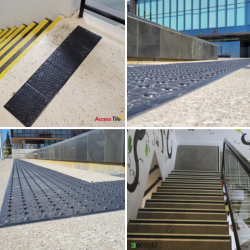
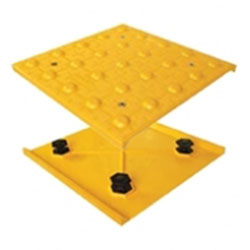
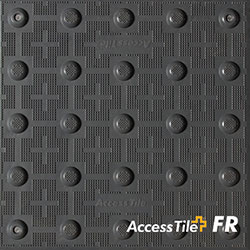
We highly recommend using AccessTile FR surface-applied tiles for these rooms. They are certified to ULC fire standards, providing safe guidance even during emergencies. They are also highly durable and affordable to replace if damaged.
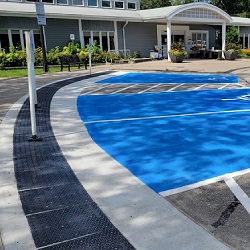
Pool decks are slippery and constantly wet. Safety is your top priority in these zones. You need products that offer extreme grip and resist water damage over time.
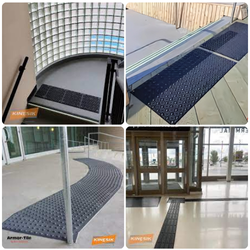
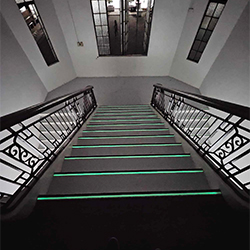
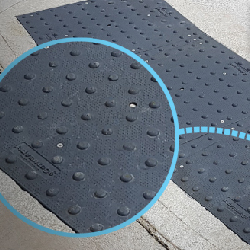
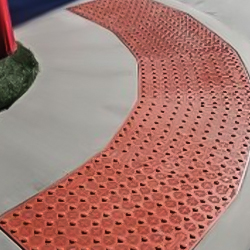
For these spots, we suggest using EON Tile rubber tactiles. The flexible rubber absorbs shocks and provides excellent slip resistance barefoot. You should also add photoluminescent stair nosing to any steps leading into the pool area.
These spaces are usually designed with high-end aesthetics in mind. You want tactile features that blend in with premium flooring. You do not have to sacrifice style for safety.
Elan Porcelain Tactiles are the perfect fit for luxury party rooms. They look beautiful and can last 15 to 20 years without fading. You can install them directly into fresh concrete or mortar to ensure a smooth transition with surrounding tiles.
Outdoor amenities face harsh Canadian winters, heavy rain, and intense summer sun. You cannot use basic indoor plastics outside. They will crack and fade very quickly under extreme weather.
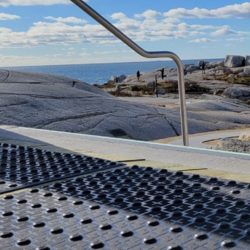
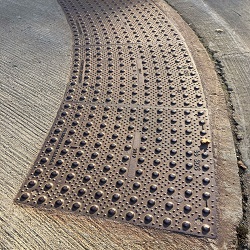
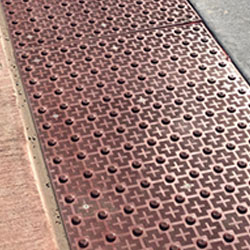
For rooftop terraces, you should install Advantage Cast Iron or stainless steel tactiles. These metals can withstand over 10 million footstrikes without failing. They easily survive snow, ice, and salt, making them perfect for outdoor Canadian weather.
Domes and bars are just the start of proper accessibility. If the power goes out in your condo, residents need to find their way out of the building safely. This is where glow-in-the-dark products come in.
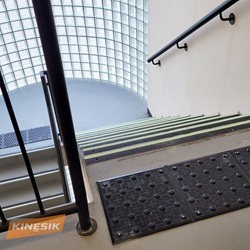
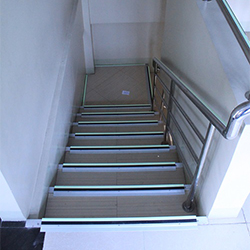
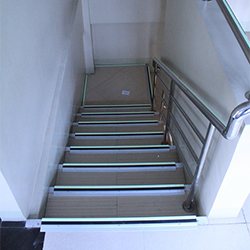
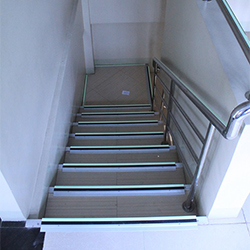
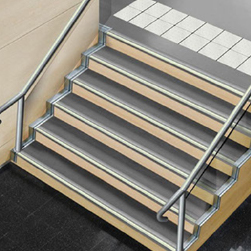
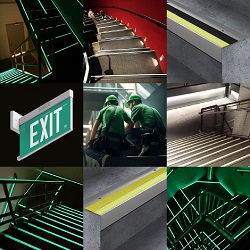
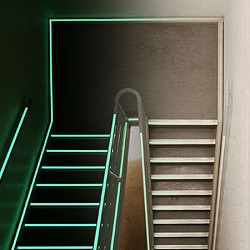
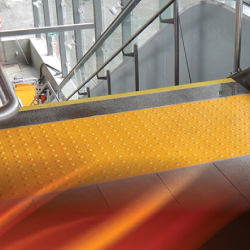
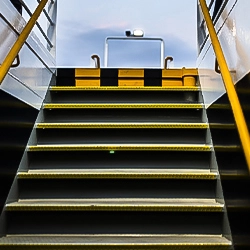
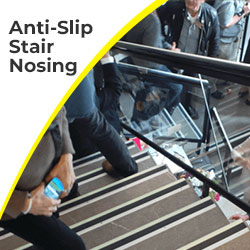
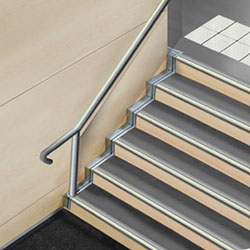
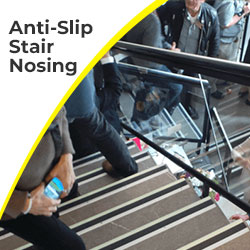
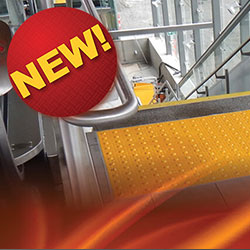
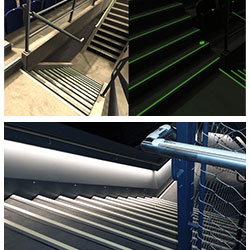
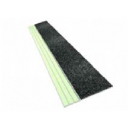
Staircases are the most common site for slips and falls. You must install anti-slip treads to protect your residents. We provide excellent photoluminescent stair nosing and non-photoluminescent options for all stair types.
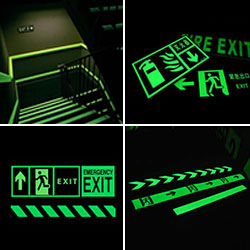
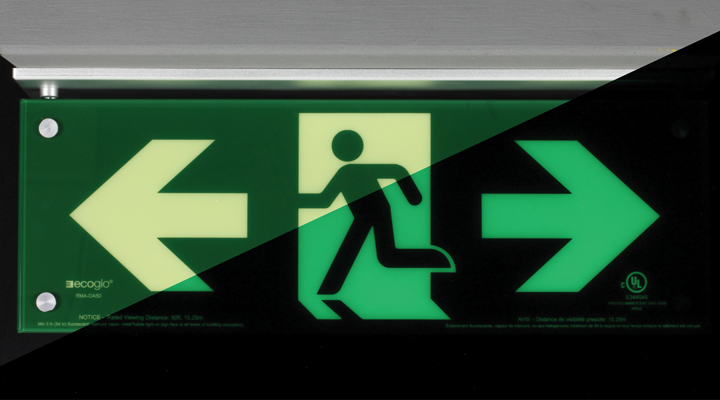
The photoluminescent versions absorb ambient light all day. If the power fails, they glow brightly to show the exact edge of every step. This makes emergency evacuations much safer and less stressful for everyone involved.
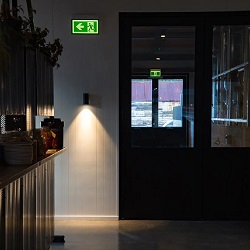
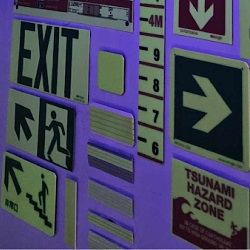
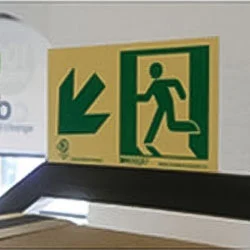
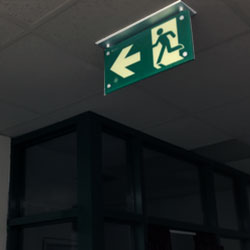
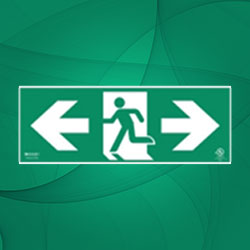
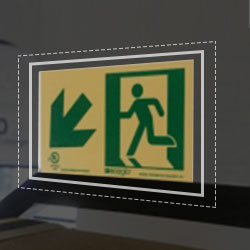
Standard electric exit signs fail when the backup generators run out. You need a reliable backup system to ensure safety. Photoluminescent exit signs require zero electricity and no wiring to function.
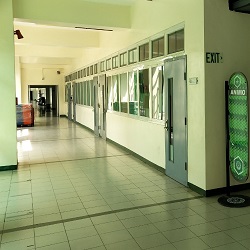
We supply top-quality directional exit signs that meet all Canadian fire and building codes. You can place them in stairwells, long hallways, and mechanical rooms. They provide clear, visible guidance for hours during total blackouts.
No two renovation projects are exactly the same. You must choose an installation method that fits your timeline and your floor surface. Here are the three main ways to install tactile systems.
Installing these products is only half the job. You must maintain them to keep your building compliant and safe. Here are a few simple tips to keep your tactile systems in top shape.
Tactile warning domes alert people with vision impairments to upcoming hazards. You will feel them underfoot or with a cane right before stairs, ramps, or unprotected drop-offs.
You should replace tactile tiles when the domes wear down, the color fades, or the adhesive starts lifting. Polymer tiles typically last 10 to 15 years, while cast iron can last the life of the building.
Provincial bodies enforce these rules. In Ontario, building inspectors ensure compliance with the Ontario Building Code (OBC) and the Accessibility for Ontarians with Disabilities Act (AODA) before issuing occupancy permits.
Electric signs can fail during severe power outages if backup batteries die. Photoluminescent signs glow naturally without power. They offer a fail-safe backup to guide residents to safety.
Use cast-in-place tiles when pouring fresh concrete for a new build. Use surface-applied tiles for retrofitting existing floors. Surface-applied options stick down easily without requiring you to tear up the old floor.
Creating an accessible building is much more than just ticking boxes for a code inspector. It is about making sure every single person in your community feels safe and welcome. A well-designed space helps everyone - from seniors to parents with prams - move freely.
If you are planning an upgrade or need to fix a compliance issue, we are ready to help. At Tactile Solution Canada, we supply contractors, landscapers, and building managers with the best products on the market. We have everything from heavy-duty cast iron to sleek porcelain tiles.
Reach out to our team today to find the perfect match for your project. Let us help you turn your condo into a truly inclusive home for all its residents.