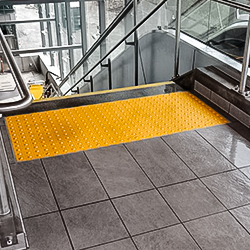
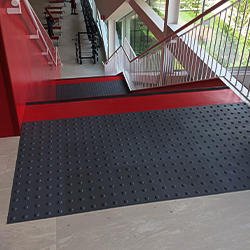
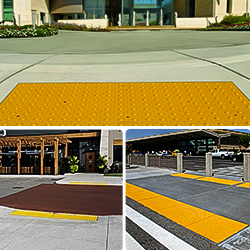
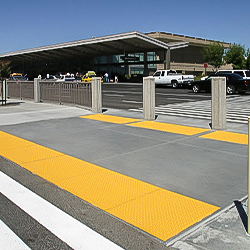
A safe building is not just about standing strong against the wind. It is about protecting the people inside when the worst happens.
High-rise buildings and enclosed emergency exits in Canada strictly require fire-resistant tactile walking surface indicator products to pass safety codes. Using standard combustible plastics in these designated exit routes will result in failed inspections and costly replacements.
At Tactile Solution Canada, we help contractors and building managers pass their final inspections the first time. Here are the best fire-resistant tactile warning products available in 2026 to keep your property completely compliant and safe.
Many people wonder why a simple floor tile needs a fire rating. To understand this, you have to think about how a fire actually behaves in a tall building.
When a fire breaks out, flames are obviously dangerous. But smoke inhalation is the true killer. Standard polymer plastic tiles burn very quickly. When they catch fire, they release thick black smoke and highly toxic gases. If you place standard plastic tiles inside an enclosed concrete stairwell, that stairwell acts like a chimney. The toxic smoke travels straight up. It traps residents who are trying to escape.
This is exactly why the National Building Code of Canada and the Ontario Building Code created specific rules for egress paths. These codes measure two vital things.
To pass an inspection in an enclosed stairwell or a building over seven stories tall, your tactile products must pass the strict ULC S102.2 testing standard. If they do not carry this specific Canadian fire rating certificate, you will have to rip them out.
You need products that blend perfect accessibility with top-tier fire safety. Here are the absolute best options on the market this year.
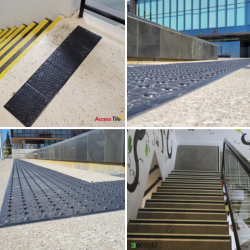
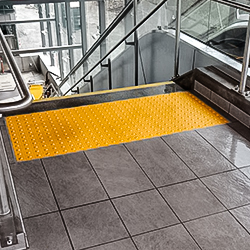
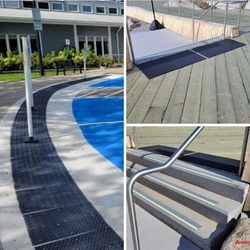
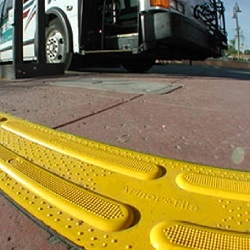
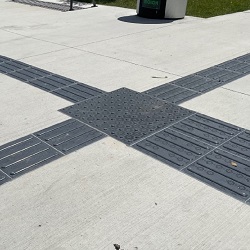
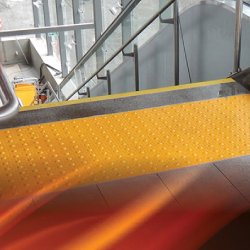
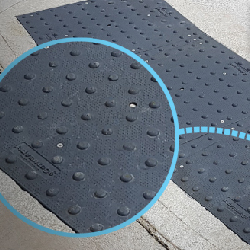
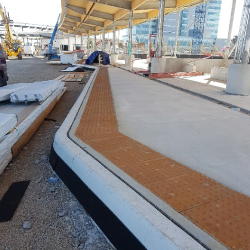
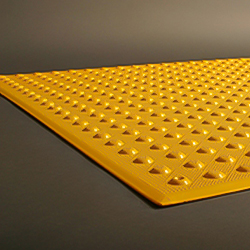
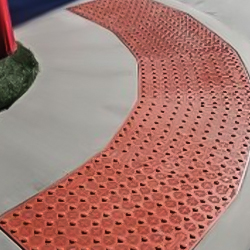
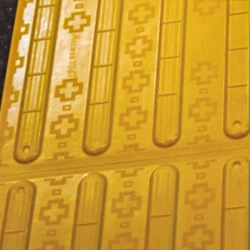
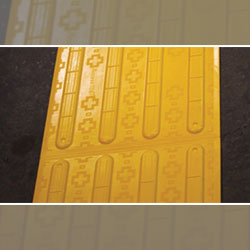
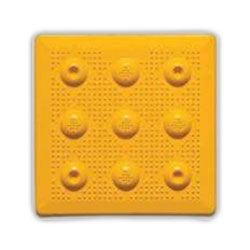
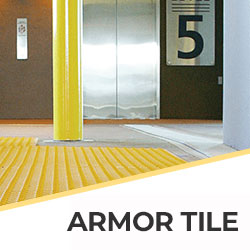
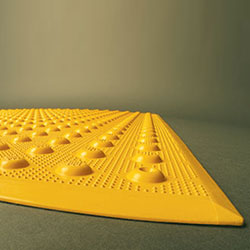
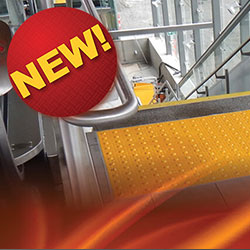
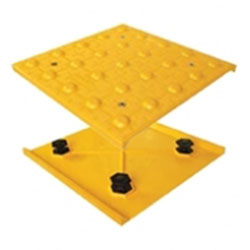
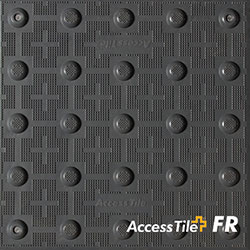
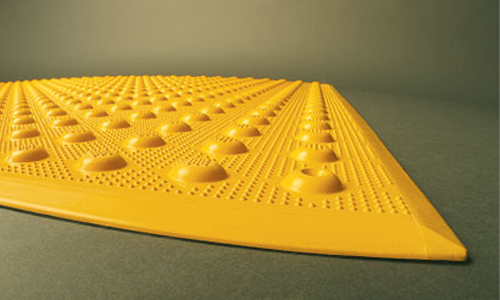
This is the ultimate choice for retrofitting older buildings. AccessTile created a specialised fire-resistant compound that meets all ULC S102.2 requirements. Here are Access Tile Fire Resistant Tactile Tile features:
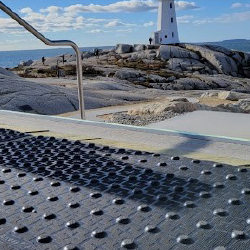
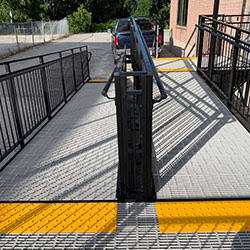
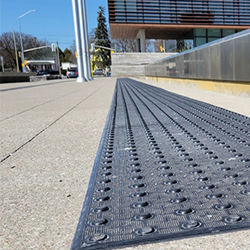
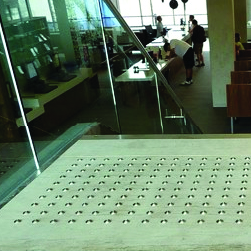
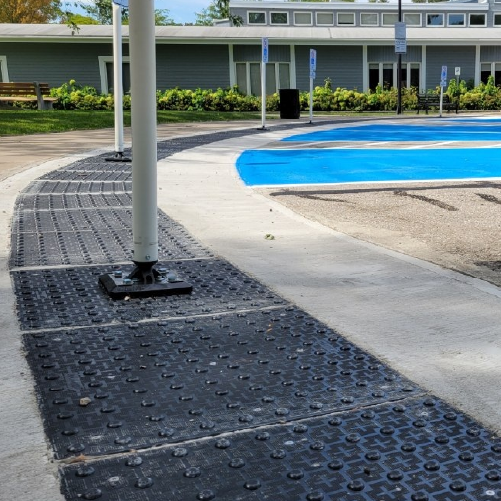
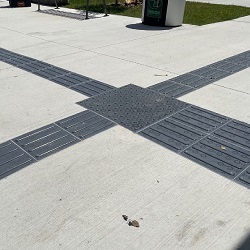
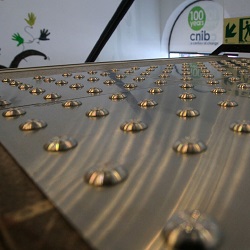
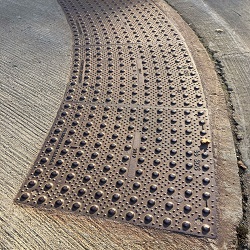
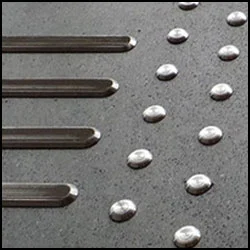
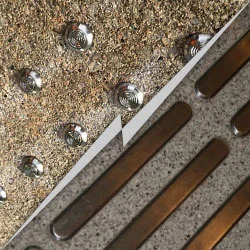
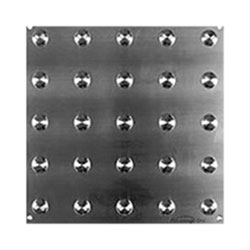
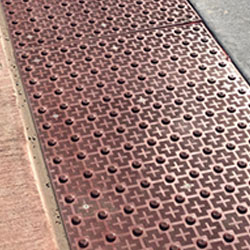
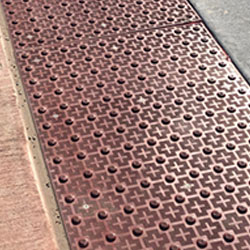
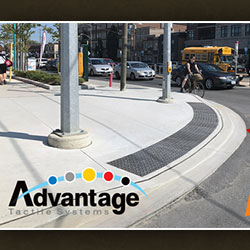
If you are pouring brand new concrete for a high-traffic area, nothing beats solid iron. Iron is naturally non-combustible. It does not burn. It does not create smoke. Here are Advantage cast iron tactile tile features:
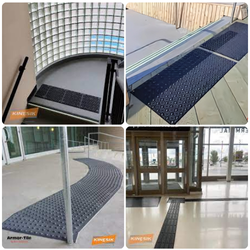
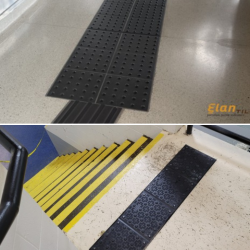
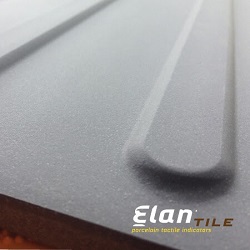
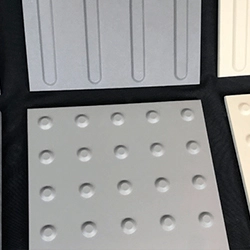
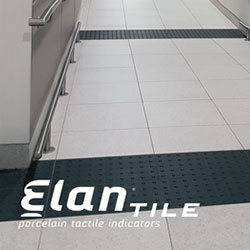
High-end commercial spaces require beautiful finishes. Elan porcelain tiles offer superior heat resistance and a stunning aesthetic.
Placing a few fire-rated tiles on a landing is just the first step. True accessibility means creating a continuous, safe path of travel. You must build complete Systems for the Visually Impaired that function flawlessly during a terrifying emergency.
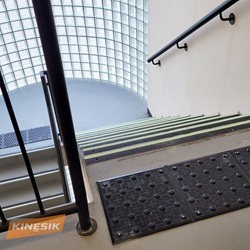
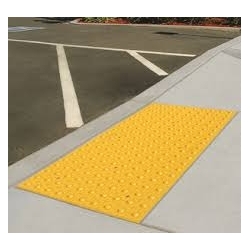
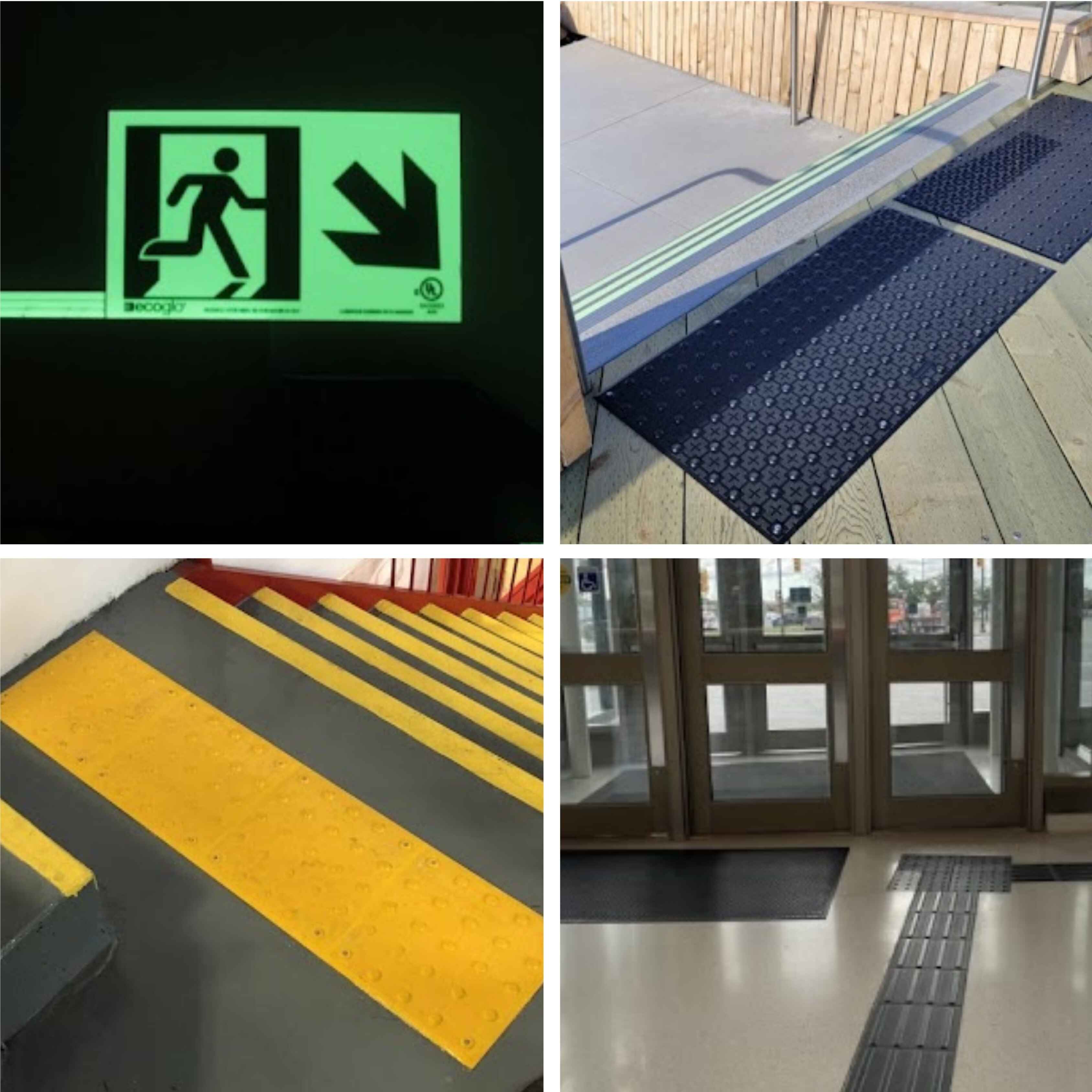
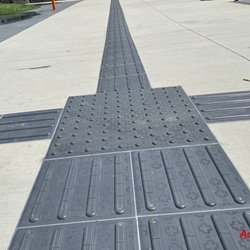
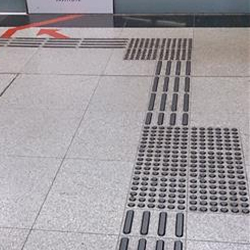
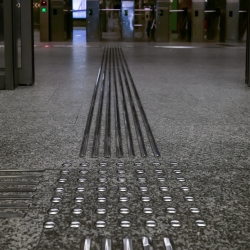
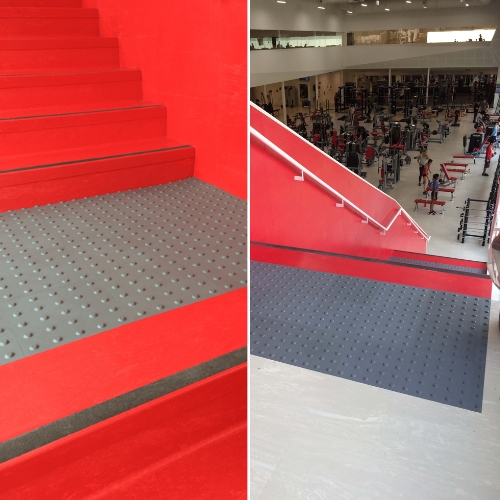
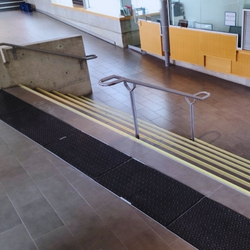
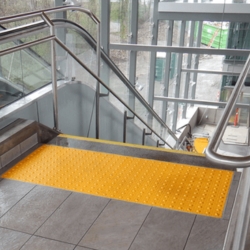
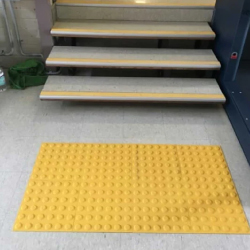
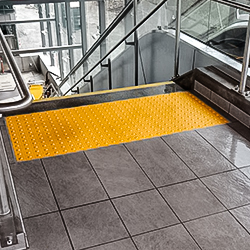
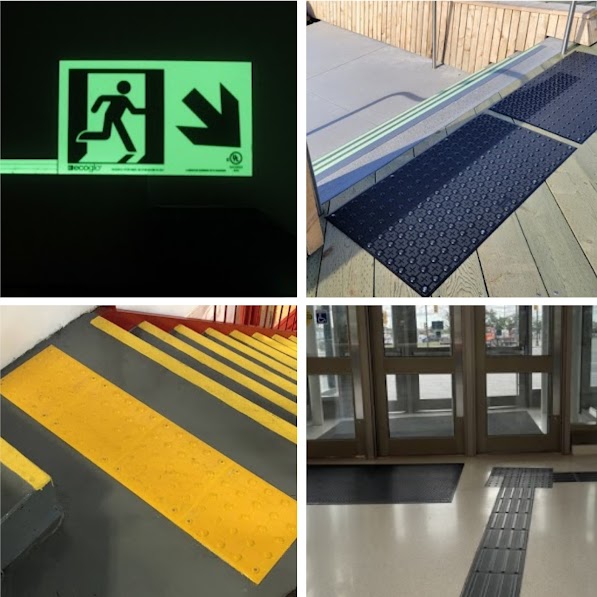
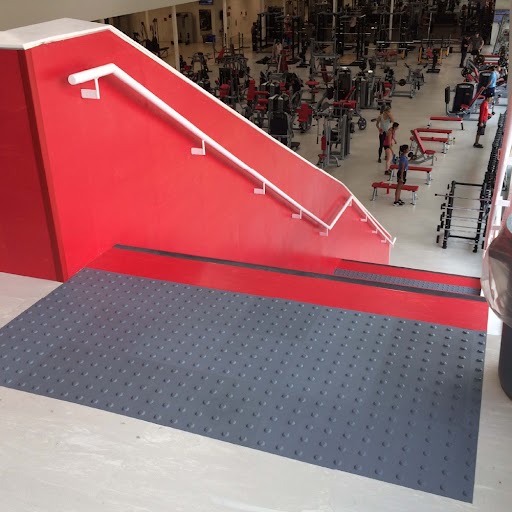
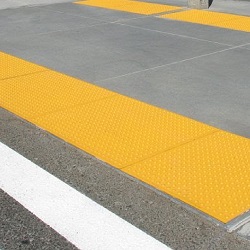
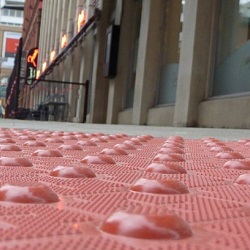
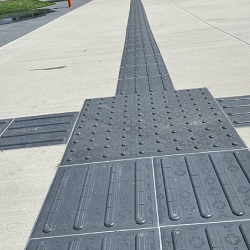
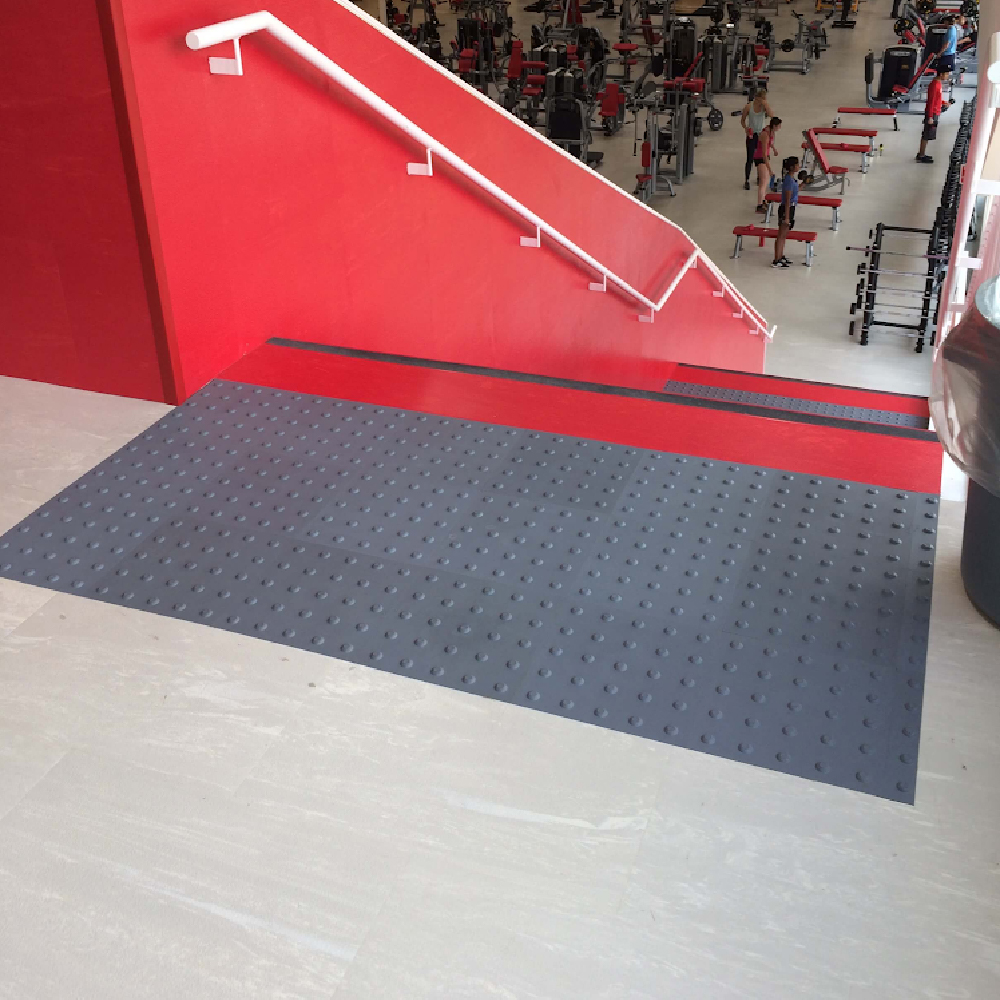
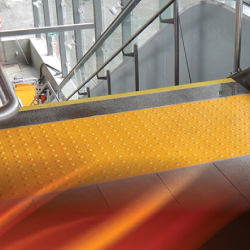
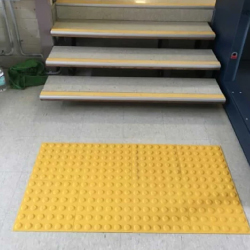
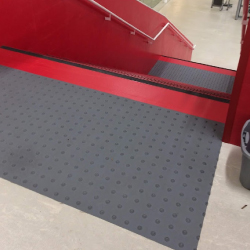
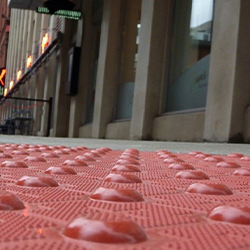
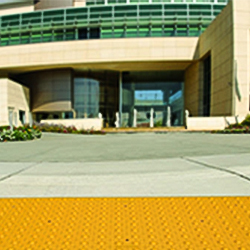
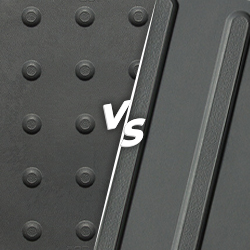
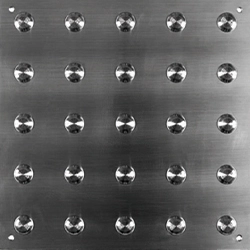
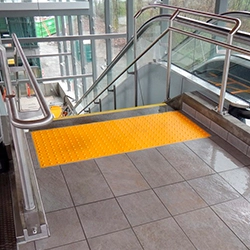
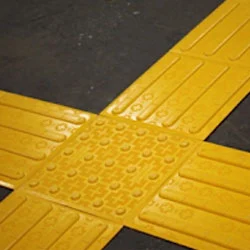
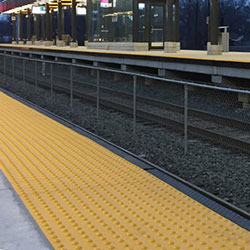
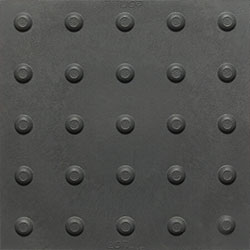
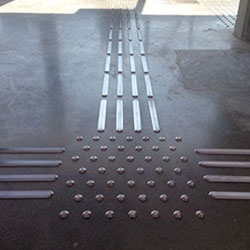
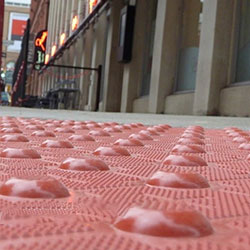
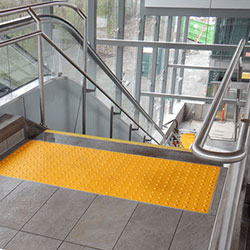
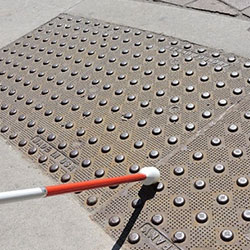
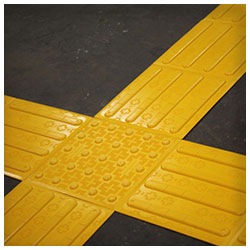
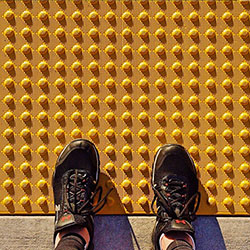
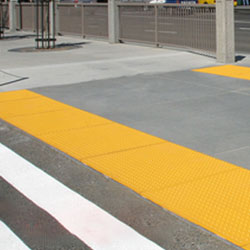
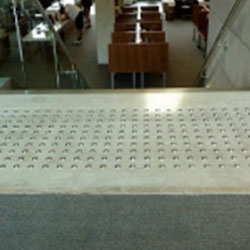
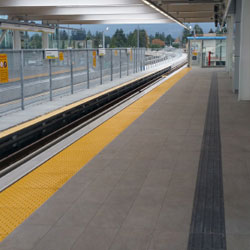
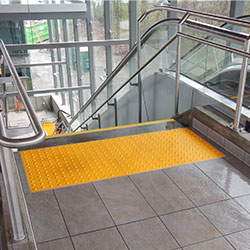
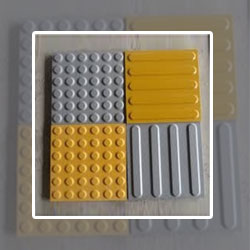
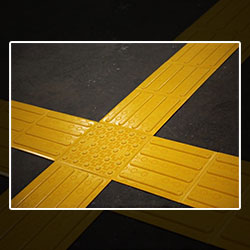
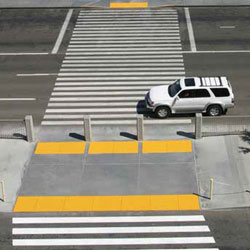
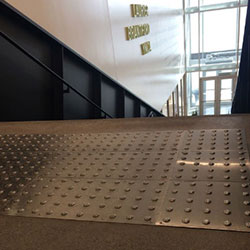
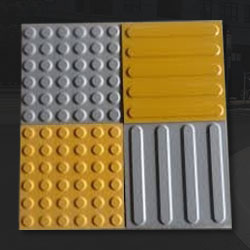
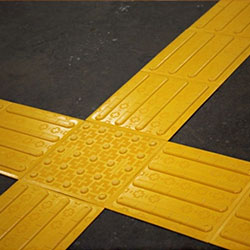
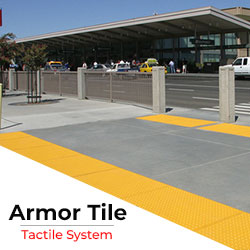
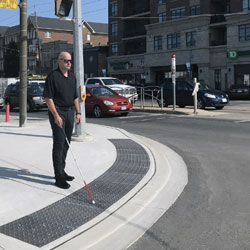
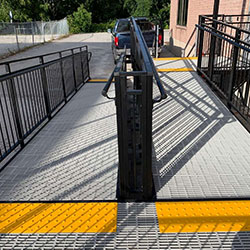
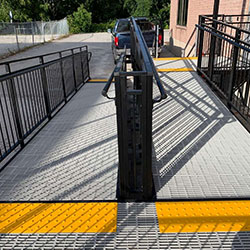
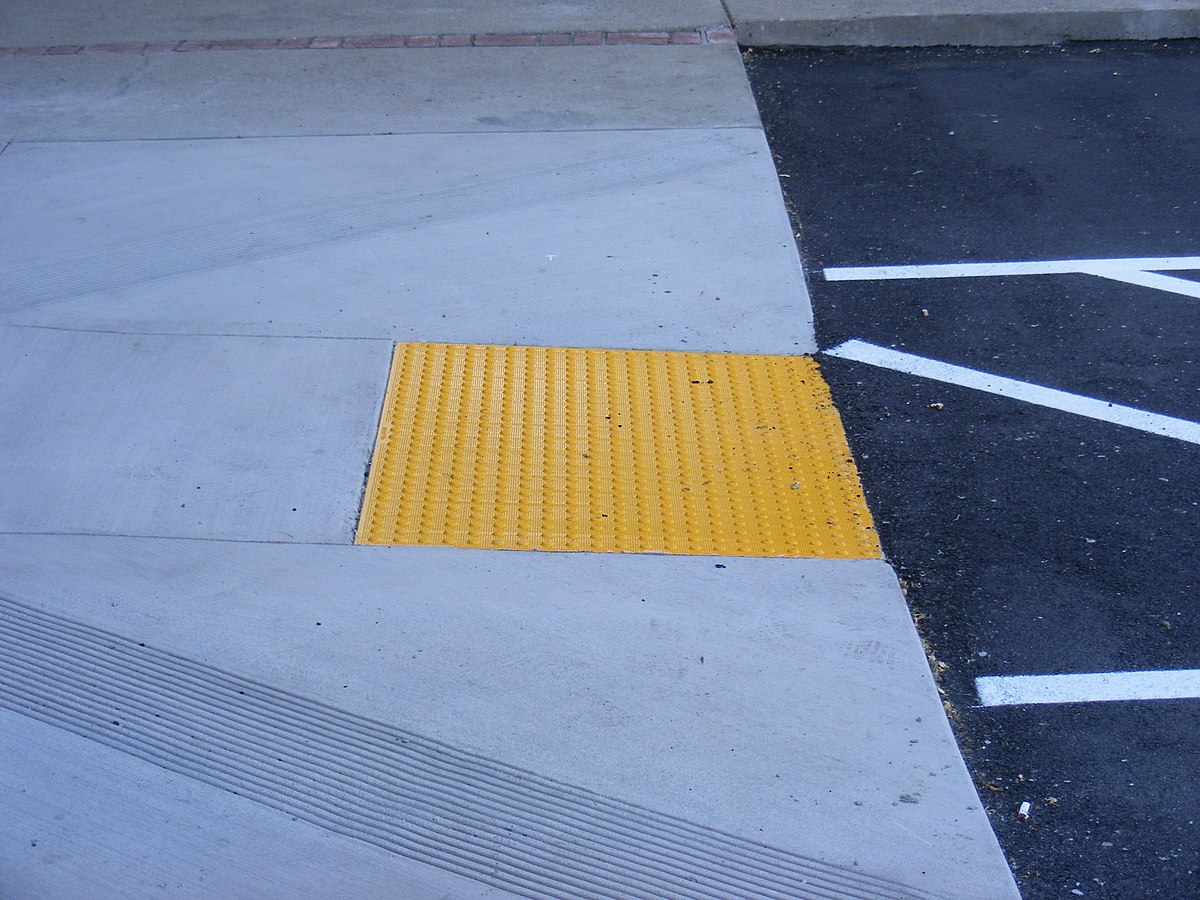
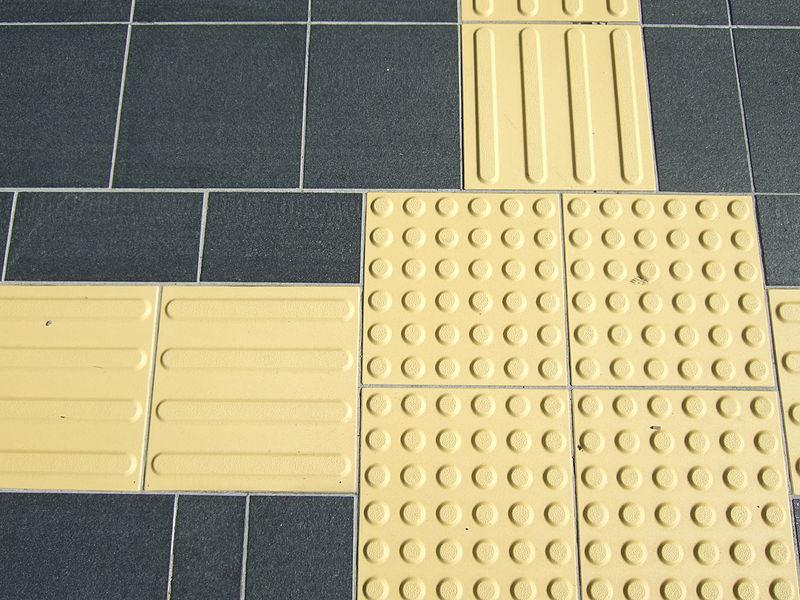
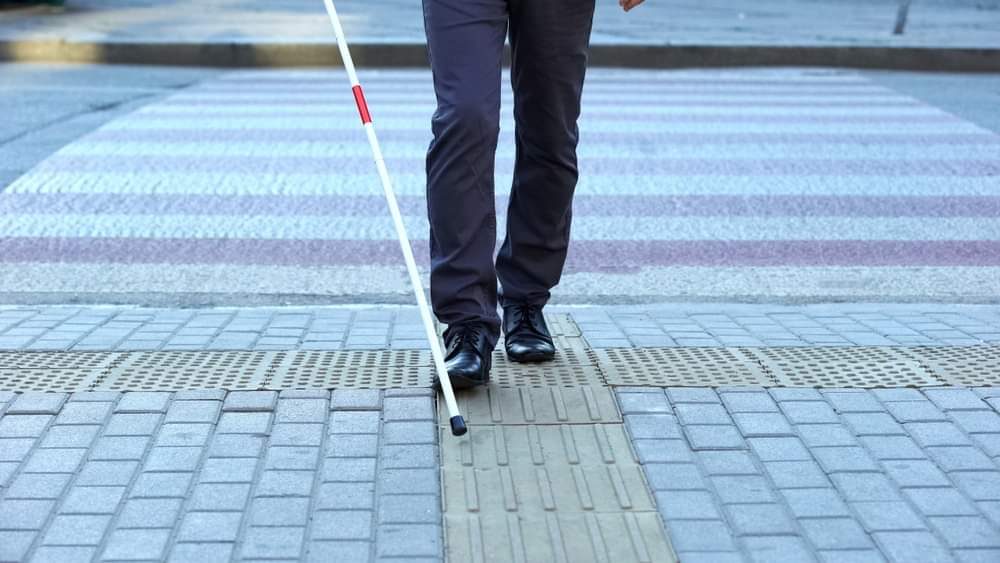
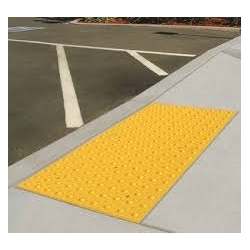
You must install Tactile Warning or attention domes right before the stairs begin. These raised dots tell a person using a white cane to stop immediately. They clearly signal that a dangerous drop off is one step away.
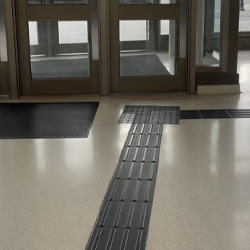
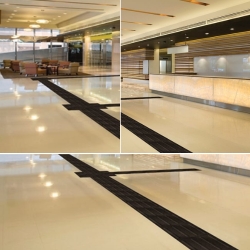
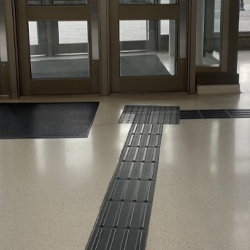
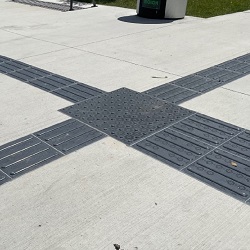
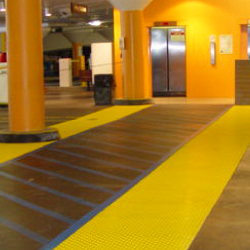
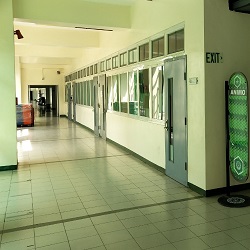
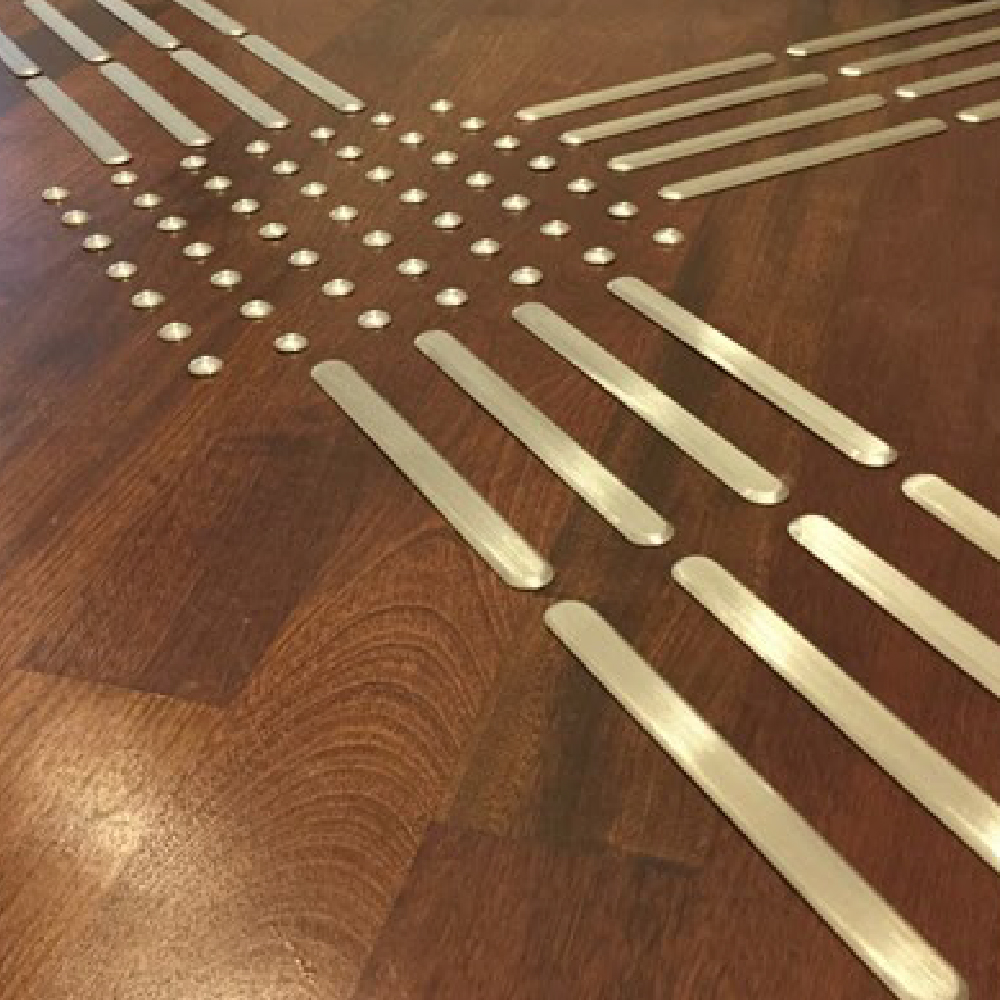
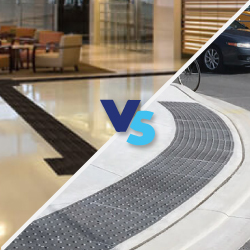
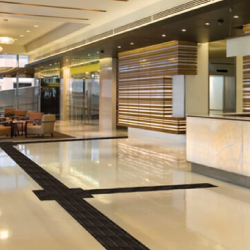
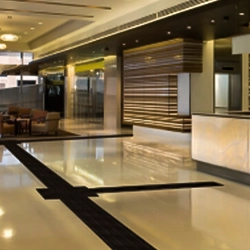
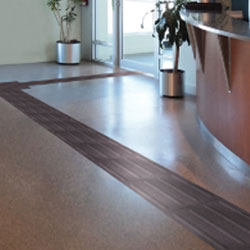
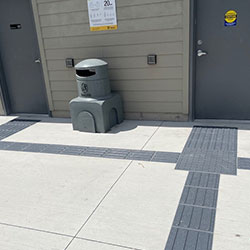
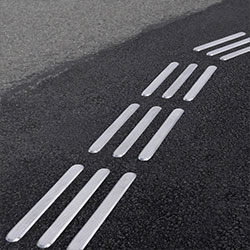
Large open lobbies confuse people during a smoky evacuation. You should install Guidance or Wayfinding bars on the floor. These flat-topped ridges create a physical map. They guide people directly from the elevator banks straight to the safest fire exit doors.
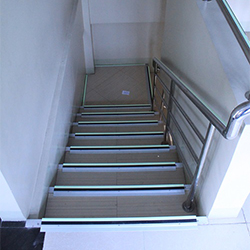
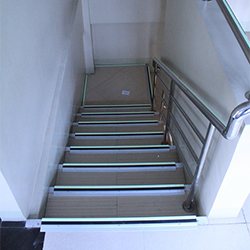
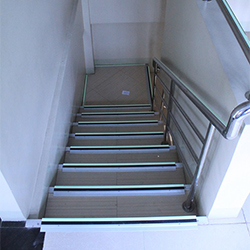
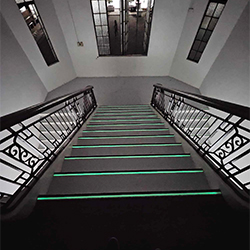
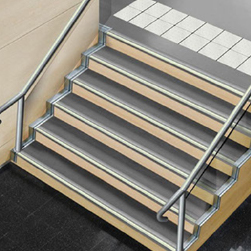
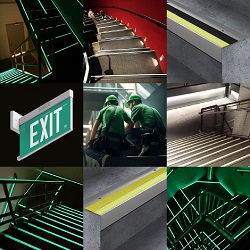
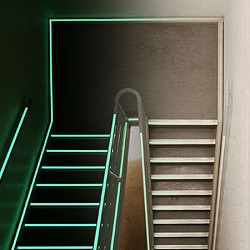
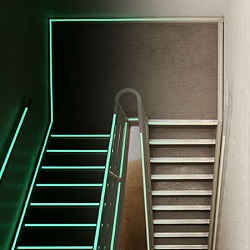
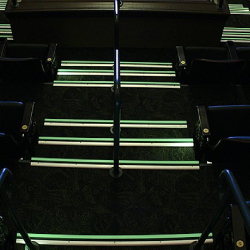
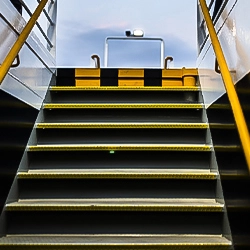
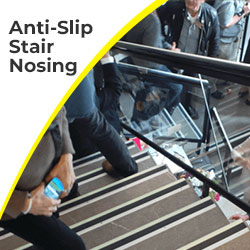
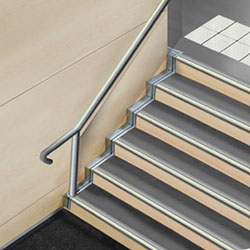
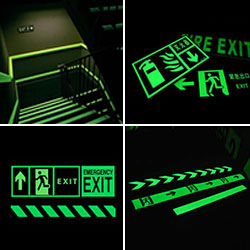
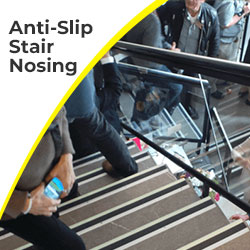
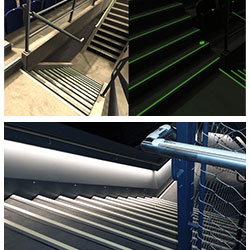
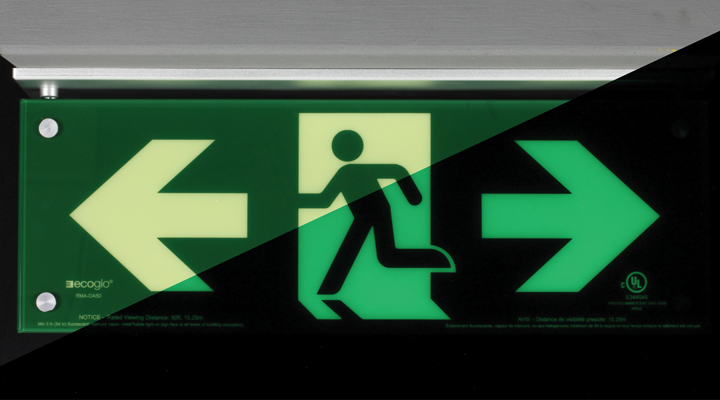
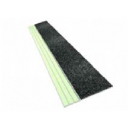
Staircases become incredibly dangerous during a power outage. You need to install high quality photoluminescent and non-photoluminescent stair nosing on every single step. The non-photoluminescent strips provide a harsh anti-slip grip so people do not fall. The photoluminescent strips do something even better. They absorb regular room light all day. When the power fails during a fire, these strips glow bright green. They outline the exact edge of every single step in total darkness.
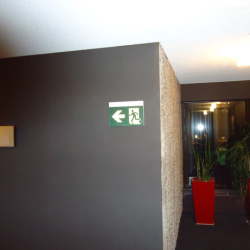
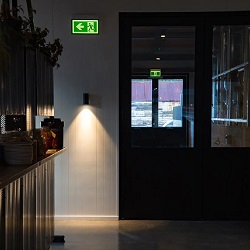
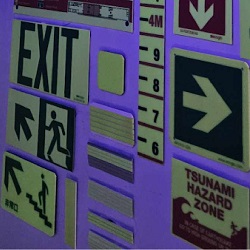
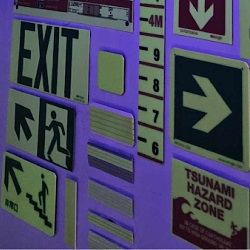
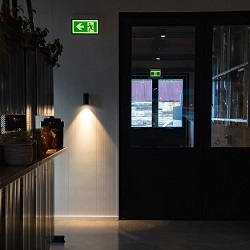
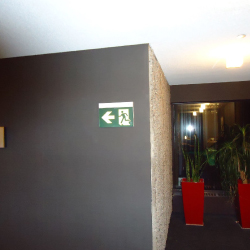
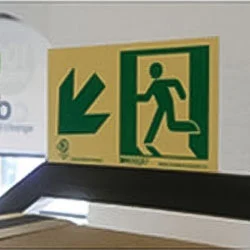
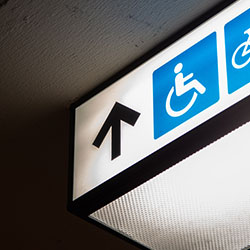
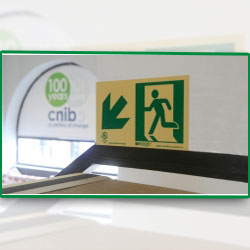
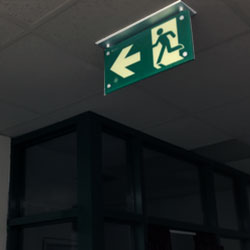
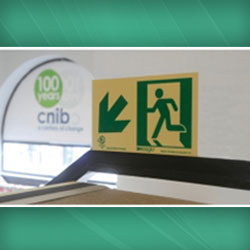
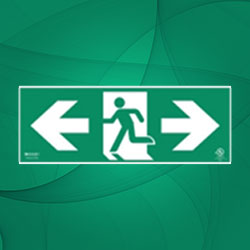
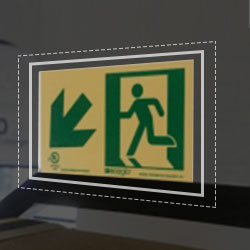
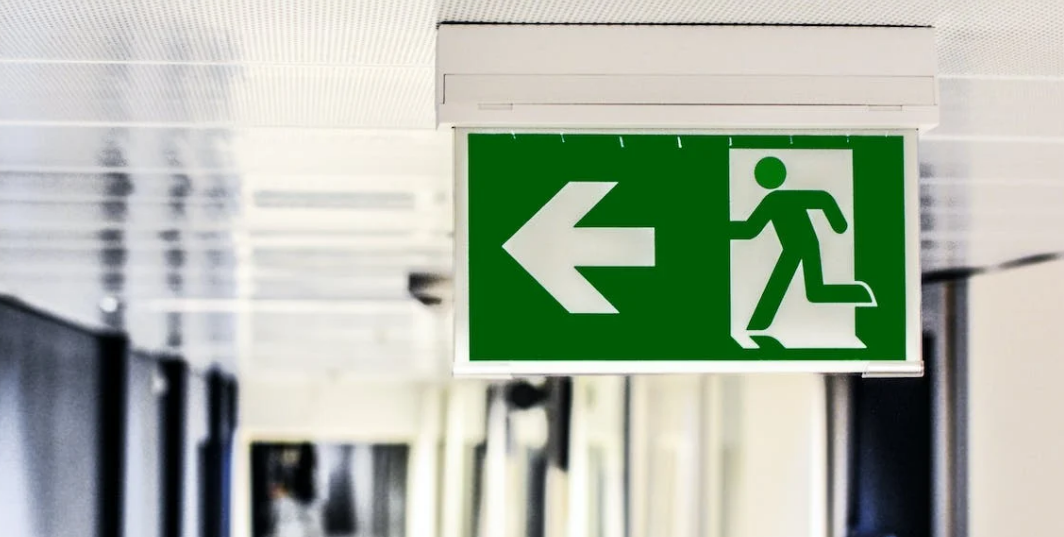
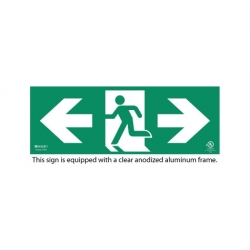
Electric signs short-circuit when flames reach the wiring. You must back them up with zero-energy solutions. Installing directional exit signs alongside photoluminescent exit signs guarantees your evacuation route stays visible. These signs require zero batteries and zero wiring. They shine through the smoke and lead your tenants right to the street.
Choosing the correct materials feels overwhelming. But you can simplify the process by asking three basic questions before you buy.
Ignoring fire codes will cost you a fortune. Ripping out non-compliant tiles requires expensive manual labour. It forces you to buy the materials twice. It delays your building opening. Worst of all, it puts human lives at serious risk.
You have the power to do this right the first time. Our team at Tactile Solution Canada understands the Canadian building codes perfectly. We stock the exact fire-resistant products your inspector wants to see. We help contractors, landscapers, and building owners across the country secure their properties every single day.
Do not leave your compliance to chance. Visit our website today to review our full catalogue of fire-rated solutions. Call our expert team to get a fast quote and ensure your 2026 project is as safe as it is beautiful.
Manufacturers use special chemical compounds when mixing the polymer. These compounds actively resist catching fire. If they are forced to burn by extreme external heat, they are designed to produce very little smoke and zero toxic gases.