Safety starts from the ground up, but it only lasts if the ground can handle the elements.
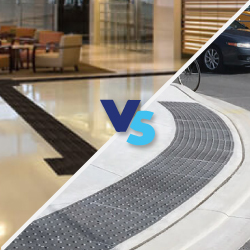
Have you ever walked into a stunning high-rise lobby in downtown Toronto, then stepped out onto a busy sidewalk covered in freezing rain? The contrast is huge. The inside is warm, dry, and carefully designed. The outside is cold, wet, and punishing. This simple difference explains exactly why choosing a tactile solution is never a one-size-fits-all job.
For contractors, landscapers, and building owners in Canada, picking the right Systems for the Visually Impaired is a big decision. Getting it wrong means failed inspections, wasted money, and unsafe walkways. Let us explore how to match the right product to the right space so you can build safe, accessible, and beautiful properties.
When you plan a project, you have to think about what the floor will go through every single day. A tile installed in a heated office lobby lives a very different life than a tile bolted to a bus stop in Edmonton.
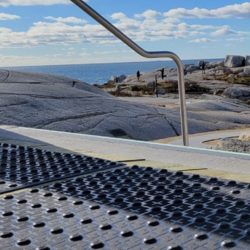
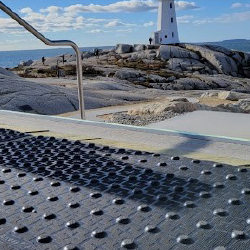
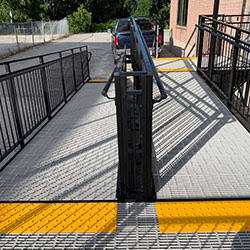
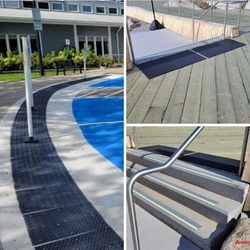
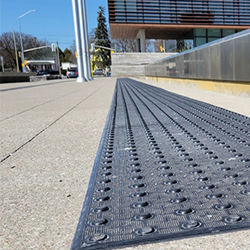
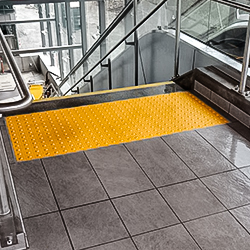
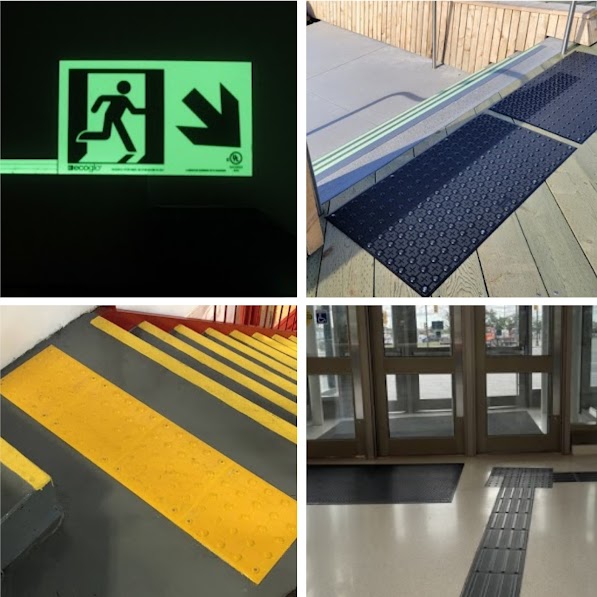
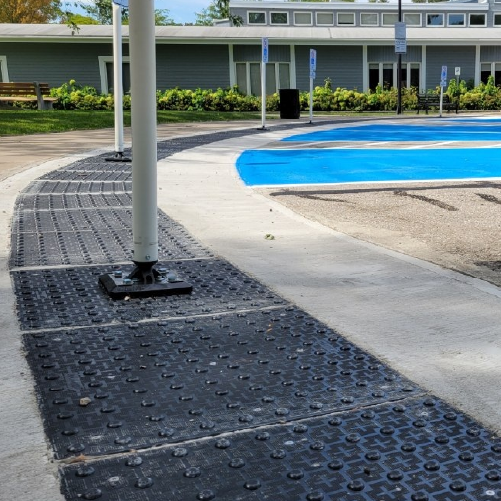
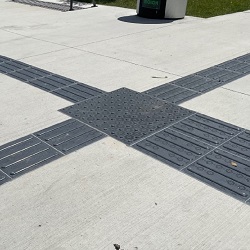
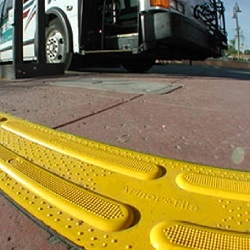
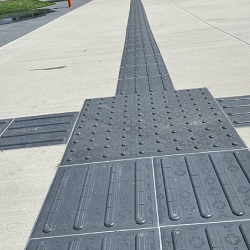
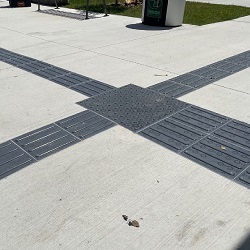
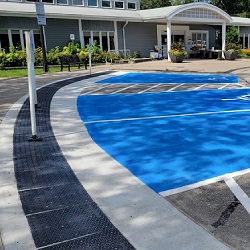
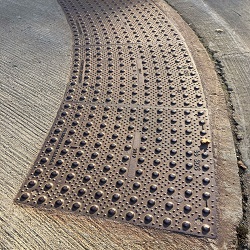
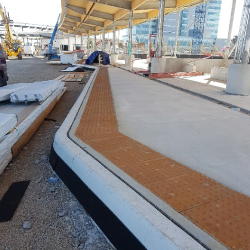
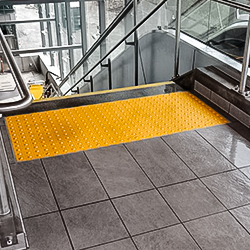
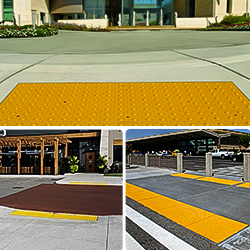
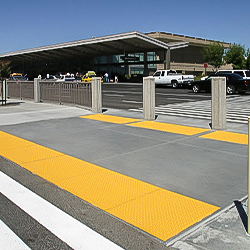
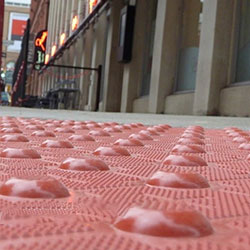
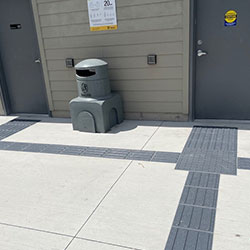
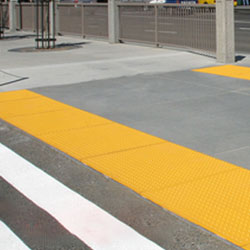
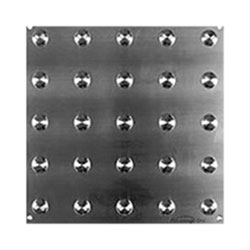
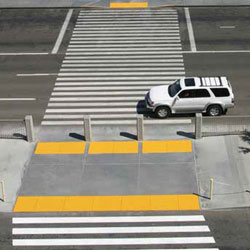
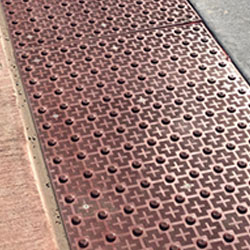
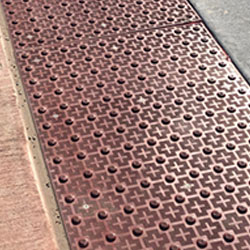
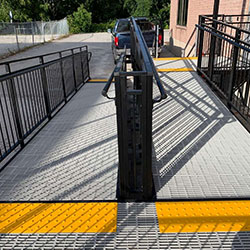
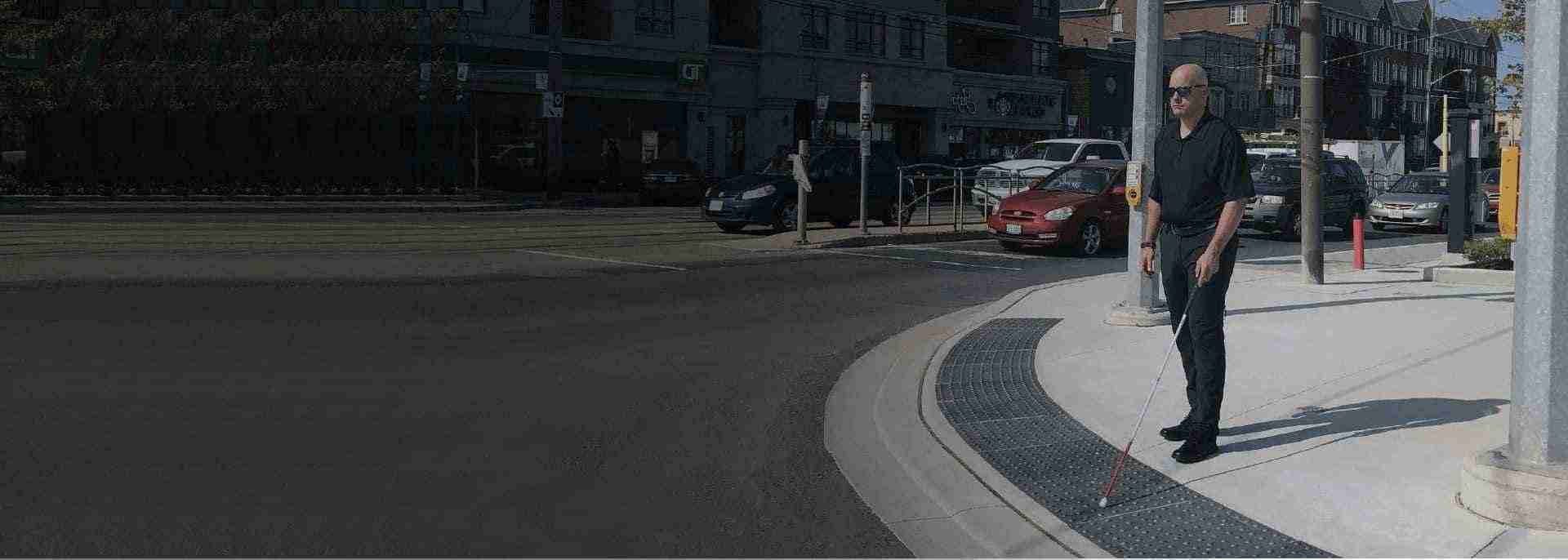
Our winters are brutal. Outdoor surfaces face freeze-thaw cycles, heavy road salt, and metal snowplows scraping across them. If you install an indoor-rated polymer tile outside, it will crack and peel within a single season. Outdoor projects need rugged, heavy-duty materials. Products like cast iron or cast-in-place concrete tiles offer the durability needed to survive decades of abuse.
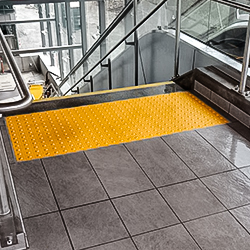
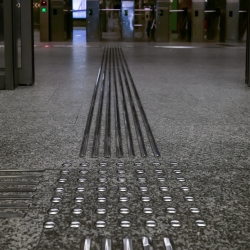
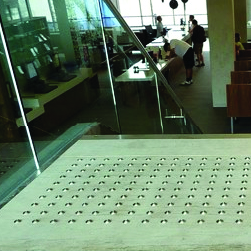
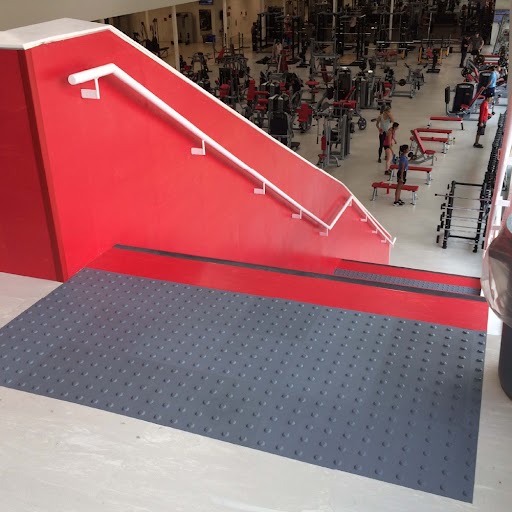
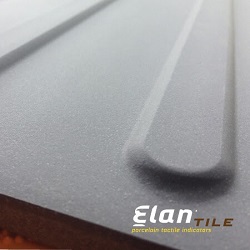
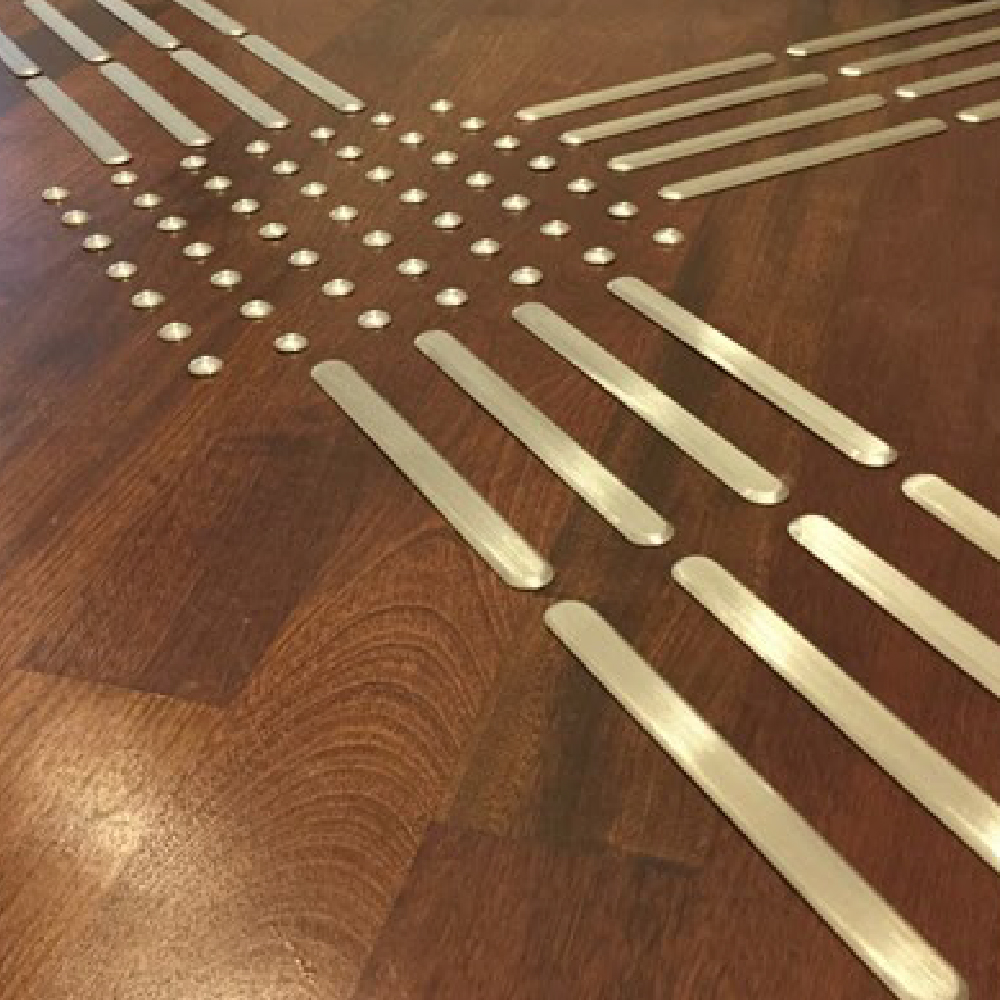
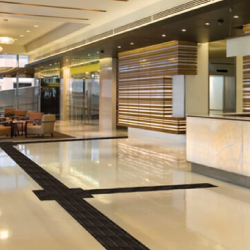
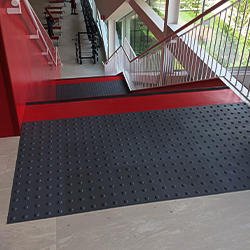
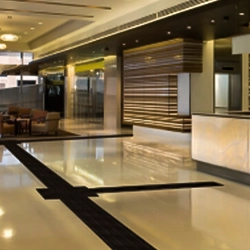
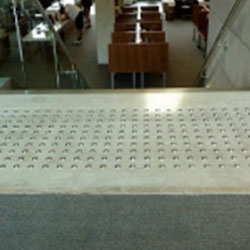
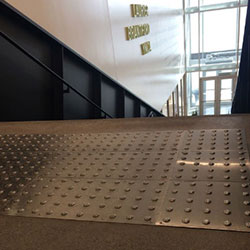
Inside a building, the threats change. There are no snowplows, but there are thousands of scuffing shoes, heavy cleaning machines, and a huge focus on design. A bright yellow cast-iron plate might look completely out of place on a high-end porcelain floor. For interiors, you need materials that blend seamlessly with modern architecture while still meeting strict Canadian codes like the AODA and CSA B651.
Another massive difference is how you keep these surfaces clean. Outdoors, maintenance mostly involves heavy sweeping, pressure washing, and snow removal. The materials must resist harsh chemical deicers and heavy brushing. Indoors, cleaning crews use floor buffers, waxes, and gentle chemical cleaners. If you put a rough outdoor tile inside, it will shred the cleaning mops and trap dirt in its deep grooves. This makes the lobby look terrible and creates extra work for your janitorial staff. Selecting smooth porcelain or stainless steel for interiors makes daily cleaning fast and simple.
Let me share a quick story. Mark is a seasoned property manager in Vancouver. Last year, he decided to upgrade a mixed-use commercial building to meet the latest accessibility codes. It is a popular spot downtown. The entrance sees hundreds of people every hour. He found a great deal on a bulk order of surface-applied polymer tactile tiles. He thought he struck gold.
He installed the exact same tiles everywhere. He glued them to the indoor lobby marble. He also glued them to the outdoor concrete plaza.
The indoor tiles worked perfectly. They looked clean and guided visitors right to the elevators. But the outdoor tiles became a nightmare. Within six months, constant rain and dropping temperatures weakened the adhesive. Then, a maintenance crew accidentally clipped the loose tiles with a snow shovel. Entire strips of the warning system ripped right off the concrete.
Mark failed his winter safety inspection. He had to pay a separate contractor to rip out the damaged tiles, buy outdoor-rated units, and pour new concrete. If Mark had understood that interior and exterior spaces demand completely different approaches, he would have saved thousands of dollars and weeks of stress.
At Tactile Solution Canada, we make it simple to find exactly what you need. We supply materials engineered for specific environments. Here is how to break it down.
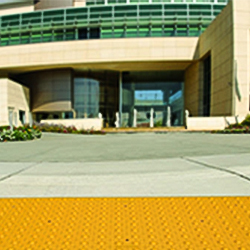
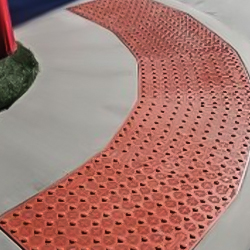
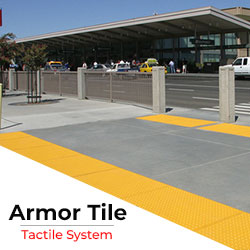
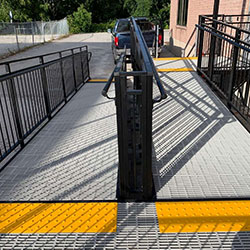
When you work outside, you need raw strength. The goal is to provide a long-lasting warning of upcoming hazards like street crossings or sudden drop-offs.
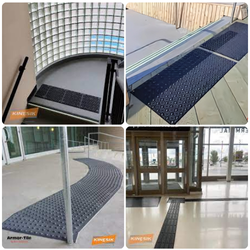
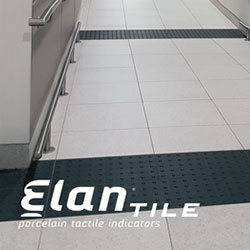
Indoor accessibility upgrades should complement your building, not ruin the decor. You can achieve full code compliance while keeping your space beautiful.
Upgrading a building involves more than just a few floor plates. To achieve true accessibility, you need a complete safety package. Here are the core products every property owner should know.
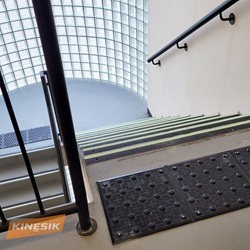
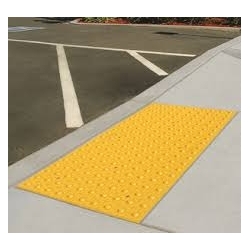
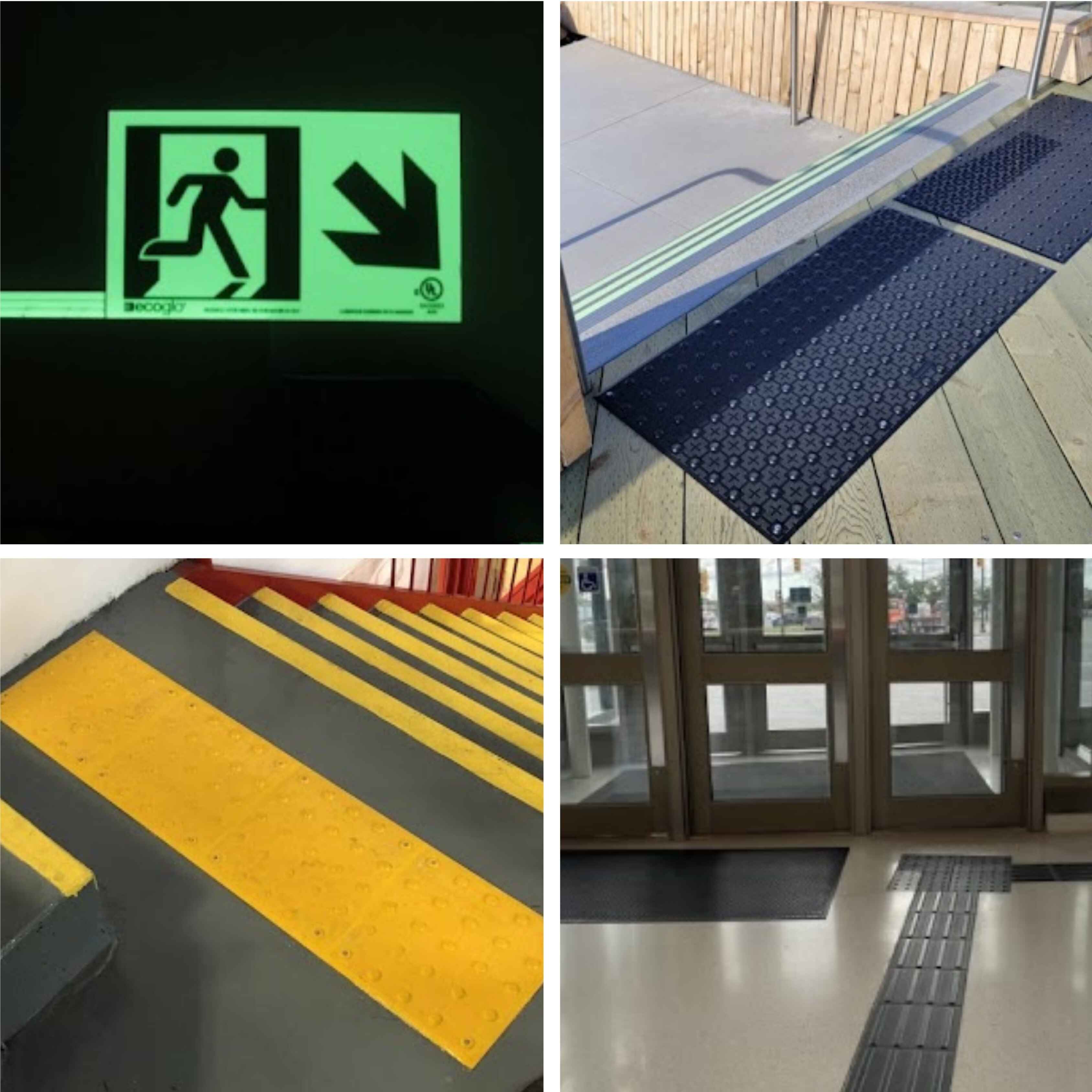
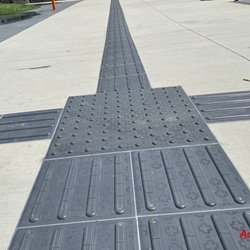
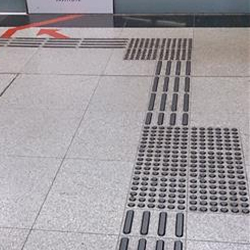
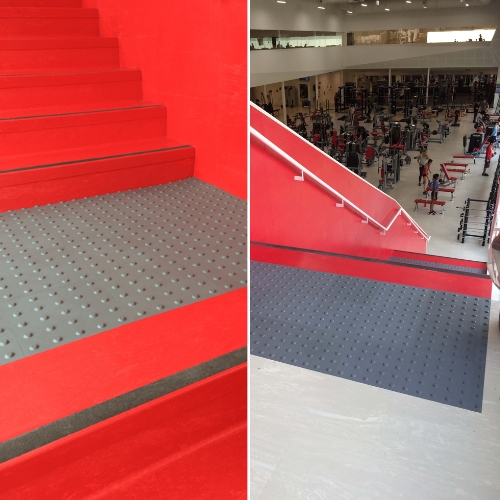
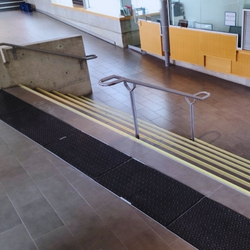
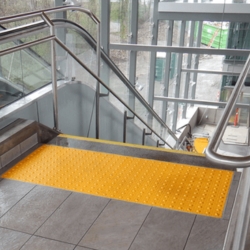
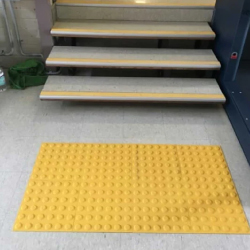
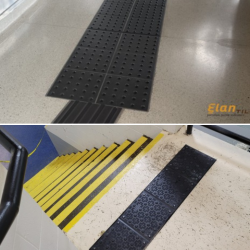
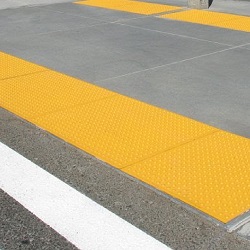
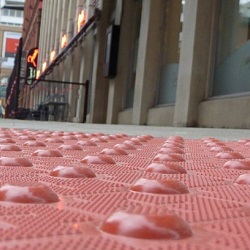
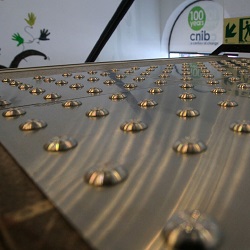
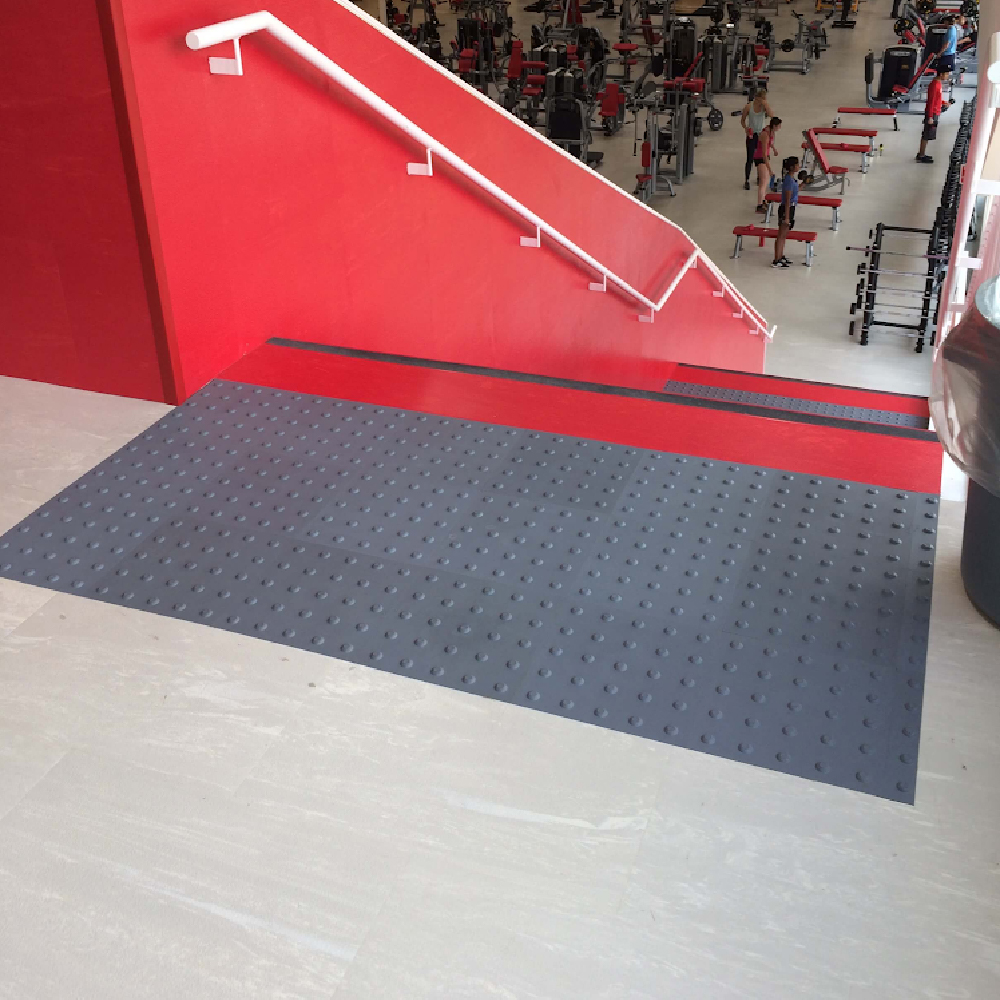
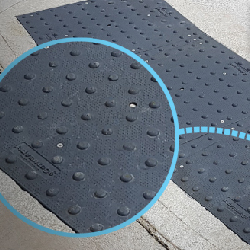
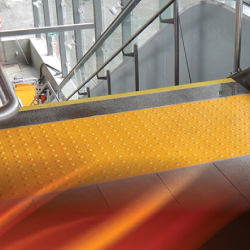
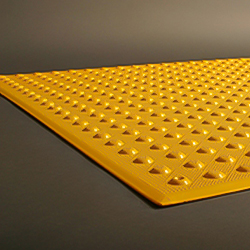
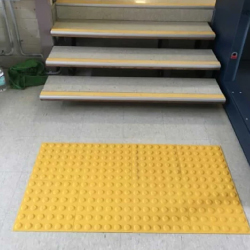
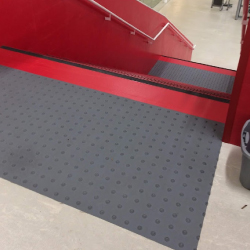
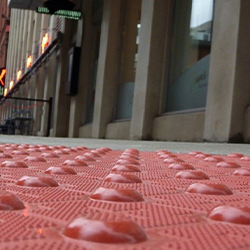
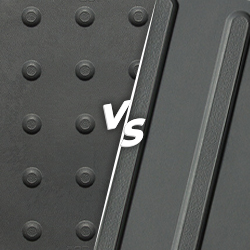
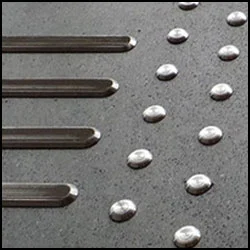
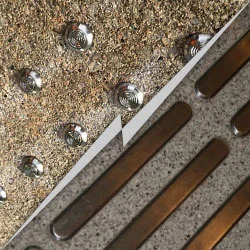
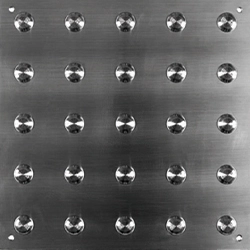
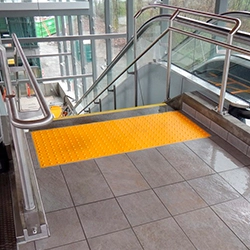
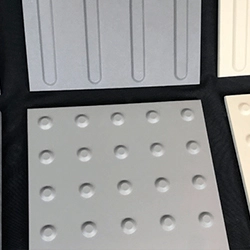
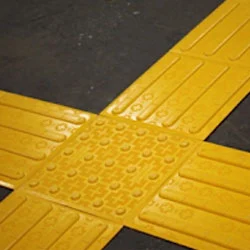
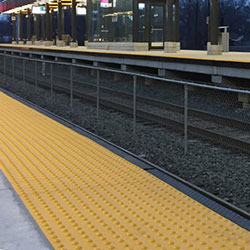
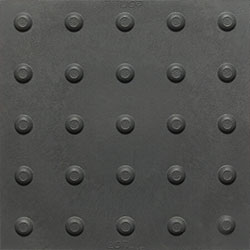
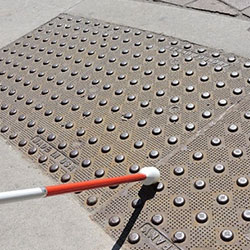
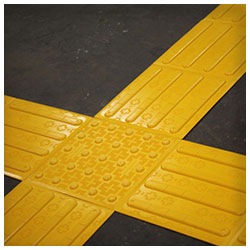
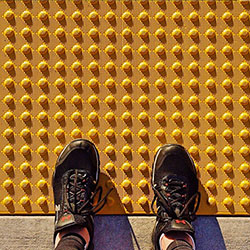
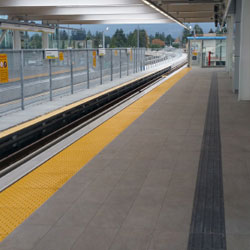
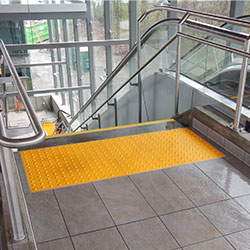
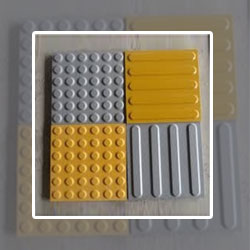
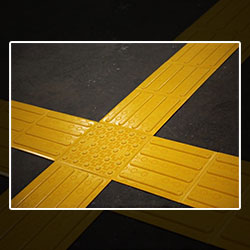
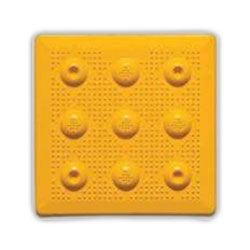
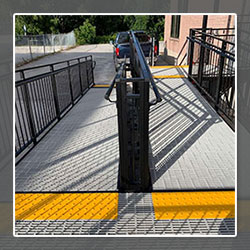
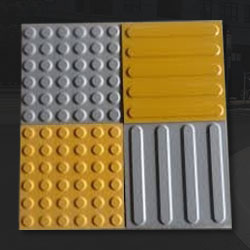
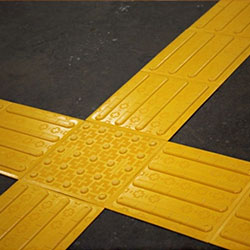
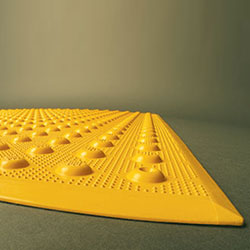
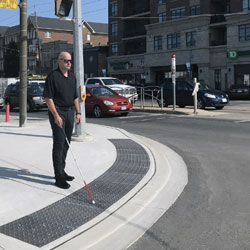
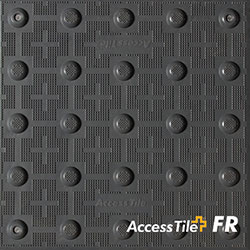
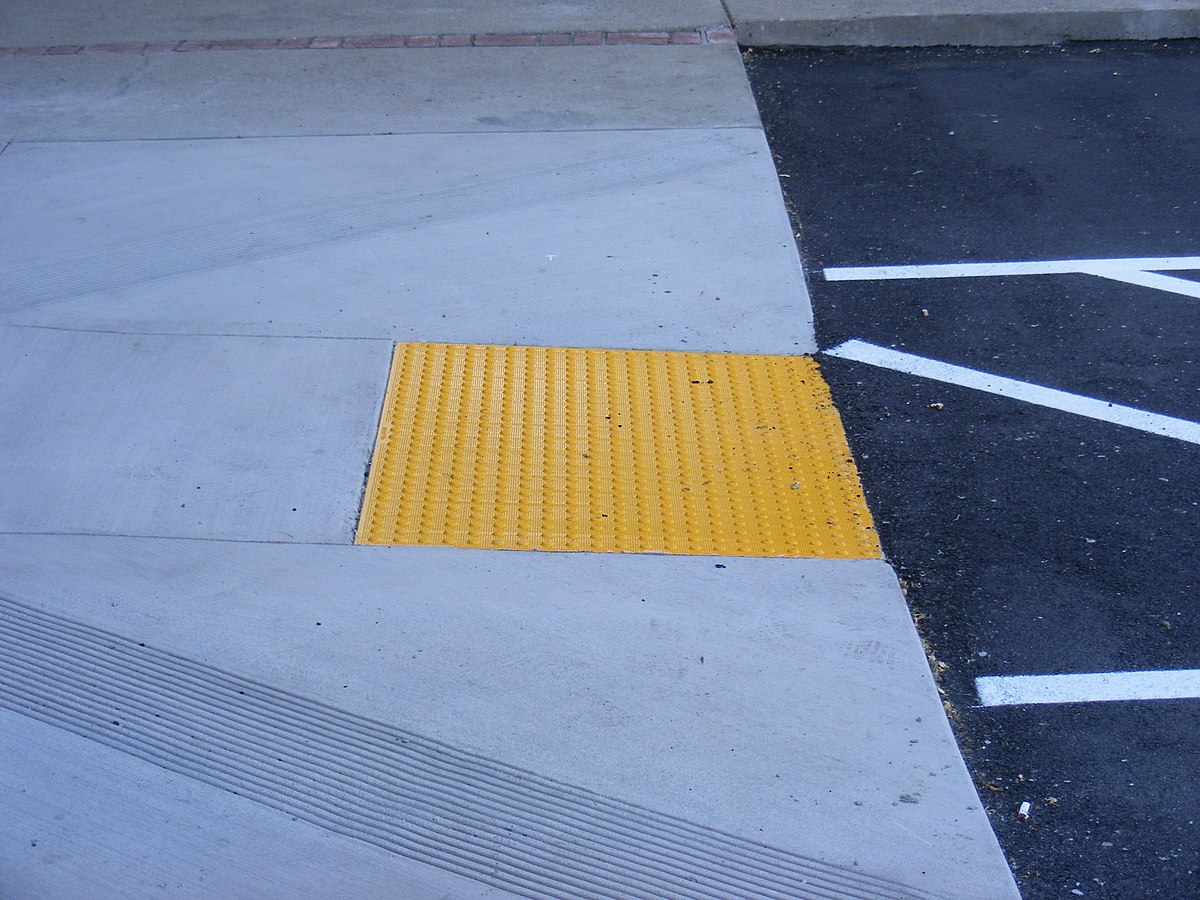
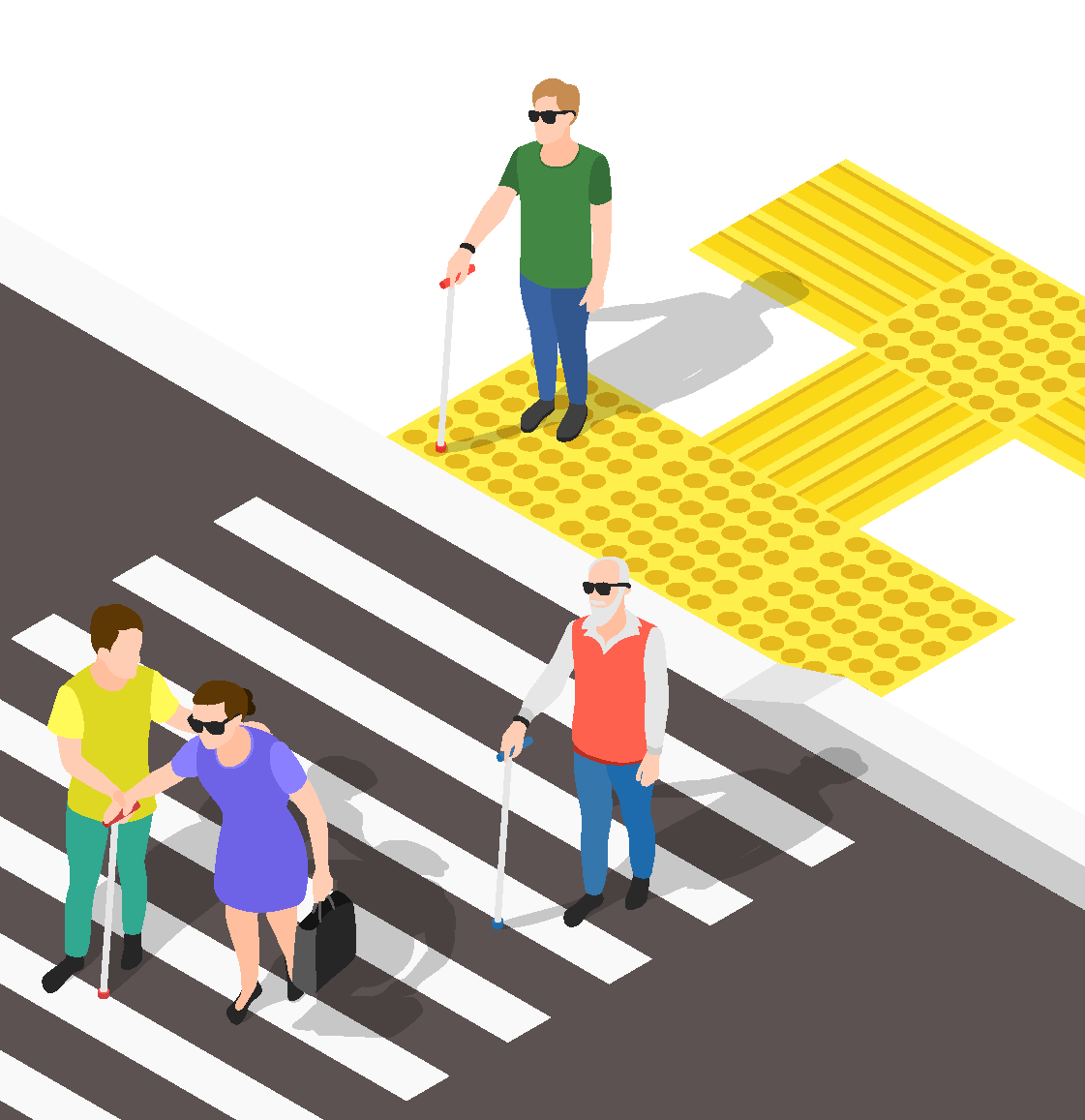
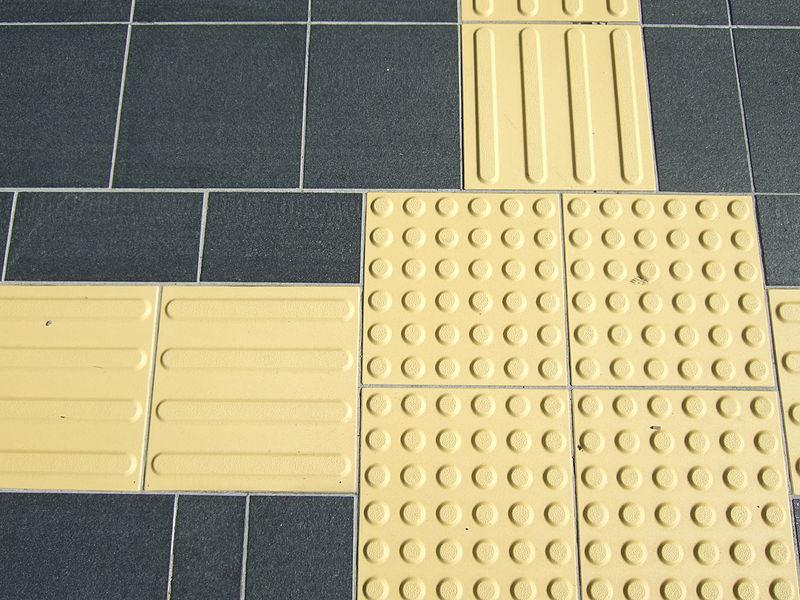
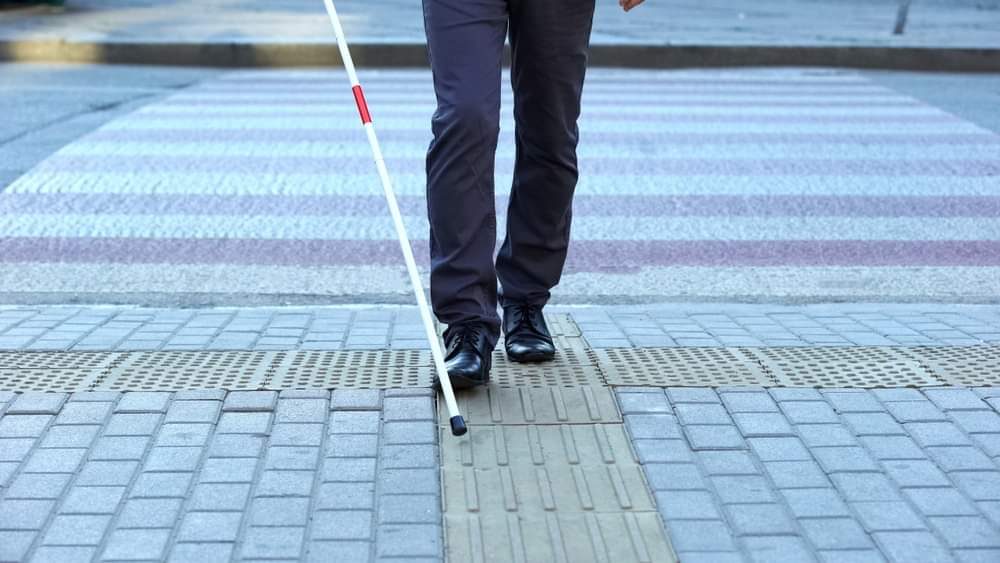
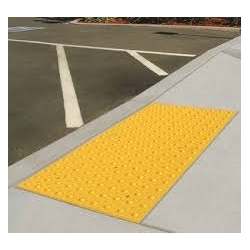
These features raised dots that signal an immediate hazard. You place them at the top of stairs, at the edge of train platforms, or where a sidewalk meets a busy street. They tell pedestrians to stop and check for danger.
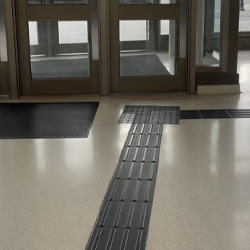
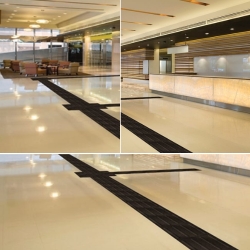
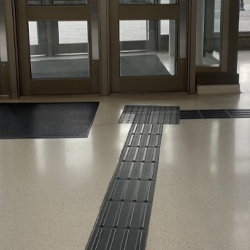
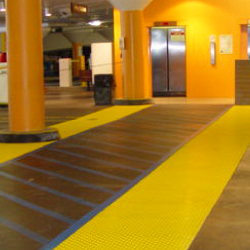
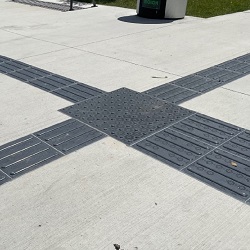
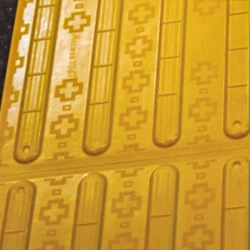
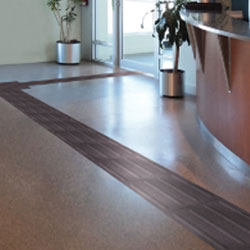
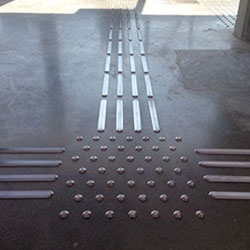
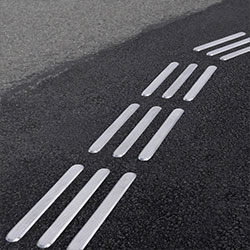
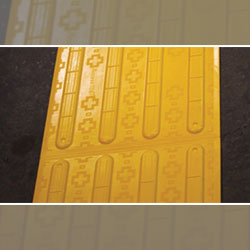
While domes say stop, these long, raised bars say go this way. Guidance or Wayfinding bars create a safe, clear path through large open spaces like shopping malls or transit hubs. They help visually impaired individuals easily locate elevators, help desks, or exits.
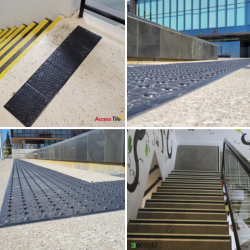
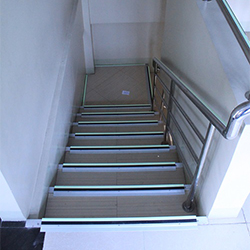
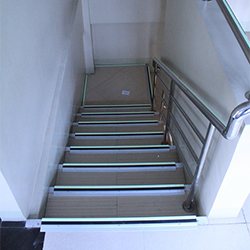
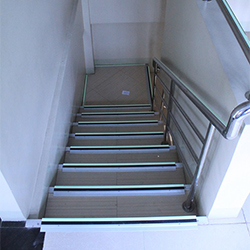
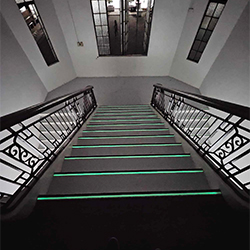
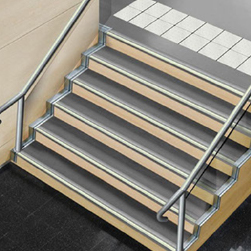
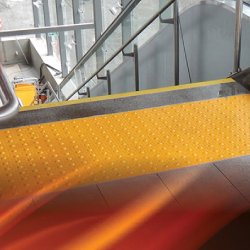
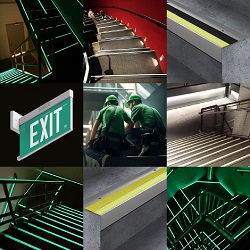
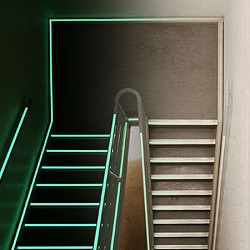
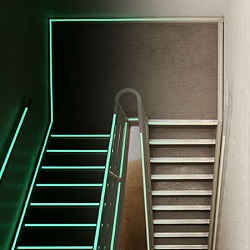
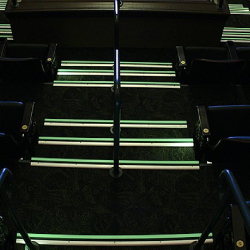
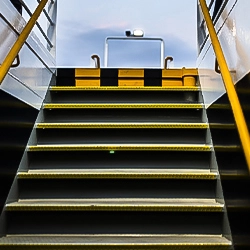
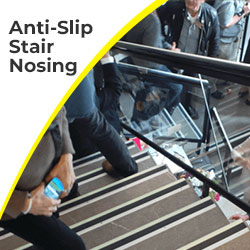
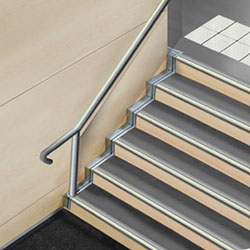
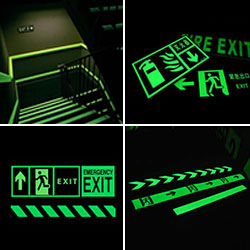
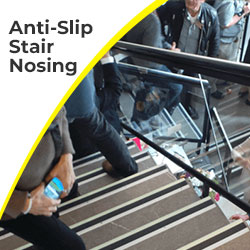
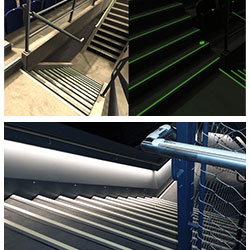
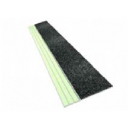
Stairs are the most common site for slips and falls. You must mark every step clearly. We supply high-quality photoluminescent and non-photoluminescent stair nosing for every situation. You use standard nosing for well-lit areas. For spaces where power outages are a concern, the photoluminescent option is a must. These strips absorb ambient light and glow brightly in the dark. They provide a safe path down stairwells even when the electricity fails completely.
4. Reliable Exit Signage
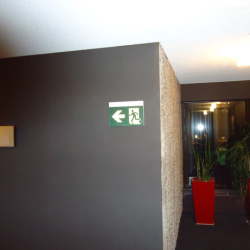
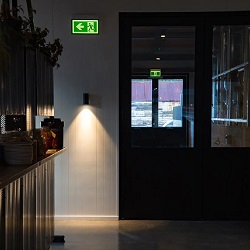
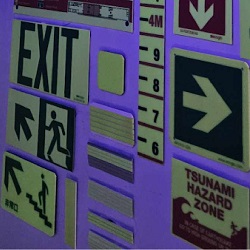
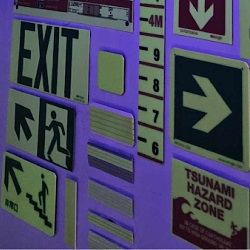
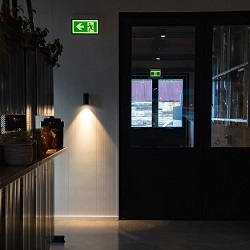
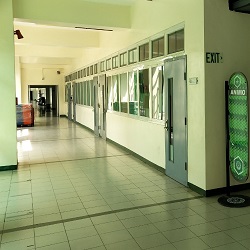
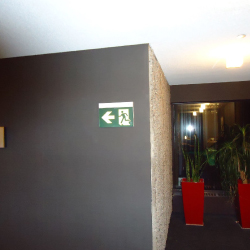
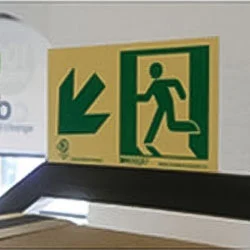
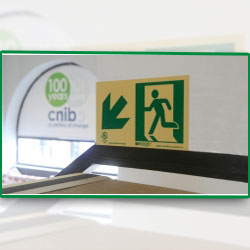
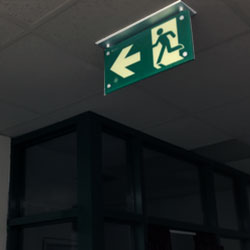
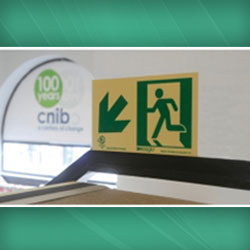
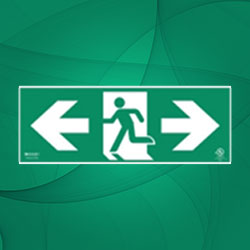
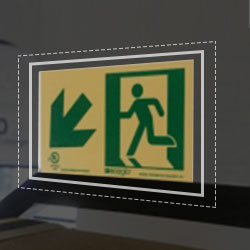
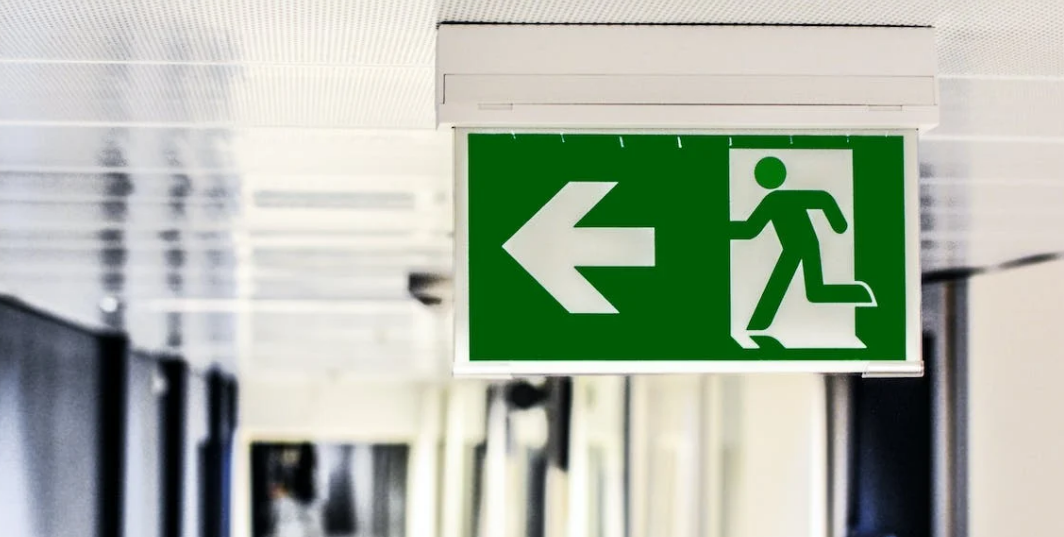
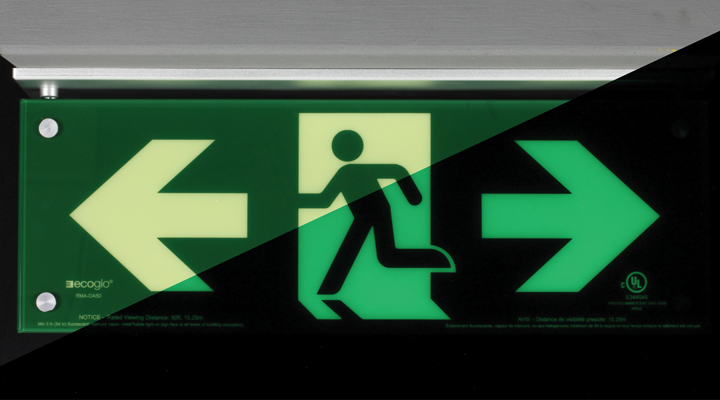
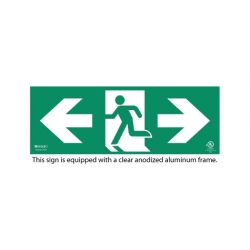
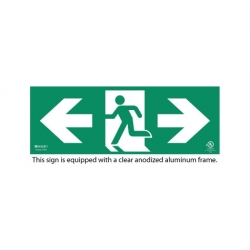
Electrical exit signs can fail during emergencies. That is why Canadian fire and building codes increasingly recommend secondary glow-in-the-dark systems. Installing directional exit signs and photoluminescent exit signs ensures your building is always prepared. They work without batteries or wiring. They are zero-energy solutions that guide tenants to safety under the darkest, smokiest conditions.
Many properties have transition zones. Think of an underground parking garage that connects directly to a heated mall entrance. These mixed areas confuse many contractors. You have to deal with wet tires, melting snow, and heavy foot traffic all at once.
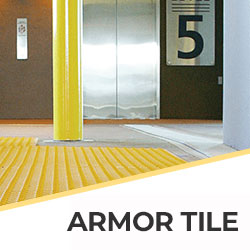
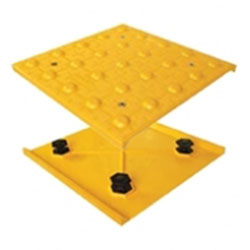
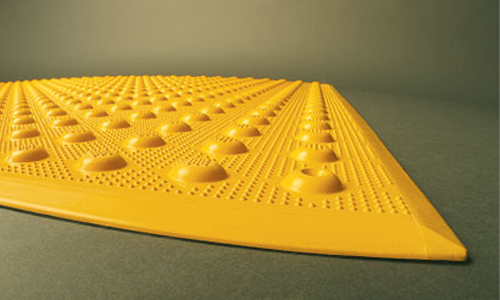
For these spots, you need hybrid solutions. Surface-applied Access Tile polymer composites are an excellent middle ground. When installed with strong mechanical anchors and premium adhesive, they hold up well in sheltered outdoor spots and busy indoor transitions. Always check your local building code to ensure your choice meets slip resistance and visual contrast requirements.
We know that matching codes to products gets confusing. That is why we created our Tactile Solution Finder Tool on our website. You just answer a few simple questions about your surface type, your specific hazard, and your location. The tool immediately suggests the exact products you need to stay compliant with the AODA and the National Building Code.
Creating an accessible environment is the right thing to do. It also protects your business from massive fines and legal liabilities. Do not wait until an inspector hands you a failure notice. If you are a contractor bidding on a new condo or a building manager upgrading an old office, you need the right materials from day one.
Visit Tactile Solution Canada today. Browse our massive inventory to find exactly what your project needs. We have the stock, the expertise, and the fast shipping to keep your Canadian project strictly on track. Call us now to get a quote and make your property safe for everyone.
High-quality cast iron plates can last over 20 years. They are the strongest option available for harsh Canadian winters and can easily withstand snowplows and heavy vehicles.
Yes. Many modern building codes require low-level photoluminescent signs as a backup. In a real fire, smoke quickly blocks high-mounted electrical signs. Glow-in-the-dark paths save lives and ensure safe evacuations.
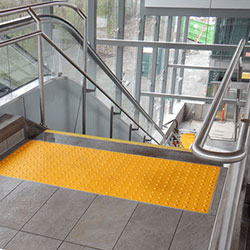
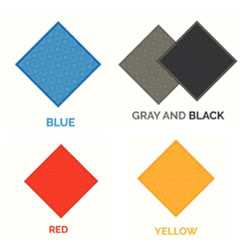
Canadian codes require a strong visual contrast between the tactile tile and the surrounding floor. You usually need at least a 50 percent contrast. If your floor is dark, use yellow or white tiles. If your floor is light, use black or dark grey.
Requirements vary by province and specific building usage. However, the AODA and updated CSA B651 standards heavily push for continuous accessible paths of travel in large open areas. Installing them is the best way to ensure full compliance and long-term safety.