A truly accessible retail space does not just invite customers inside; it actively empowers them to shop safely and independently. - Tactile Solution Canada
Retail property managers face intense competition today. You must give people a compelling reason to leave their homes and visit your physical store. If your shopping mall or retail plaza feels unsafe or difficult to walk through, customers will simply shop online.
For shoppers living with vision loss, a massive commercial building is full of physical hazards. Sudden staircases, unmarked escalators, and wide open corridors create instant stress.
You solve this problem by installing Tactile Walking Surface Indicators (TWSI). These simple physical markers completely change how people experience your building. They provide essential underfoot cues that keep everyone safe and moving confidently.
At Tactile Solution Canada, we supply the exact safety infrastructure that top commercial retail brands use across the country. Today, we are breaking down the exact strategy for retail accessibility. You will learn how the right tactile materials protect your customers, satisfy strict Canadian building codes, and directly improve your bottom line.
Accessibility is no longer just a legal checklist item. It is a core driver of commercial retail revenue.
Nearly one in five Canadians currently lives with some form of disability. This demographic controls billions of dollars in discretionary spending. When you make your retail store fully accessible, you tap directly into this massive consumer base.
Brand loyalty in the disability community is incredibly strong. When a visually impaired shopper finds a mall that is easy and safe to visit, they return repeatedly. They also bring their friends and family members with them.
Failing to provide proper accessibility does the exact opposite. If a customer trips on an unmarked step in your food court, you face severe personal injury lawsuits. You also face massive daily fines from provincial regulators for ignoring safety laws. Installing proactive safety infrastructure is the absolute cheapest insurance policy your property management company can buy.
You cannot guess where to place safety markers in a retail space. The Canadian government provides strict mathematical guidelines for building safety.
If your retail plaza operates in Ontario, you must comply fully with the Accessibility for Ontarians with Disabilities Act (AODA). This law dictates that every public space must be completely barrier-free. Other provinces enforce the exact same principles through their own specific building codes.
Your technical guide for these installations is the Canadian Standards Association (CSA) B651 standard. This document tells your general contractor exactly how to install your tactile systems.
The CSA B651 standard enforces three main rules for retail spaces:
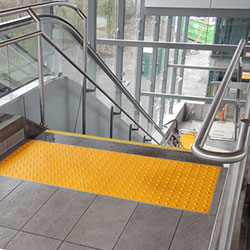
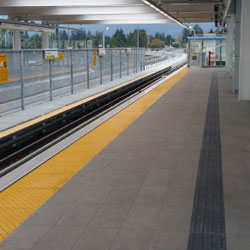
A shopping mall contains multiple sudden drop-offs. You must protect these areas to prevent severe falls.
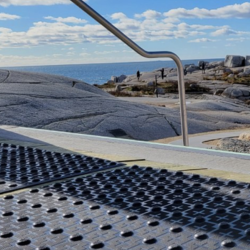
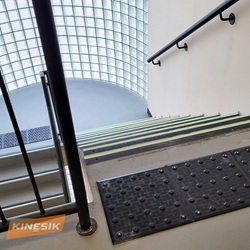
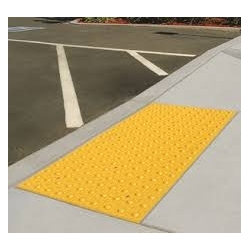
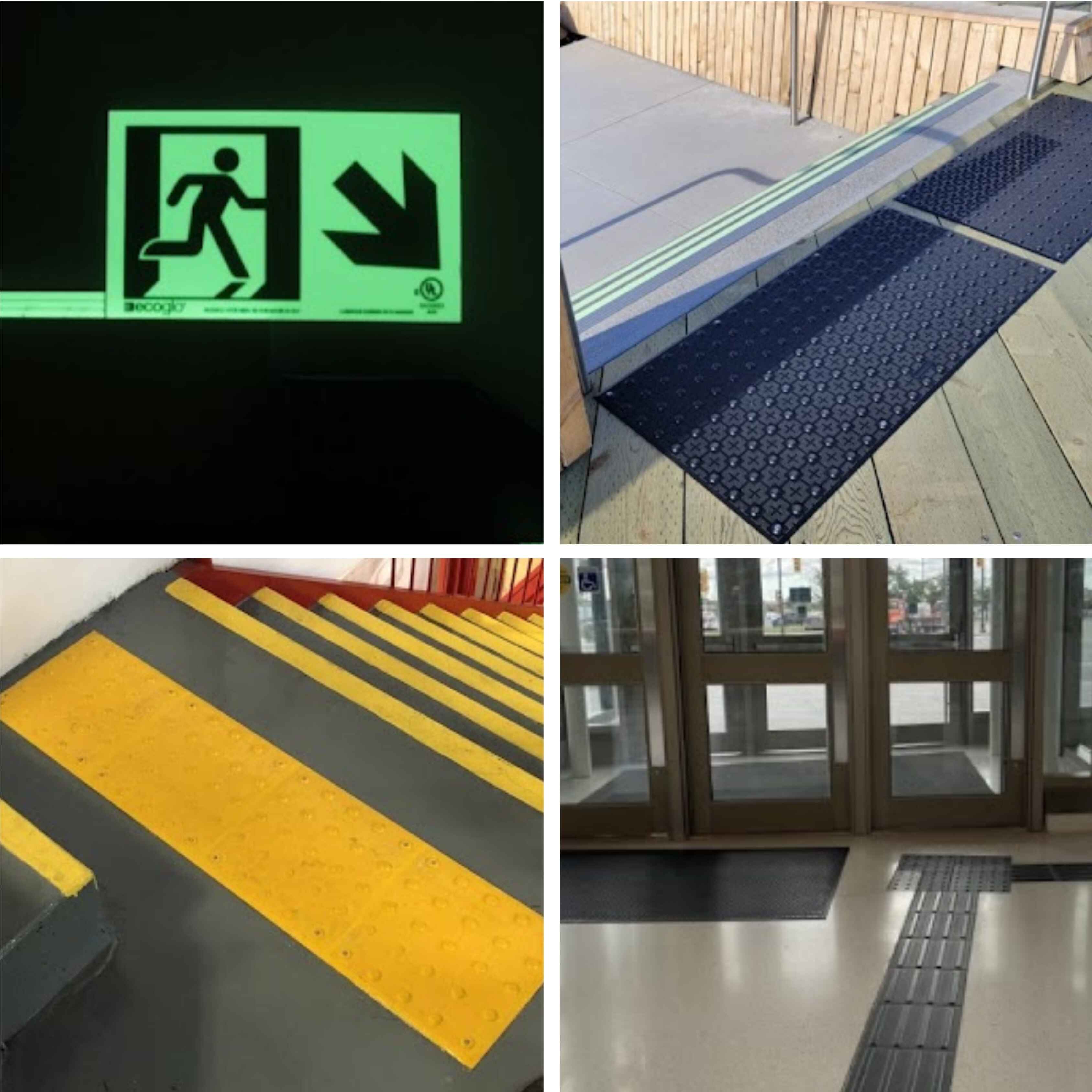
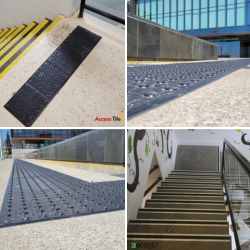
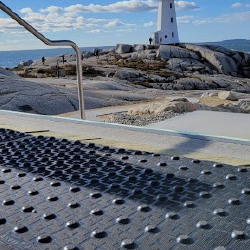
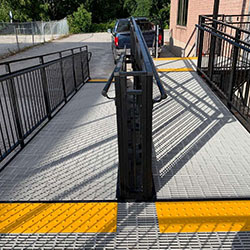
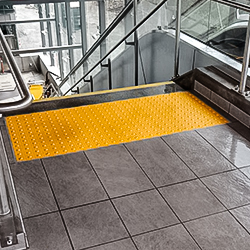
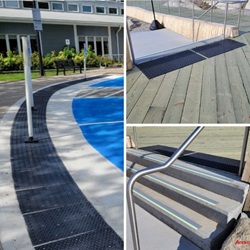
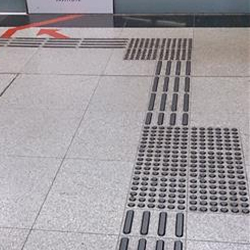
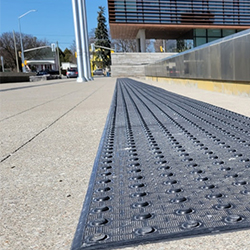
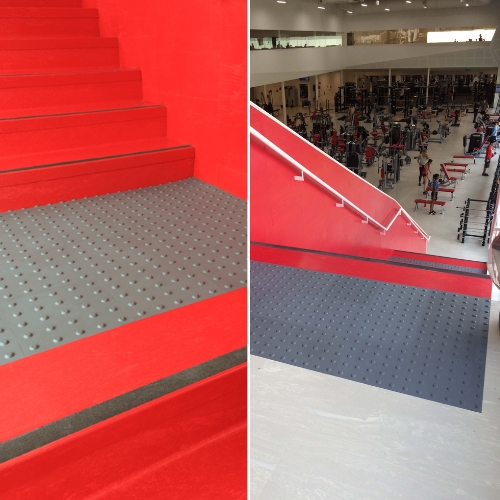
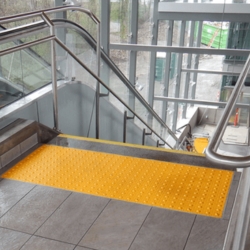
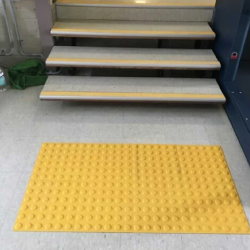
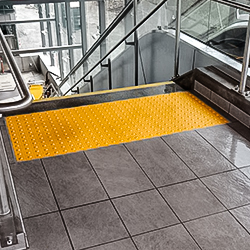
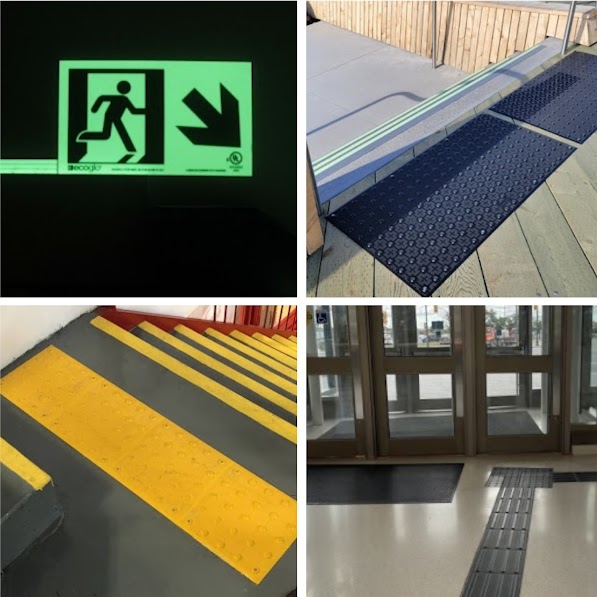
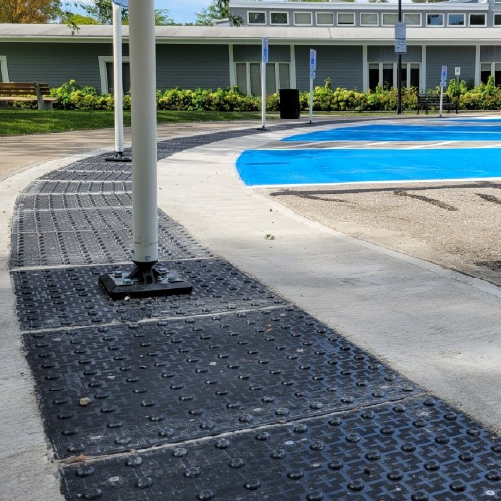
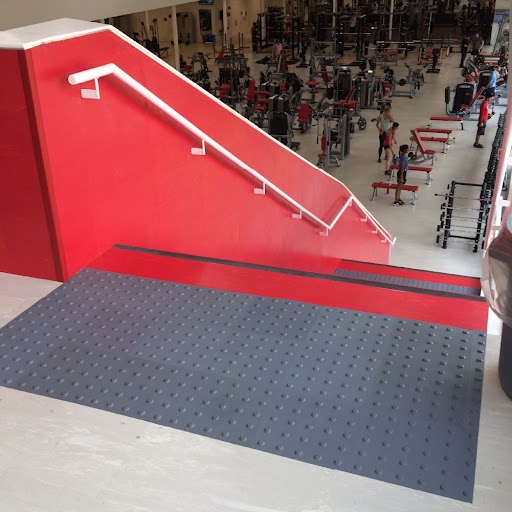
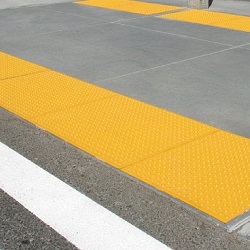
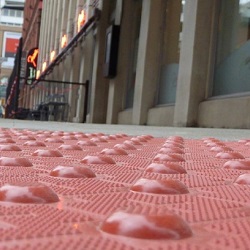
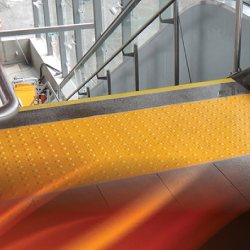
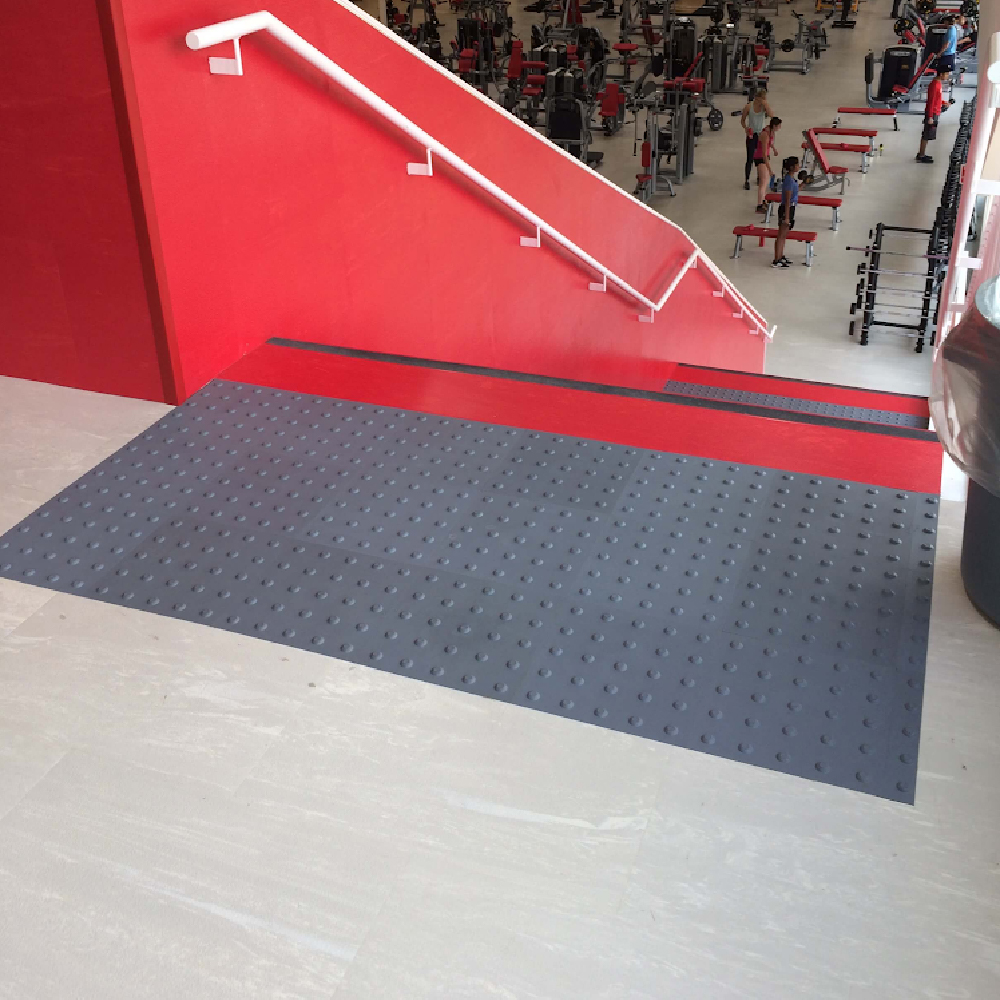
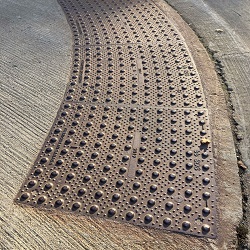
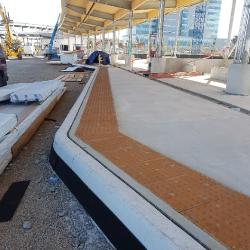
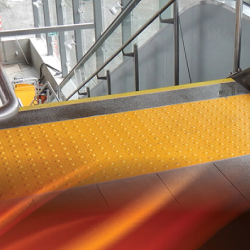
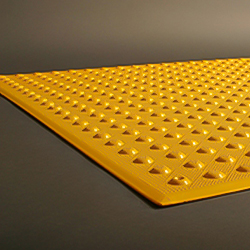
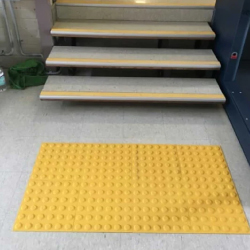
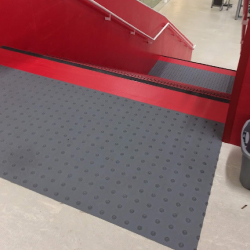
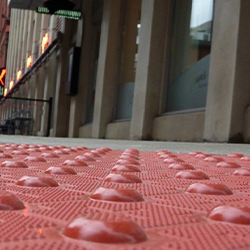
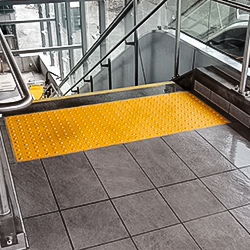
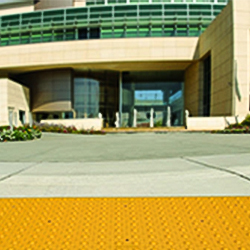
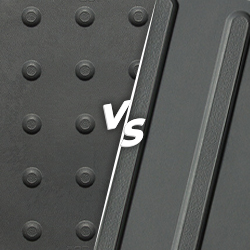
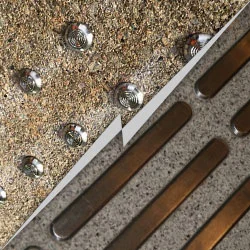
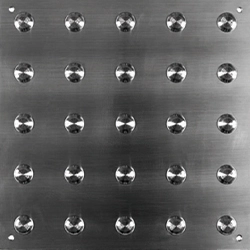
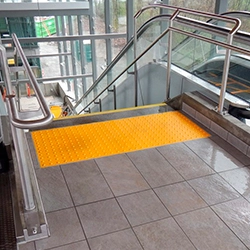
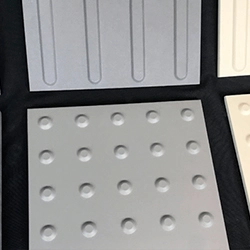
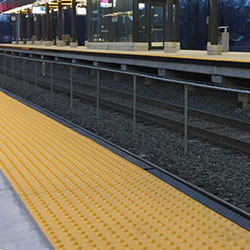
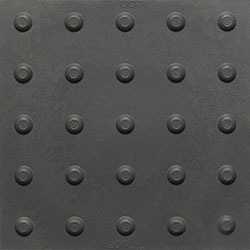
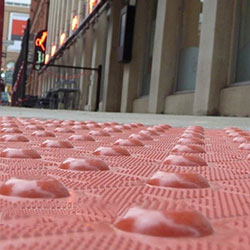
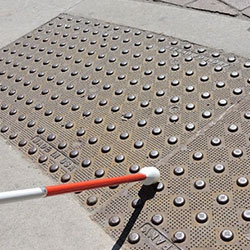
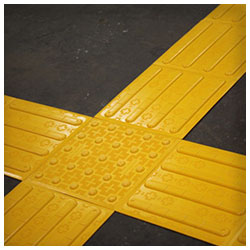
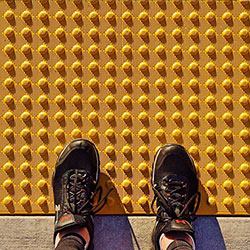
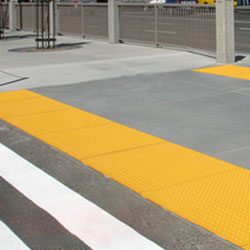
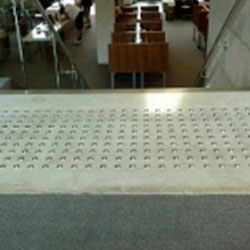
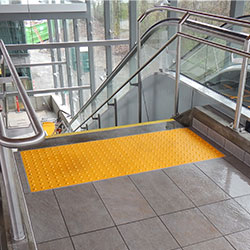
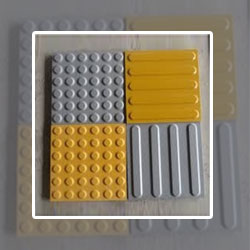
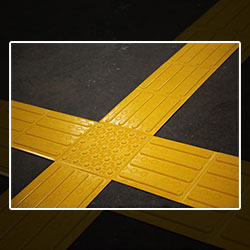
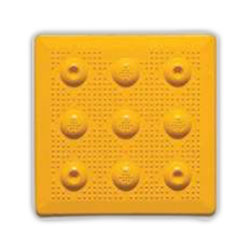
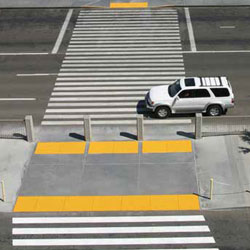
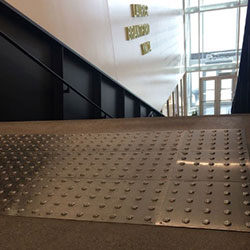
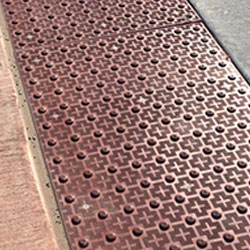
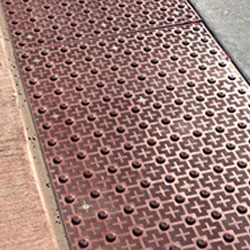
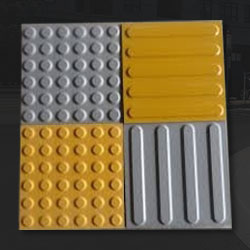
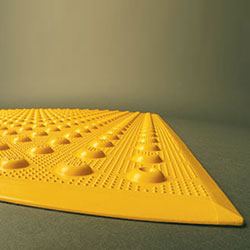
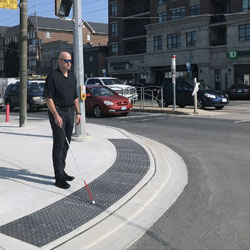
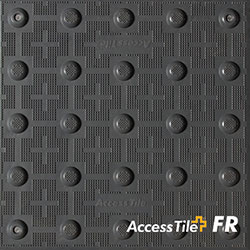
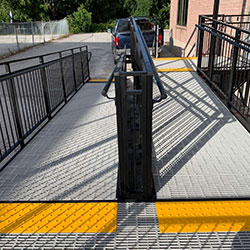
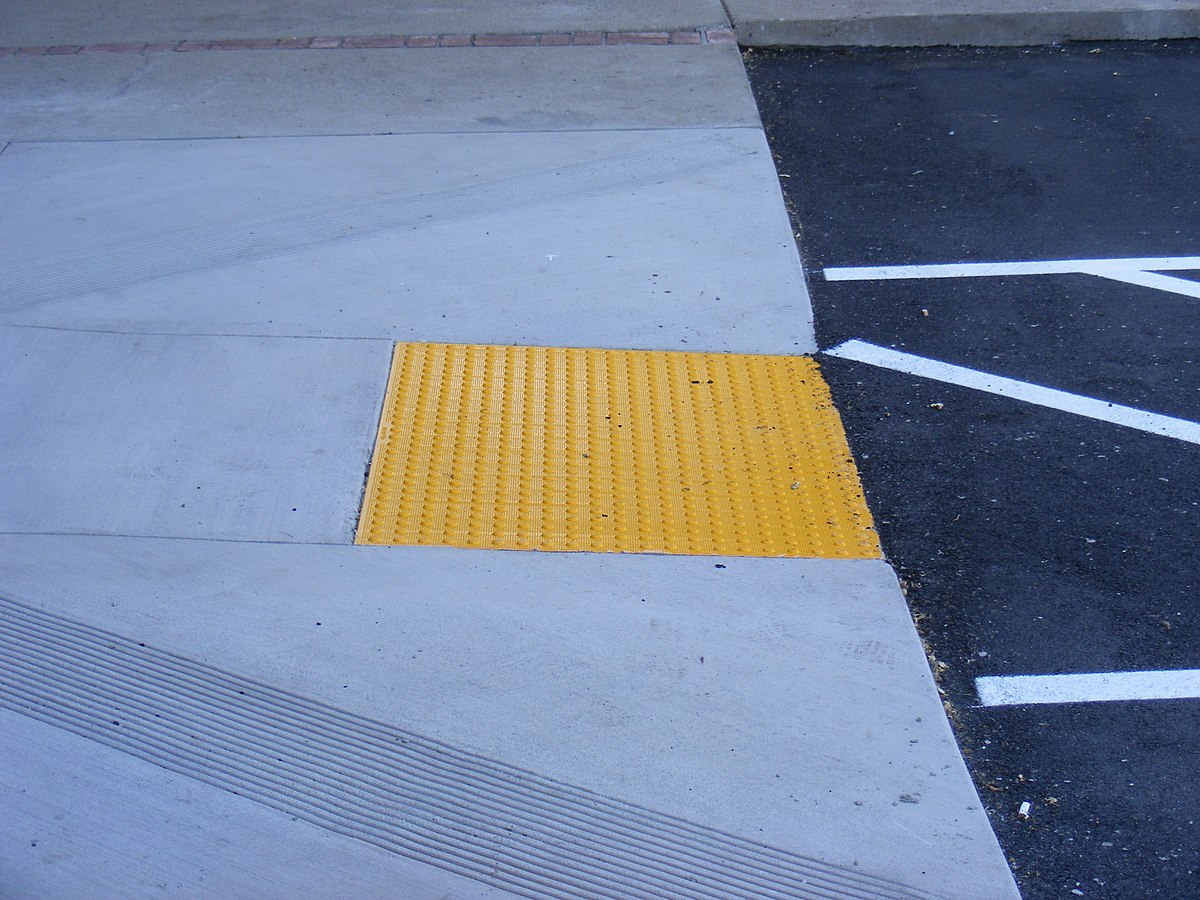
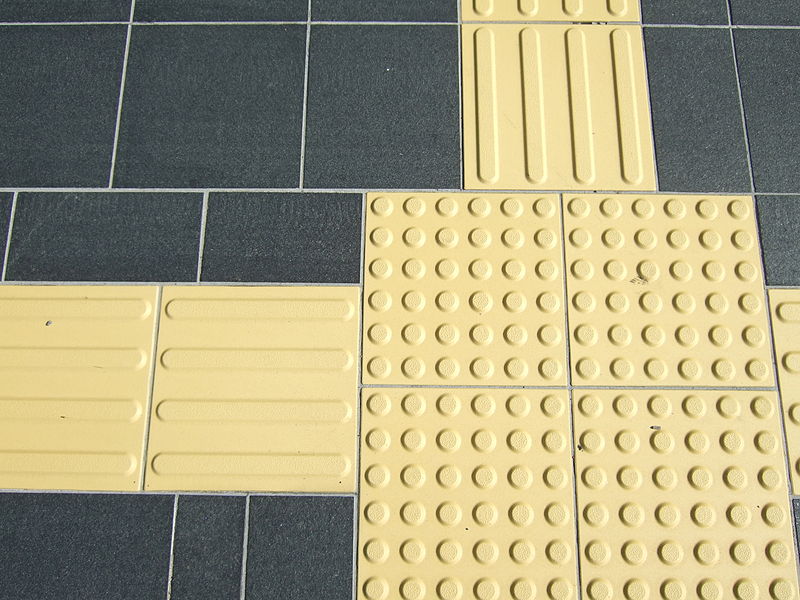
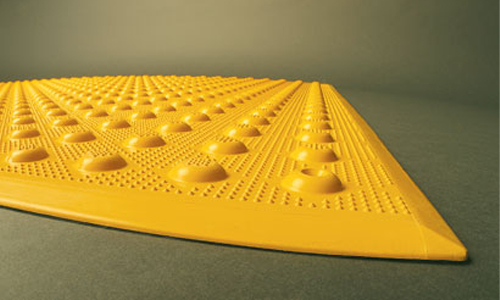
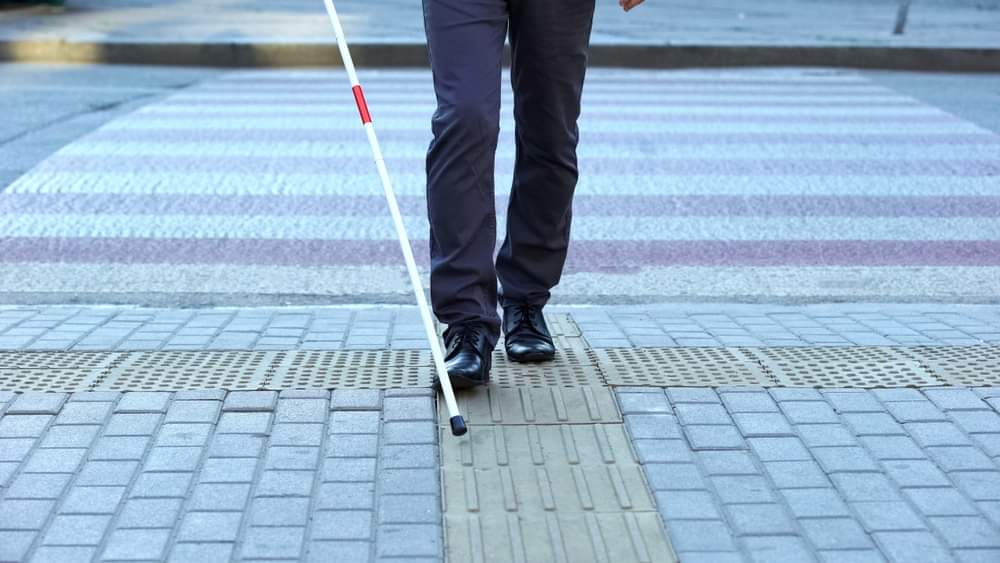
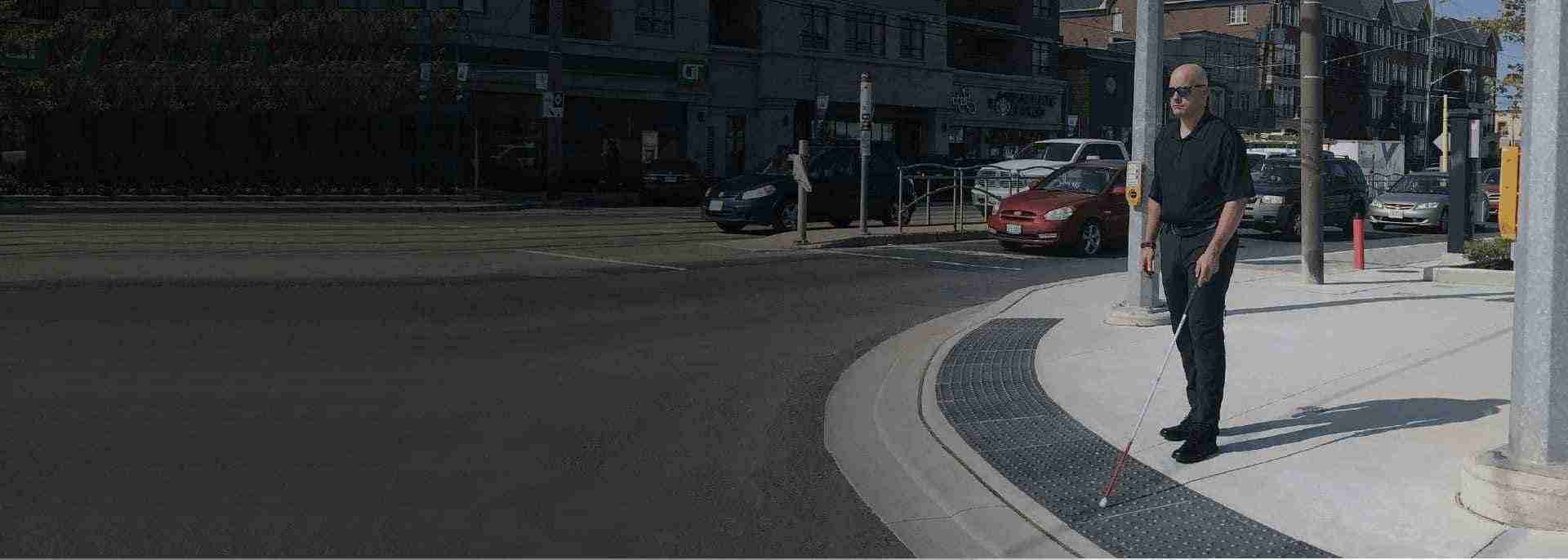
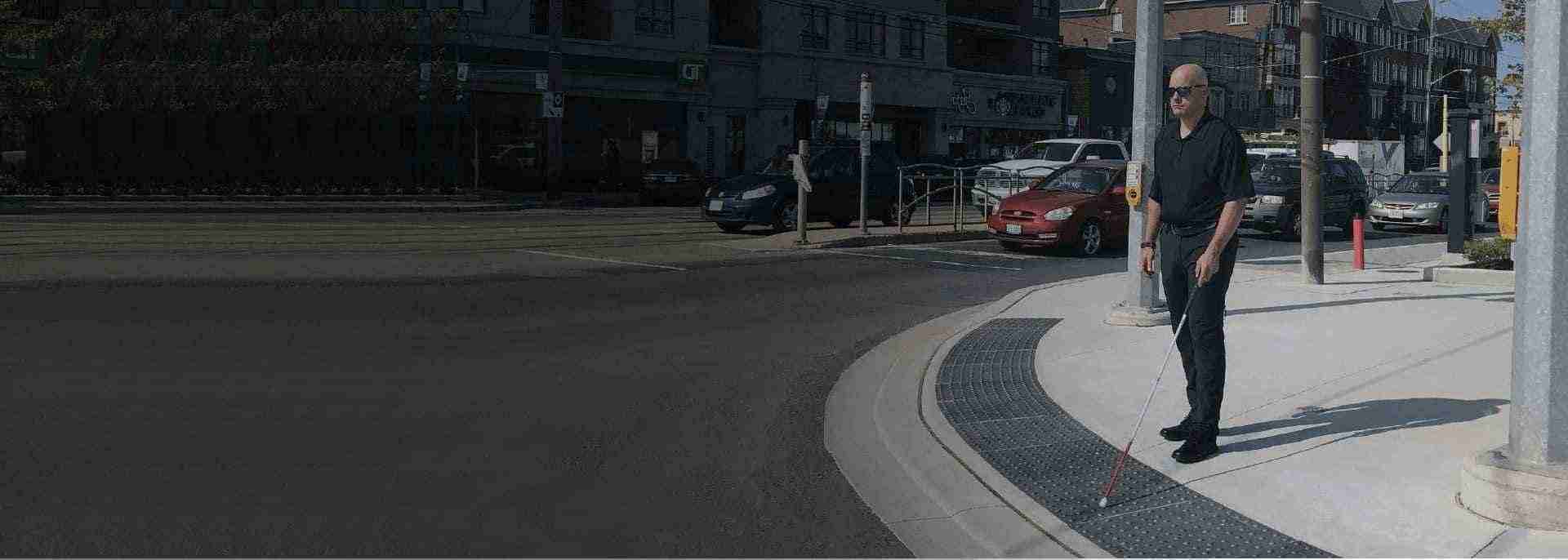
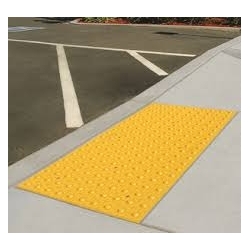
You secure these hazards by installing attention domes. These tiles feature a grid of raised circular bumps. When a visually impaired shopper steps on them, the bumps act as an immediate physical stop sign.
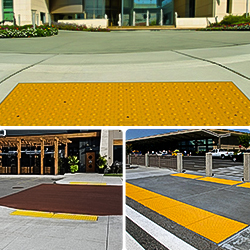
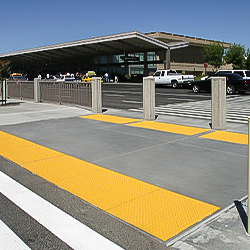
You must evaluate your entire floor plan to spot potential hazards. Building codes require you to install attention domes in several specific retail locations.
Modern shopping centers love open-concept floor plans. They remove walls to make the space feel massive and airy.
This design is visually stunning but terrible for accessibility. People with vision loss often trail their white canes along physical walls to stay in a straight line. When you remove the walls, they lose their physical compass entirely.
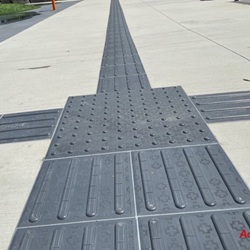
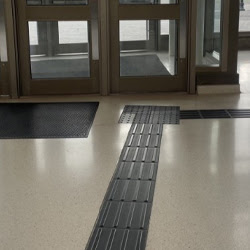
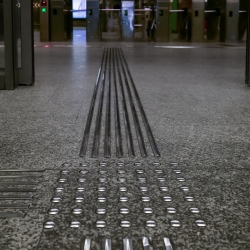
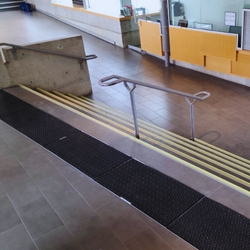
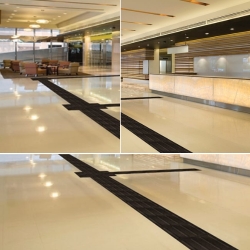
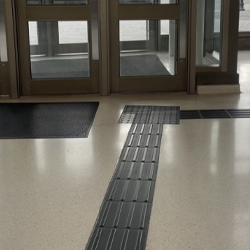
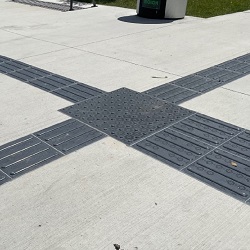
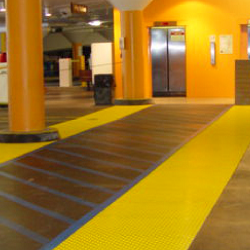
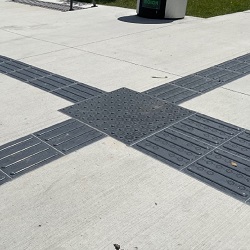
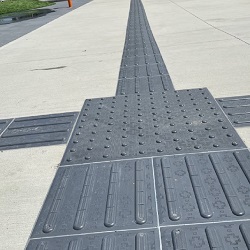
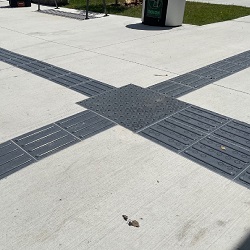
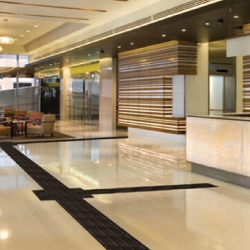
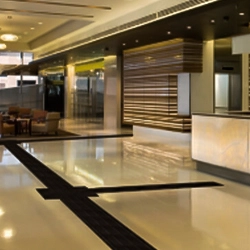
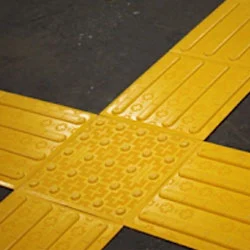
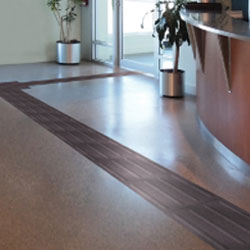
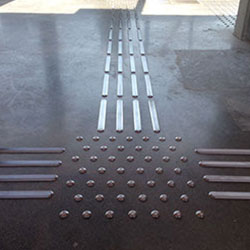
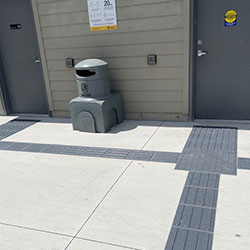
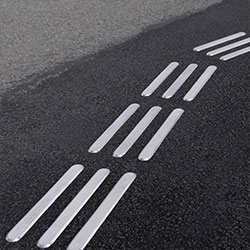
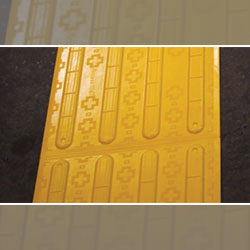
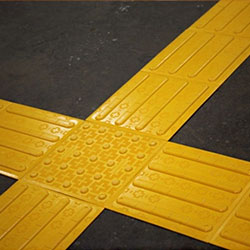
You fix this by installing wayfinding bars. These tiles feature long, parallel raised ridges. They tell a pedestrian that it is completely safe to keep walking in a specific direction.
You lay these bars end-to-end to create an invisible, safe hallway across a wide open concourse. You can use them to guide shoppers directly from the main entrance doors straight to the customer service desk or the main elevator bank. This simple addition makes a massive, intimidating mall feel highly welcoming and easy to use.
Retail floors take incredible abuse. Thousands of winter boots, heavy delivery carts, and industrial floor buffers grind against your safety tiles every single day.
If you buy cheap materials, they will crack and peel within six months. You must select premium, commercial-grade products to protect your maintenance budget.
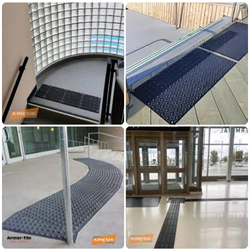
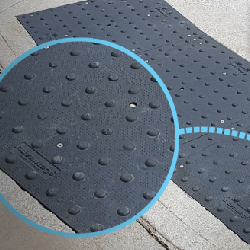
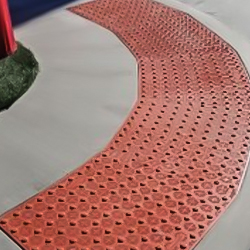
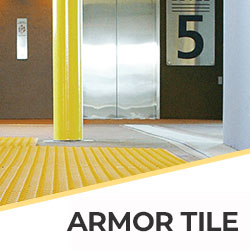
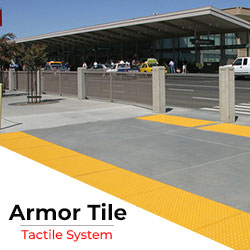
For long shopping corridors and busy grocery store entrances, you need ultimate durability. We highly recommend Armor Tile Tactile Systems for these high-traffic zones.
These engineered polymer composites are incredibly tough. They resist heavy impacts and harsh cleaning chemicals effortlessly. They also provide extreme slip resistance, which is vital for retail entrances that get wet from winter snow and slush.
High-end luxury brands do not want to cover their expensive marble floors with brightly colored plastic. They require safety solutions that blend perfectly into their premium interior design.
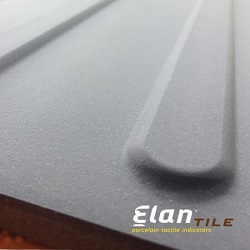
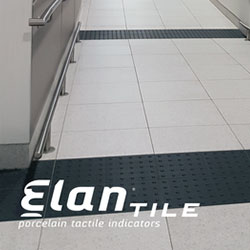
For upscale boutiques, ElanTile Porcelain is an exceptional choice. These tiles mimic natural stone perfectly while satisfying all slip-resistance codes.
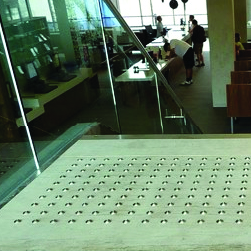
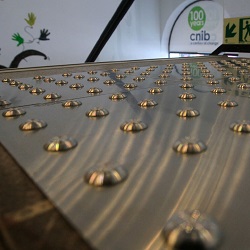
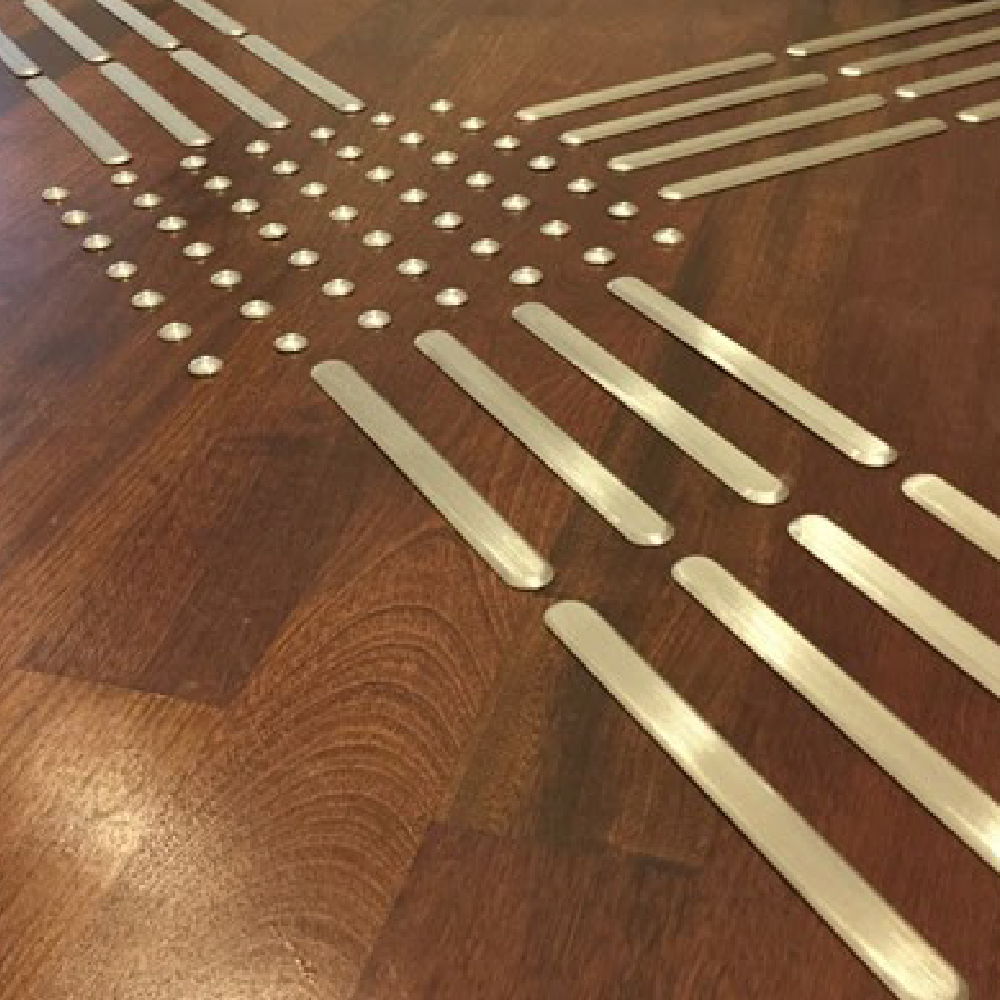
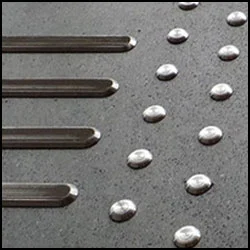
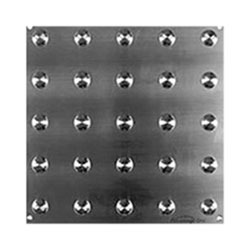
If you want a modern, minimalist look, choose Advantage ONE Stainless Steel indicators. Your contractor drills these individual metal domes directly into the existing floor. This exposes your expensive terrazzo or hardwood while providing the exact physical safety warning the law requires.
Accessibility is a visual requirement as much as it is a physical one. Many people who are legally blind still retain partial sight.
They rely heavily on bold color contrasts to spot hazards before they actually step on them. This is why Canadian building codes strictly enforce luminance contrast rules for retail floors.
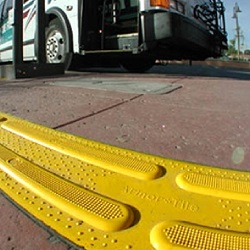
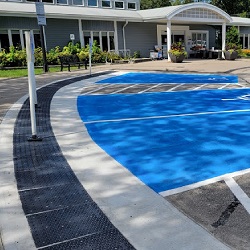
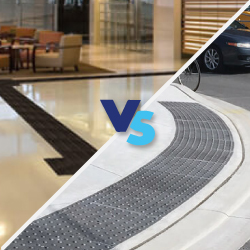
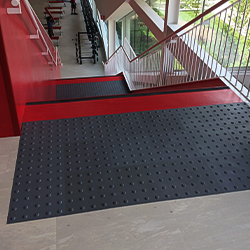
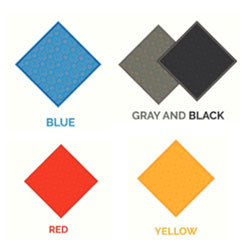
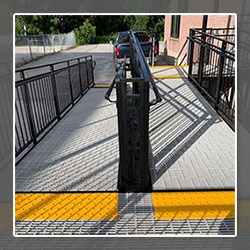
Your tactile indicators must offer a minimum 70 percent contrast against the surrounding floor. If you have a dark grey concrete floor, you must use a bright safety yellow or white tactile tile. If your retail floor is pure white tile, you must install a dark grey or black tactile marker.
Ignoring this rule fails your building inspection instantly. Strong visual contrast ensures every shopper can see the hazard clearly, reducing accidents and building absolute trust in your retail brand.
Retail property managers must plan for worst-case scenarios. If a fire breaks out or the downtown power grid fails, your shopping mall goes completely dark.
You must get thousands of panicked shoppers out of the building safely. Standard overhead emergency lights often fail or get blocked by thick smoke.
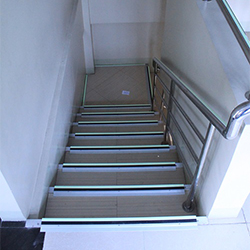
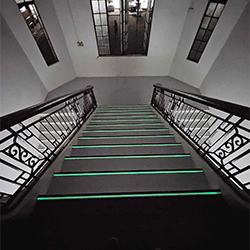
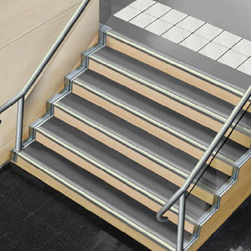
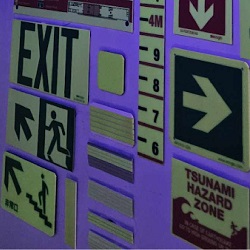
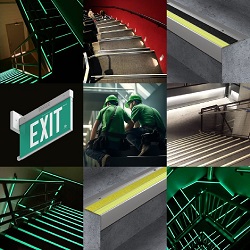
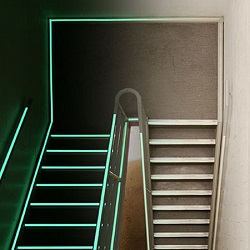
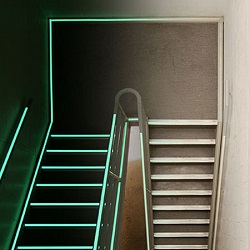
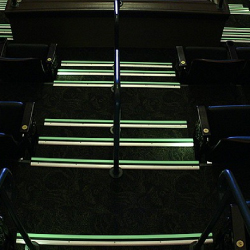
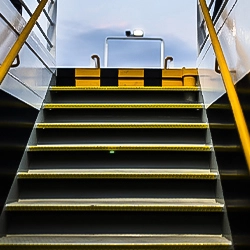
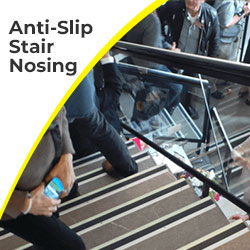
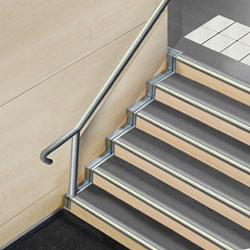
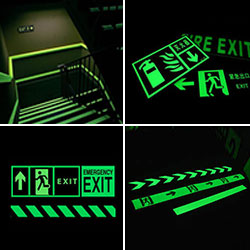
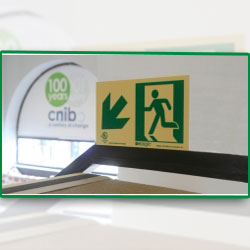
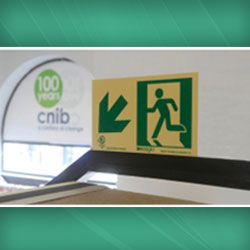
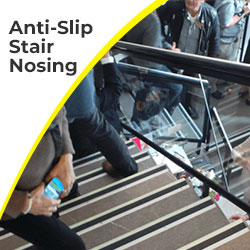
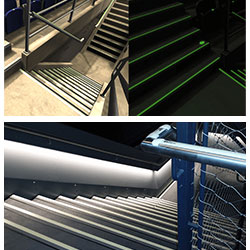
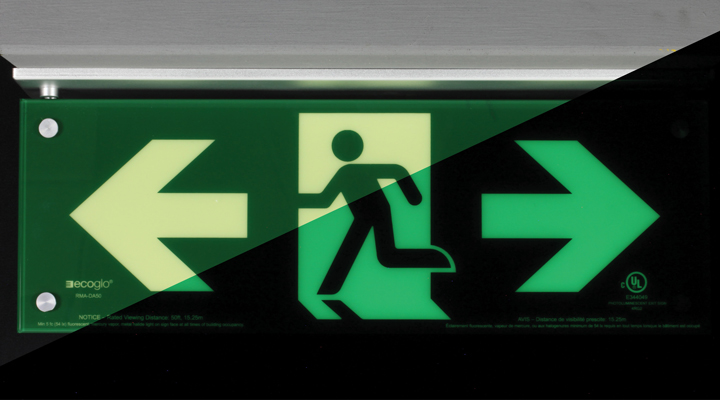
You secure your egress routes by installing Ecoglo Photoluminescent Stair Nosing. These non-slip strips sit directly on the edge of every step in your emergency stairwells.
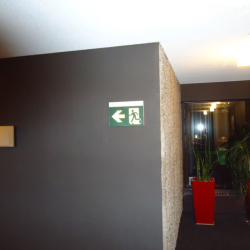
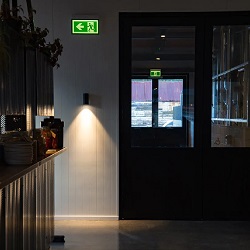
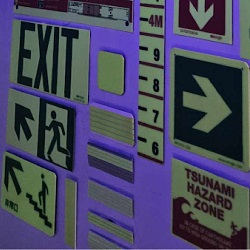
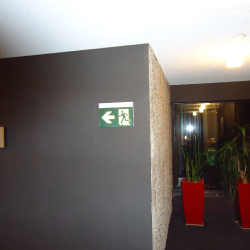
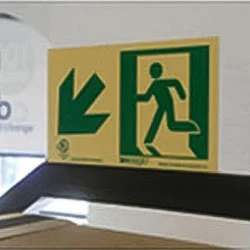
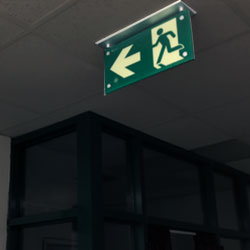
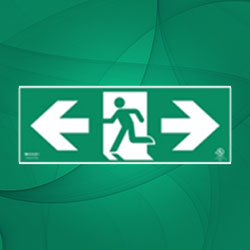
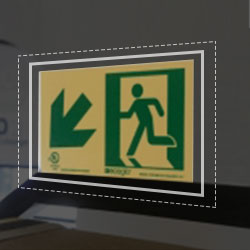
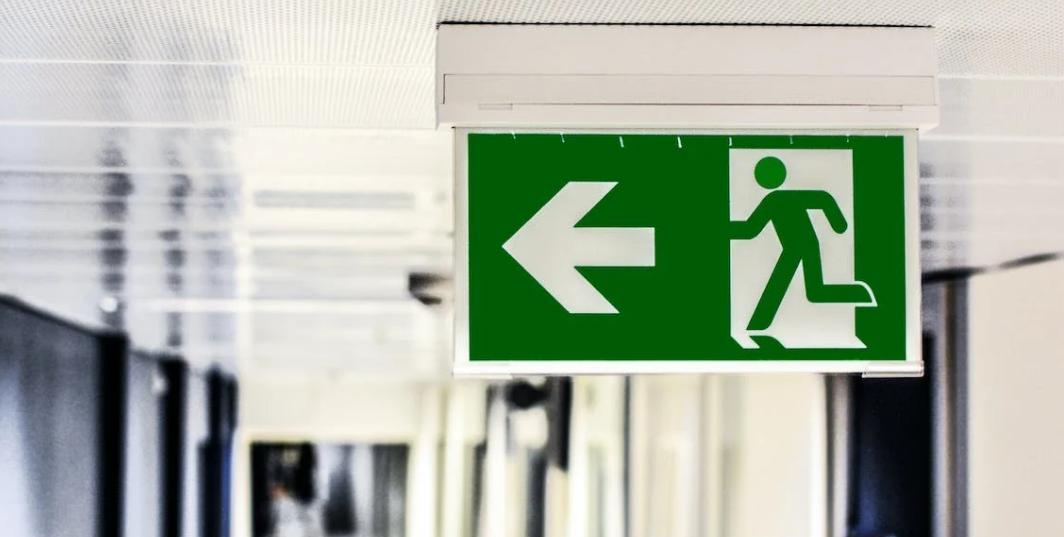
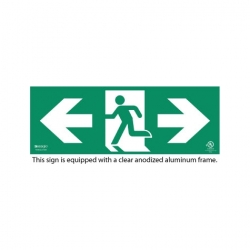
They absorb ambient room light all day. When the power cuts out, they glow brightly in the dark for hours. Pair these strips with photoluminescent exit signs that require zero electricity. This system guarantees a safe, highly visible exit path for your customers during a total blackout.
Many Canadian shopping malls were built decades ago. Bringing these older buildings up to modern AODA standards seems like a highly expensive, disruptive nightmare.
Tearing up existing cured concrete to pour new safety tiles is loud and dusty. It forces you to close sections of your mall, which angers your retail tenants and kills foot traffic.
You can avoid this demolition completely by using surface-applied tactile products.
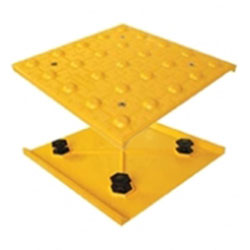
Surface-applied tiles sit flat on top of your existing hard floor. Your maintenance crew cleans the floor, applies a premium structural adhesive, and drives in mechanical masonry fasteners.
The installation process is incredibly fast. You can upgrade an entire food court entrance overnight while the mall is closed. Your retail tenants experience zero disruption, and your building achieves full code compliance by morning.
Retail success today is built entirely on the customer experience. When you create a building that feels safe and welcoming for everyone, you build fierce brand loyalty and drive consistent foot traffic.
You also eliminate the massive financial risks associated with slip and fall lawsuits and government accessibility fines. Investing in premium safety infrastructure is a smart, highly profitable business decision.
At Tactile Solution Canada, we supply the exact code-compliant materials you need to secure your retail property. We carry the most trusted brands in the industry, built specifically to survive harsh Canadian environments and heavy commercial use.
Do not wait for a failed building inspection or a customer injury to upgrade your store. Browse our online catalog today to find the perfect materials for your floors. Contact our expert team and let us help you build a barrier-free retail experience that benefits everyone.
Warning domes feature raised bumps that tell a shopper to stop immediately because a hazard like an escalator is ahead. Wayfinding bars feature long ridges that guide a shopper safely in a continuous straight line across an open space.
Generally, the property owner or management company is responsible for securing the common areas, main entrances, and public stairwells. Individual retail tenants are usually responsible for ensuring the interior of their specific leased store meets local accessibility codes.
Yes. High-quality engineered polymer tiles feature heavily beveled edges. These sloped edges allow heavy delivery carts, strollers, and wheelchairs to roll right over the tile smoothly without catching an edge or ripping the tile off the floor.
Maintenance is very simple. Janitorial staff should use mild soap and water with standard commercial floor scrubbers. They must avoid using highly abrasive wire brushes on stainless steel domes and harsh industrial solvents on polymer tiles.
Escalators are highly dangerous mechanical hazards. You must warn a visually impaired shopper before they step onto the moving metal grate at the bottom, just as you warn them before they step onto the downward slope at the top.