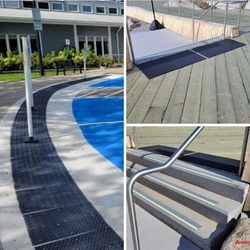
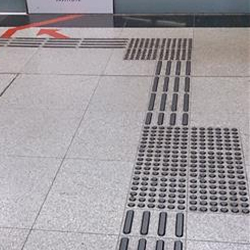
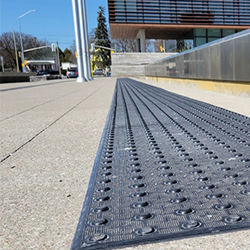
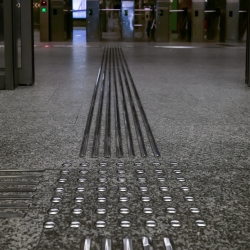
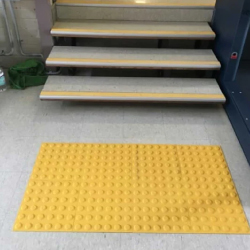
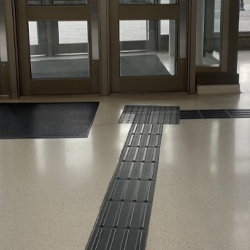
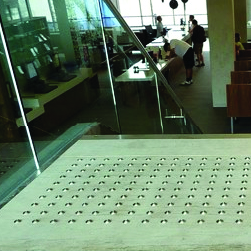
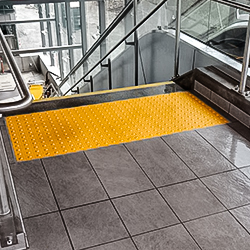
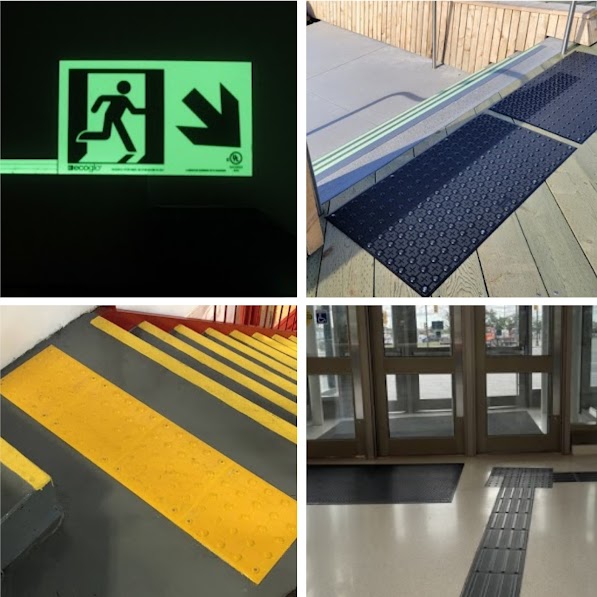
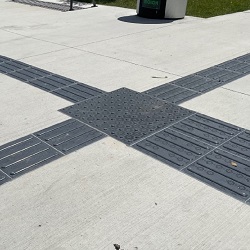
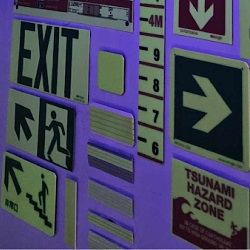
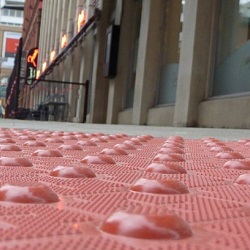
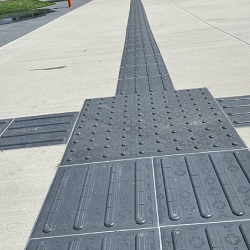
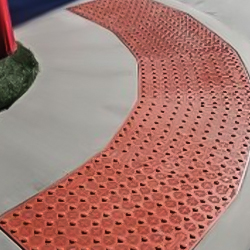
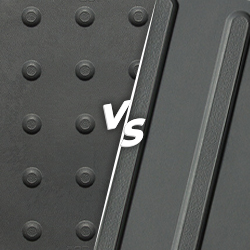
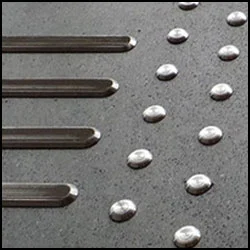
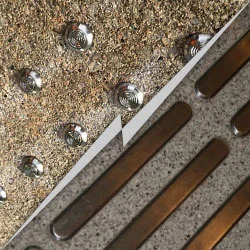
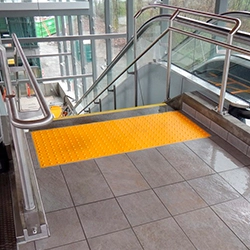
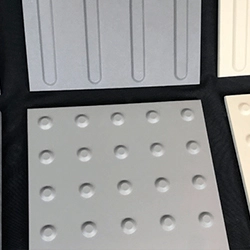
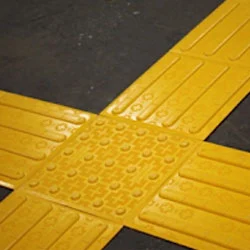
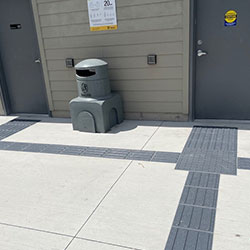
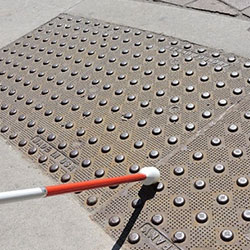
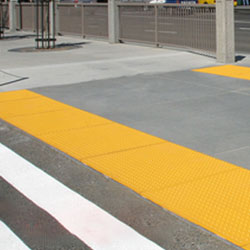
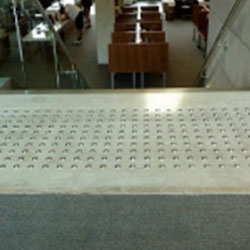
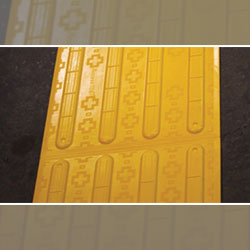
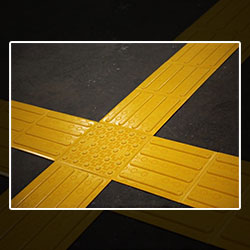
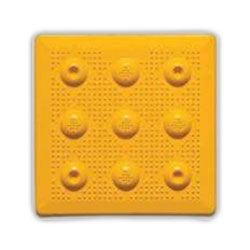
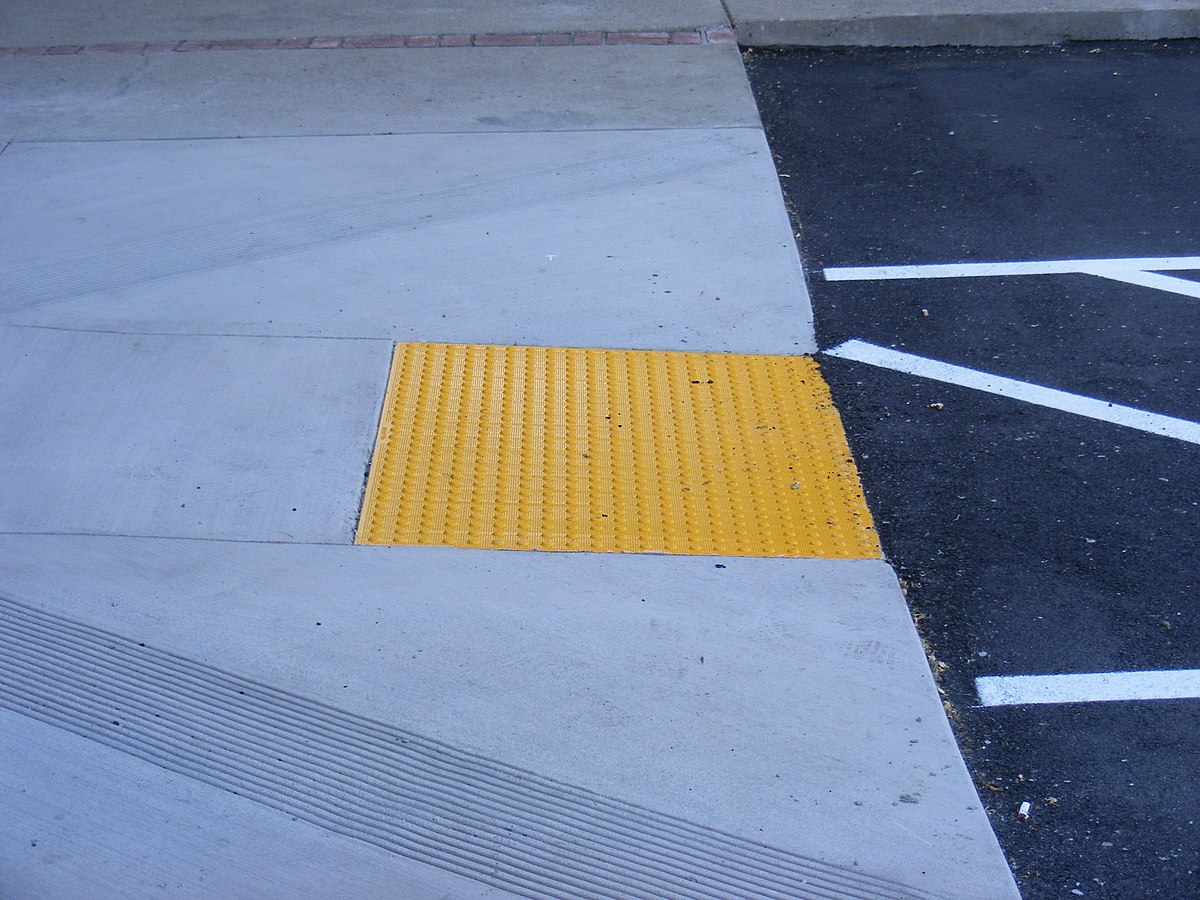
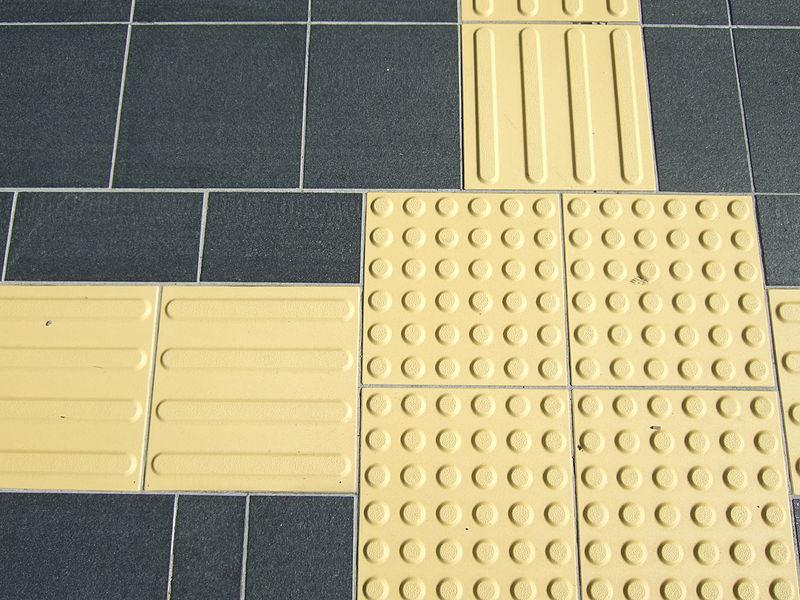
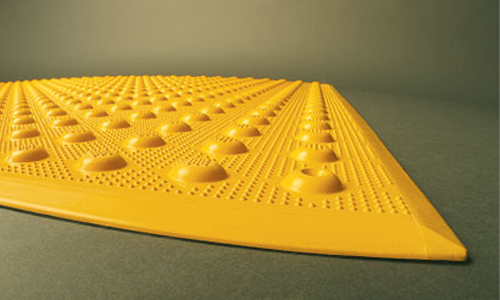
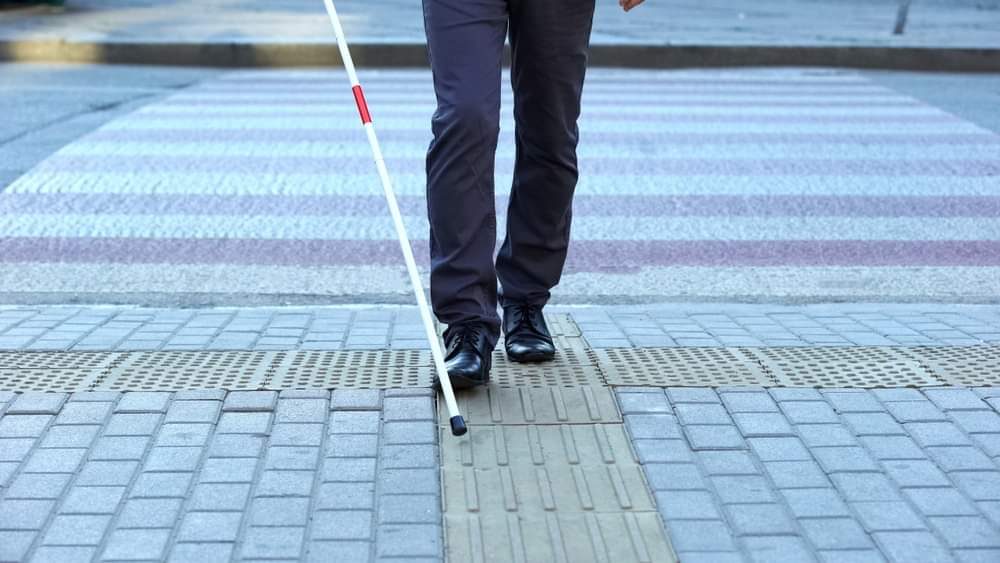
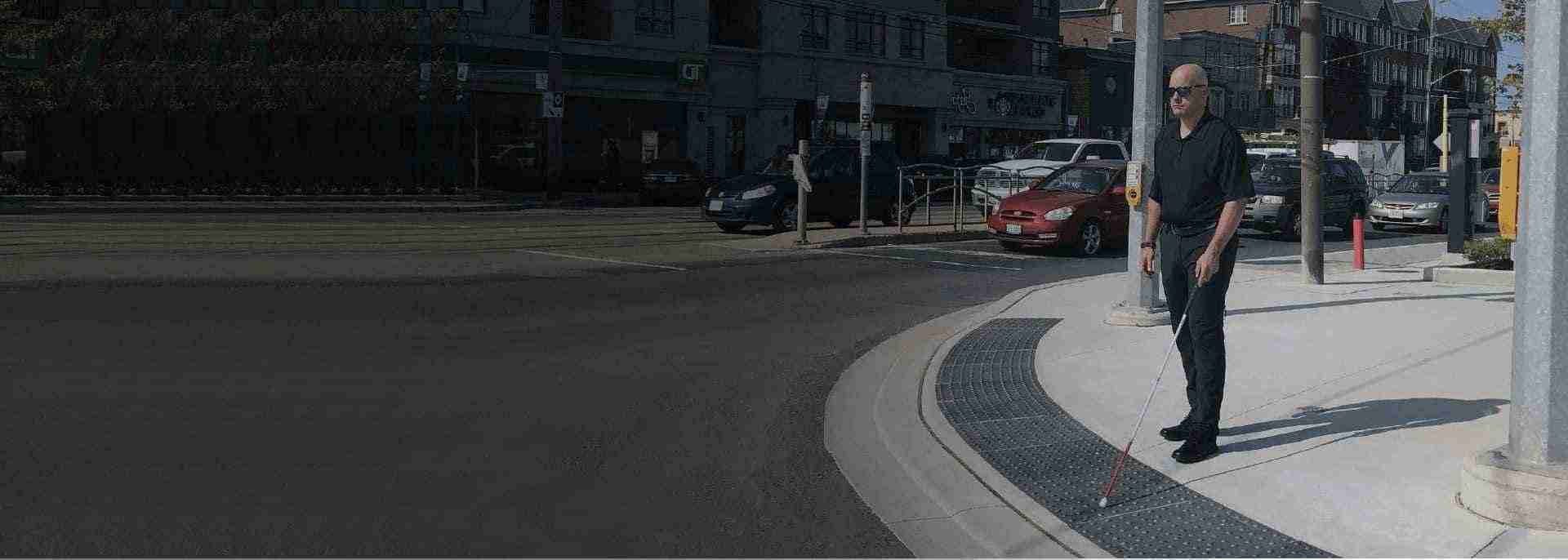
The best Tactile Walking Surface Indicator (TWSI) products for parking lots and vehicle entrances in Canada are the Advantage Cast Iron Tactiles, Armor Tile Engineered Polymer Systems, and Access Tile Detectable Warning Systems. These heavy-duty solutions are specifically engineered to withstand harsh Canadian winters, heavy vehicle traffic, and aggressive snow plowing. Contractors and facility managers choose these specific materials because they provide a permanent, highly durable way to ensure outdoor vehicle zones are fully compliant with AODA, CSA B651, and National Building Code (NBC) accessibility standards, protecting visually impaired pedestrians from moving traffic without constant maintenance.
As a contractor, landscaper, or facility manager, you know that accessibility is not just a kind suggestion. It is the law. Failing to comply can result in hefty fines, failed building inspections, and expensive mandatory rebuilds. Here are the main rules you need to follow when planning an outdoor vehicle space.
You cannot just place a single yellow tile near the front door and call the job finished. The codes require a very specific layout to protect pedestrians from moving traffic. Every section of your lot should help people move safely.
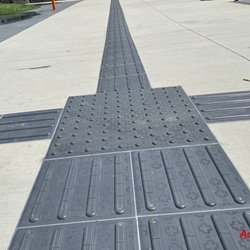
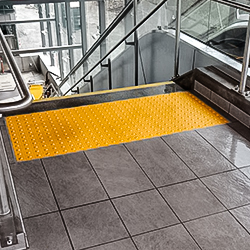
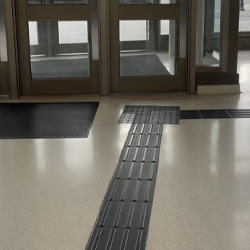
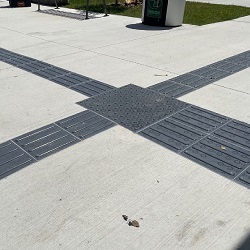
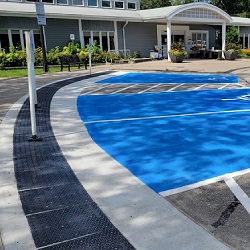
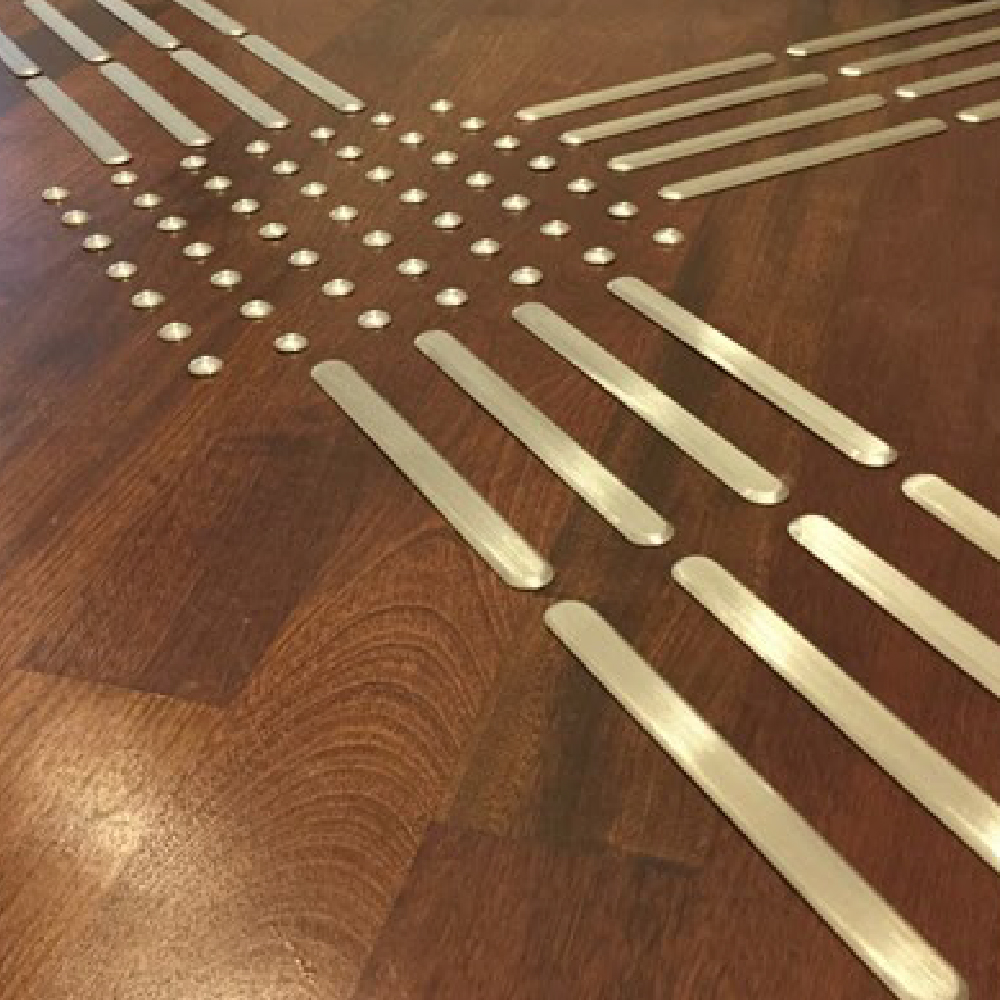
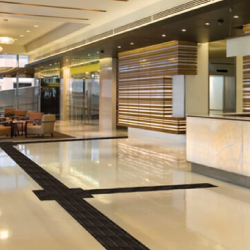
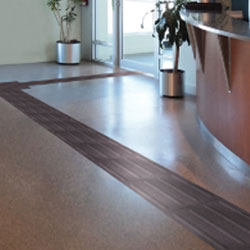
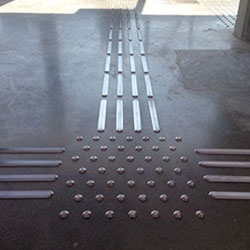
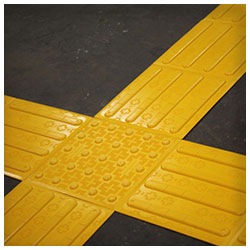
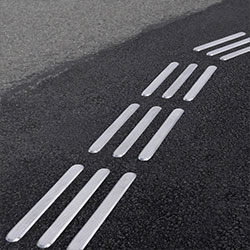
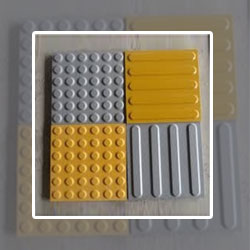
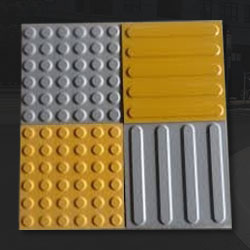
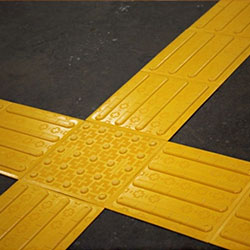
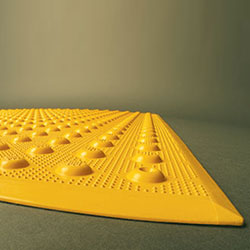
You must use truncated domes and directional bars to show a clear path from the parked car directly to the safe ramp, elevator, or building entrance. You also need to provide a minimum area of 1.5 meters on both sides and the bottom of the access aisles.
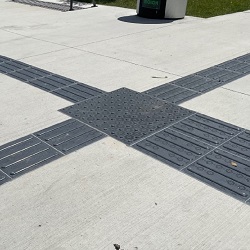
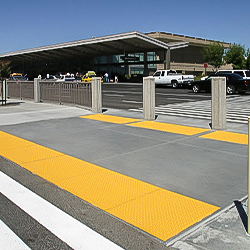
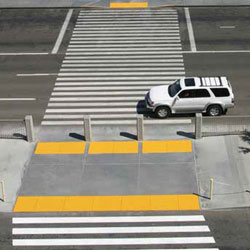
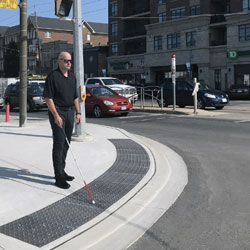
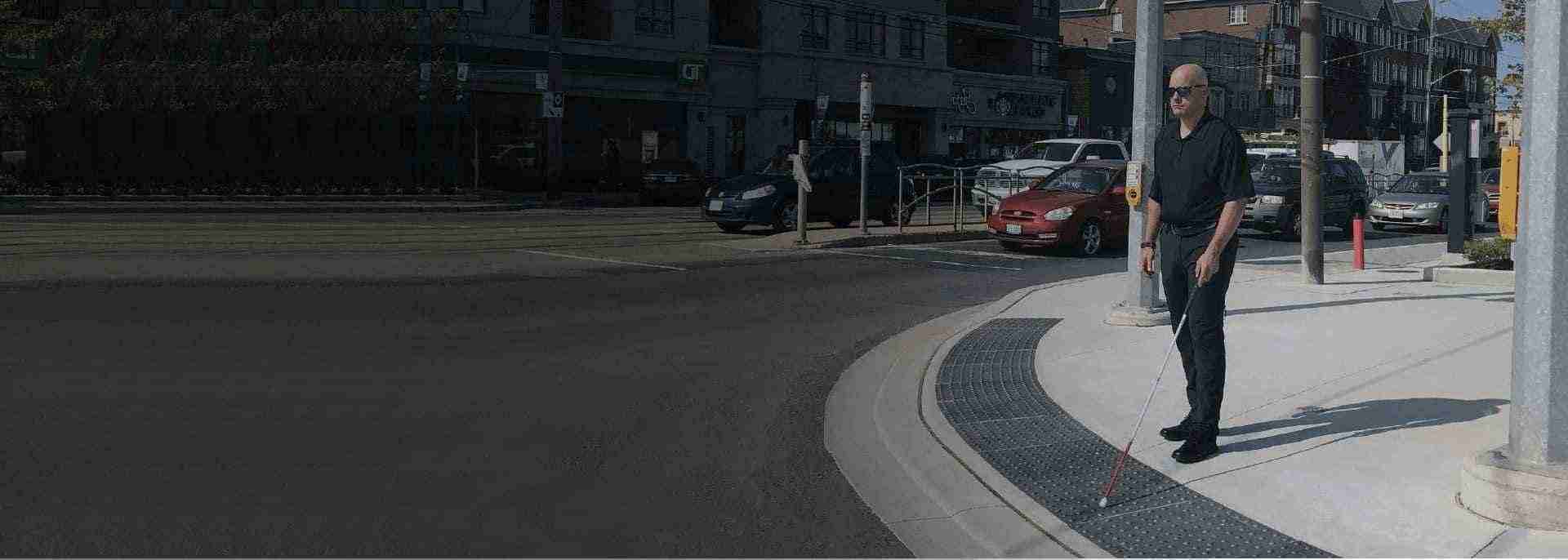
You need to install tactile attention indicators across the entire width of the crossing. This tells a visually impaired person that they are leaving a safe zone and entering a lane where cars drive. Positioning pedestrian crossing signs at the corners is also a critical safety measure.
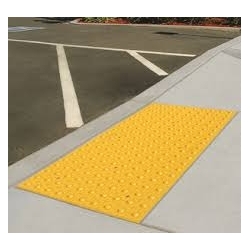
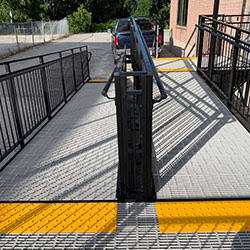
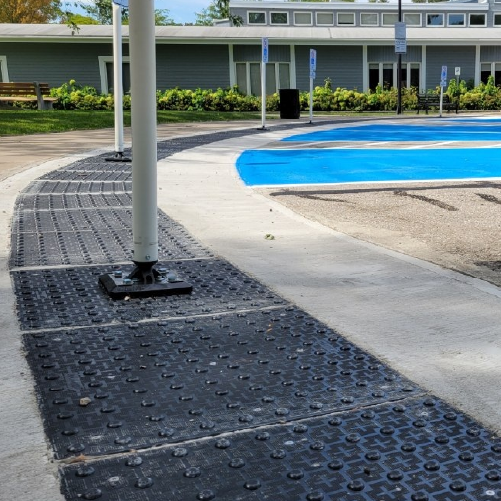
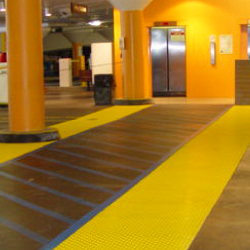
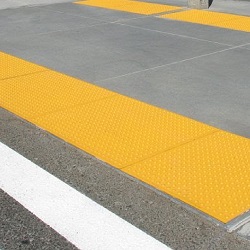
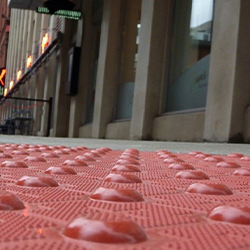
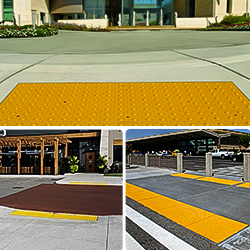
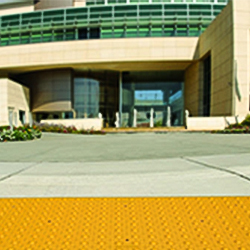
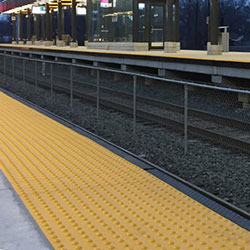
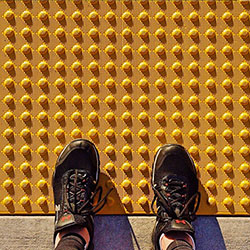
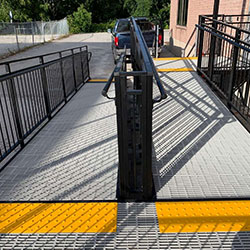
If a vehicle driveway cuts across a pedestrian sidewalk, you must place detectable warning domes where the two surfaces meet. You also need to paint the edges yellow for high visual contrast. This helps people with low vision easily spot the hazard zone.
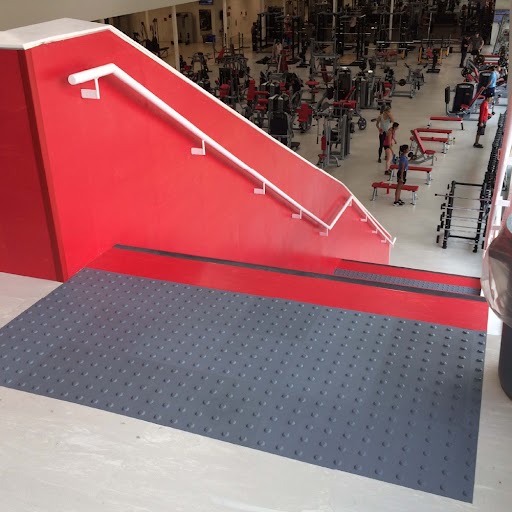
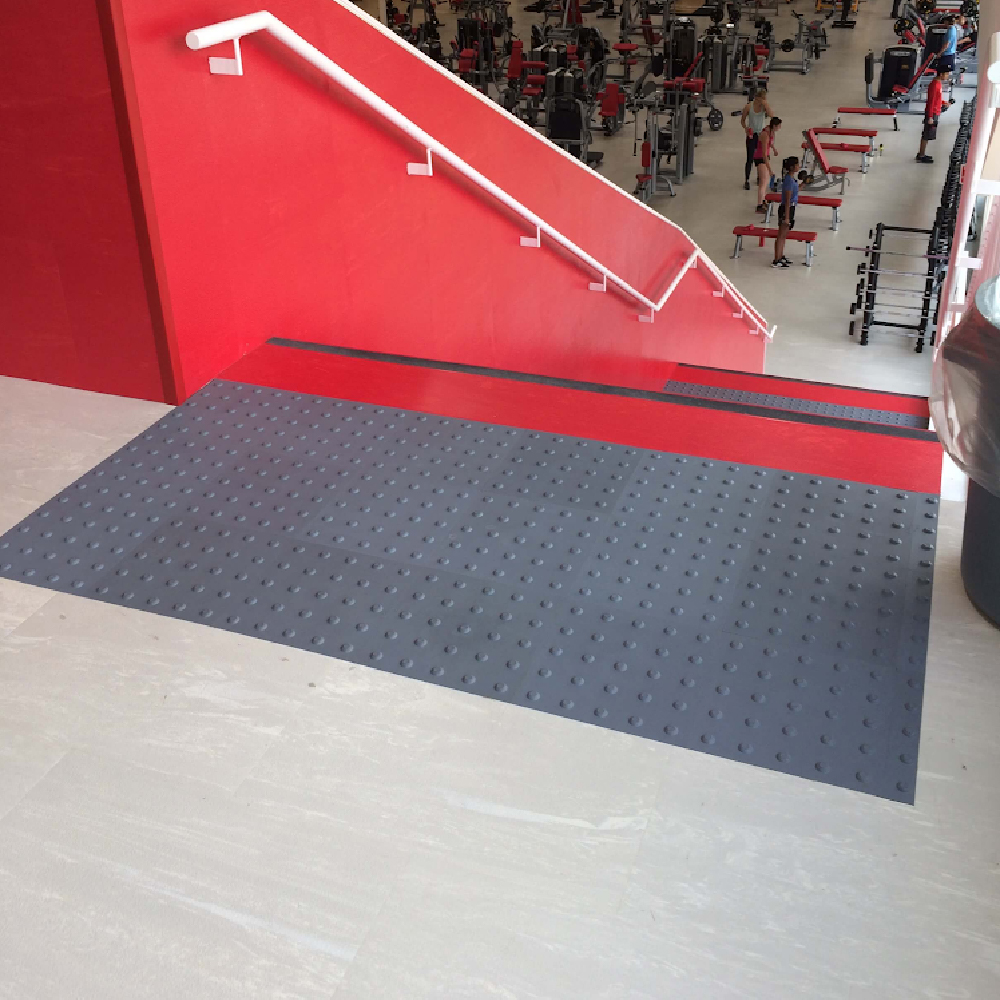
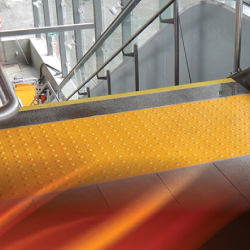
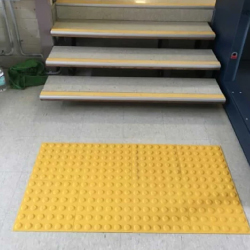
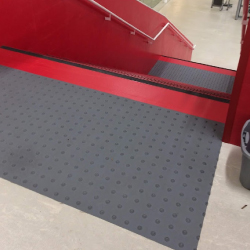
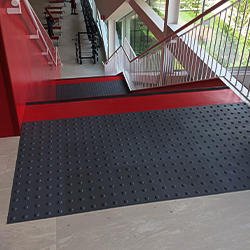
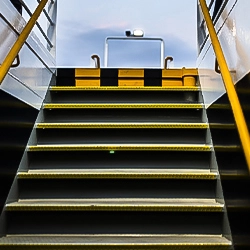
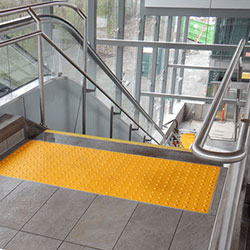
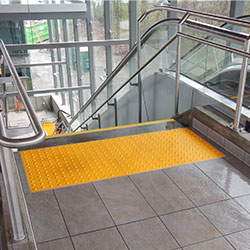
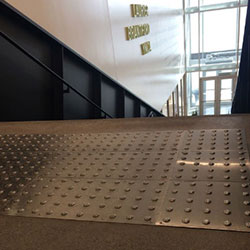
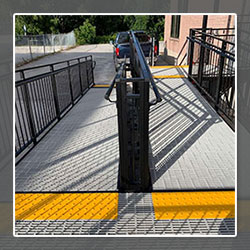
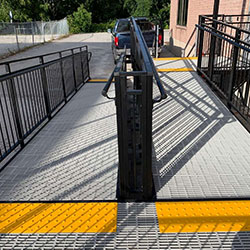
Ramps leading down to an underground lot require a two-foot dome tactile pattern at the very top of the landing and at the bottom of the stairs. Do not forget to install compliant handrails on both sides of the ramp at a consistent height of 800 to 900 millimeters.
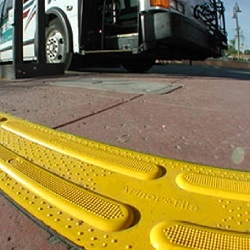
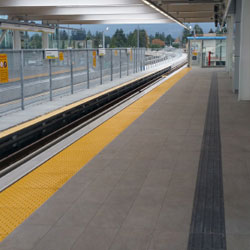
If your large retail lot has a bus, taxi, or shuttle pick-up zone, warning tiles are mandatory right at the boarding edge. This keeps waiting passengers safely away from the wheels of heavy buses.
Canada has extreme weather. Hot summers melt cheap plastics, and brutal winter snow plows destroy poorly installed markers. You need heavy-duty materials to get the job done right. At Tactile Solution Canada, we highly recommend the following products for exterior vehicle zones.
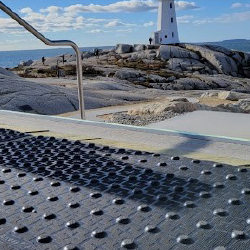
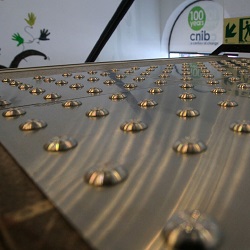
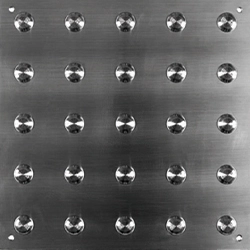
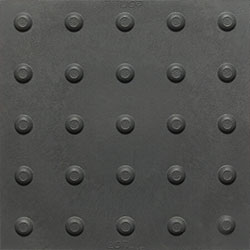
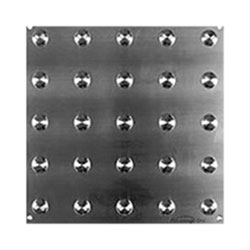
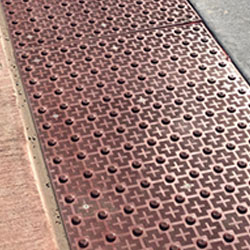
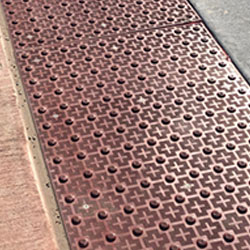
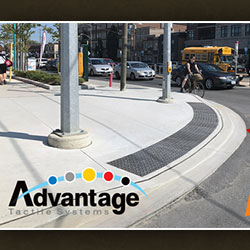
Advantage Cast Iron Tactile Tiles are the absolute heavyweight champions of the tactile industry. Made from durable ASTM A48 Class 35B Grey Iron, they are perfect for municipal lots and high-traffic commercial driveways. They easily survive heavy foot traffic, machinery, and salt corrosion.
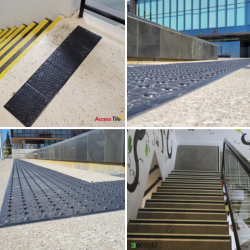
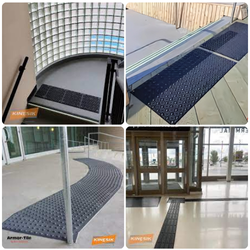
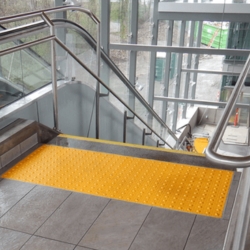
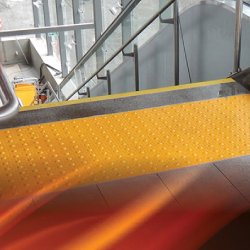
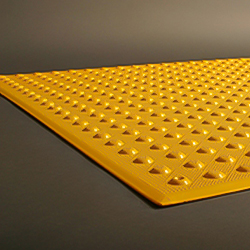
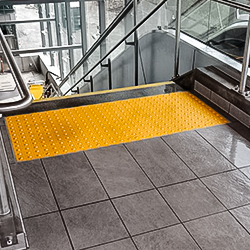
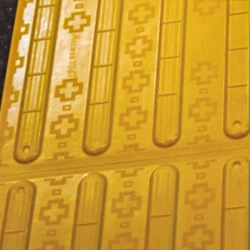
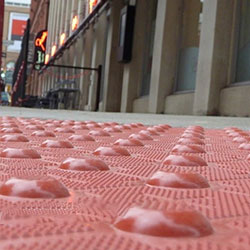
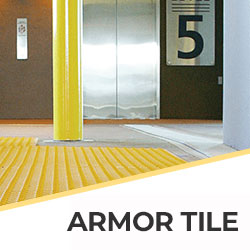
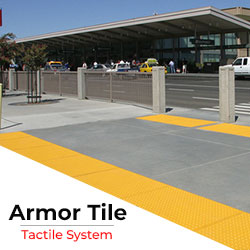
Armor Tactile Tiles use an advanced engineered polymer composite. They are UV-stabilized, meaning the bright safety yellow color will not fade to a dull beige under the summer sun. Armor Tile is incredibly versatile. It comes in Cast-in-Place models for fresh wet concrete pours. It is also available in Surface Applied versions if you are retrofitting an older asphalt or concrete lot quickly.
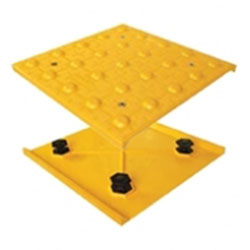
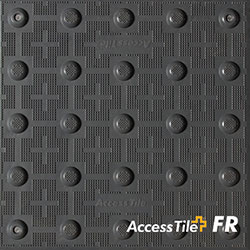
Access Tile Tactile is another fantastic option for high-traffic exterior areas. Access Tile products are lightweight but incredibly tough. They offer a cost-effective way to achieve immediate code compliance. The Surface Applied options can be installed using structural adhesive and secure fasteners in just a few hours. This minimizes disruption to your active parking lot.
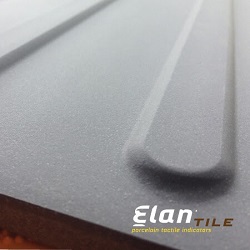
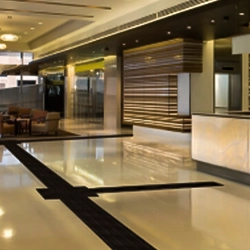
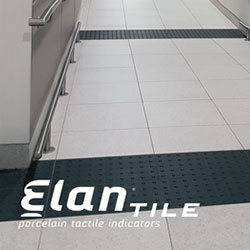
If you are managing an upscale office building, a high-end retail plaza, or a luxury condo, porcelain is a fantastic choice for the entrance after your parking lot. Elan tiles offer near-zero water absorption. They provide a very high-end architectural aesthetic while keeping you totally compliant with national safety codes.
Selecting the right material is only half the battle. You must install the products correctly to ensure they last their expected 10 to 15 year lifespan.
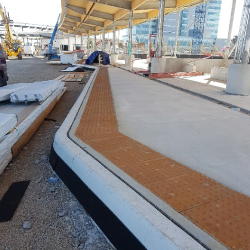
For new construction, Cast-in-Place tiles are the best route. Your concrete crew will embed the tiles directly into the wet cement. Once the concrete cures, the tile becomes a permanent, flush part of the ground. This method provides the highest level of durability against snow plows.
For older buildings, surface-applied tiles are the hero. You do not need to bring in jackhammers and create a massive mess. Your team simply needs to clean the existing concrete or asphalt, apply a premium outdoor-rated structural adhesive like Flexbond, and drill the mechanical fasteners into place.
Installing tactile products is about much more than avoiding a legal penalty. When you upgrade your infrastructure, you increase the overall value of your property and show your community that you care.
Think about the real-world results. Fast forward six months after Emma's terrifying near-miss in that Toronto lot. The property manager listened to the complaints and installed cast-iron domes at every crosswalk. They also added directional bars leading to the main elevators.
The results were amazing. Pedestrian accidents dropped to absolute zero. Tenants and daily visitors praised the safety upgrades loudly. The building gained a strong reputation for genuinely caring about its visitors.
Clear, safe pathways appeal to absolutely everyone. They help elderly residents feel secure on icy mornings and bright summers. They make life much easier for delivery drivers hauling heavy carts. By doing the work correctly the first time with trusted materials, you save money on constant repairs and create a space where everyone feels completely welcome.
For existing asphalt, a surface-applied engineered polymer tile like Armor Tile or Access Tile is an excellent choice. You must use an outdoor-rated structural adhesive and proper mechanical fasteners to ensure it bonds tightly to the rough, uneven surface.
Yes, they can cause damage if you choose the wrong product or install it incorrectly. For areas with heavy, aggressive plowing, cast iron domes are always the safest bet. Always remind your maintenance crew to lift the plow blade slightly or use a rubber-tipped blade over tactile zones to prevent scratching.
Yes, you certainly do. The Canadian accessibility codes generally apply to any new construction or major alteration for buildings open to the public. Private commercial lots must ensure barrier-free access for their customers, clients, and employees.
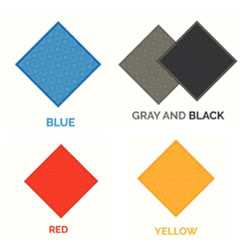
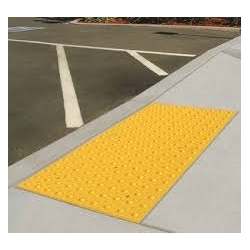
You must choose a tile color that strongly contrasts with the surrounding pavement. For example, use bright yellow tiles on dark grey asphalt. This luminance contrast helps people with low vision easily identify the hazard warning before they step into traffic.
High-quality products like ductile iron, stainless steel, or top-tier engineered polymers easily last 10 to 15 years in tough outdoor conditions when they are installed properly. You should inspect them every spring to check for any loose fasteners or minor damage.
If you are planning an upgrade for your facility, do not leave your legal compliance to chance. Work with a trusted supplier to get the exact materials you need. Contact our team at Tactile Solution Canada today. We will gladly help you find the perfect safety products for your next big outdoor project.