Creating accessible public and commercial spaces requires more than ramps and accessible entrances. People who are blind or have low vision often rely on tactile information to navigate their surroundings, identify hazards, and understand changes in pedestrian routes.
Tactile solutions provide physical and visual cues that can make commercial buildings, sidewalks, transportation facilities, shopping centres, educational institutions, and other public spaces safer and easier to navigate.
Tactile solutions are accessibility products that use raised surfaces, patterns, textures, and visual contrast to communicate important information to pedestrians. They can help people with vision loss identify hazards, changes in elevation, pedestrian routes, and other features within the built environment.
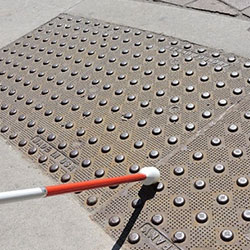
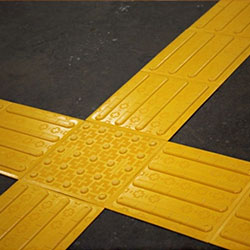
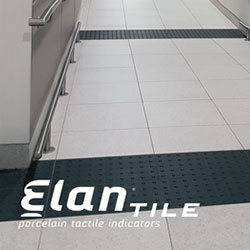
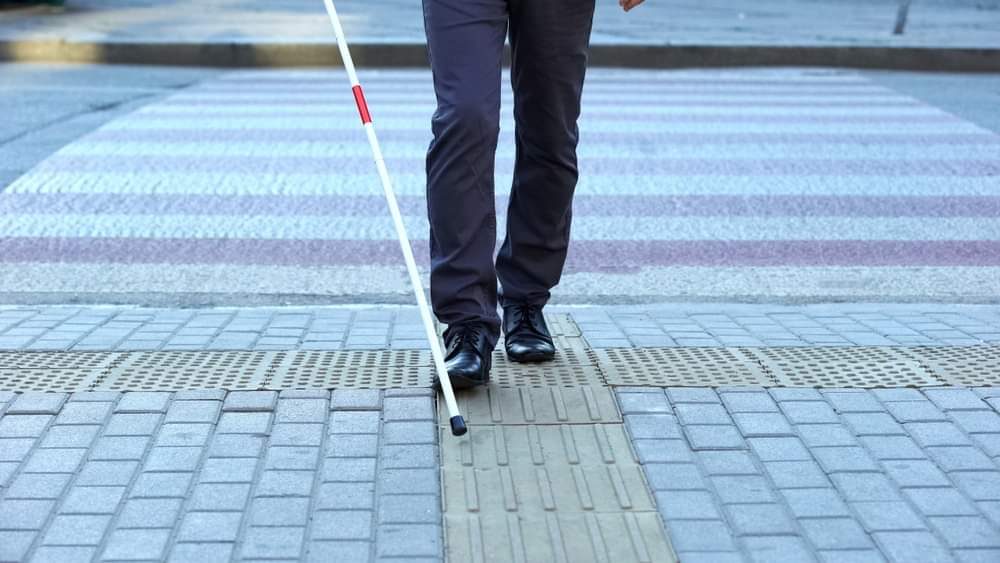
Tactile Walking Surface Indicators (TWSIs) are commonly used to provide this information through surfaces that can be detected with a mobility cane or underfoot. When properly selected and installed, tactile indicators can form an important part of an accessible pedestrian environment.
Different types of tactile indicators serve different purposes. Choosing the appropriate system depends on the location, surrounding environment, pedestrian traffic, and applicable accessibility requirements.
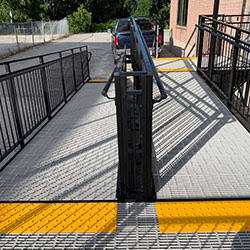
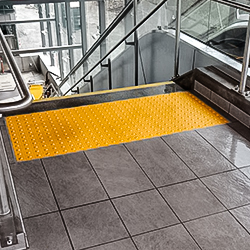
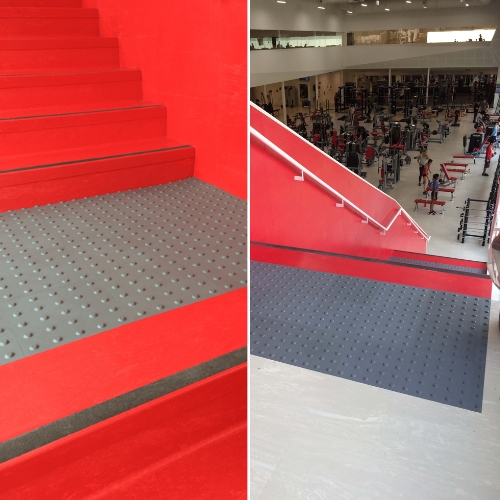
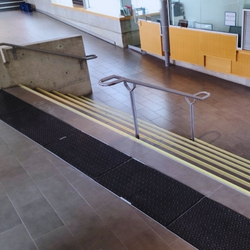
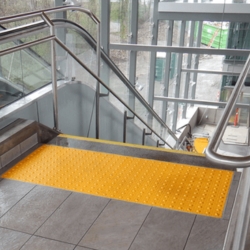
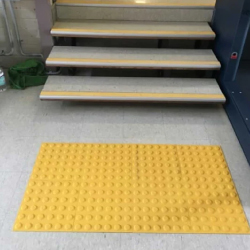
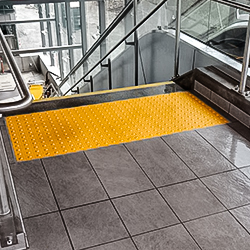
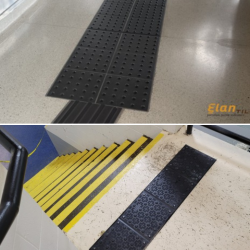
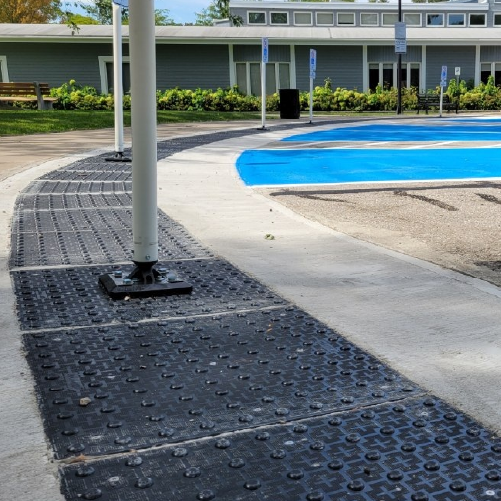
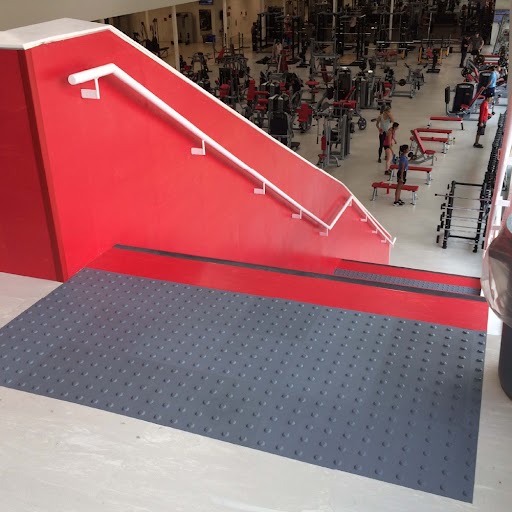
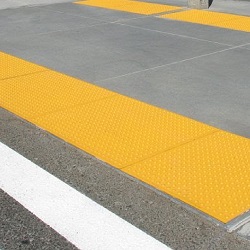
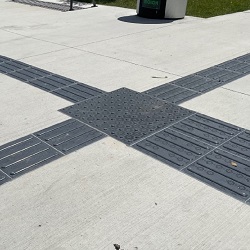
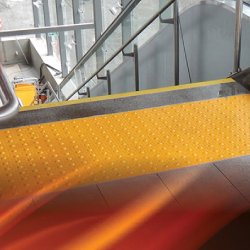
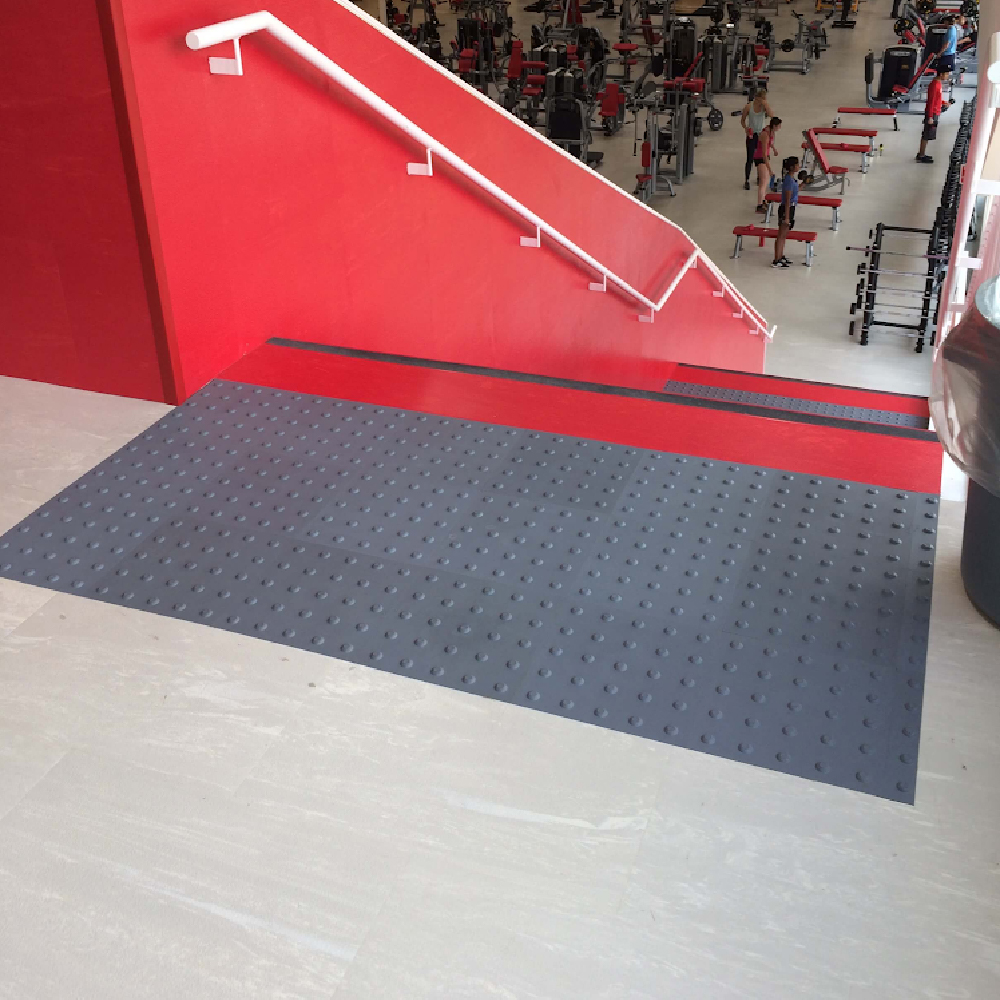
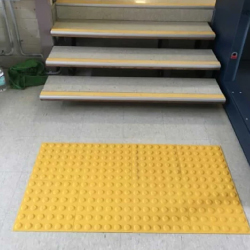
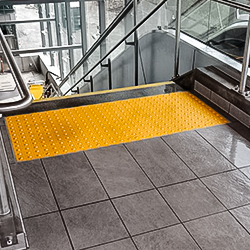
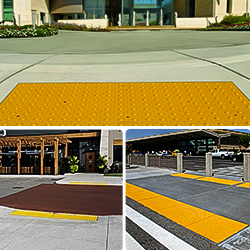
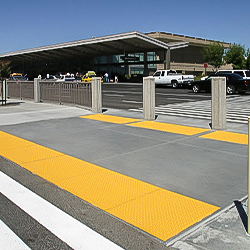
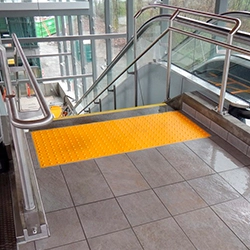
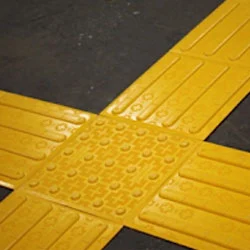
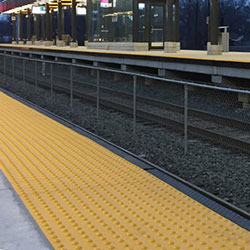
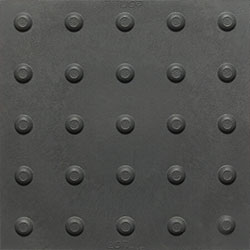
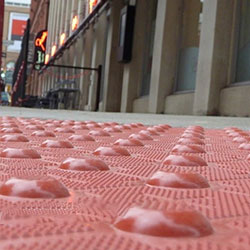
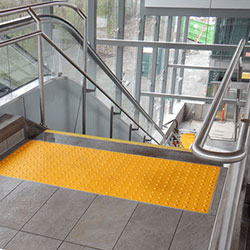
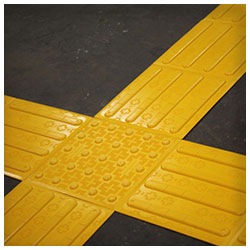
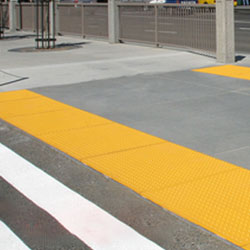
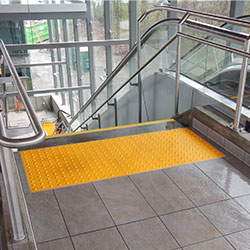
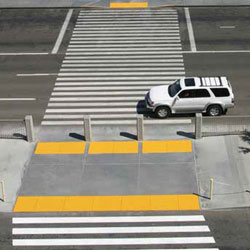
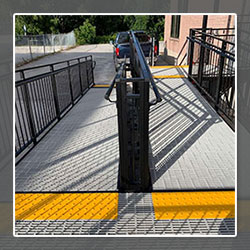
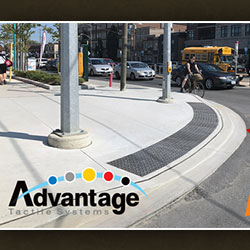
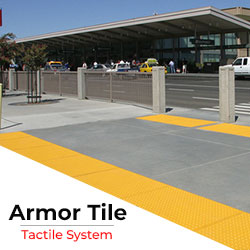
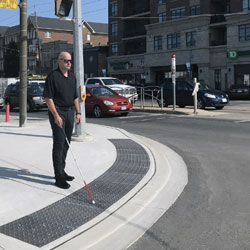
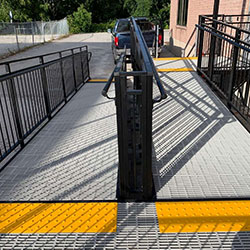
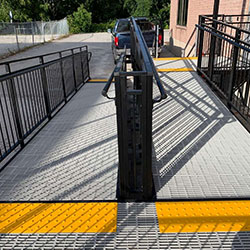
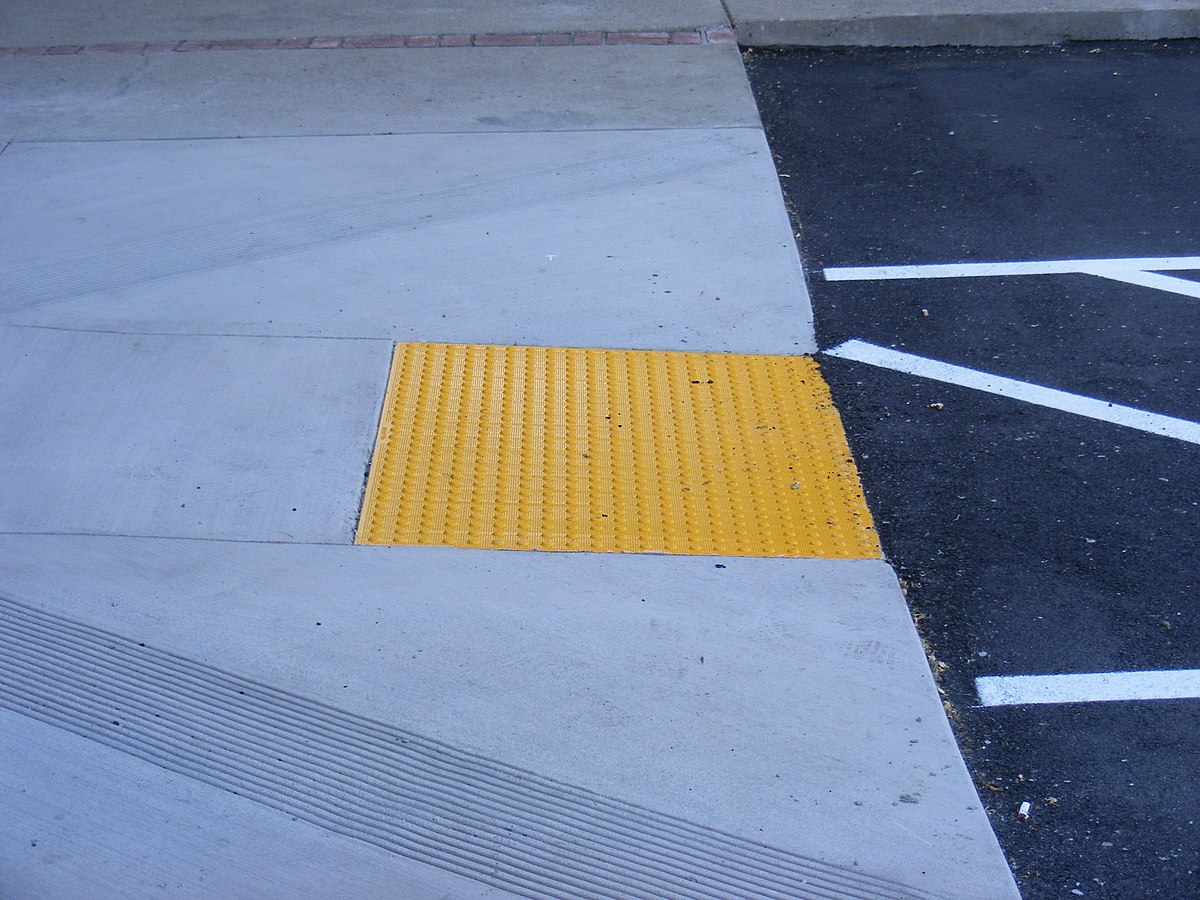
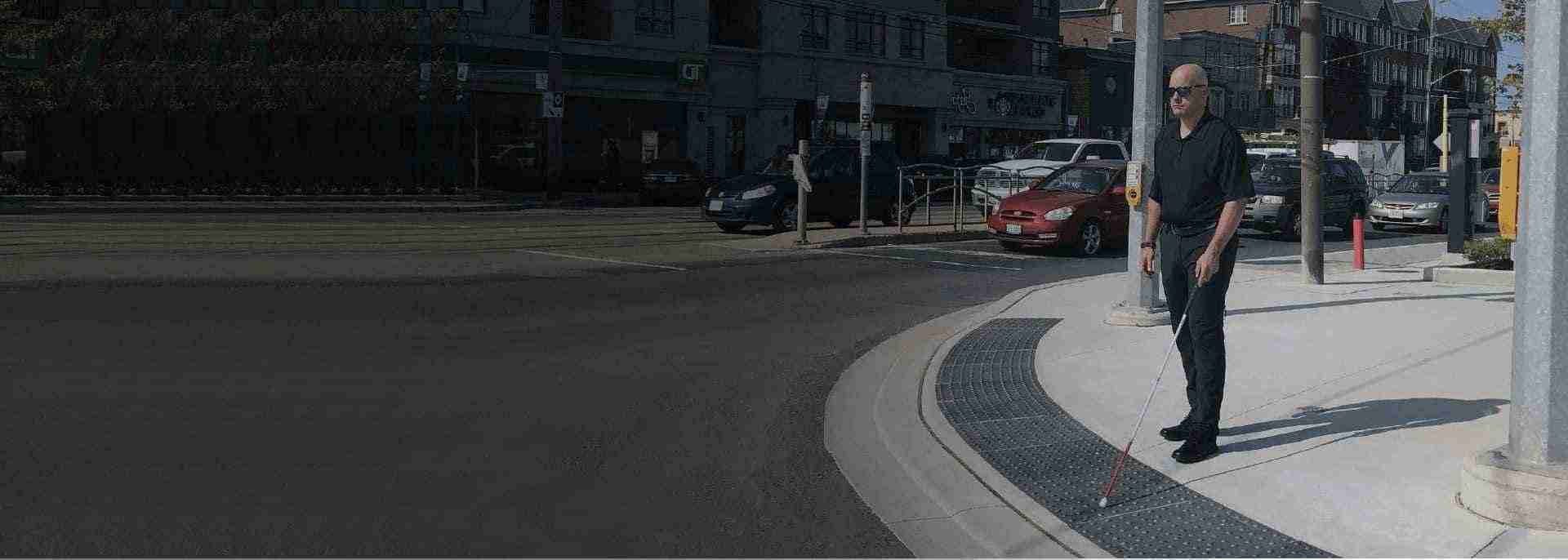
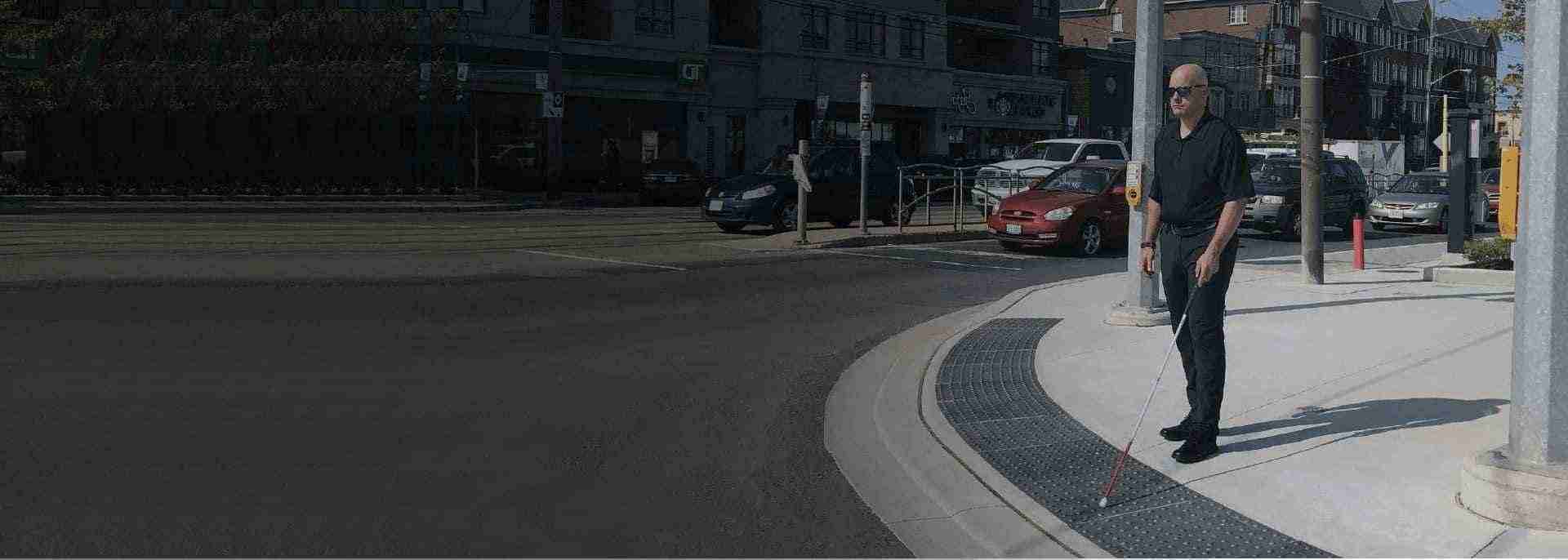
Tactile warning indicators alert pedestrians to potential hazards or significant changes in the pedestrian environment. They are commonly used near:
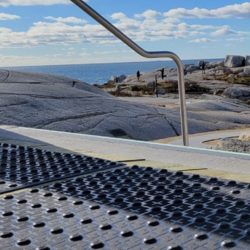
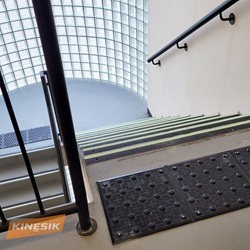
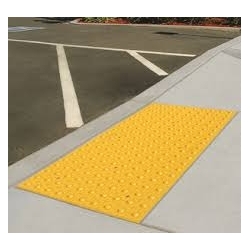
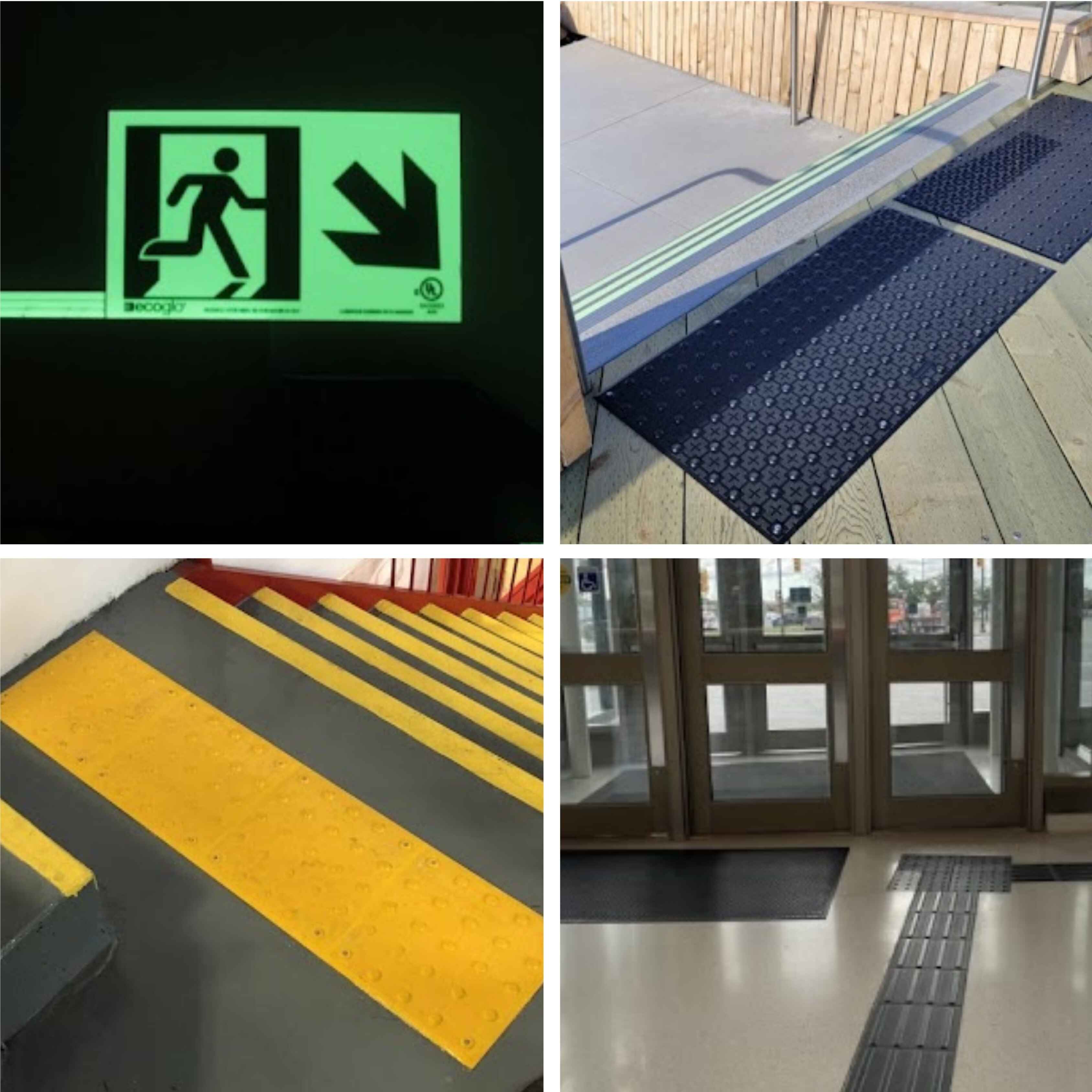
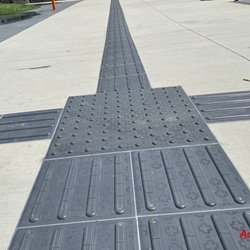
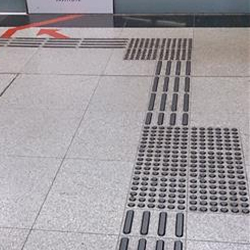
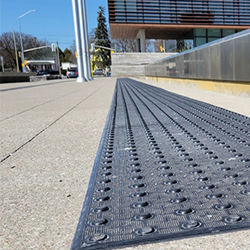
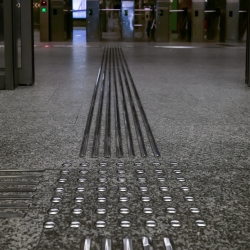
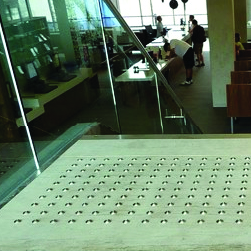
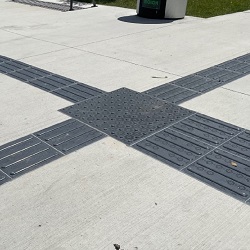
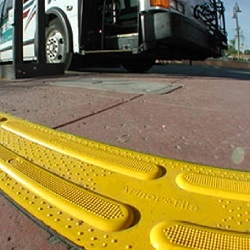
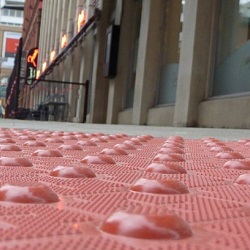
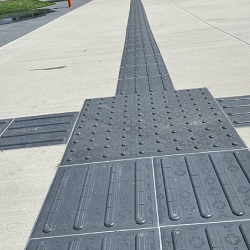
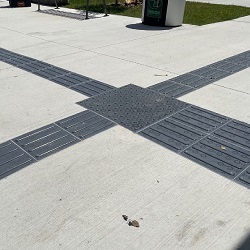
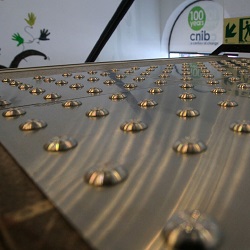
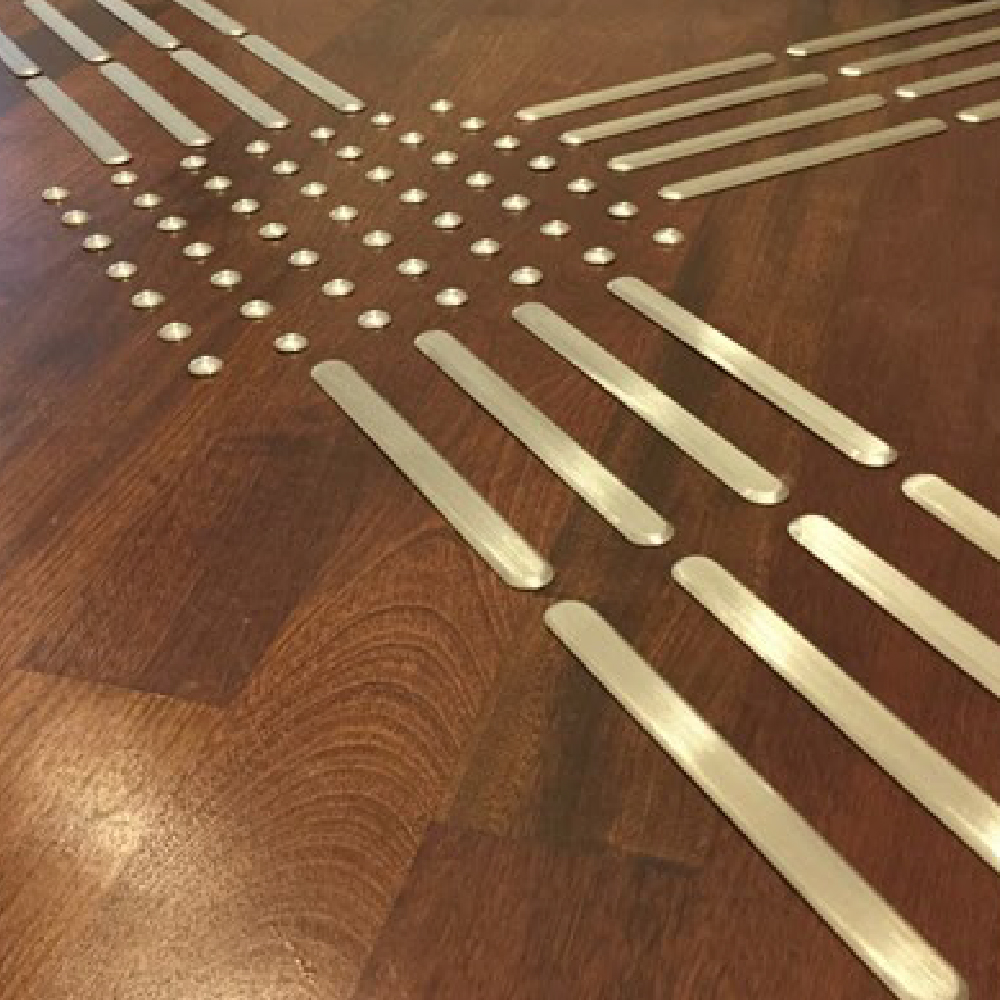
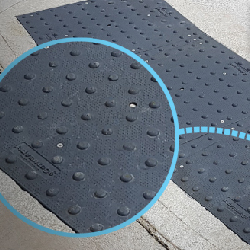
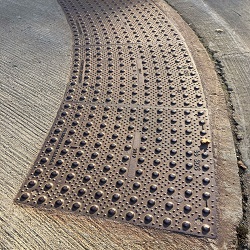
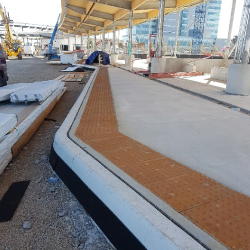
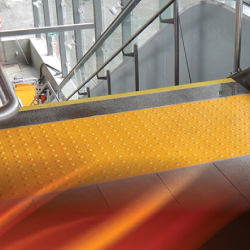
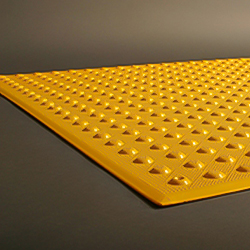
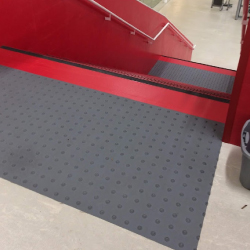
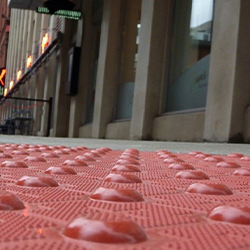
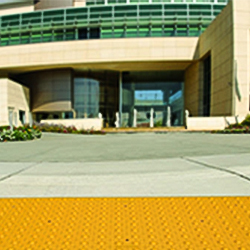
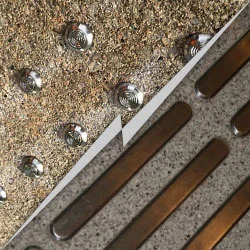
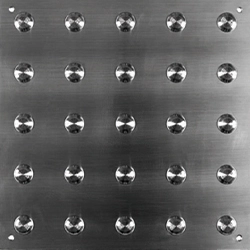
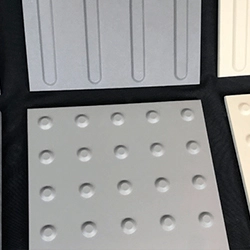
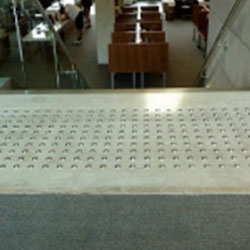
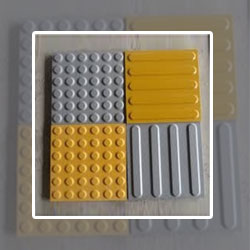
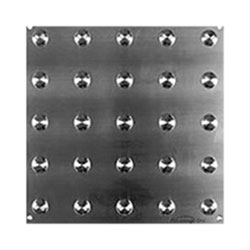
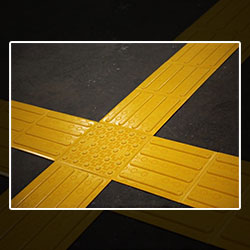
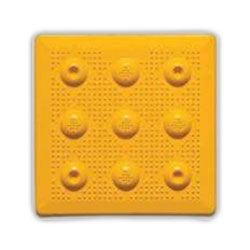
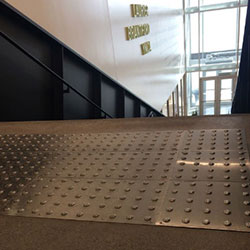
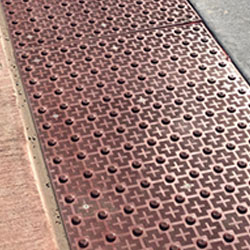
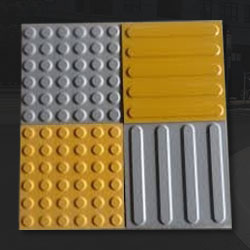
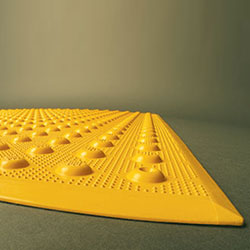
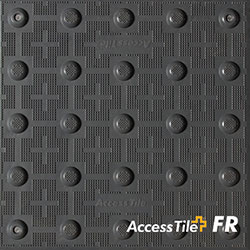
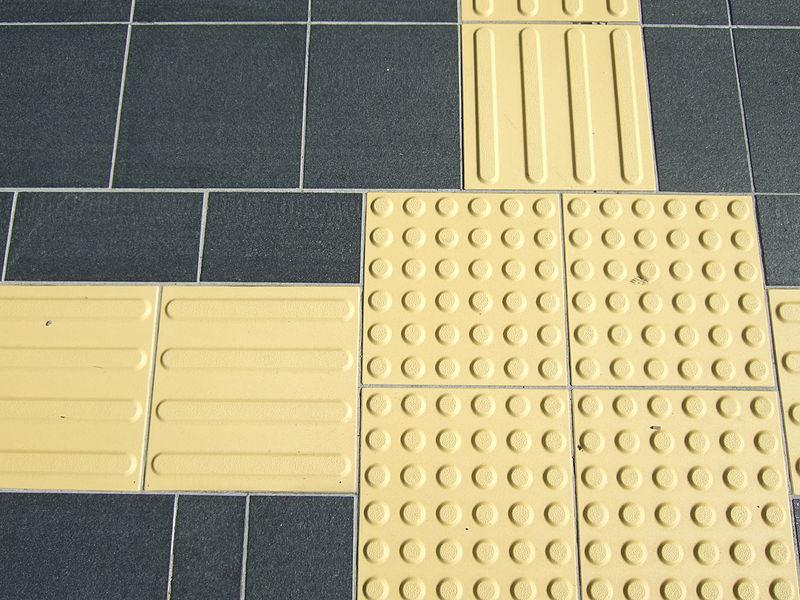
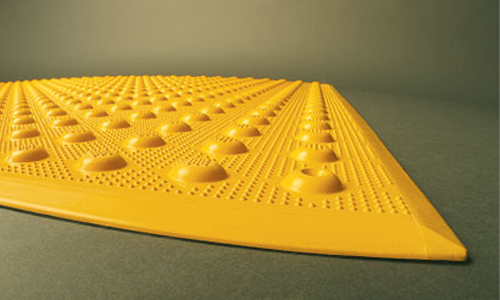
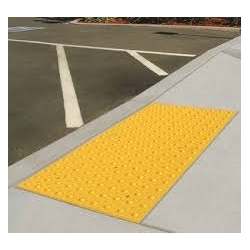
Raised truncated dome patterns are commonly used for tactile warning surfaces because their distinctive texture can provide detectable information underfoot or with a mobility cane.
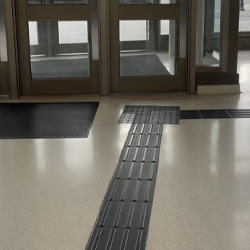
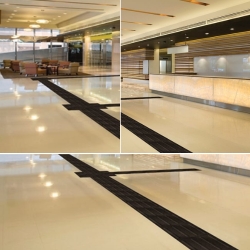
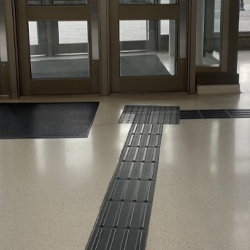
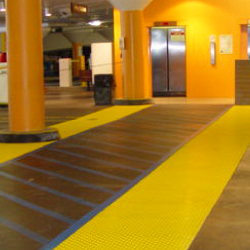
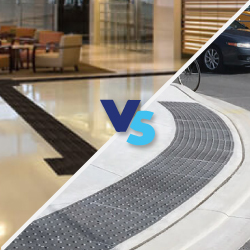
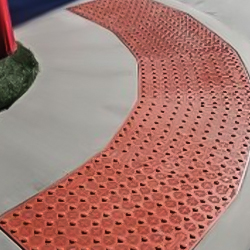
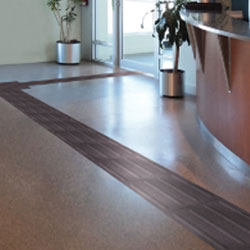
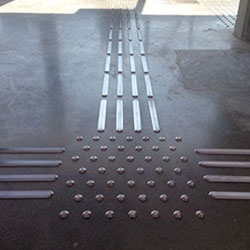
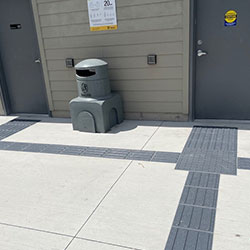
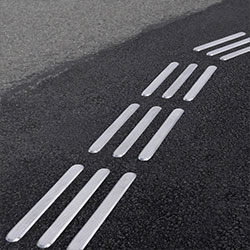
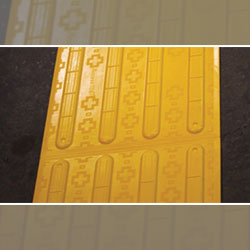
Directional tactile indicators use linear or bar-shaped patterns to communicate directional information. They can help guide pedestrians through complex environments where visual signs alone may not provide sufficient information.
These indicators can be particularly useful in large public facilities where pedestrians may need additional cues to follow designated routes.
Tactile accessibility products can be incorporated into a wide range of public, commercial, and institutional environments.
Shopping centres and retail properties contain entrances, stairs, ramps, parking areas, and other pedestrian routes. Tactile warning indicators can help identify potential hazards and support accessible navigation throughout these spaces.
Retail environments may also include decorative lighting features such as Tiffany wall sconces, which can be incorporated alongside carefully planned tactile accessibility features without compromising the overall interior design.
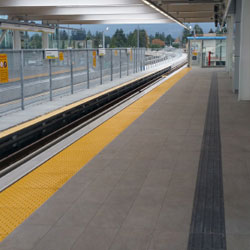
Transportation facilities often contain platforms, crossings, stairs, ramps, and changes in elevation. Tactile warning systems can provide important physical cues around designated hazard areas and help people with vision loss navigate busy pedestrian environments.
Because these locations experience heavy pedestrian traffic, durability, slip resistance, weather exposure, and ongoing maintenance should be considered when selecting tactile products.
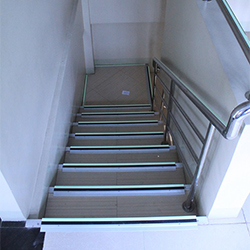
Schools, universities, healthcare facilities, libraries, and other institutions can use tactile indicators around entrances, stairs, ramps, and pedestrian routes to create more accessible environments.
Installing tactile systems as part of a wider accessibility strategy can help make frequently used areas easier to navigate for people with different levels of vision.
The right tactile product depends on several factors, including the installation environment, substrate, pedestrian traffic, weather exposure, expected usage, and project requirements.
Before installation, project teams should consider the characteristics of the existing surface and determine which tactile system is appropriate for the application.
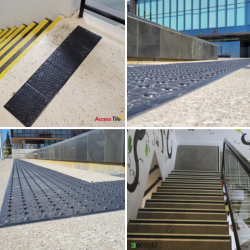
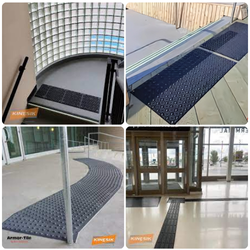
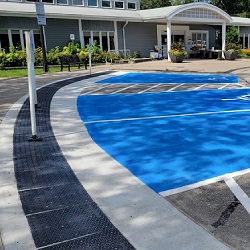
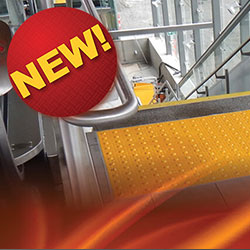
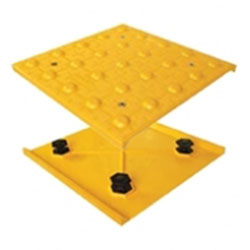
Surface-applied tactile systems can be suitable for retrofit projects where removing existing flooring or concrete is not practical. They can provide accessibility improvements while reducing disruption to an operating facility.
These systems may be useful when an existing commercial or public space needs accessibility upgrades without extensive reconstruction.
Cast-in-place systems are installed during concrete construction and become integrated into the finished surface. They can be particularly suitable for new construction and major redevelopment projects.
Selecting the appropriate installation method during the planning stage can help ensure that tactile indicators are properly positioned and integrated into the overall pedestrian route.
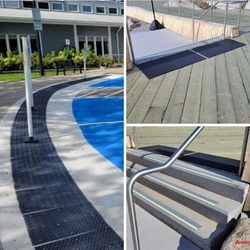
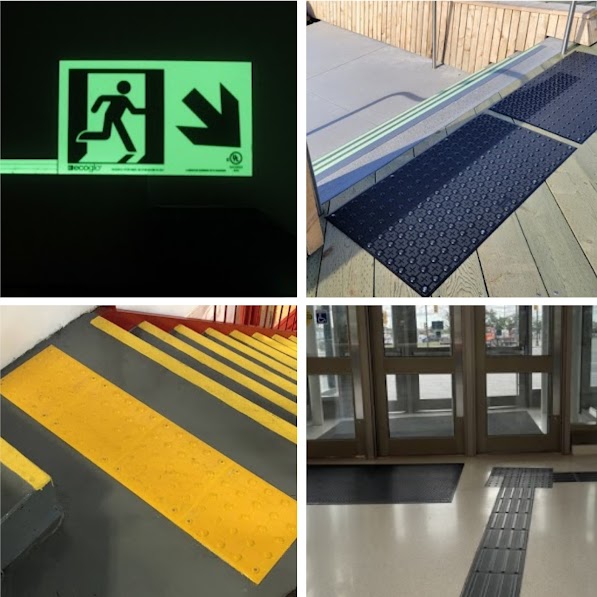
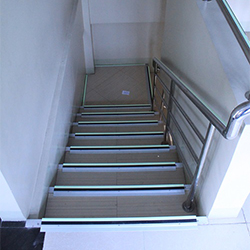
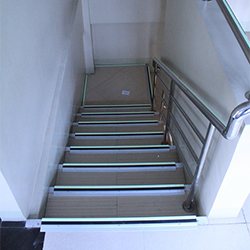
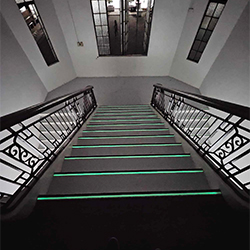
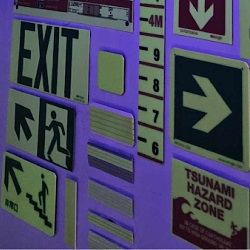
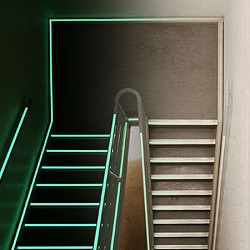
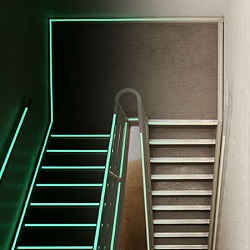
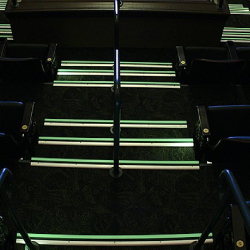
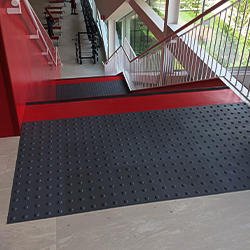
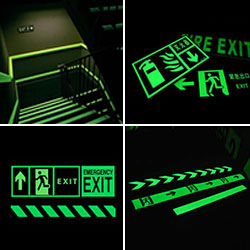
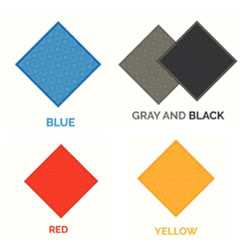
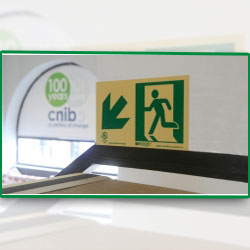
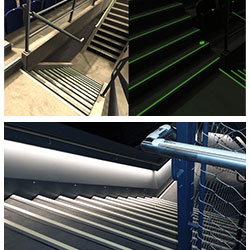
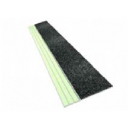
Tactile accessibility is not limited to physical texture. Visual contrast can also make tactile indicators easier to identify for people with partial sight.
When selecting tactile products, project teams should consider:
Decorative interior elements such as Tiffany table lamps can remain part of an interior design concept while tactile indicators provide essential accessibility information where required.
Regular inspection and maintenance help preserve the performance of tactile accessibility systems. Facility managers should periodically check for:
Proper installation combined with routine inspection and maintenance can help tactile systems remain functional, visible, and durable over time.
Tactile solutions play an important role in creating safer and more accessible public, commercial, transportation, and institutional environments. From tactile warning indicators to directional tactile systems, these products provide valuable physical and visual information for people who are blind or have low vision.
With appropriate product selection, professional installation, and ongoing maintenance, tactile accessibility systems can become an effective part of a comprehensive accessible design strategy.
When accessibility is considered during the planning and development of a space, tactile solutions can help create pedestrian environments that are easier to understand, navigate, and use for everyone.