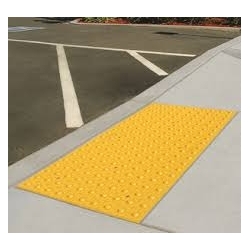
"A public waterfront is only truly beautiful when every single member of your community can enjoy it without fear of falling." - Tactile Solution Canada
Outdoor leisure spaces present a very specific challenge for Canadian municipalities. You are dealing with open elements, freezing moisture, and massive crowds. When a city builds a sprawling waterfront boardwalk or an outdoor amphitheater, accessibility often becomes a confusing afterthought.
A flat wooden boardwalk right next to a deep lake is incredibly dangerous for a visually impaired pedestrian. An outdoor concert amphitheater with unmarked concrete steps is a major liability waiting to happen.
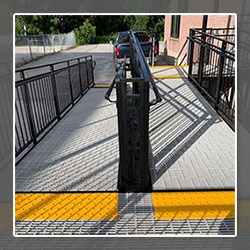
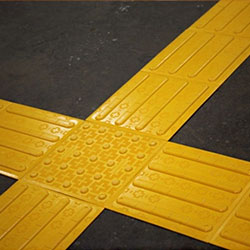
You need to install Tactile Walking Surface Indicators (TWSI) to protect your citizens and meet strict Canadian building laws. However, you cannot just drop standard indoor safety tiles onto a freezing, wet pier and expect them to survive.
At Tactile Solution Canada, we help city planners and landscape architects secure these complex outdoor environments. We supply heavy-duty safety infrastructure built specifically for extreme weather. Today, we will explain the exact tactile requirements for your outdoor public venues. You will learn how to handle wet drop-offs, secure wide public stairways, and pick materials that actually survive saltwater and ice.
You cannot build a public park or pier based on guesswork. Municipal projects face the absolute strictest accessibility audits in the country.
If you are building in Ontario, you must comply with the Accessibility for Ontarians with Disabilities Act (AODA). The Design of Public Spaces Standard legally mandates barrier-free exterior paths of travel. Other provinces enforce similar strict rules through their own building codes.
You must also follow the Canadian Standards Association (CSA) B651 guidelines. This is your technical blueprint. It dictates exactly how your tactile indicators must perform in outdoor environments.
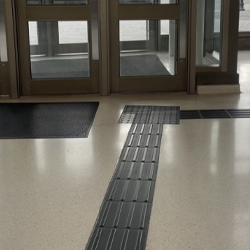
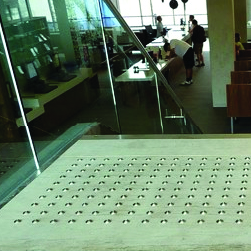
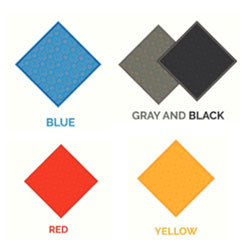
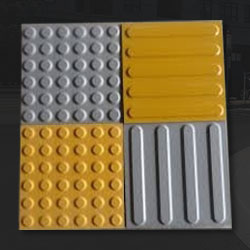
According to CSA B651, your outdoor tactile indicators must feature:
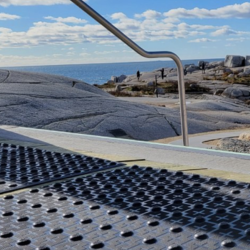
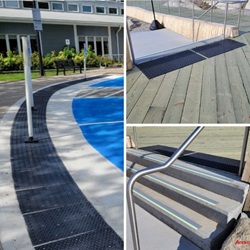
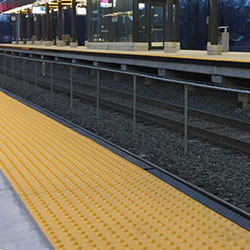
Waterfronts share many of the same hazards as indoor municipal pools. They are constantly wet, highly slippery, and feature sudden, unprotected drop-offs into deep water.
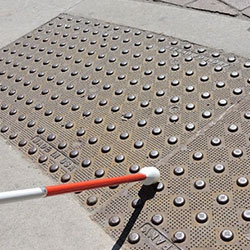
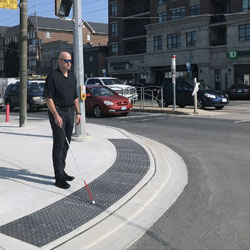
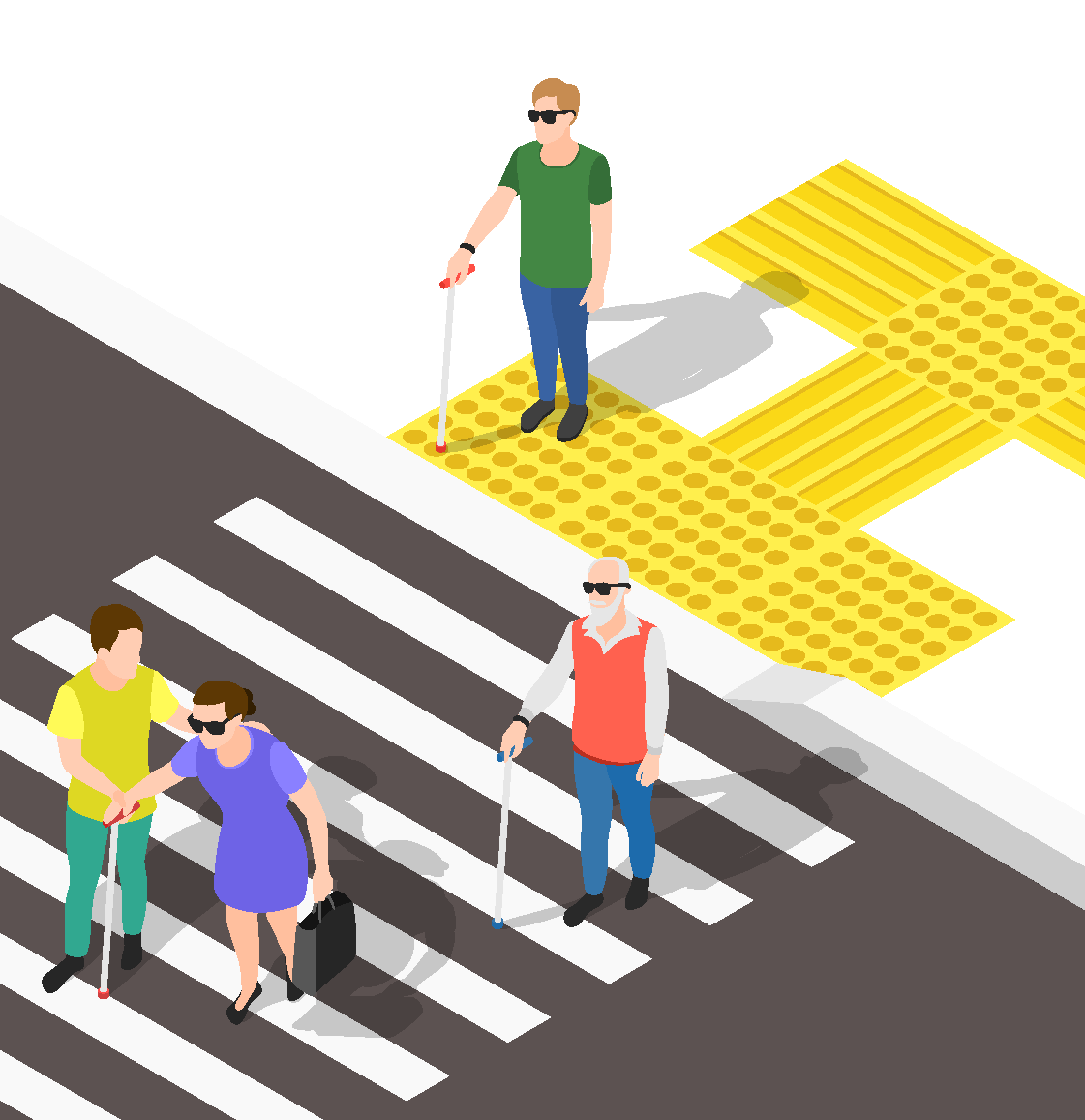
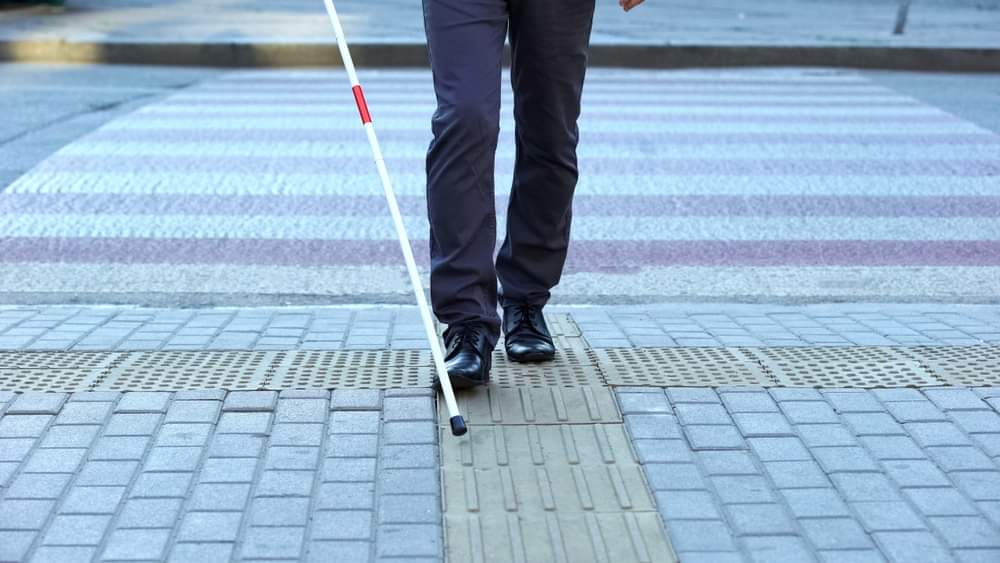
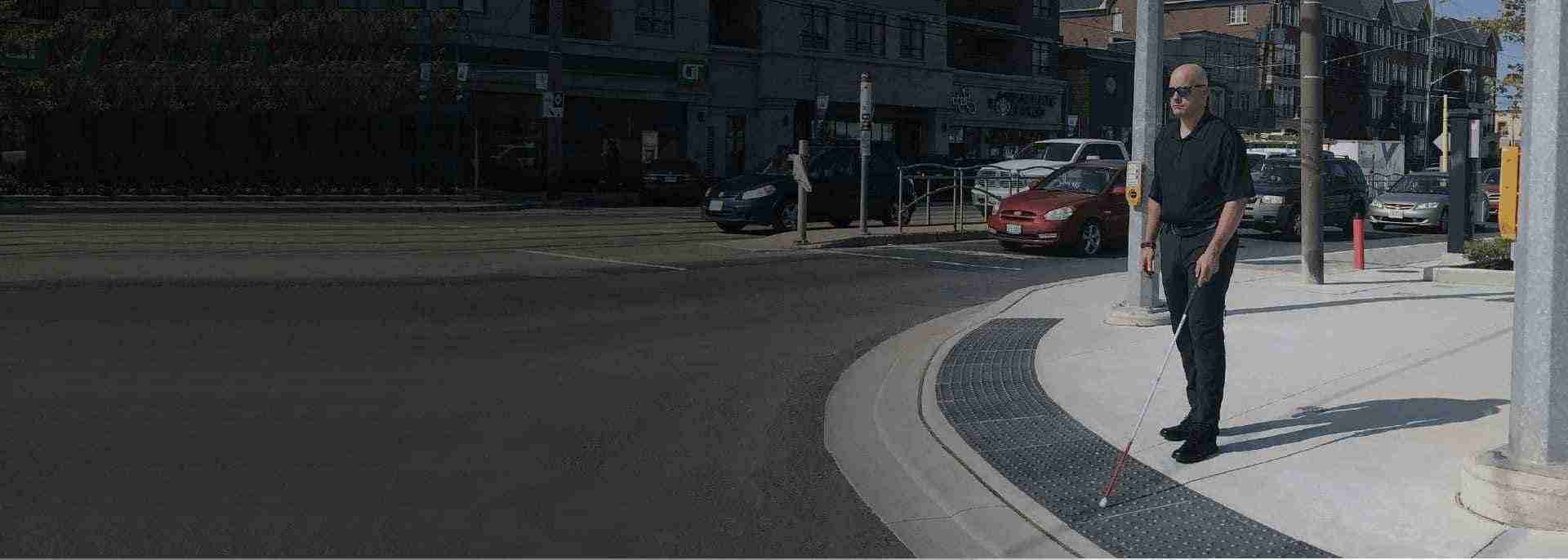
A visually impaired person uses a white cane to feel for physical boundaries. If your boardwalk just ends abruptly at the water, they have zero warning before a severe fall.
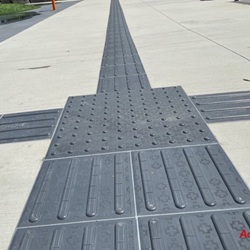
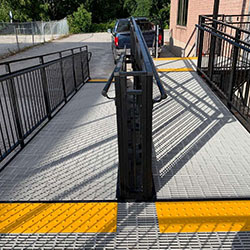
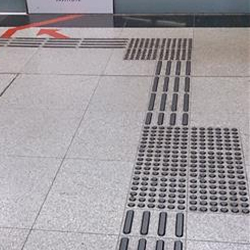
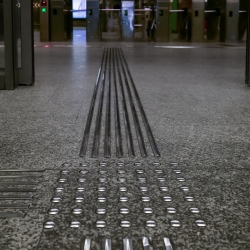
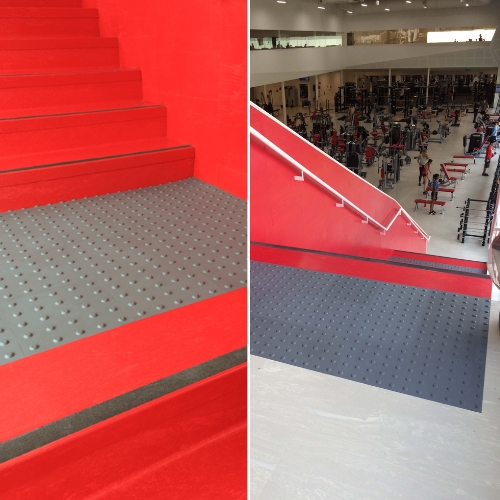
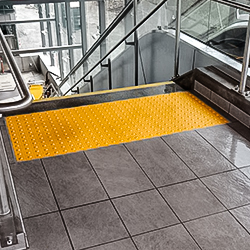
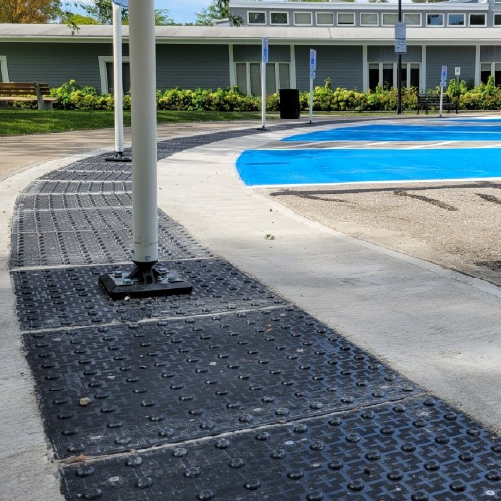
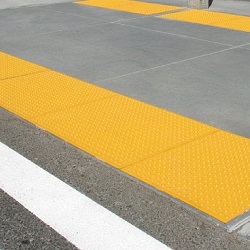
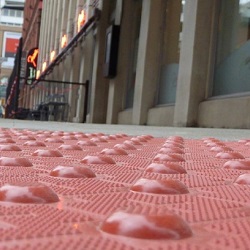
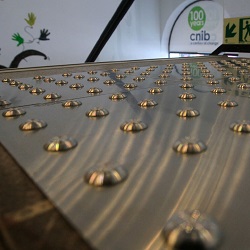
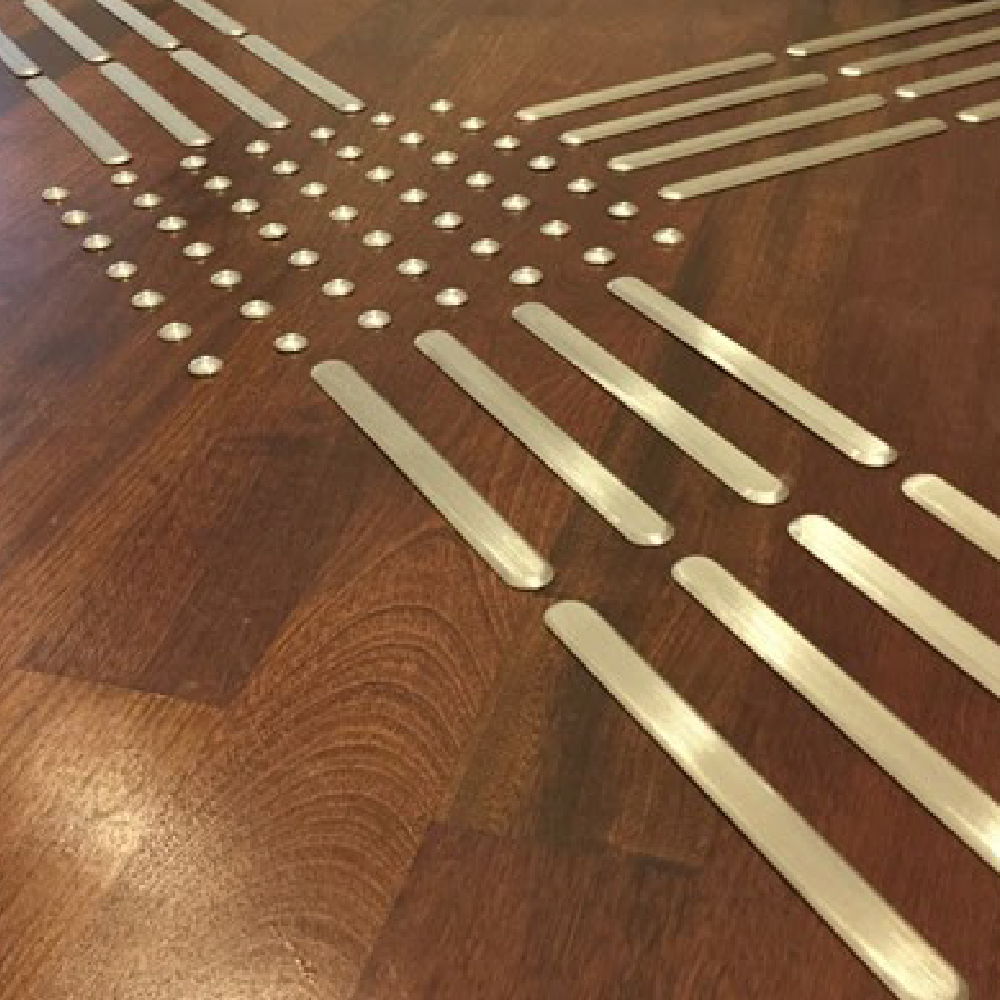
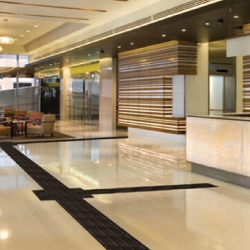
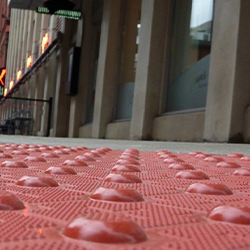
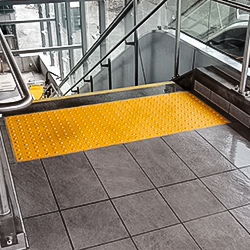
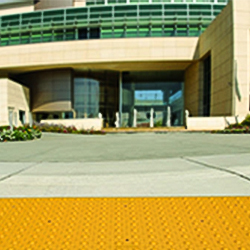
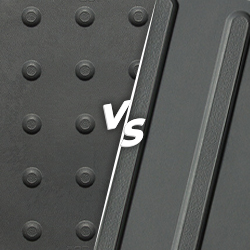
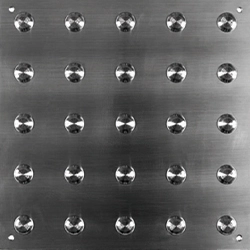
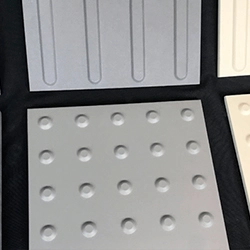
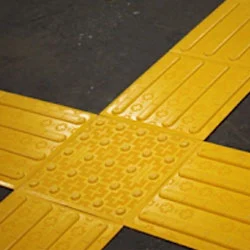
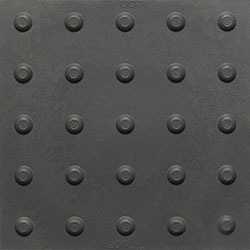
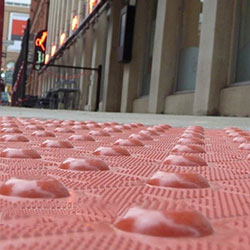
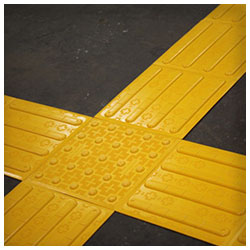
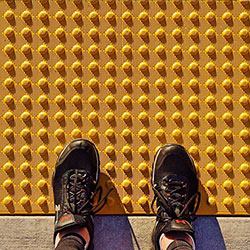
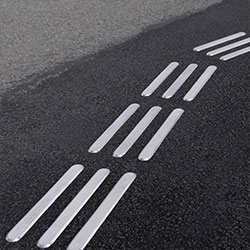
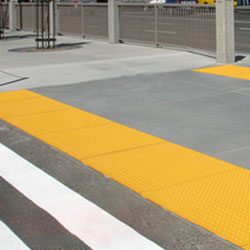
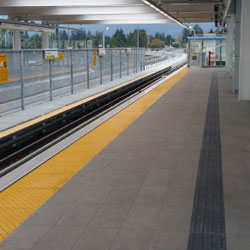
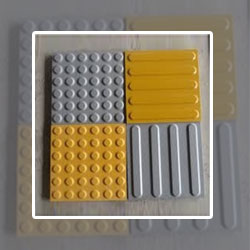
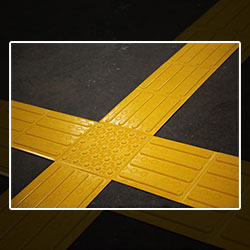
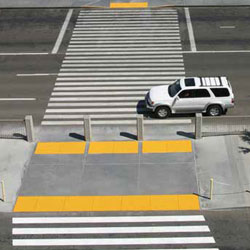
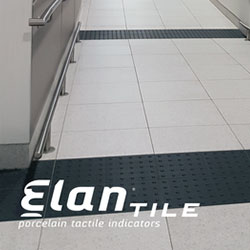
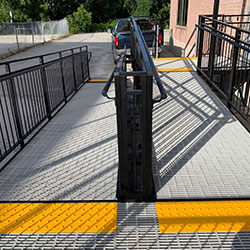
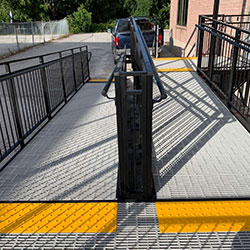
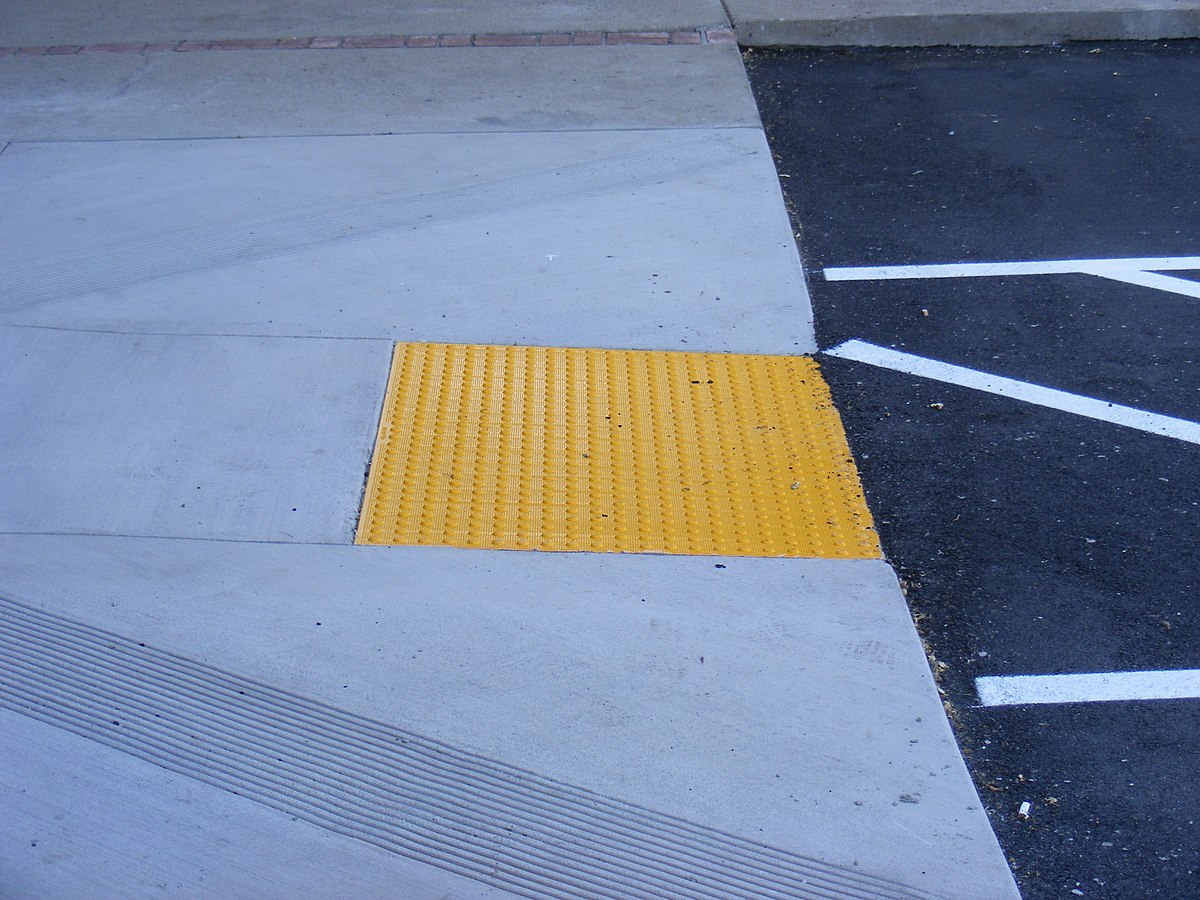
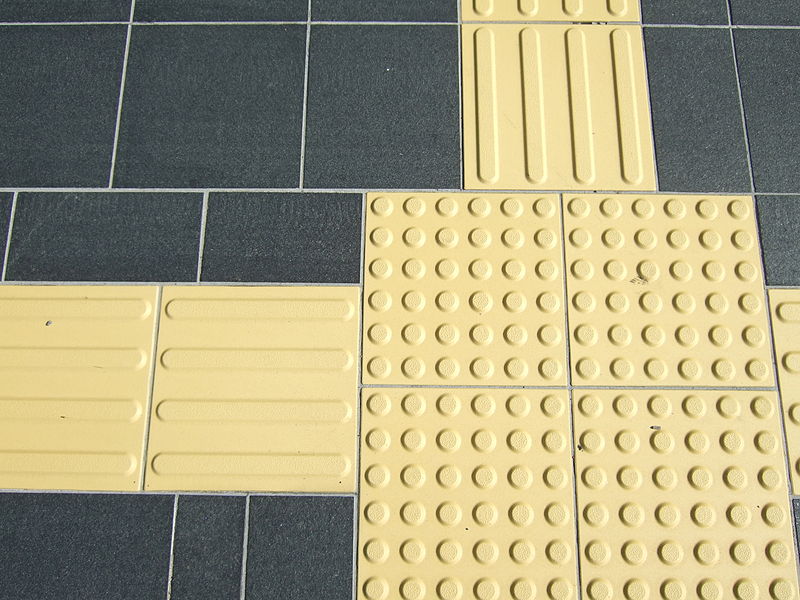
You must install attention domes along the entire length of any unprotected drop-off. These tiles act as a physical stop sign. They communicate clearly that a pedestrian must stop walking immediately.
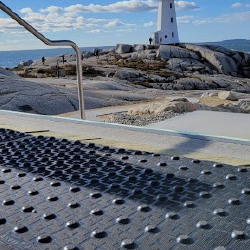
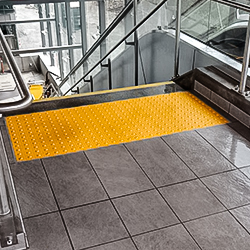
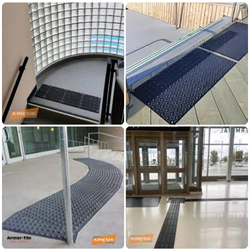
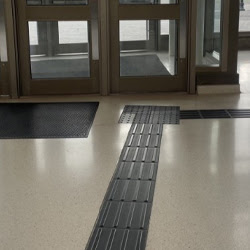
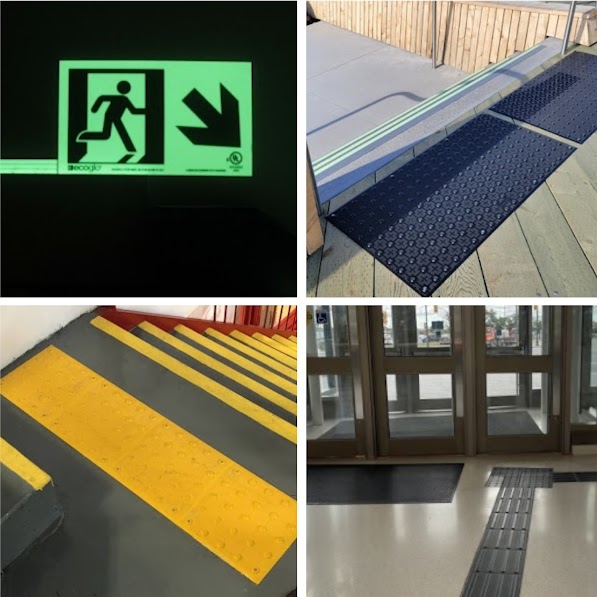
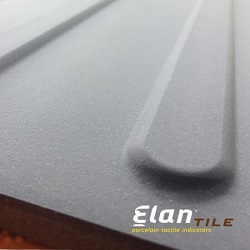
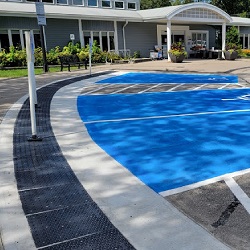
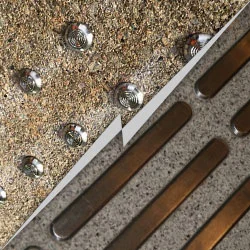
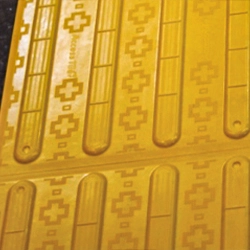
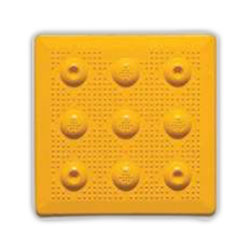
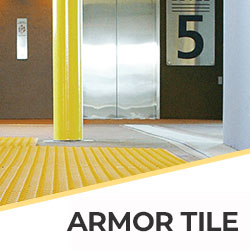
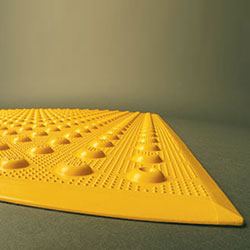
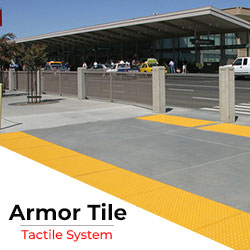
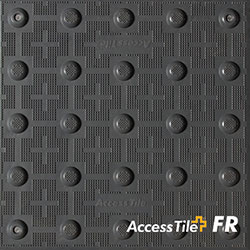
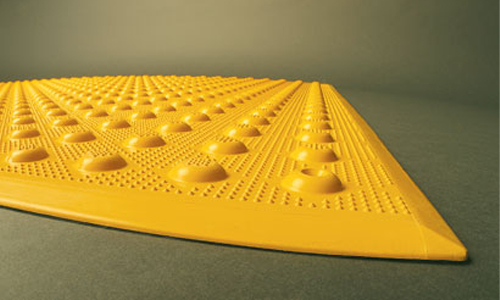
For wet marine environments, we highly recommend Armor Tile Tactile Systems. These engineered polymer composites offer exceptionally low water absorption. They resist saltwater corrosion and provide intense slip resistance for wet shoes. They are the exact same heavy-duty tiles we recommend for busy community pool decks.
Outdoor amphitheaters are a nightmare for accessibility compliance. The design is inherently confusing because the steps serve a dual purpose. They act as both a walking path and a seating area for the audience.
When a wide set of concrete steps lacks handrails in the middle, visually impaired visitors lose their sense of direction quickly.
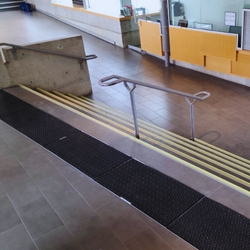
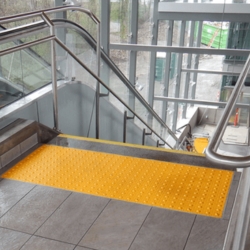
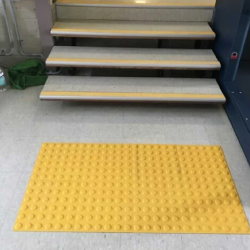
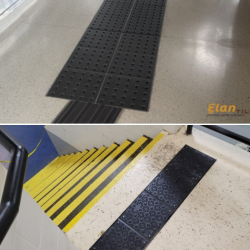
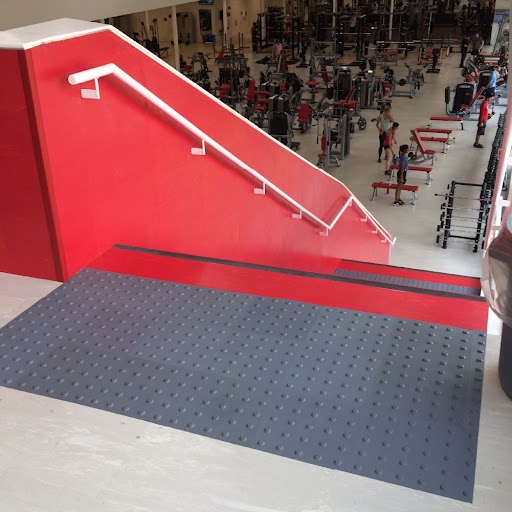
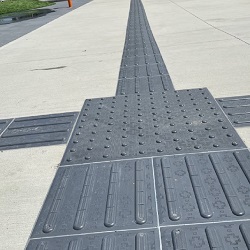
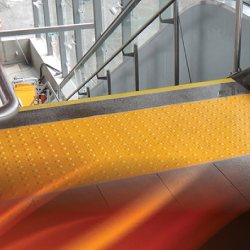
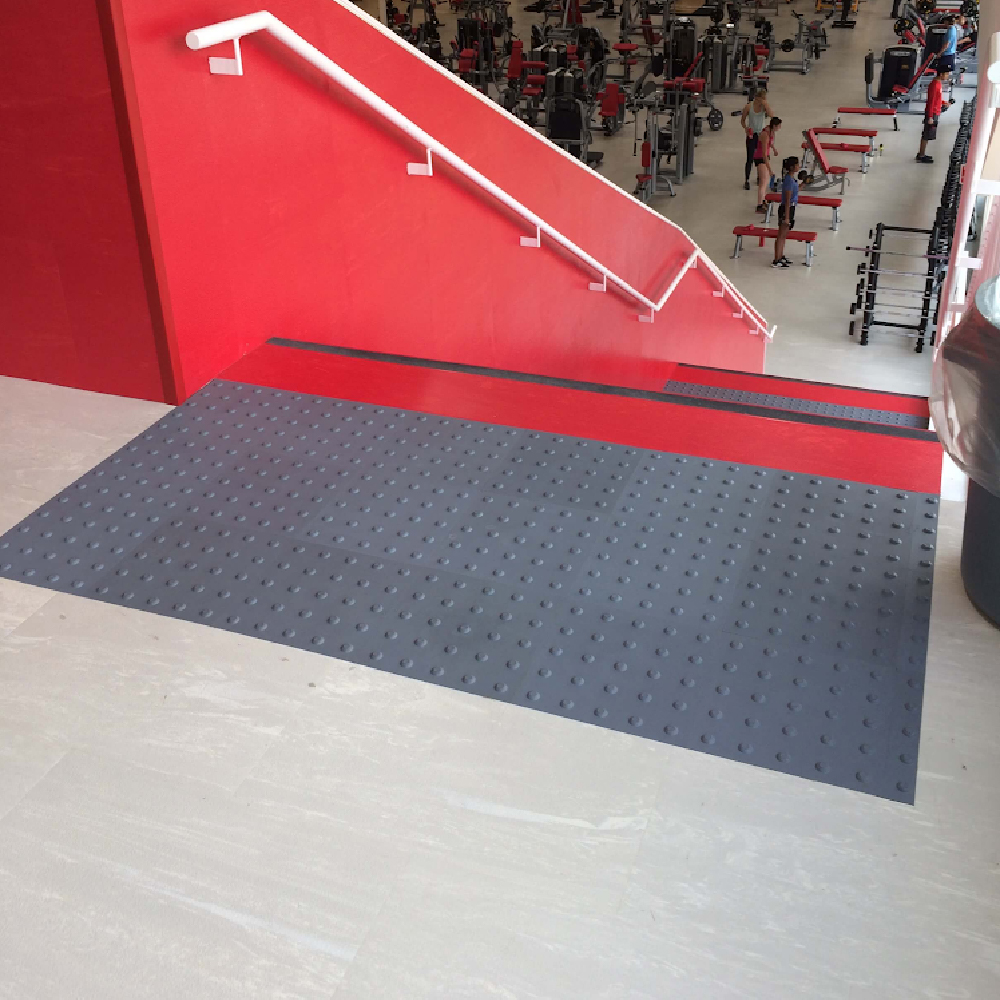
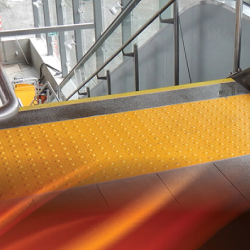
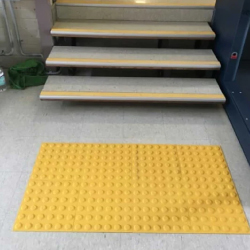
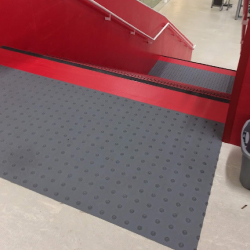
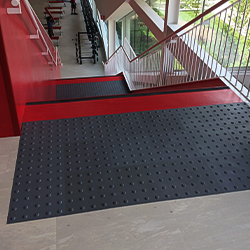
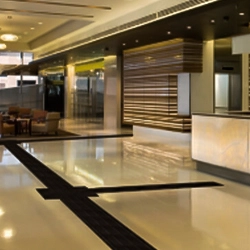
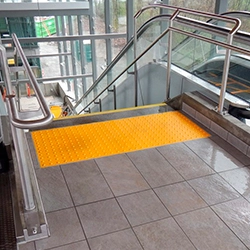
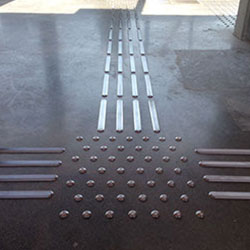
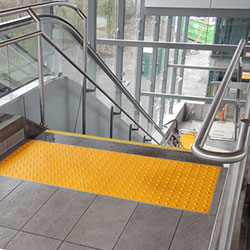
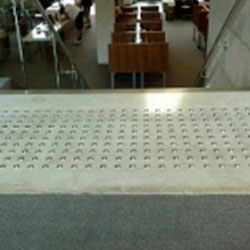
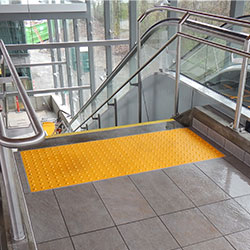
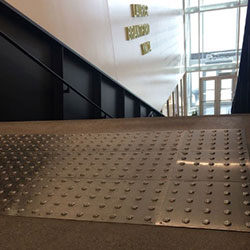
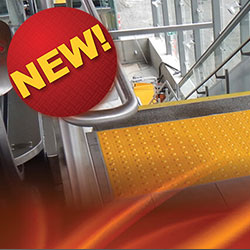
You must clearly define the actual walking path. You need to install tactile warning indicators at the top landing of the designated staircase. This warns pedestrians that a steep downward slope is starting.
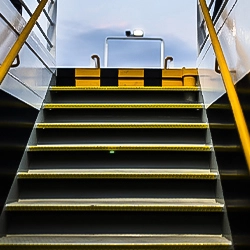
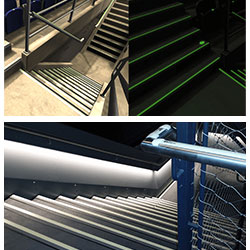
You must also secure the edge of every single step in the amphitheater. During a crowded summer concert, the lighting is often very poor. People will trip on bare concrete edges.
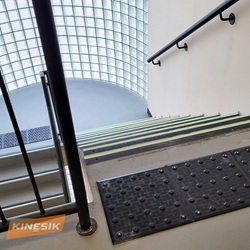
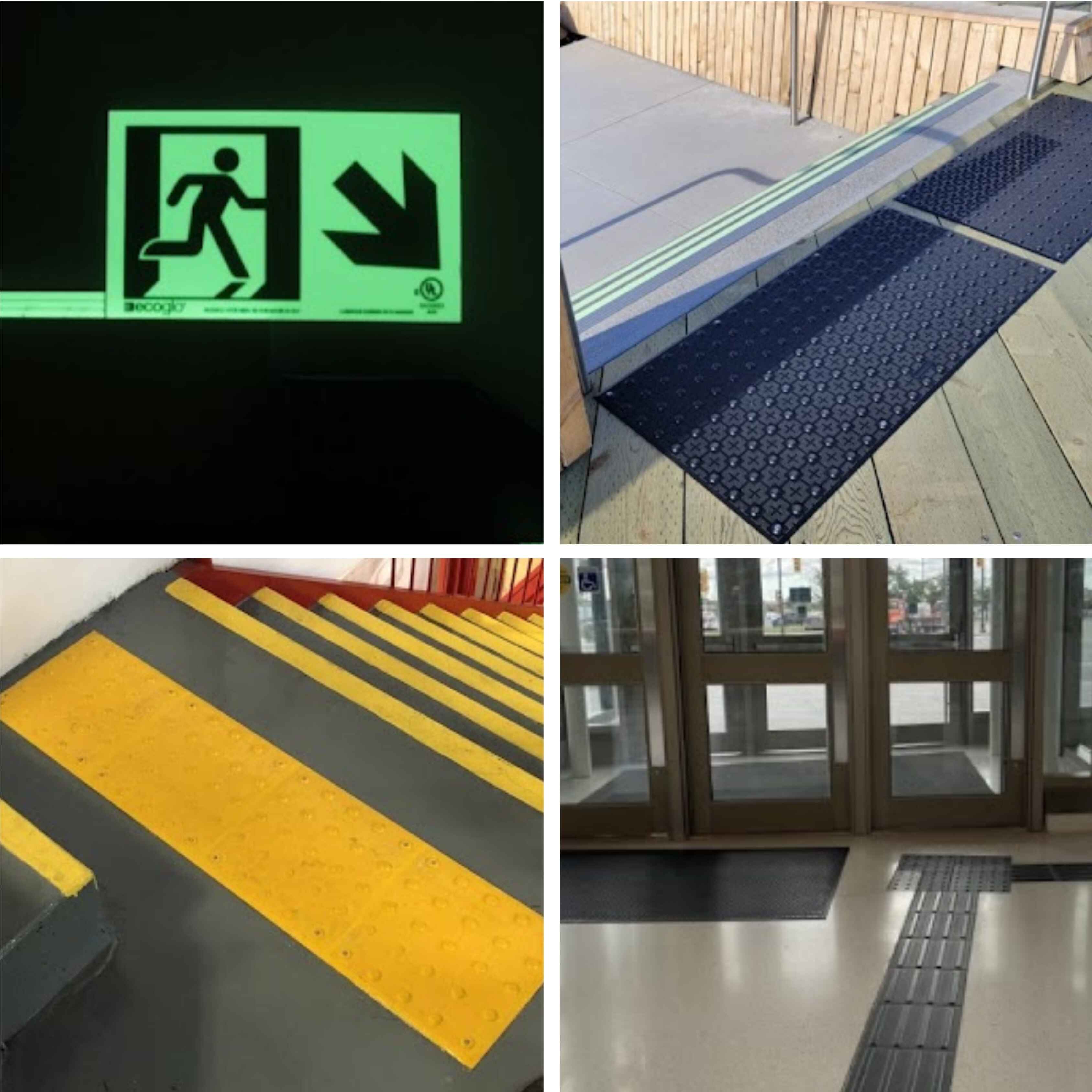
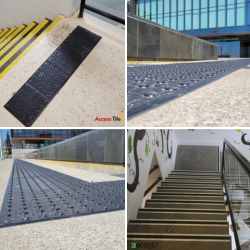
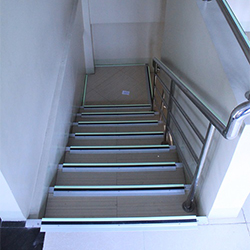
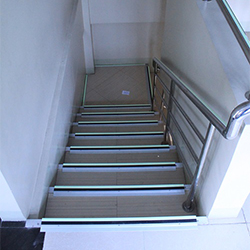
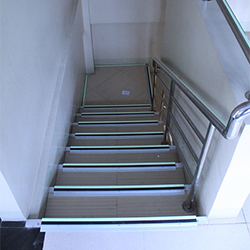
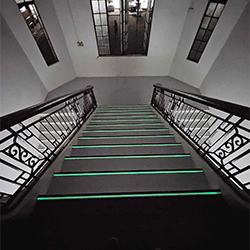
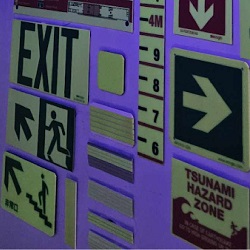
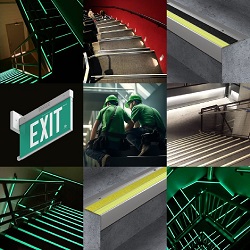
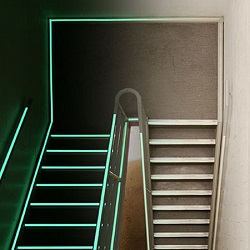
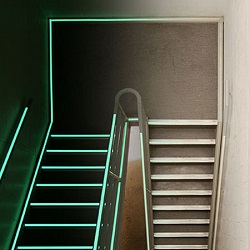
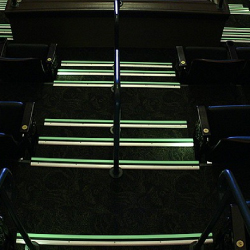
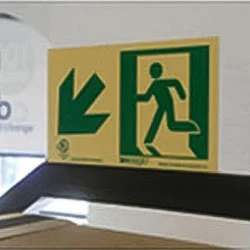
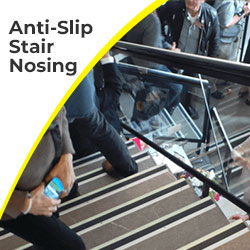
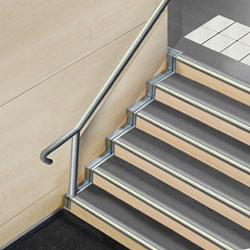
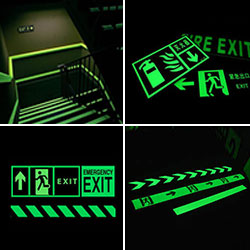
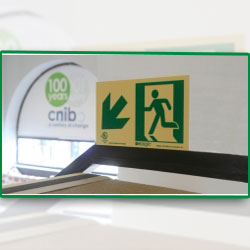
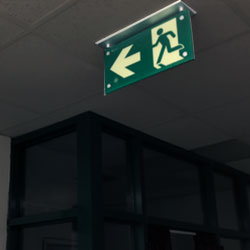
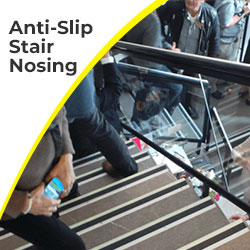
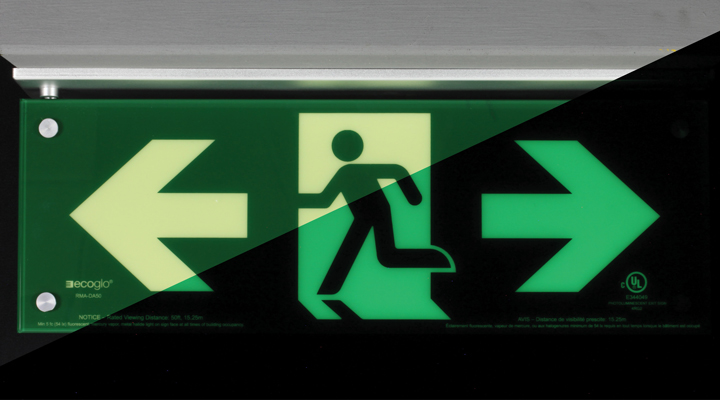
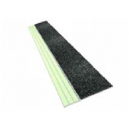
You should install Ecoglo Photoluminescent Stair Nosing on the designated walking steps. These strips absorb natural sunlight all day. When the sun goes down, the step edges glow brightly in the dark. This provides a highly visible, safe walking path for the crowd without requiring any expensive electrical wiring.
Public parks often feature long outdoor staircases connecting different ground levels. These stairs take a massive beating from rain, snow, and falling autumn leaves.
A wet leaf on a smooth concrete step is as slippery as black ice. If you leave your park stairs unprotected, you are exposing your city to massive personal injury lawsuits.
You need heavy-duty commercial stair nosing. Standard grip tape peels off after one heavy rainstorm.
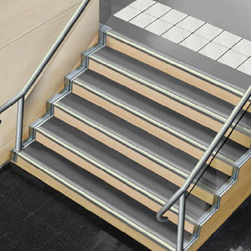
You must install permanent aluminum nosing with a deep silicon carbide grit. This material bites into the soles of winter boots and provides maximum traction in freezing rain. Securing the step edge is the cheapest and most effective insurance policy a city can buy.
Choosing the wrong material for an outdoor project is a very expensive mistake. If you buy cheap plastic tiles for a busy public square, they will shatter during the first winter deep freeze.
You must match the exact material to your specific environmental threat.
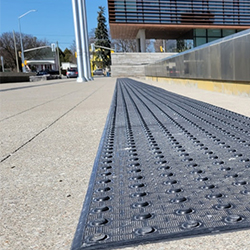
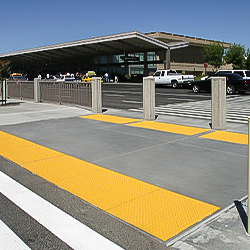
If your outdoor stairs or plaza connects directly to a city street, you need ultimate durability. Municipal snow plows and heavy salt trucks destroy weak materials instantly.
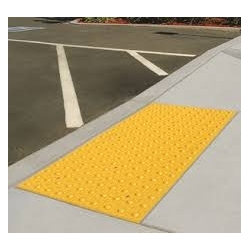
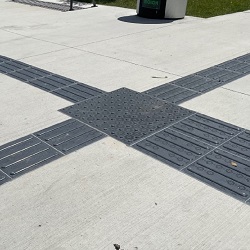
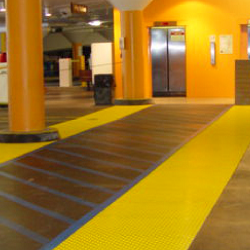
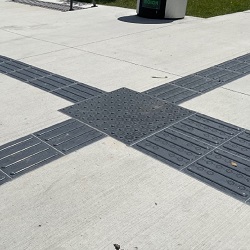
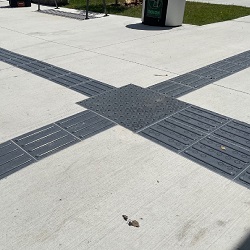
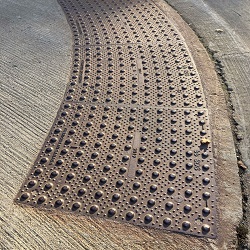
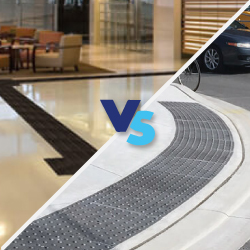
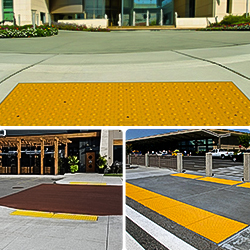
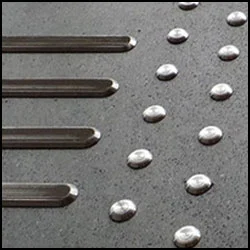
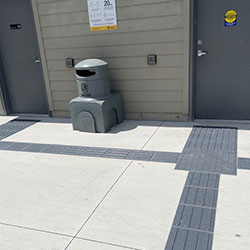
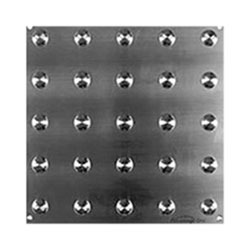
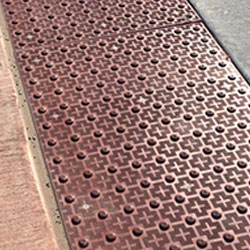
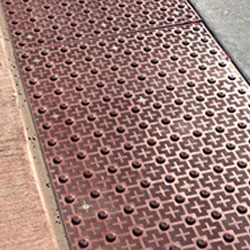
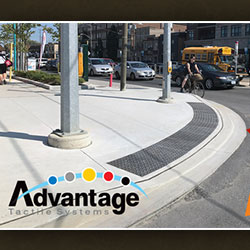
For these brutal environments, you must use Advantage Cast Iron Tactile Tiles. You embed these heavy iron plates directly into the wet concrete during construction. They are virtually indestructible. A steel plow blade will simply slide right over the iron domes without causing any damage.
Cast iron is too heavy for a wooden boardwalk. For elevated wooden structures, you need a lighter surface-applied solution.
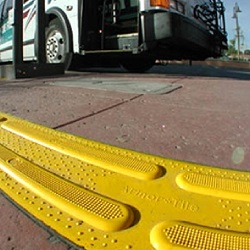
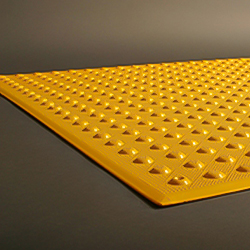
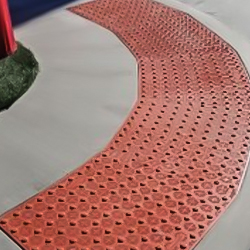
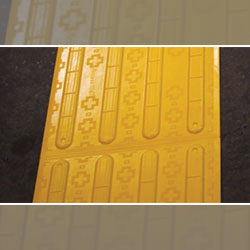
Engineered polymer tiles are perfect for this application. They are UV-stabilized, meaning the bright safety yellow color will never fade under the harsh summer sun. Your contractor can easily screw these tiles directly into the thick wooden planks for a permanent, waterproof hold.
How to Choose the Right Installation Method for Outdoor Public Spaces
Your installation method depends entirely on the current state of your project. You cannot use a cast-in-place tile if your concrete is already twenty years old.
If your city is pouring a brand new concrete amphitheater, you must use cast-in-place tactile plates. Your concrete crew presses the safety tiles directly into the wet cement.
Once the concrete cures, the tile is locked into the ground permanently. This method prevents water from sneaking under the tile, completely eliminating the risk of winter frost heaving.
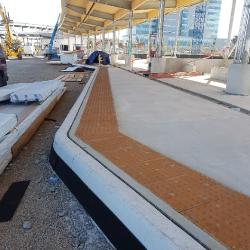
If you are upgrading an existing waterfront pier, you must use surface-applied tiles. Tearing up cured concrete or thick wood is far too expensive.
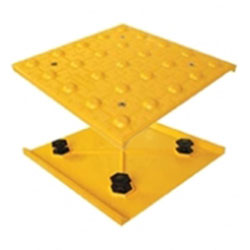
Your maintenance team cleans the existing surface thoroughly. They apply a heavy-duty structural adhesive to the back of the tile. They press the tile down and secure the corners with color-matched mechanical fasteners. This allows you to upgrade a massive public park in just a few days without closing the area to the public.
If you are ever unsure which product fits your specific outdoor surface, use our digital Tactile Solution Finder. Just select your floor type and hazard, and the tool will generate the exact, code-compliant product you need.
Designing a public park or waterfront is about bringing your community together in nature. However, a public space is only truly successful if everyone can navigate it safely and independently.
You have the power to remove dangerous physical barriers. You do not have to compromise the beauty of your outdoor designs to meet strict Canadian building codes. By planning ahead and choosing the right weather-resistant materials, you can protect your citizens permanently.
At Tactile Solution Canada, we supply the heavy-duty safety infrastructure that protects public spaces from coast to coast. We offer a massive catalog of premium tactile products engineered specifically for brutal Canadian winters.
Do not leave the safety of your public venues to chance. Explore our online catalog today, contact our expert team, and let us help you build a safer, more accessible city for everyone.
Yes. According to AODA and national building codes, any unprotected drop-off in a public space requires a tactile warning surface. If your boardwalk lacks a raised curb or a guardrail, you must install attention domes to prevent accidental falls into the water.
The Canadian Standards Association (CSA) B651 standard dictates that the tactile attention indicator must be at least 600 millimeters (about 24 inches) deep. It must extend across the entire width of the staircase to ensure it cannot be bypassed.
Yes, provided you purchase high-quality engineered polymer tiles. Premium products are designed to expand and contract with temperature shifts without cracking. You must also ensure the floor is completely dry during installation to prevent water from freezing underneath the adhesive.
Outdoor concerts and events often take place in low lighting. Concrete steps become completely invisible in the dark. Photoluminescent nosing charges in the sunlight and glows brightly at night. It clearly marks the edge of the steps and prevents severe falls during crowded evening events.
Outdoor maintenance is very straightforward. Your city maintenance crew should use a stiff-bristled broom or a high-pressure power washer to remove dirt and mud. During winter, they should use shovels with rubber edge guards to avoid chipping polymer tiles.