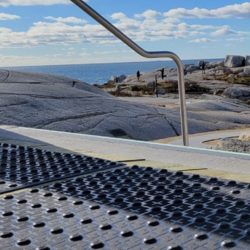
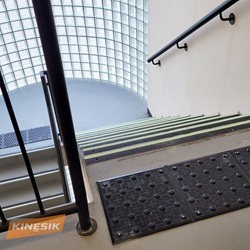
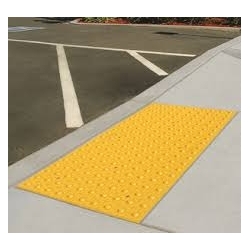
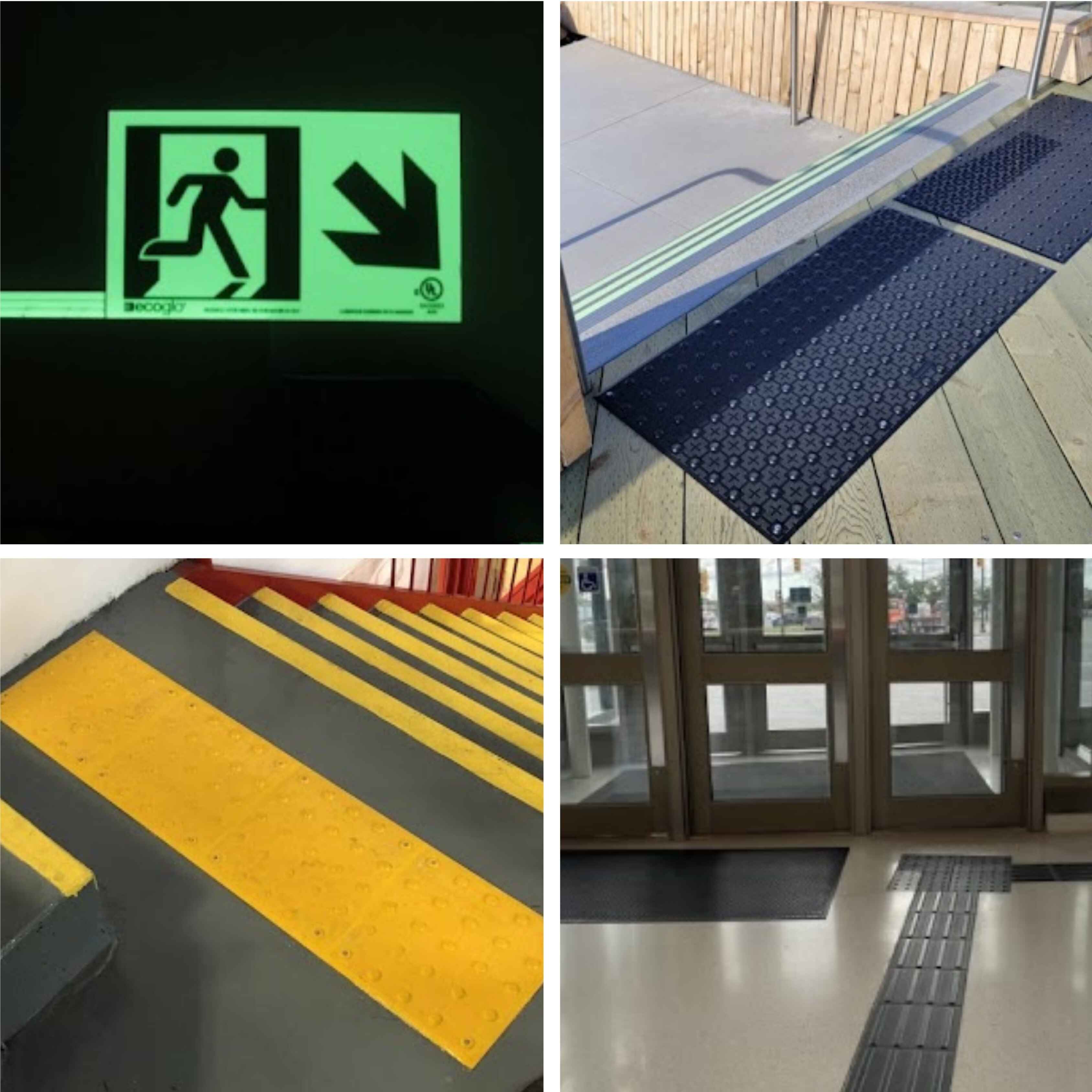
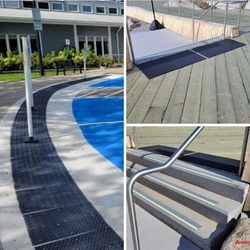
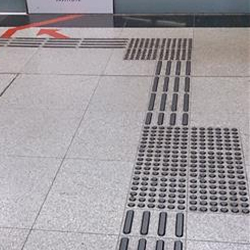
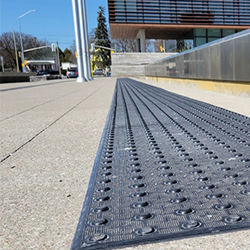
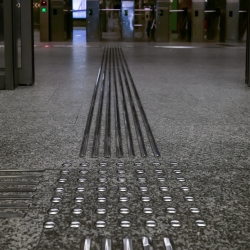
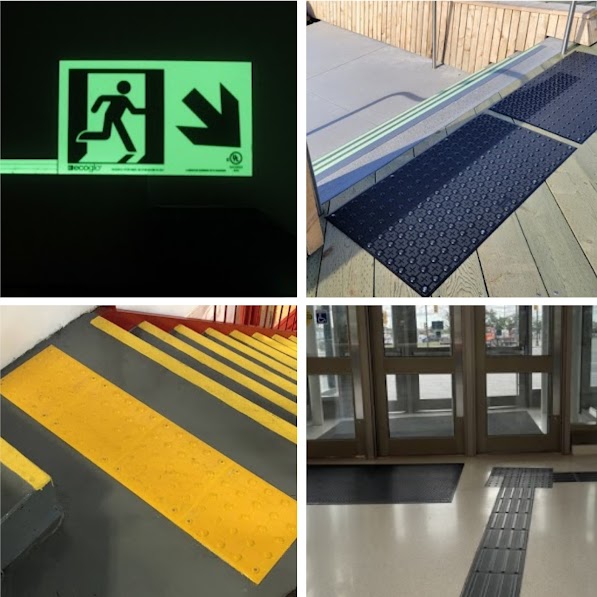
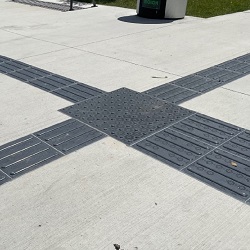
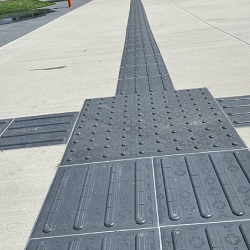
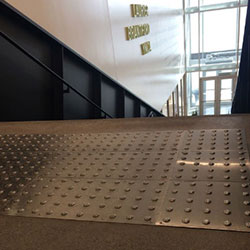
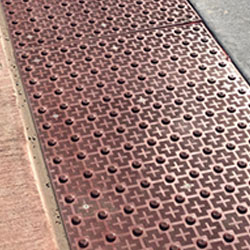
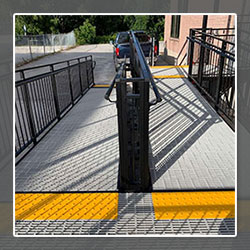
Outdoor public spaces like parks, urban plazas, and art installations achieve tactile compliance by integrating heavy-duty Tactile Walking Surface Indicators (TWSIs) that clearly mark transition zones, stairs, and drop-offs without undermining the designer's original vision. Architects, landscapers, and contractors use premium cast iron, stainless steel, or porcelain stoneware to build stunning public environments that fully comply with the Accessibility for Ontarians with Disabilities Act (AODA), CSA B651, and National Building Code (NBC) requirements.
Planning an expansive civic park or a modern downtown plaza carries a unique set of responsibilities. You are designing spaces where communities gather, children play, and pedestrians move constantly. When you remove physical barriers like traditional curbs to create seamless, open-concept transitions, you create a major navigation challenge for people with vision loss. Without clear tactile cues underfoot or detectable by a white cane, a beautiful open plaza can turn into a serious safety hazard.
We help building professionals across Canada bridge the gap between architectural beauty and public safety every day. You do not have to compromise your design layout to meet strict Canadian access codes. By choosing the right high-end materials and planning their placement early, you can protect every visitor while preserving your clean architectural lines.
You cannot build or renovate public infrastructure in Canada using guesswork. Municipal projects face intense scrutiny from building inspectors, and your outdoor layouts must satisfy specific federal and provincial laws.
Here are the primary regulations that govern outdoor pedestrian paths:
Failing to meet these standards during construction results in failed safety audits, delayed project approvals, and incredibly expensive post-occupancy retrofits.
Outdoor civic spaces are highly dynamic. To keep pedestrians safe from moving vehicles or sudden level changes, you must place your tactile indicators at very specific transition points.
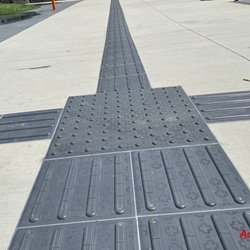
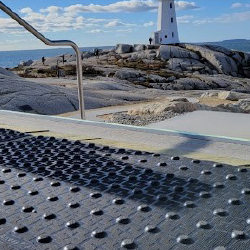
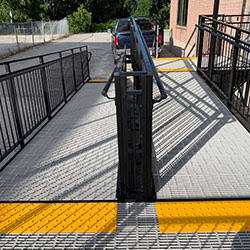
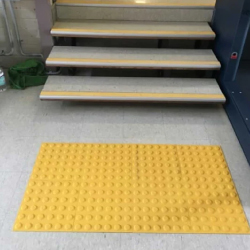
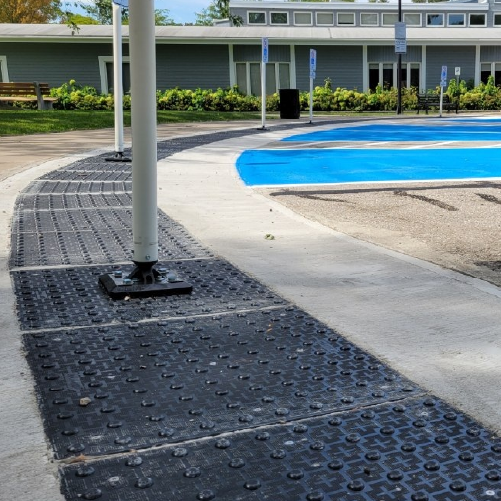
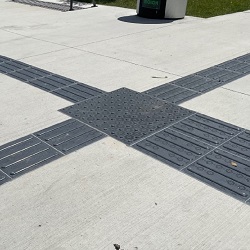
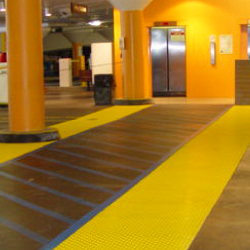
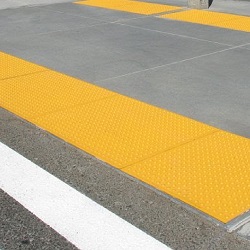
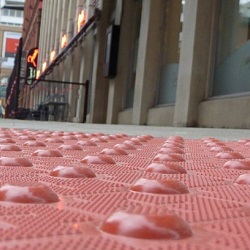
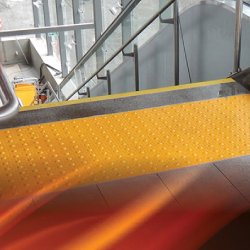
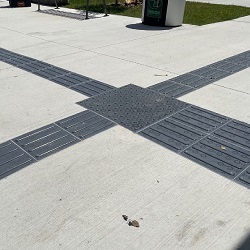
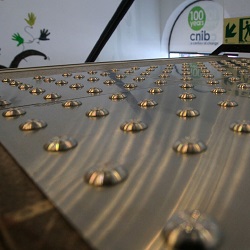
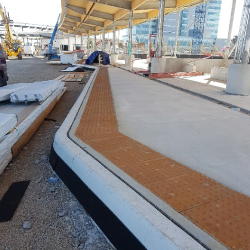
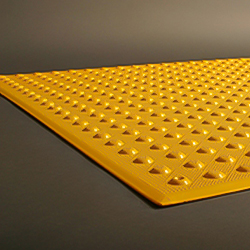
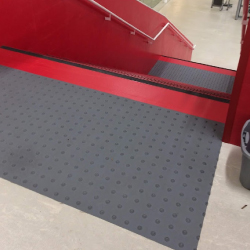
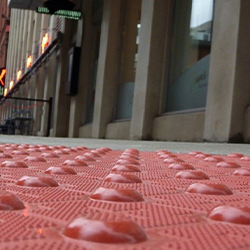
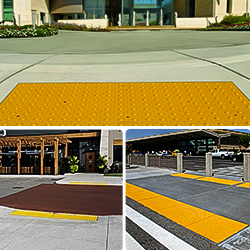
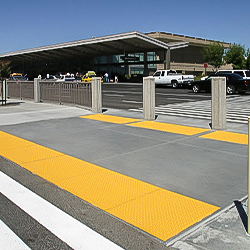
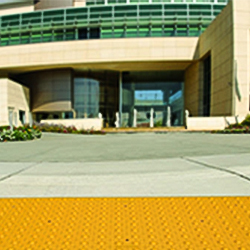
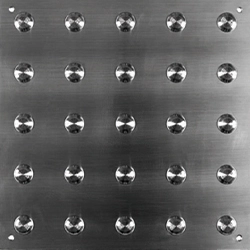
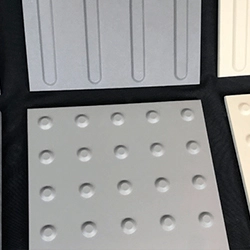
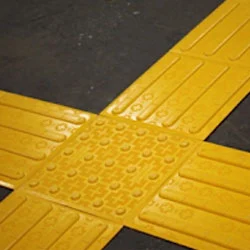
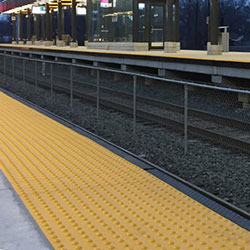
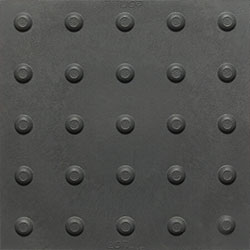
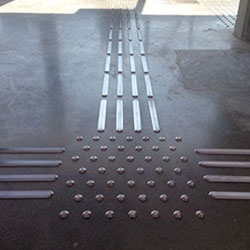
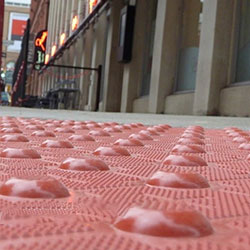
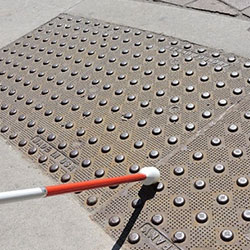
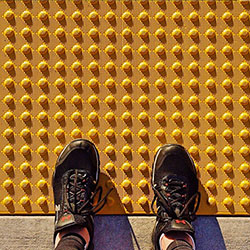
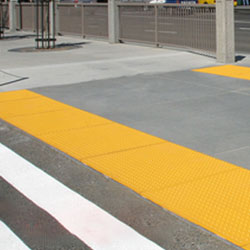
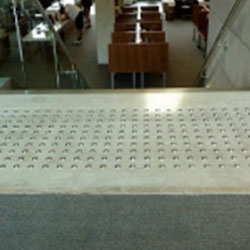
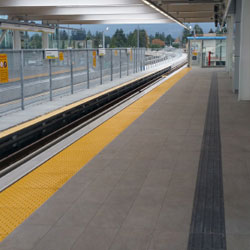
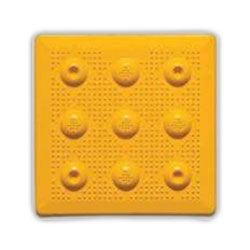
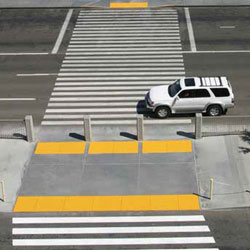
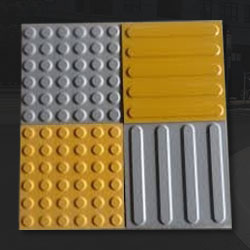
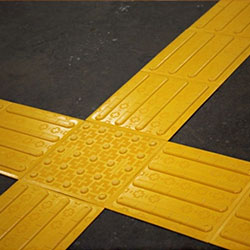
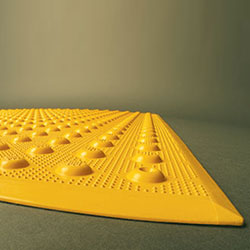
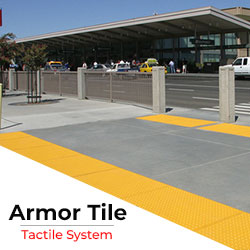
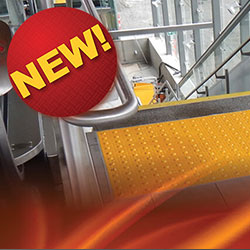
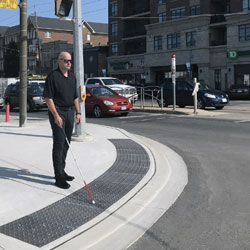
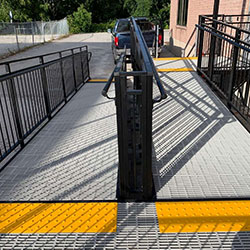
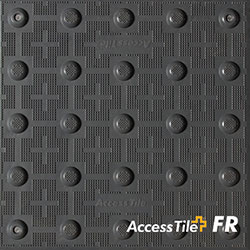
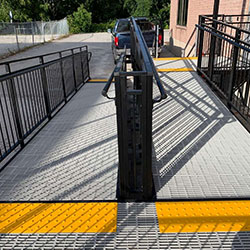
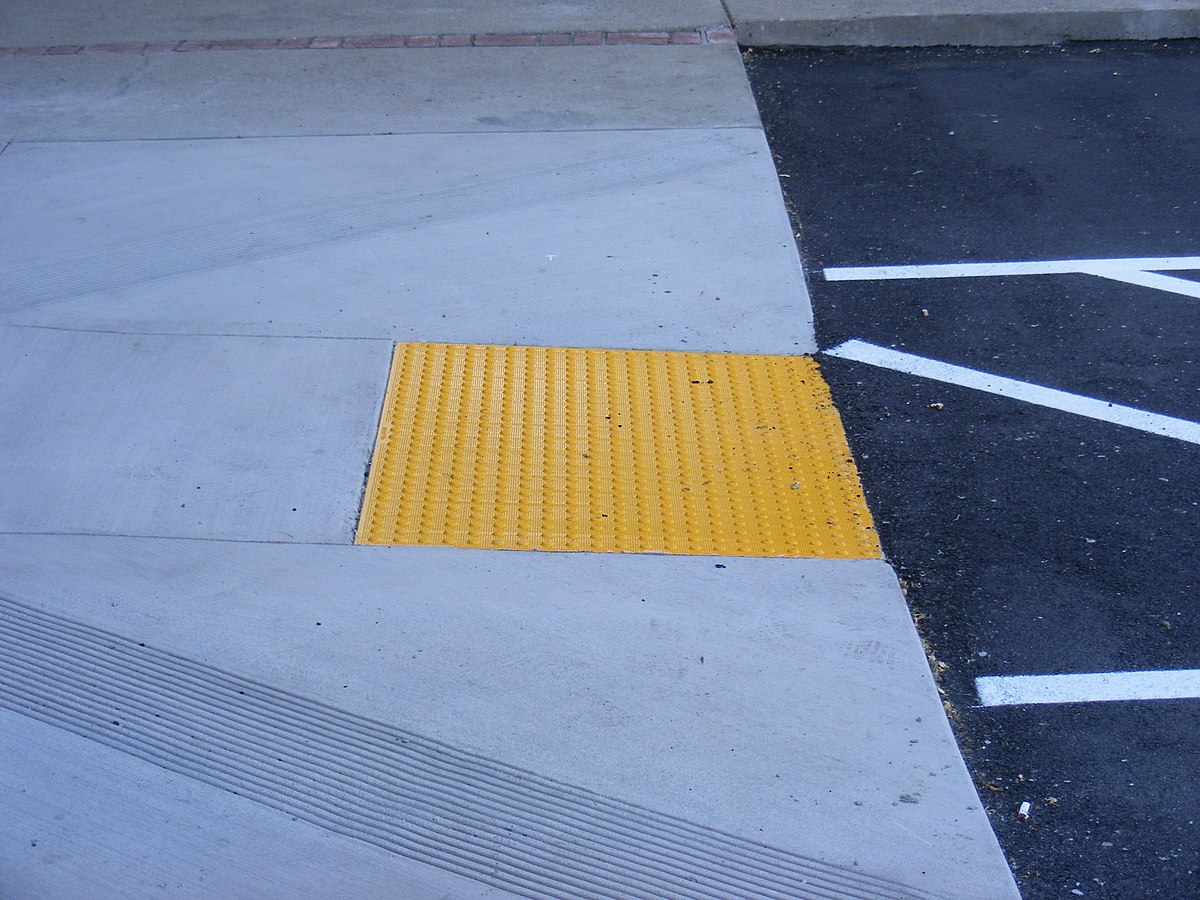
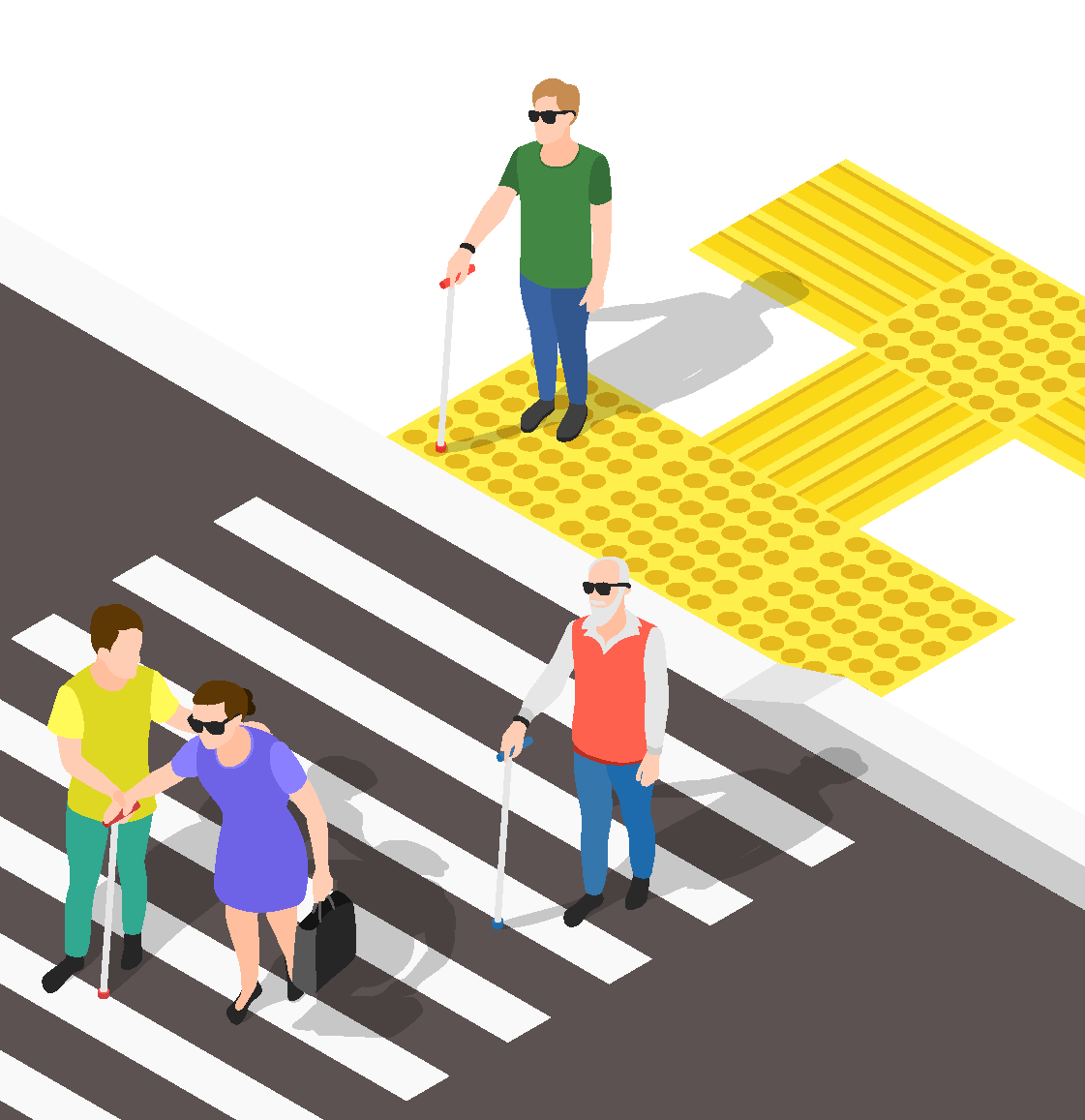
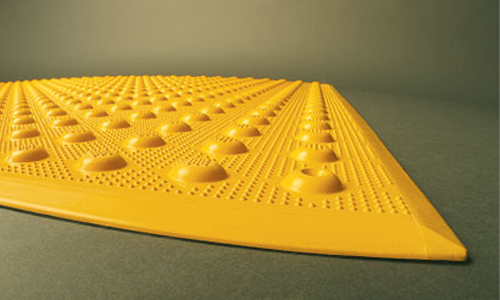
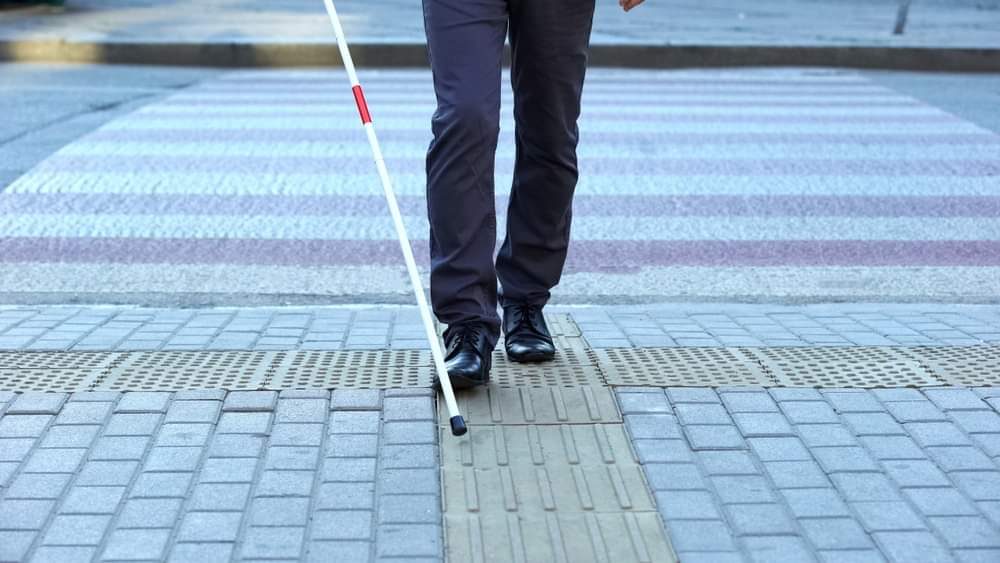
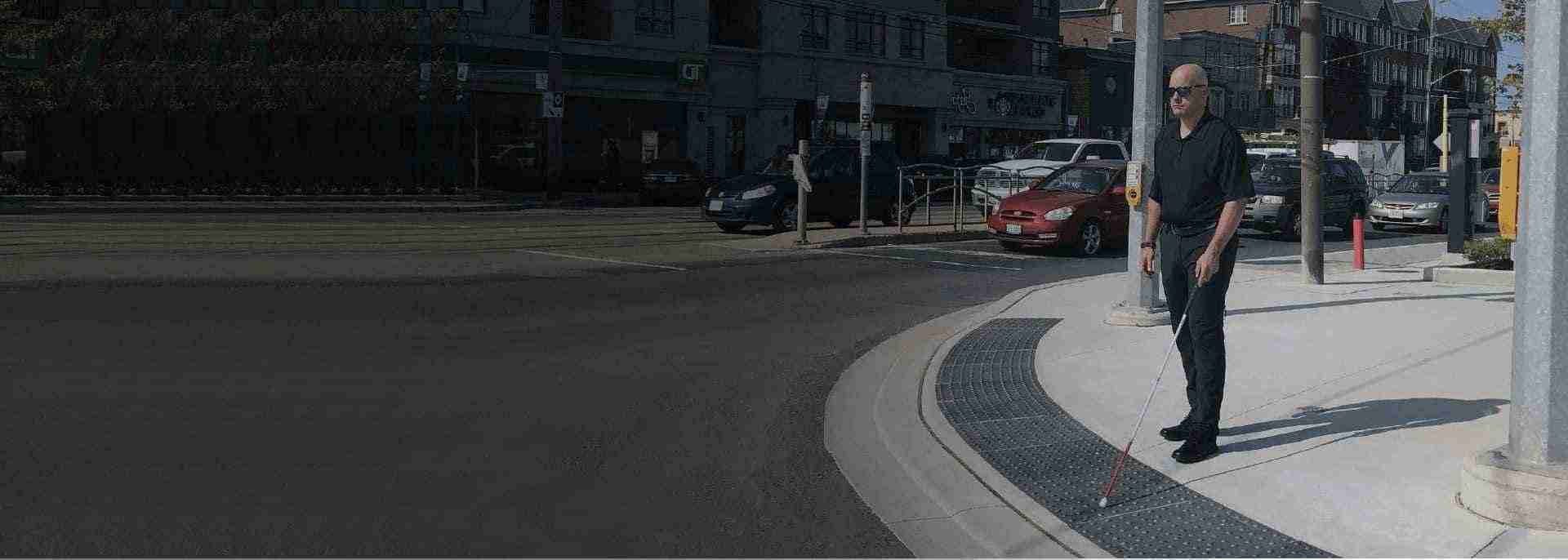
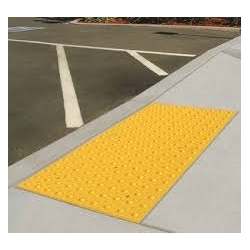
Where a public park walkway slopes down to meet a busy street or parking lot, you must install attention domes (truncated domes). These raised circular bumps act as a physical stop sign underfoot, telling a visually impaired pedestrian that they are leaving a safe walking zone and entering a vehicle area.
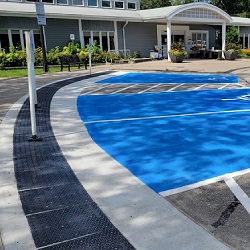
Modern urban plazas frequently feature decorative reflecting pools, sunken seating areas, or sculptural art installations. If these features lack a protective barrier or a raised curb of at least 150mm, you must surround the perimeter with tactile warning tiles to prevent accidental falls.
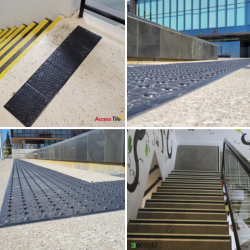
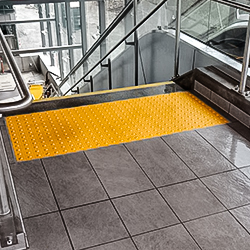
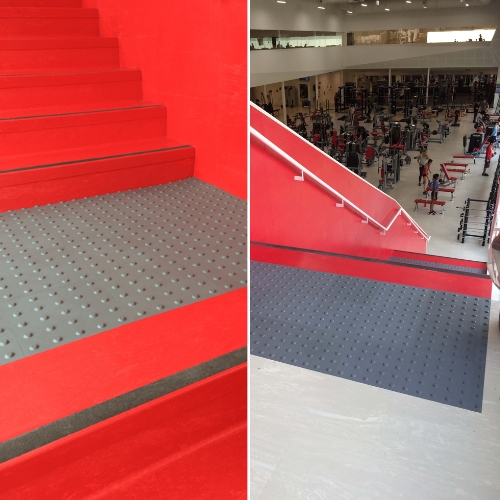
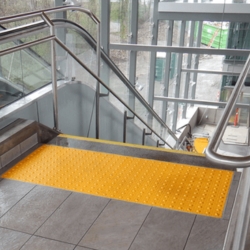
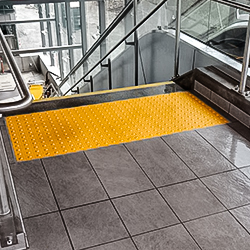
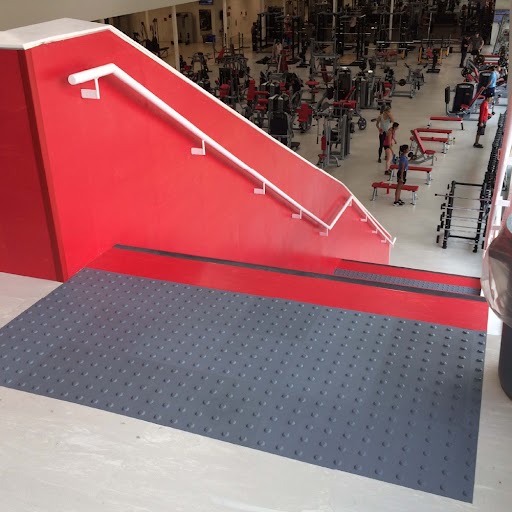
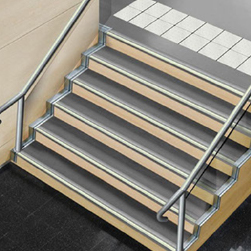
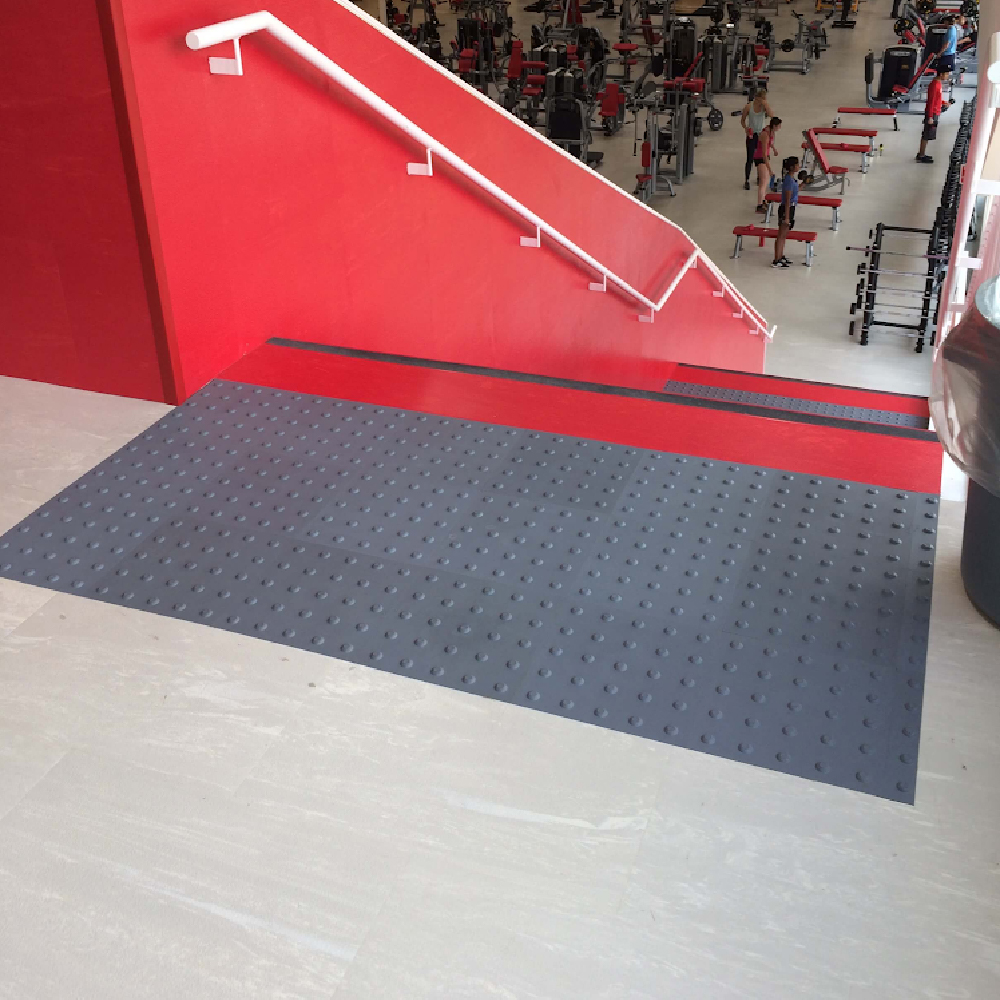
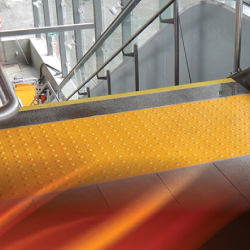
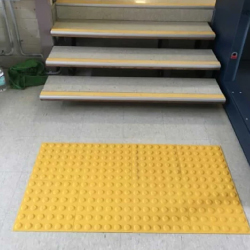
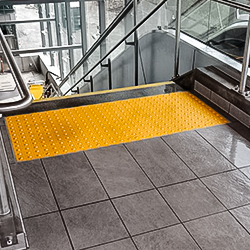
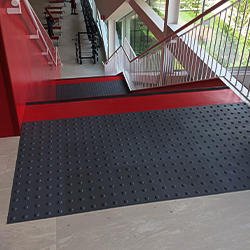
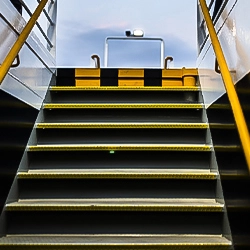
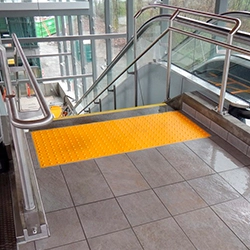
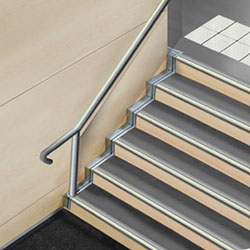
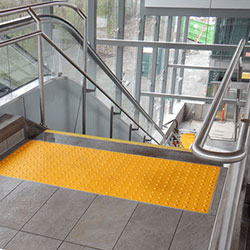
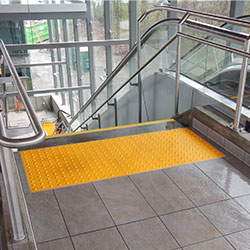
Outdoor community theaters and multi-level plazas rely heavily on shared staircases. You must place a two-foot deep pattern of truncated attention domes at the top landing of every staircase to warn pedestrians of the upcoming descent.
Canada’s climate is brutal on outdoor construction materials. Heavy freeze-thaw cycles, sub-zero temperatures, chemical de-icers, and aggressive municipal snow plows will quickly destroy cheap safety markers.
To protect your project from constant maintenance costs, you must match your material to the environment:
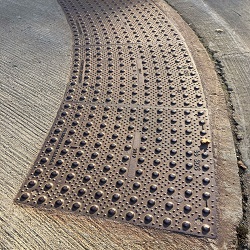
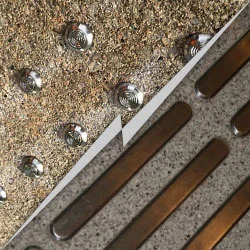
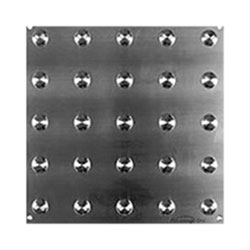
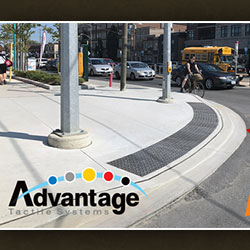
For public city sidewalks, transit plazas, and high-traffic intersections, we highly recommend Advantage Cast Iron Tactile Tiles.
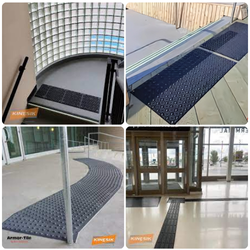
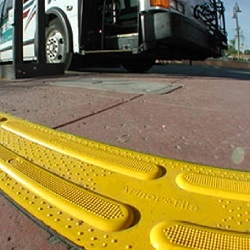
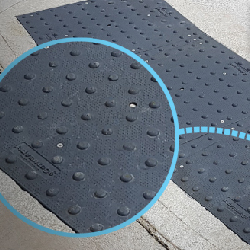
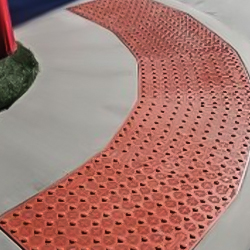
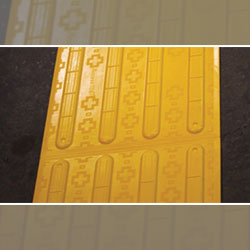
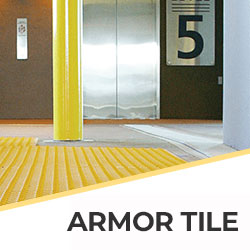
If your project requires specific branding or vibrant visual paths, Armor Tile Polymer Composites are an exceptional alternative.
Let us share a story about a recent public art plaza upgrade in Ontario. A landscape architect named Liam was designing a premium courtyard surrounding a historic museum. He specified expensive, natural granite pavers for the walkways and wanted a completely clean, seamless visual aesthetic.
When the local inspector noted that the curbless transition to the museum’s valet lane required tactile warnings, Liam was deeply concerned. He did not want to bolt down thick, industrial yellow plastic mats over his beautiful granite work.
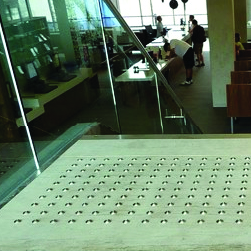
He contacted our team, and we helped him find a solution that satisfied both the safety inspector and his design vision:
Liam passed his accessibility inspection on the first try. The tactile indicators looked like a deliberate, premium design choice rather than an ugly afterthought.
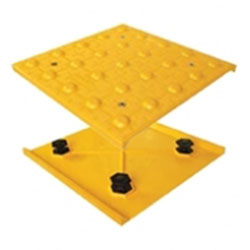
If you are a contractor working on a retrofit project where the concrete or stone is already cured, you cannot use a wet-set tile. You must use surface-applied systems to avoid a costly demolition process.
Follow this exact protocol to guarantee a permanent bond:
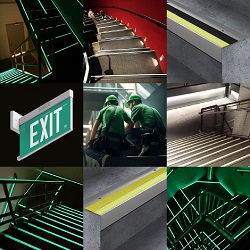
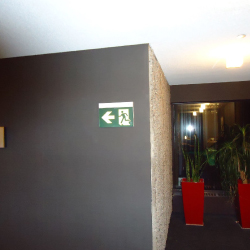
Public parks often feature covered pavilions, public washroom blocks, and outdoor amphitheaters that operate late into the evening. If a storm knocks out the power to your park facility, darkness can cause immediate confusion.
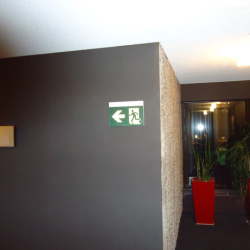
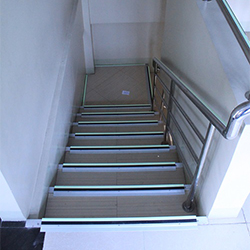
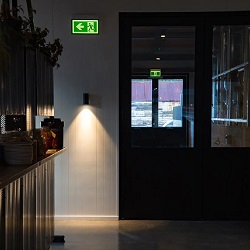
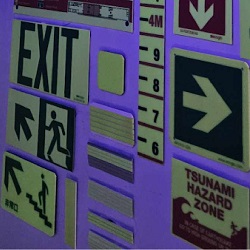
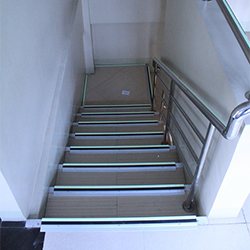
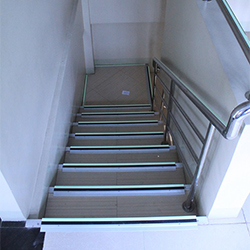
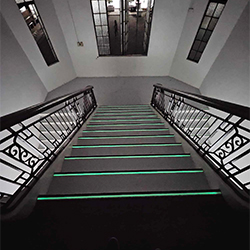
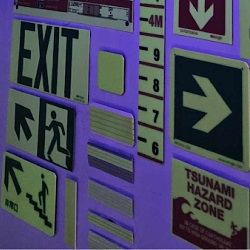
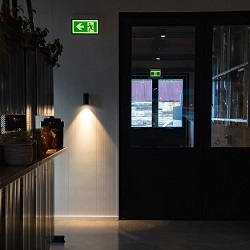
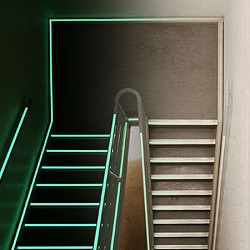
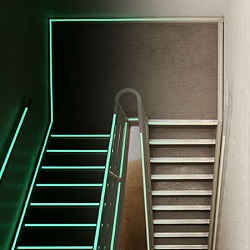
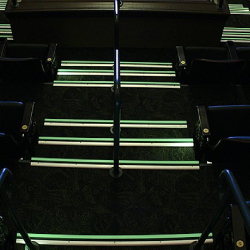
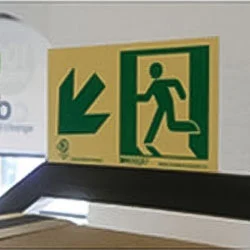
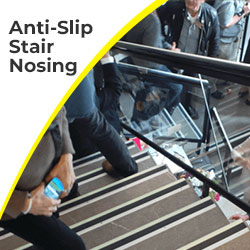
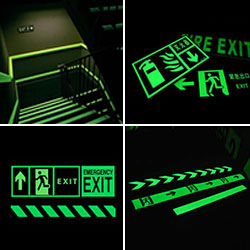
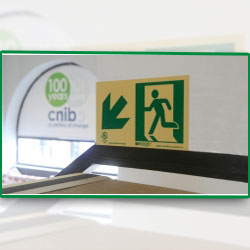
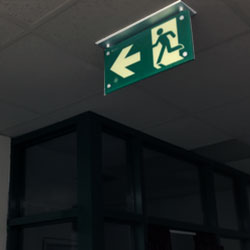
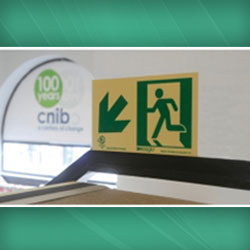
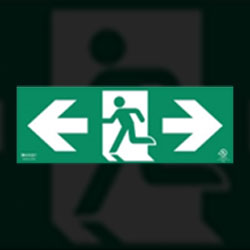
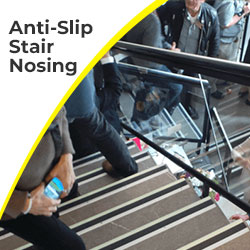
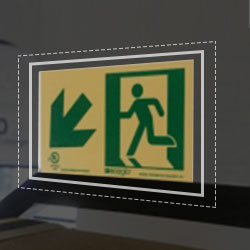
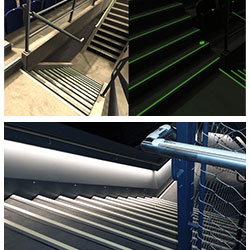
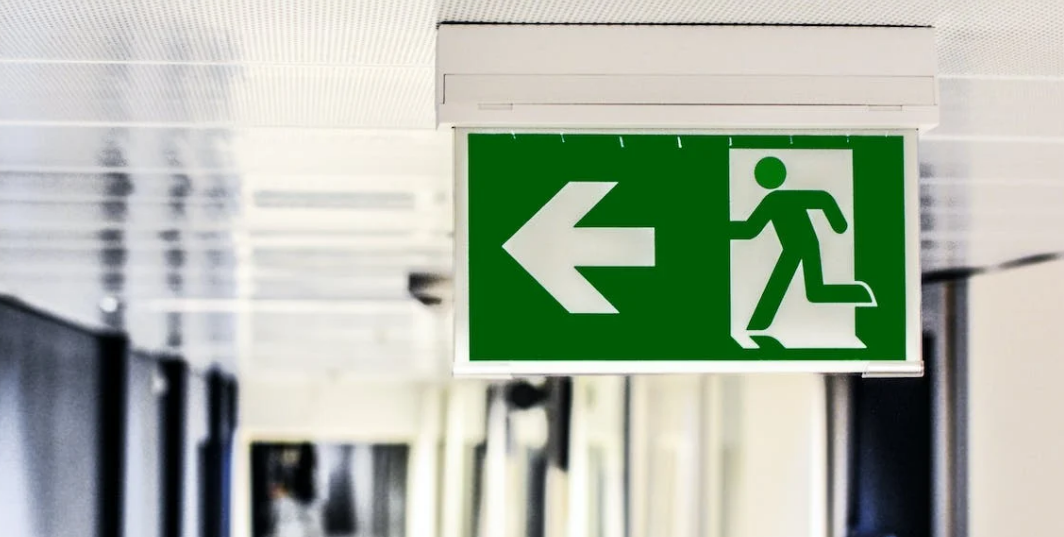
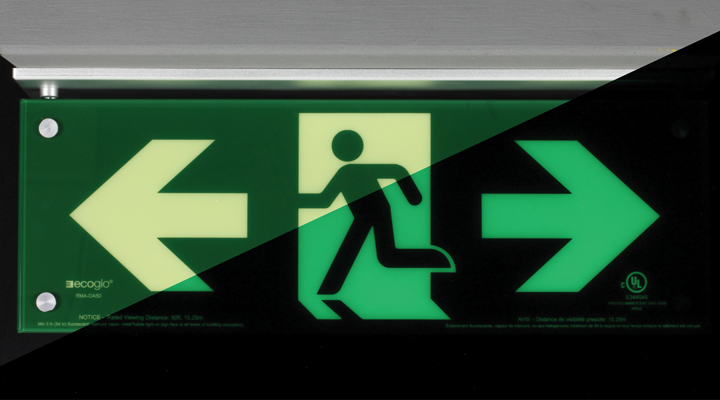
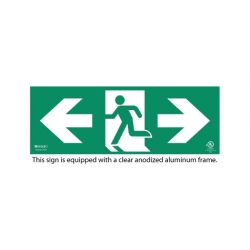
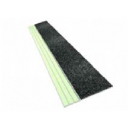
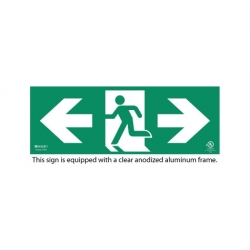
You can easily secure these paths without running expensive electrical conduits through your outdoor structures. Install our premium photoluminescent exit signs and glowing stair nosings. These zero-energy solutions charge automatically using natural daylight and glow brightly for hours, providing a reliable evacuation path through the dark.
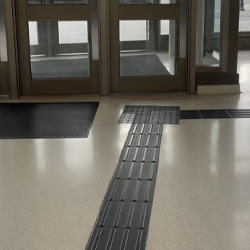
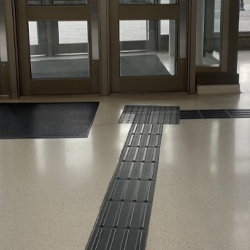
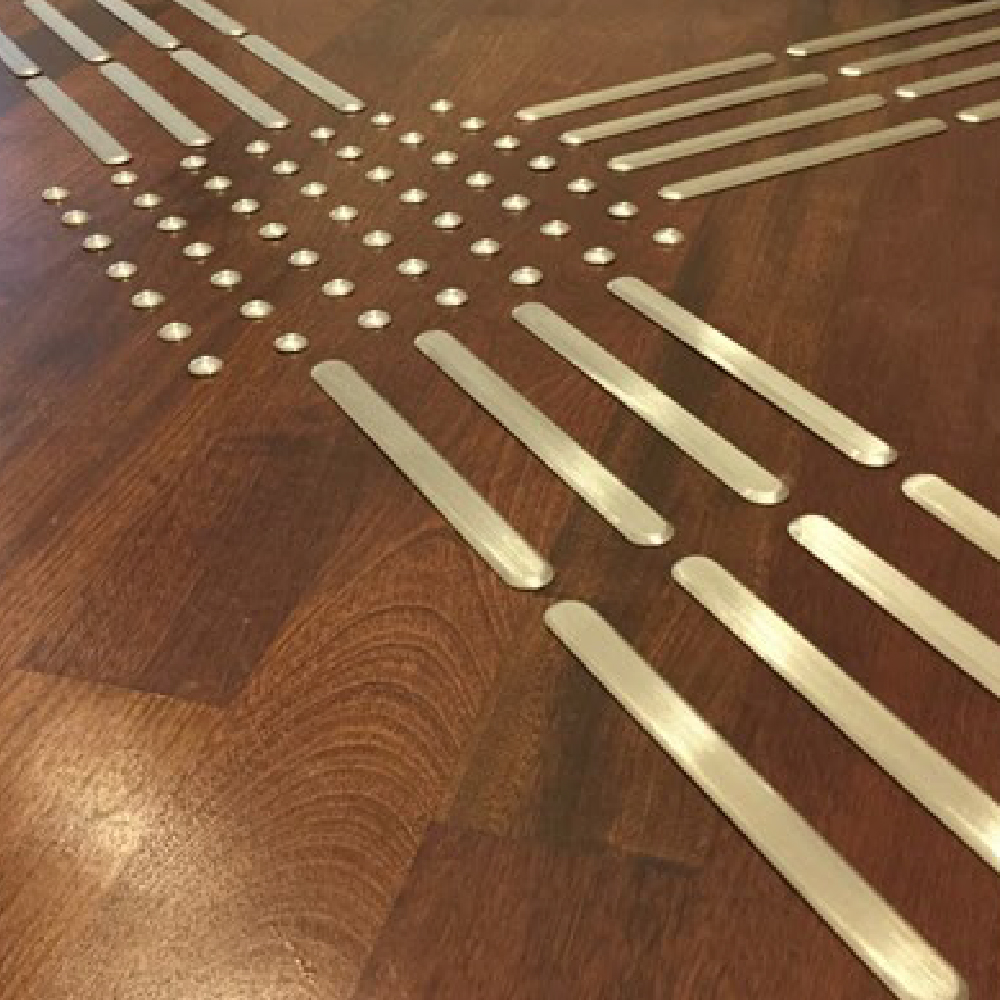
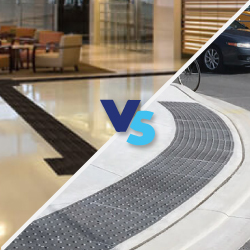
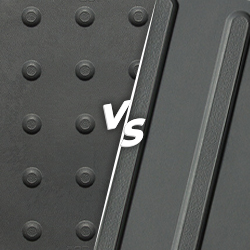
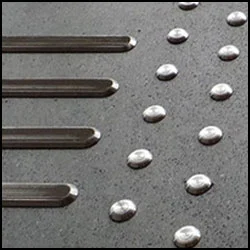
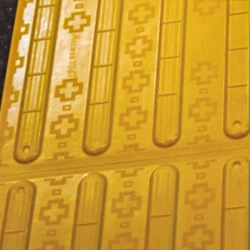
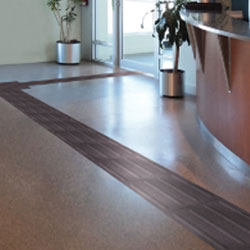
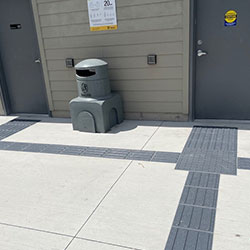
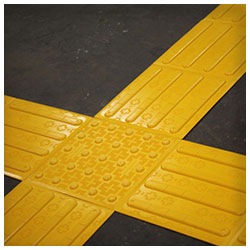
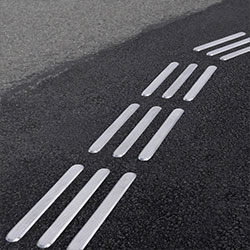
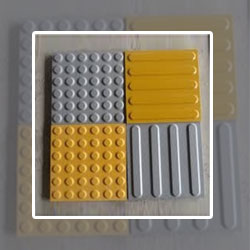
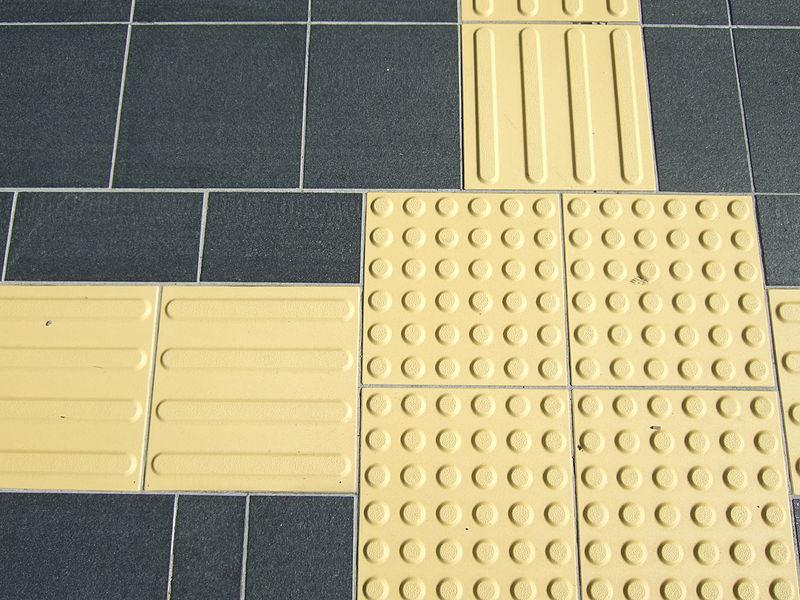
Warning tactiles use truncated domes to tell a pedestrian to stop because a physical hazard—like a crosswalk or drop-off—is immediately ahead. Guidance tactiles use wayfinding bars to show a safe directional path through an open area.
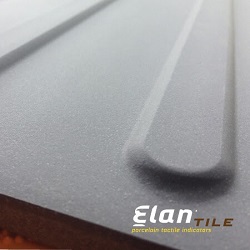
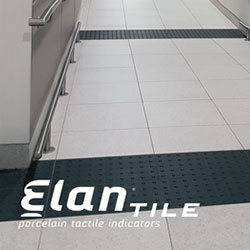
Yes, if they are certified porcelain stoneware like our Elan Tile line. These tiles feature an incredibly compact full-body structure with near-zero water absorption, preventing them from cracking during extreme freeze-thaw cycles.
Outdoor tiles mostly require heavy sweeping and pressure washing. If you are cleaning premium interior transitions, use mild soap and water, avoiding harsh chemicals on polymers or steel wire brushes on Advantage One Stainless Steel Domes.
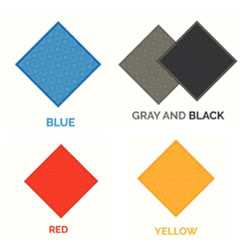
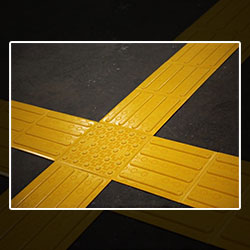
Many visually impaired individuals still have partial sight. Choosing a tile color that contrasts sharply with the ground (like safety yellow on dark asphalt) helps them identify the hazard warning visually before they even step on it.
If the tile is installed incorrectly with a raised edge, a plow blade can catch it and rip it up. However, high-quality tiles feature perfectly engineered beveled edges that allow blades to slide right over them safely.
Urban landscape architecture is about creating beautiful, functional environments where people love to spend time. By choosing code-certified, premium tactile materials, you ensure your public spaces protect every visitor equally.
You do not have to settle for ugly, industrial additions. Plan your accessibility early, use our online Tactile Solution Finder Tool to match your exact surface requirements, and build with total confidence.
Are you working on a new park layout or a public plaza renovation? Contact our expert team at Tactile Solution Canada today. We will help you select the perfect, fully compliant materials for your blueprints and provide a fast, accurate quote for your project.