Before you start reading, ask yourself: Why are you searching for veterinary accessibility guidelines? You are likely a clinic manager, a building owner, or a contractor trying to figure out how to make an animal hospital safe and compliant. You want direct answers without confusing jargon.
You want to know exactly what tactile products to install and where to put them. When people think of healthcare accessibility, human hospitals usually come to mind first. But animal hospitals and veterinary clinics are high-traffic public spaces too.
Pet owners with visual impairments or mobility challenges need to move safely through your facility. A slippery entrance or an unmarked stairwell can quickly turn a stressful vet visit into an unsafe situation for humans and animals alike. You need a reliable strategy to fix this issue quickly and correctly.
"True healing begins where every path feels safe - let accessibility lead the way." - Thomas Schwartz, Tactile Solution Canada.
At Tactile Solution Canada, we help facility managers and contractors make spaces completely inclusive. In this guide, we will show you exactly how to retrofit your veterinary clinic to meet Canadian accessibility codes.
Imagine walking into a busy veterinary emergency room with a sick pet in your arms. The floor is slick, the lighting is bright, and the room is full of anxious animals. For a person with a visual impairment, this environment is extremely disorienting.
A lack of proper floor warnings can lead to trips, falls, and severe injuries. Let us look at a real-life scenario. Sarah is a visually impaired pet owner who relies on her guide dog, Max. Last winter, Max fell ill, and Sarah had to rush him to a local animal hospital.
Without Max to guide her properly, Sarah struggled to find the reception desk. The clinic had no tactile cues on the floor to help her. She felt anxious and helpless at a time when she needed to focus entirely on her dog.
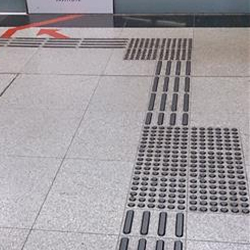
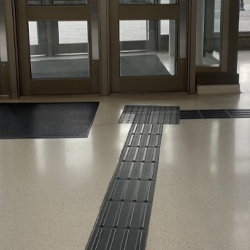
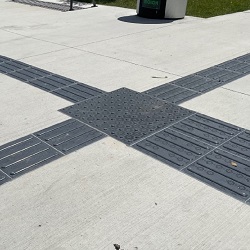
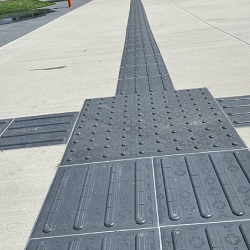
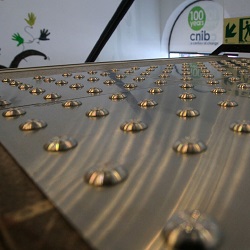
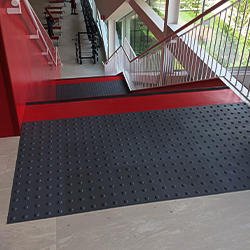
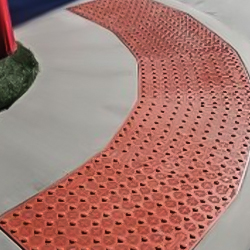
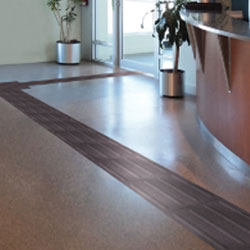
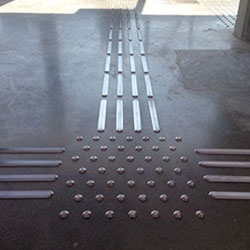
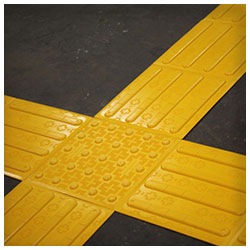
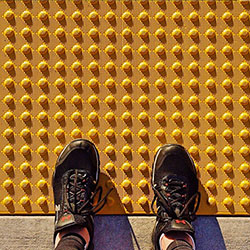
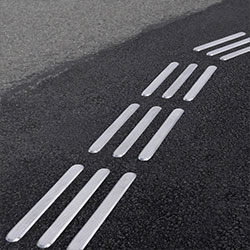
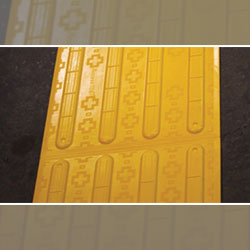
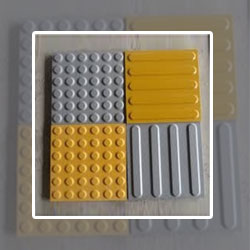
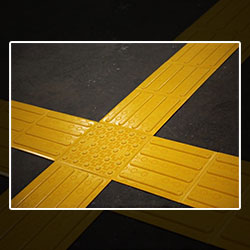
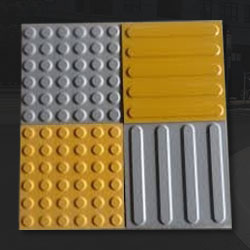
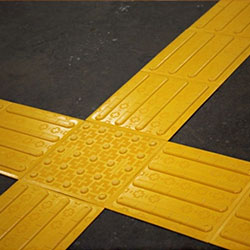
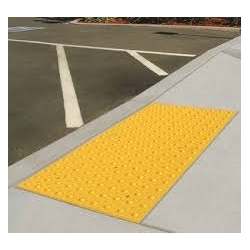
After receiving feedback from clients like Sarah, the clinic owner decided to make a necessary change. They worked with us to install Tactile Walking Surface Indicators (TWSIs). They placed attention domes at the entrance and wayfinding bars leading straight to the reception desk.
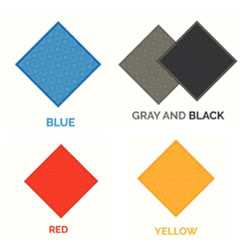
The next time Sarah visited, she could feel the directional bars under her feet. The high-contrast tiles stood out against the grey floor, helping her limited remaining vision. She walked confidently to the counter without needing extra assistance from the busy staff.
This simple upgrade transformed the clinic into a welcoming, safe space for everyone. Mothers with strollers found the newly marked ramps easier to identify. Elderly visitors felt much more secure on the stairs.
Canada has strict building regulations to ensure public spaces are safe for people with disabilities. Veterinary clinics are absolutely no exception to these rules. You must comply with these codes to avoid legal risks, costly fines, and forced retrofits.
Here are the main codes you need to know:
Ignoring these rules can lead to heavy penalties for your veterinary business. Proactive compliance protects your facility and shows your community that you genuinely care.
Upgrading an existing veterinary clinic might seem difficult at first. You have tight budgets and a busy schedule to maintain. However, modern tactile products make retrofitting fast and simple.
Here are the key areas you need to focus on to meet public space standards.
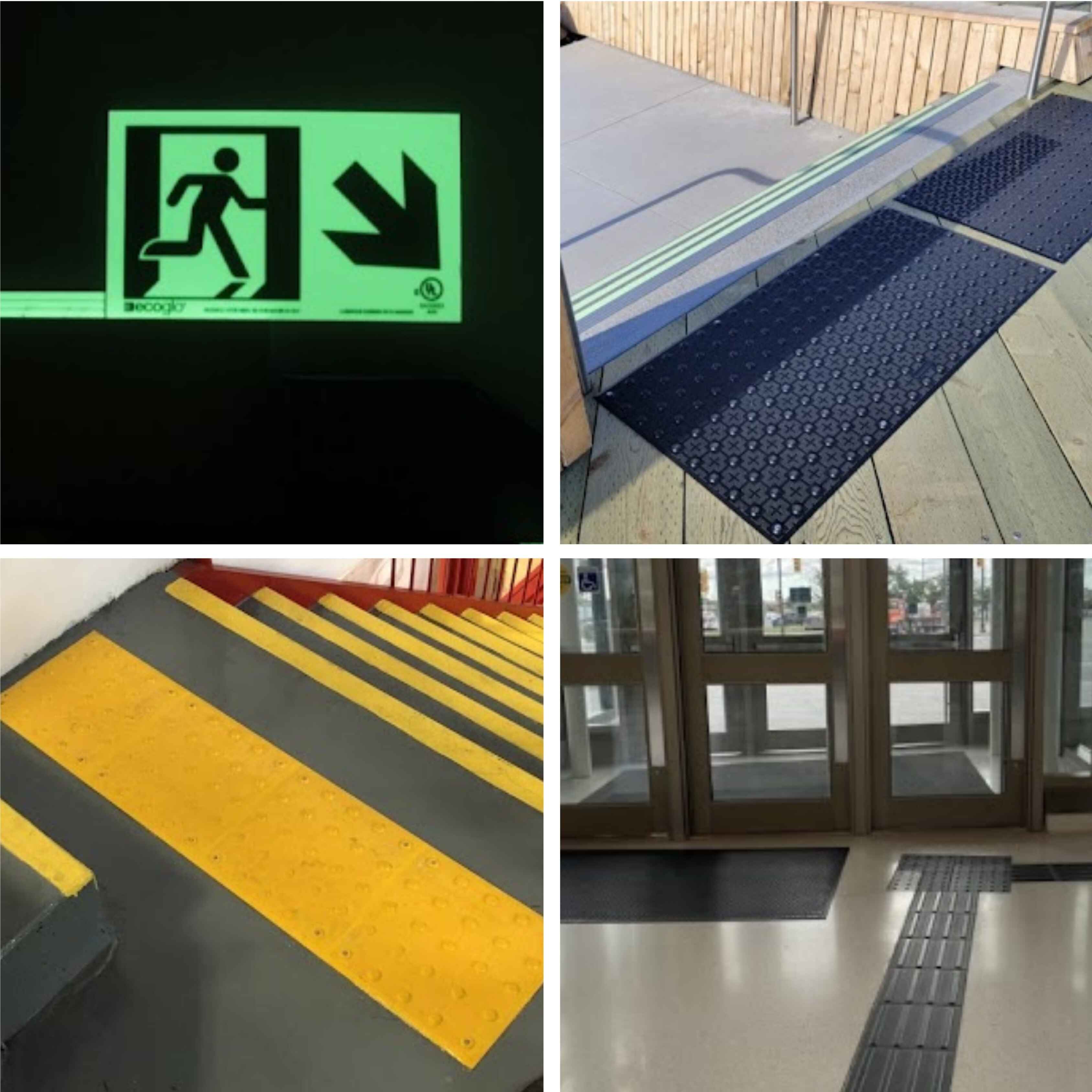
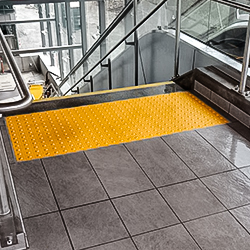
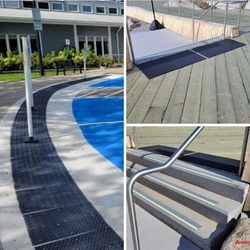
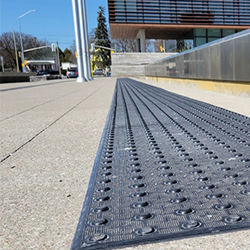
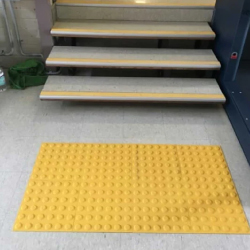
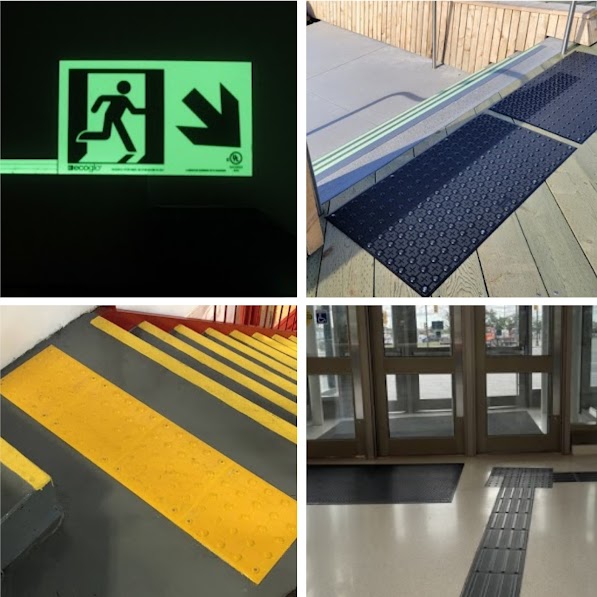
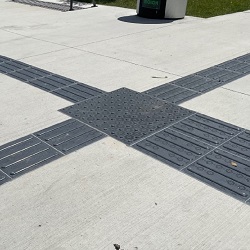
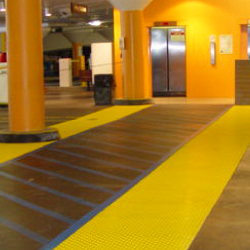
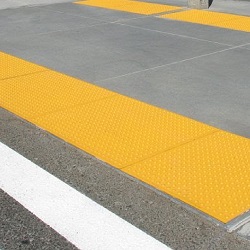
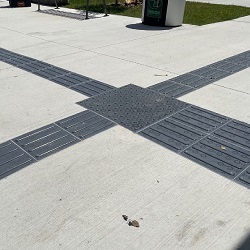
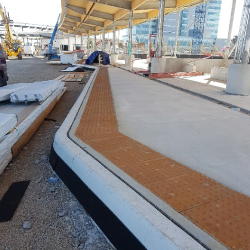
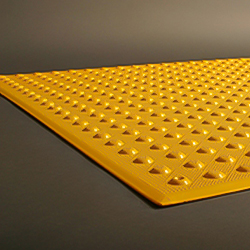
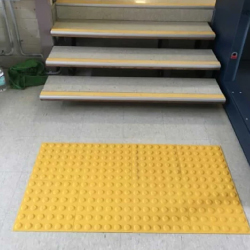
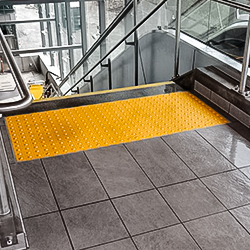
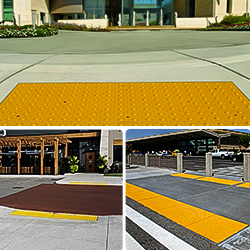
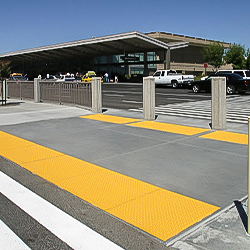
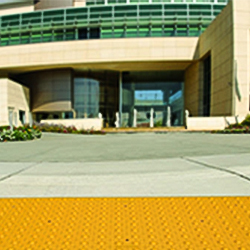
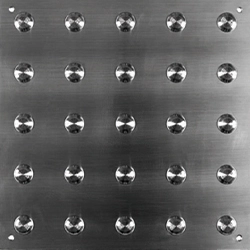
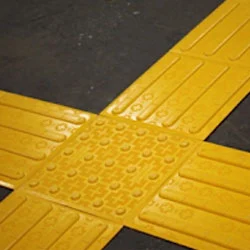
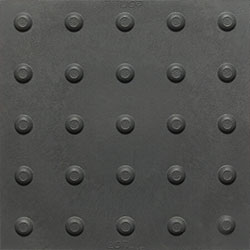
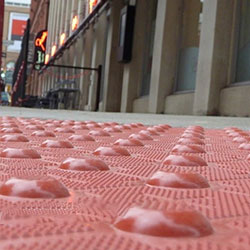
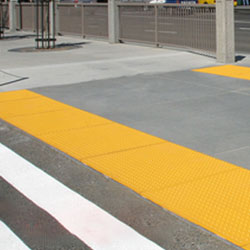
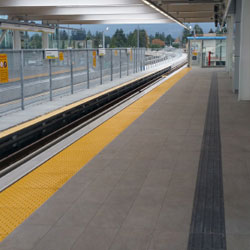
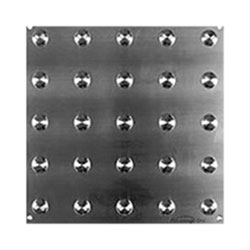
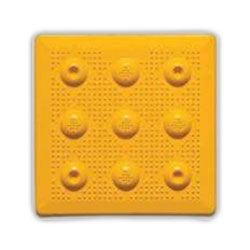
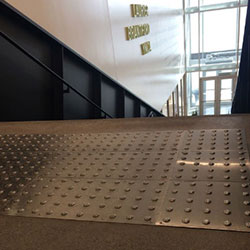
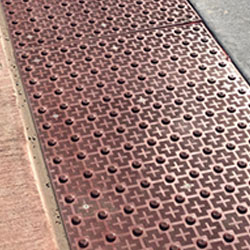
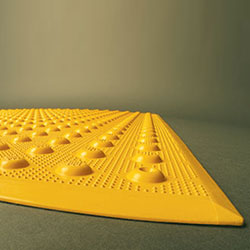
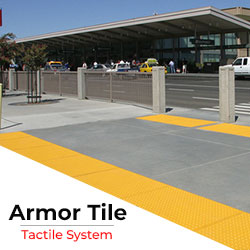
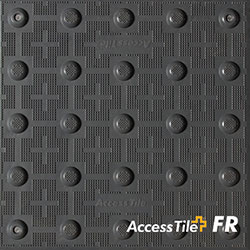
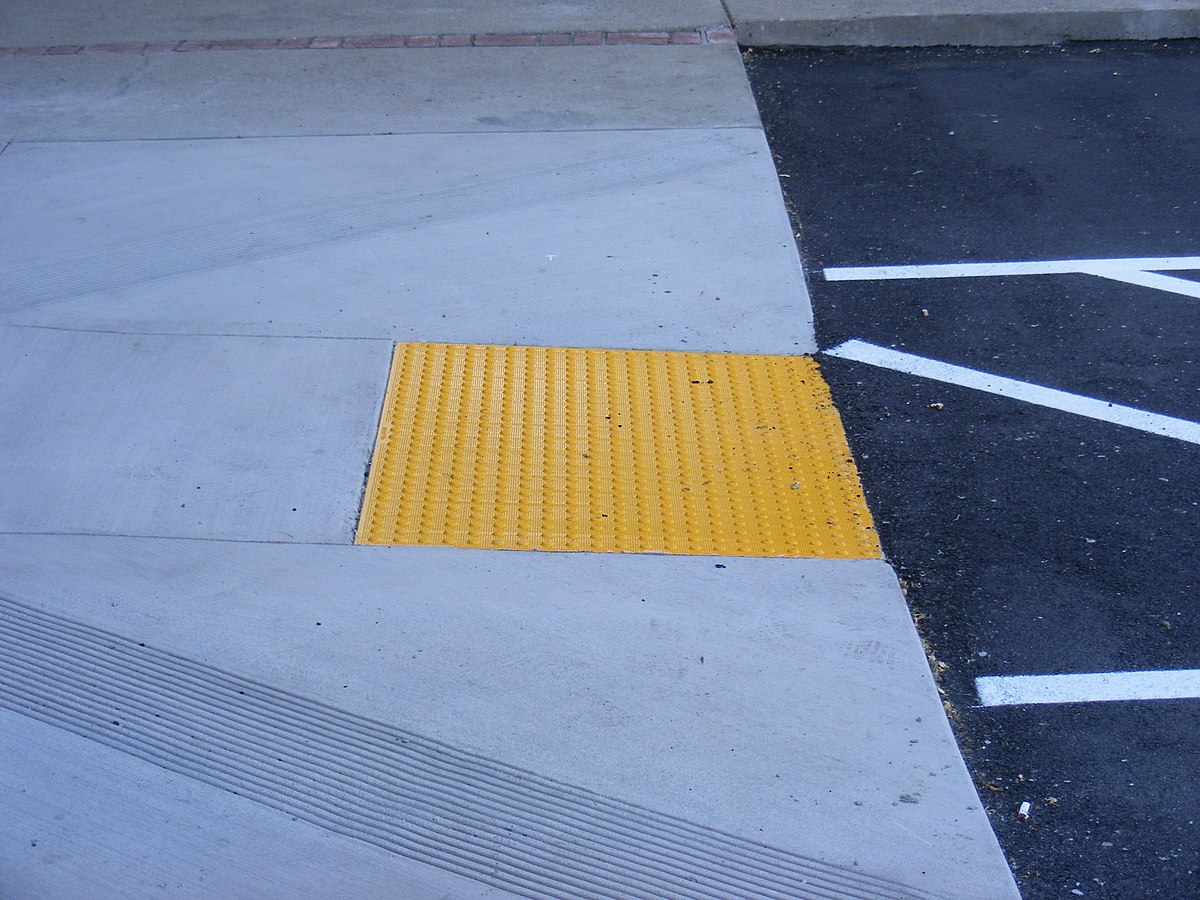
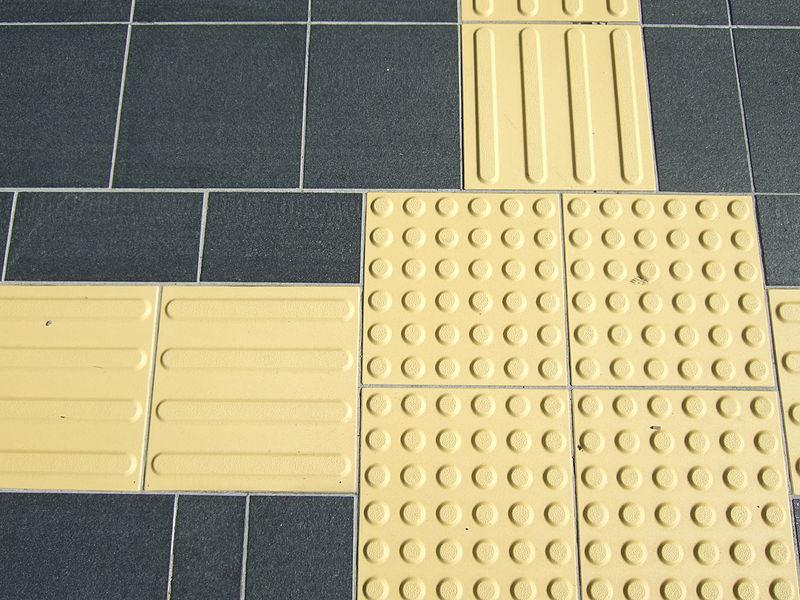
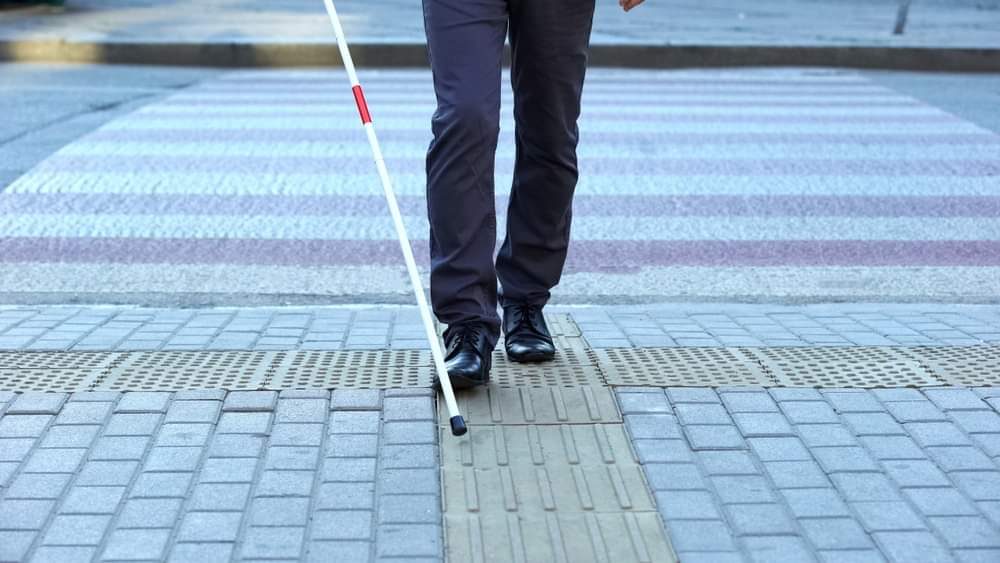
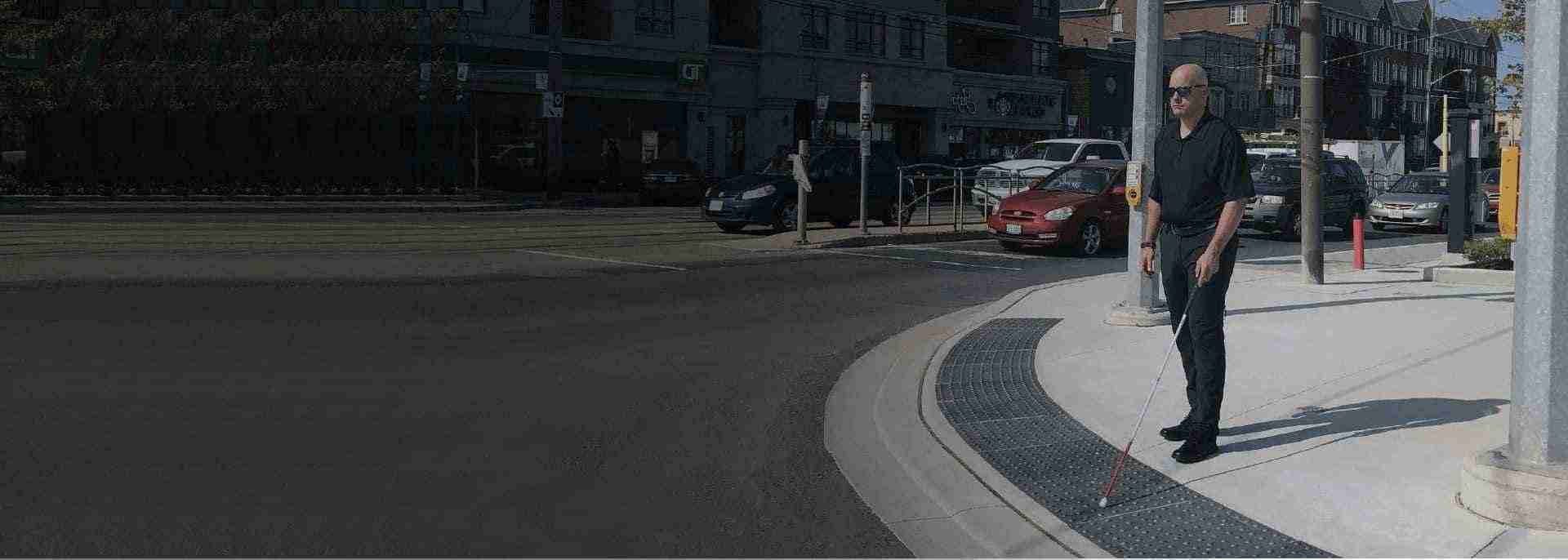
The front door is your very first point of contact with a pet owner. Accessible paths must start right at the door. You must install attention TWSIs at the main entrance to mark any level changes or sliding door hazards.
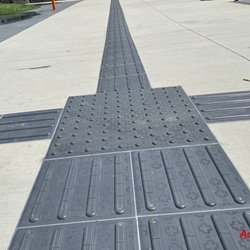
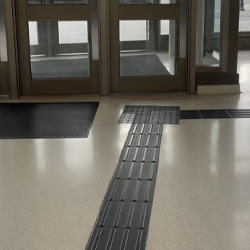
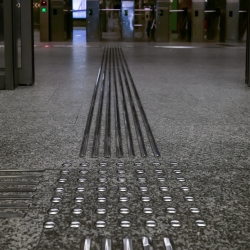
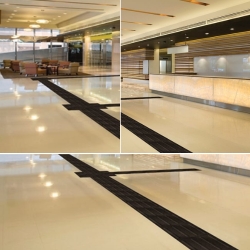
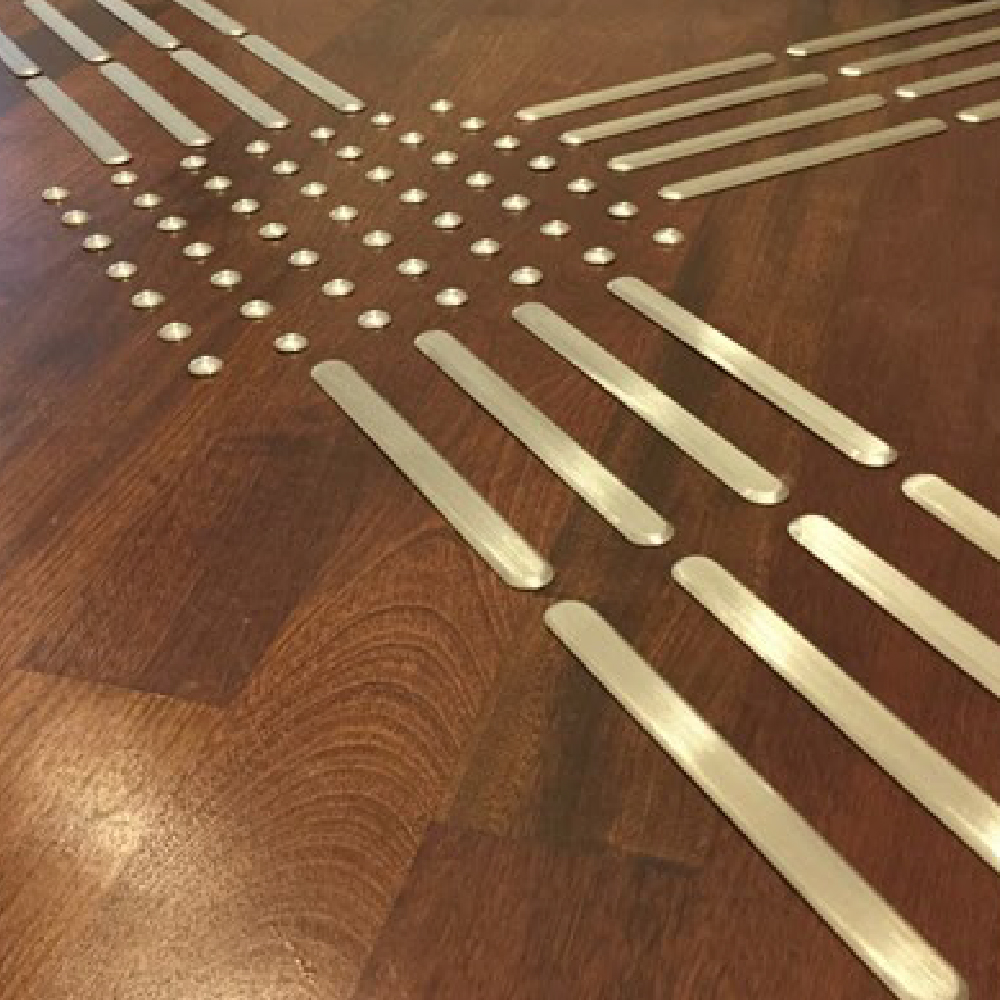
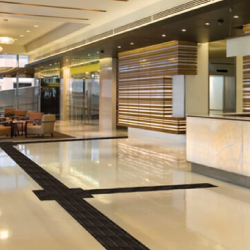
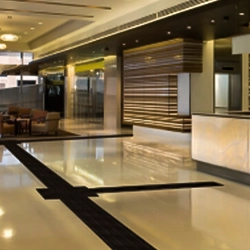
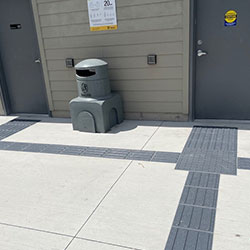
You should also add guidance bars on the floor. These bars lead visitors directly from the entrance to the reception area safely.
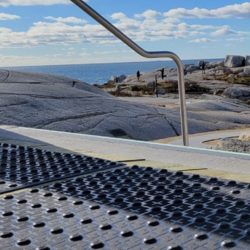
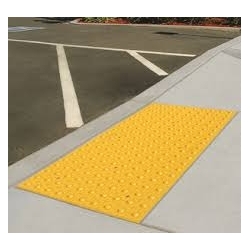
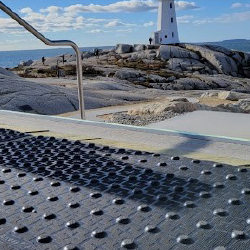
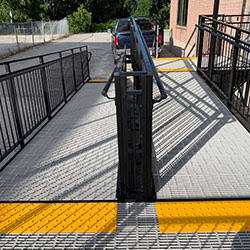
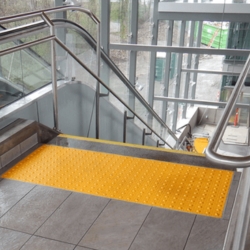
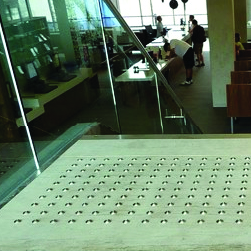
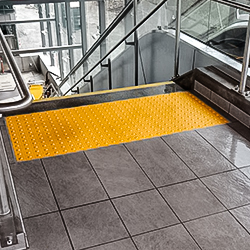
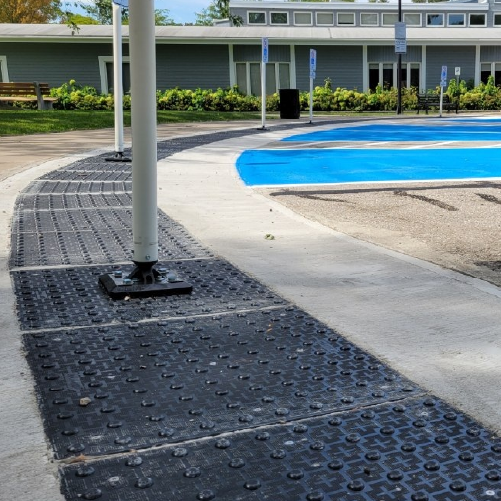
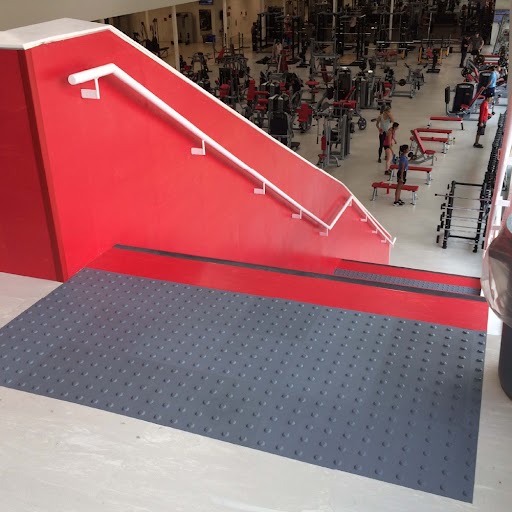
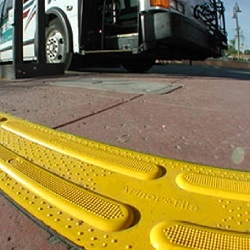
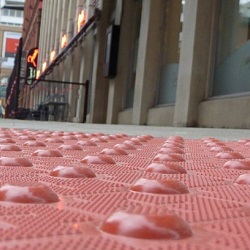
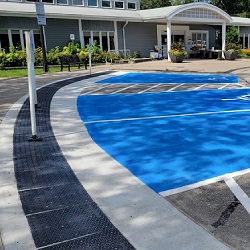
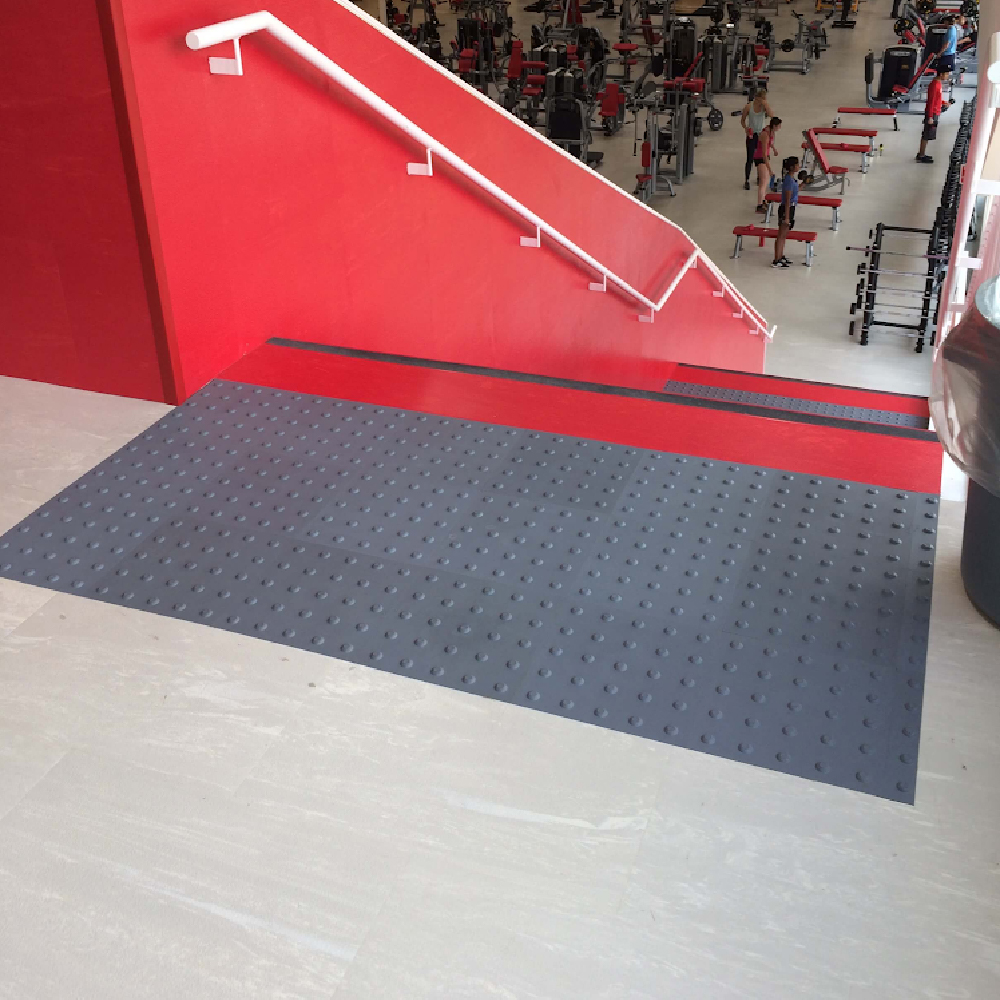
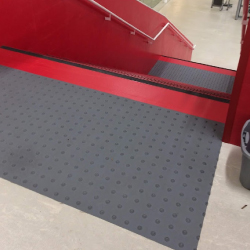
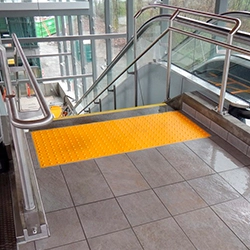
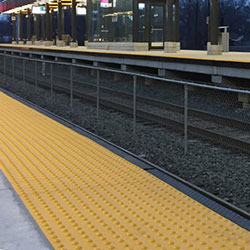
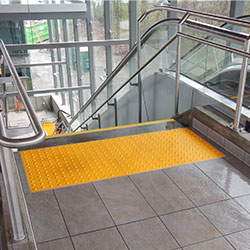
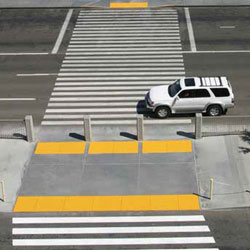
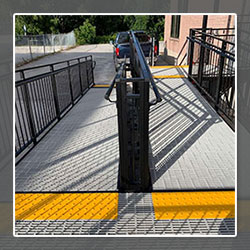
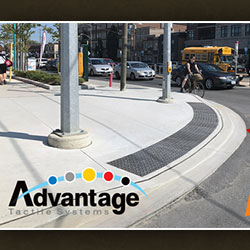
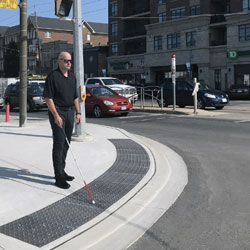
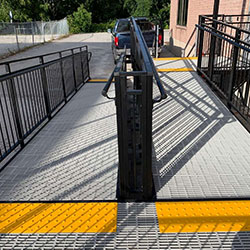
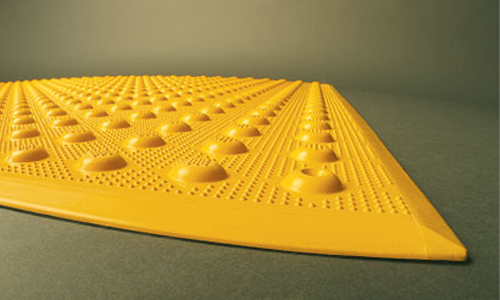
Many veterinary clinics have specialized ramps for older dogs or heavy pet carriers. You need to install truncated domes at the top and bottom of these ramps. This warns people that an incline is starting or ending.
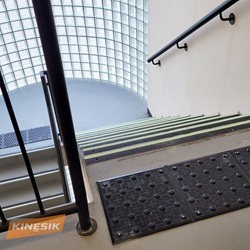
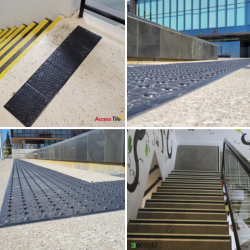
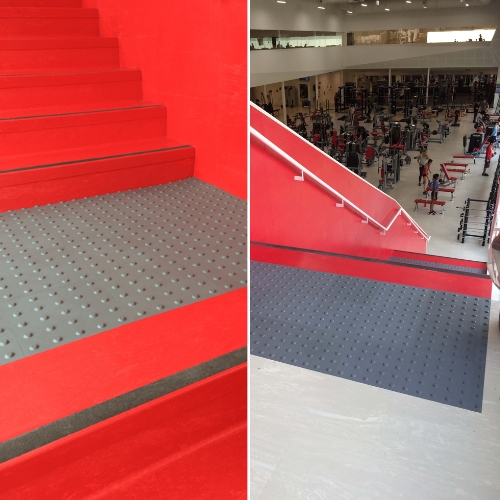
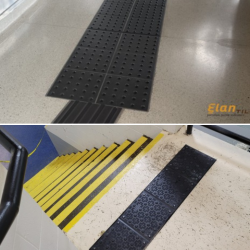
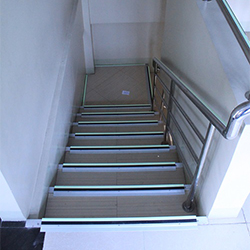
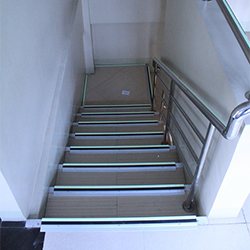
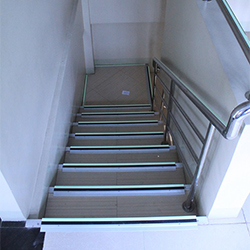
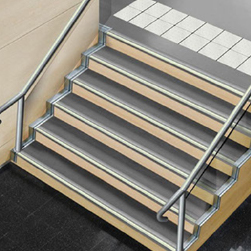
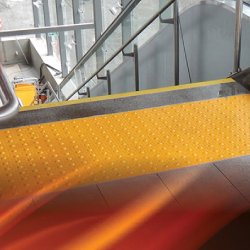
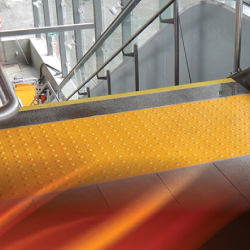
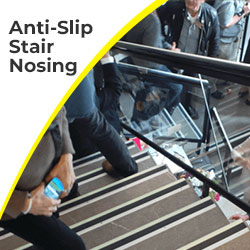
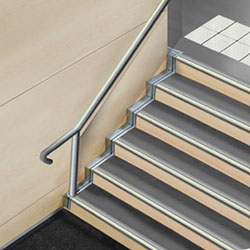
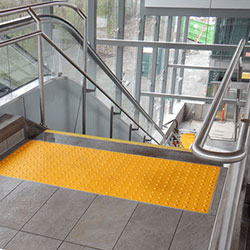
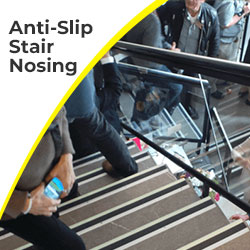
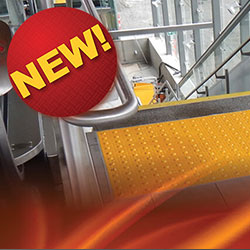
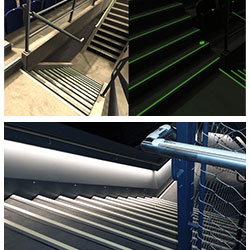
For stairs, you must use high-contrast, anti-slip stair nosings. These additions prevent slips and falls, especially during rainy or snowy Canadian winters.
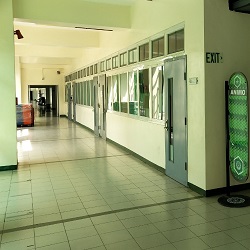
Corridors in animal hospitals are often long and full of confusing doorways. Directional tiles create clear, intuitive pathways on the floor.
They help visually impaired pet owners move safely from the waiting room to the specific exam room. This keeps foot traffic organized and reduces stress for the animals.
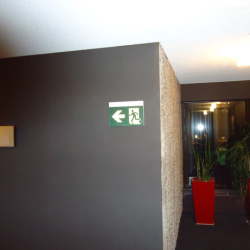
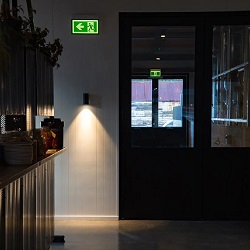
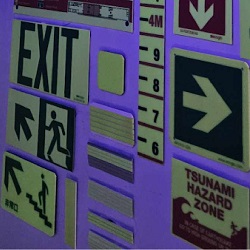
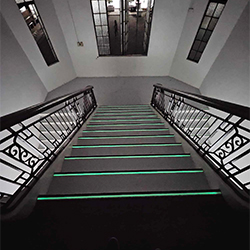
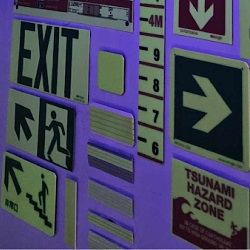
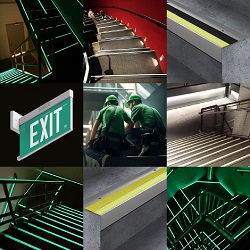
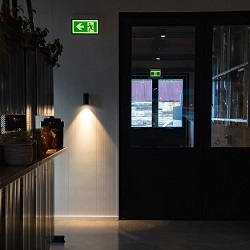
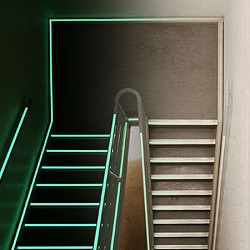
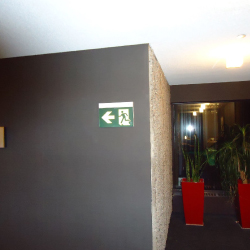
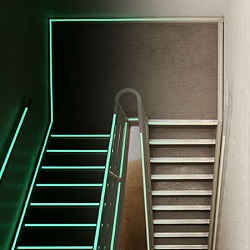
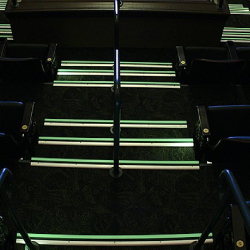
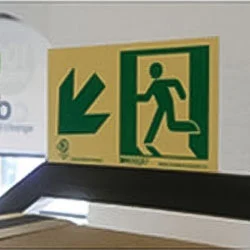
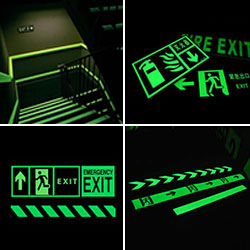
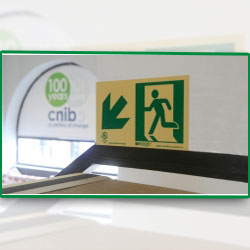
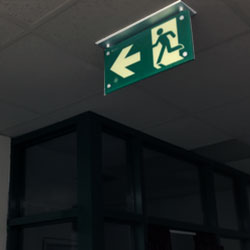
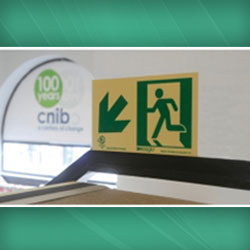
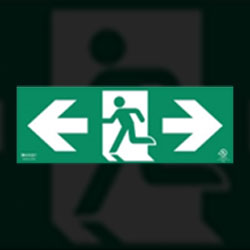
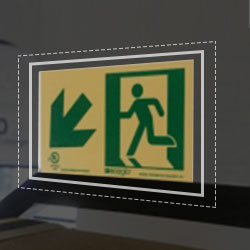
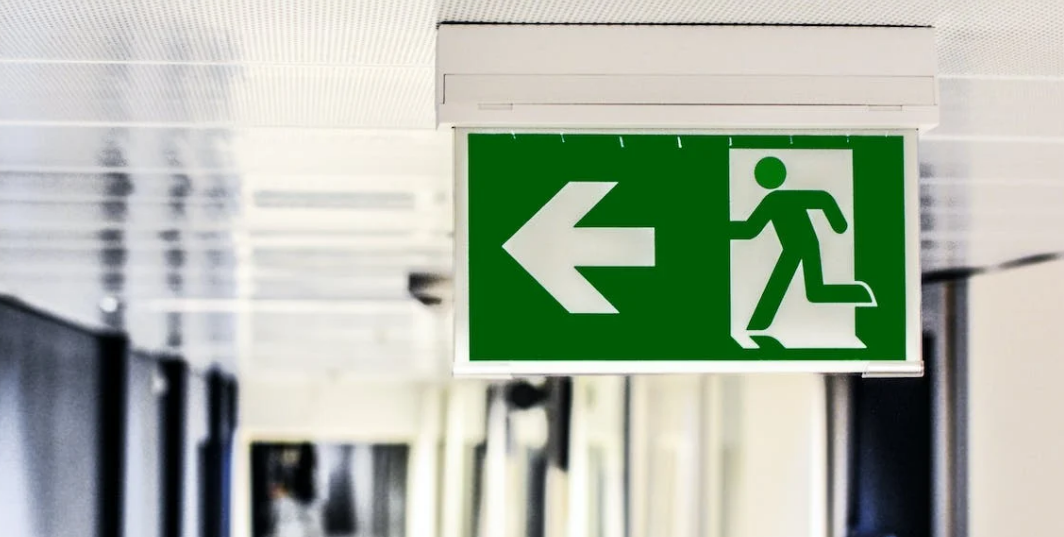
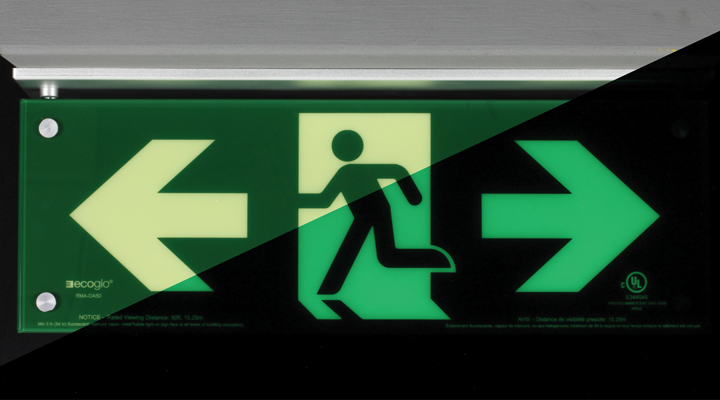
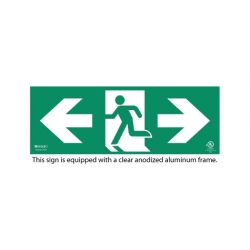
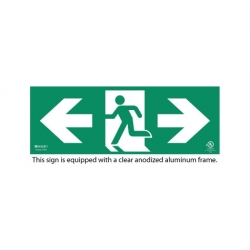
Power outages happen unexpectedly. You need photoluminescent exit signs and markings to ensure everyone can evacuate safely.
These glow-in-the-dark solutions are critical for emergency preparedness. They require no electricity and light up walkways instantly when the power fails.
Choosing the right tactile product depends on the clinic’s layout, surface, traffic level, and design goals.
Here are common matches for veterinary environments:
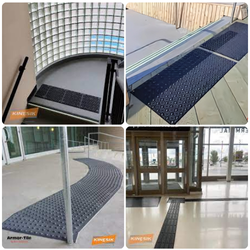
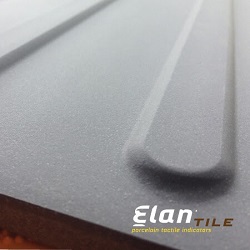
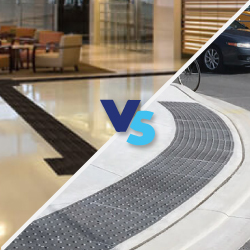
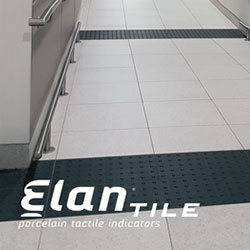
The right solution is rarely one product everywhere. A clinic may need rugged exterior domes at the curb, porcelain indicators inside the lobby, anti-slip stair nosing near a lower-level exit, and photoluminescent signage along the evacuation route.
Some clinic owners worry about the initial cost and upkeep of accessibility upgrades. However, investing in high-quality tactile solutions actually saves you a lot of money over time.
Durable materials like porcelain and heavy-duty polymers last for over a decade. They prevent costly slip-and-fall lawsuits from injured visitors. They also eliminate the need for expensive structural overhauls in the future.
Maintaining these systems is incredibly simple. You do not need specialized cleaning crews. Your regular clinic staff can easily sweep and mop surface-applied tiles or truncated domes.
These products resist harsh veterinary disinfectants, animal waste, and heavy foot traffic effortlessly. They are built to survive the demanding environment of an animal hospital.
Finding the correct tactile products does not have to be a massive headache. We have created a simple way to get exactly what your specific clinic needs.
You can use the Solution Finder Tool on our website. This tool acts as your personal digital consultant. It asks a few very simple questions about your project.
You tell the tool if you are applying tiles to fresh concrete or existing floors. It will then recommend the exact products you need to meet Canadian building codes perfectly.
Once you use the tool, our team provides a detailed itemized quote within 24 hours. We give you all the data sheets, drawings, and installation guides you need. This process completely takes the guesswork out of accessibility planning.
Yes. Under Canadian laws like AODA and the National Building Code, any public commercial space must include proper accessibility features. This strictly includes veterinary clinics and animal hospitals.
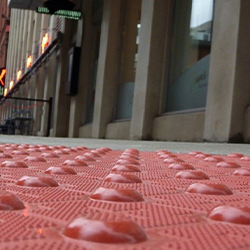
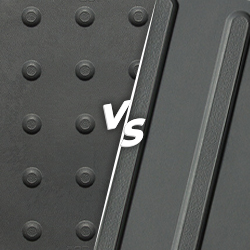
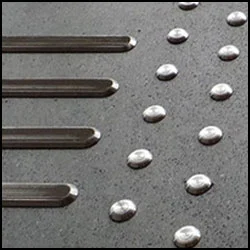
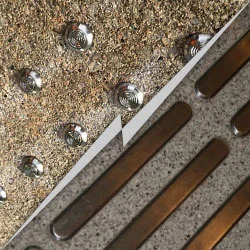
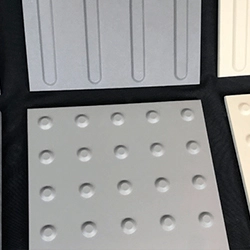
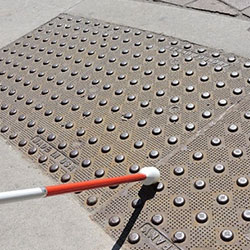
Attention domes, or truncated domes, warn pedestrians of upcoming hazards like stairs, ramps, or ledges. Wayfinding bars provide direct directional guidance to help visually impaired individuals find specific locations, such as a reception desk.
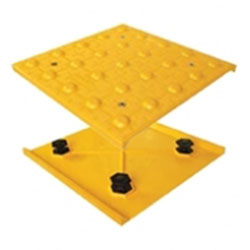
Absolutely. Surface-applied tiles like AccessTile are specifically designed to be installed directly over existing concrete, tile, or wood floors. This makes retrofitting very easy, fast, and affordable for building owners.
Tactile tiles are designed for fast and easy maintenance. You can sweep and mop them just like your regular clinic floors. They handle harsh cleaning chemicals and daily animal messes perfectly.
Photoluminescent signs naturally absorb ambient light and glow brightly in the dark. They require no electricity, no wiring, and zero battery replacements. They are highly reliable during complete building power failures.
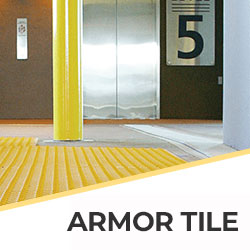
Yes. Products like ArmorTile and ElanTile are engineered for extreme durability. They easily resist scratches from large dog claws and can handle the heavy weight of medical carts or stretchers rolling over them constantly.
Installation is very fast. Surface-applied tiles can often be installed in a single afternoon or over a weekend. This ensures your clinic experiences zero downtime and can continue treating patients without interruption.
Every pet owner deserves a safe path when seeking medical care for their animals. Upgrading your facility is a very smart business decision and a necessary legal requirement. It is also an act of basic kindness.
By installing durable, code-compliant tactile solutions, you actively protect your visitors from terrible accidents. You empower visually impaired individuals to move independently and confidently. You create a highly professional environment that respects everyone who walks through your doors.
If you are a contractor, building manager, or clinic owner, it is time to take fast action. Do not wait for a strict compliance audit or a tragic accident to happen. Get the right materials to finish your project perfectly today.
Visit Tactile Solution Canada right now. Use our Solution Finder Tool to get immediate recommendations and a fast quote. Let us help you build a safer, more accessible space for all your human and animal visitors.