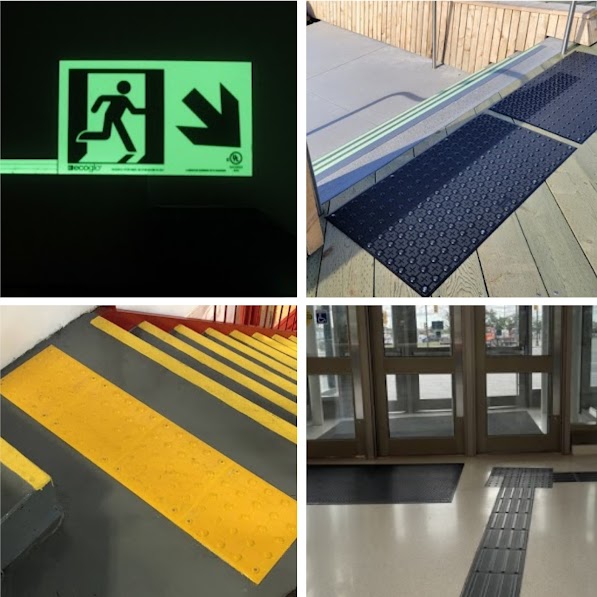
Good building design anticipates human movement. Great building design ensures no one is left behind when they move. - Thomas Schwartz
You finish the drywall. You lay the premium lobby tile. Your sub-trades pack up their trucks. The project is weeks away from the grand opening, and the municipal inspector walks onto the site.
They check the stairwells, measure the egress paths, and look at the main entrance. Then, they stop the process entirely.
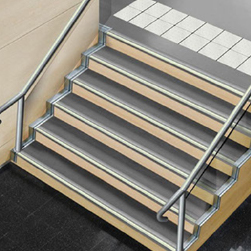
Your building lacks the legally required Tactile Walking Surface Indicators (TWSIs) and photoluminescent stair nosing. Occupancy is delayed. You are suddenly facing massive emergency labor costs to tear up finished concrete and retrofit surface-applied tiles.
We see this exact scenario play out constantly across Canada. Post-occupancy retrofits drain budgets, ruin timelines, and frustrate investors.
At Tactile Solution Canada, we supply high-performance tactile warning domes, wayfinding bars, and photoluminescent egress systems to contractors, building owners, and landscapers. We know that the smartest financial move a developer can make is to integrate accessibility right at the blueprint stage.
Here is exactly how you can stop reacting to code violations and start planning for immediate compliance.
Let us look at a real-world situation we recently helped resolve. A large construction firm was finalizing a 35-story condominium tower in downtown Toronto.
We delivered the heavy-duty materials they needed fast, allowing them to pass their final inspection. But the lesson is clear: installing these products during the concrete pour is much cheaper than retrofitting them later.
Smart developers do not view accessibility as a final checklist item. They build it into the foundation. When we work with building managers and contractors during the early phases, we secure three major operational wins:
You cannot rely on guesswork when it comes to Canadian accessibility laws. If your building fails to meet these specific regulations, you will not receive your permits. We help developers secure compliance with the following exact standards:
We want to make it incredibly easy for you to buy the right product the first time. We supply heavy-duty, Canadian code-compliant tactile solutions engineered for commercial and residential high-rises. Here is exactly what we recommend for your upcoming projects.
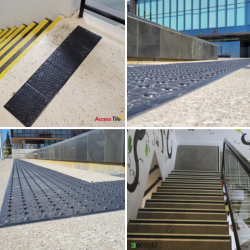
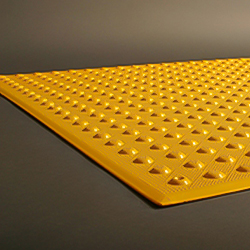
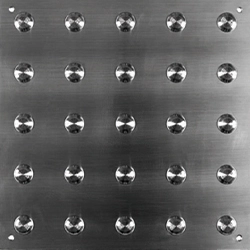
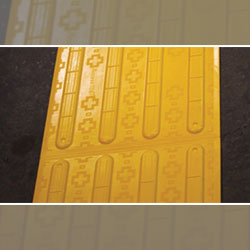
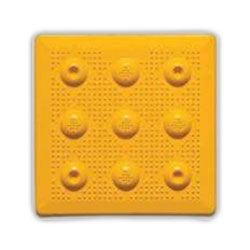
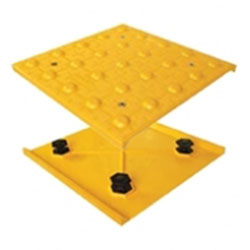
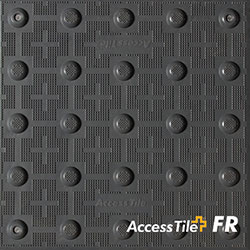
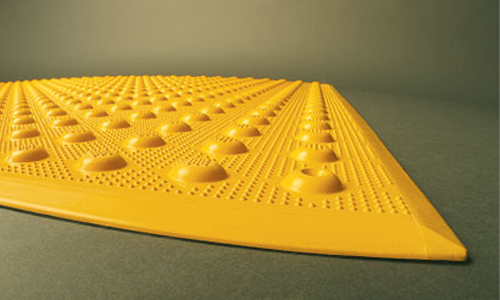
Access Tile is the industry standard for reliable, high-volume installations.
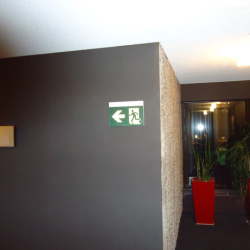
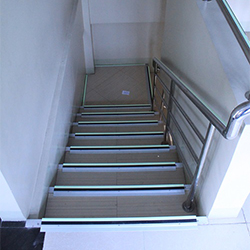
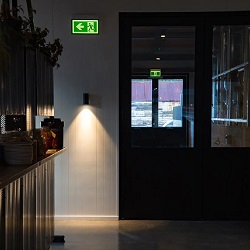
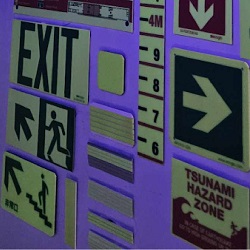
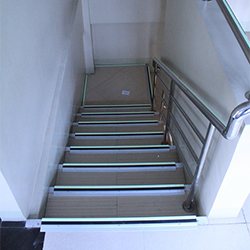
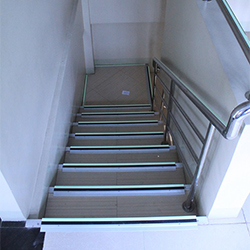
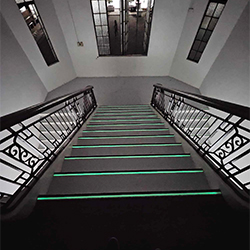
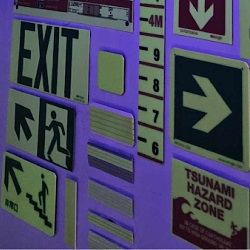
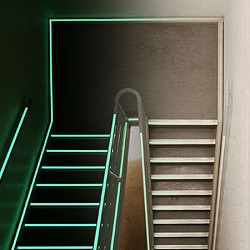
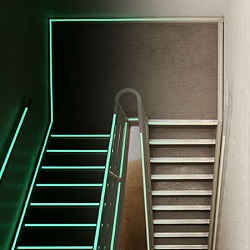
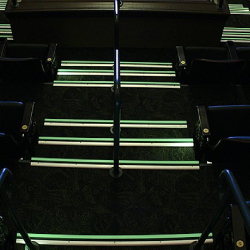
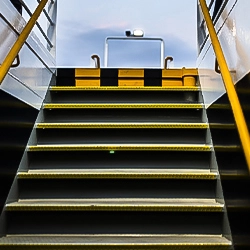
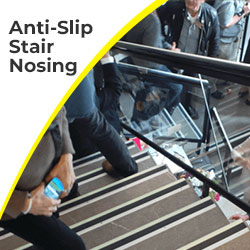
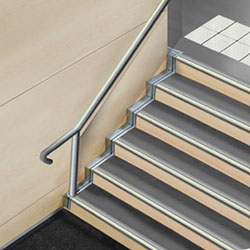
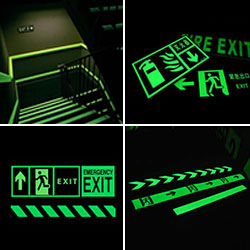
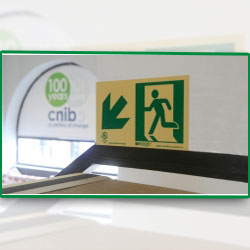
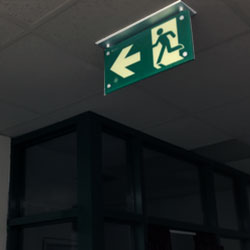
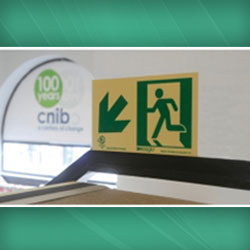
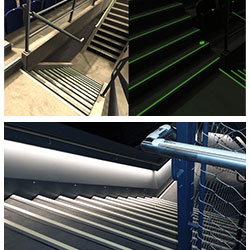
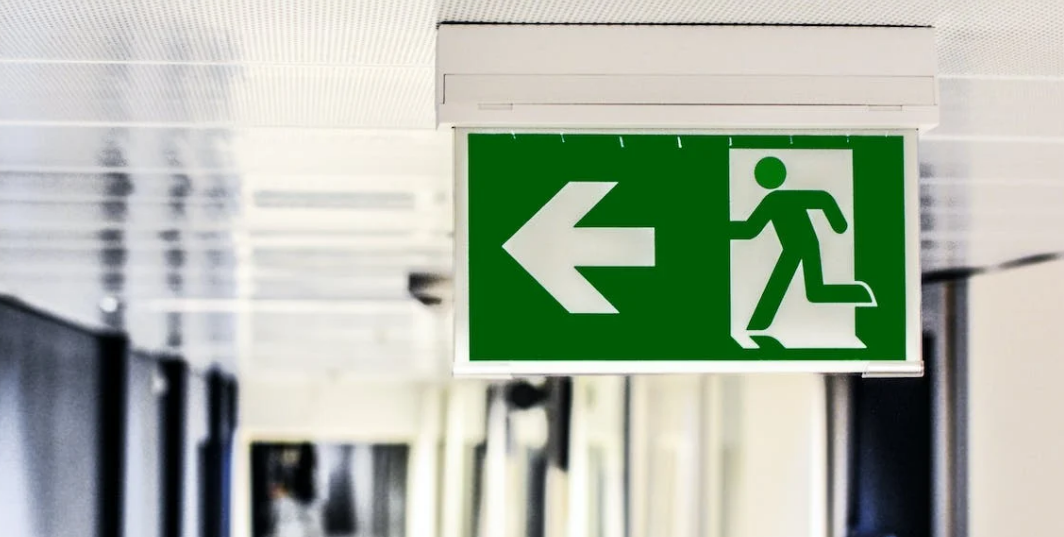
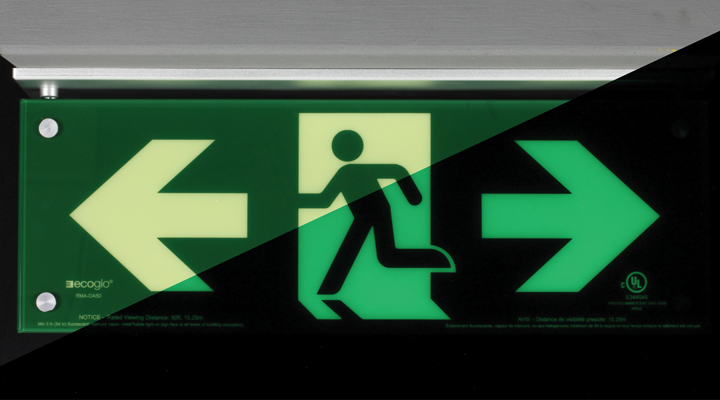
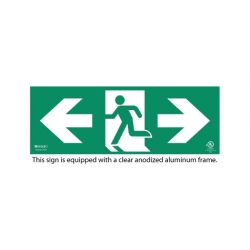
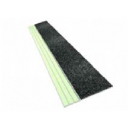
During a power grid failure or a fire, active electrical lighting often fails. You need passive, guaranteed visibility.
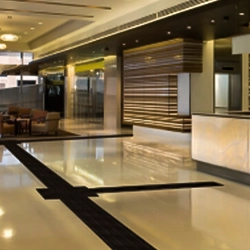
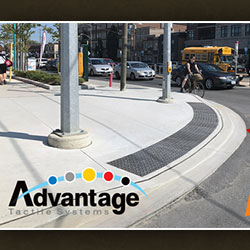
When your architects demand a high-end visual finish without sacrificing code compliance, we provide the Advantage tactile.
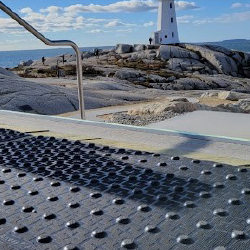
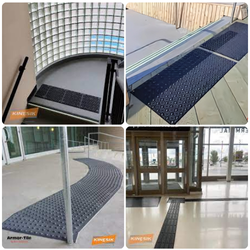
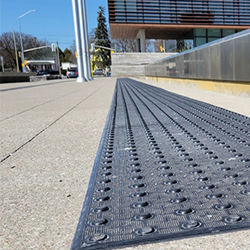
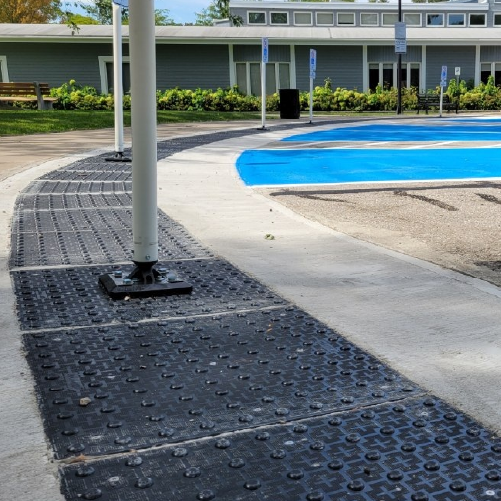
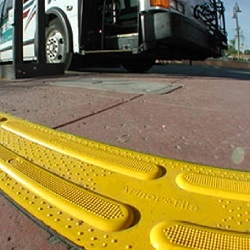
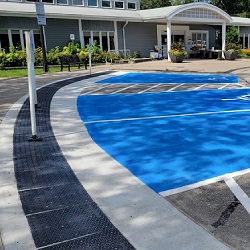
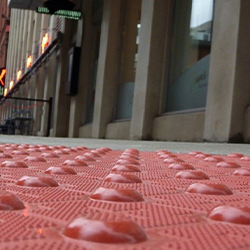
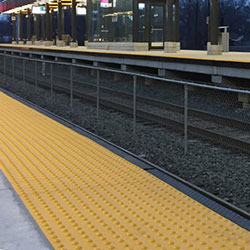
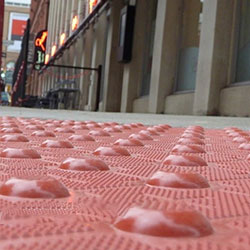
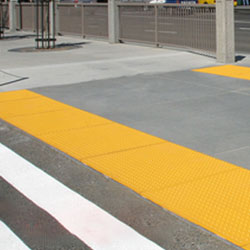
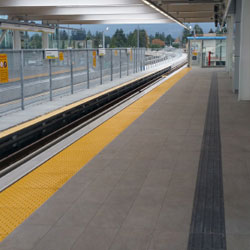
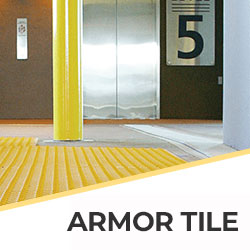
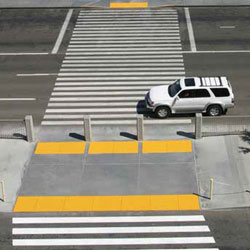
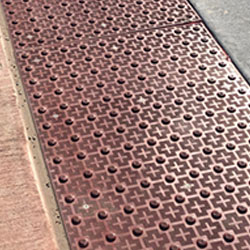
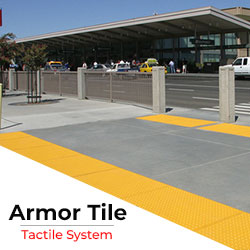
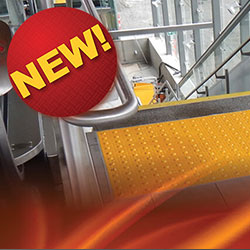
For exterior walkways and transit connections that face brutal Canadian winters, Armor-Tile is the answer.
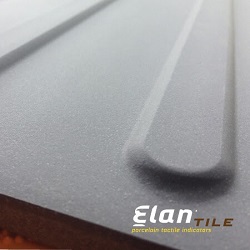
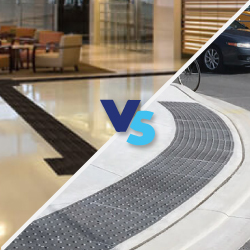
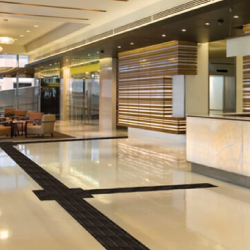
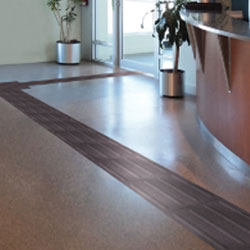
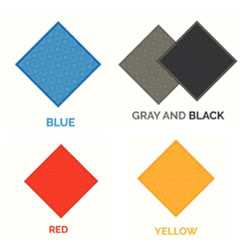
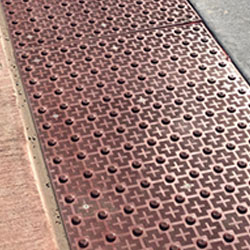
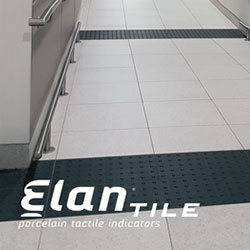
For interior designers who refuse to compromise on style.
We understand that sorting through different product specs, fire ratings, and municipal codes is overwhelming. You do not have time to read endless PDF manuals.
That is exactly why we built the Find Right Solution tool on our website.
We designed this tool specifically to generate immediate, accurate product leads based on your exact project needs.
Do not leave your building's compliance to chance. We highly recommend implementing these three steps before you pour your next slab of concrete:
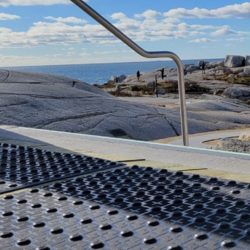
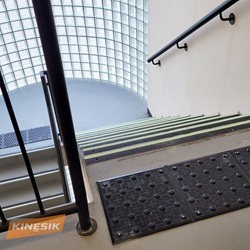
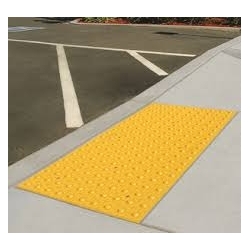
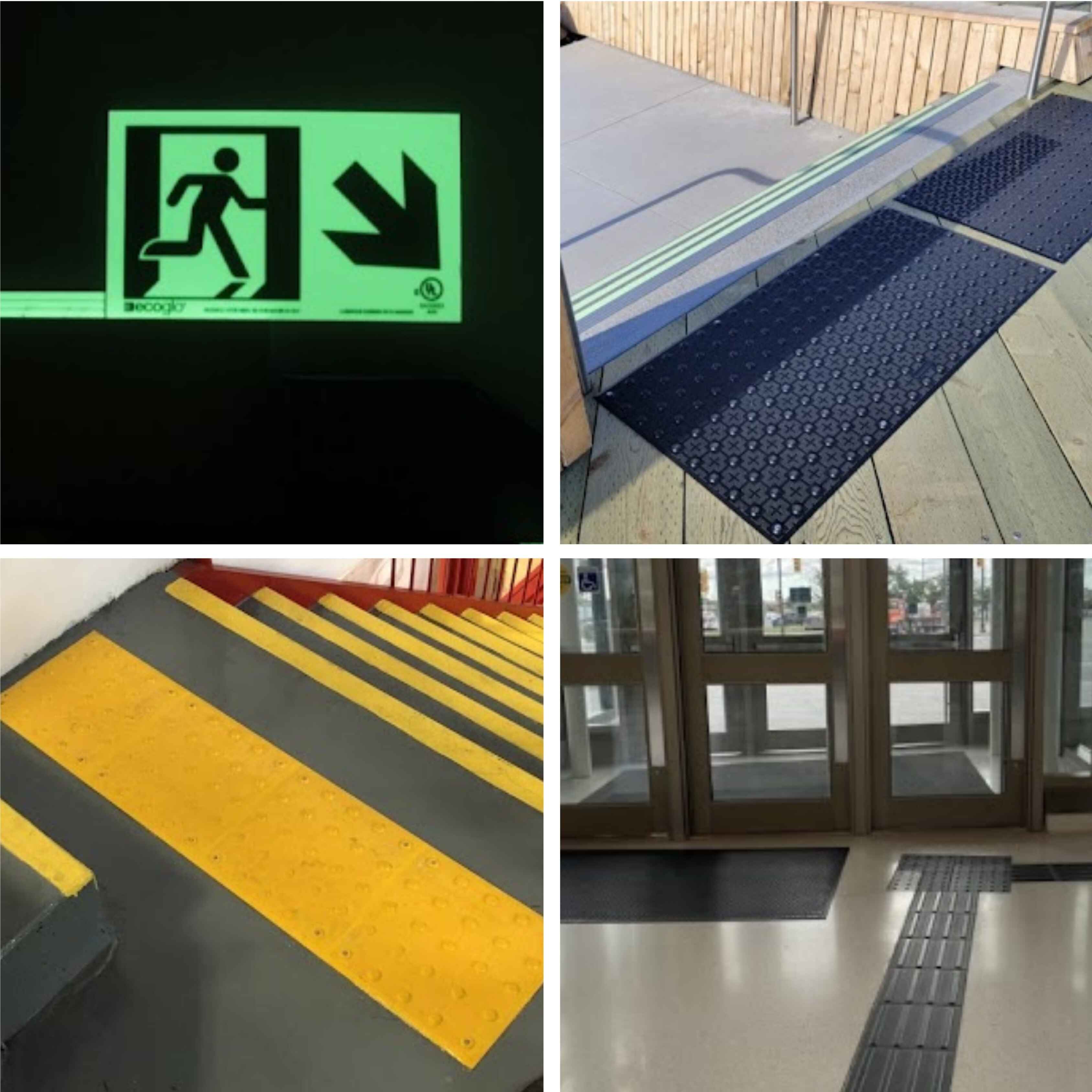
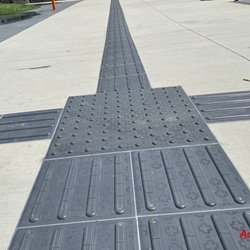
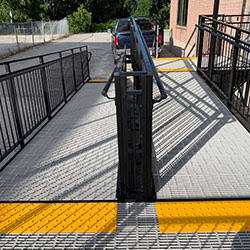
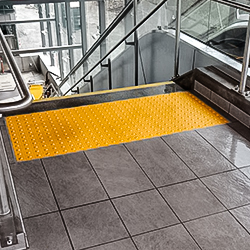
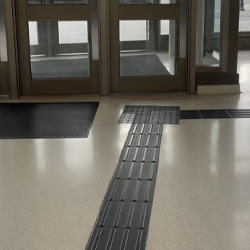
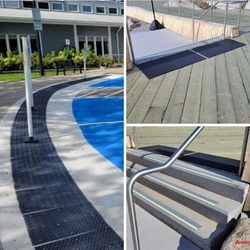
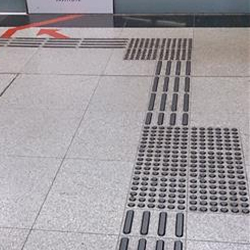
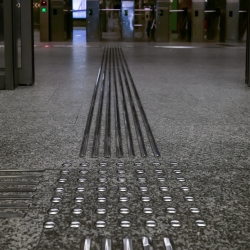
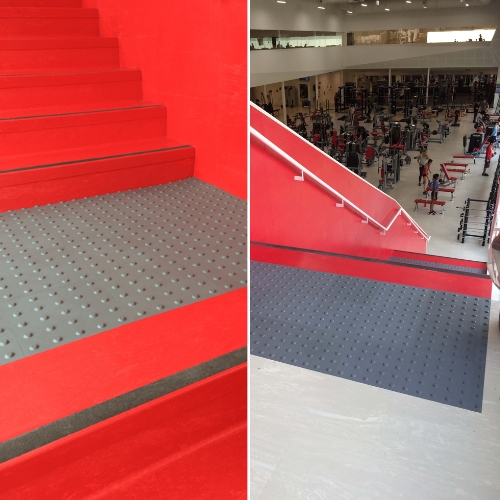
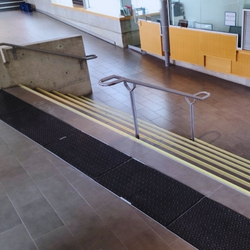
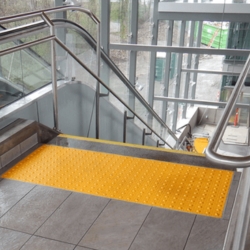
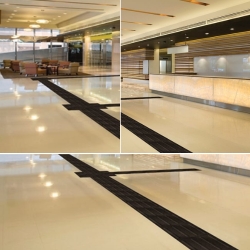
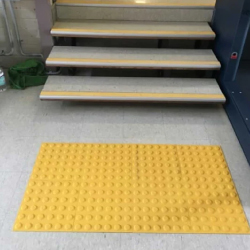
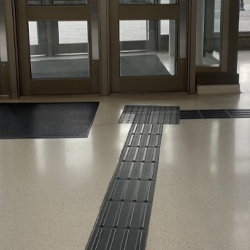
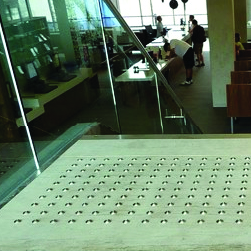
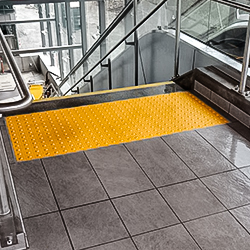
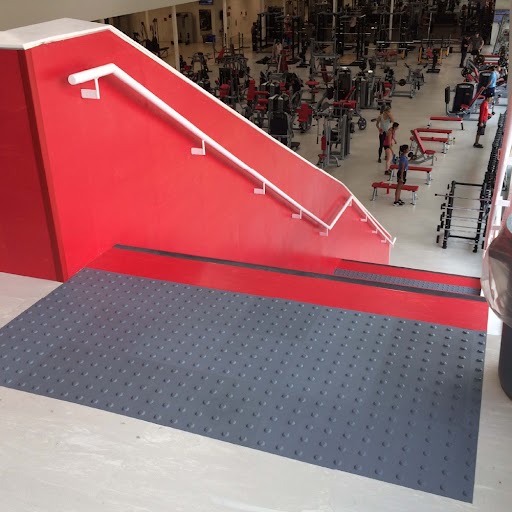
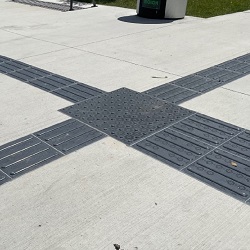
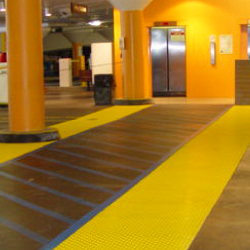
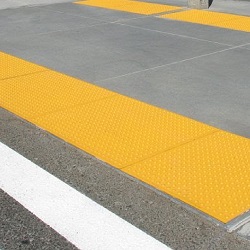
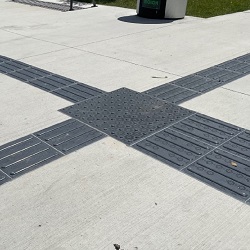
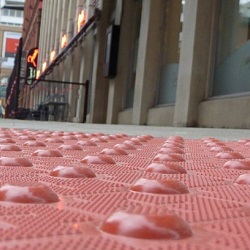
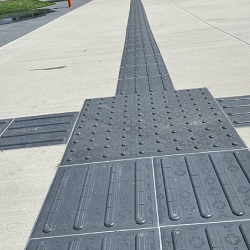
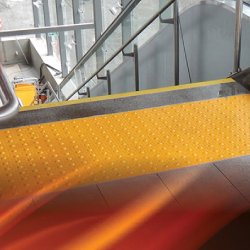
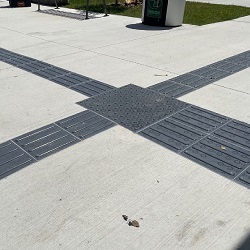
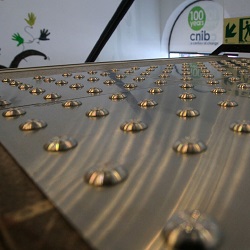
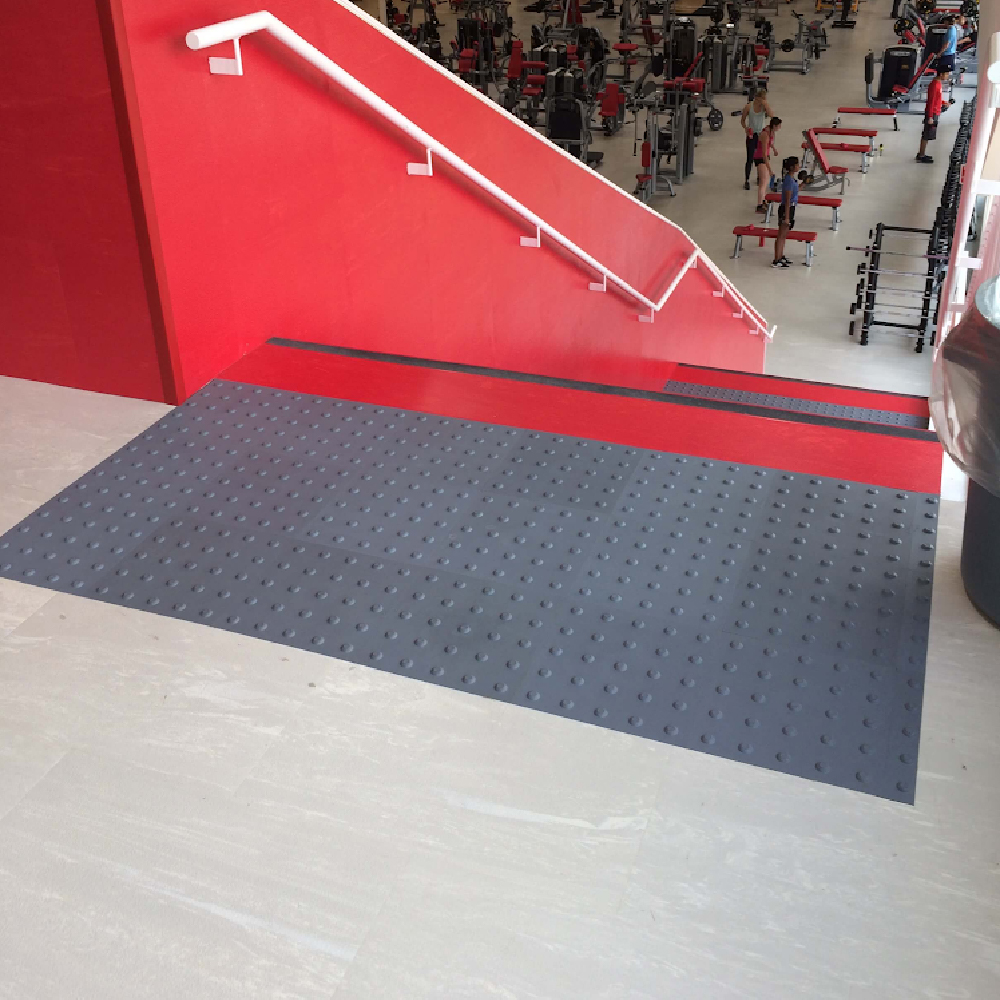
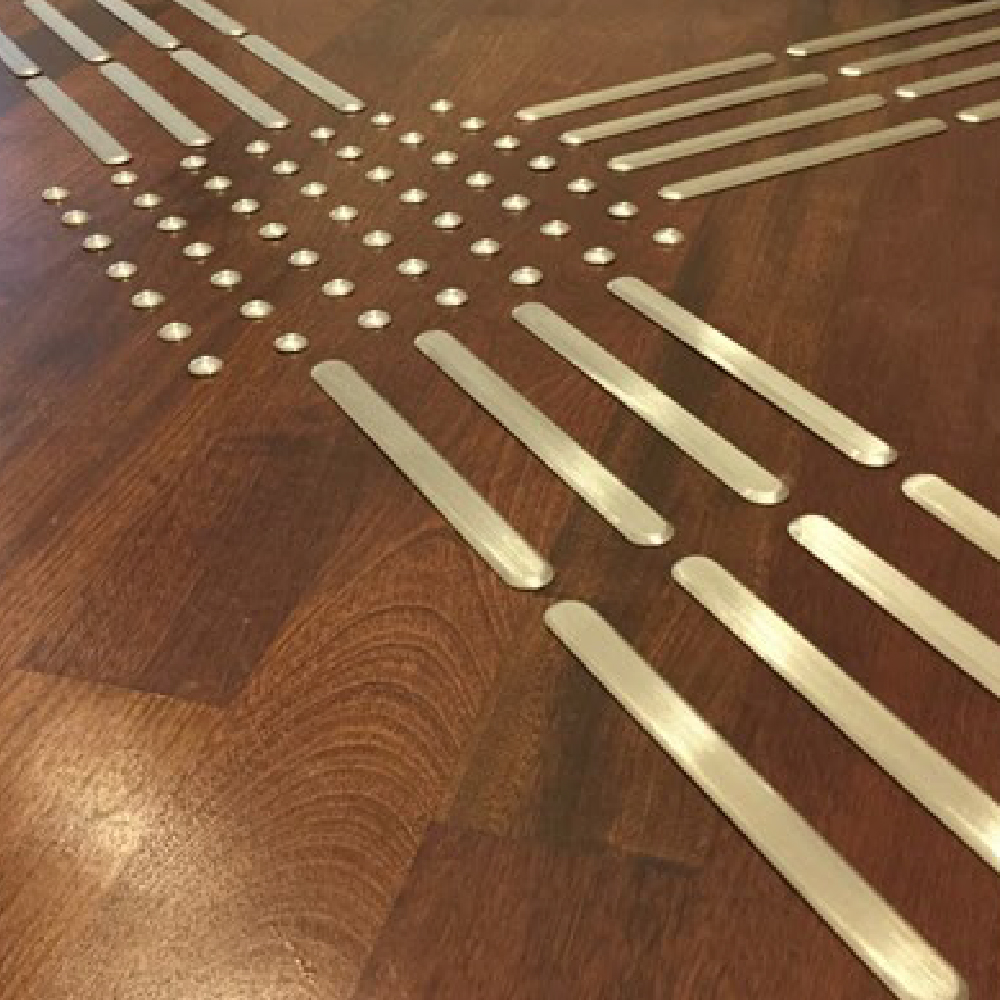
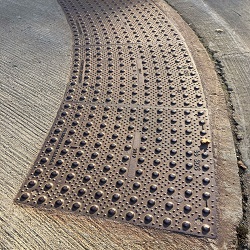
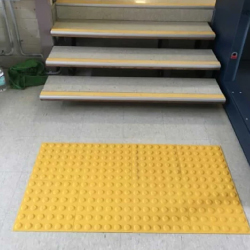
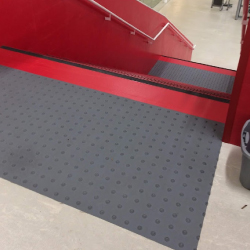
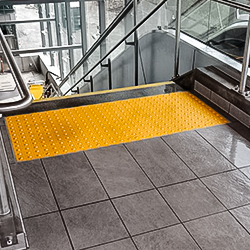
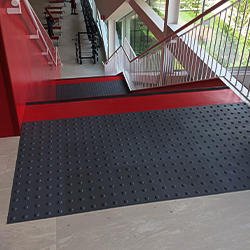
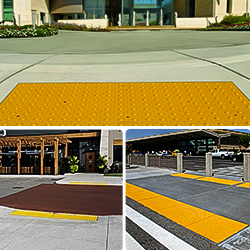
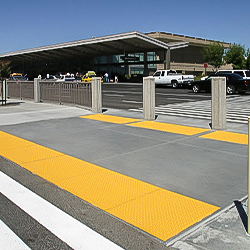
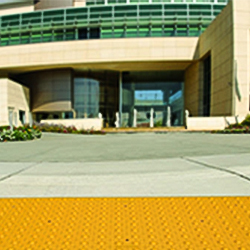
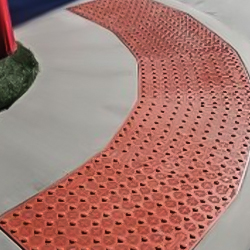
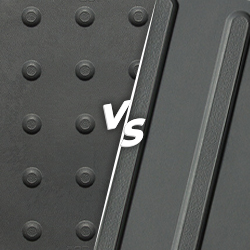
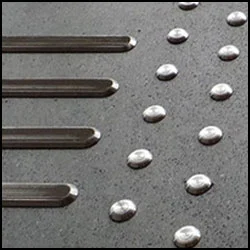
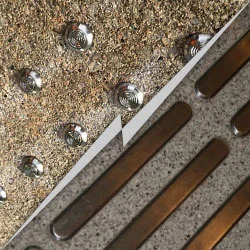
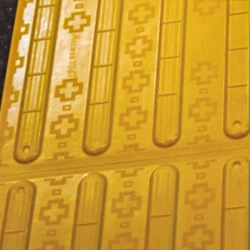
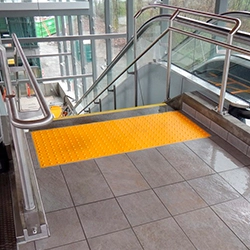
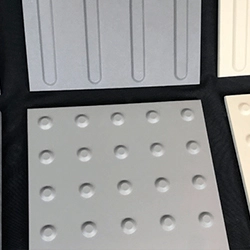
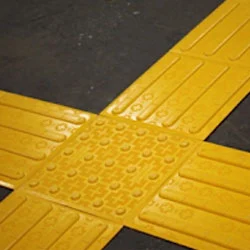
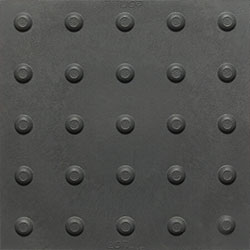
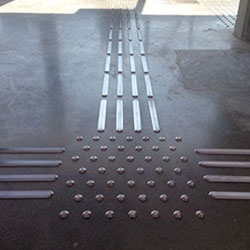
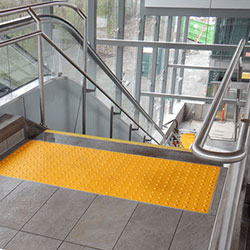
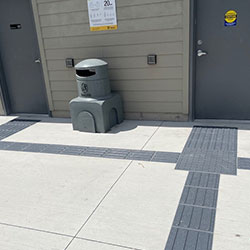
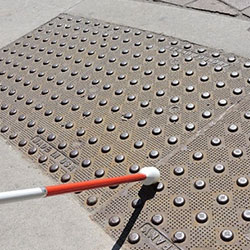
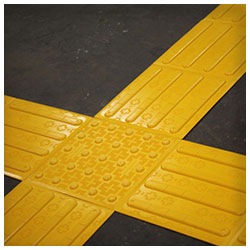
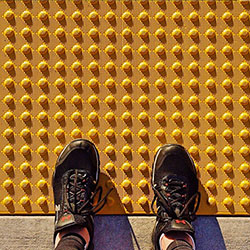
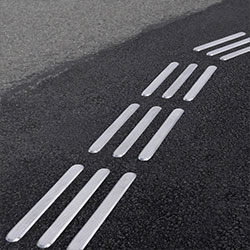
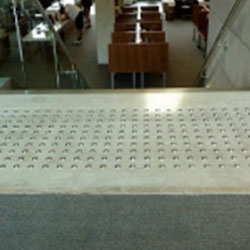
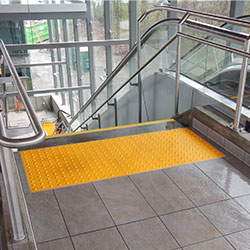
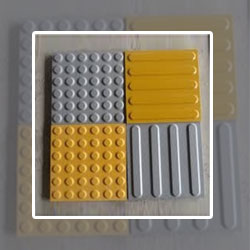
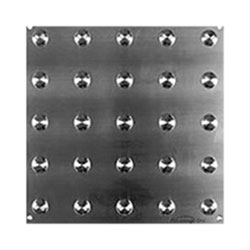
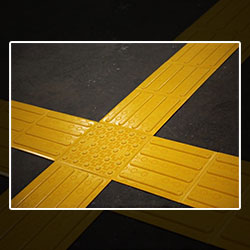
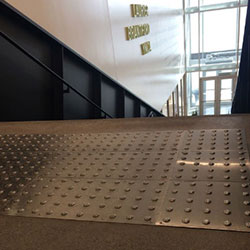
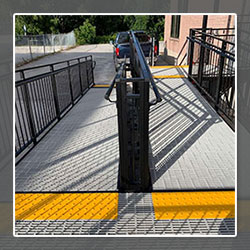
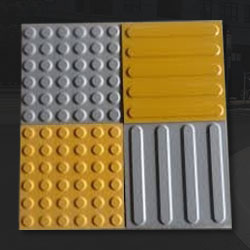
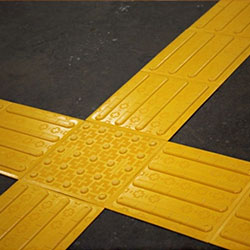
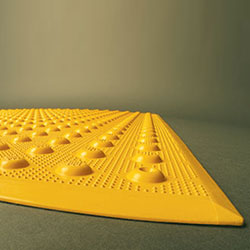
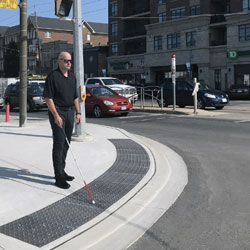
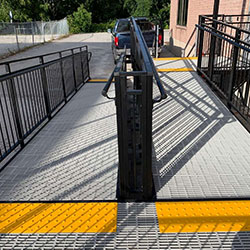
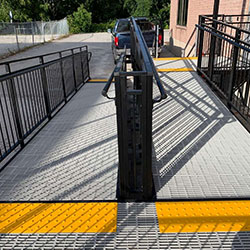
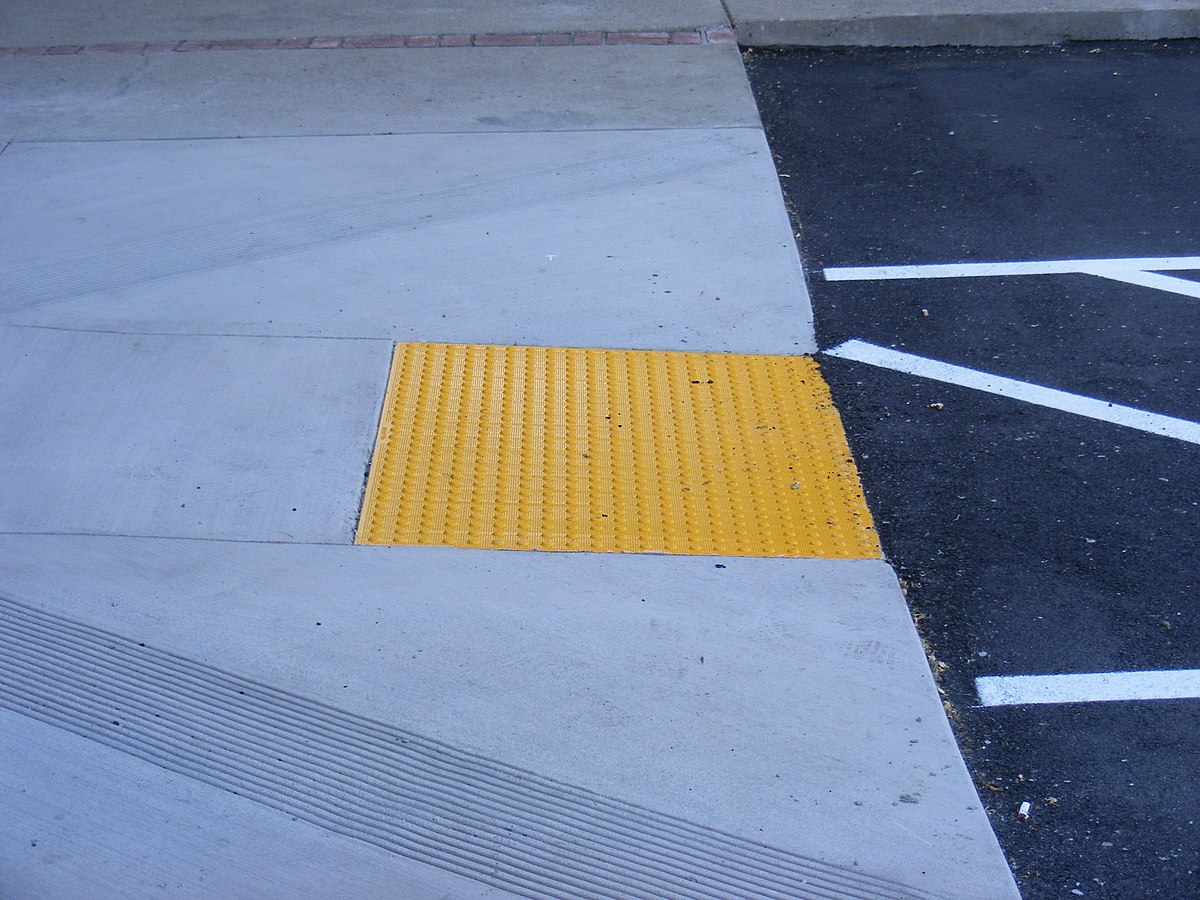
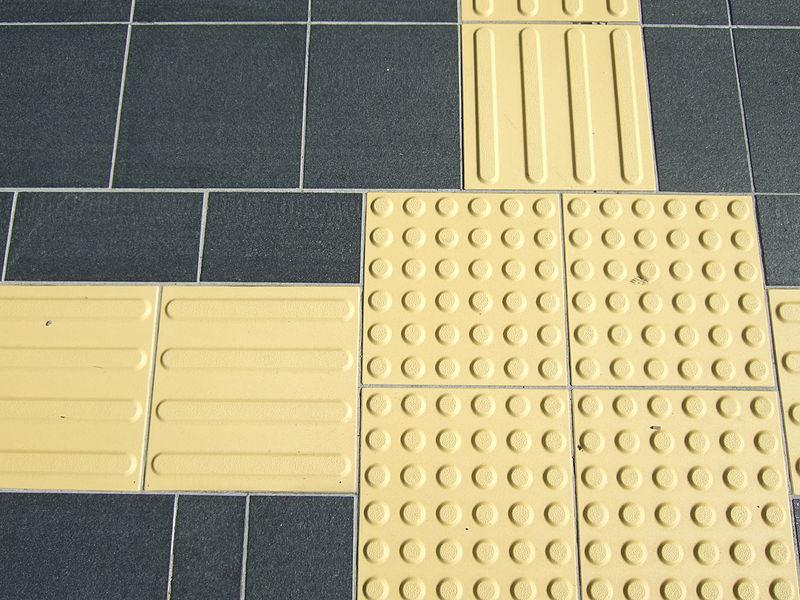
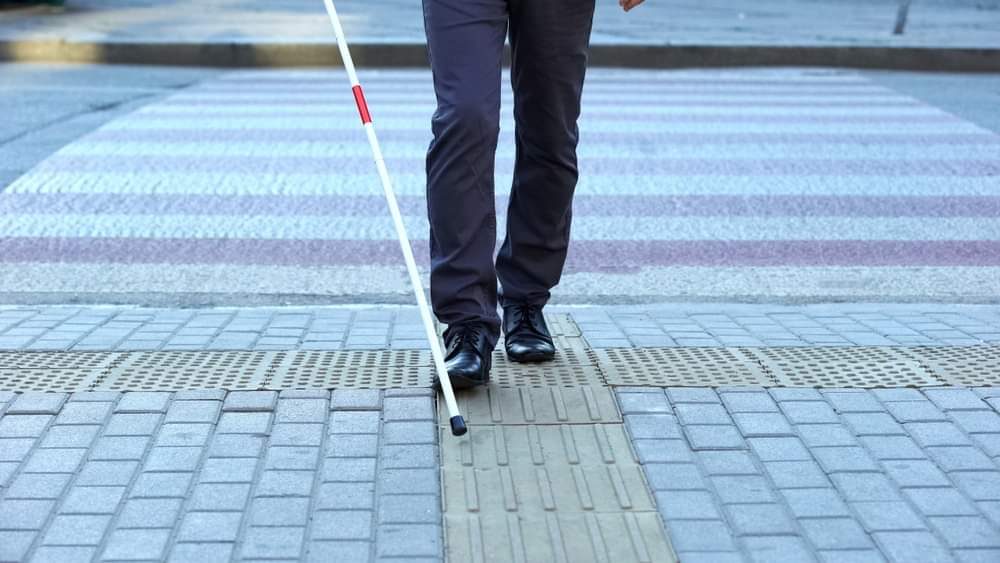
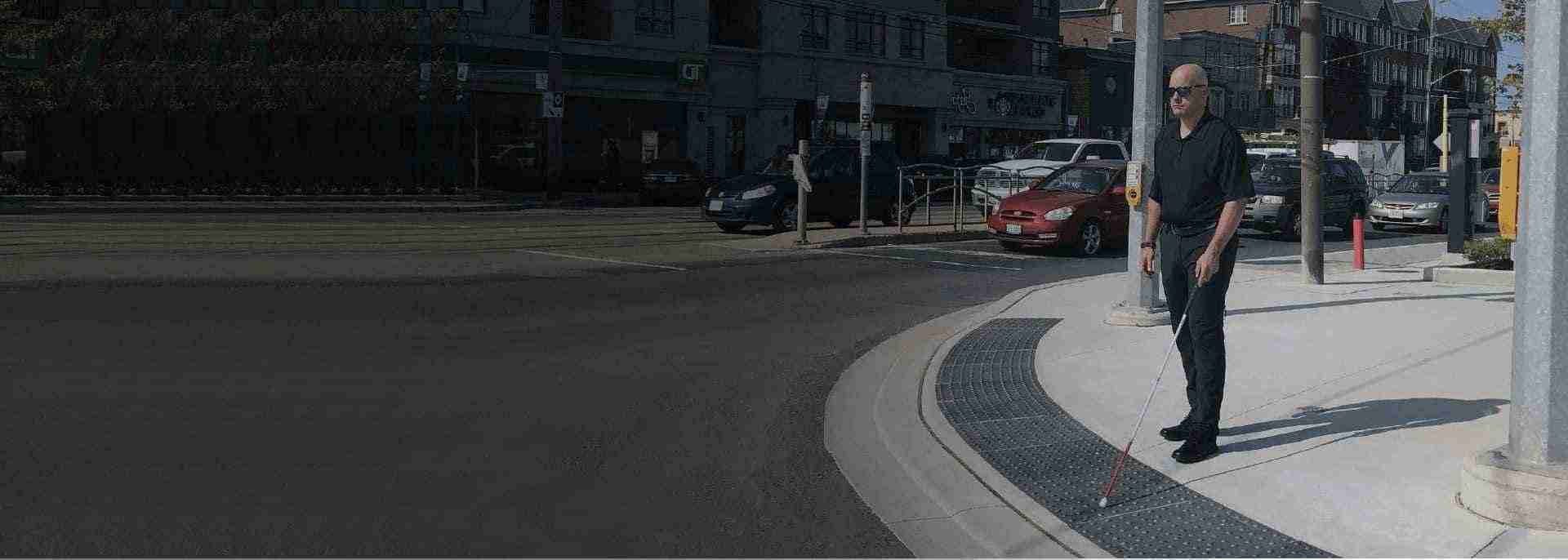
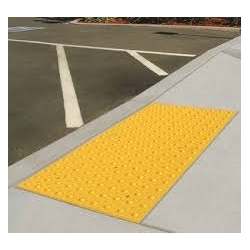
TWSIs are specific, heavily textured surfaces installed on the ground. We supply them in two main types: truncated attention domes (which signal an upcoming hazard like a stairwell or traffic route) and elongated wayfinding bars (which guide a person safely along a clear path). They are designed to be felt underfoot or through a white cane by visually impaired individuals.
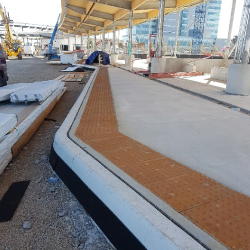
It saves tens of thousands of dollars. Installing cast-in-place tiles during an initial concrete pour requires a fraction of the labor compared to a post-occupancy retrofit. Retrofits demand heavy machinery to grind finished floors, specialty adhesives, and premium after-hours labor rates to avoid disturbing residents.
If your building is seven stories or higher, local fire codes and the NBC usually dictate that materials in emergency escape routes must meet specific flammability and smoke generation standards. We provide FR-rated tactile tiles to ensure your stairwell landings remain structurally intact and safe during a severe fire.
We supply a full range of fully compliant, heavy-duty tactile warning systems directly through Tactile Solution Canada. We ship nationwide to contractors, developers, and facility managers, ensuring you have the exact materials you need to pass inspection.
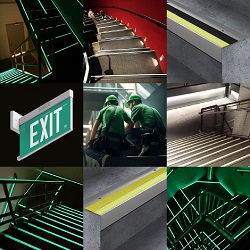
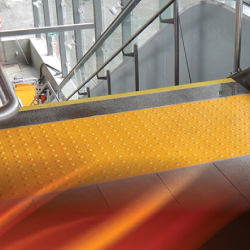
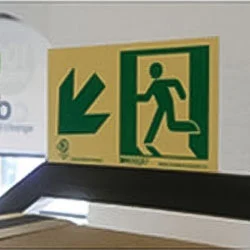
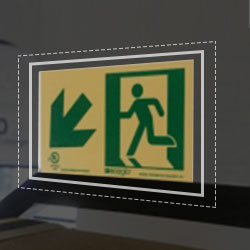
Our Ecoglo photoluminescent products absorb ambient light and will glow continuously for up to 90 minutes in total darkness, which provides more than enough time for a safe building evacuation. With proper care, the photoluminescent technology itself lasts for decades without any degradation in performance.
Failing to plan is essentially planning to fail, especially in the high-stakes, heavily regulated world of Canadian real estate development. Waiting until the final coat of paint dries to consider accessibility is a massive financial gamble that contractors, landscapers, and developers simply cannot afford to take. By adopting a pre-construction mindset, we effectively transform strict regulatory obligations into a distinct, marketable strategic advantage.
Are you ready to future-proof your next high-rise condominium project and entirely avoid the nightmare of post-occupancy retrofits? Let our dedicated team of accessibility experts guide your blueprints to reality. Visit Tactile Solution Canada today, explore our Find Right Solution tool, and let us partner to build inclusive, stunning spaces that confidently stand the test of time.