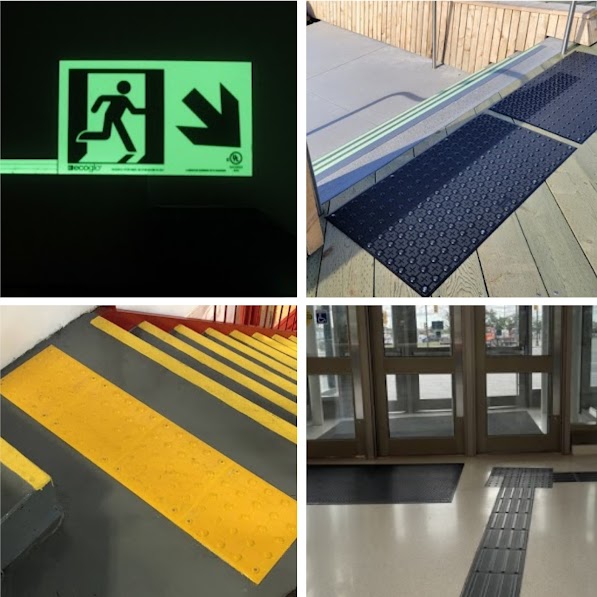
Bringing an older building up to modern accessibility codes sounds like a massive headache. Most property managers picture heavy jackhammers, clouds of concrete dust, and weeks of closed entrances.
You might worry that upgrading your facility will disrupt tenants and drain your reserve fund. Thankfully, you do not have to tear up your floors to achieve full compliance.
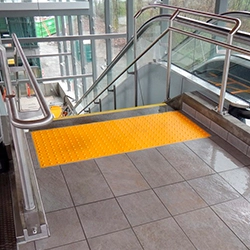
Surface-applied tactile systems allow you to install vital safety markers over existing hard surfaces quickly and affordably. At Tactile Solution Canada, we supply the exact hardware you need to make old structures safe and compliant.
Let us look at a real scenario from a municipal office building in Ontario. Julian manages a property built in the late 1970s. The facility features cured concrete walkways and polished interior tile.
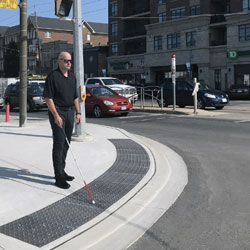
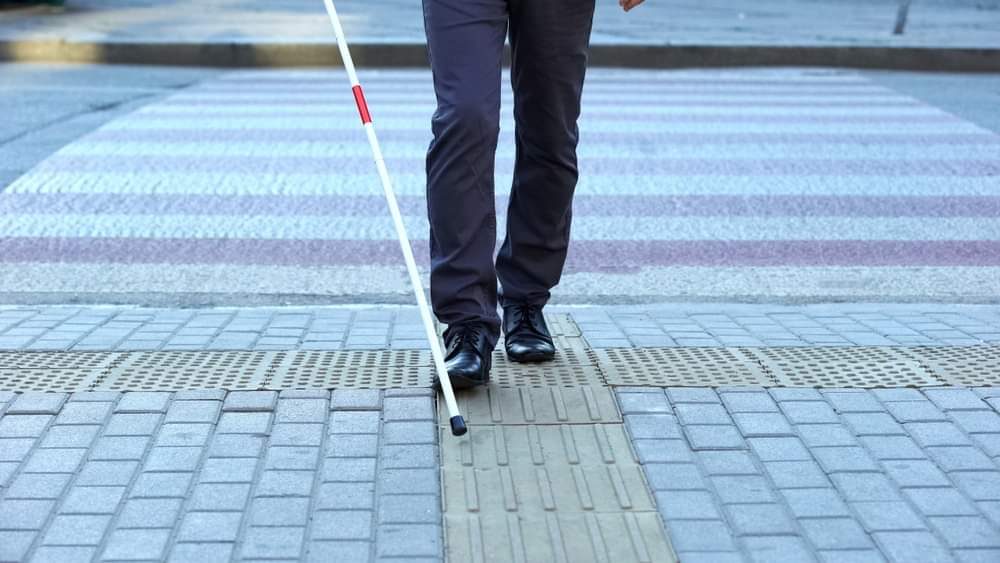
Last year, a local safety inspector noted that the building lacked mandatory Tactile Walking Surface Indicators (TWSI) at major hazard transitions. Julian panicked because the building budget was tight and tenants could not tolerate a noisy, multi-week demolition project.
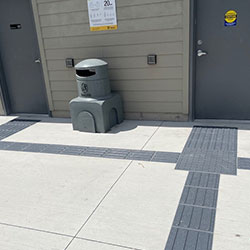
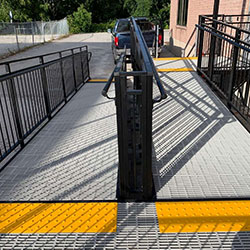
He discovered that he did not need to pour new concrete. He opted for surface-applied tactile products that adhere directly to the existing substrate.
His maintenance crew completed the installation over a single weekend. Julian passed his follow-up safety audit easily, keeping both the inspector and his tenants happy.
When building from scratch, contractors pour fresh concrete and embed tactile plates directly into the wet mix. That process is called cast-in-place installation.
In an existing building, your concrete or tile floor is already fully cured and solid. Trying to sink a cast tile into hardened concrete requires cutting and hammering out large sections of your floor.
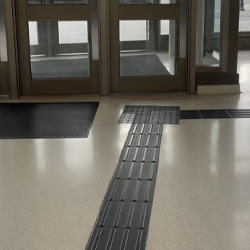
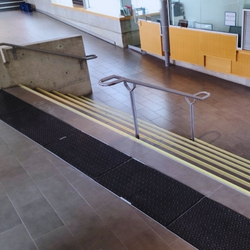
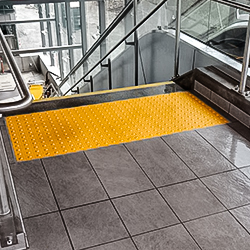
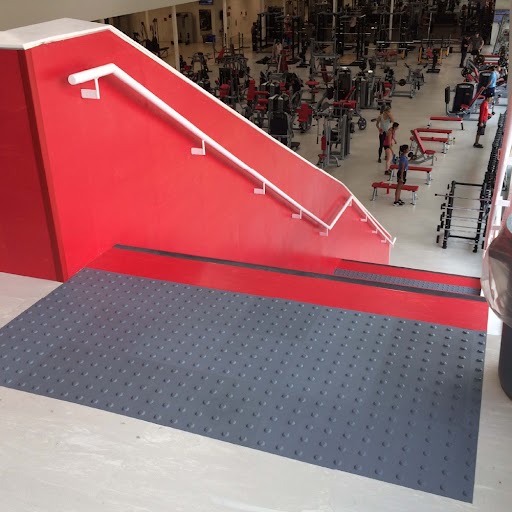
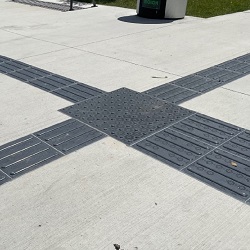
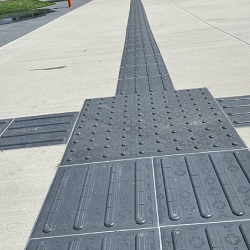
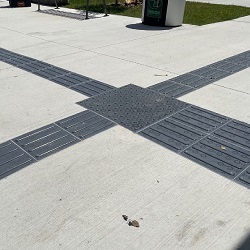
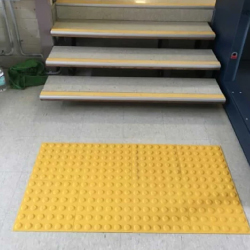
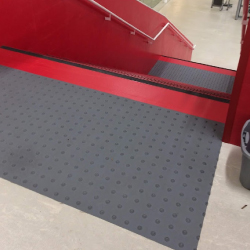
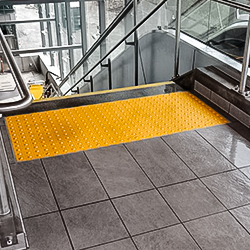
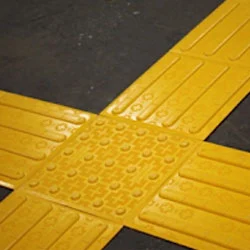
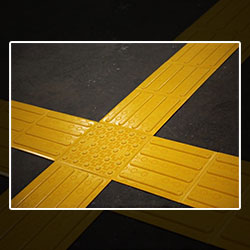
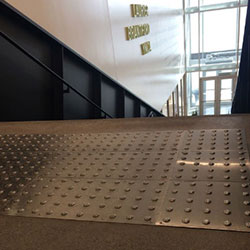
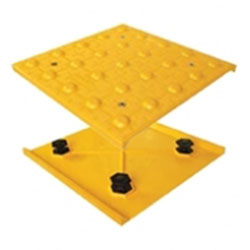
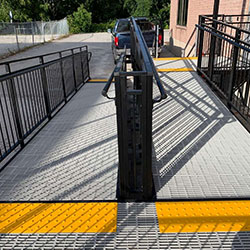
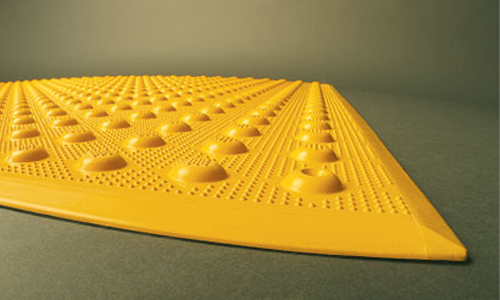
Surface-applied products eliminate that destruction entirely. These specialized tiles and plates rest flat on top of your current floor, secured by high-strength structural adhesives and mechanical fasteners.
Choosing the right product depends on your specific traffic levels, interior design, and budget. We stock industry-leading solutions designed specifically for fast, reliable retrofitting.
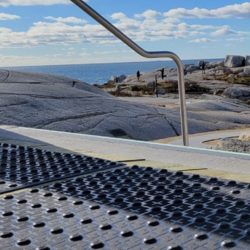
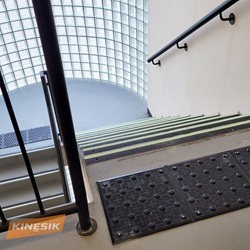
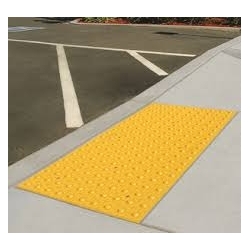
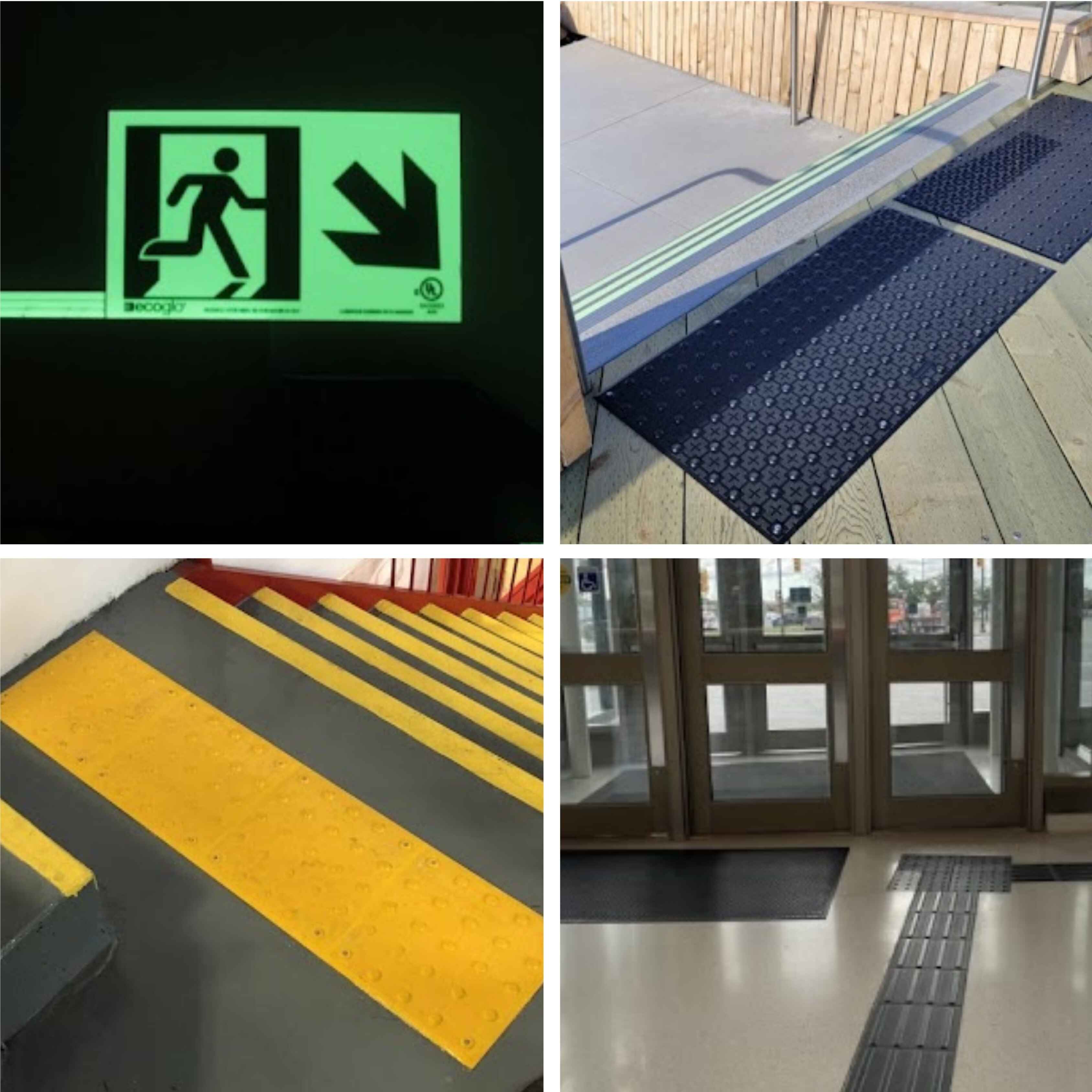
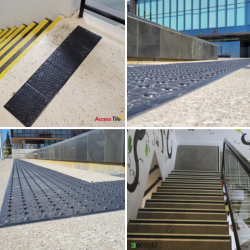
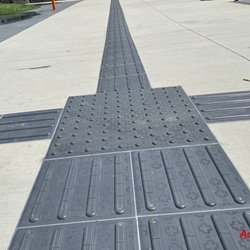
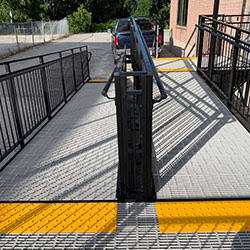
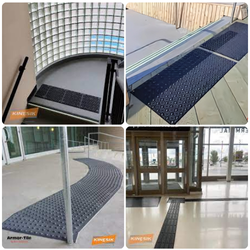
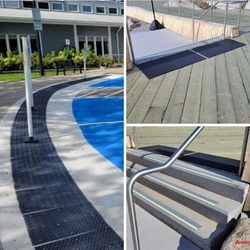
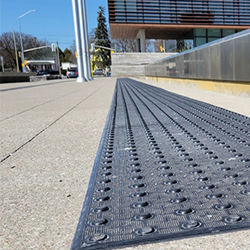
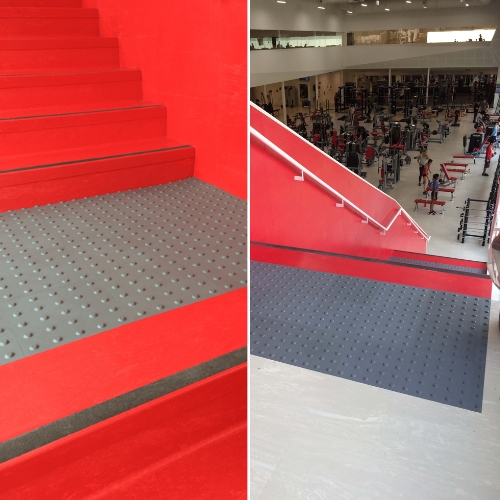
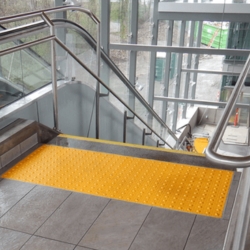
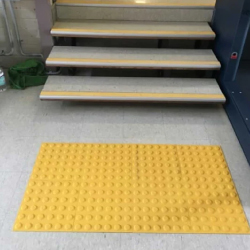
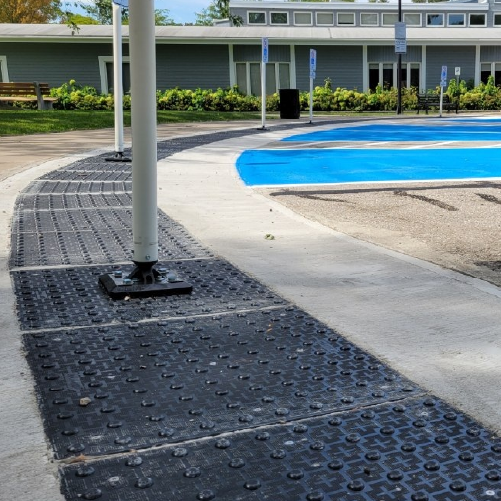
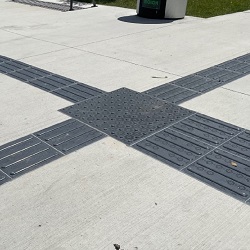
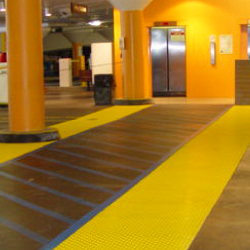
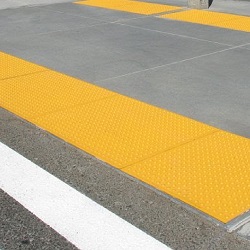
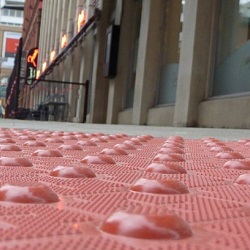
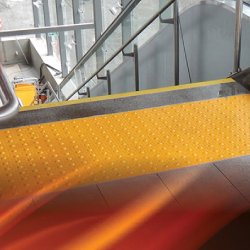
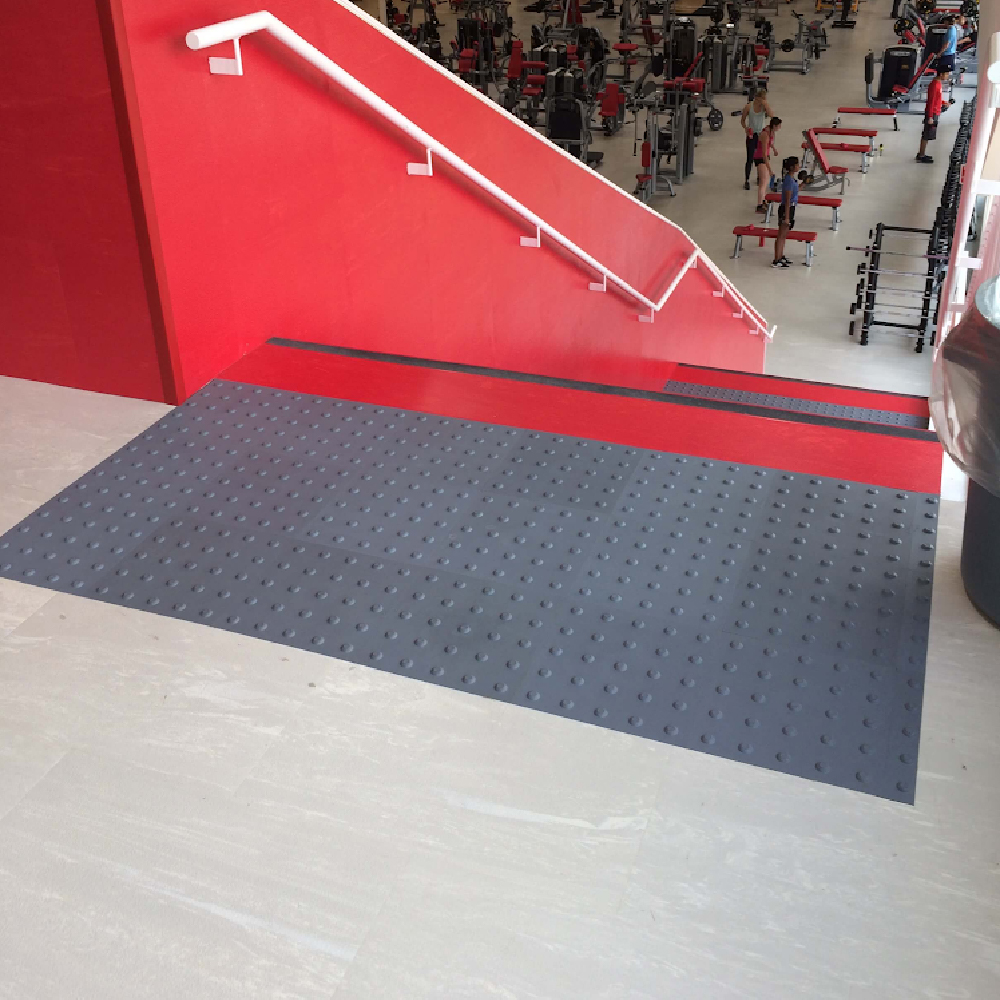
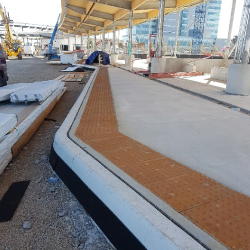
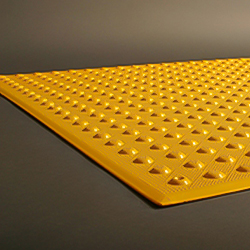
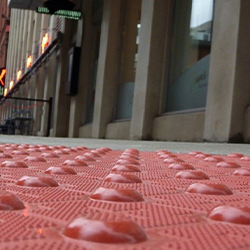
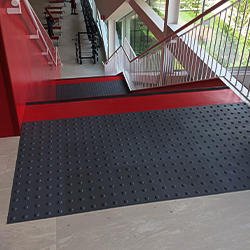
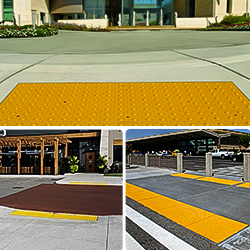
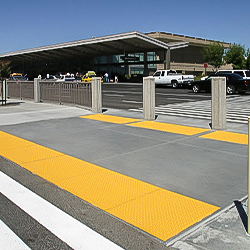
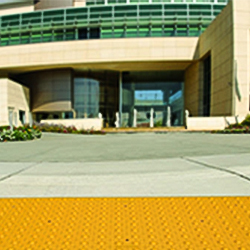
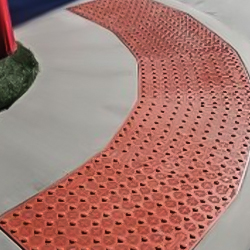
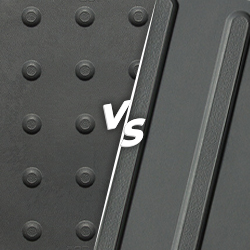
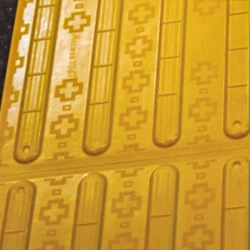
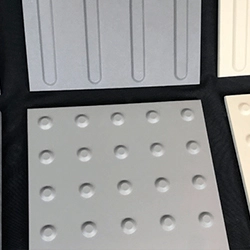
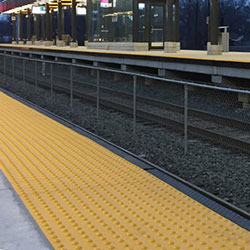
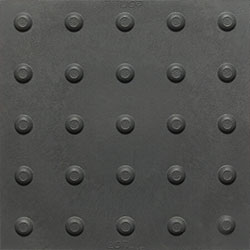
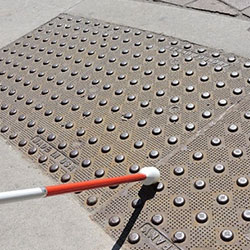
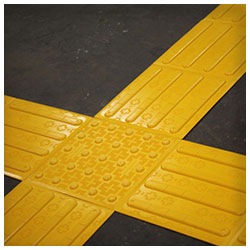
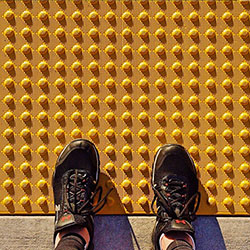
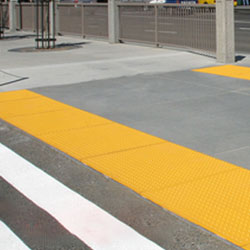
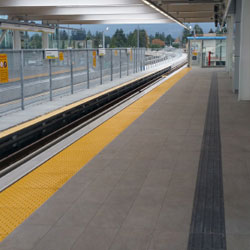
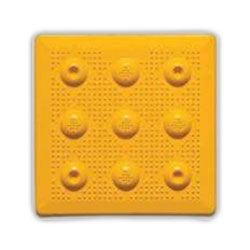
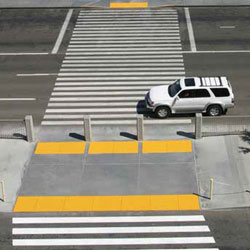
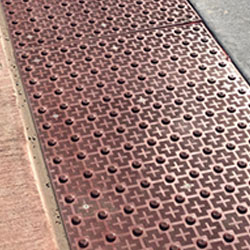
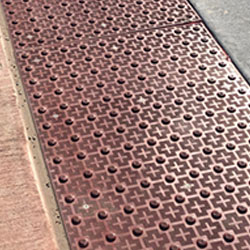
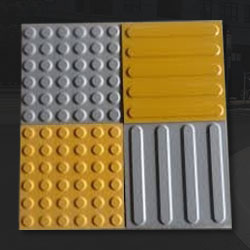
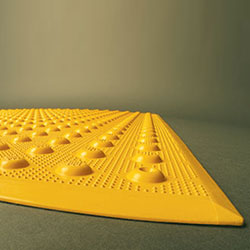
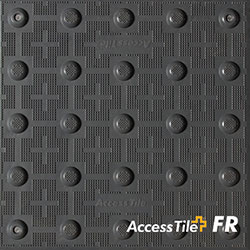
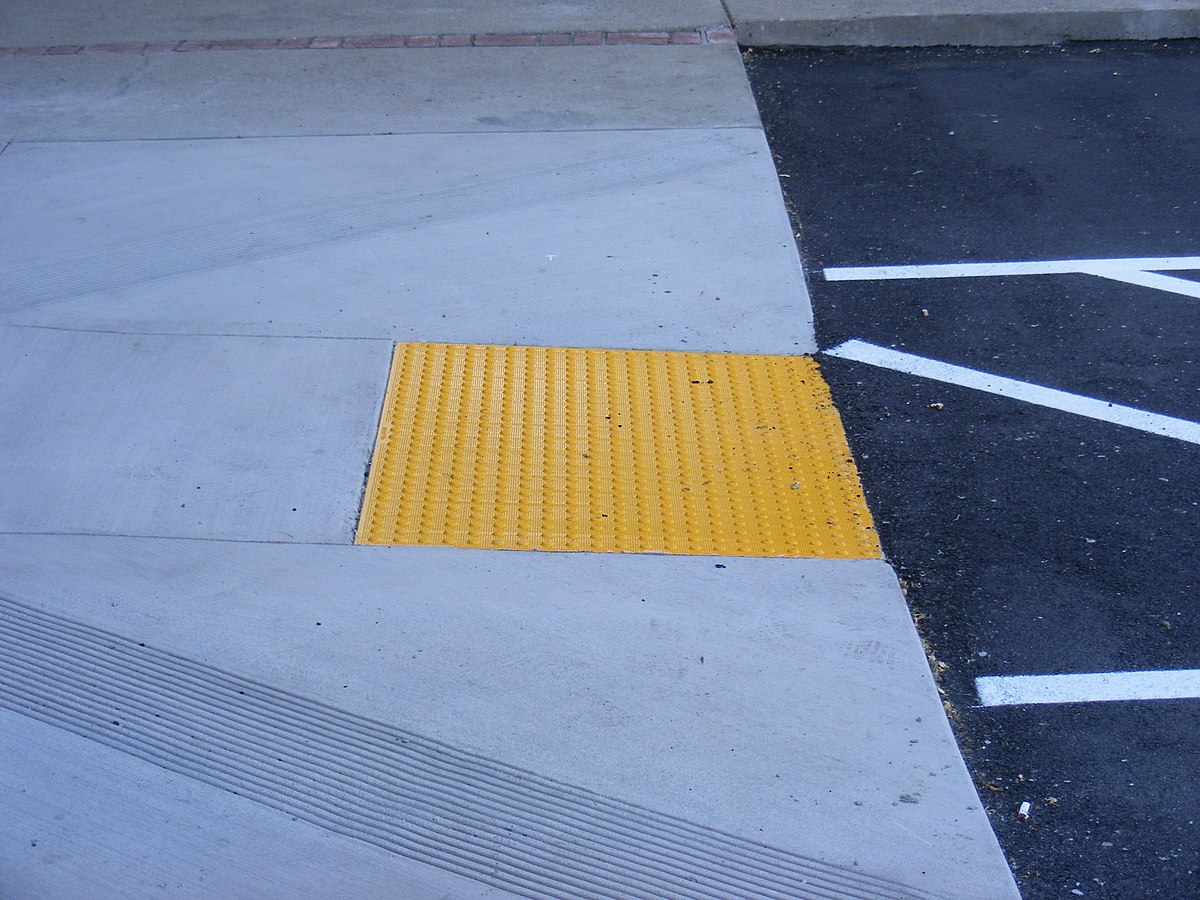
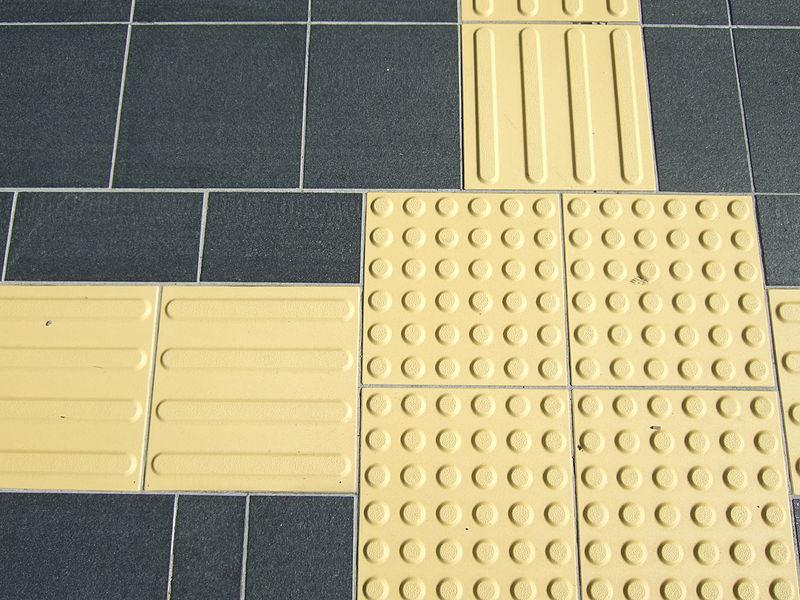
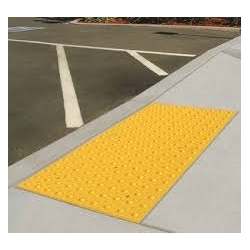
Access Tile products are a favorite among property managers for affordable code compliance. These engineered polymer tiles feature raised truncated domes that warn pedestrians of upcoming hazards. They apply easily to existing concrete paths and transit platforms.
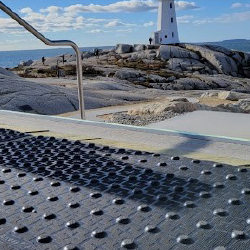
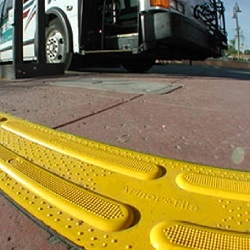
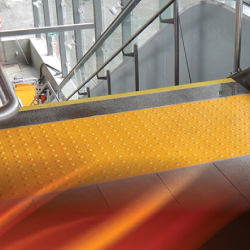
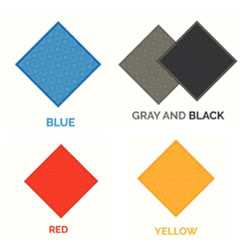
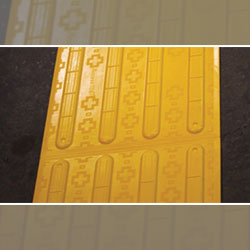
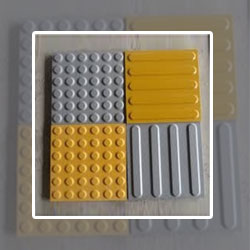
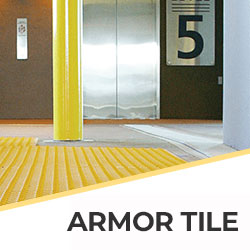
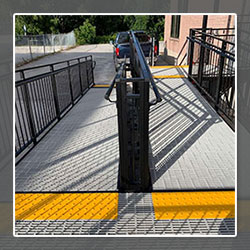
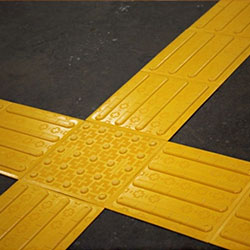
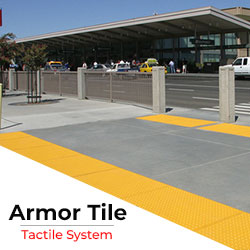
Armor Tile sets the benchmark for durability in polymer composite safety systems. These tiles come in multiple high-contrast colours to meet strict visual requirements. They resist heavy foot traffic and harsh outdoor weather without losing their tactile profile.
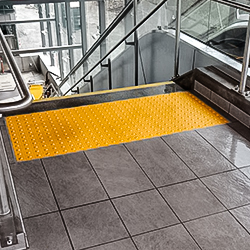
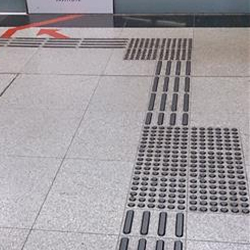
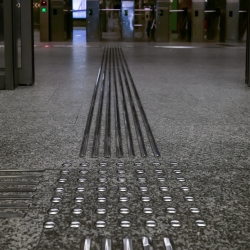
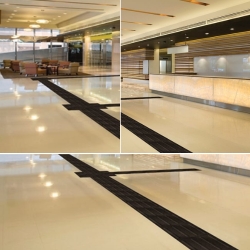
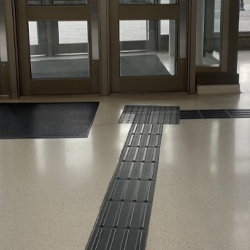
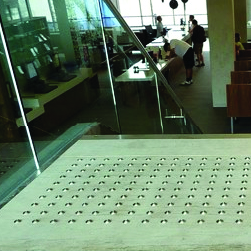
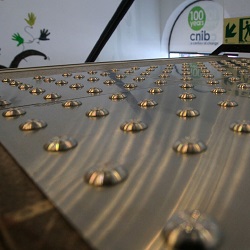
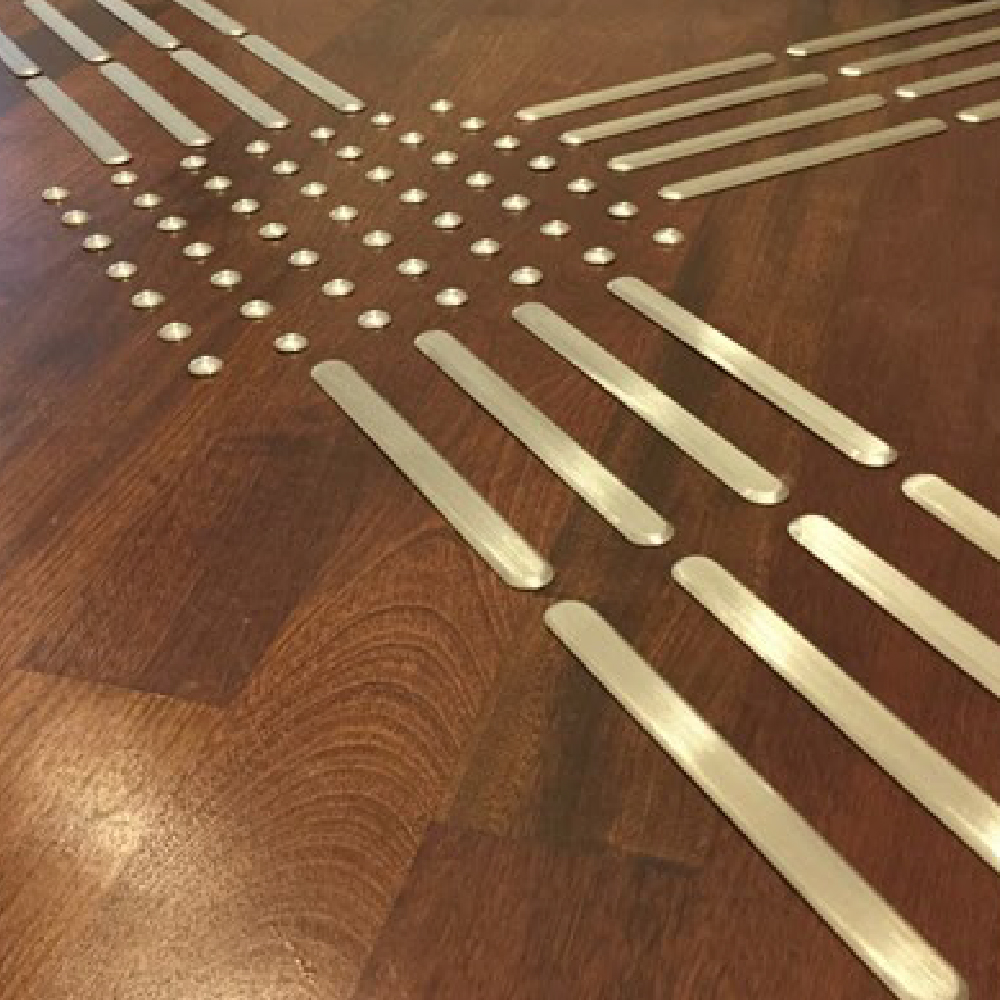
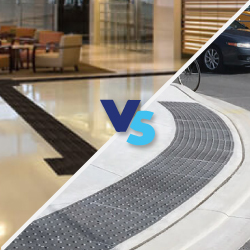
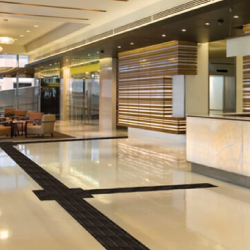
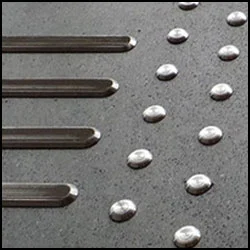
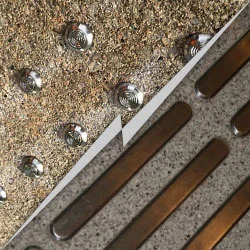
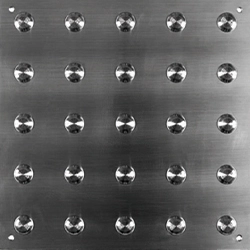
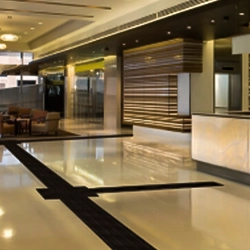
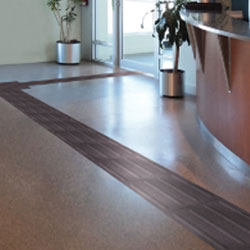
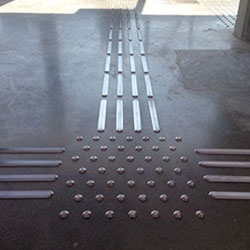
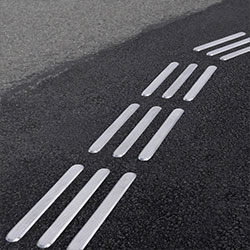
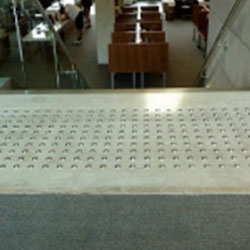
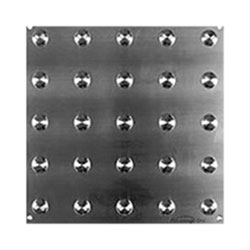
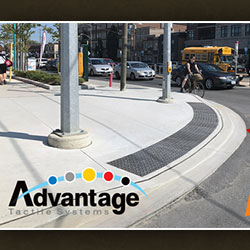
If your existing building features high-end stone or terrazzo, you do not want to cover the floor with solid plastic mats. Advantage stainless steel components allow you to drill individual metal domes and wayfinding bars directly into the substrate. This preserves your expensive flooring while providing a sleek, modern finish.
The secret to a successful retrofit is proper surface preparation. Even the best tactile tile will fail if you glue it to dirty or crumbling concrete.
Follow these professional guidelines to guarantee a lasting bond:
Renovating an older facility means you must satisfy current national and provincial standards. Property owners often ask if minor upgrades trigger full compliance mandates.
Generally, when your renovation scope exceeds twenty-five percent of the facility value, or when structural additions increase your floor area significantly, code compliance becomes mandatory.
Your retrofit must align with key regulatory benchmarks:
Upgrading an older building does not require an overwhelming construction budget or weeks of tenant disruption. Surface-applied tactile indicators provide a fast, affordable pathway to full accessibility compliance.
By investing in quality materials and following proper preparation steps, you protect your visitors and fulfill your legal obligations.
At Tactile Solution Canada, we supply the most reliable retrofit products on the market, from Access Tile polymers to Advantage stainless steel systems.
Explore our complete product catalog today or contact our team to find the perfect safety solution for your existing property. Let us help you modernize your facility safely and efficiently.
Cast-in-place tiles are embedded directly into wet concrete during new construction. Surface-applied tiles are adhered and screwed onto existing, hardened surfaces, making them the ideal choice for retrofitting older buildings.
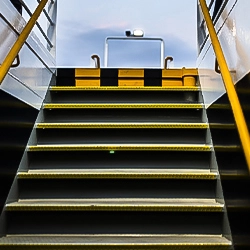
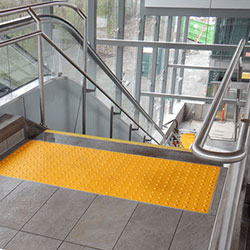
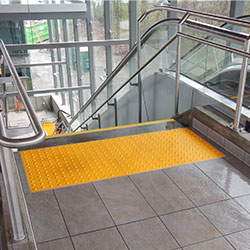
You must install tactile indicators when undertaking substantial renovations, modifying paths of travel, or when directed by a municipal accessibility audit. Attention domes are mandatory at the top of stairs, platform edges, and transit drop-offs.
Yes, you can. Engineered polymer tiles bond effectively to asphalt when installed with outdoor-rated structural adhesives and mechanical anchors.
Inspect your tiles annually for any signs of wear or debonding. Clean them using non-abrasive detergents and water to keep the tactile profile clear and visible. Promptly replace any damaged sections to maintain safety.
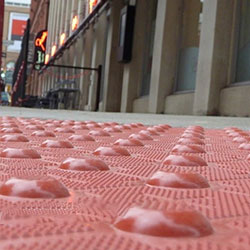
High-quality surface-applied tiles feature engineered beveled edges. These sloped edges allow wheelchairs, strollers, and foot traffic to glide smoothly over the transition without catching a toe.