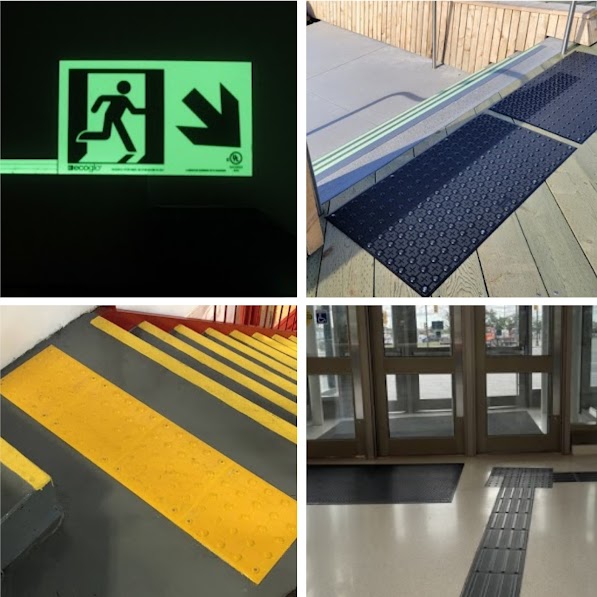
Let’s be honest for a second that nobody truly enjoys the monthly grind of testing emergency lights. Climbing ladders, swapping out dead batteries, and crossing your fingers that the backup generator actually kicks in when it counts... It’s a headache for every building manager we’ve ever met. But beyond the maintenance fatigue, there is a serious responsibility resting on your shoulders: ensuring that every single person in your building can find their way out, even if the grid fails completely.
Here at Tactile Solution Canada, we have noticed a massive shift in how Canadian contractors and property owners are tackling this problem. It’s moving away from complex electrical reliance toward "passive safety" systems. We are talking about Photoluminescent (PL) technology. It’s not just about meeting the National Building Code (though we will cover that in detail); it’s about installing a system that simply cannot fail because of a burnt-out bulb or a dead battery. Today, let’s walk through what you actually need to know to get your building up to code and safer than ever.
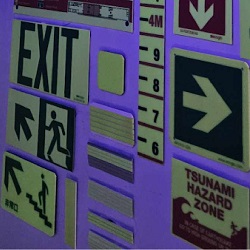
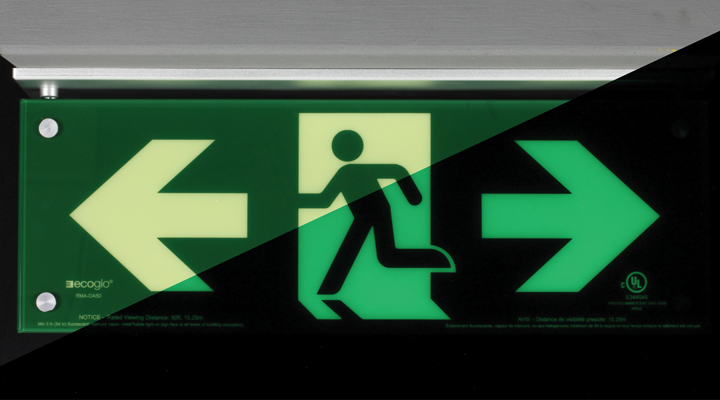
Before we get into the nitty-gritty of photoluminescent exit signs, let’s talk about the why. Photoluminescent (PL) technology isn't magic; it’s brilliant chemistry. These signs utilize high-grade pigments - often strontium aluminate or zinc sulphide - to absorb ambient light (photons) from standard building lighting. They store this energy and, when the lights go out, re-emit it as a bright, steady glow.
Unlike traditional electric signs that rely on batteries (which can fail) or backup generators (which can delay), PL signs are "always on." They require no electricity, no batteries, and no wiring. For building owners and facility managers, this translates to zero energy consumption and significantly reduced maintenance headaches.
Canada takes building safety seriously, and the regulations surrounding exit signage are precise. If you are a contractor, architect, or building manager, sticking to the National Building Code of Canada (NBC) is non-negotiable.
To be installed in a Canadian commercial building, a photoluminescent exit sign must be certified to CAN/ULC-S572 ("Standard for Photoluminescent and Self-Luminous Signs and Path Marking Systems"). This certification ensures the sign has passed rigorous testing for:
It must be readable from a specific distance (typically 15.25m or 22.86m) in total darkness.
The sign must maintain its luminance for a minimum period, usually 60 minutes, matching the emergency lighting duration requirements of the NBC.
It must withstand environmental factors, ensuring it doesn't fade or degrade prematurely.
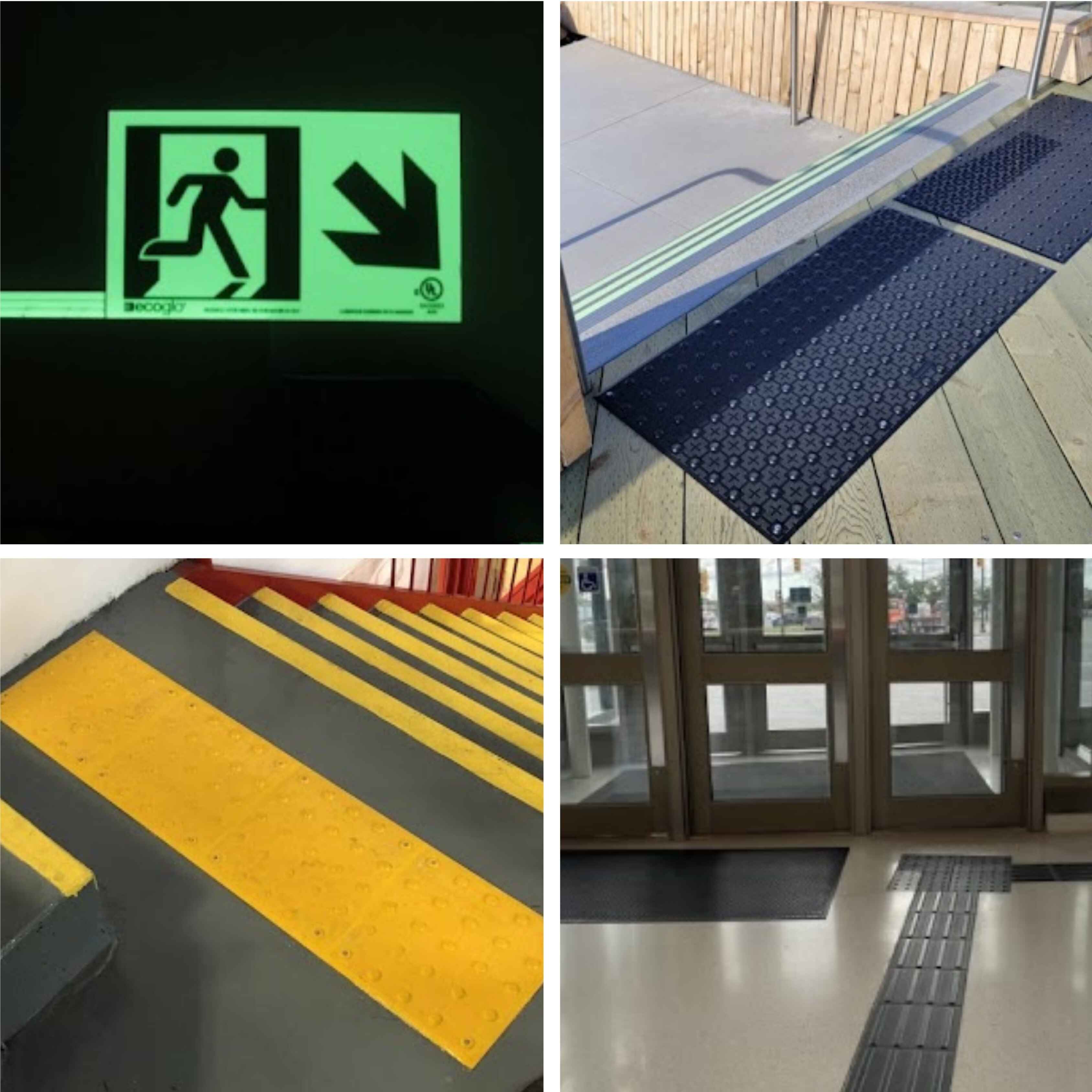
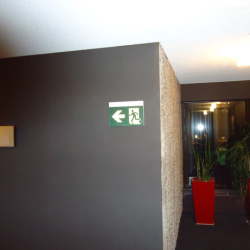
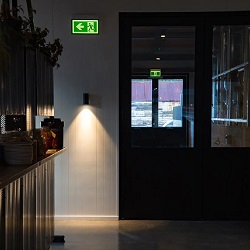
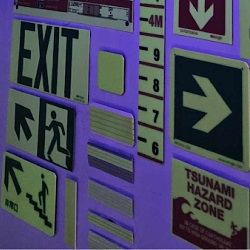
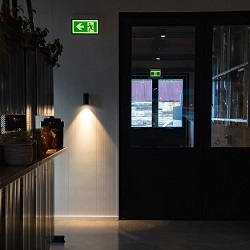
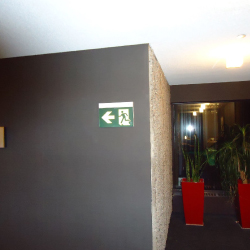
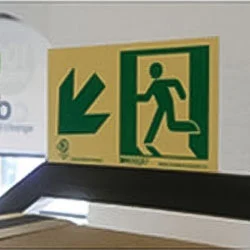
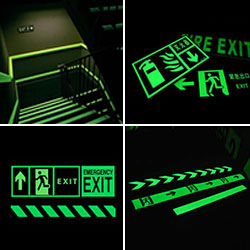
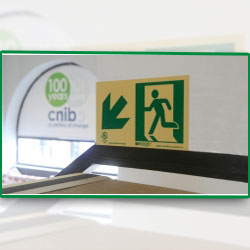
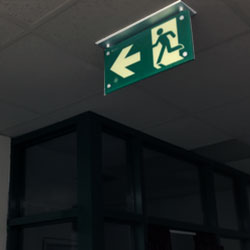
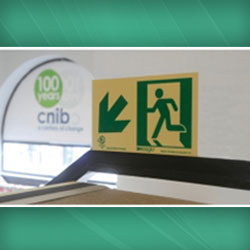
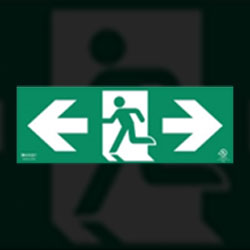
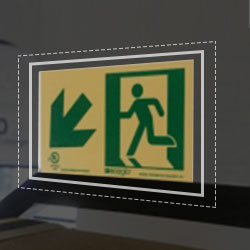
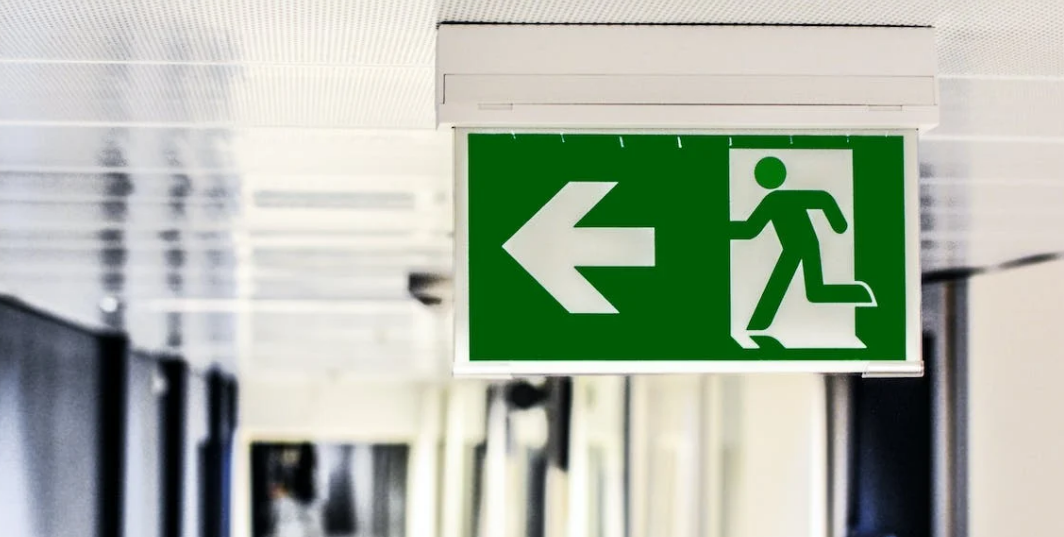
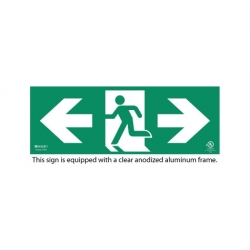
Gone are the days of the red "EXIT" text. The NBC now mandates the internationally recognized ISO 3864-1 "Running Man" pictogram. This green-and-white graphic is universal, overcoming language barriers and providing clear, intuitive direction. Whether you are in Vancouver or Halifax, the green figure running towards a door means "safety."
This is the detail that trips up many installers. Since PL signs don't have batteries, they need a "charger." In this case, the charger is the building's normal lighting.
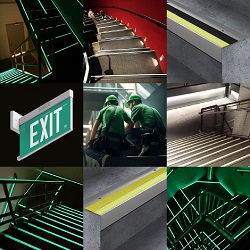
While the exit sign is the star of the show, the National Research Council (NRC) guide highlights that a truly safe stairwell uses a complete "safety wayguidance system". At Tactile Solution Canada, we specialize in this holistic approach.
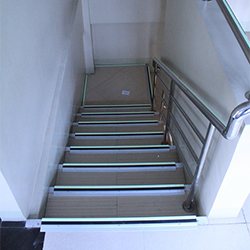
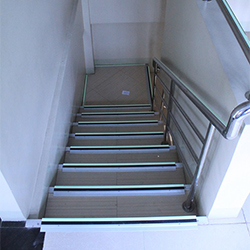
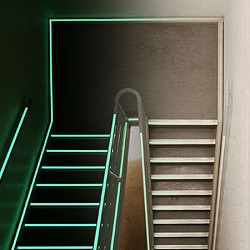
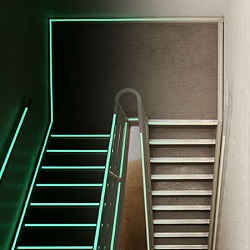
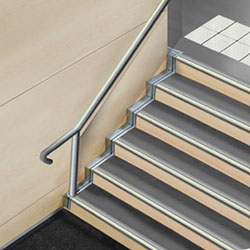
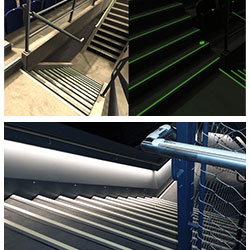
In a blackout, the biggest hazard isn't just getting lost; it’s falling. The NBC and NRC guidelines recommend (and in many high-rise cases, require) the following:
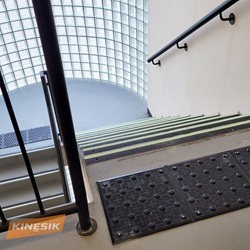
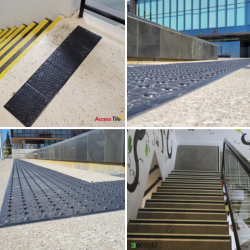
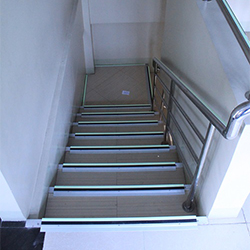
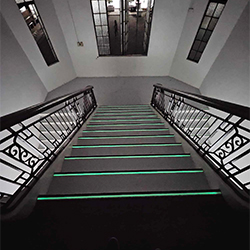
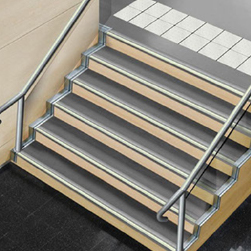
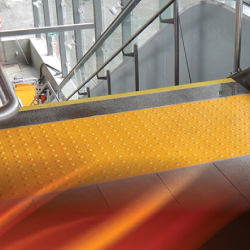
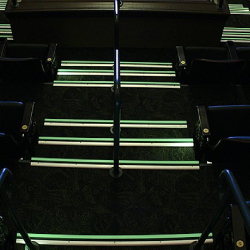
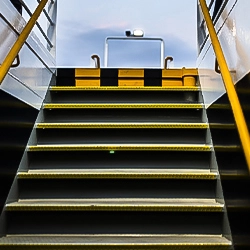
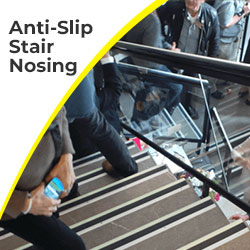
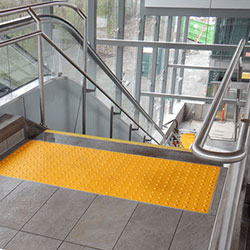
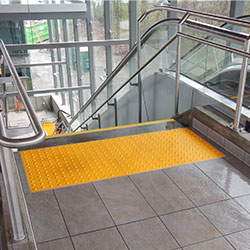
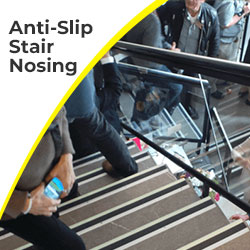
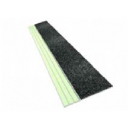
A solid, continuous strip applied to the leading edge of each step. This defines the edge of the tread, preventing slips and falls.
A continuous glowing strip along the handrail allows evacuees to orient themselves and maintain balance.
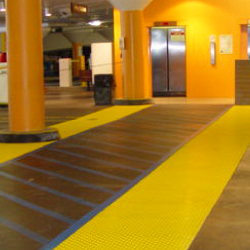
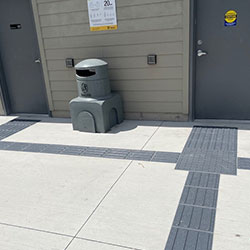
Lines marking the floor or wall perimeter (demarcation lines) help keep the flow of traffic organized and away from obstacles.
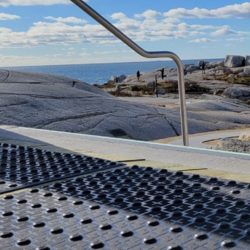
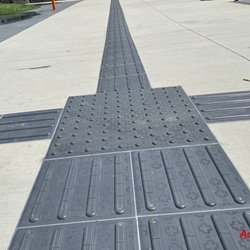
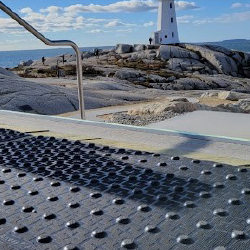
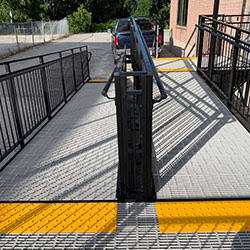
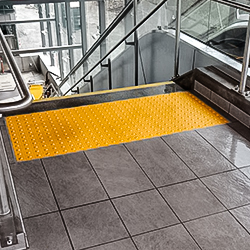
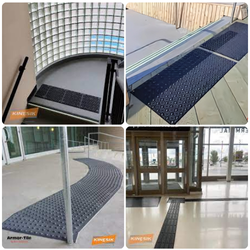
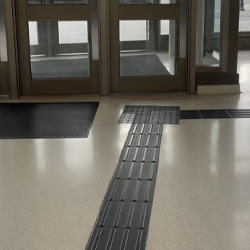
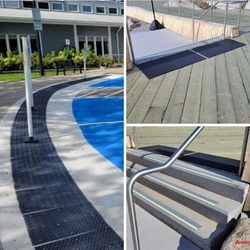
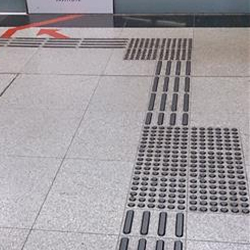
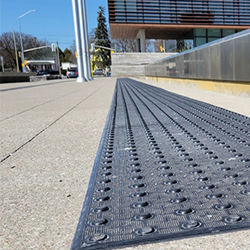
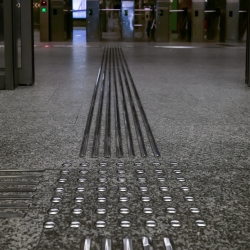
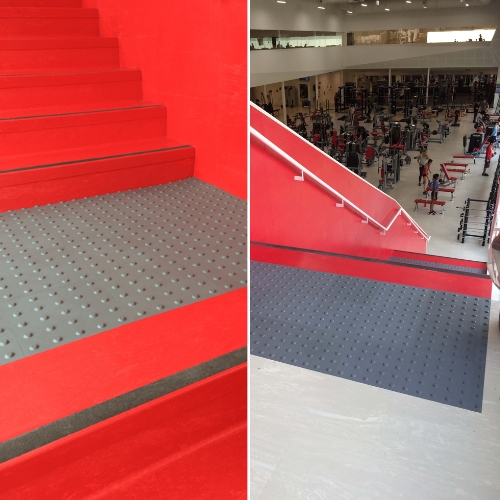
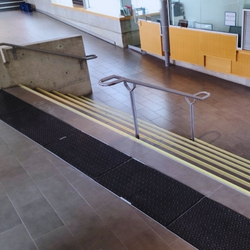
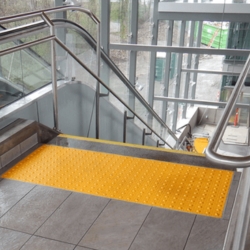
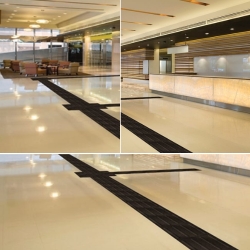
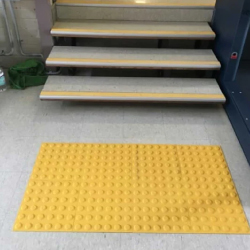
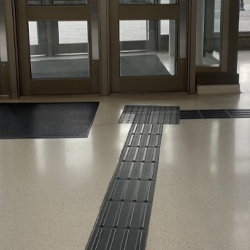
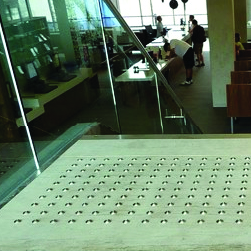
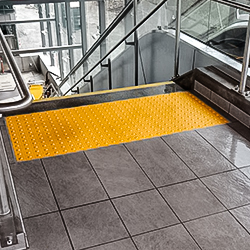
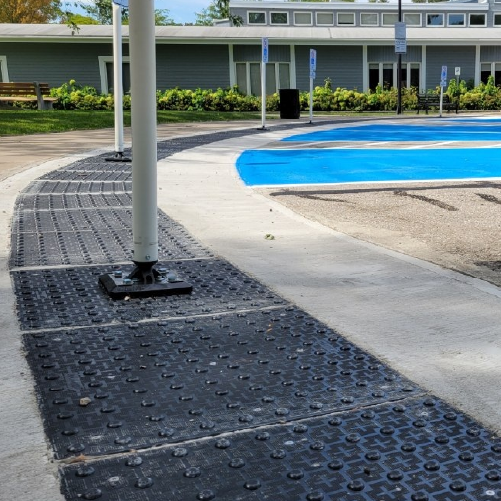
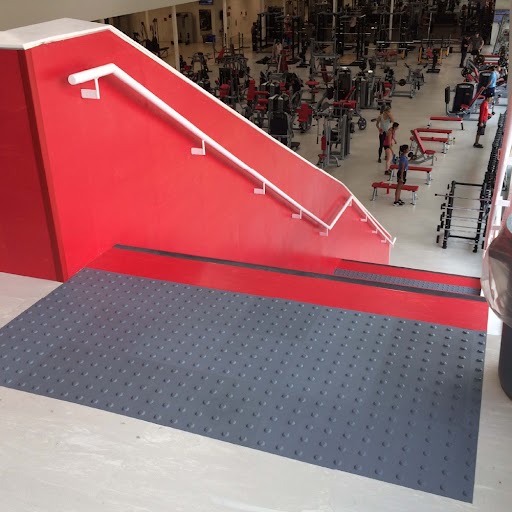
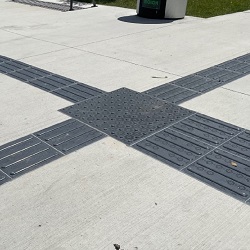
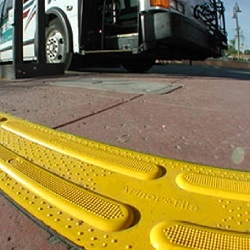
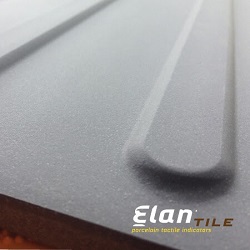
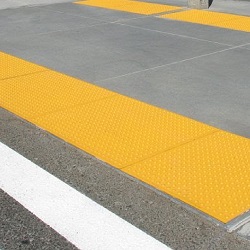
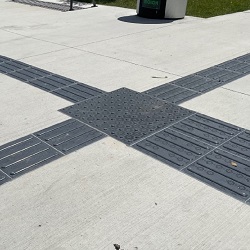
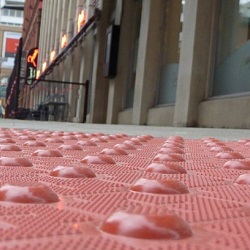
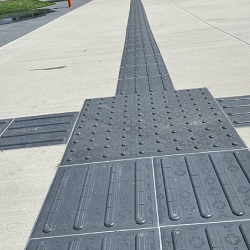
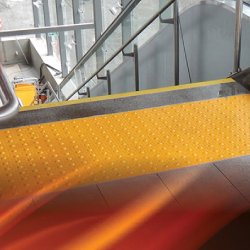
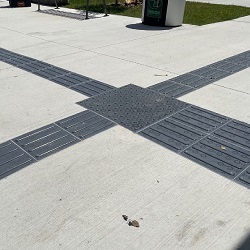
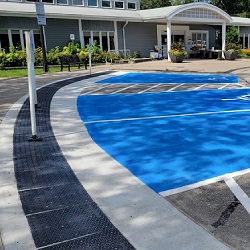
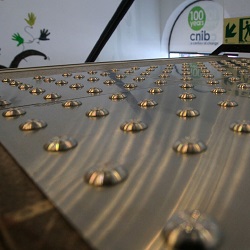
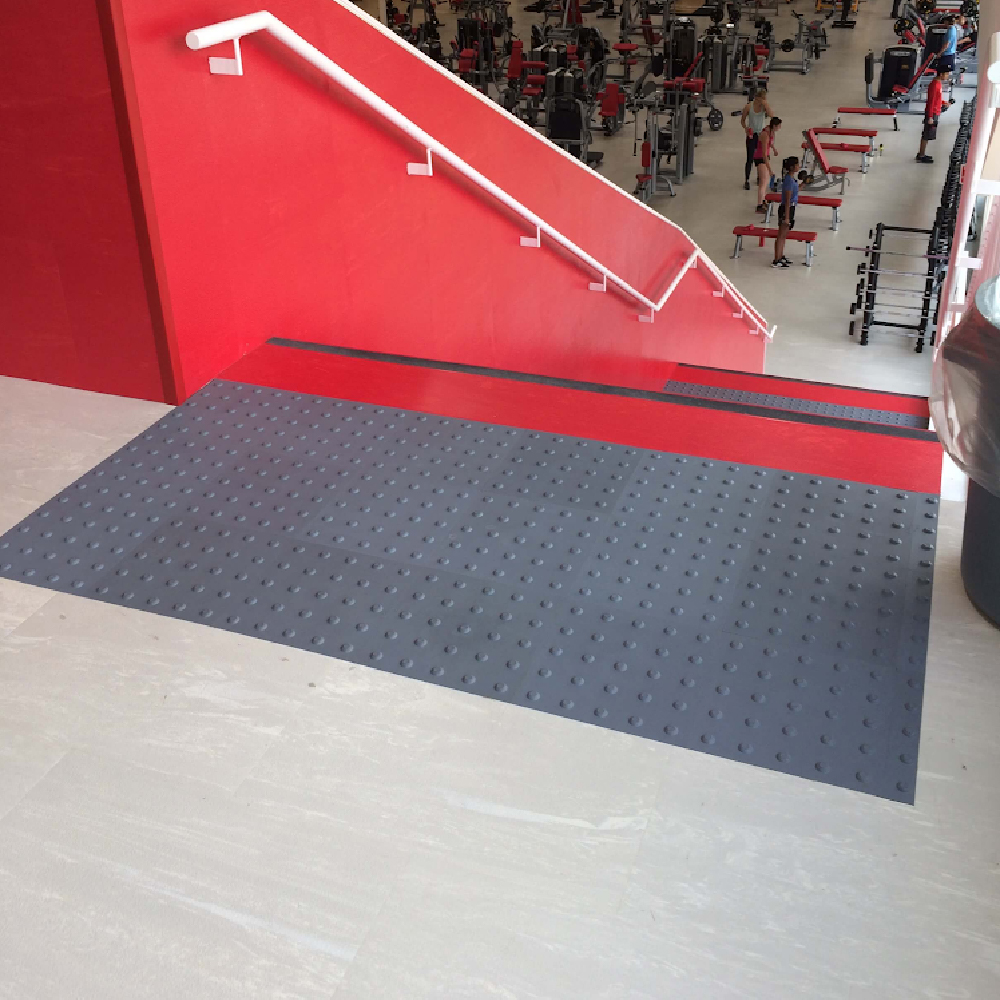
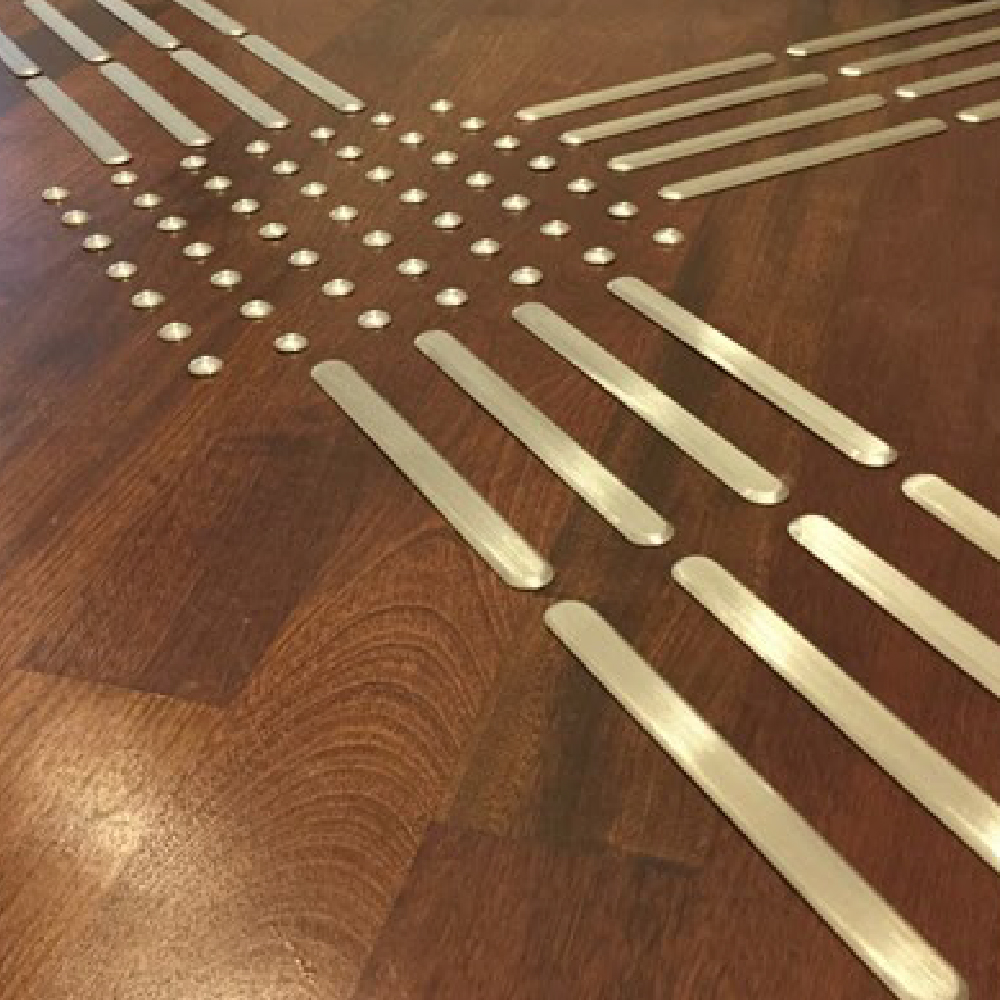
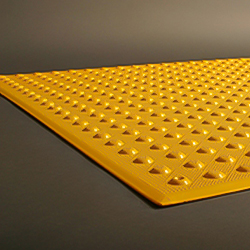
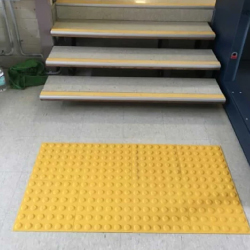
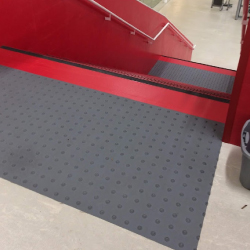
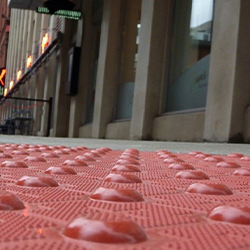
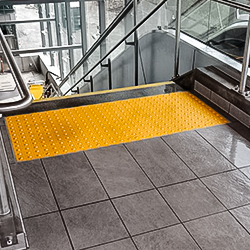
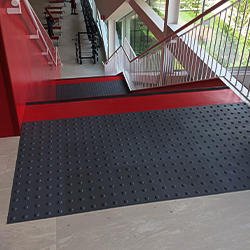
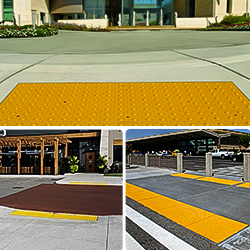
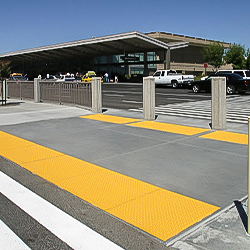
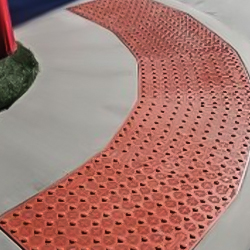
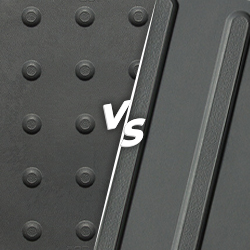
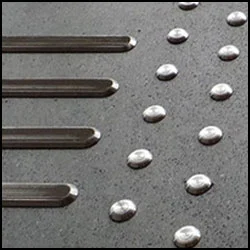
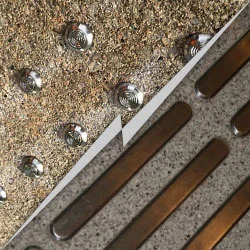
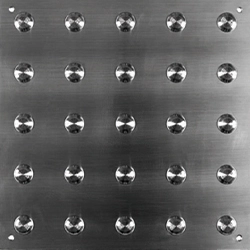
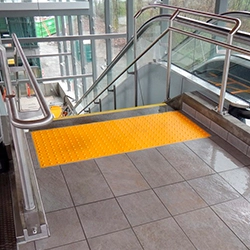
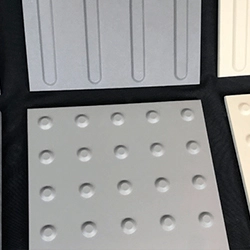
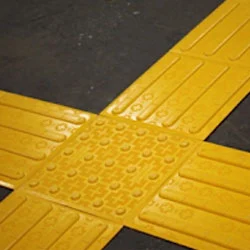
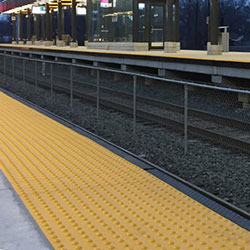
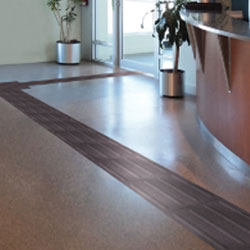
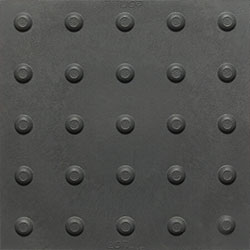
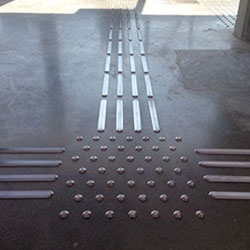
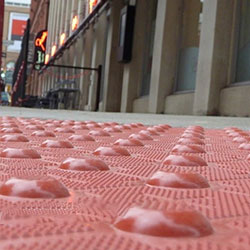
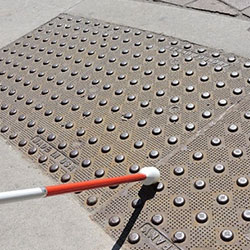
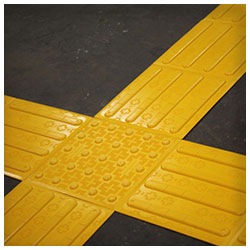
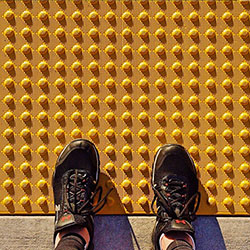
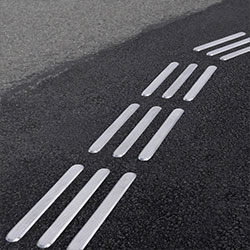
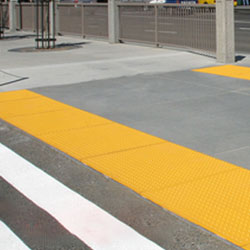
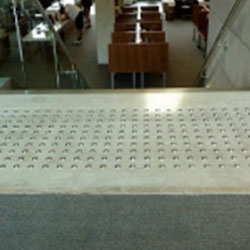
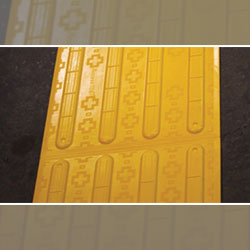
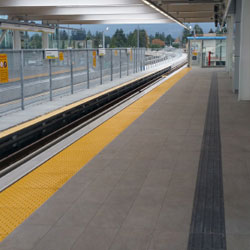
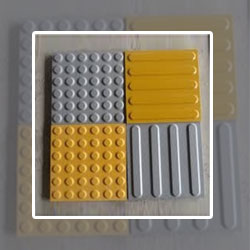
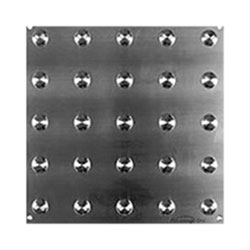
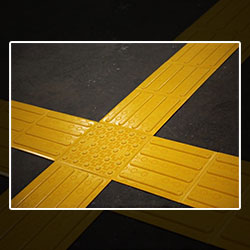
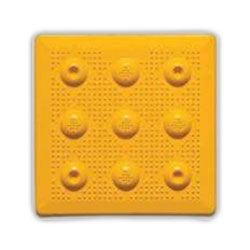
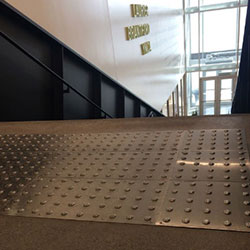
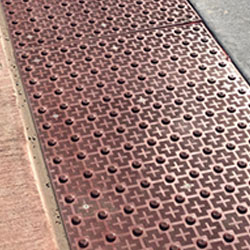
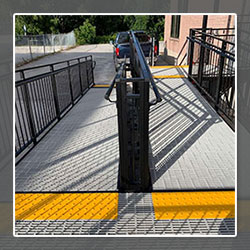
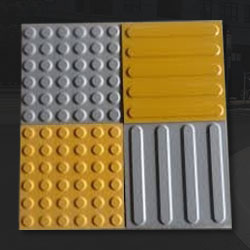
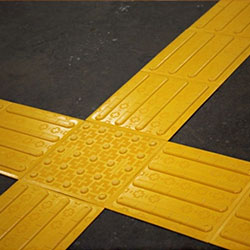
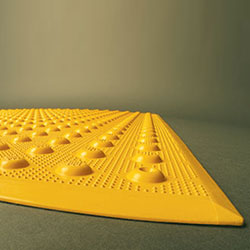
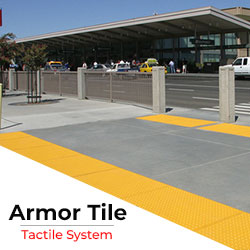
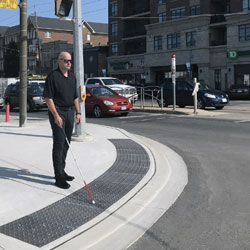
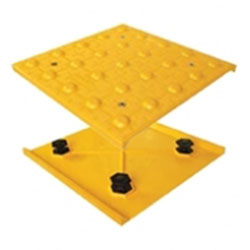
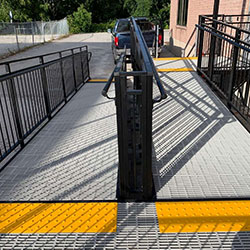
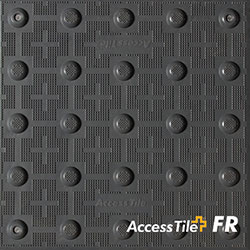
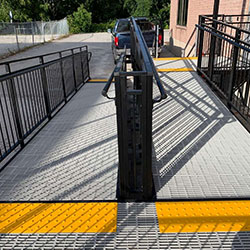
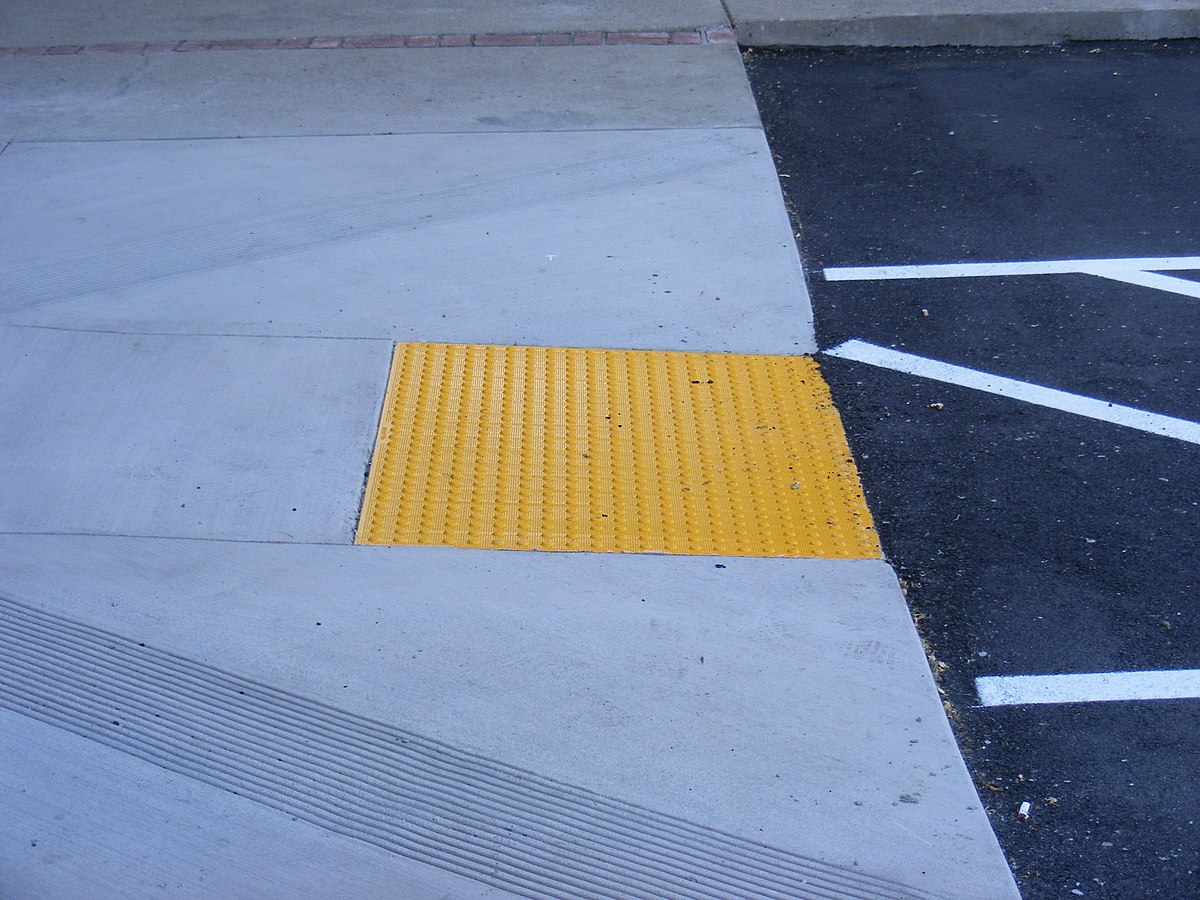
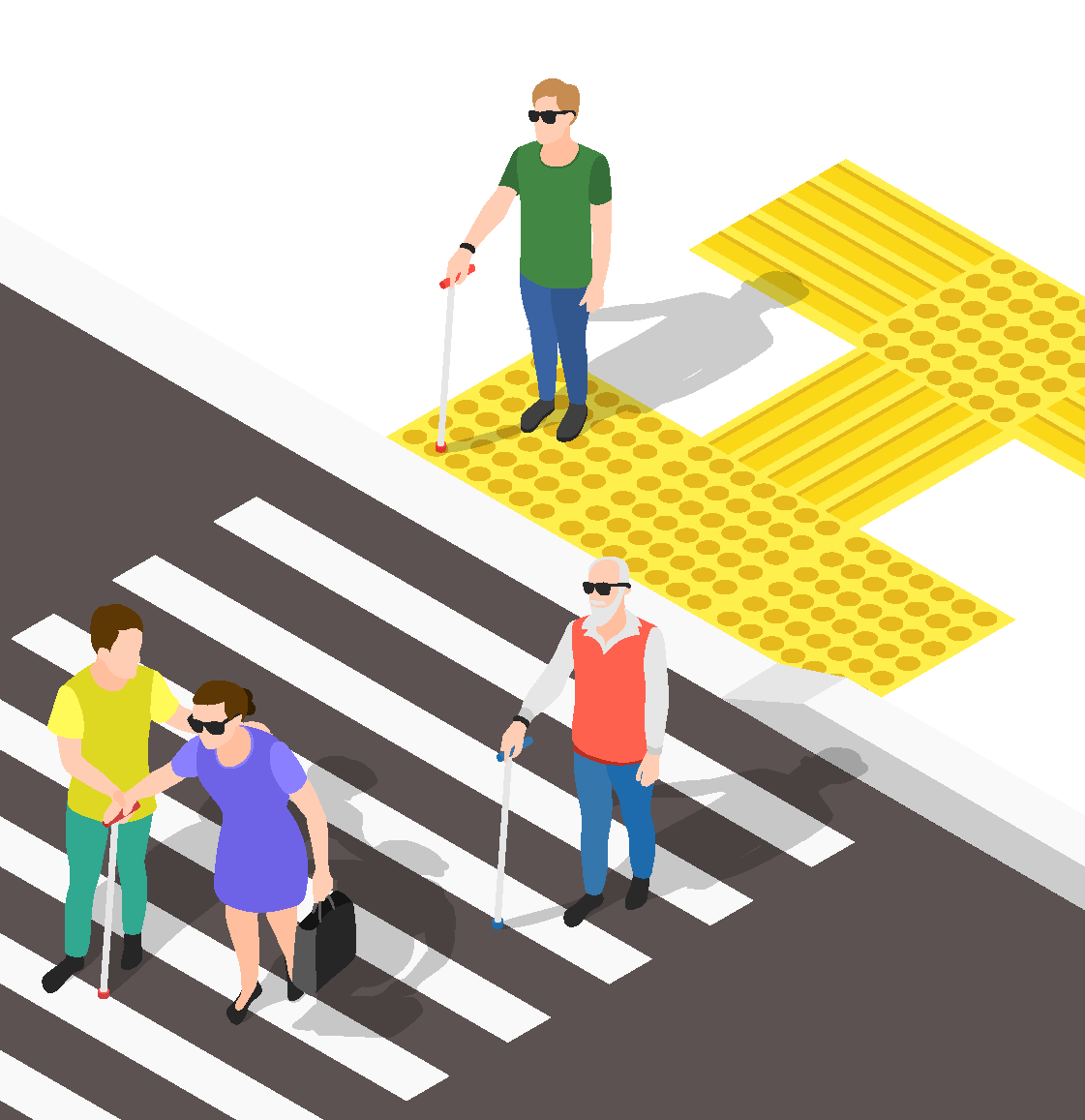
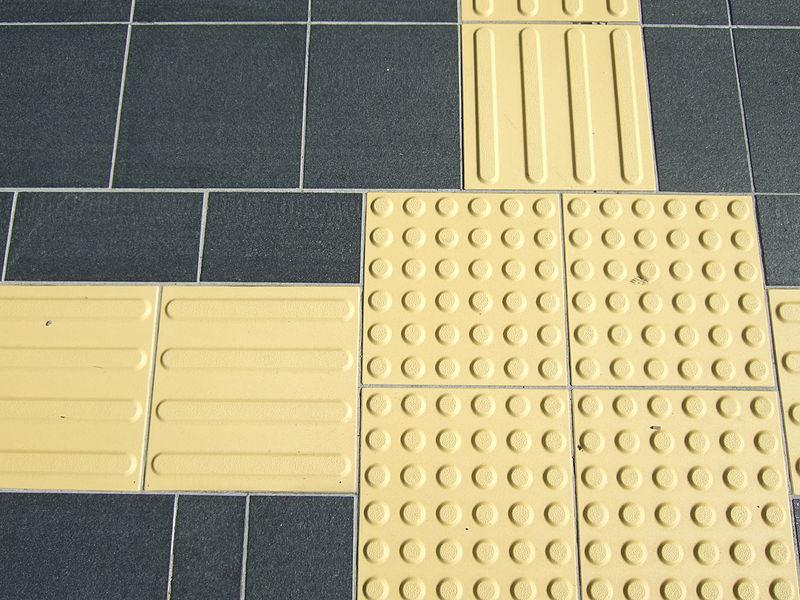
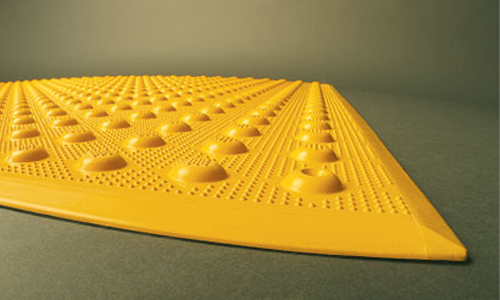
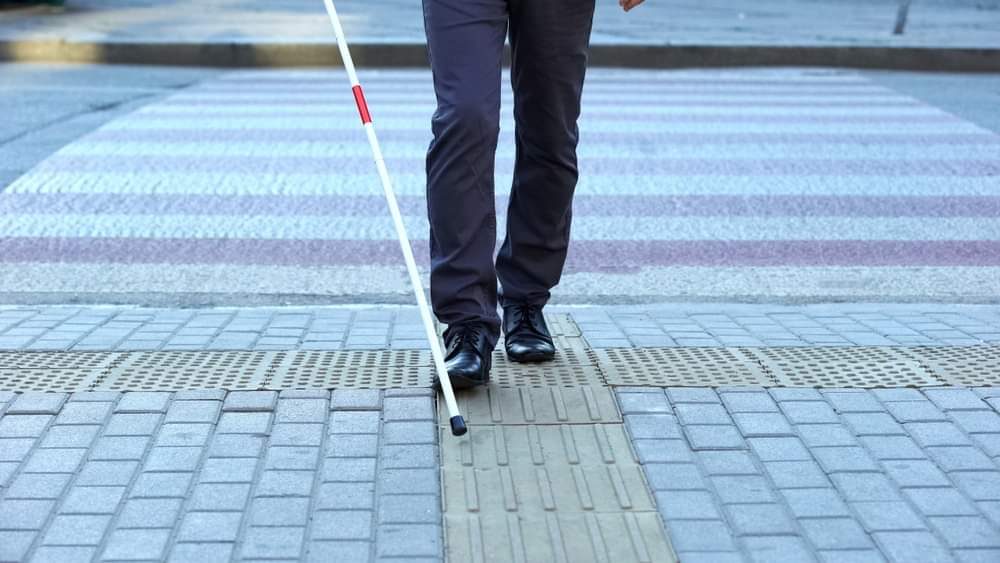
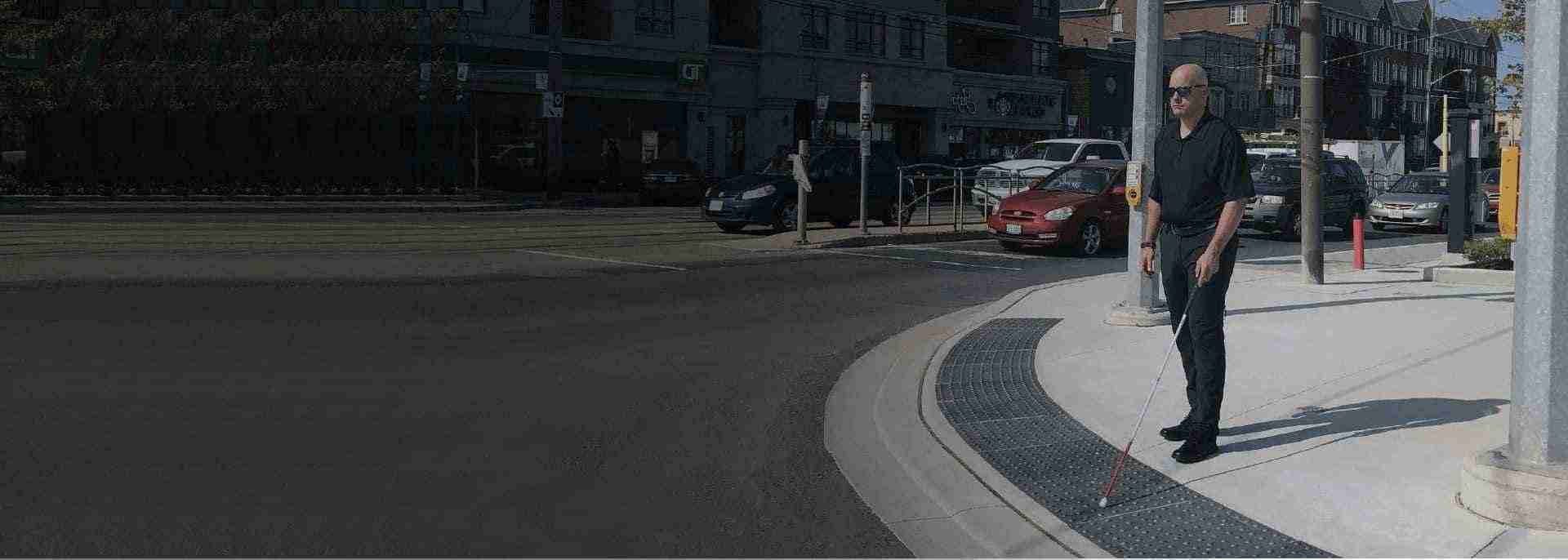
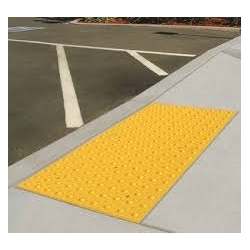
By integrating our Ecoglo stair nosings with tactile attention domes and guidance bars, you create a path that is visible to the eyes and detectable by the feet (cane-detectable), catering to the visually impaired and meeting the highest standards of accessibility.
We know you have choices, but here is why integrating Tactile Solution Canada's sourced products into your next project is the smart play:
The Ecoglo products are explosion-proof and weatherproof. They don't burn out. They don't need bulb replacements. They just work.
Eliminate the conduit, wiring, and electricity costs associated with traditional signs. The ROI on a maintenance-free PL system is immediate.
Let’s be honest - bulky plastic box signs are ugly. The sleek, low-profile aluminum, photoluminescent signs look modern and professional in any architectural setting.
Yes. The Ontario Building Code (OBC), like the NBC, accepts photoluminescent exit signs that conform to CAN/ULC-S572, provided they are installed with the appropriate external illumination source.
Because photoluminescent exit signs rely on chemical physics rather than electrical components, high-quality strontium aluminate signs can last indoors for decades with minimal degradation. They are practically ageless compared to LED fixtures.
A: Absolutely. The Ecoglo photoluminescent exit signs and stair nosings are UV-resistant and weatherproof, making them ideal for parkades, stadiums, and outdoor egress routes where wiring is difficult or expensive.
Safety isn't just about ticking a box on an inspection sheet; it's about the peace of mind that comes from knowing your building can handle the worst-case scenario. Whether you are retrofitting an older office complex or breaking ground on a new commercial hub, Tactile Solution Canada is your partner in code compliance and occupant safety.
From photoluminescent exit signs that pierce the darkness to stair nosing that secures every footstep, we provide the tools you need to guide people home safely. Don't leave your occupants in the dark.
Ready to upgrade your egress safety? Visit Tactile Solution Canada today to explore our full range of Canadian-code-compliant tactile and photoluminescent solutions. Let's make safety visible.