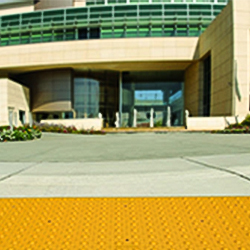
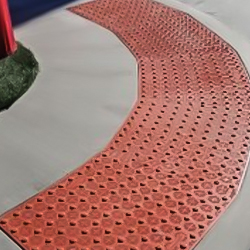
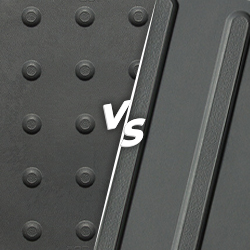
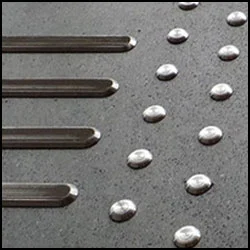
"The best time to plan for accessibility is before the blueprint is finished. The second best time is right before the concrete cures." - Tactile Solution Canada
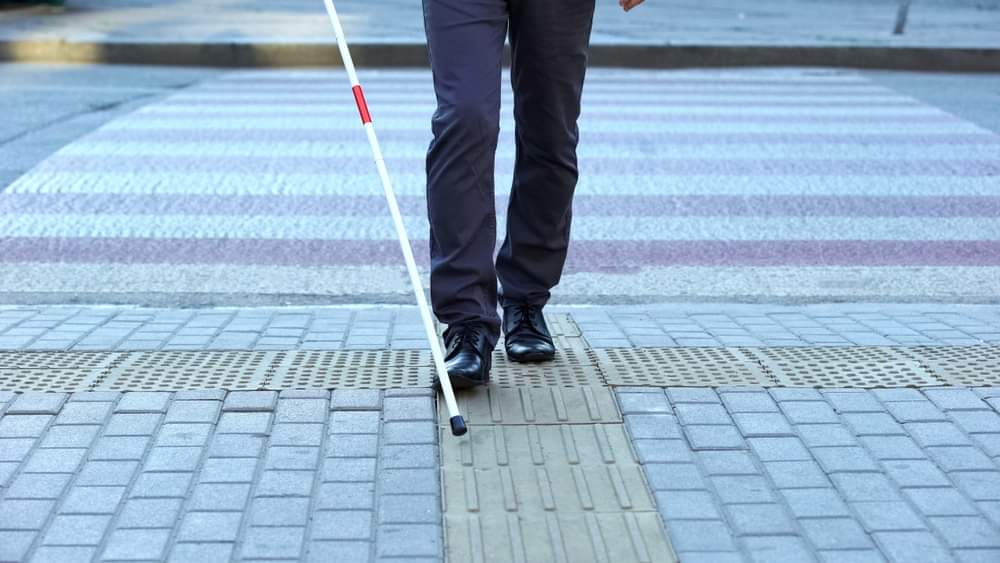
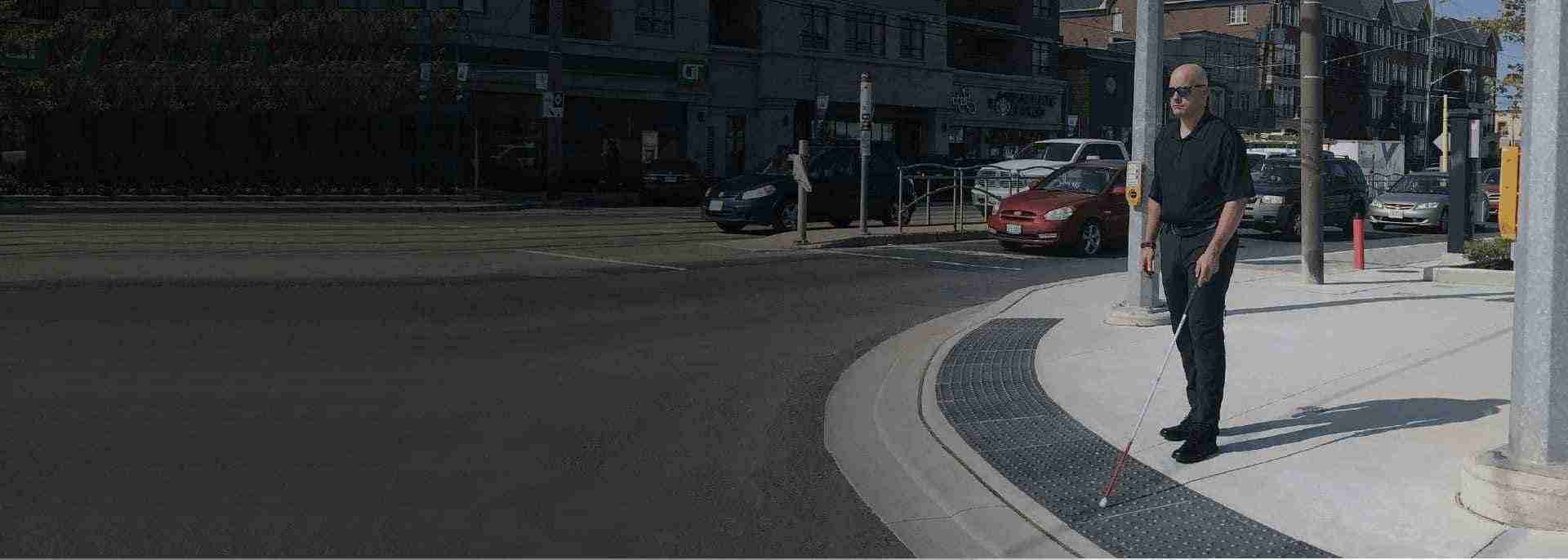
Every day, Canadian contractors and building owners face a very specific dilemma. You know you need Tactile Walking Surface Indicators to meet local accessibility codes. You know you need to guide the visually impaired safely across your facility. But when you look at the options, a big question pops up.
Do you choose a surface-applied solution or a cast-in-place unit?
The answer has nothing to do with which one looks better. It has everything to do with your current construction timeline. Choosing the wrong system can cost you thousands of dollars in wasted labour. It can even force you to tear up perfectly good flooring.
As a trusted supplier at Tactile Solution Canada, we want to save you that headache. We are going to break down exactly when to use each system so you can make the smartest choice for your project.
Building a new transit station from the dirt up is very different from retrofitting a 100-year-old bank. Your floor dictates your product choice. It is that simple.
If your concrete is already hard, you are in the retrofit stage. If your concrete is still spinning in the mixer truck, you are in the new build stage. Let us look at what this means for your materials.
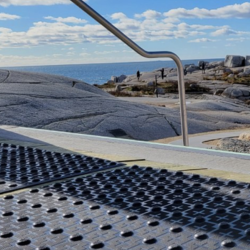
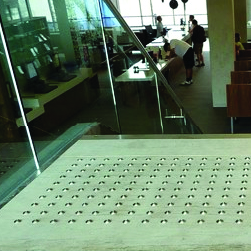
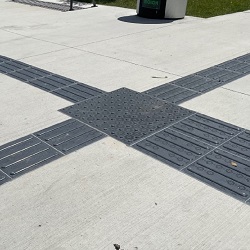
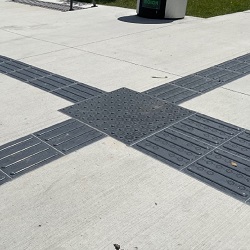
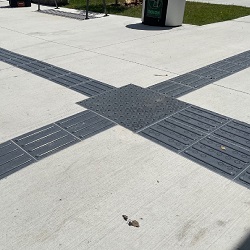
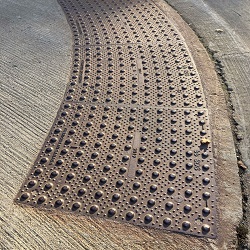
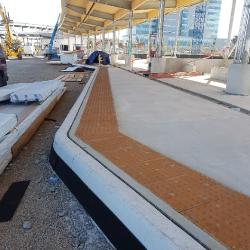
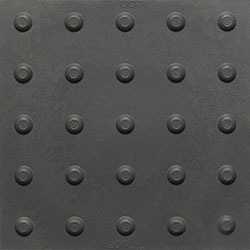
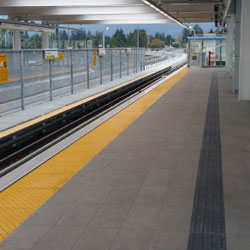
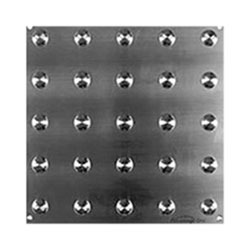
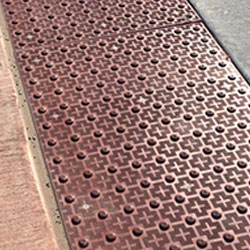
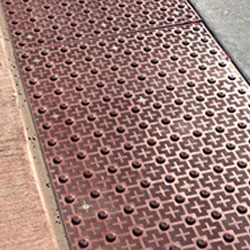
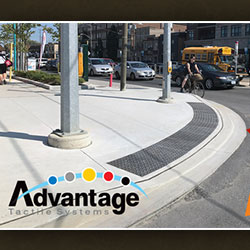
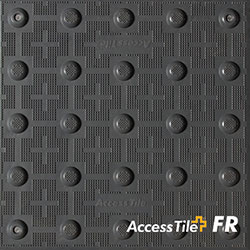
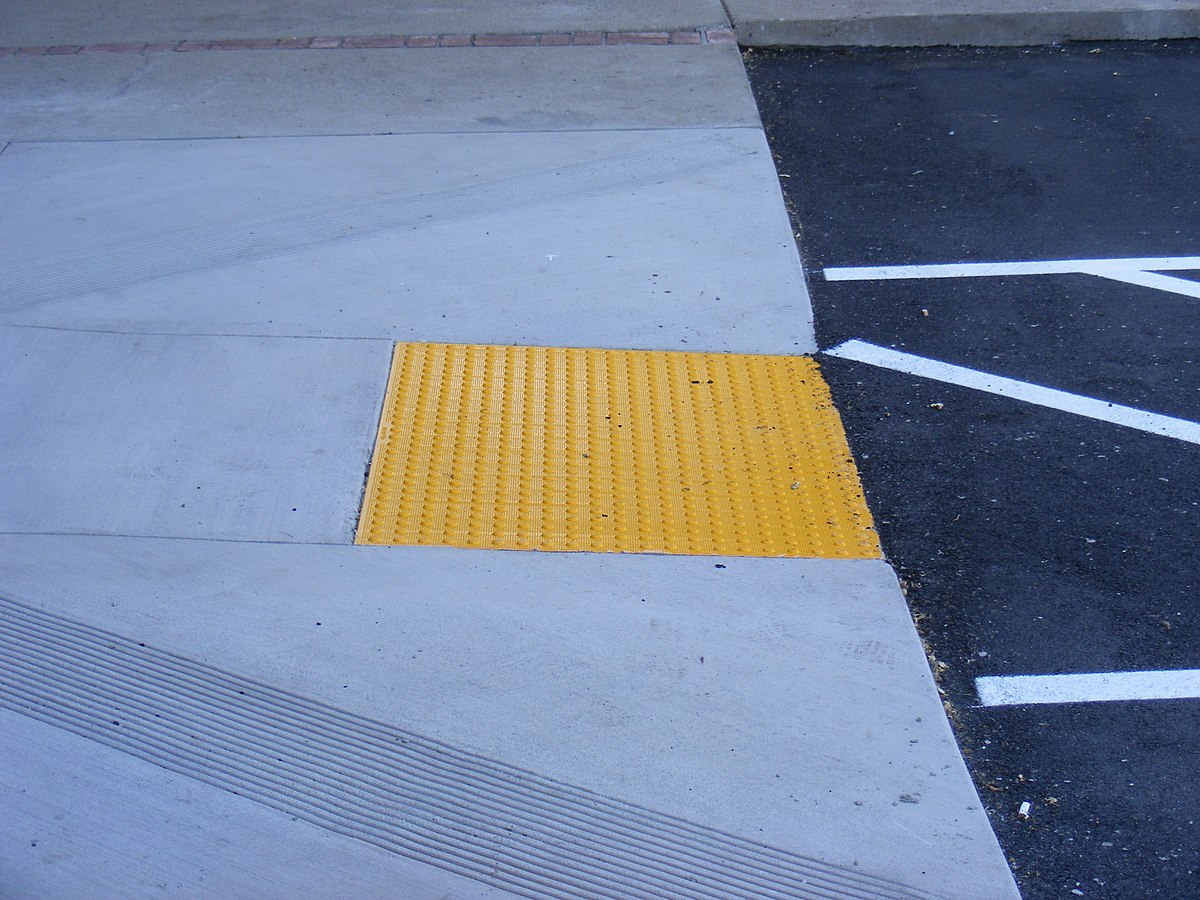
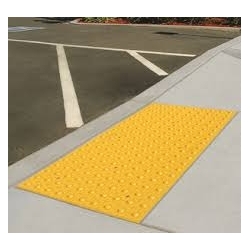
A Cast-in-Place TWSI is designed specifically for new construction. These panels are pressed directly into wet, fresh concrete during the final finishing stages.
The back of the panel features embedment anchors. Once the wet concrete cures around these anchors, the tactile plate becomes a permanent, structural part of the ground. You cannot remove it without heavy machinery.
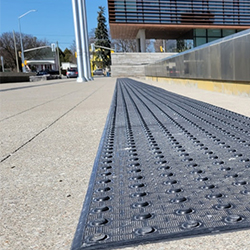
This makes Cast-in-Place Tactile Plates incredibly durable. They are flush with the surrounding surface. This is the ultimate choice when you are starting fresh.
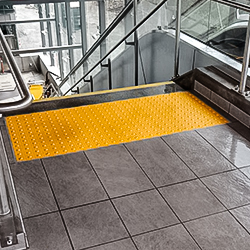
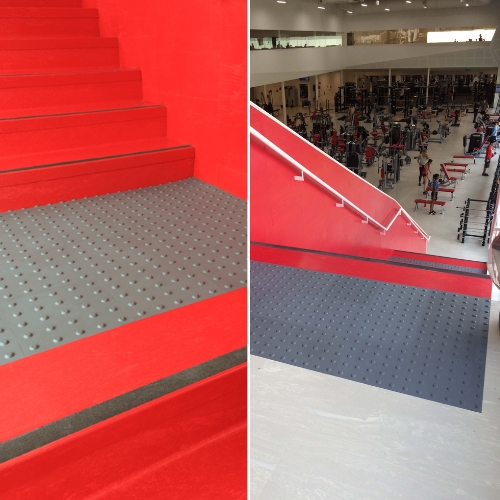
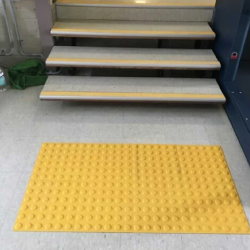
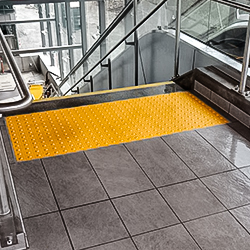
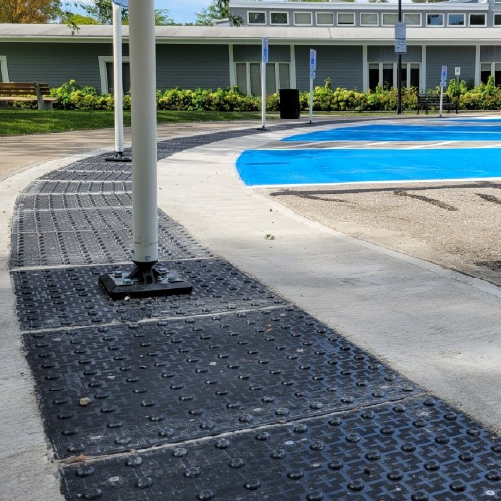
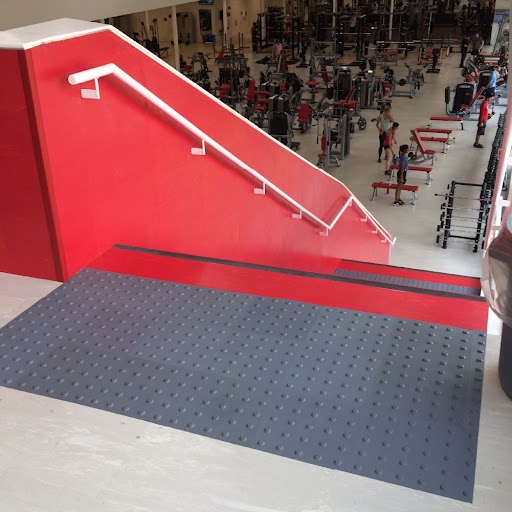
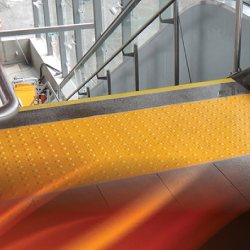
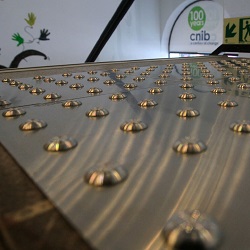
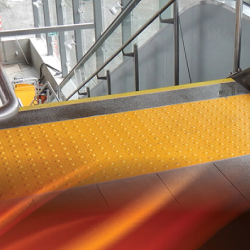
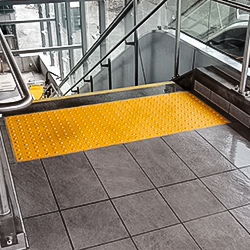
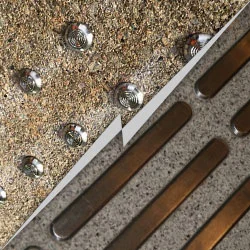
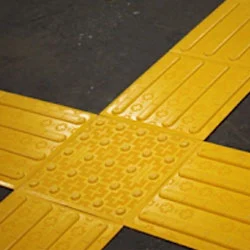
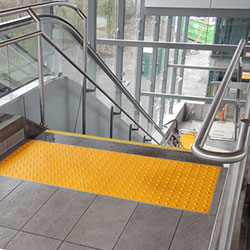
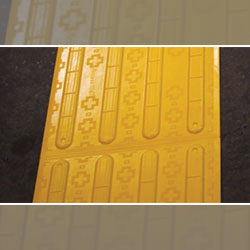
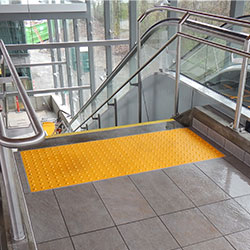
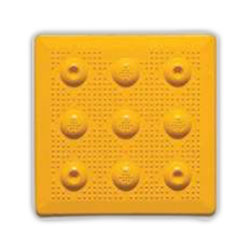
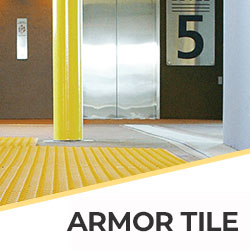
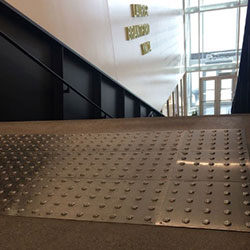
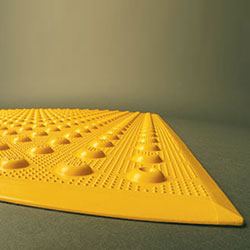
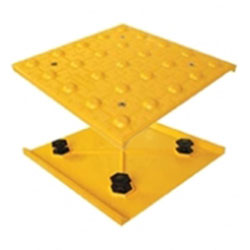
A Surface-Applied TWSI is exactly what it sounds like. It is a panel designed to be installed over an existing, already cured surface.
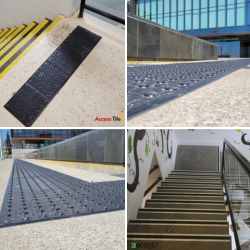
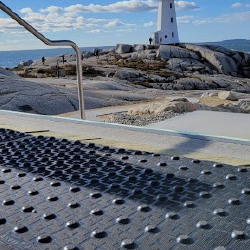
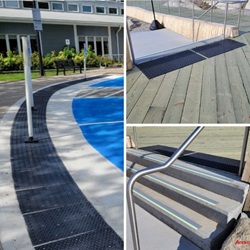
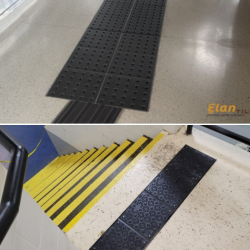
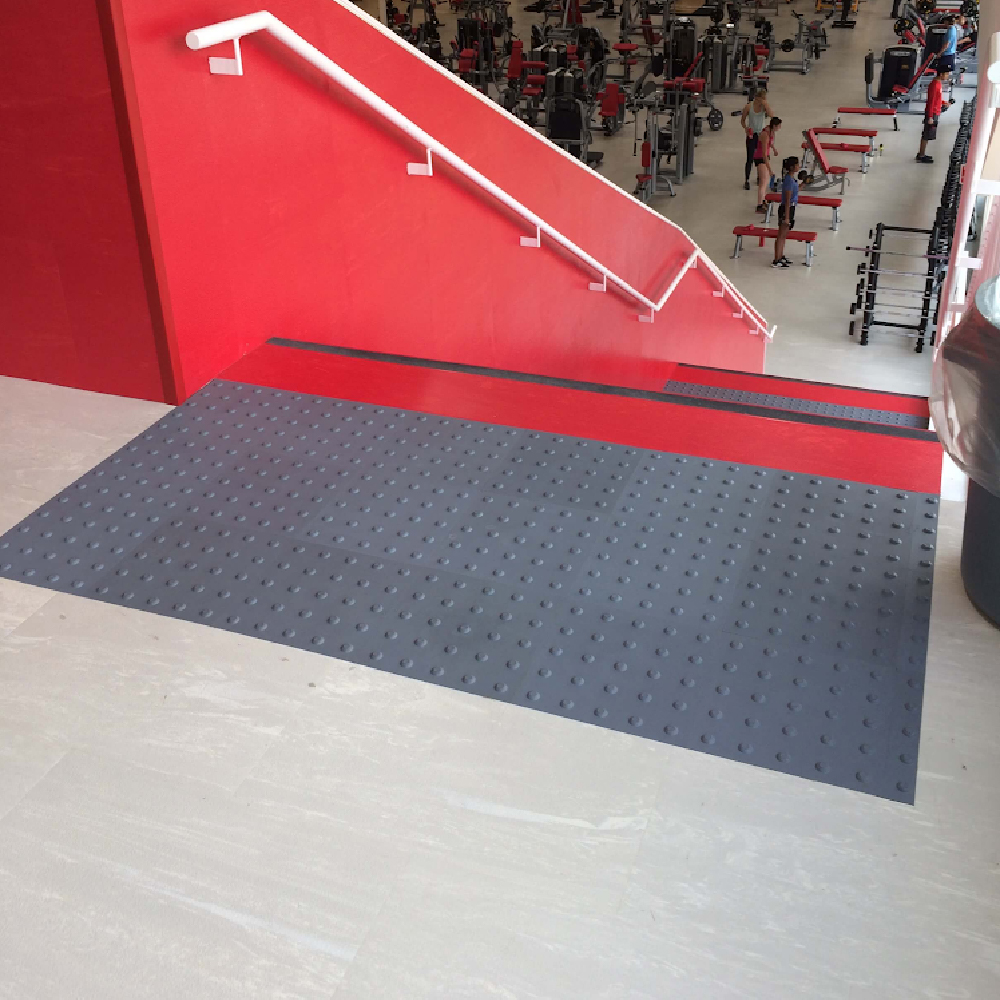
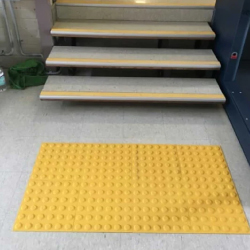
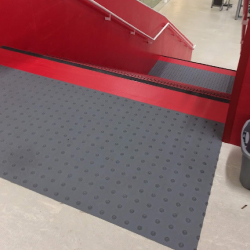
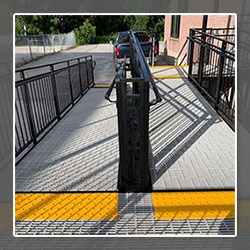
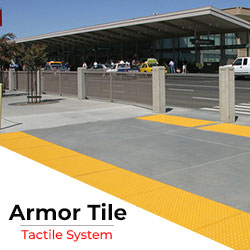
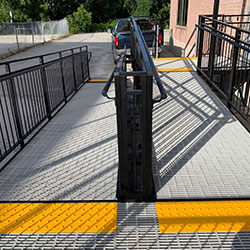
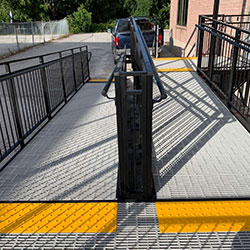
You do not need to demolish your existing floor to add accessibility. These tiles are glued down using heavy-duty structural adhesives. They are then secured tightly into the concrete, asphalt, or wood using color-matched masonry screws.
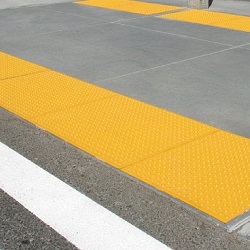
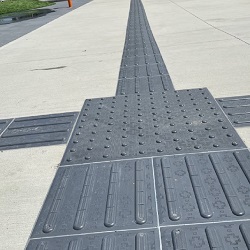
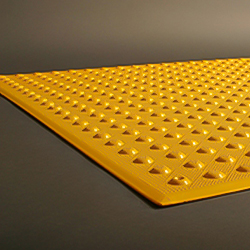
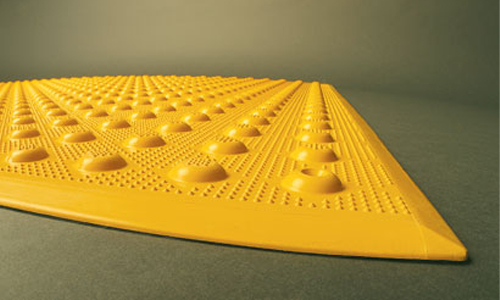
Because they sit on top of the ground, Surface-Applied Tactile Warning Indicators feature finely beveled edges. This ensures wheelchairs, strollers, and walking canes roll smoothly over them without tripping.
To make this totally clear, let us look at two real-world situations we see constantly at Tactile Solution Canada.
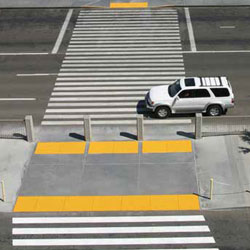
Imagine you are a contractor managing a massive new residential build in downtown Toronto. The curb ramps and sidewalks are scheduled to be poured next Tuesday.
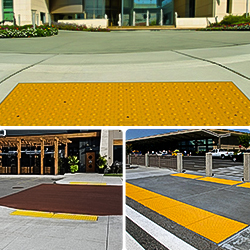
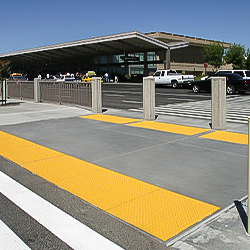
This is the perfect time for a cast-in-place system.
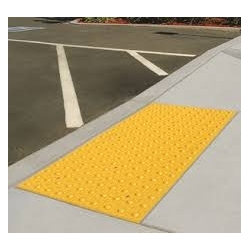
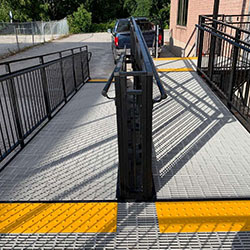
When the crew pours the cement, they simply tamp the cast-in-place panels into the wet surface. The installation happens on the exact same day as the concrete pour. There is no waiting for the ground to dry. There is no drilling required later.
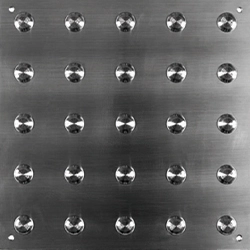
The result is a heavy-duty, flush-mounted tactile dome system that will withstand snowplows and heavy foot traffic for decades.
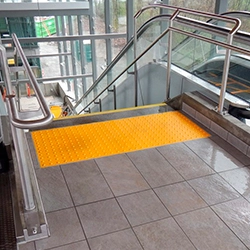
Now imagine you manage a historic commercial building in Vancouver. A recent accessibility audit revealed your front entrance steps do not comply with current AODA or CSA B651 standards.
The existing floor is beautiful, cured granite and old concrete. Tearing it up is simply not an option. It would cost a fortune and ruin the aesthetic.
This is where the surface-applied system shines. Your maintenance team can clean the old surface, apply the adhesive, and screw down the retro-fit panels in a single afternoon. The building becomes fully compliant by the end of the day, with zero demolition required.
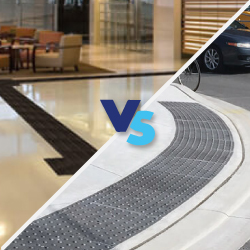
When you are spending your budget on building upgrades, you need hard facts. Here is how the two styles stack up against each other.
Many building managers ask us if retrofitting is a messy process. The answer is no. If you have basic tools, the process is very straightforward.
Here is the general breakdown of a retrofit installation:
In just a few hours, your facility is significantly safer for visually impaired visitors.
Canada takes accessibility very seriously. Whether you are following the AODA in Ontario, the National Building Code (NBC), or provincial guidelines, contrast and placement are strictly regulated.
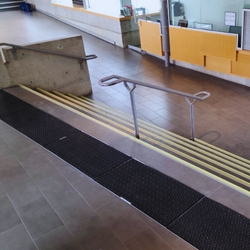
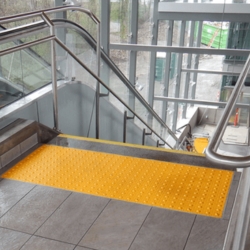
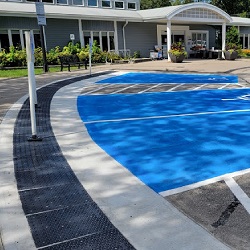
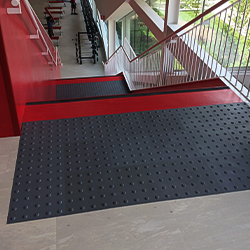
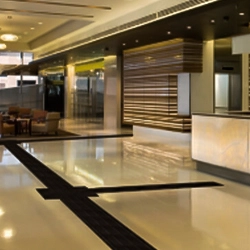
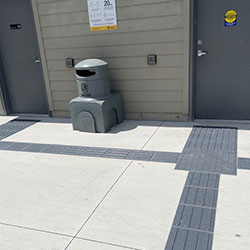
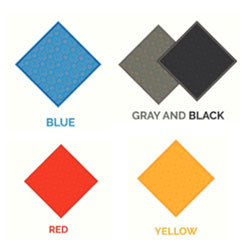
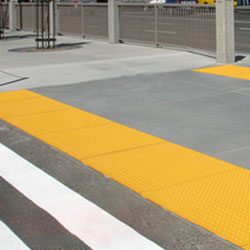
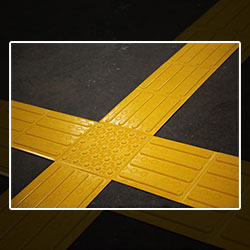
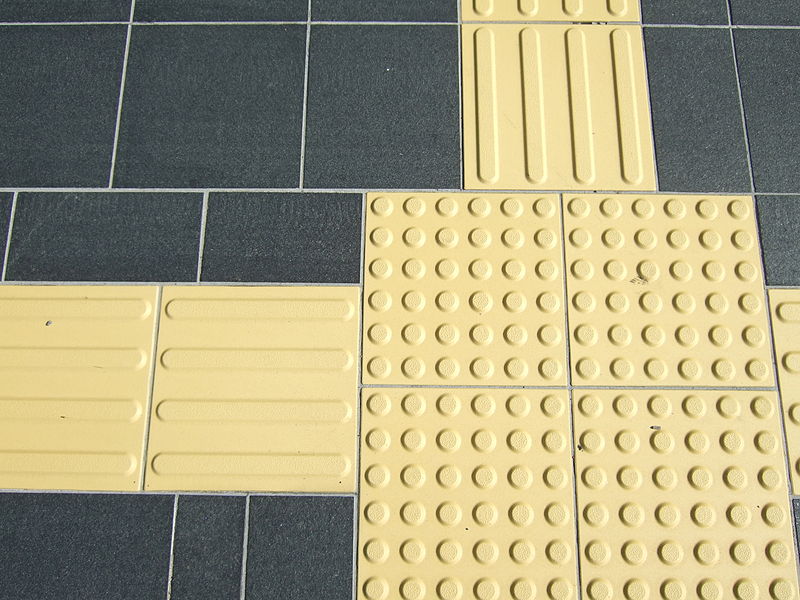
The rules clearly state that your tactile domes must provide a high visual contrast to the surrounding surface. A dark grey concrete sidewalk needs a bright yellow or white tactile plate. A bright tile floor inside a mall needs a dark grey or black indicator.
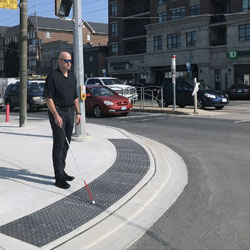
This high contrast helps people with low vision detect the boundary before they reach a hazard.
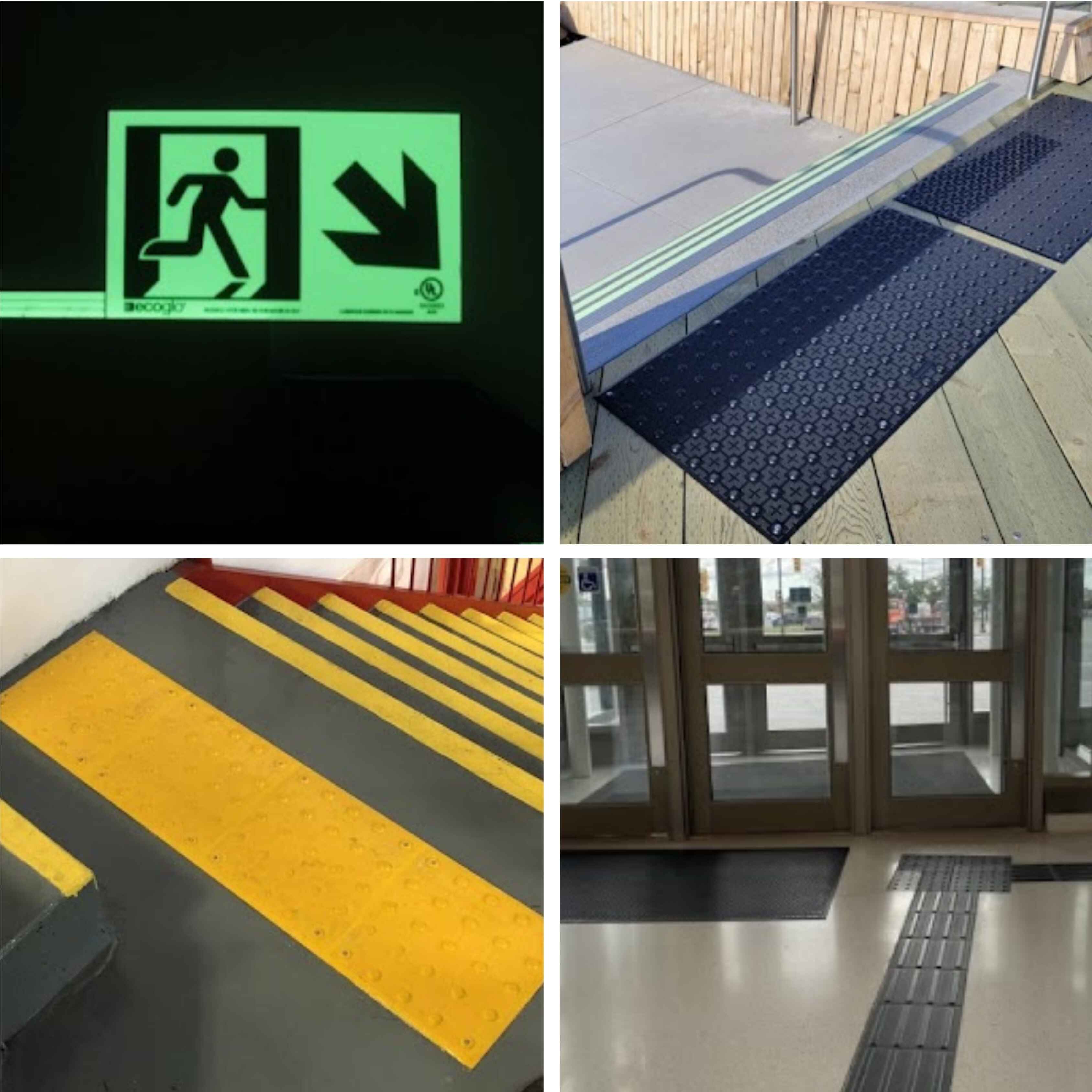
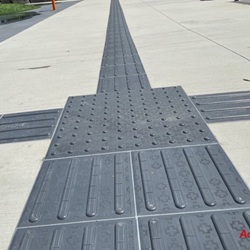
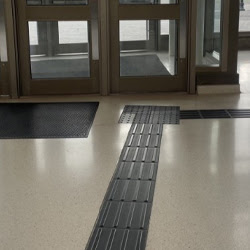
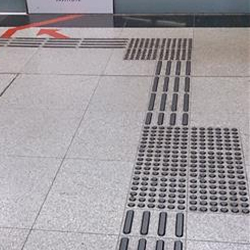
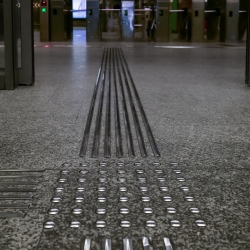
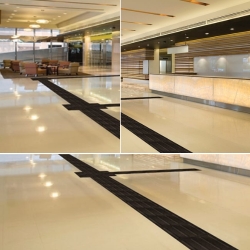
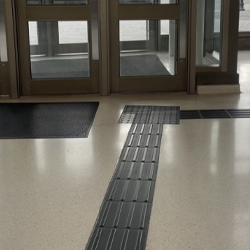
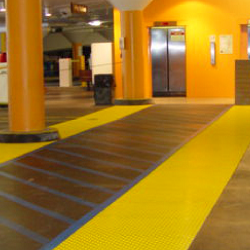
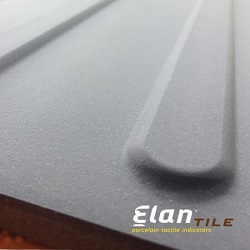
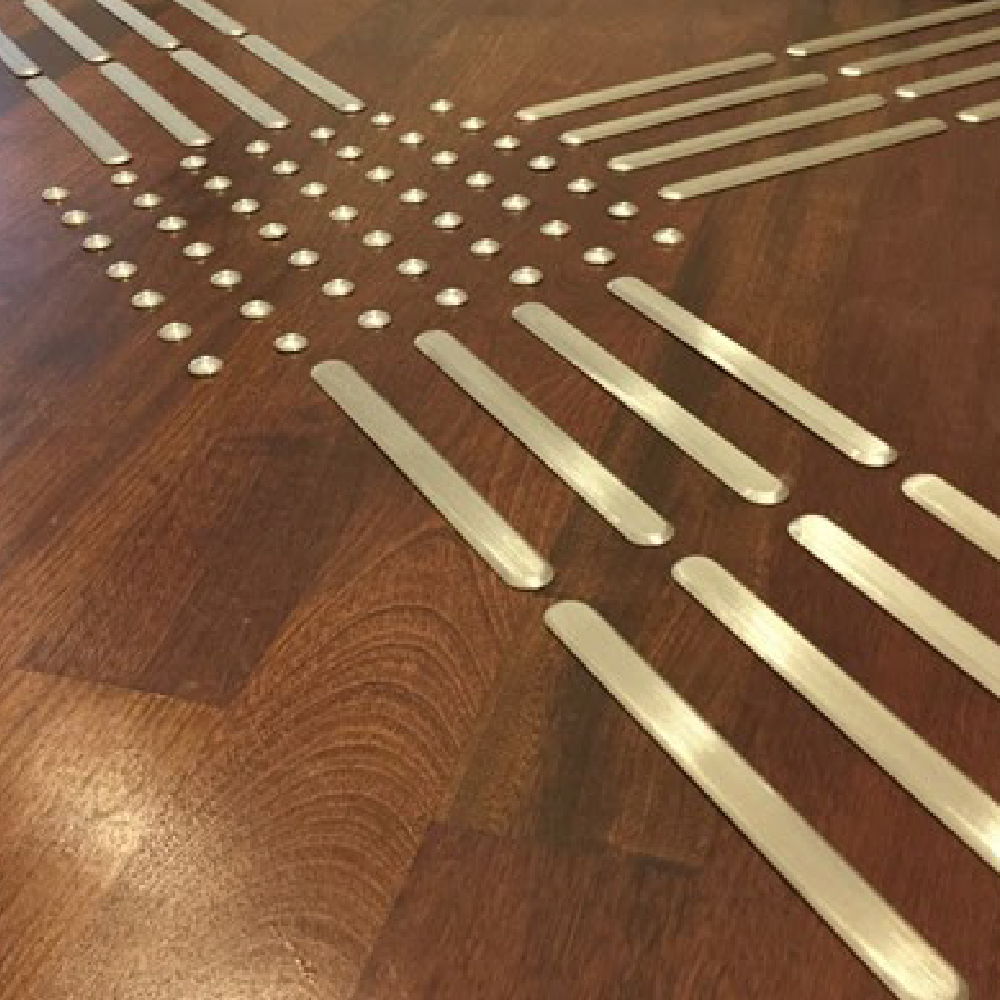
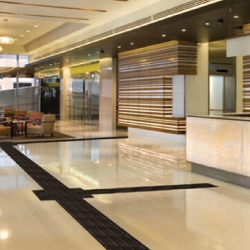
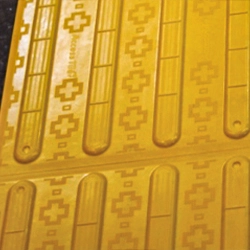
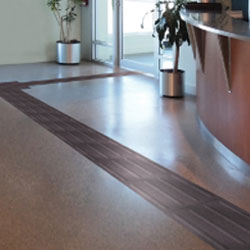
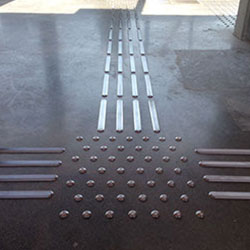
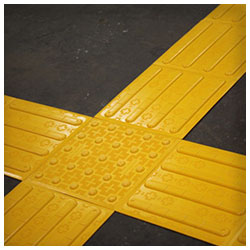
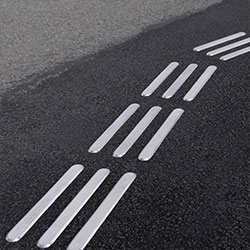
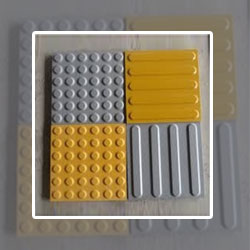
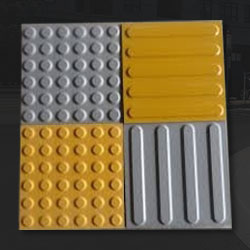
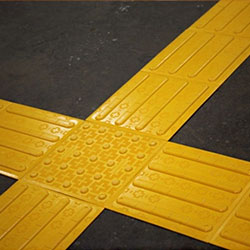
You also need to think about directional guidance in large open areas. For this, you should look into Wayfinding bars. These elongated ridges tell a person using a cane exactly which path to follow to reach an elevator or exit.
Accessibility does not stop at curb ramps and flat surfaces. Stairs are one of the most dangerous areas in any commercial building.
If the power goes out during an emergency, a standard stairway becomes a massive liability. This is why a complete safety upgrade involves your staircases too.
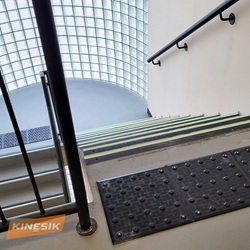
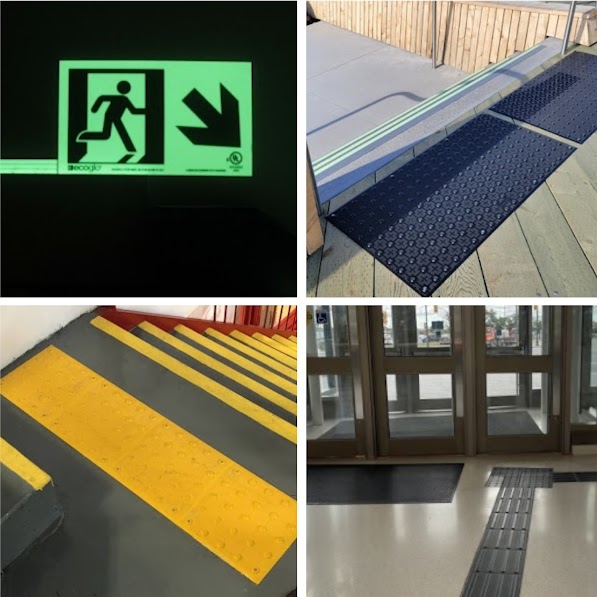
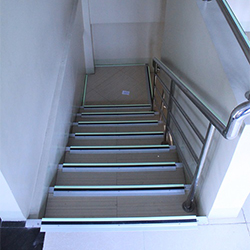
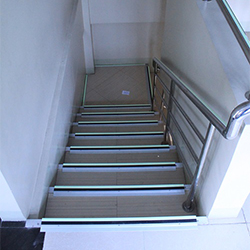
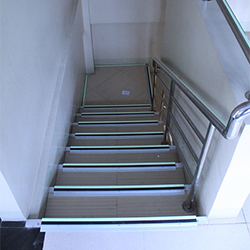
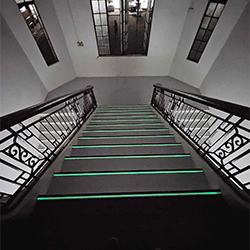
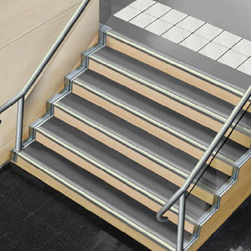
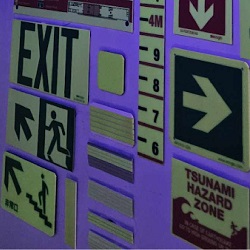
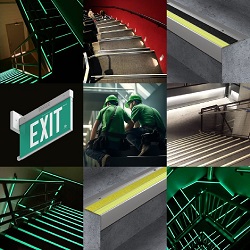
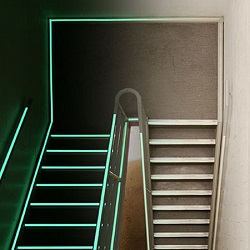
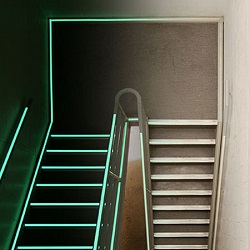
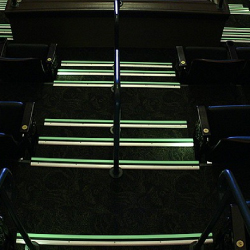
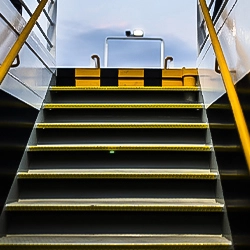
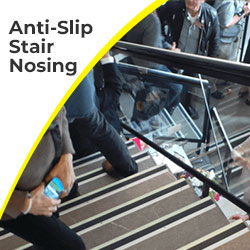
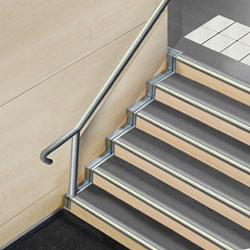
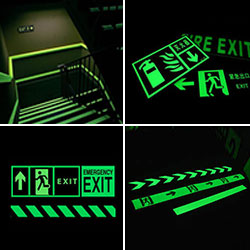
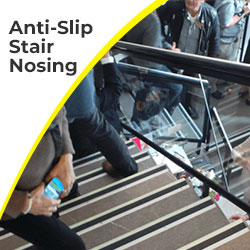
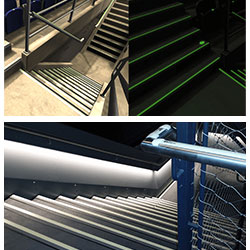
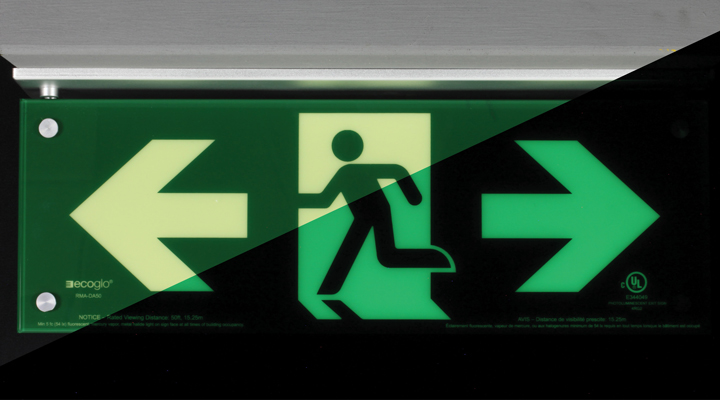
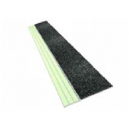
You should pair your tactile ground indicators with high-visibility stair solutions. Installing photoluminescent stair nosing provides a glowing, slip-resistant edge to every single step. It charges from ambient room light and glows brightly in the dark.
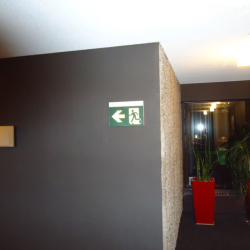
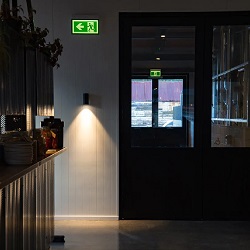
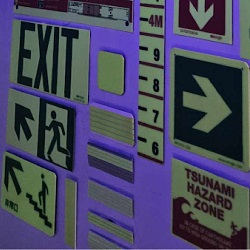
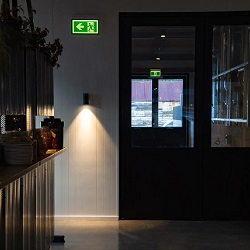
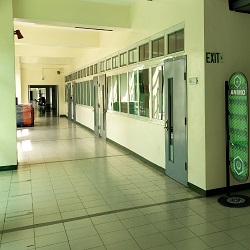
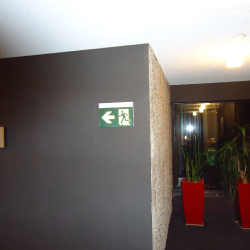
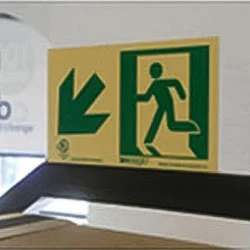
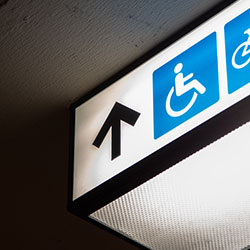
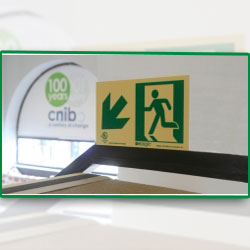
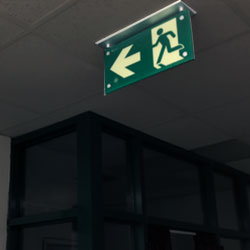
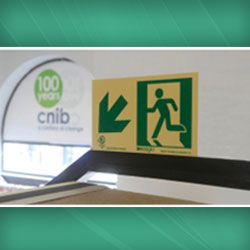
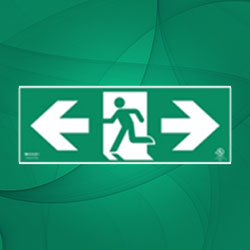
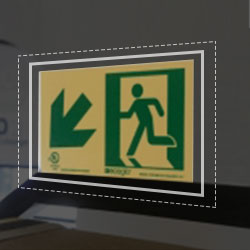
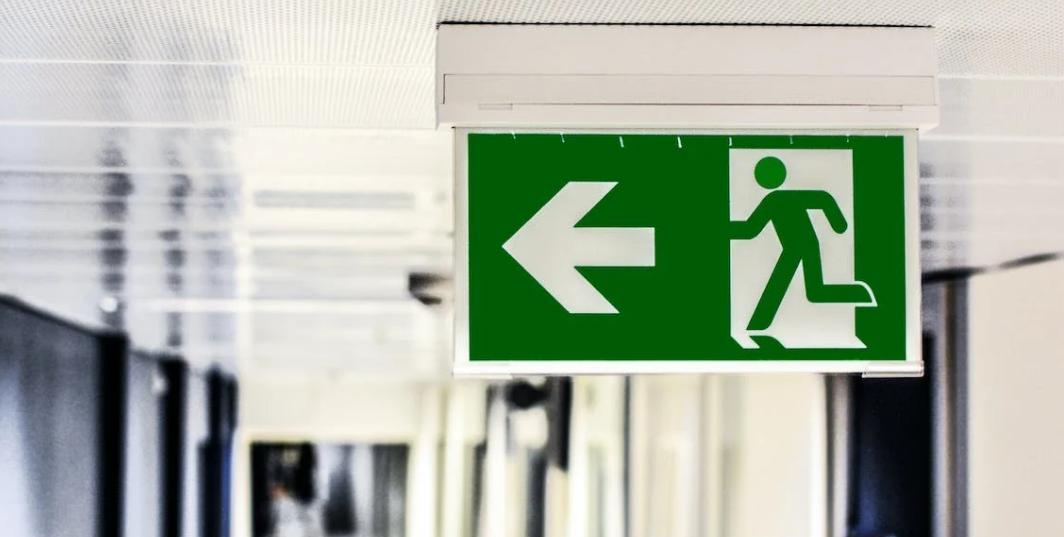
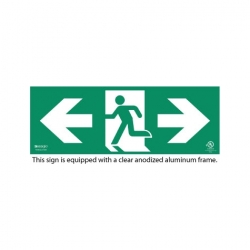
To complete the safety loop, ensure your escape routes are marked with photoluminescent exit signs. These require zero electricity, zero wiring, and zero battery replacements. They simply work, guiding people out of the building safely during a total blackout.
At the end of the day, choosing the right tactile indicator is just about looking at your project timeline.
If the cement mixer is on the way, cast-in-place is your permanent, rugged solution. If the floor has been there for ten years and you just got an accessibility notice, surface-applied will save your budget and your schedule.
You do not have to guess which product fits your specific local code. Tactile Solution Canada provides premium, fully compliant systems for every construction stage. We supply top-tier materials that endure the harsh Canadian climate and keep your facility safe for everyone.
Review your blueprints, check your concrete, and choose the system that fits your current reality.
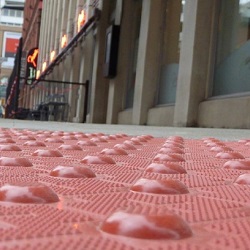
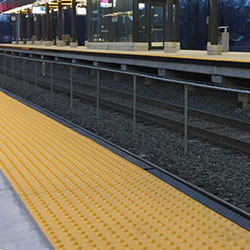
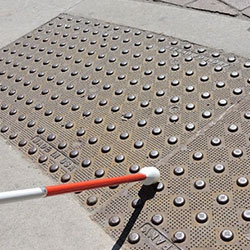
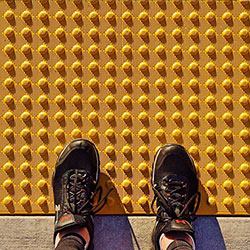
It stands for Tactile Walking Surface Indicators. They are textured surfaces designed to be felt through footwear or by a long white cane. They warn visually impaired individuals of upcoming hazards like stairs, transit edges, or traffic crossings.
No, you cannot. Cast-in-place units have deep anchors on the bottom. They must be pressed into wet, unhardened concrete so the cement can cure around the anchors to lock them in place permanently.
Most heavy-duty construction adhesives require at least 24 hours to fully cure. However, because the panels are also mechanically fastened with screws, they can often handle light foot traffic almost immediately after installation.
While a professional contractor ensures perfect compliance, many maintenance teams with a hammer drill and good floor prep skills can easily install surface-applied panels.
If installed properly, they are highly resistant to damage. However, cast-in-place units are generally better for heavy snow plow zones because they sit perfectly flush with the concrete. If you use surface-applied units outdoors, ensure your snow clearing team uses rubber-tipped plow blades to prevent catching the edges.
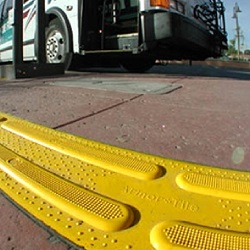
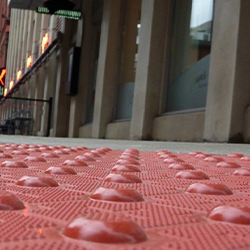
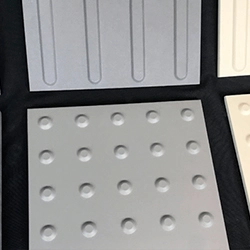
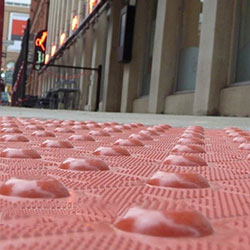
Truncated domes specifically act as a "stop" or "warning" signal. They tell a visually impaired person that a safe pedestrian path is ending and a vehicular hazard is beginning. This is a universal standard across Canada and North America.