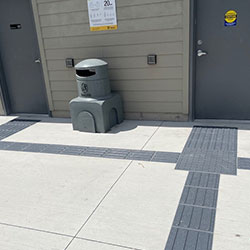
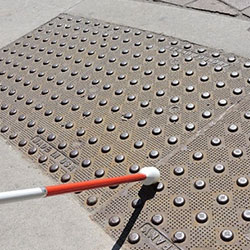
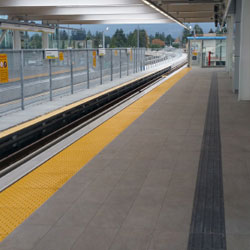
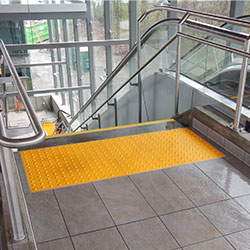
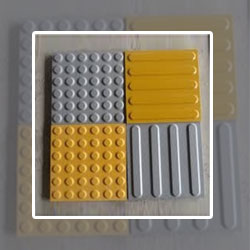
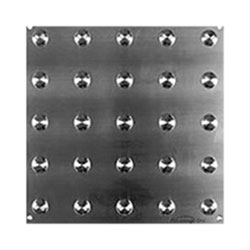
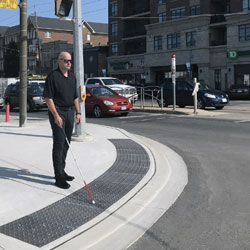
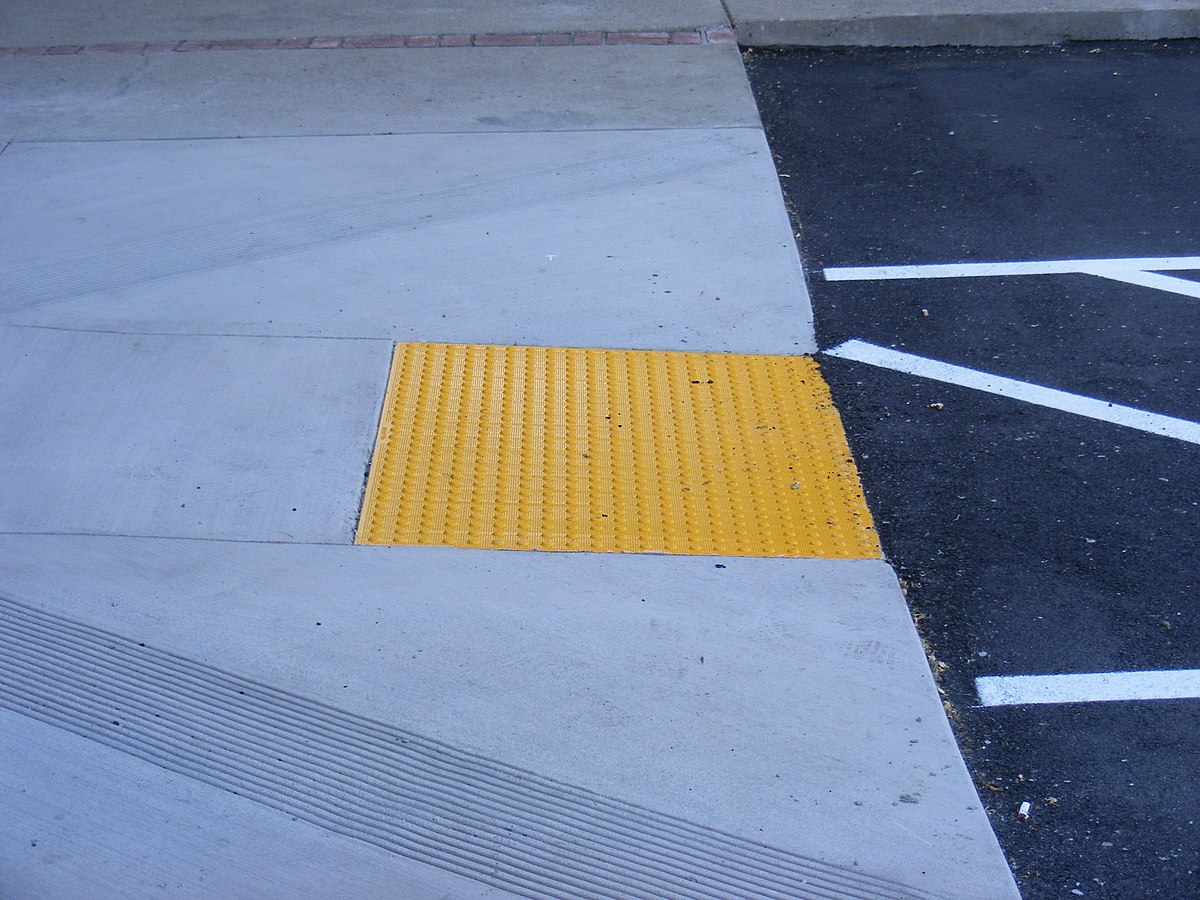
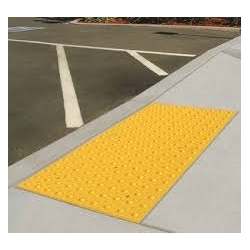
Imagine you are standing in front of a bustling commercial building in downtown Toronto or a quiet community center in Vancouver. You’ve just finished a site audit and realized that the entrance ramp is missing a crucial safety feature: Tactile Walking Surface Indicators (TWSIs).
As a facility manager or contractor, your heart sinks a little. You look at the perfectly good, cured concrete that was poured years ago. The panic sets in - do you have to rip all of this up? Do you need to bring in jackhammers, pour fresh concrete, and shut down the entrance for days just to install those essential yellow attention domes?
It is a common nightmare scenario we hear about constantly at Tactile Solution Canada. The myth that tactile solutions can only be installed into fresh, wet concrete is persistent, but we are here to bust it wide open.
The short answer is: No, you do not need fresh concrete. Whether you are dealing with a brand-new construction project or a decades-old sidewalk, there is a compliant, durable, and aesthetically pleasing tactile solution ready for you.
In this comprehensive guide, we will walk you through the two titans of the tactile industry: Cast-in-Place (for fresh concrete) and Surface Applied (for existing surfaces). We’ll dive deep into the technical nitty-gritty, Canadian accessibility codes, and help you decide which method fits your project like a glove.
Let’s introduce you to Mark, a seasoned landscape contractor in Ottawa. Last year, Mark was juggling two very different projects.
Project A was a brand-new transit hub being built from the ground up. Excavators were on site, and concrete trucks were lined up around the block. The schedule was tight, but the canvas was blank.
Project B was a heritage office building in the city center. The owners wanted to upgrade their accessibility to meet the Accessibility for Ontarians with Disabilities Act (AODA) standards, but they were terrified of damaging the existing granite and concrete walkways. They couldn't afford a shutdown, and demolition was out of the question.
Mark called us in a bit of a sweat regarding Project B. “Do I really have to pour new concrete to get these detectable warning surfaces in?” he asked.
When we told him about Surface Applied Tile Tactile Solutions, the relief was audible. For Project A, he went with Cast-in-Place tiles dropped right into the wet mix. For Project B, he used surface-applied tiles that adhered directly to the existing ground. Both projects passed inspection with flying colors.
The moral of the story? One size does not fit all, but there is a solution for every surface.
Let’s start with the method most people are familiar with: Cast-in-Place (Wet Set). This is the gold standard for new construction projects.
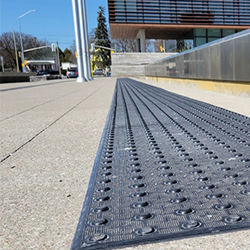
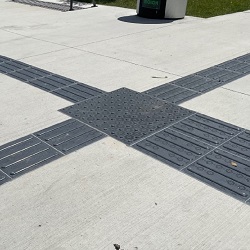
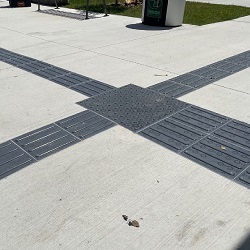
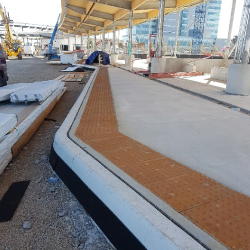
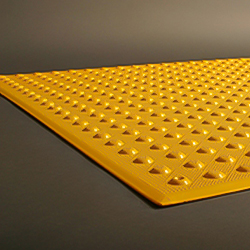
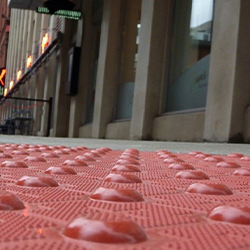
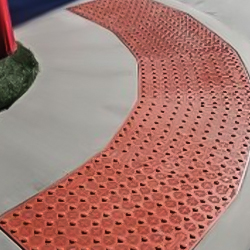
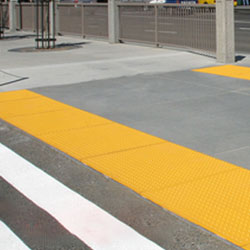
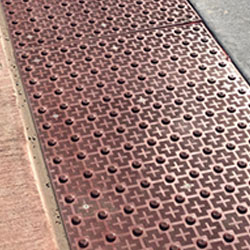
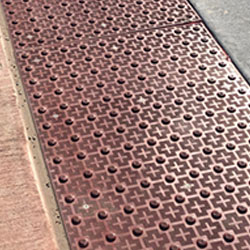
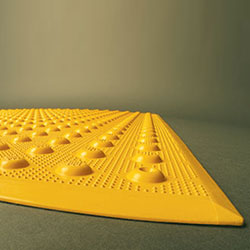
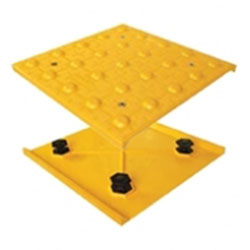
Cast-in-Place tiles are designed to be embedded directly into wet, uncured concrete. These tiles usually feature anchors or ribs on the underside that lock into the curing concrete, creating a monolithic bond. Once the concrete hardens, that tile isn't going anywhere - it effectively becomes part of the substrate itself.
When Should You Use It?
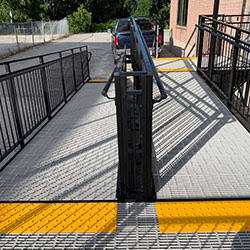
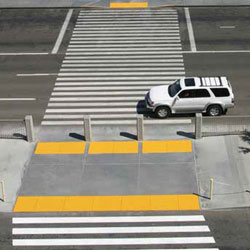
New Construction: If you are pouring sidewalks, curb ramps, or platform edges from scratch.
Major Renovations: If you are already ripping up old pavement and pouring a new slab.
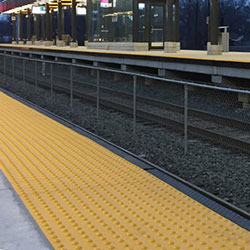
High-Traffic Zones: Think transit platforms, busy street corners, or areas with heavy snowplow activity.
Why We Love It (and You Will Too)
Seamless Integration: Because the tile is flush with the concrete, it offers a sleek, professional look that architects love.
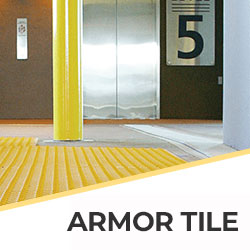
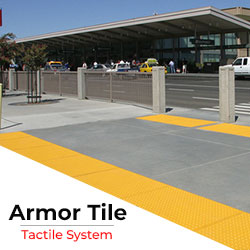
Unbeatable Durability: Products like our Armor-Tile Cast-In-Place systems are built to last 15+ years. They can withstand the brutal Canadian freeze-thaw cycles without heaving or cracking.
Maintenance-Free: Once it’s set, it’s set. There are no adhesives to fail or fasteners to tighten over the years.
Now, let’s talk about the solution that saved Mark’s heritage project: Surface Applied (Retrofit) tactiles.
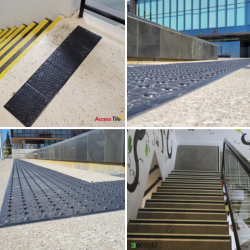
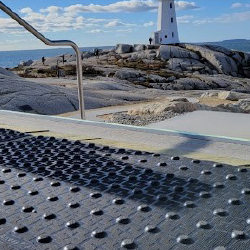
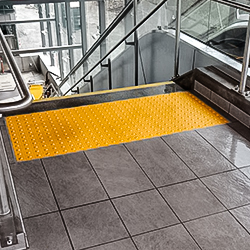
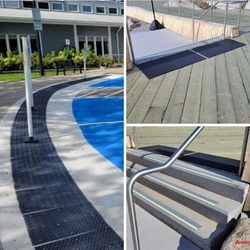
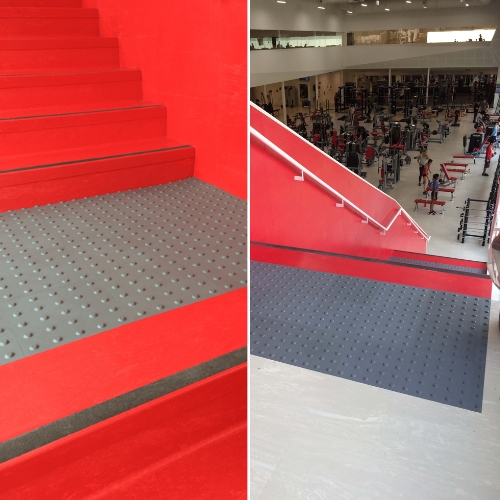
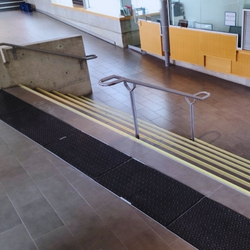
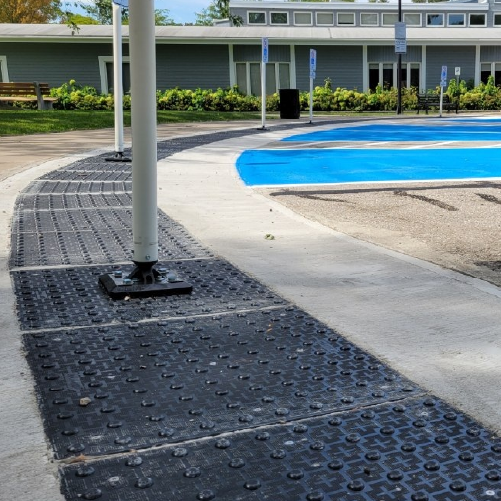
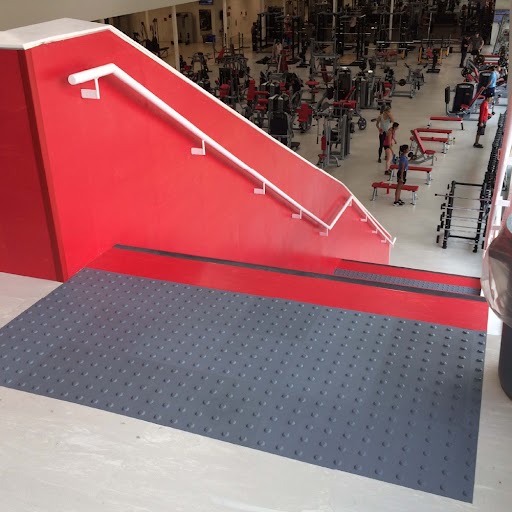
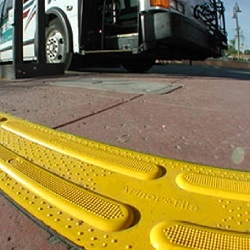
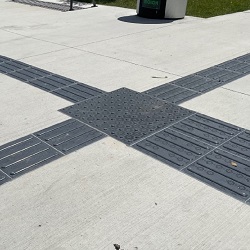
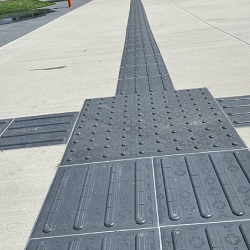
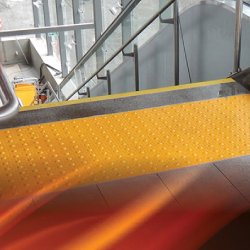
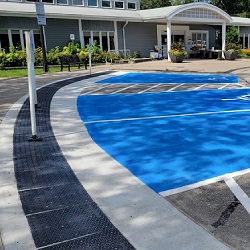
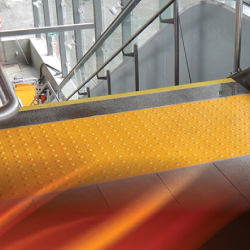
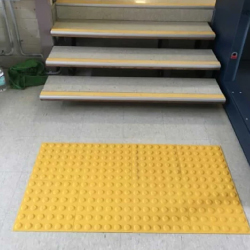
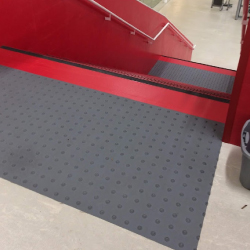
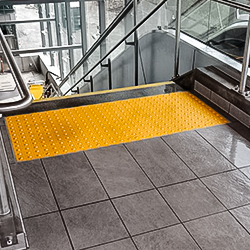
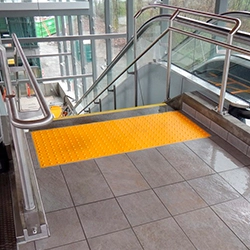
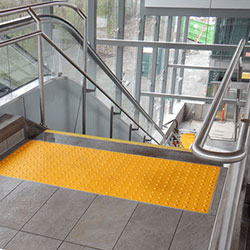
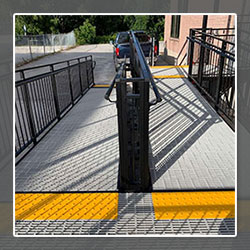
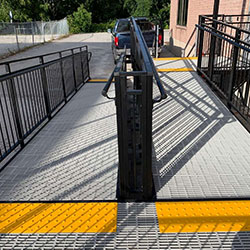
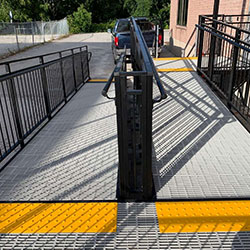
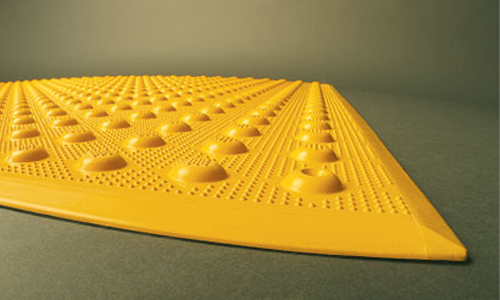
Surface-applied tiles are designed to be installed on top of existing surfaces. They are typically bonded to the substrate using a combination of heavy-duty structural adhesives and mechanical fasteners (screws and anchors). They feature beveled edges to prevent them from becoming a tripping hazard themselves.
Almost! Surface-applied solutions are incredibly versatile. You can install them on:
Cured Concrete
Asphalt (with specific considerations)
Tile or Pavers
Wood
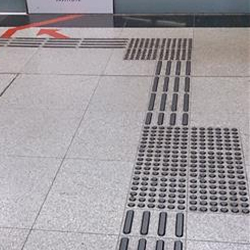
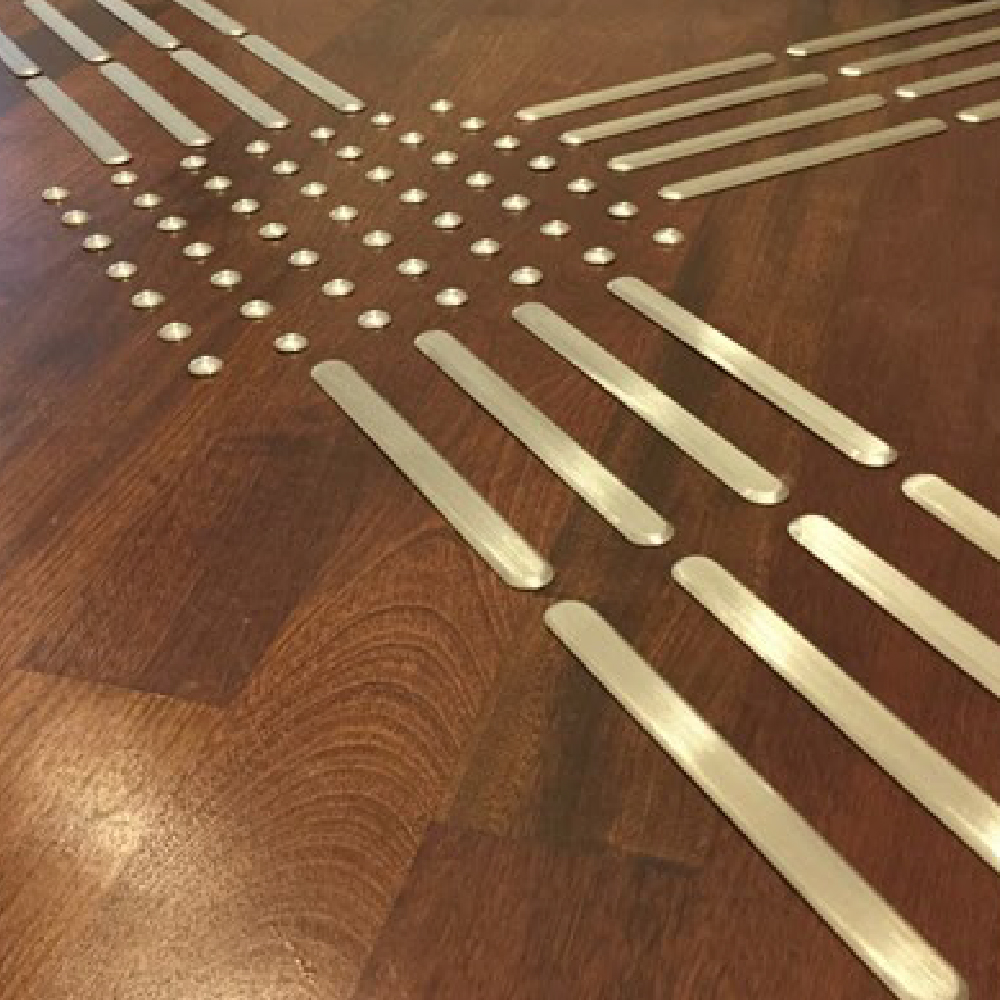
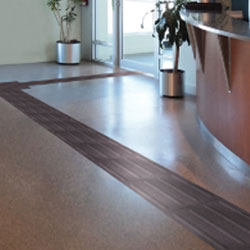
Terrazzo (great for interiors)
Retrofitting: Upgrading older buildings to meet current CSA B651 or ISO standards.
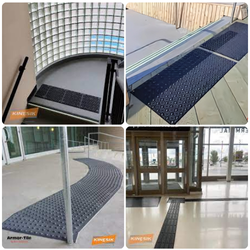
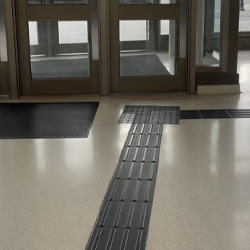
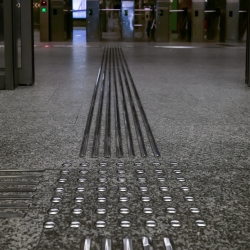
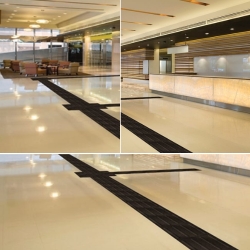
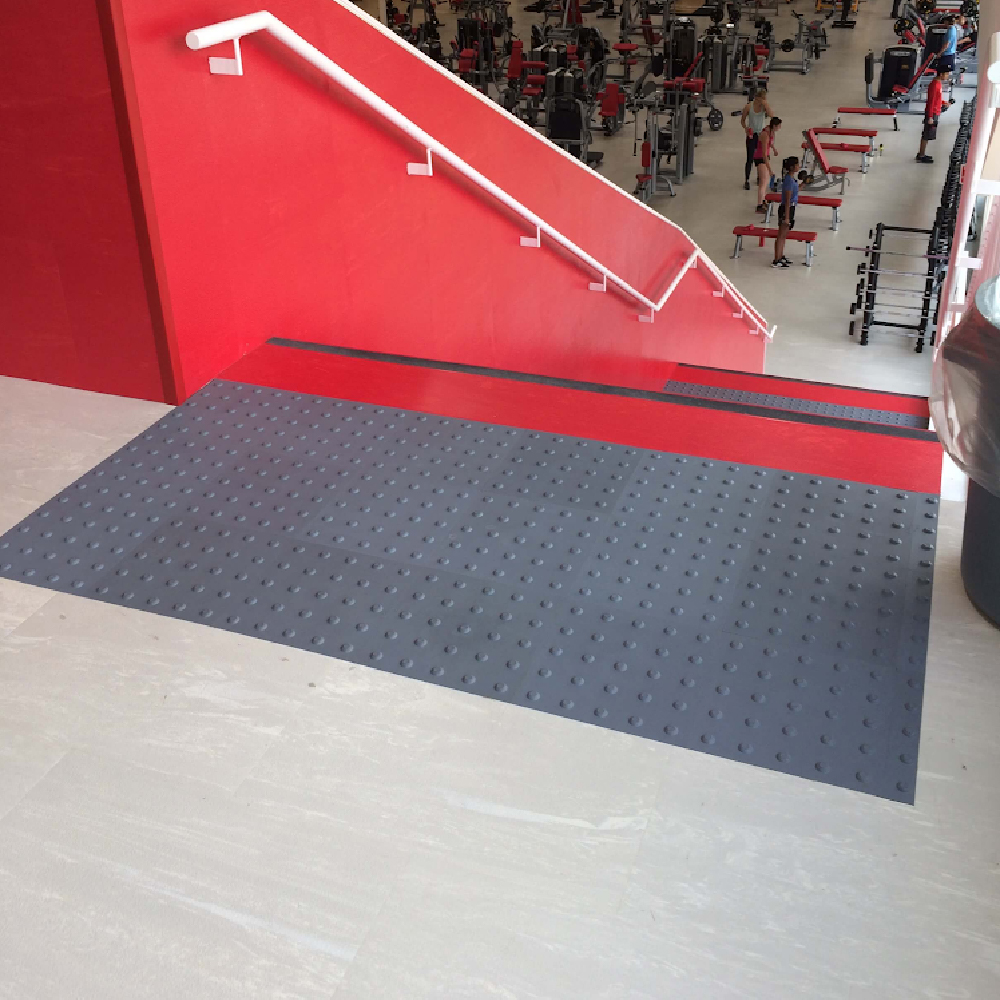
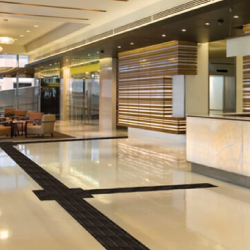
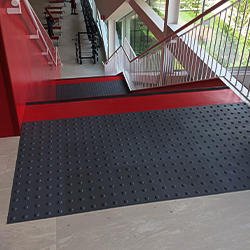
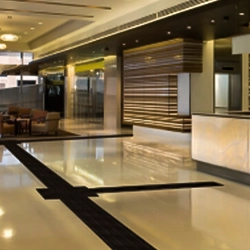
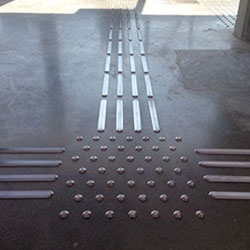
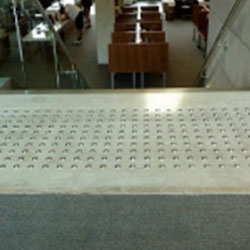
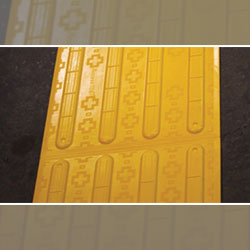
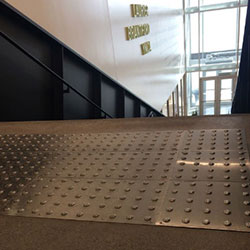
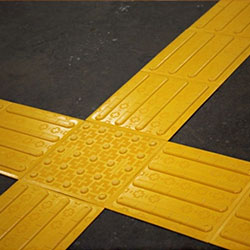
Indoor Applications: Adding wayfinding bars to a lobby or hospital corridor where the floor is already finished.
Tight Timelines: You need compliance now, not in the three weeks it takes for concrete to cure.
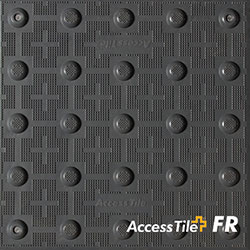
Speed: A skilled crew can install a surface-applied system like our AccessTile Surface Applied tiles in a matter of hours. No waiting for concrete to dry.
Cost-Effective: You save a fortune on demolition, excavation, and disposal fees.
Minimal Disruption: No jackhammers means less noise and dust. Your business can stay open while the installation happens.
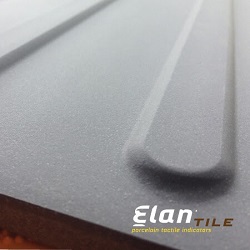
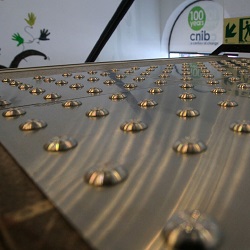
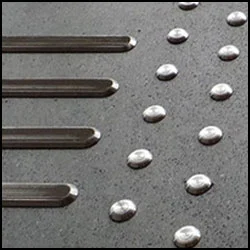
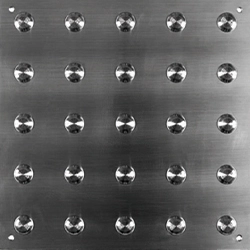
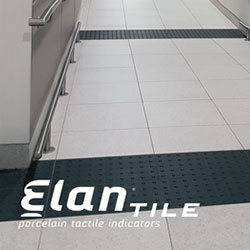
Versatility: With materials ranging from durable polymers to ElanTile Porcelain and Advantage One Stainless Steel, you can match the aesthetic of any existing space.
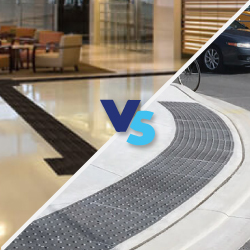
To help you visualize the decision-making process, let’s break down the key differences using industry metrics.
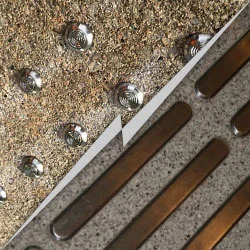
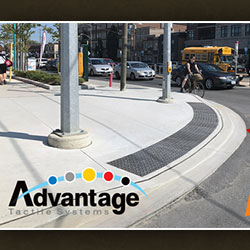
Cast-in-Place: This is the marathon runner. Properly installed, these systems (like Advantage Tactile Systems) can last 15-20 years or more. The concrete protects the edges, making them highly resistant to snow plows and heavy machinery.
Surface Applied: While incredibly tough, they rely on the bond strength of the adhesive and the integrity of the substrate. In ideal conditions, they can last 15-20 years, but in ultra-high traffic areas, they may require periodic inspection to ensure the edges remain sealed.
Cast-in-Place: Requires coordination with the concrete pouring schedule. You have a limited window of time (while the concrete is "wet") to place the tiles perfectly. It’s an art form.
Surface Applied: Much more forgiving. You can install them anytime the weather permits (dry conditions are best for adhesives). It’s a "drill and fill" operation that is straightforward for most contractors.
Cast-in-Place: Offers a flush finish. It looks like it was "meant to be there" from day one.
Surface Applied: Sits slightly above the surface (usually a few millimeters) with beveled edges. While manufacturers design them to be unobtrusive, they are visually distinct from the ground material.
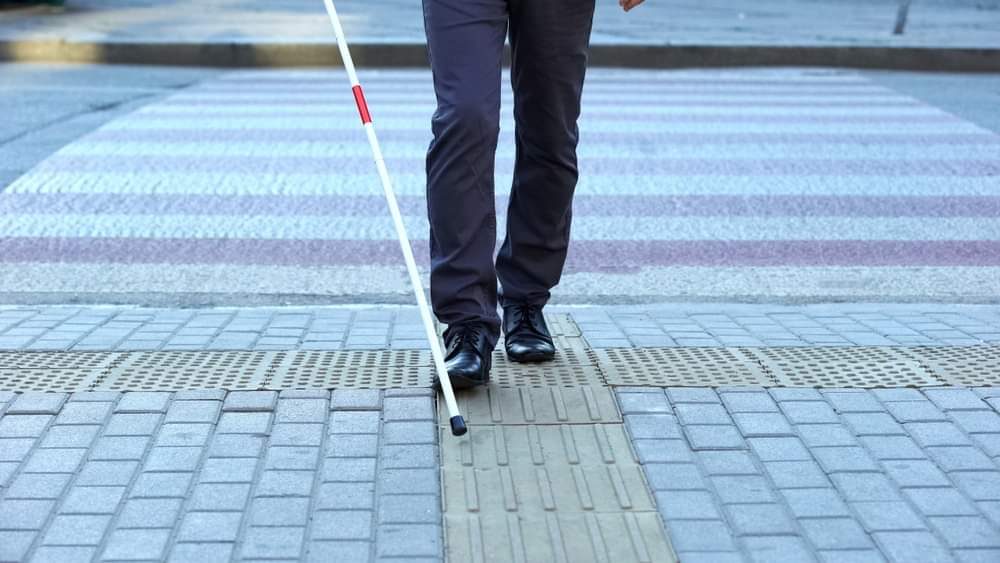
Whether you choose Cast-in-Place or Surface Applied, the most critical factor is compliance. In Canada, we don't just install these for looks; we install them to ensure safety and independence for the visually impaired.
Both methods are fully compliant with:
AODA (Accessibility for Ontarians with Disabilities Act)
CSA B651 (Accessible Design for the Built Environment)
NBC (National Building Code of Canada)
ISO 23599 (International Standards for TWSIs)
Key compliance checks to keep in mind:
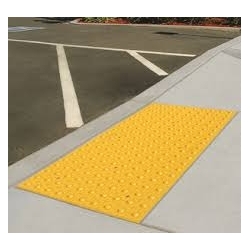
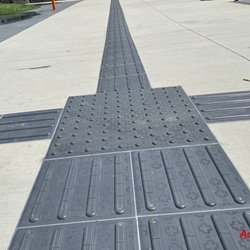
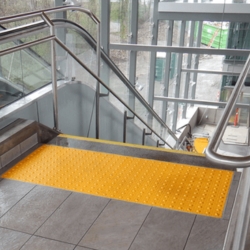
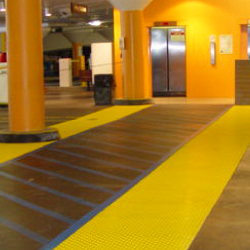
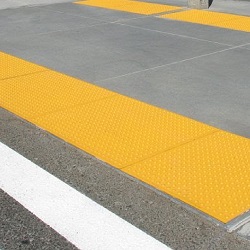
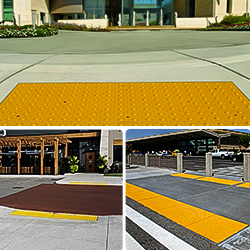
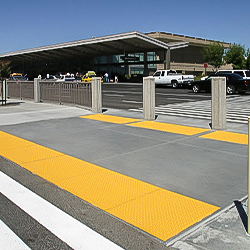
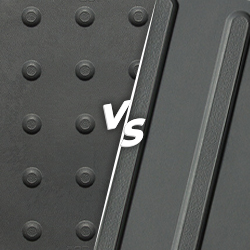
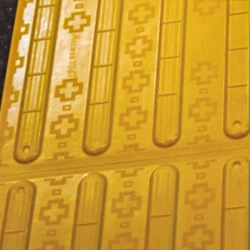
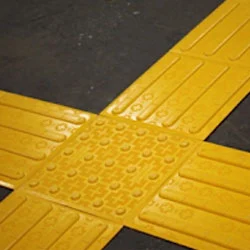
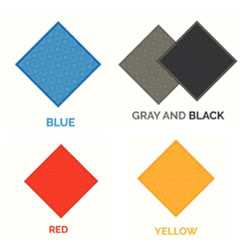
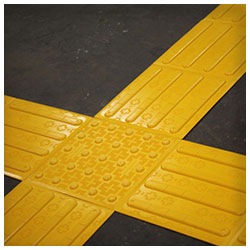
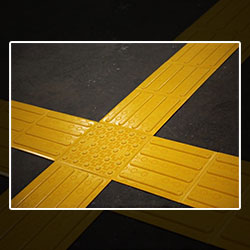
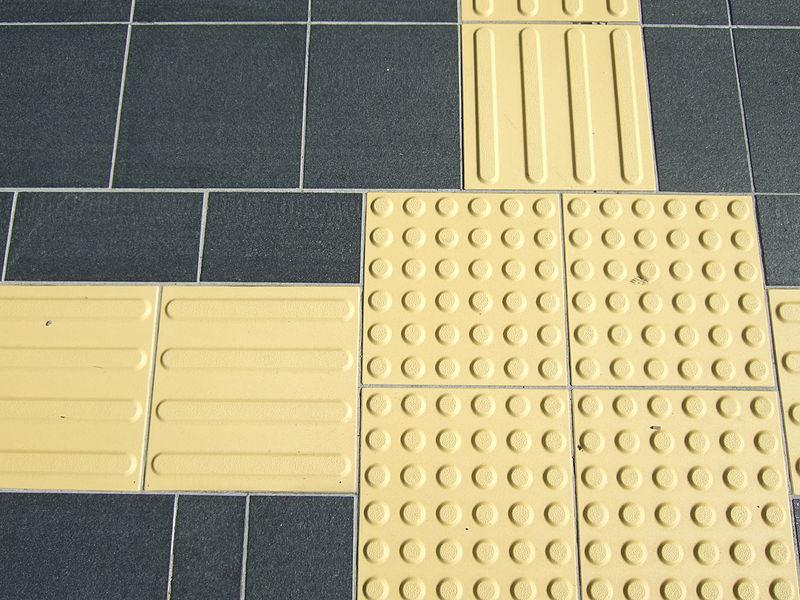
Contrast: The tiles must visually contrast with the surrounding surface (e.g., yellow domes on grey concrete).
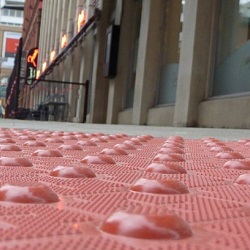
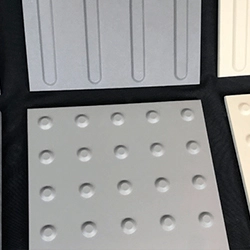
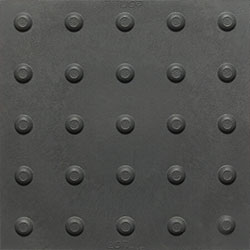
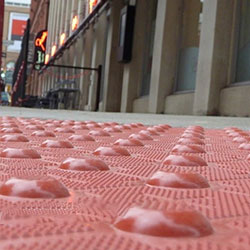
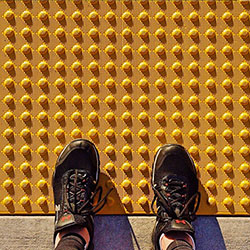
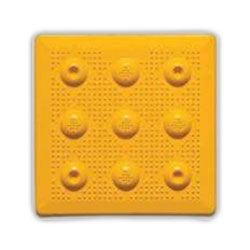
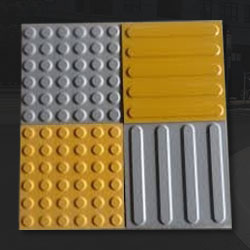
Geometry: The truncated domes must meet specific height (minimum 1.5mm) and spacing requirements to be detectable by a white cane or underfoot.
Slip Resistance: Both surface types must be slip-resistant in wet and dry conditions.
Rest assured, all products supplied by Tactile Solution Canada meet these rigorous Canadian standards.
We know that reading about "truncated domes" and "polymer composites" can be a bit overwhelming. Sometimes you just want someone to tell you exactly what you need for your specific door, ramp, or stairwell.
That is why we developed our Solution Finder Tool.
Think of it as your digital project consultant. You simply input a few details:
Are you working with new or existing concrete?
Is it indoor or outdoor?
What is your budget range?
And voila! The tool recommends the exact product that fits your needs. It takes the guesswork out of compliance. We highly recommend giving it a spin before you finalize your material list.
A: No. Compliant surface applied tiles feature a strict beveled edge ratio (usually 1:2) to ensure a smooth transition from the floor to the tile. Wheelchairs and pedestrians can roll over them easily.
A: Absolutely. Our products are engineered for the "Great White North." They are tested for freeze-thaw resistance and are salt-resistant. However, we always recommend using plastic shovel blades or snow blowers with rubber edges to prolong the life of surface-applied tiles.
Whether you are pouring a fresh sidewalk for a new city park or retrofitting the steps of a historic library, the goal remains the same: creating a space where everyone, regardless of ability, can navigate with confidence and dignity.
You don't need to wait for a massive construction project to make your facility accessible. With Surface Applied Tactile Solutions, you can make a difference today. And if you are breaking ground on something new? Cast-in-Place ensures that safety is built right into the foundation.
At Tactile Solution Canada, we are more than just suppliers; we are your partners in creating a barrier-free Canada. From the initial design to the final screw, we are here to help you navigate the codes and choose the right product.
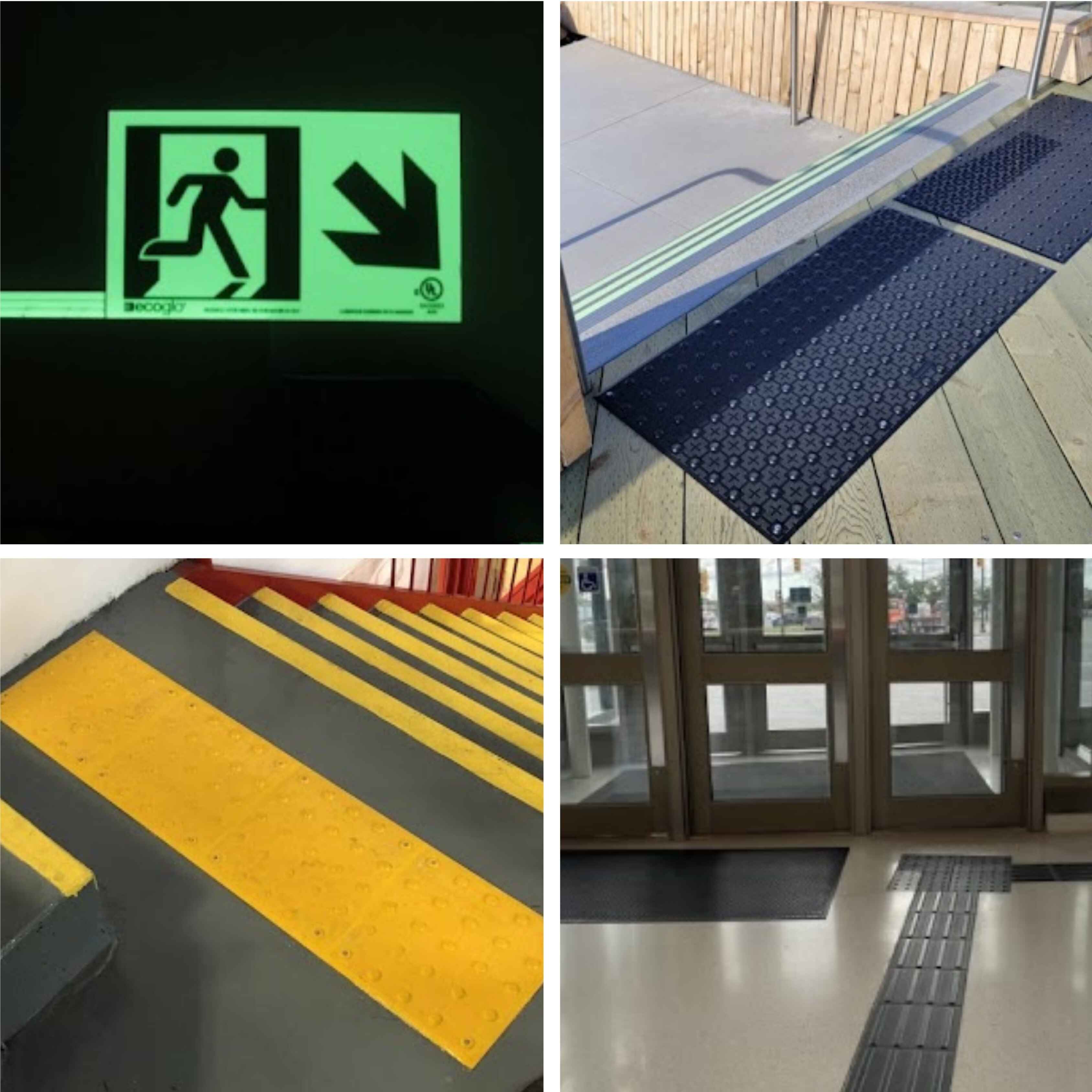
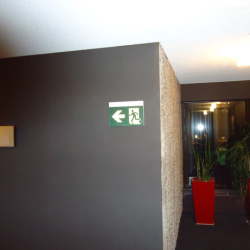
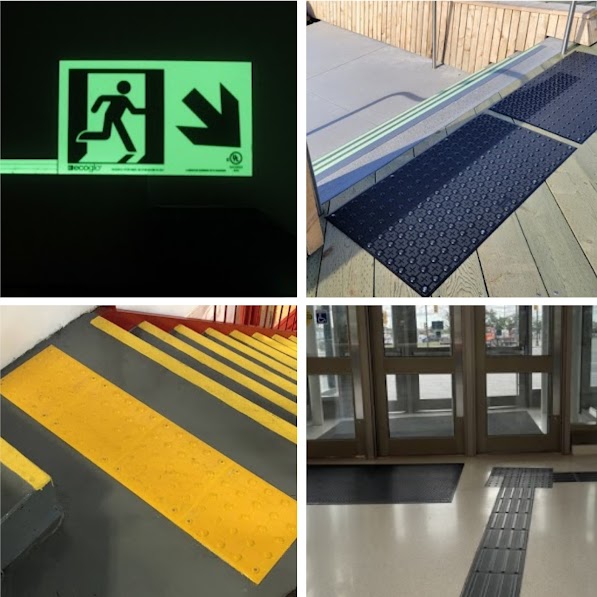
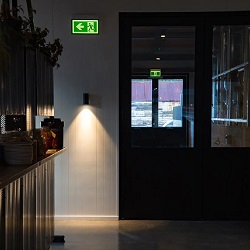
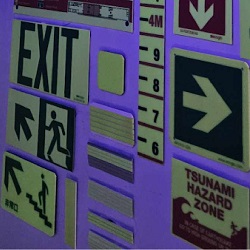
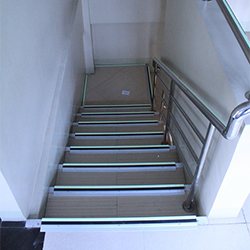
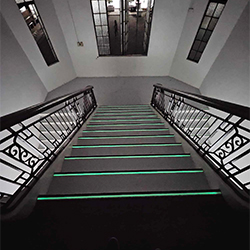
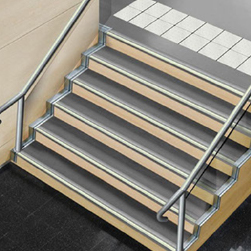
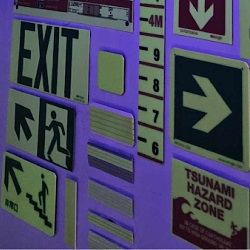
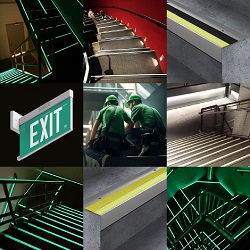
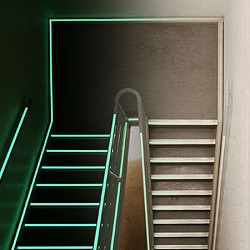
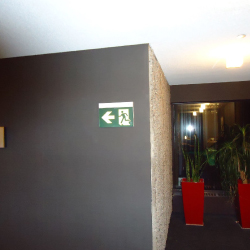
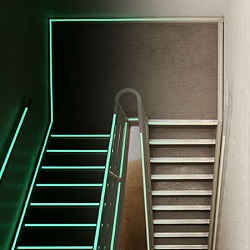
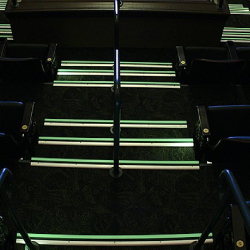
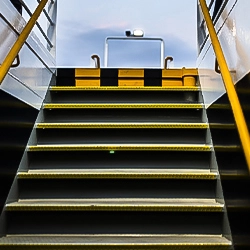
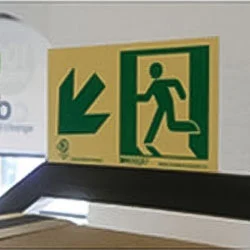
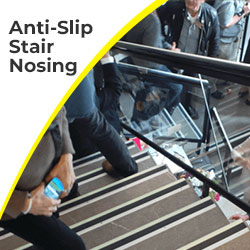
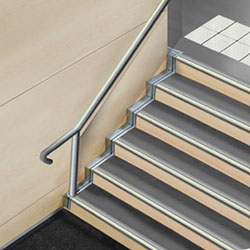
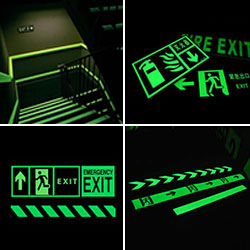
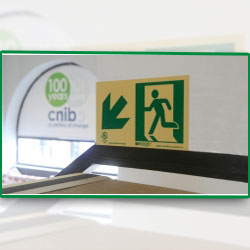
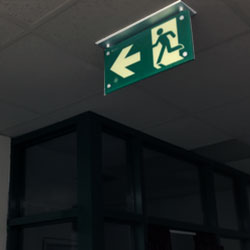
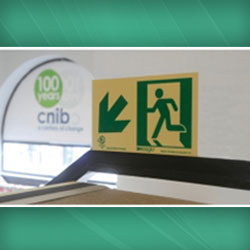
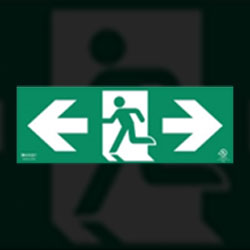
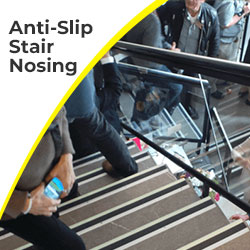
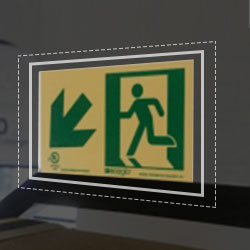
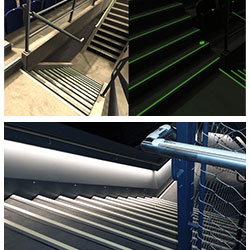
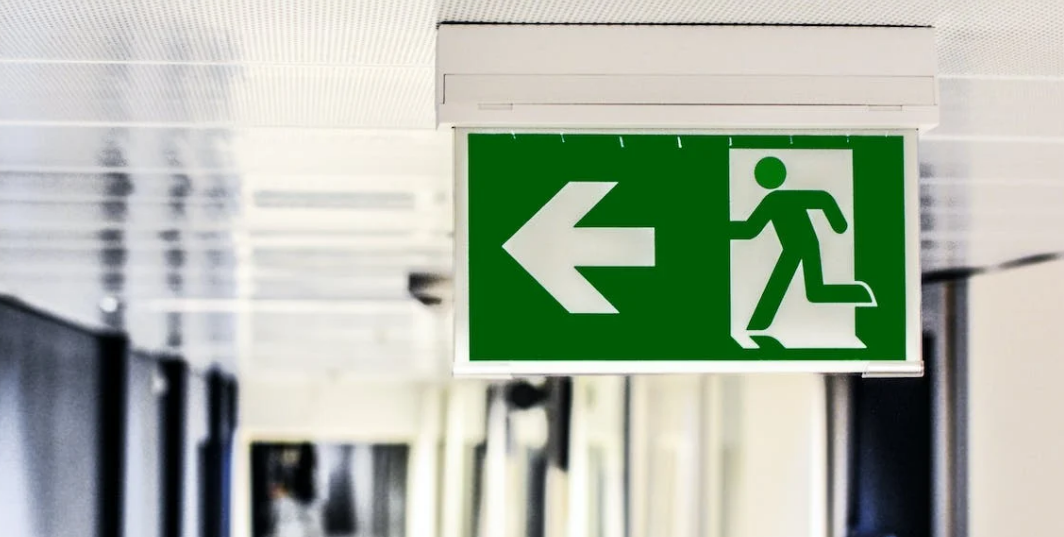
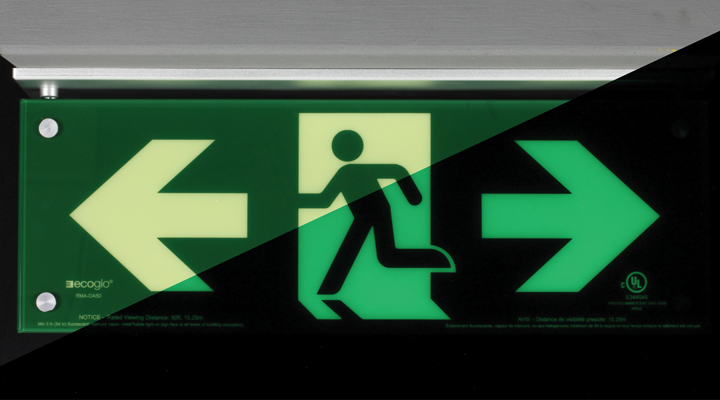
Ready to find the perfect fit for your surface? Visit our Solution Finder or browse our catalog of high-quality Attention Domes, Wayfinding Bars, Stair Nosing and Photoluminescent Exit Signs.
Let's build a safer, more accessible world together, one step at a time.