Townhouse and row housing developments often fall into a very confusing gray area for builders. Are they private homes, or are they public spaces?
When a family buys a townhouse, the inside of their unit is completely private. However, the pathways connecting the units, the central courtyards, the shared parking drop-offs, and the community staircases belong to everyone. This means these shared zones must be safe, inclusive, and fully accessible to people with vision loss or mobility challenges.
Property managers and contractors frequently ask us where the private property line ends and where the public accessibility codes begin. If you guess incorrectly, you risk failing your final building inspections, facing massive financial penalties, and creating severe slip-and-fall liabilities.
At Tactile Solution Canada, we supply the highest quality safety products to builders across the country. Today, we will clear up the confusion around townhouse developments. We will show you exactly where you need Tactile Walking Surface Indicators (TWSI) and how to choose the right materials to keep your shared spaces fully compliant and beautiful.
Let us share a story about a recent project we supplied in Ontario. A developer named Greg was building a massive, premium row housing complex. The property featured fifty townhomes, a shared outdoor amenity pavilion, and a beautiful central courtyard with multi-level walking paths.
Greg’s team assumed that because these were residential homes, they did not need to follow strict commercial accessibility codes. They poured beautiful, smooth concrete across the entire central courtyard. They left the shared community stairs completely bare.
The building inspector arrived for the final sign-off and immediately flagged the shared spaces. The complex failed the inspection.
Greg panicked. His occupancy permits were delayed, and buyers were waiting to move in. He called our team for an urgent fix. We explained that while the private front door steps were exempt, the shared community pathways and common staircases strictly required attention domes and stair nosing.
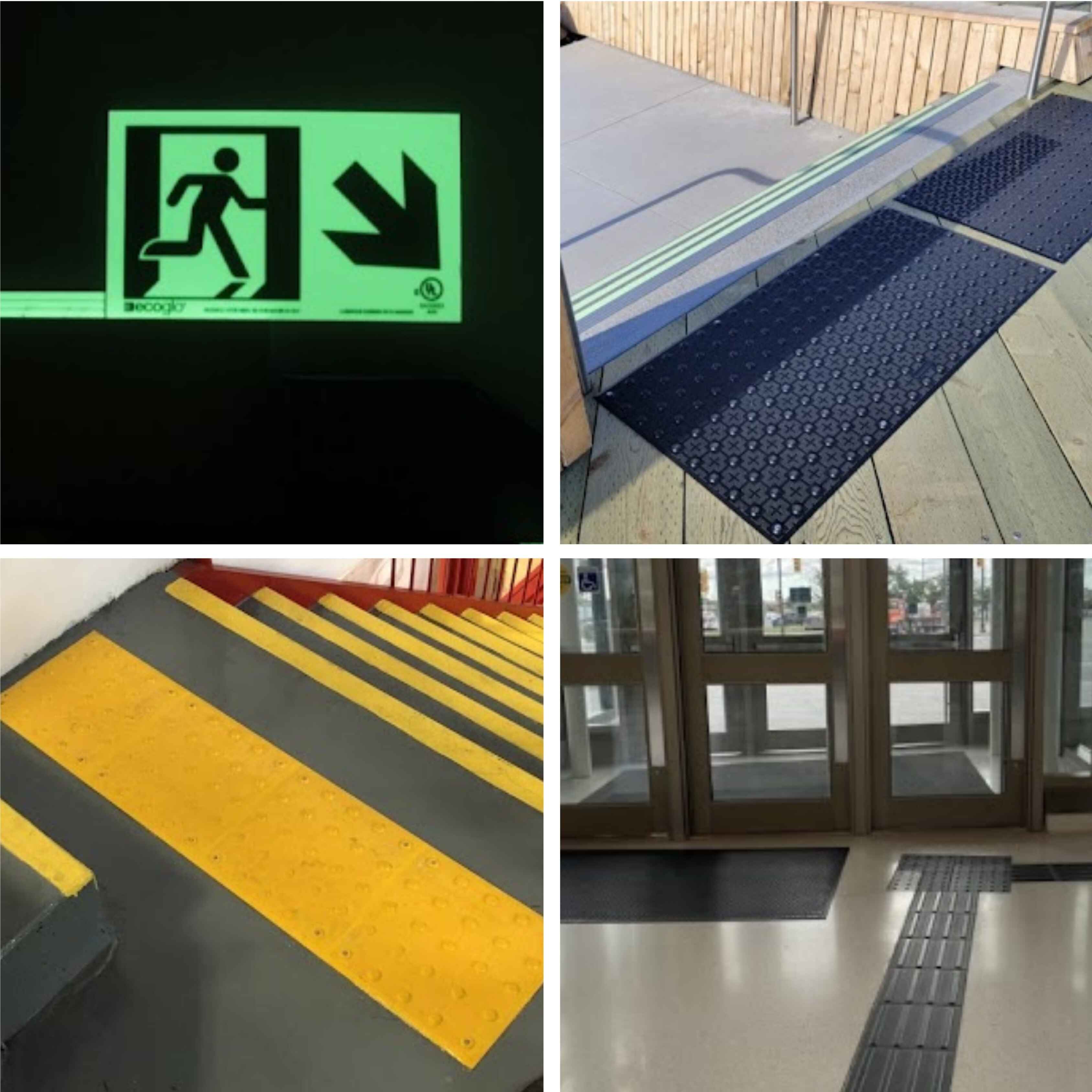
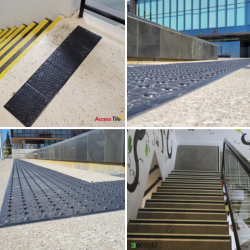
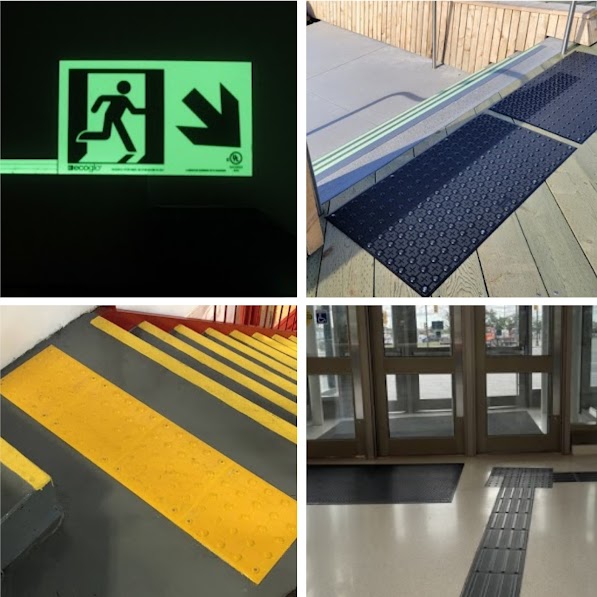
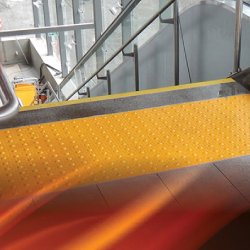
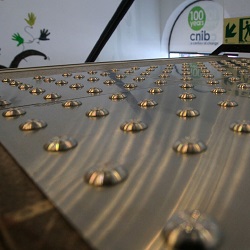
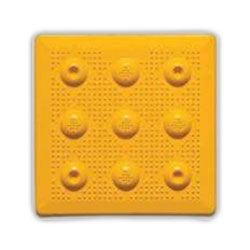
We supplied a shipment of surface-applied Armor Tile warning domes and Ecoglo stair nosing to his site. His crew installed them quickly using structural adhesive, avoiding the need to jackhammer the fresh concrete. Greg passed his second inspection, but the stress and extra labor costs taught him a valuable lesson about planning for accessibility early.
You cannot ignore the law when building multi-unit residential communities. Canadian codes treat the shared areas of a townhouse complex similarly to public commercial spaces.
Here are the critical standards you must follow:
You do not need to put safety tiles inside a private living room. You must focus entirely on the common elements where all residents and their visitors interact.
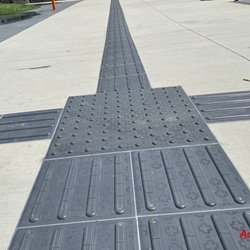
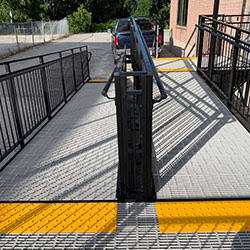
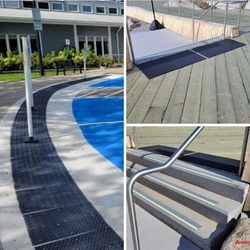
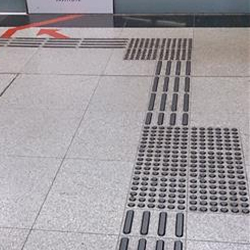
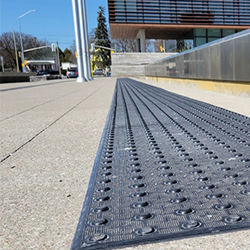
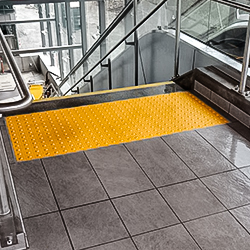
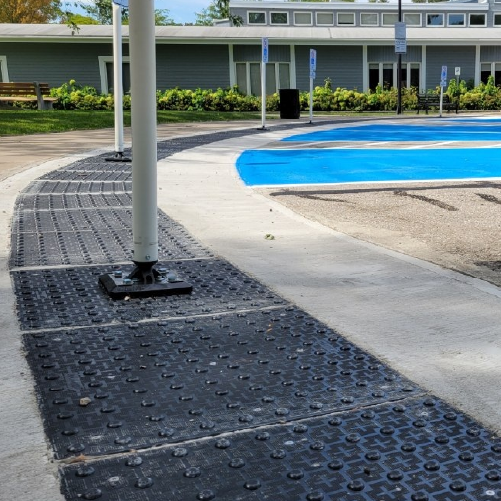
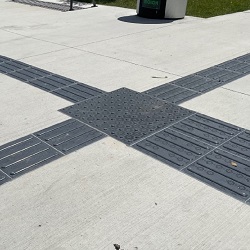
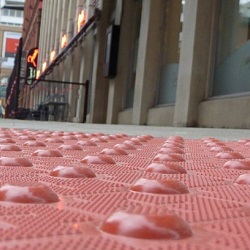
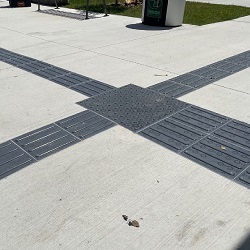
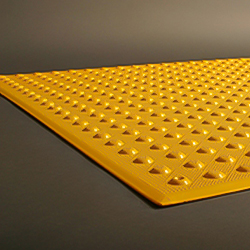
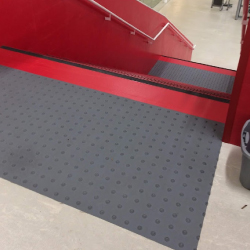
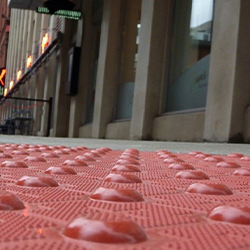
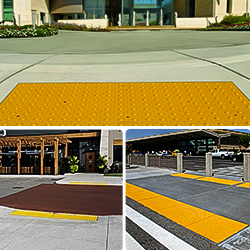
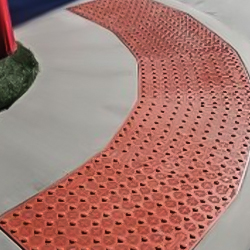
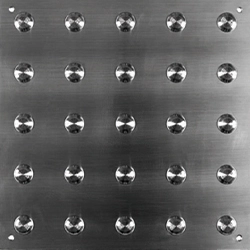
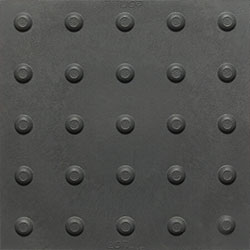
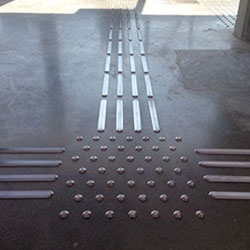
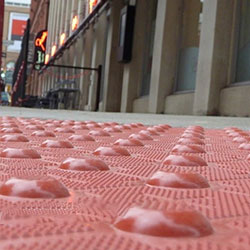
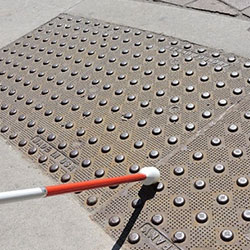
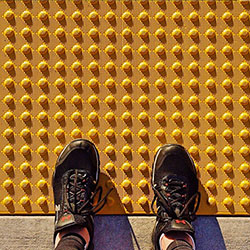
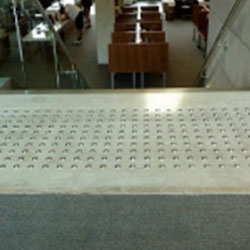
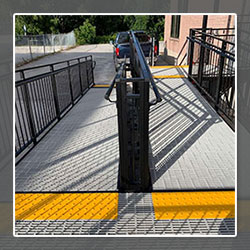
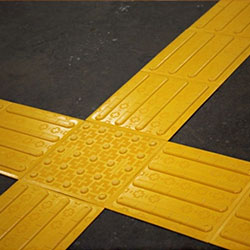
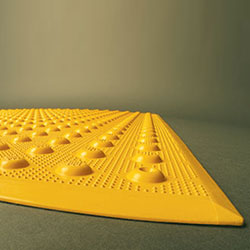
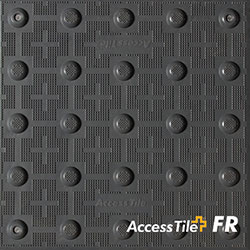
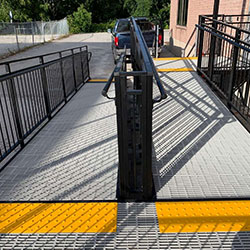
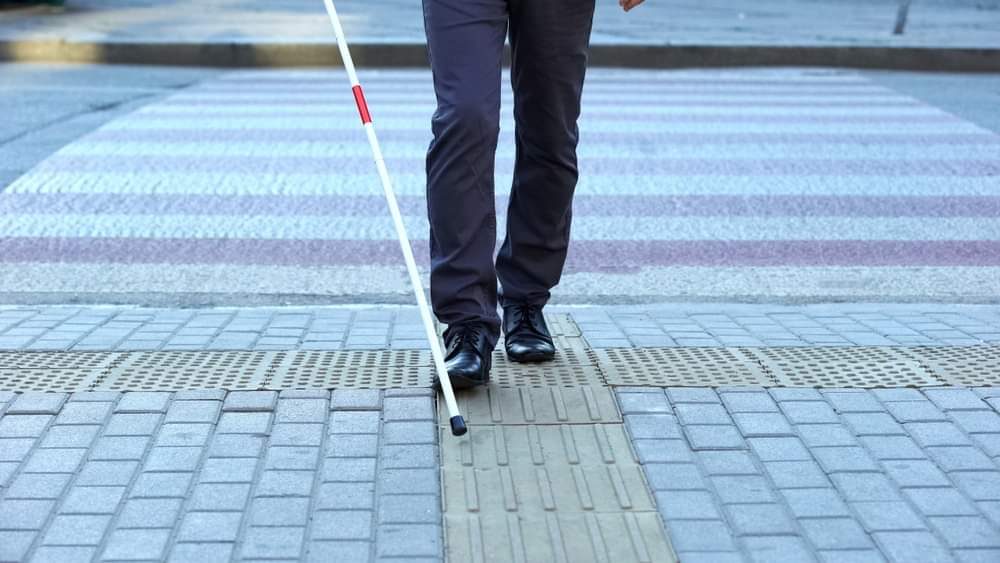
Many modern row housing complexes feature a central courtyard connecting the units. If there is an unprotected drop-off or a sudden curb along these shared walking paths, you must install truncated domes. These act as a physical stop sign, warning a visually impaired resident that a hazard is approaching.
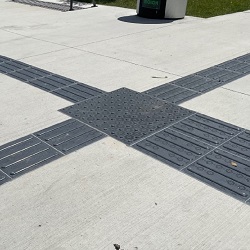
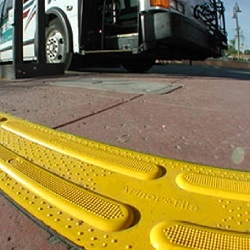
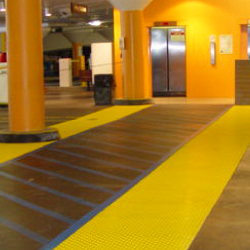
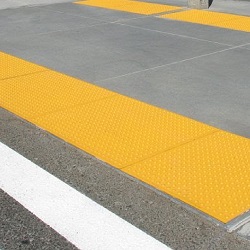
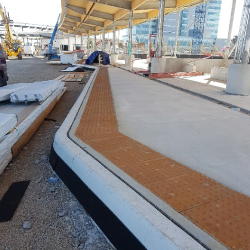
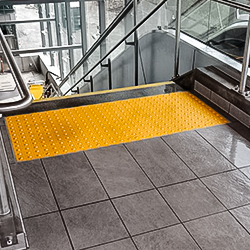
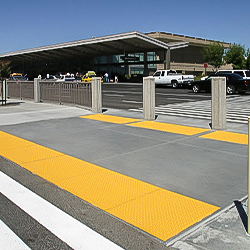
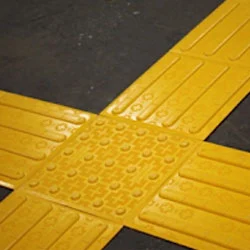
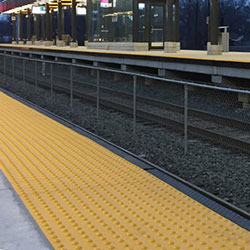
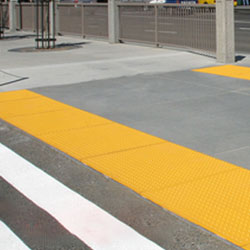
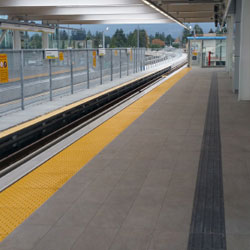
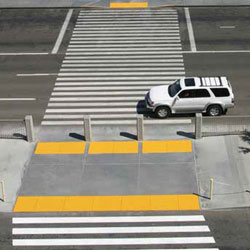
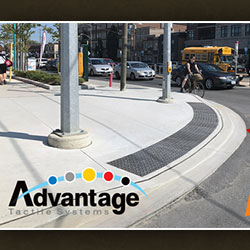
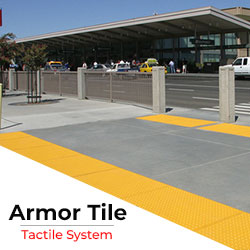
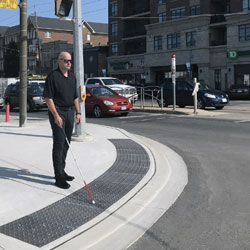
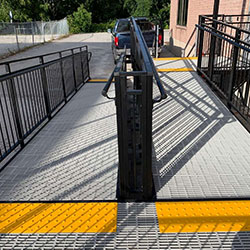
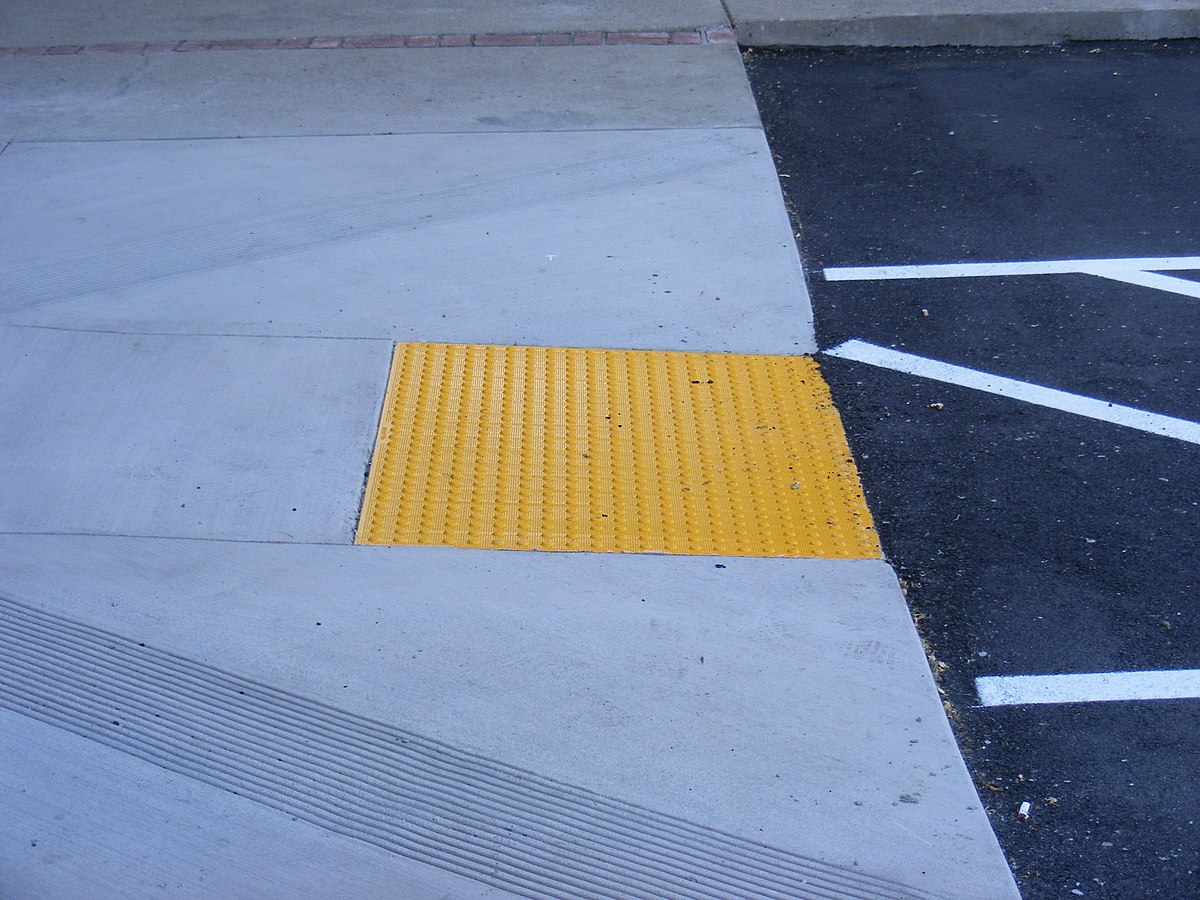
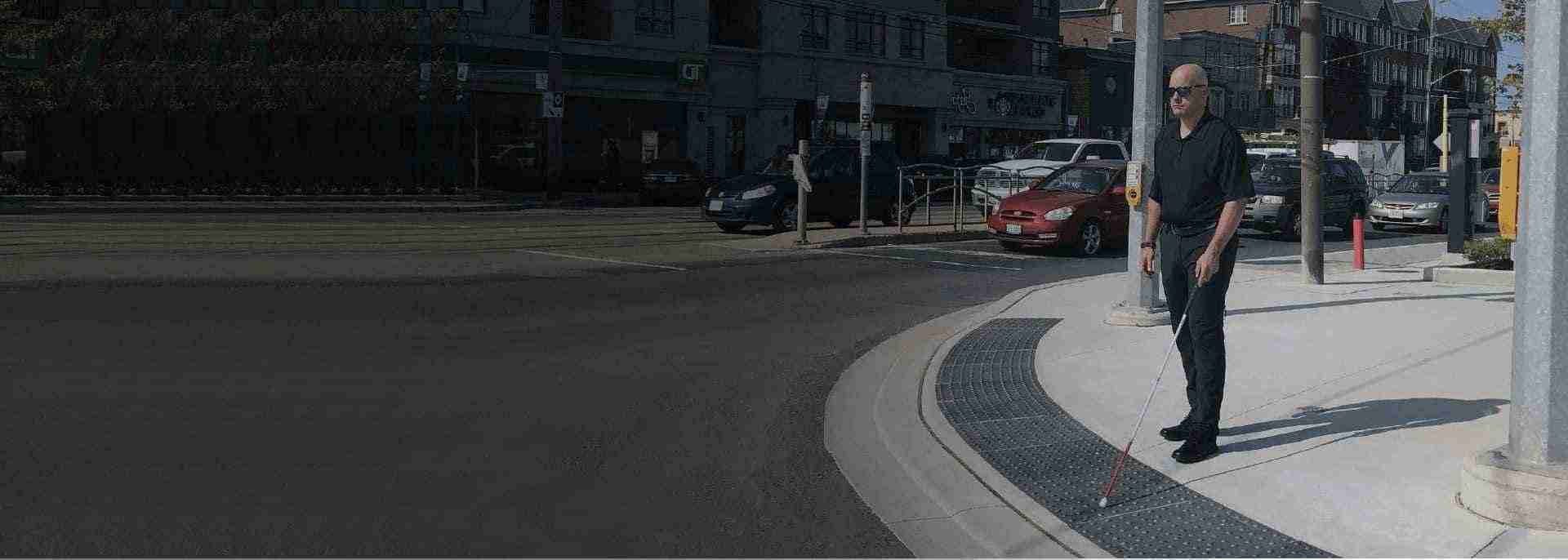
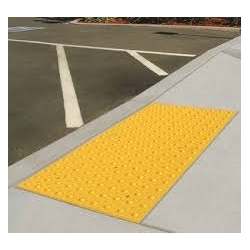
Townhouse complexes usually have a shared parking area or a central driving lane. Where the pedestrian sidewalk meets the vehicle roadway, you must install tactile warning plates. This clearly separates the safe walking zone from the dangerous driving zone.
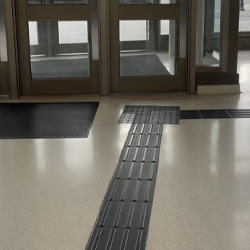
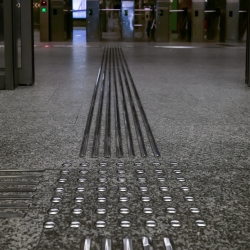
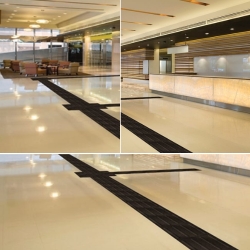
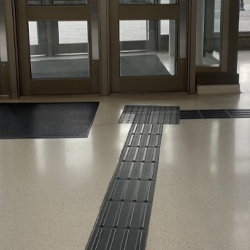
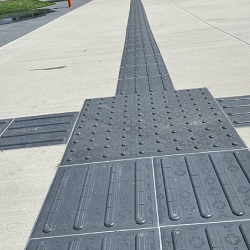
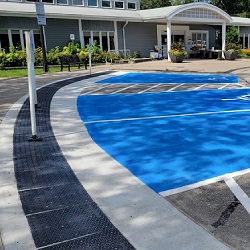
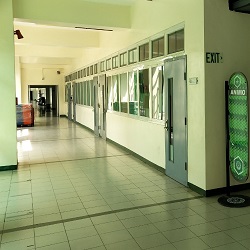
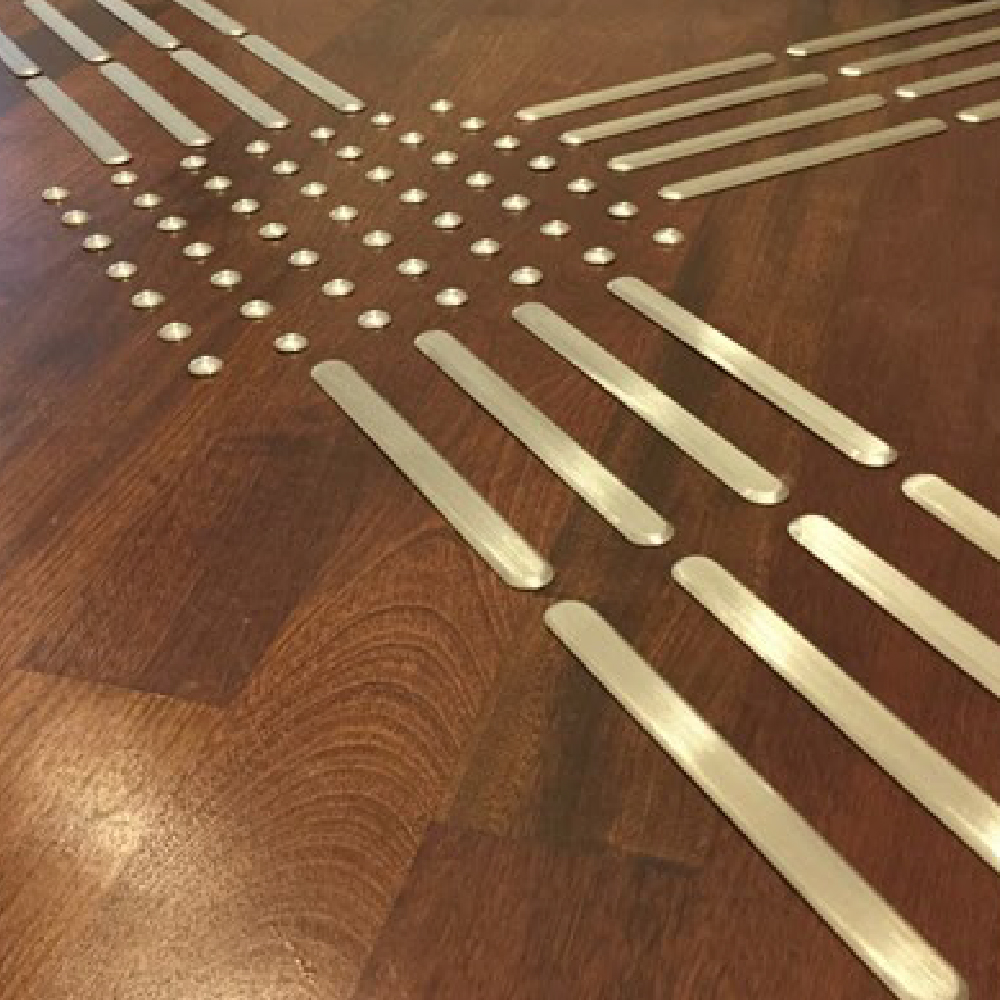
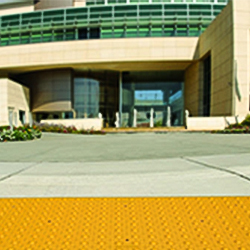
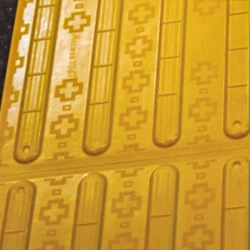
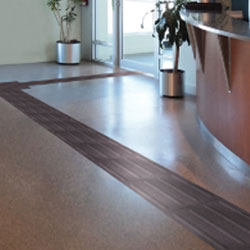
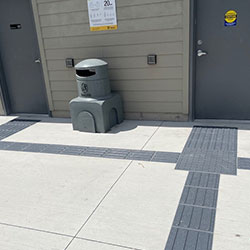
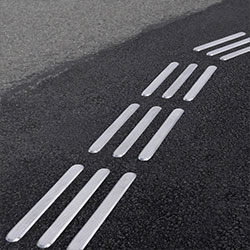
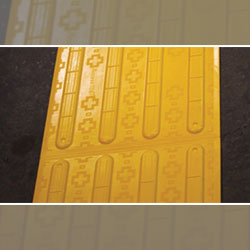
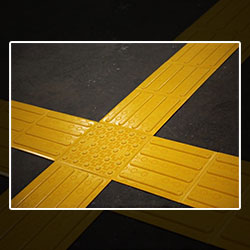
Does your townhouse complex have a shared gym, pool house, or mailroom? The entrance to this building requires proper tactile safety. You should use guidance or wayfinding bars to help visually impaired residents find the main entrance doors securely from the parking lot.
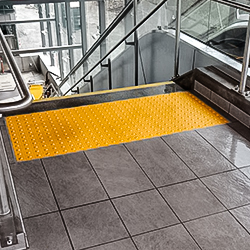
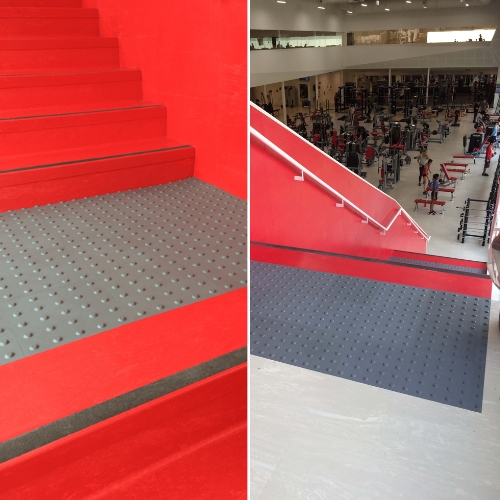
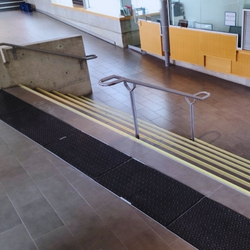
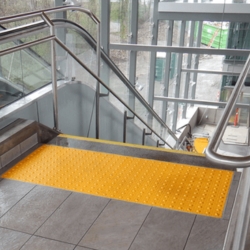
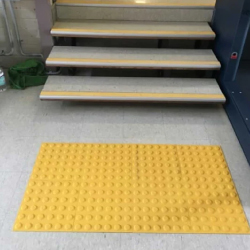
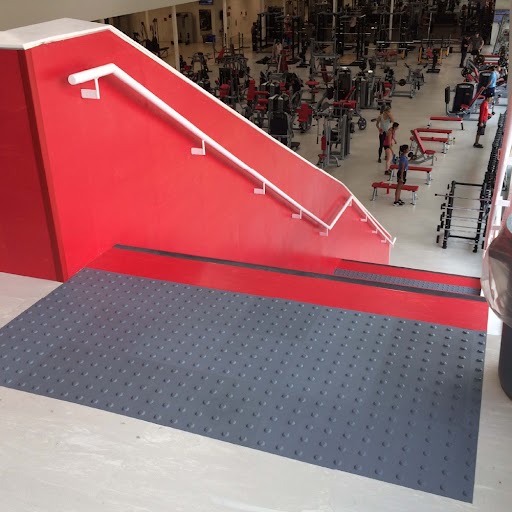
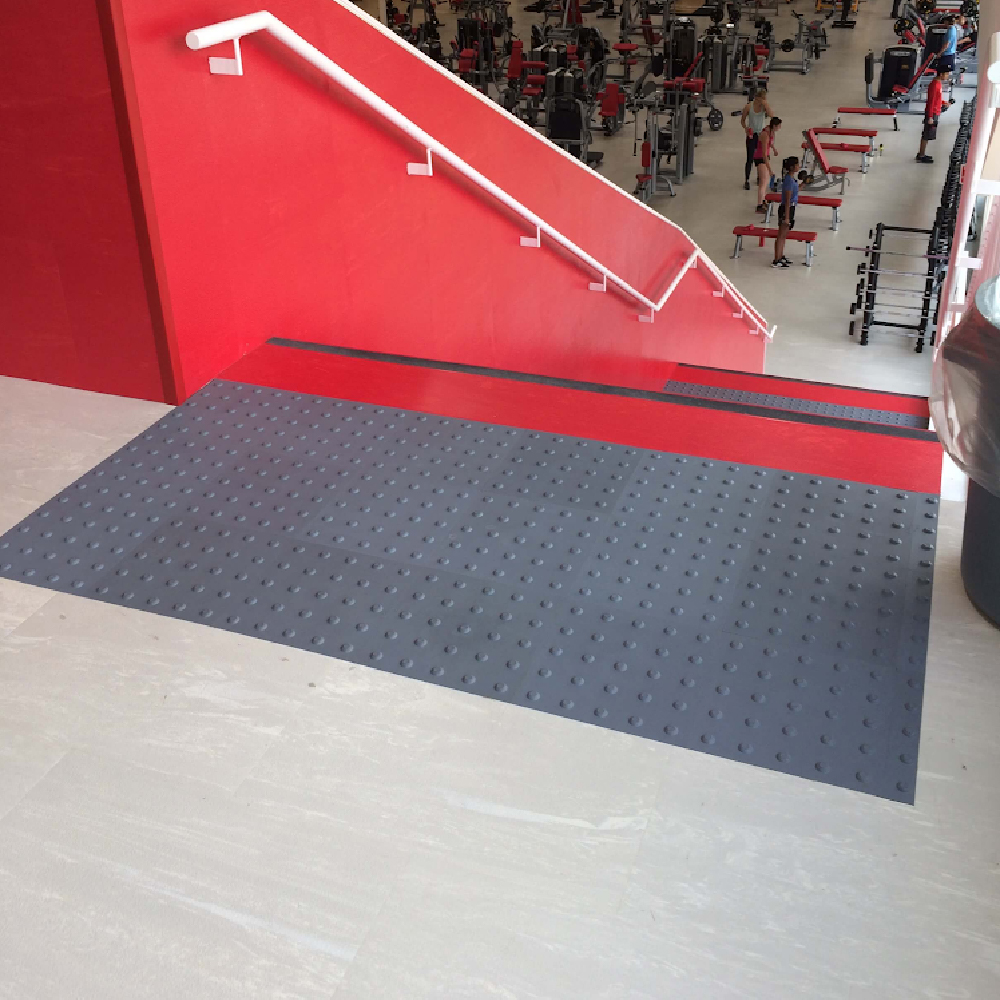
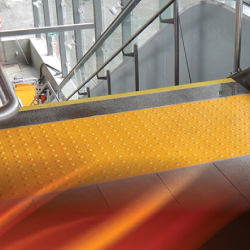
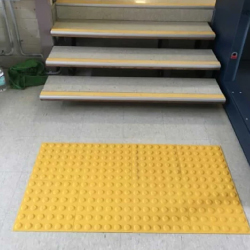
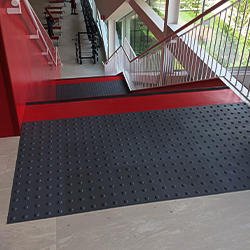
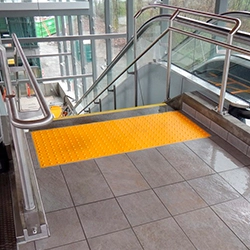
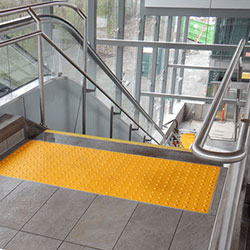
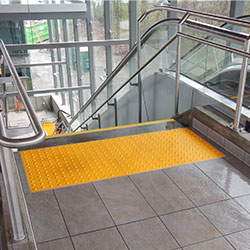
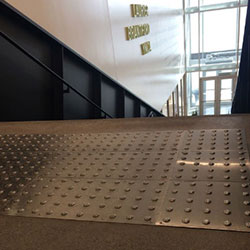
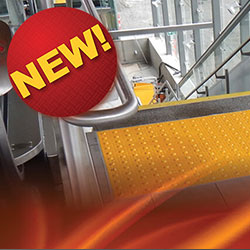
If your development uses a shared exterior staircase to connect an upper parking lot to a lower housing tier, you must protect it. You must place attention indicators at the very top of the stairs and at the bottom landing to warn pedestrians of the elevation change.
Townhouse developments face brutal Canadian weather. You need materials that survive freezing temperatures, heavy rain, and aggressive snow shoveling. When you buy from Tactile Solution Canada, you get products engineered for true longevity.
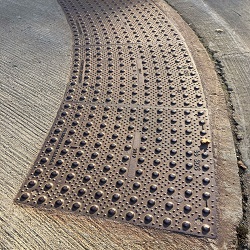
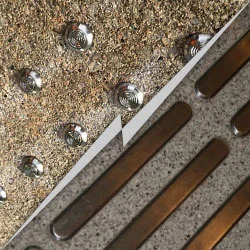
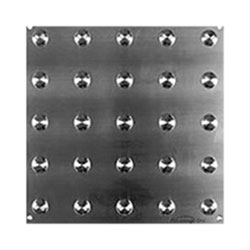
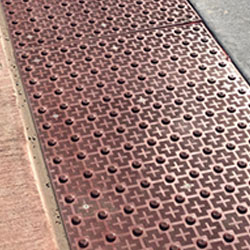
If your townhouse complex uses heavy snow plows for the shared parking areas, you need absolute strength. Advantage Cast Iron tiles are the most durable option on the market. They are embedded directly into wet concrete and will easily outlast the surrounding pavement.
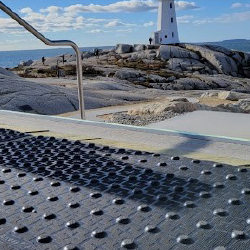
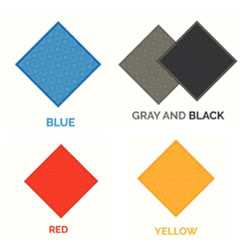
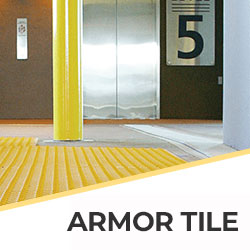
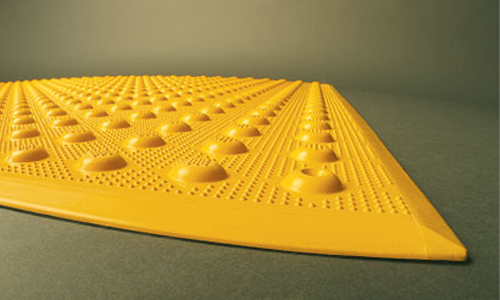
For outdoor walkways and shared courtyards, Armor Tile is incredibly popular. These engineered polymer tiles are UV-stabilized, meaning their bright safety colors will not fade in the summer sun. They offer exceptional slip resistance and endure heavy daily foot traffic flawlessly.
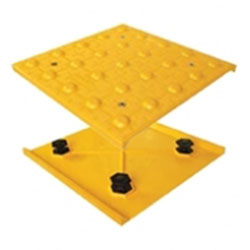
If you are currently in the pre-construction phase, we highly recommend Access Tile Replaceable Cast-In-Place units. Your concrete crew drops them into the wet cement. If a tile is ever damaged by a snowblower ten years down the road, your maintenance team can simply unscrew the top plate and drop in a fresh one without pouring new concrete.
Staircases are the biggest liability in any housing development. Slips and falls on shared outdoor or indoor stairs lead to massive insurance claims against the property management company.
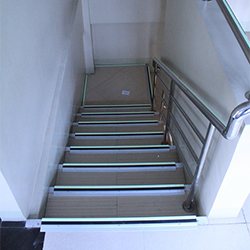
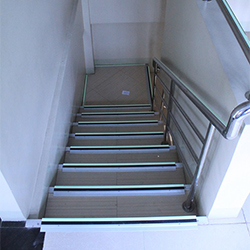
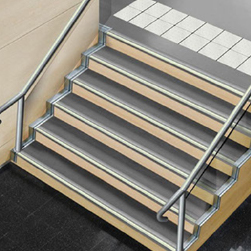
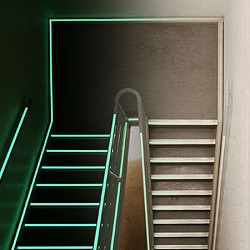
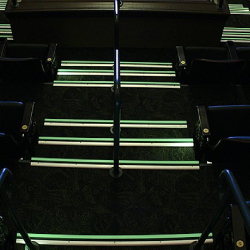
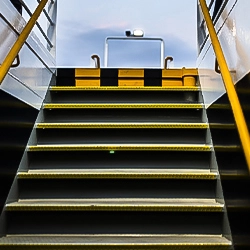
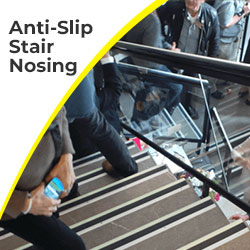
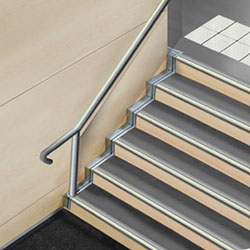
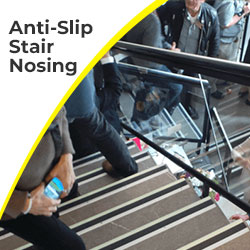
You must install heavy-duty stair nosing on every single step of your common staircases.
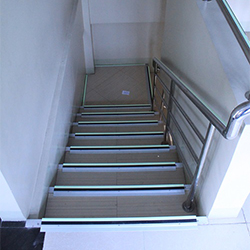
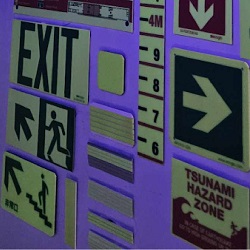
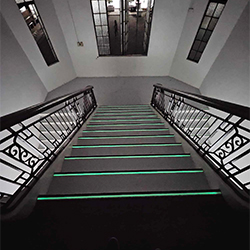
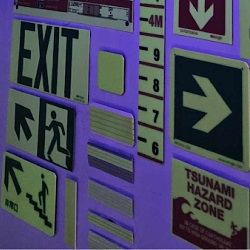
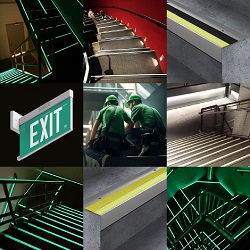
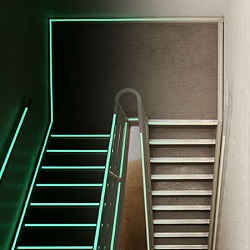
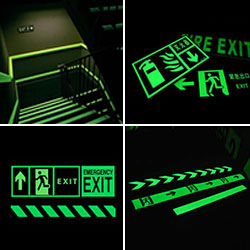
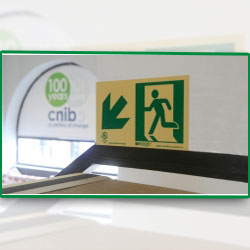
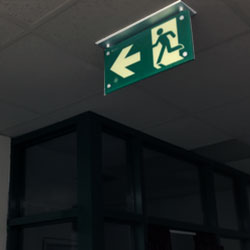
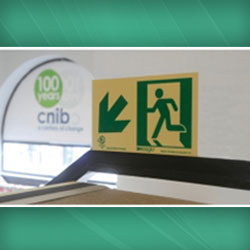
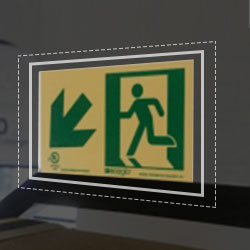
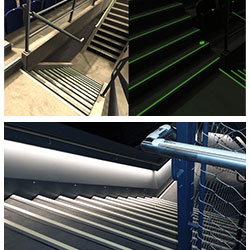
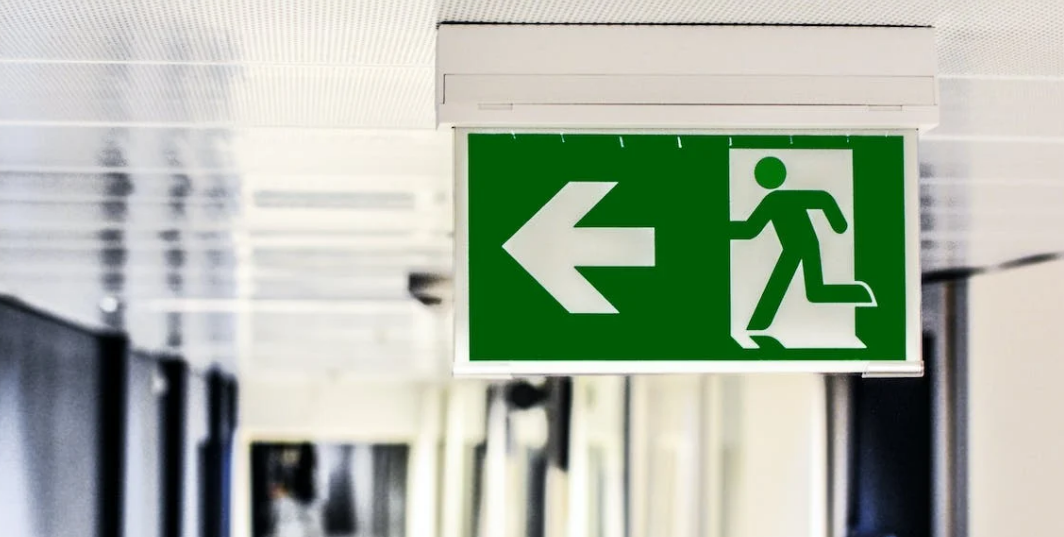
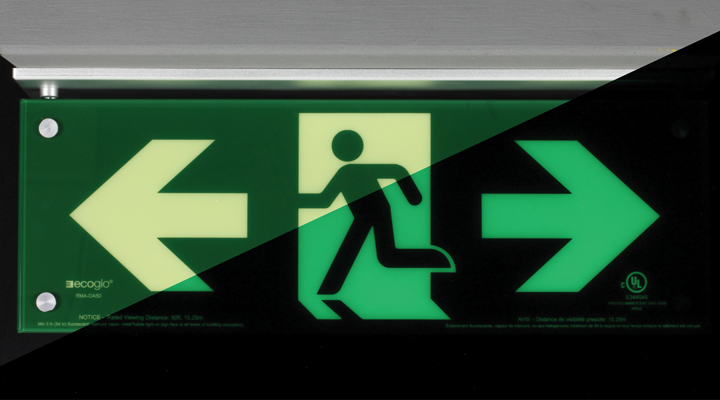
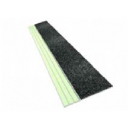
We strongly advise our clients to use Ecoglo photoluminescent stair nosing. These specialized strips provide ultimate safety for your residents.
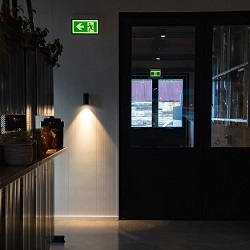
If your row housing development includes an indoor clubhouse or party room, you must also secure these interior spaces.
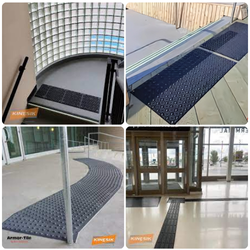
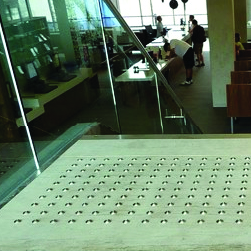
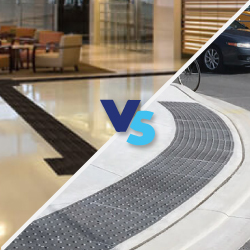
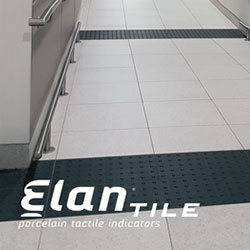
Indoor environments allow for more aesthetic flexibility. You do not want heavy cast iron inside a beautiful community lounge.
Do not wait for a building inspector to halt your project. Follow these four simple steps to guarantee a smooth development process.
No. The private driveway leading directly to a single-family unit is considered private property. However, if that driveway crosses a shared public sidewalk, the intersection must be marked clearly for pedestrian safety.
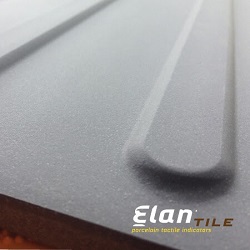
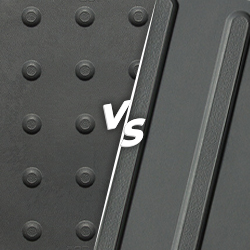
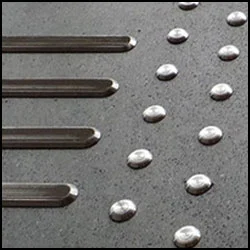
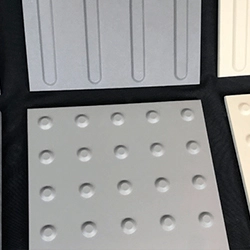
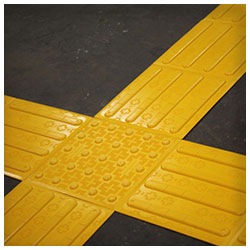
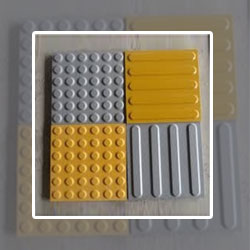
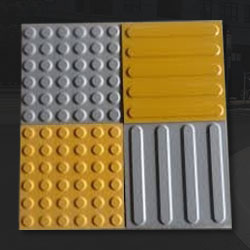
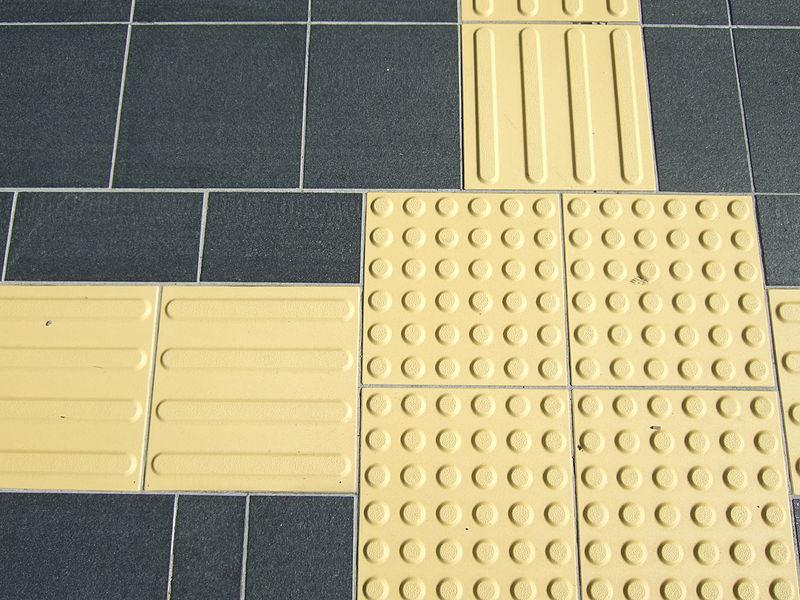
Truncated domes are small, raised bumps that act as a hazard warning. They tell a pedestrian to stop. Wayfinding bars feature long, raised ridges. They provide safe directional guidance to help someone walk toward a specific destination.
Yes, if you choose the right materials. Products like Advantage Cast Iron and Armor Tile polymer composites are specifically engineered to withstand freezing temperatures, salt corrosion, and heavy snow plows.
Outdoor stairs become incredibly slippery during rain and snow. Installing anti-slip stair nosing is legally required to define the edge of the step visually and provide physical traction, preventing severe injuries.
Surface-applied tactile tiles are the fastest solution. You clean the existing concrete, apply a premium polyurethane adhesive, press the tile down, and secure it with color-matched mechanical fasteners.
Developing a townhouse or row housing complex requires massive coordination. You must balance private luxury with public safety. You cannot afford to treat accessibility as an afterthought on your shared walkways and common stairs.
When you install the right tactile safety products, you protect your residents, you prevent expensive lawsuits, and you easily pass your municipal building inspections.
At Tactile Solution Canada, we are the leading experts in code-compliant safety systems. We supply top-tier products directly to contractors and builders nationwide. From durable cast iron plates to glowing stair strips, we have exactly what you need to finish your development flawlessly.
Browse our complete catalog online or contact our expert sales team today. We will help you select the perfect products to secure your property and generate a fast, competitive quote for your project.