When a resident falls in a long-term care home, the physical and emotional impact is massive. As the population shifts in Canada, seniors are soon expected to make up nearly a quarter of all citizens. This means senior living facilities are becoming vibrant, busy communities where people expect to live safely and comfortably.
But without the proper floor planning, simple stairs or small ramps can become dangerous hazards. A single fall can result in a lengthy hospital stay and a permanent loss of mobility.
At Tactile Solution Canada, we help contractors, building owners, and facility managers create safer spaces for everyone. Properly installed tactile systems are the most effective way to prevent falls and guide visually impaired residents. Let us show you exactly how these professional products keep your residents safe and your building perfectly up to code.
Safety in senior care is not an option. It is the very foundation of dignity and independence.
Aging brings natural changes to vision, balance, and mobility. In large care homes, poor lighting and flat, uniform floors make it hard to spot where a hallway turns into a sloped ramp. Standard floors often lack the visual contrast seniors need to feel safe.
Unmarked floor transitions and small doorway lips are the leading causes of indoor accidents. Canadian building codes enforce tactile warning systems for this exact reason. These simple floor additions provide a physical and visual warning that stops a fall before it even happens.
Tactile solutions do much more than pass an inspection. They act as a silent guide for anyone who needs extra help. Here are the specific products that contractors and building managers install to protect seniors.
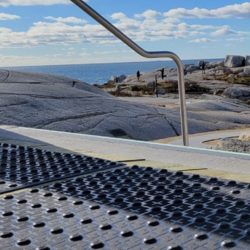
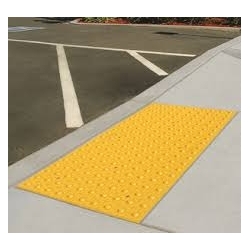
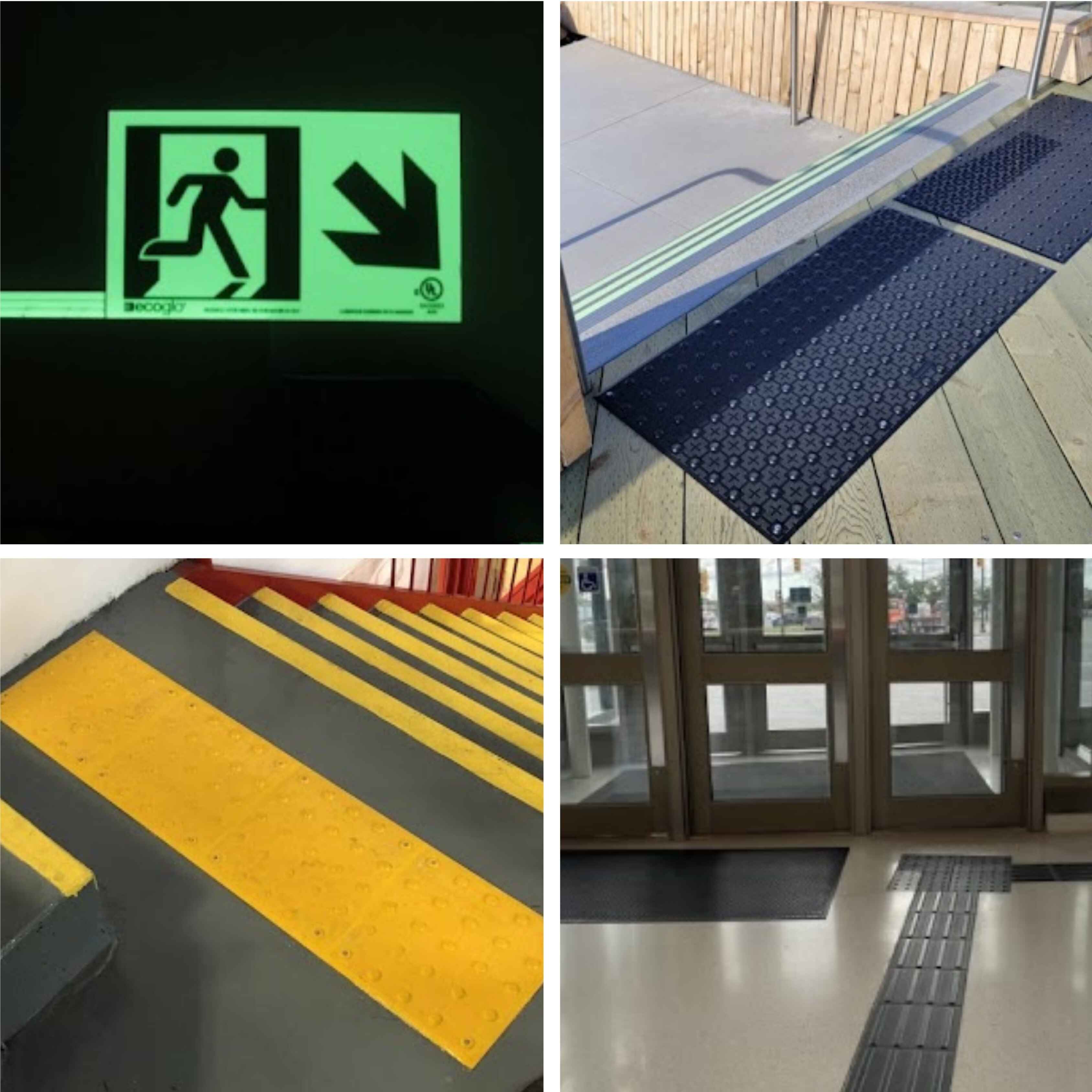
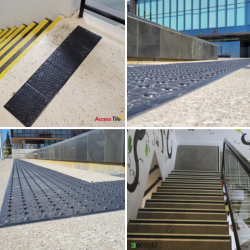
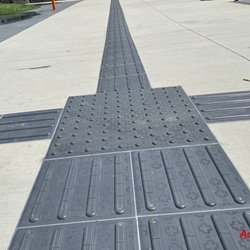
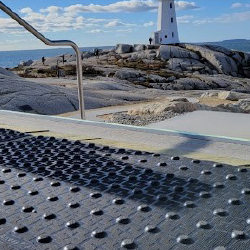
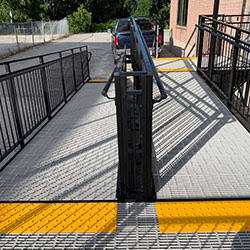
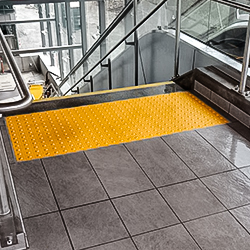
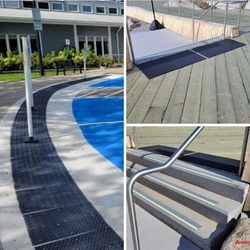
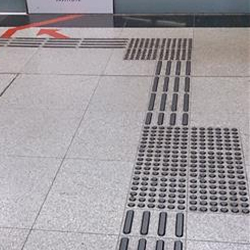
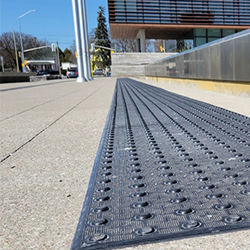
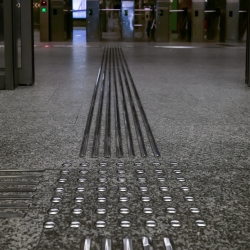
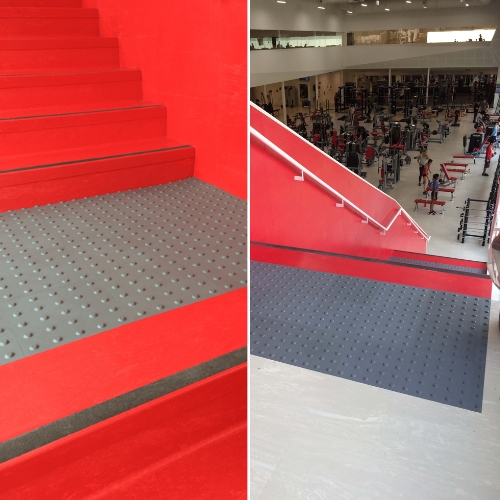
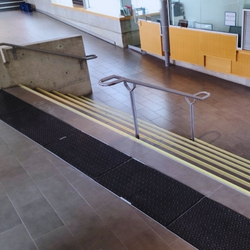
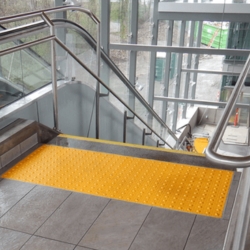
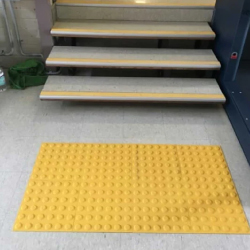
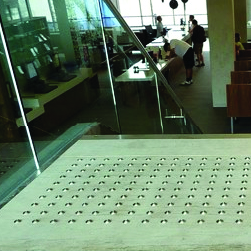
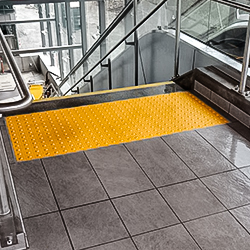
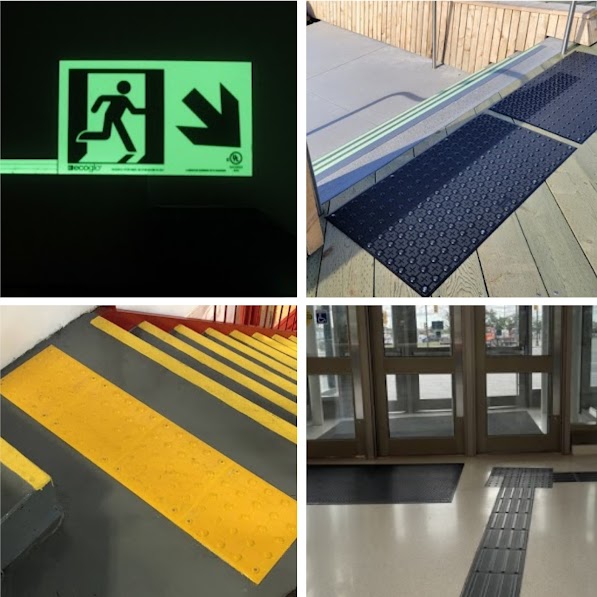
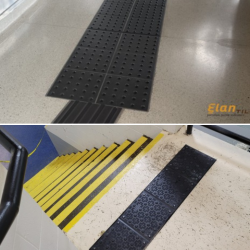
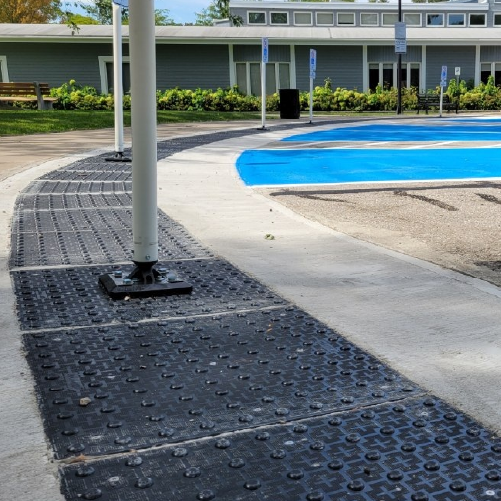
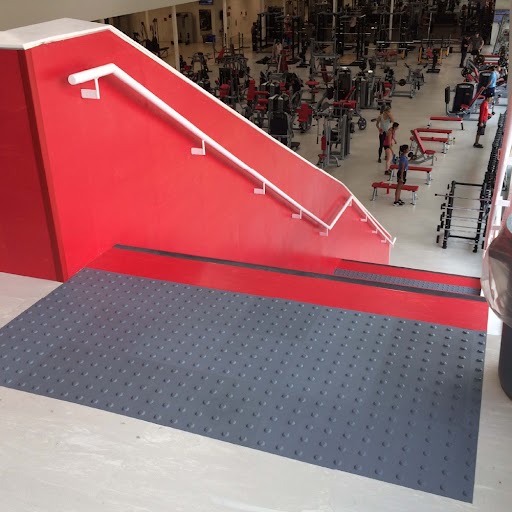
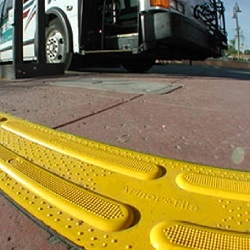
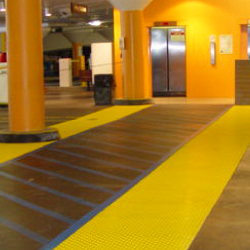
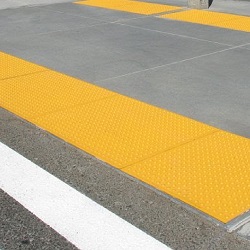
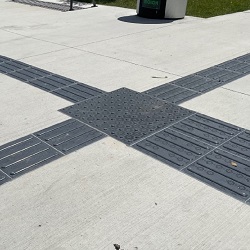
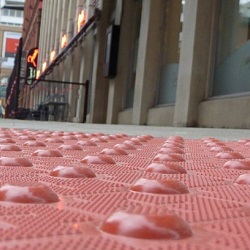
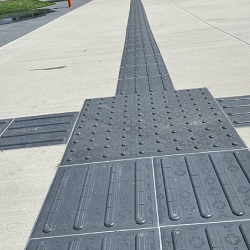
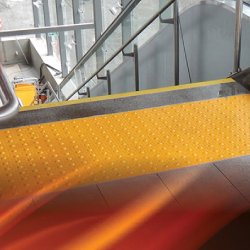
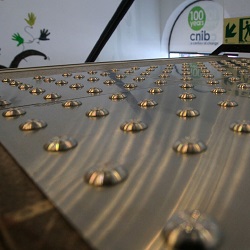
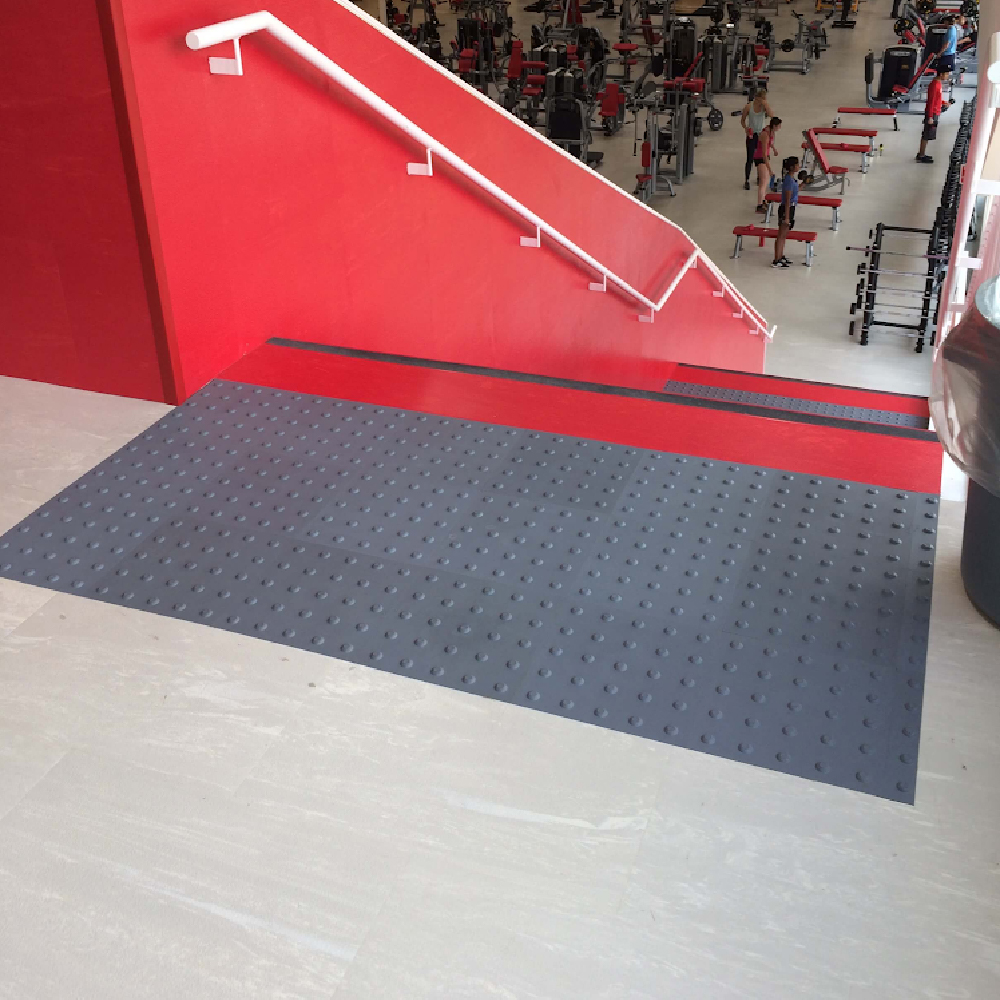
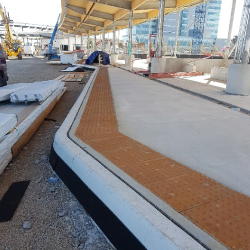
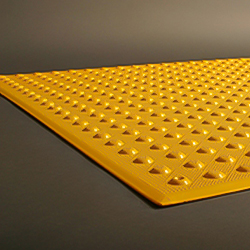
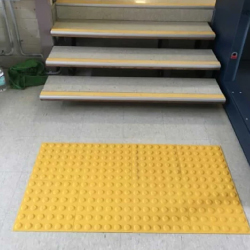
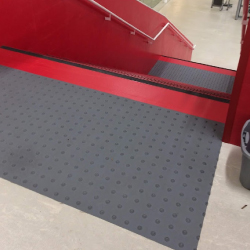
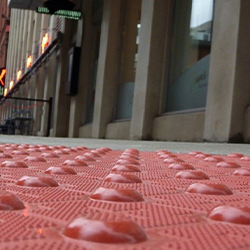
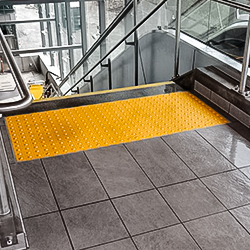
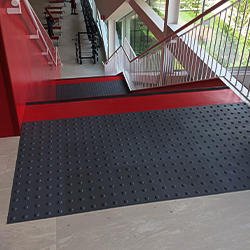
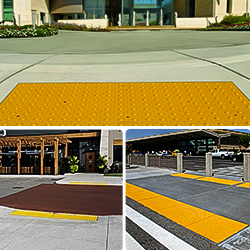
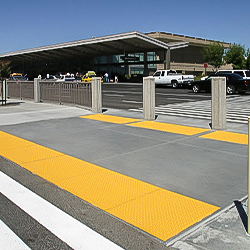
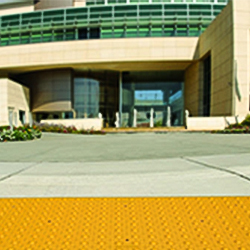
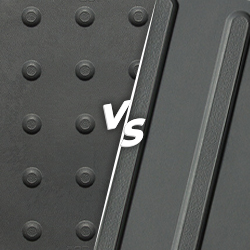
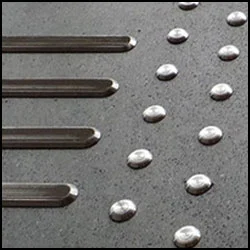
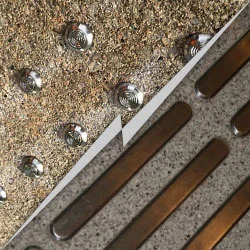
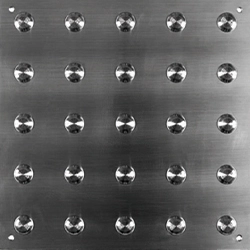
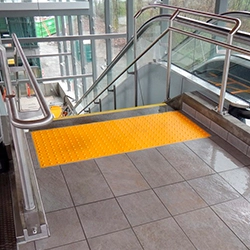
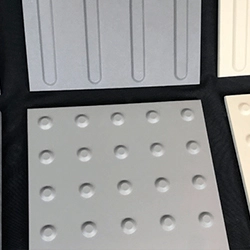
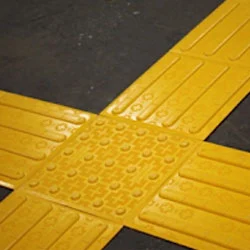
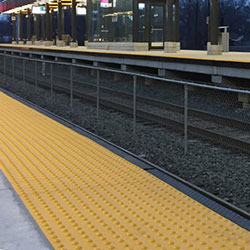
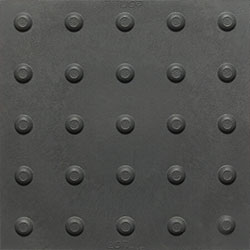
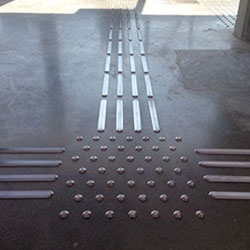
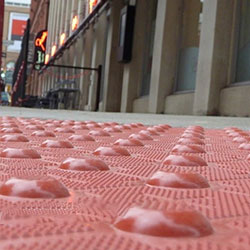
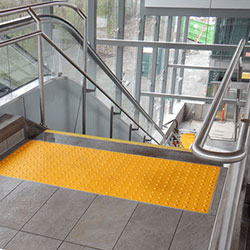
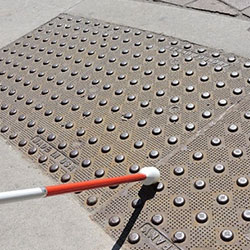
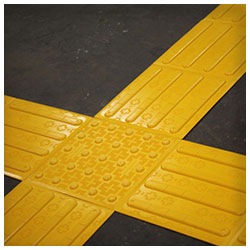
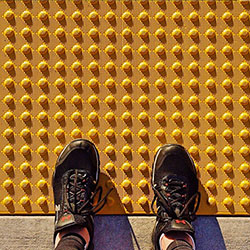
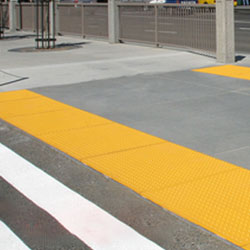
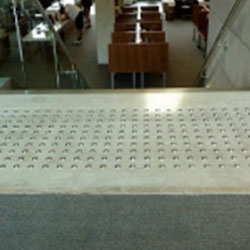
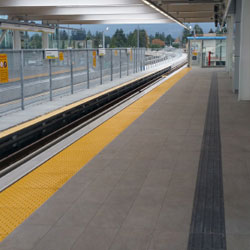
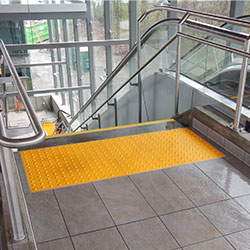
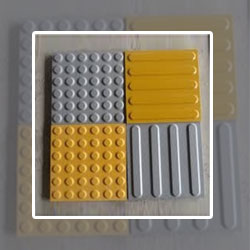
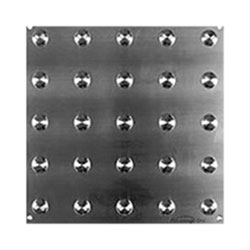
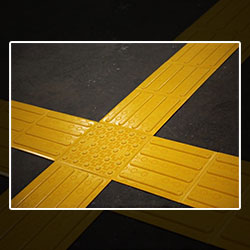
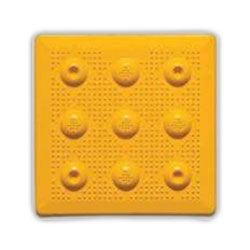
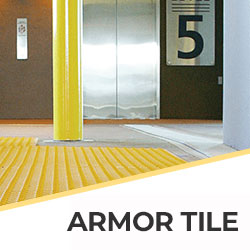
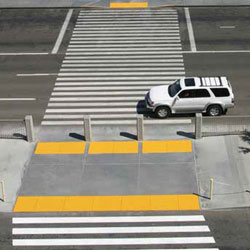
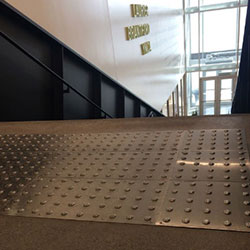
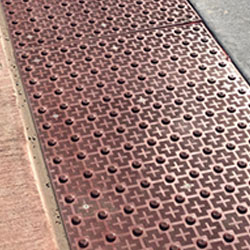
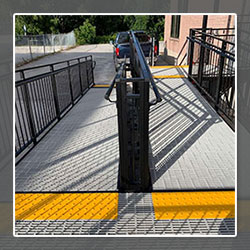
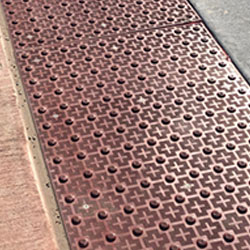
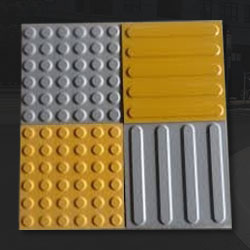
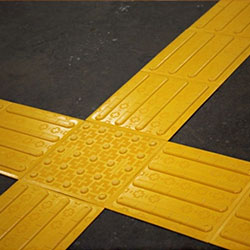
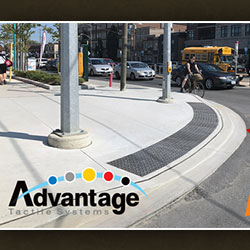
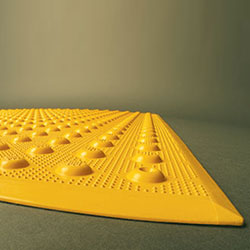
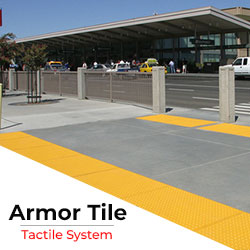
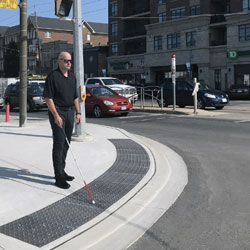
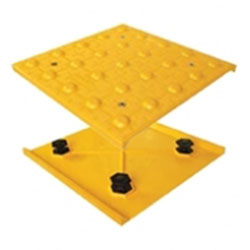
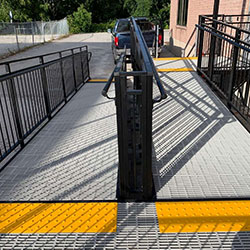
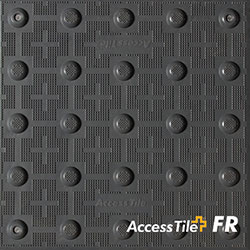
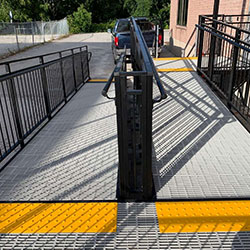
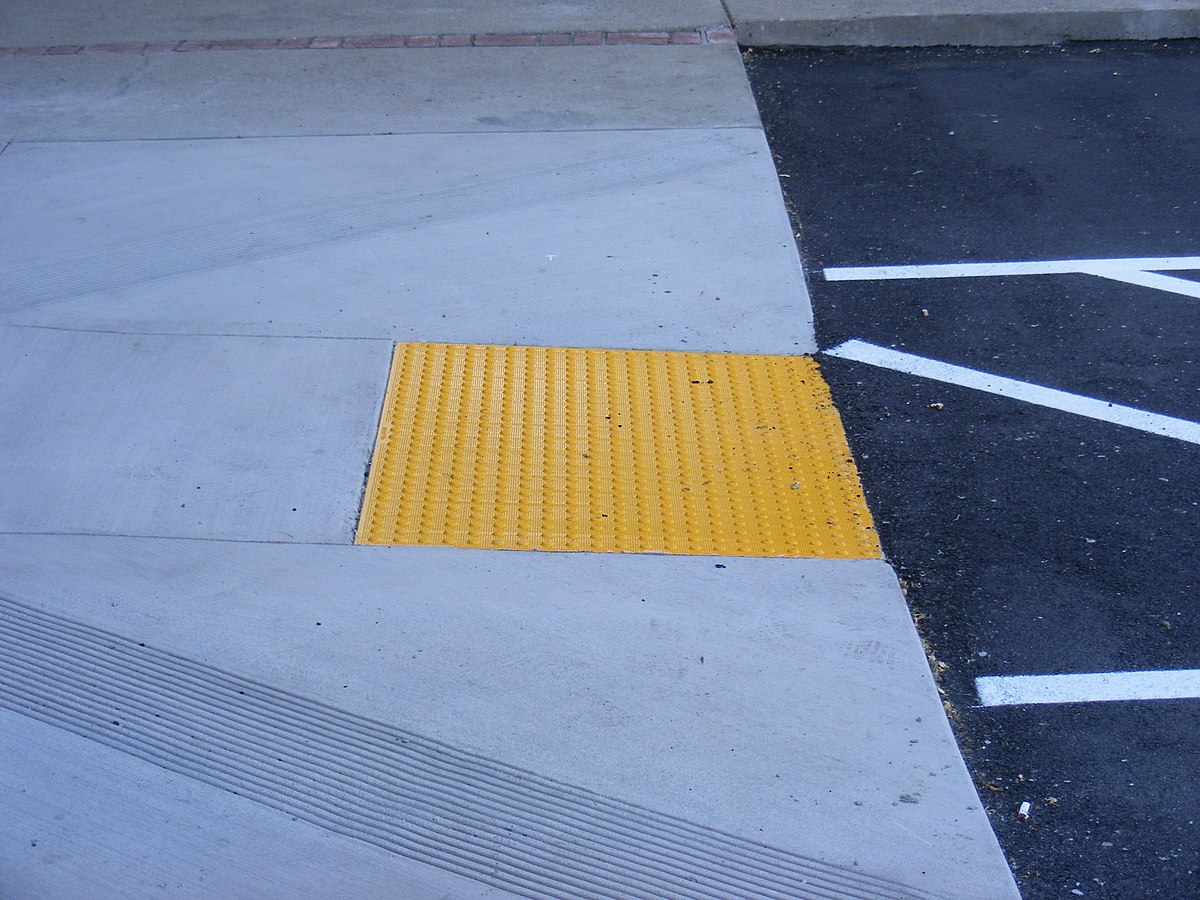
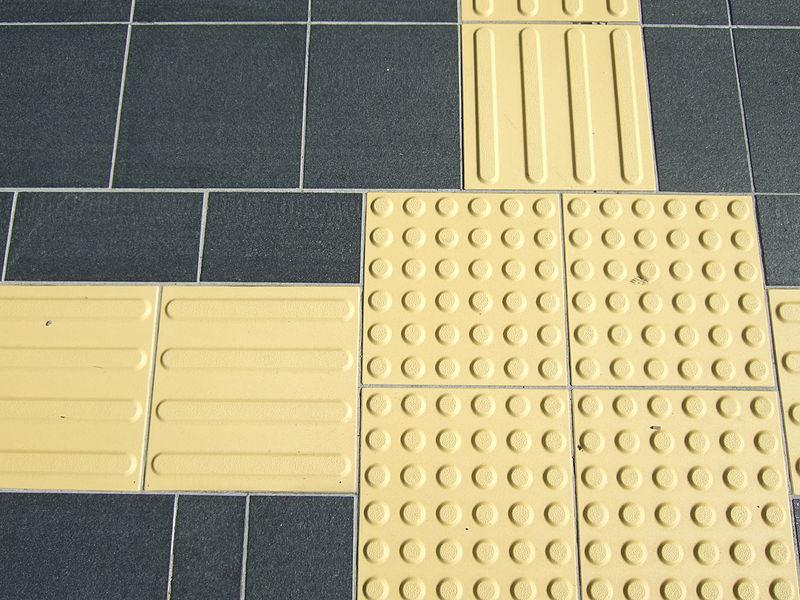
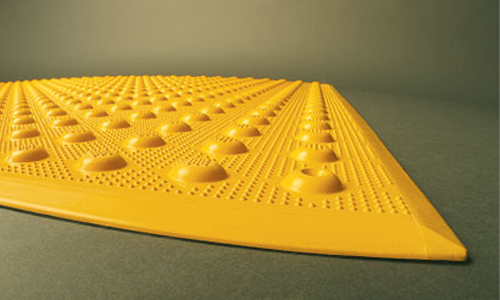
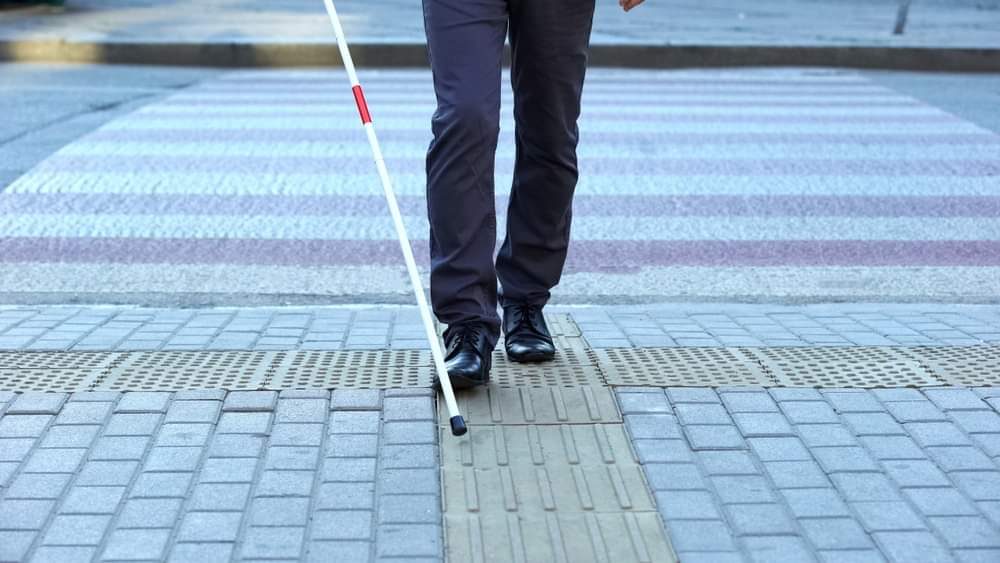
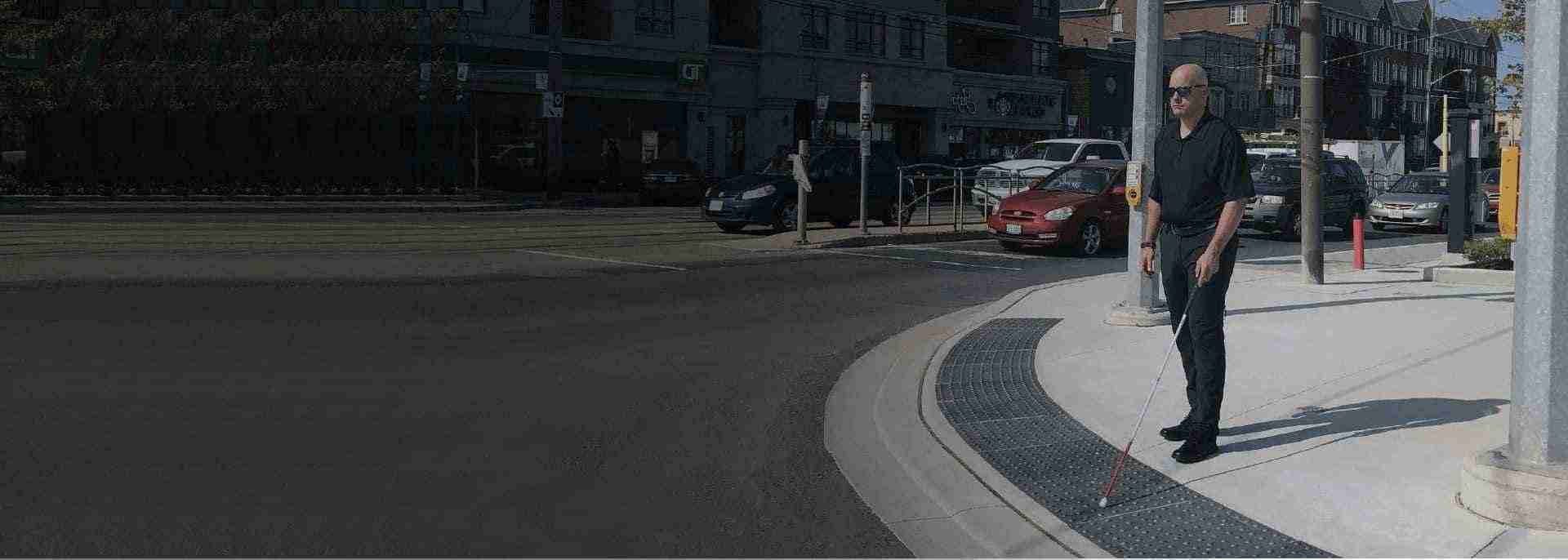
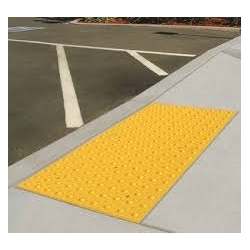
Attention domes are highly detectable warning indicators. You will usually see these small bumps at the top of stairs, near ramps, or at curb transitions. They alert a person that a hazard or drop-off is coming. When a resident feels the domes under their shoes or walking cane, they know they need to stop and assess the area.
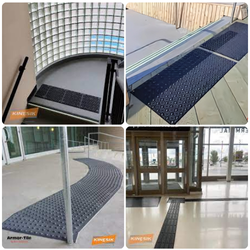
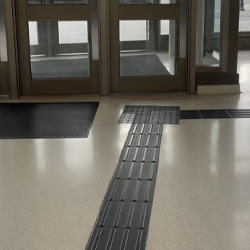
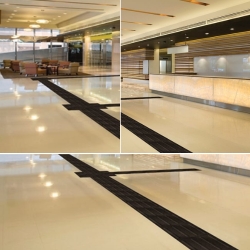
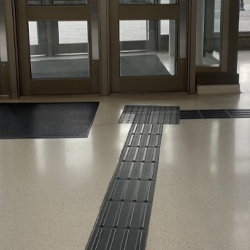
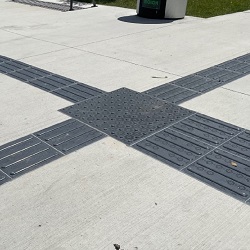
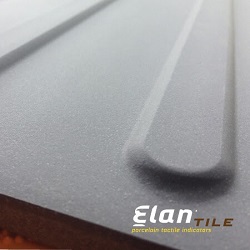
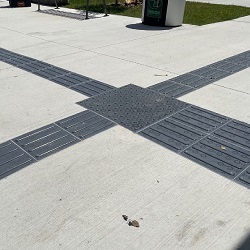
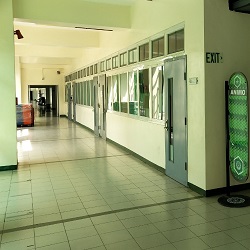
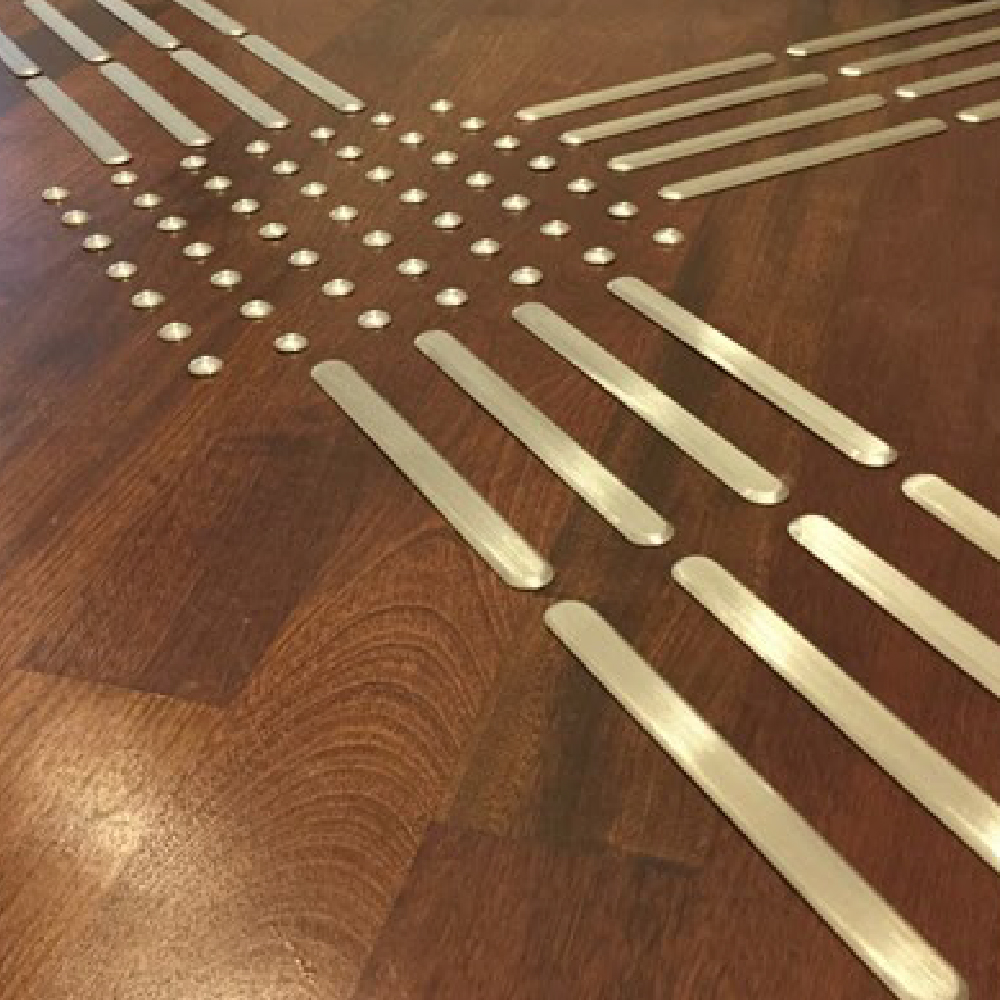
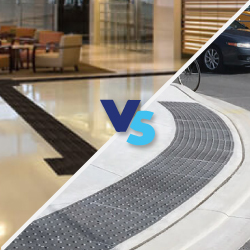
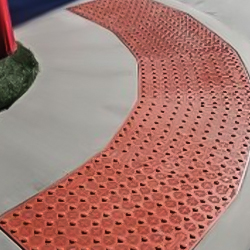
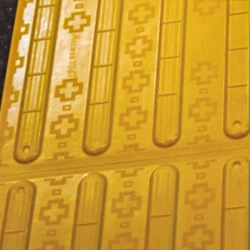
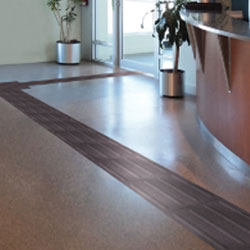
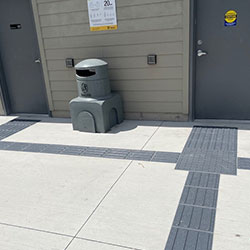
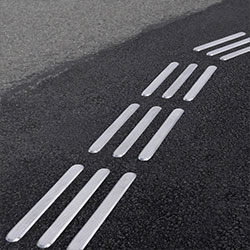
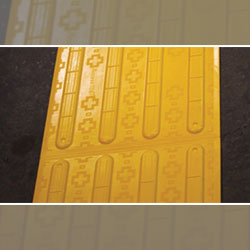
Wayfinding bars are long, raised tactile strips. They do not warn of hazards. Instead, they guide people along a safe path. In a large senior home, long corridors can be confusing. Wayfinding bars help residents find essential rooms, main lounges, and exits without getting lost or wandering into unsafe areas.
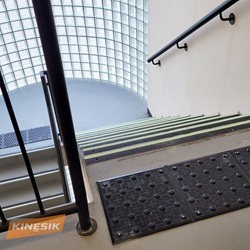
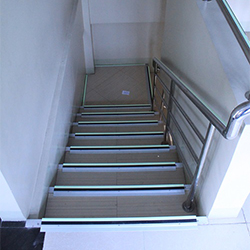
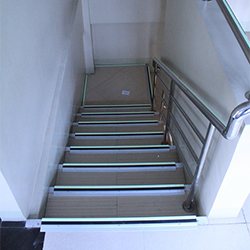
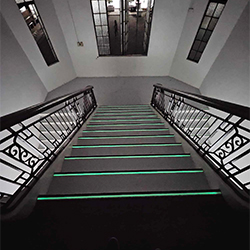
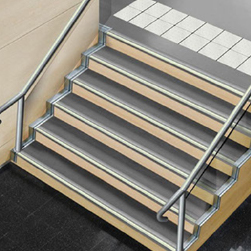
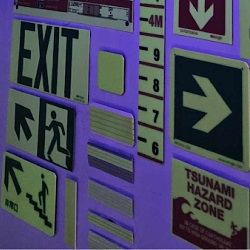
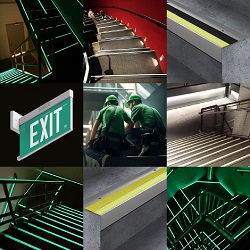
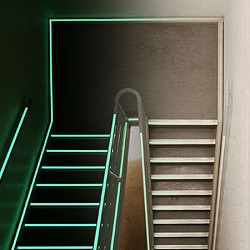
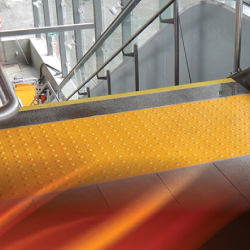
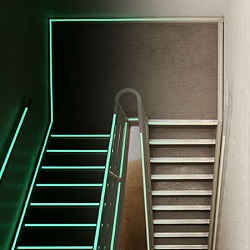
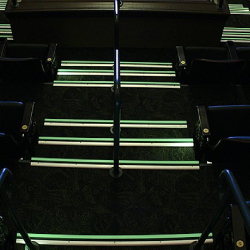
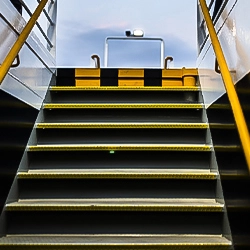
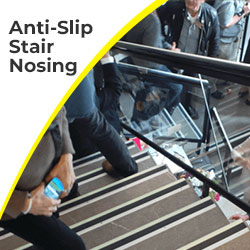
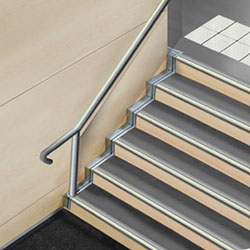
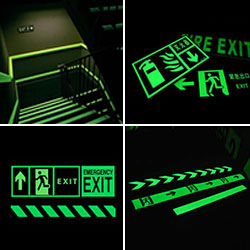
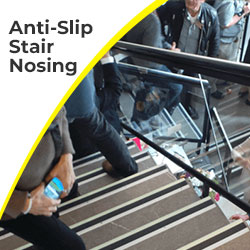
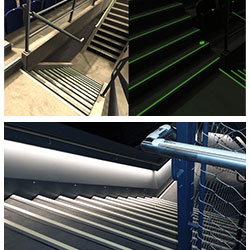
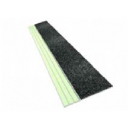
Power outages happen unexpectedly. Nighttime emergencies require fast, calm action. Photoluminescent stair nosings are glowing guides that attach directly to the edge of stairs. They provide a bright visual contrast during the day and glow clearly in the dark at night. They prevent seniors from misjudging the edge of a step, which is a leading cause of severe falls.
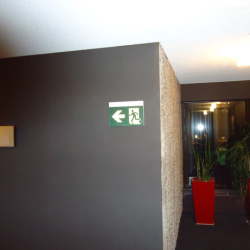
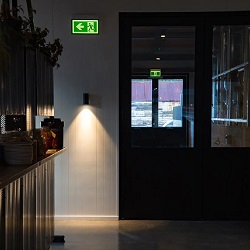
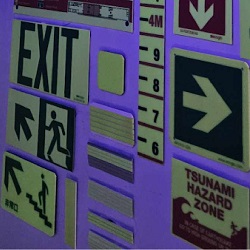
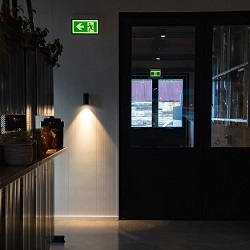
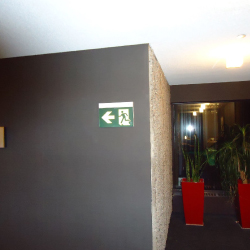
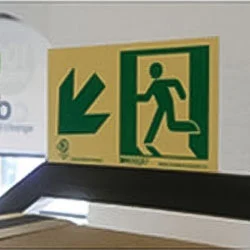
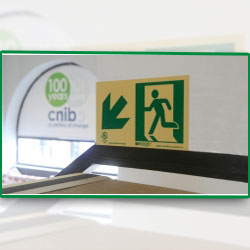
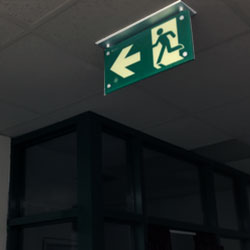
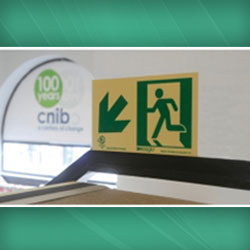
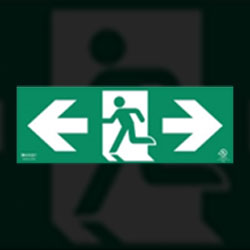
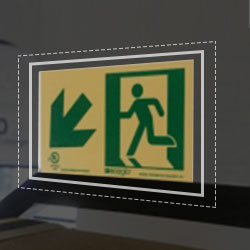
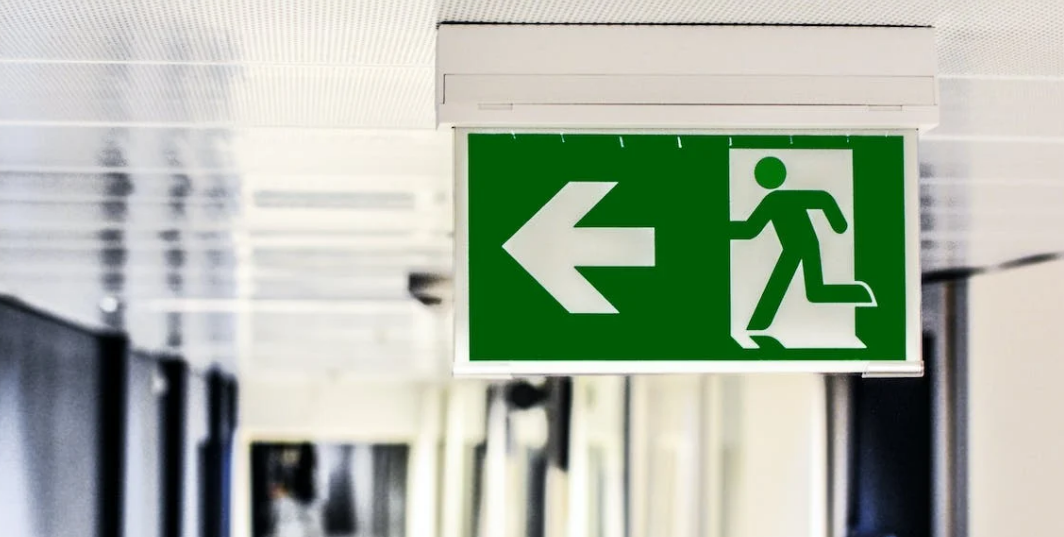
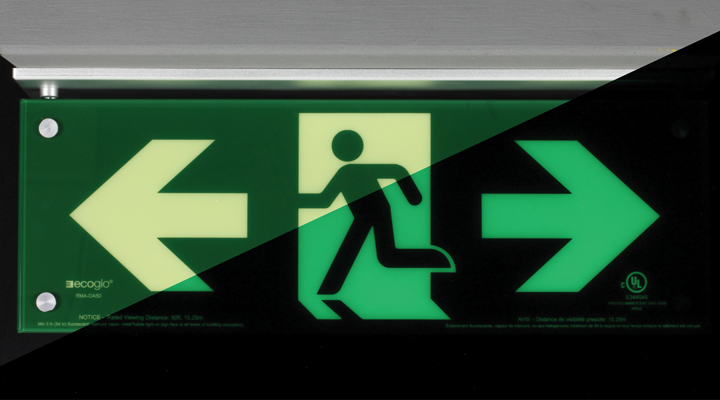
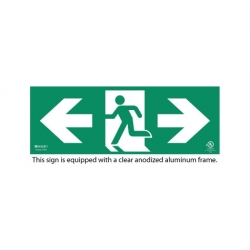
In addition to floor indicators, clear signage is absolutely crucial. Photoluminescent exit signs ensure that emergency routes are always visible. They do not rely on electricity, so they work perfectly during a total power failure. This keeps panic low and helps staff evacuate residents safely.
Building managers and owners must follow strict laws. Upgrading your facility is not just about goodwill. It is a strict legal requirement. Canadian codes demand that public and private facilities serving seniors maintain up-to-date tactile systems.
You need to be completely familiar with the Accessibility for Ontarians with Disabilities Act (AODA). You also need to meet the Canadian Standards Association Accessible Design (CSA B651) guidelines. Furthermore, your products must align with the International Standard for TWSI (ISO 23599) and the National Building Code of Canada (NBC).
If you renovate a building, any major alteration triggers an obligation to bring the area up to current accessibility codes. Pre-renovation accessibility audits are highly recommended.
These audits identify non-conforming elements in your building. Auditors inspect paths of travel, doorway widths, seating layouts, and tactile indicators. Failing an accessibility audit can lead to heavy fines, lawsuits, and expensive rework. Installing code-compliant products right away saves money and protects your community.
Every building is different. The products you choose depend on your current floors, your budget, and the local climate. At Tactile Solution Canada, we supply premium materials that last for decades.
A great product will fail quickly if the installation is wrong. Contractors must follow specific steps to ensure the tactile systems function correctly and pass final inspections.
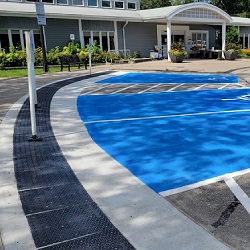
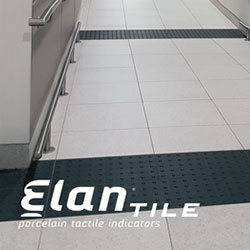
Porcelain and polymer tiles are the best choices for indoor spaces because they are durable and look professional. For outdoor areas, stainless steel or heavy-duty rubber tiles are required to withstand harsh Canadian weather.
You must upgrade your indicators if you are doing a major renovation that affects the structural integrity or use of the building. You should also replace old tiles immediately if the domes are worn down flat or if the tiles are peeling up. Broken tiles create an immediate tripping hazard.
Municipal building inspectors enforce the National Building Code (NBC) and provincial codes like the AODA. They inspect the installation during the final permit phase to ensure everything meets the CSA B651 accessibility standards.
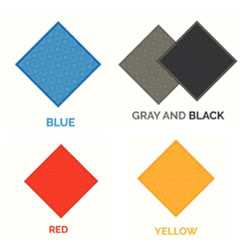
Many seniors are not completely blind but suffer from low vision or cataracts. High visual contrast allows them to easily see the warning area on the floor before they step on it. The rules require a strong, clear contrast between the tile and the surrounding floor material.
Our Tactile Solution Finder tool takes the hard work out of ordering. You input your surface type, the location, and your specific goal. The tool then recommends the exact code-compliant products you need to buy, complete with installation guides and helpful data sheets.
Protecting the elderly from fall-related injuries is a serious, daily responsibility. Properly installed tactile systems give seniors the confidence to walk freely, socialize, and enjoy their daily lives without fear. Attention domes, wayfinding bars, and photoluminescent stair nosings are simple additions that create a massive, positive impact.
Do not wait for an accident to happen or for an inspector to hand you a failure notice. If you are a contractor, building manager, or owner planning a renovation, do it right the first time.
Visit Tactile Solution Canada today. Use our expert tools, browse our massive inventory of Canadian code-compliant products, and place your order. Together, we can make every long-term care home in Canada a safe, welcoming, and perfectly accessible space for the people who need it most.