Before you pour a single yard of concrete for a new commercial sidewalk, you must finalize your tactile product selection. Choosing the wrong Tactile Walking Surface Indicators (TWSI) for your curb ramps right before a pour is a fast track to failed accessibility audits and expensive tear-outs.
If you install the wrong dome height, pick a non-compliant material, or use an incorrect pattern, Canadian municipal inspectors will flag your site. You will end up ripping out fresh concrete, losing money on wasted labor, and delaying your entire project timeline. Even worse, an improper installation leaves visually impaired pedestrians without the vital safety cues they rely on at busy intersections.
We want to help contractors, landscapers, and building managers in Canada make the right call. You need to know exactly which TWSI products fit your curb ramps before the concrete cures. Let's break down the rules, the materials, and the best options for your specific project.
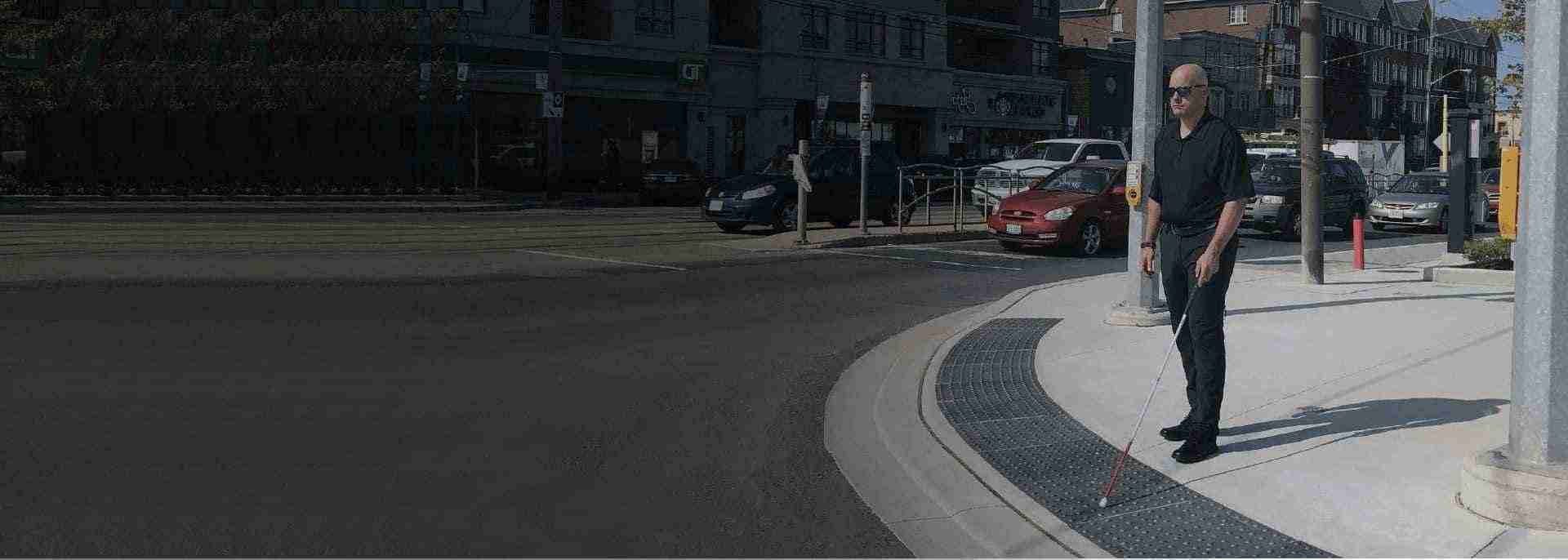
Imagine walking down a busy street in Toronto or Vancouver with a blindfold on. You rely entirely on sound and the feel of the ground beneath your feet. That is how you know where the safe sidewalk ends and the dangerous traffic begins.
This is a daily reality for over two million Canadians with serious vision loss. They need physical cues to safely move through their cities.
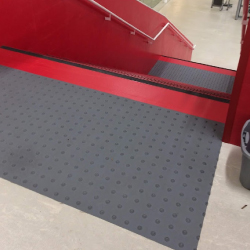
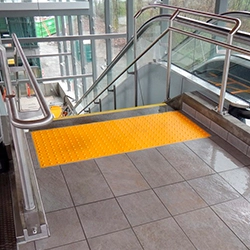
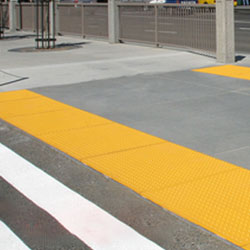
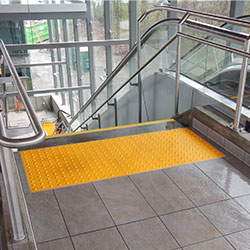
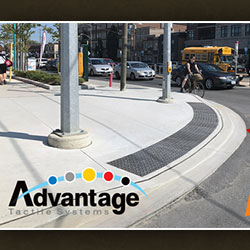
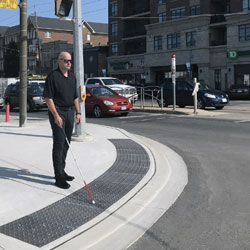
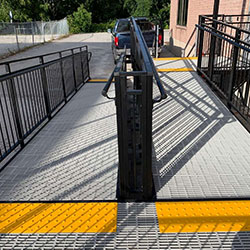
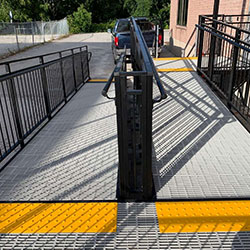
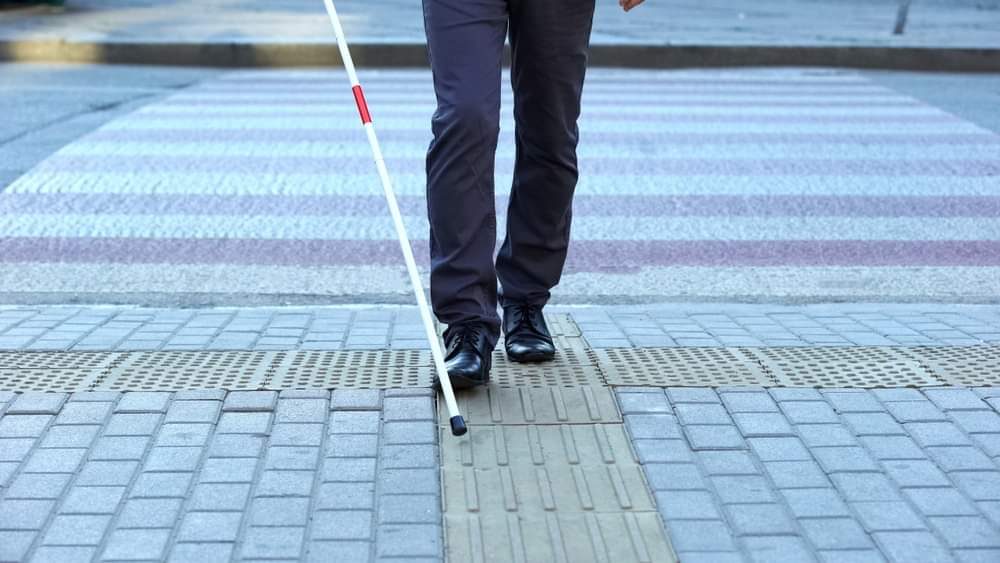
Curb ramps are fantastic for wheelchairs, strollers, and delivery workers. However, ramps remove the physical drop-off that blind pedestrians use to detect the edge of the street. This is exactly where tactile warning indicators come into play.
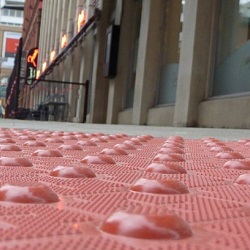
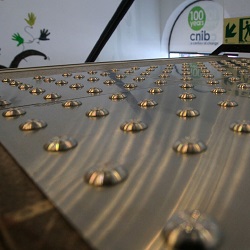
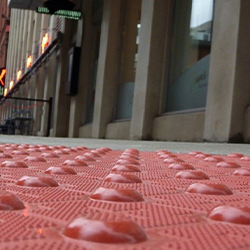
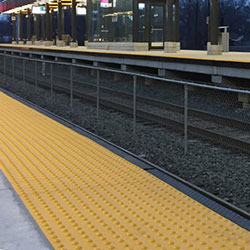
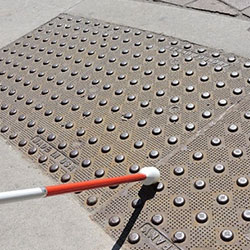
These indicators provide vital sensory feedback through a person's footwear or cane. When a visually impaired person steps on the raised truncated domes, they immediately know they have reached a hazard. It is a simple, tangible warning that truly saves lives.
Proper installation is key to making this work. You can read more about how this helps everyone in our guide on how TWSI installation improves sidewalk accessibility.
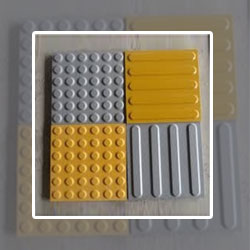
People often confuse the different types of tactile indicators. You must use the right pattern for the right situation on your curb ramps. Using the wrong one will confuse pedestrians and violate building codes.
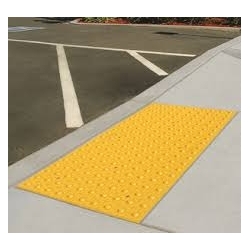
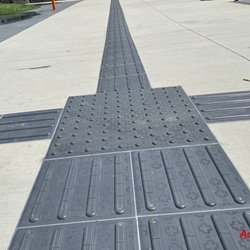
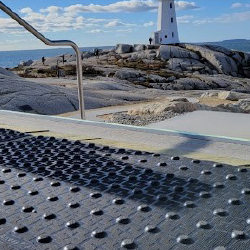
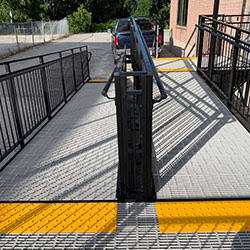
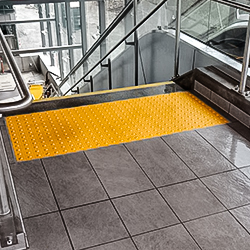
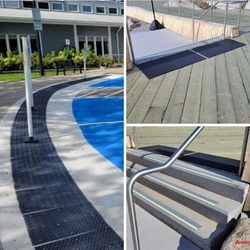
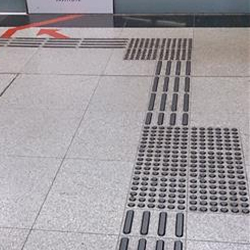
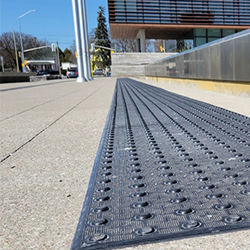
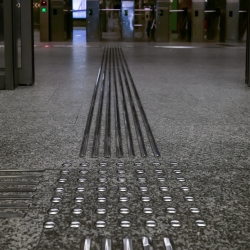
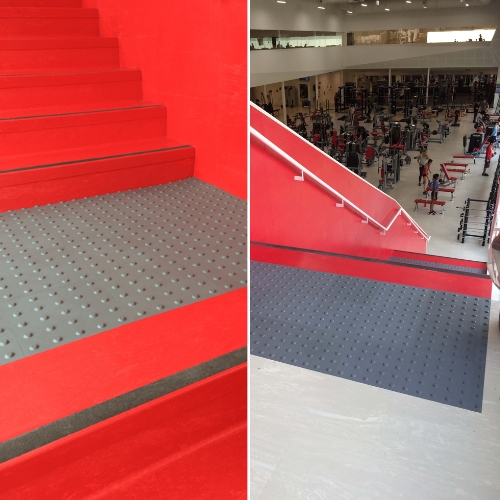
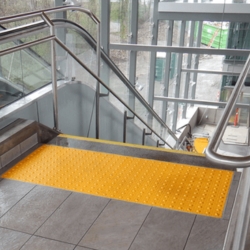
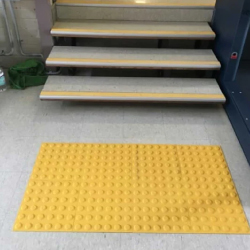
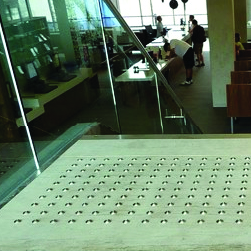
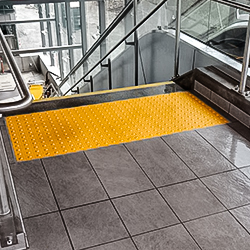
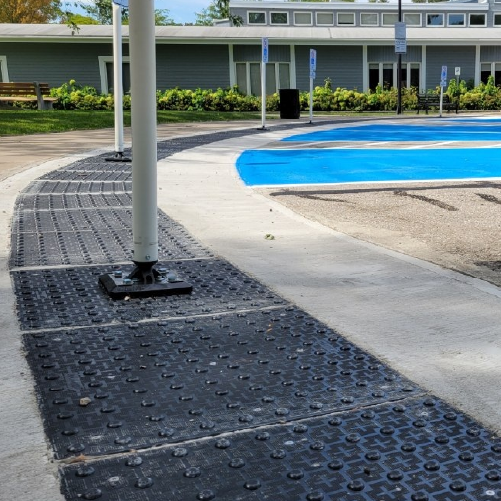
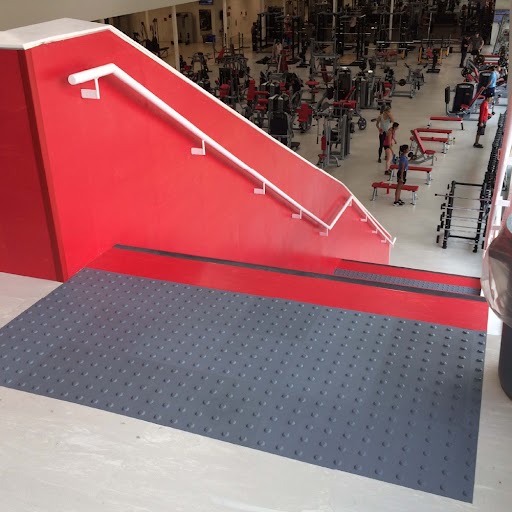
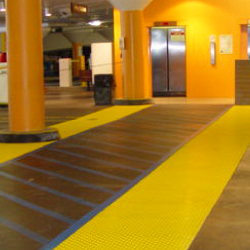
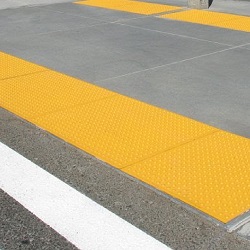
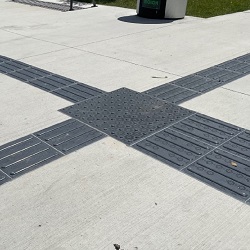
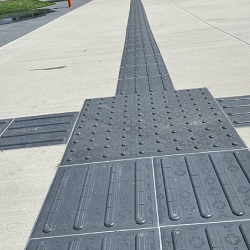
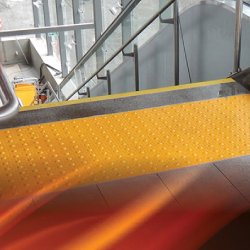
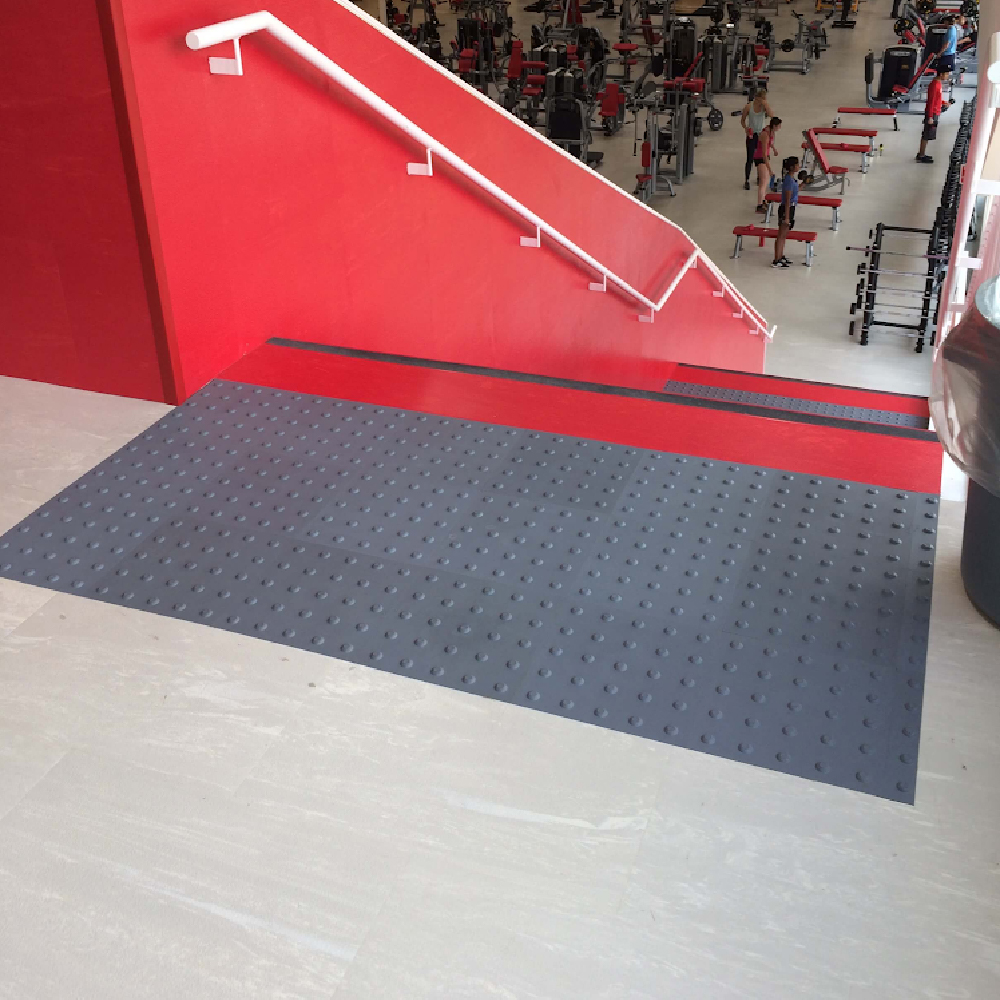
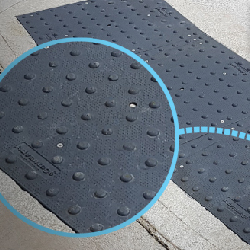
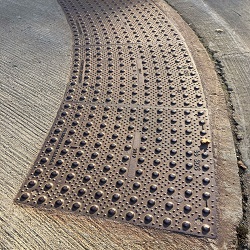
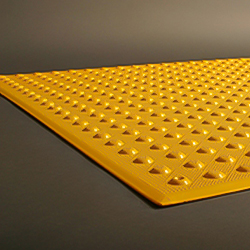
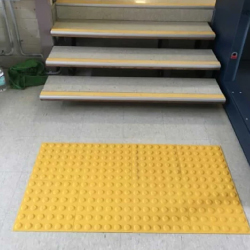
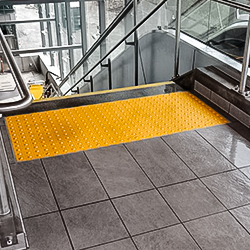
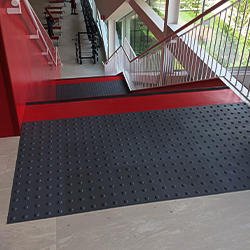
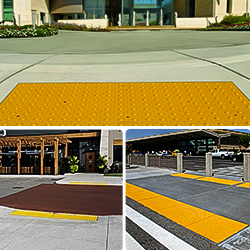
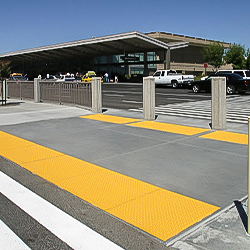
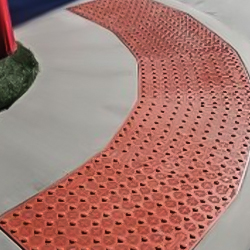
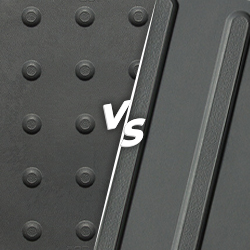
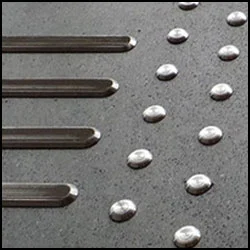
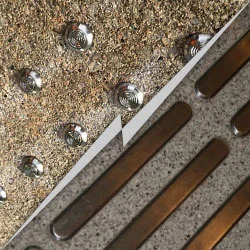
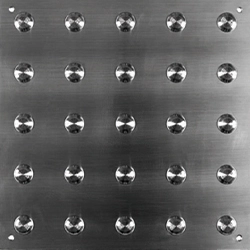
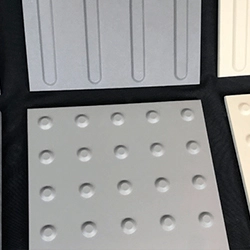
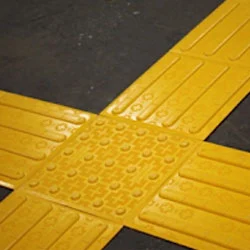
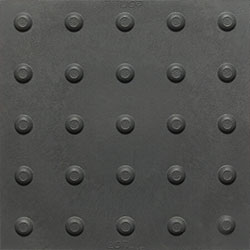
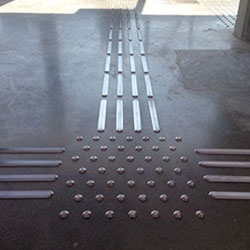
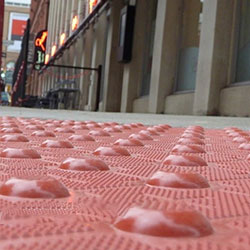
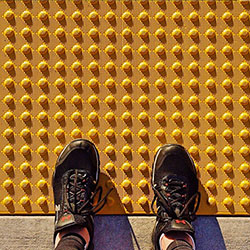
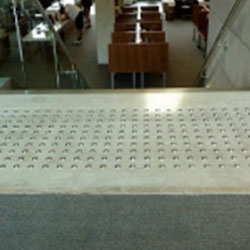
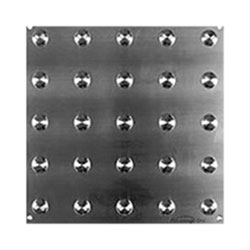
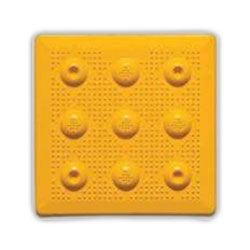
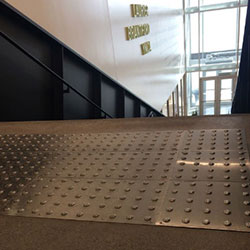
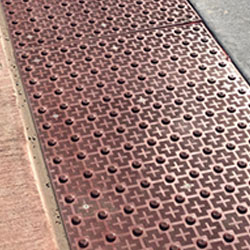
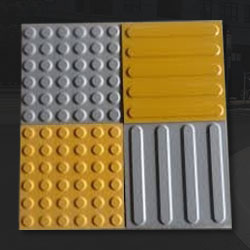
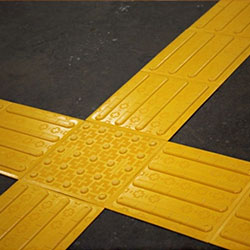
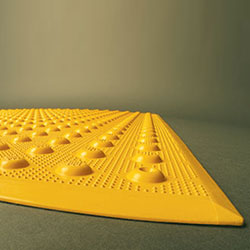
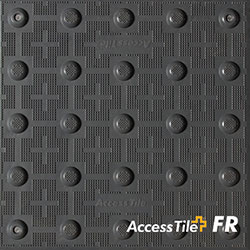
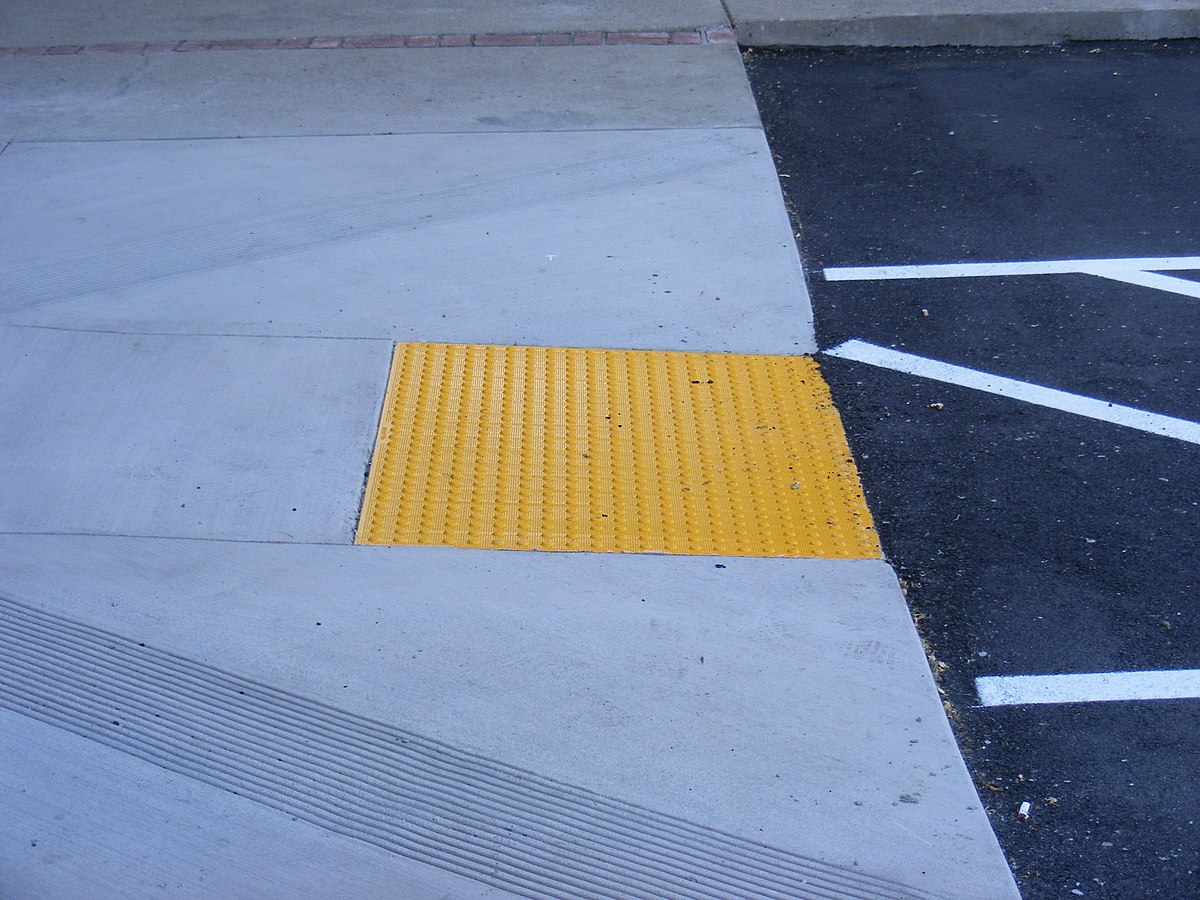
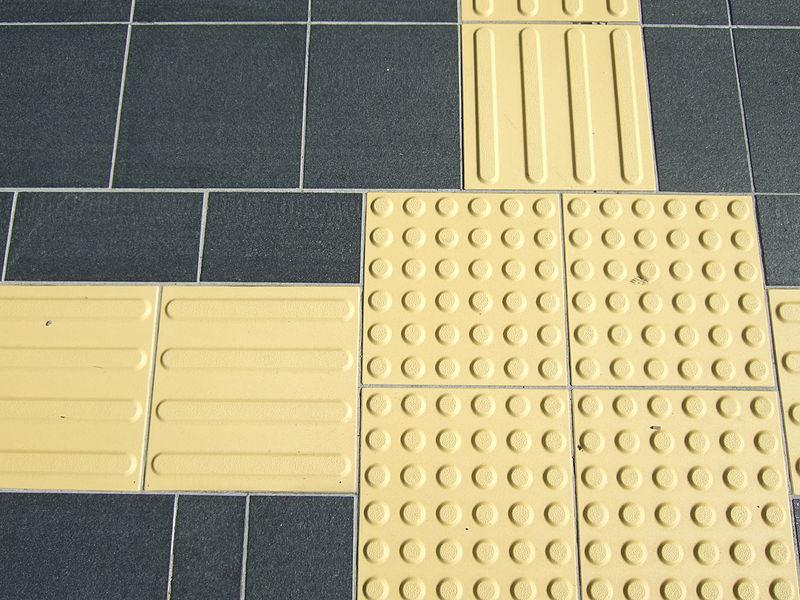
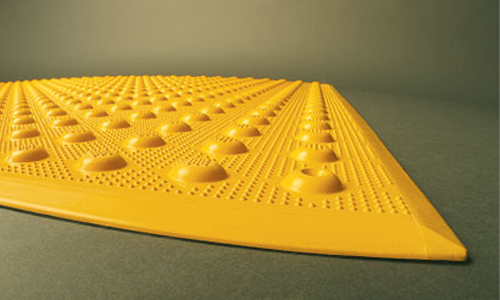
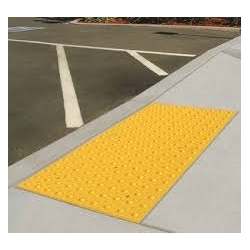
Attention Domes are the raised, circular bumps you see at the bottom of curb ramps. We also call these truncated domes or warning tactiles. Their sole job is to say "Stop right here, danger is ahead."
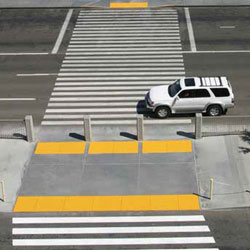
You must install attention domes exactly where the pedestrian path meets the vehicular road. They act as a hard stop sign for the visually impaired.
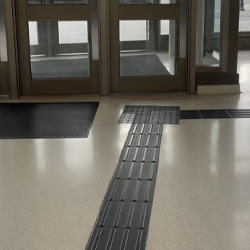
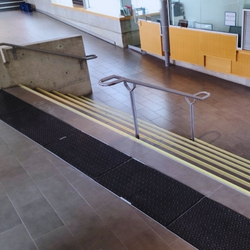
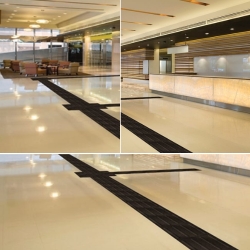
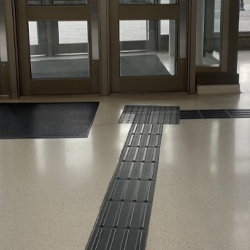
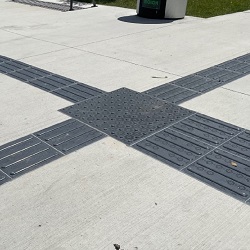
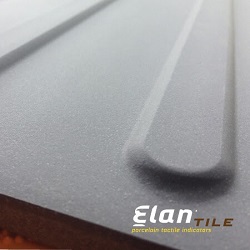
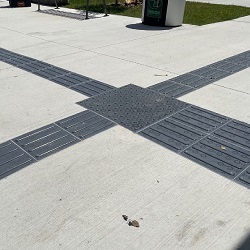
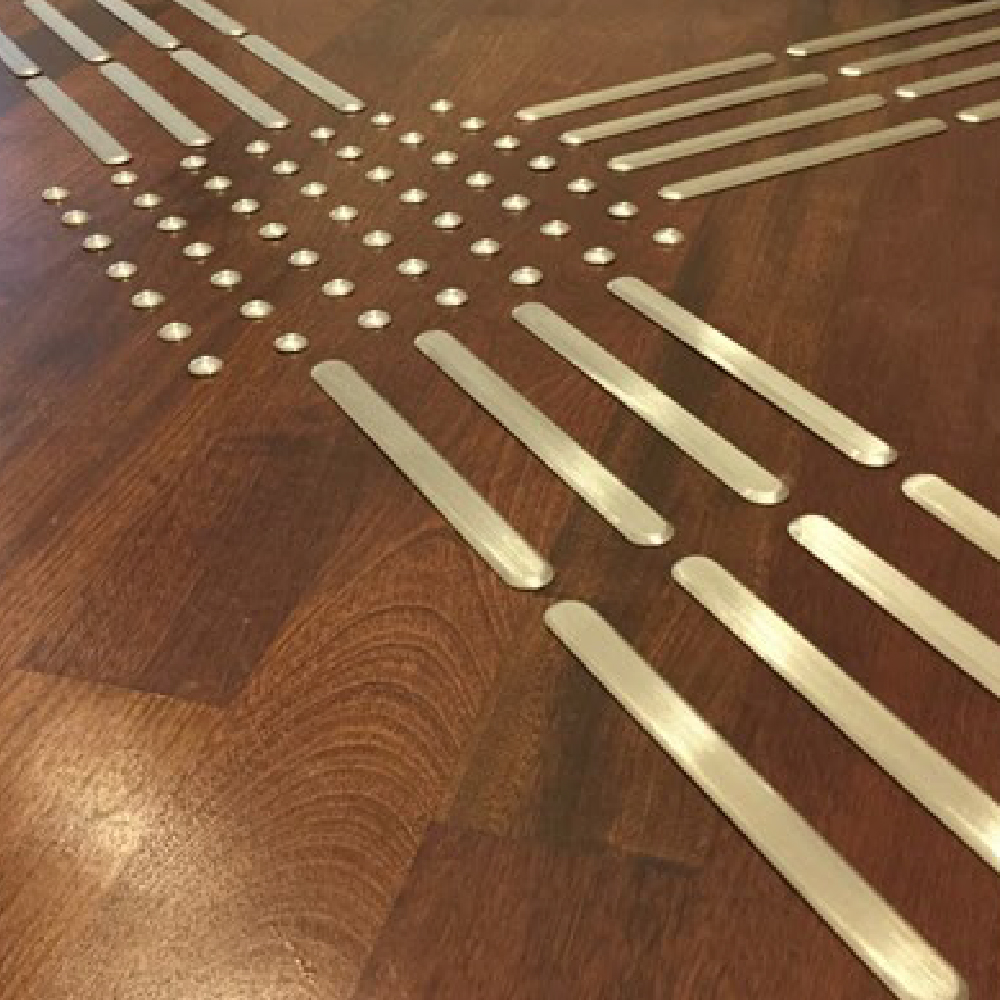
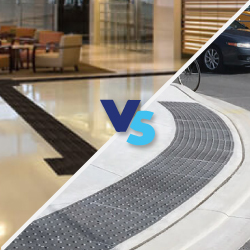
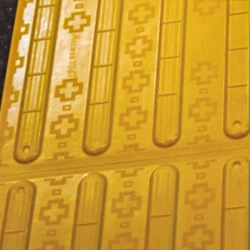
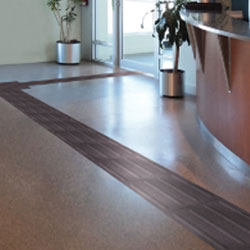
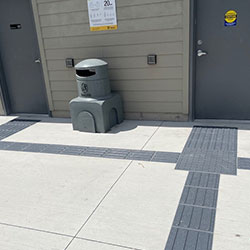
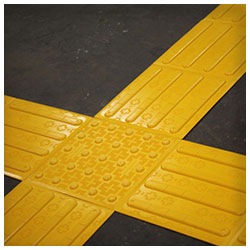
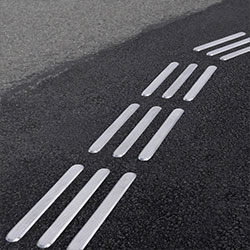
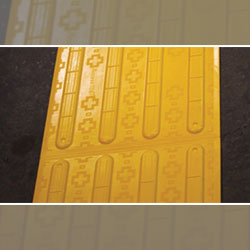
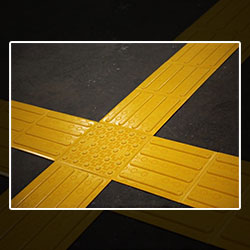
Wayfinding Bars feature long, raised lines across the panel. These act as guidance tactiles. They tell a visually impaired person to follow a specific, safe path.
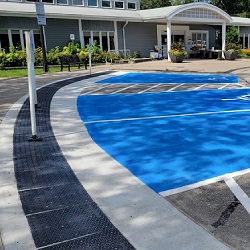
You typically use wayfinding bars to guide people across open plazas or wide crosswalks. They are not the correct choice for the actual curb ramp edge. You can learn exactly how to separate their uses in our post comparing tactile domes vs detectable bars.
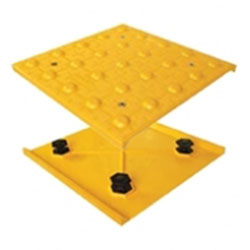
When you plan a fresh sidewalk pour, your installation method matters heavily. You generally have two choices for your tactile systems.
Canada has a brutal, unforgiving climate. Your curb ramps will face freezing temperatures, heavy salt use, and aggressive snow clearing. You need materials that will not crack or fade after one single season.
Curb ramps are just the start of a fully accessible property. Once pedestrians safely cross the sidewalk and enter a building, the safety requirements change entirely. Building owners must continue providing clear tactile and visual guidance indoors.
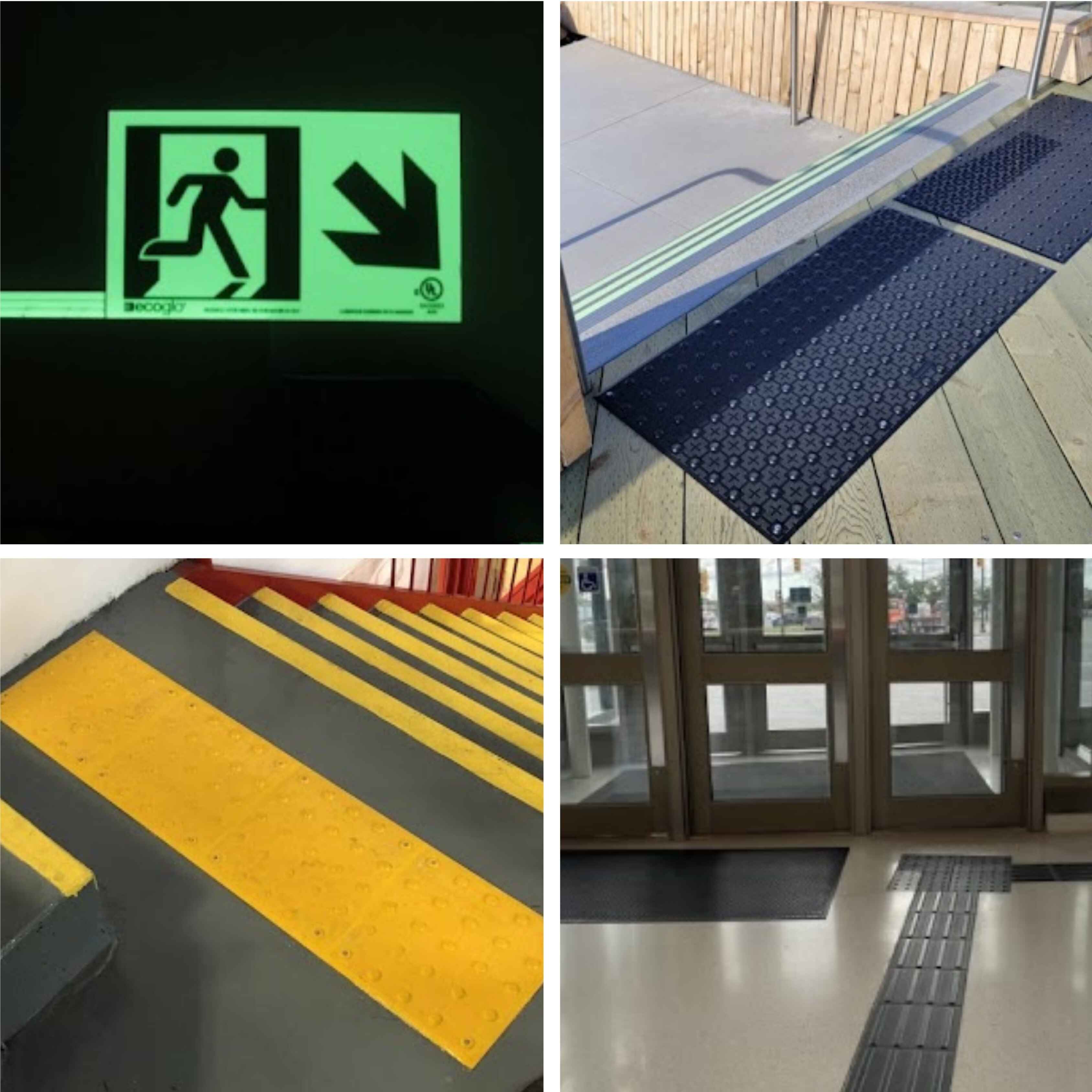
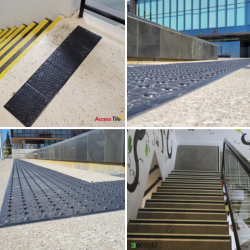
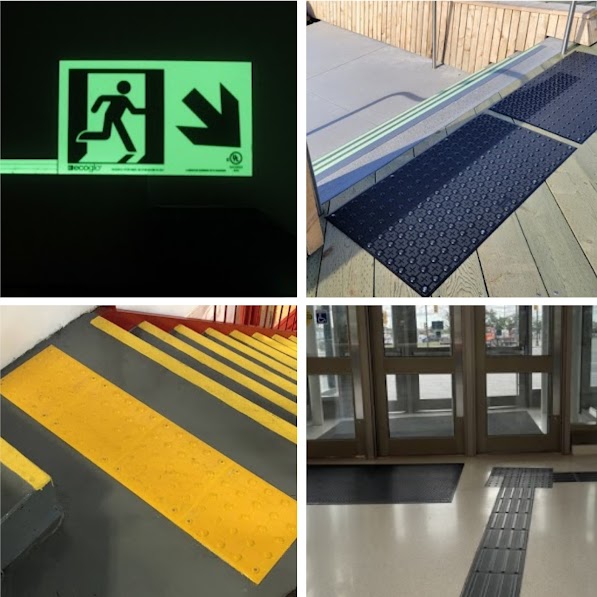
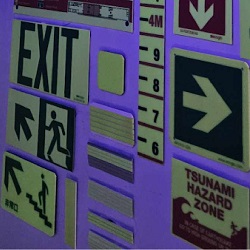
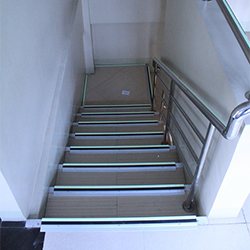
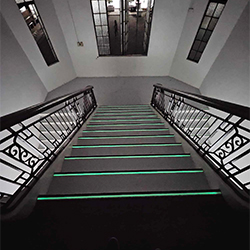
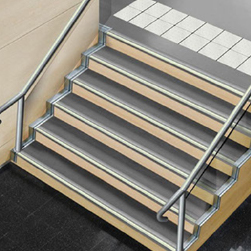
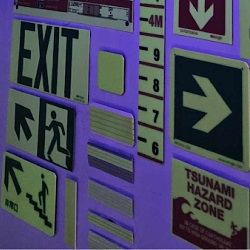
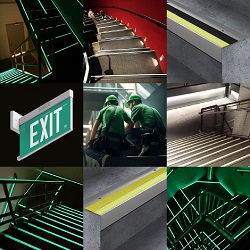
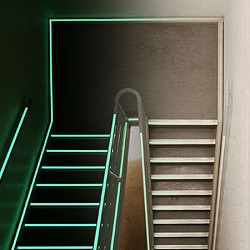
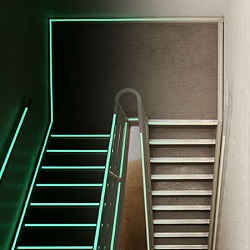
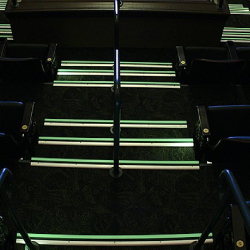
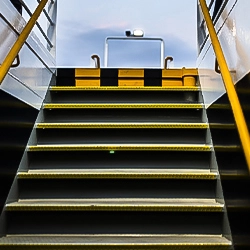
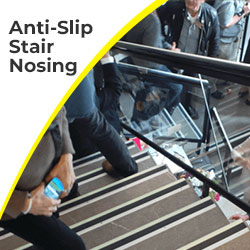
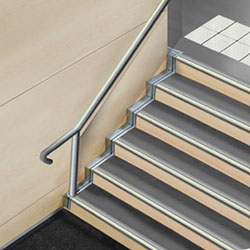
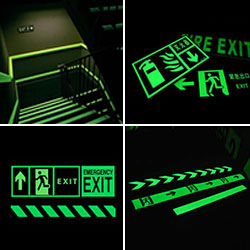
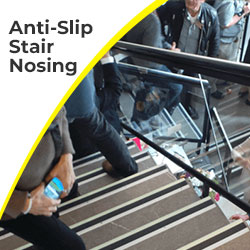
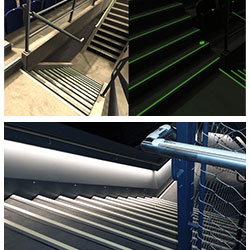
This is where photoluminescent stair nosing comes into play. These heavy-duty strips install directly on the edge of indoor and outdoor stairs. They provide a tactile grip to prevent slipping, while their glow-in-the-dark properties guide people safely during power outages.
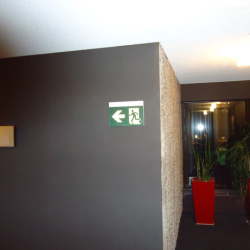
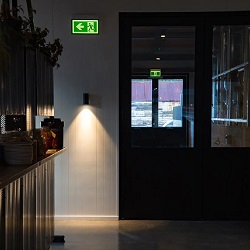
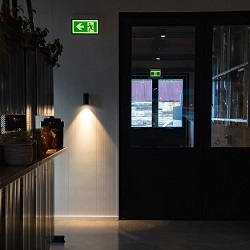
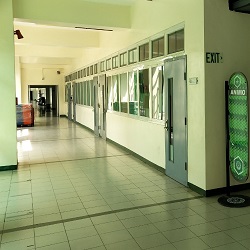
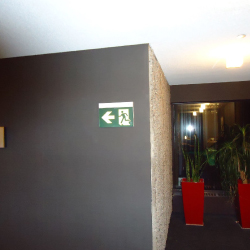
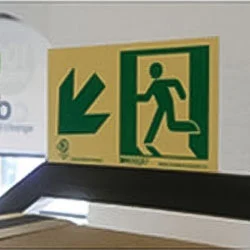
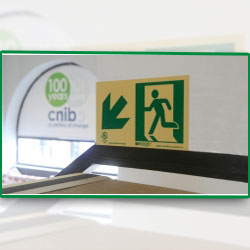
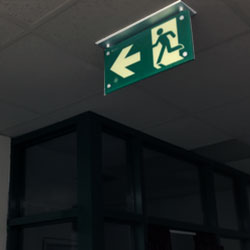
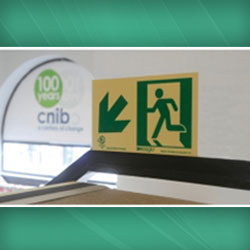
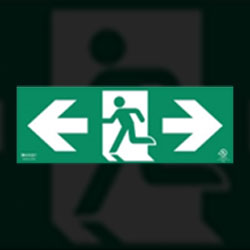
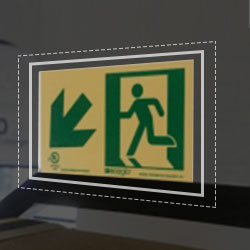
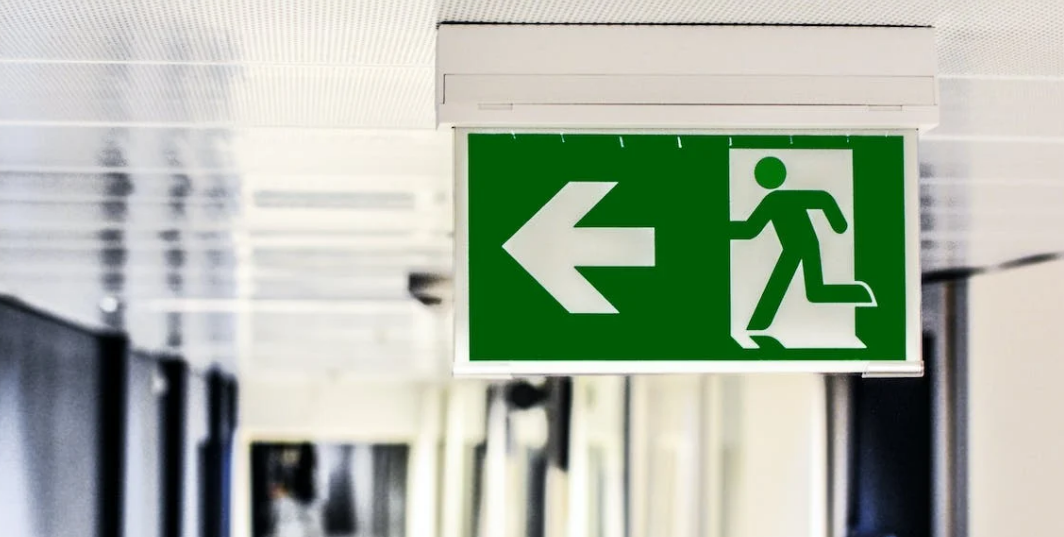
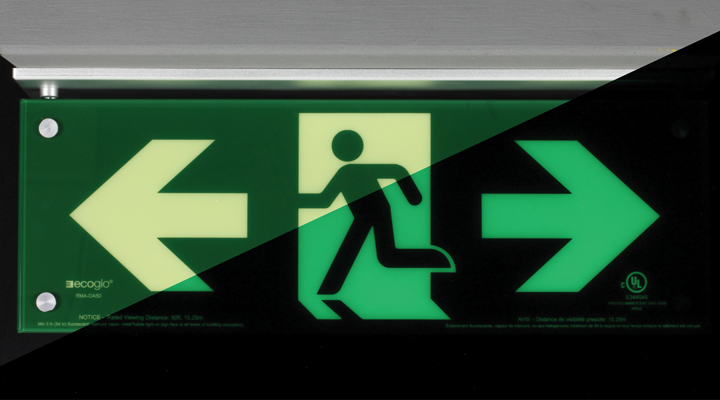
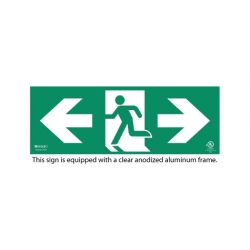
Similarly, photoluminescent exit signs and directional exit signs are vital for emergency escapes. Unlike standard electric signs, they never fail during a blackout. Pairing outdoor tactile domes with indoor photoluminescent safety systems creates a comprehensively safe environment for everyone.
Your curb ramp design must meet strict Canadian accessibility laws. If it fails, inspectors will make you do the job over again. The Accessibility for Ontarians with Disabilities Act (AODA) and CSA B651-18 set the main standards you must follow.
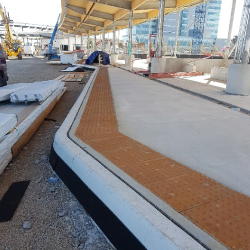
First, your warning tactiles must extend the full width of the curb ramp. You cannot just put a small patch in the middle of the concrete. The entire transition zone needs complete coverage.
Second, the tactile tiles must sit completely flush with the surrounding concrete. The rules state they must be embedded within 1/32 of an inch. If they stick up too high, they become a tripping hazard for seniors and a snagging point for wheelchairs.
Finally, keep a close eye on your slopes. The cross-fall slope must not exceed 1:50. The running slope cannot be steeper than 1:20 to ensure safe access for absolutely everyone.
Doing the job right the first time keeps your project on budget and stress-free. Follow these easy steps when installing tactiles during your next pour.
We know that sourcing the right building materials can be stressful. You need products that are code-compliant, highly durable, and ready to ship to your job site. That is exactly what we provide every single day at Tactile Solution Canada.
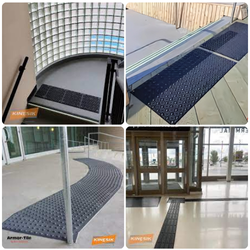
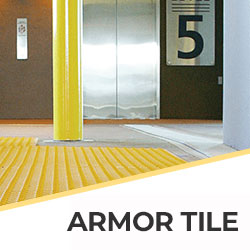
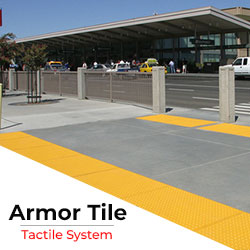
We stock the industry's best brands, including ArmorTile, AccessTile, and Advantage. Our experts can help you pick the exact size, color, and material required by your local municipal codes.
Do not wait until the concrete truck is backing up. Plan your accessibility features early to ensure a flawless finish. Visit our tactile products catalog to browse our full lineup of cast-in-place and surface-applied products.
A successful sidewalk pour is about more than just smooth, level concrete. It is about connecting your community safely and keeping pedestrians out of harm's way.
By selecting the right TWSI products, you ensure that every person can move freely and confidently through your city. Take the time to choose the right materials, follow the strict codes, and install them perfectly flush.
Ready to make your next curb ramp fully compliant and safe? Reach out to our team today to get your materials sorted. Let's build a more accessible Canada together, one perfect sidewalk at a time.
Quality tactile products typically last 10 to 25 years under normal wear and tear. High-traffic areas or spots with heavy snowplow activity might require closer monitoring. Using durable materials like cast iron or stainless steel greatly extends their life in Canadian winters.
Yes, they are completely mandatory. Laws like the AODA and national codes like CSA B651 require tactile warning indicators wherever a pedestrian route meets a vehicular area. Skipping them violates building codes and creates severe safety hazards.
Absolutely. You can use surface-applied tactile tiles for older sidewalks or missed installations. These secure directly to the cured concrete with heavy-duty construction epoxy and specialized mechanical fasteners.
Warning domes feature raised dots that signal an immediate hazard, like a street crossing. Wayfinding bars feature raised lines that guide a person safely along a clear path. You use domes to stop people, and bars to lead them safely forward.
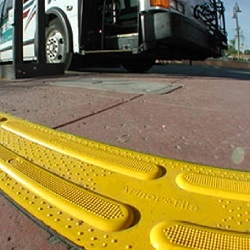
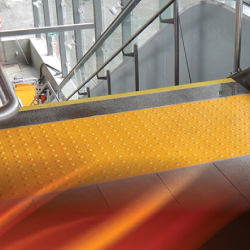
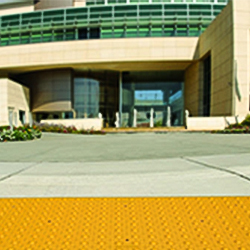
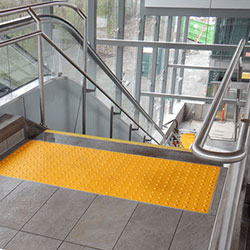
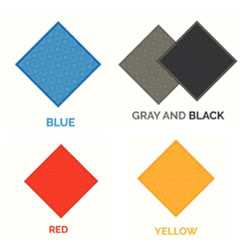
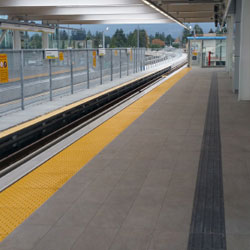
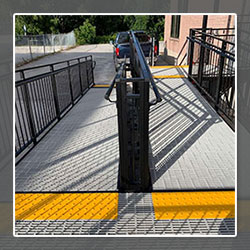
Many people with low vision still have some remaining sight. A strong color contrast, like bright yellow against gray concrete, helps them visually detect the hazard early. It provides a dual layer of sensory warning before they even step on the domes.
Every project has unique needs based on weather, foot traffic, and installation timing. We highly recommend using our Find the Right Solution tool. It takes just a few clicks to match your exact project requirements with code-compliant products.