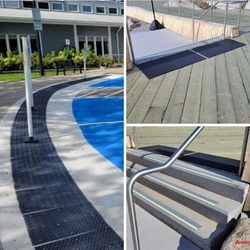
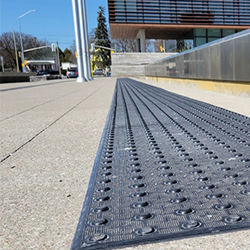
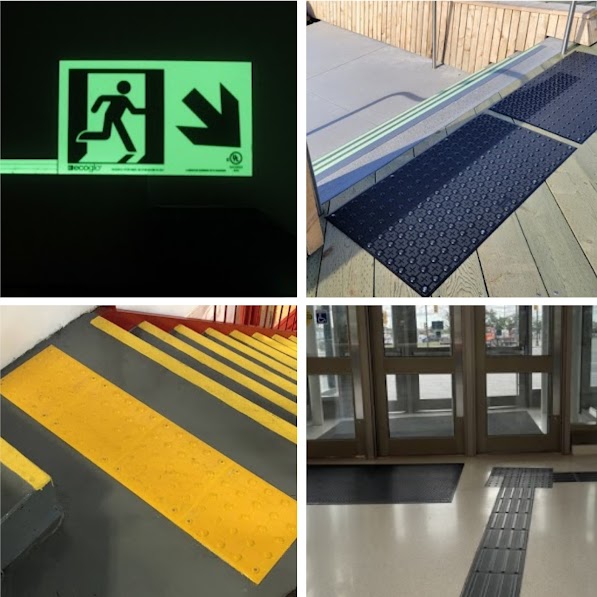
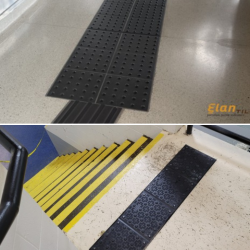
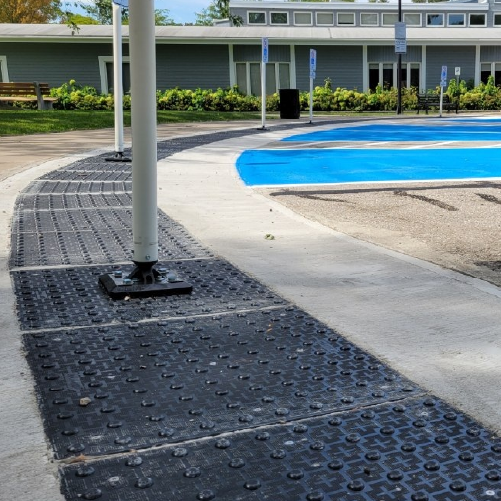
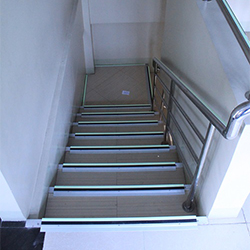
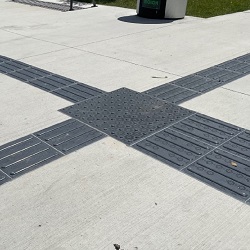
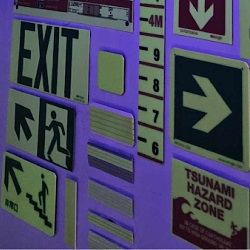
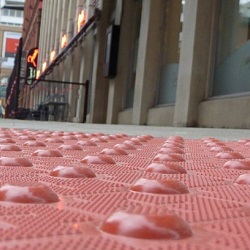
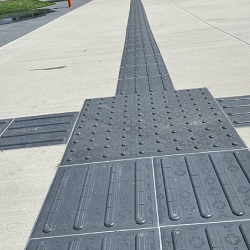
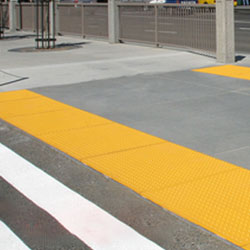
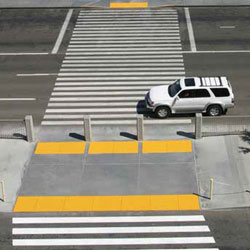
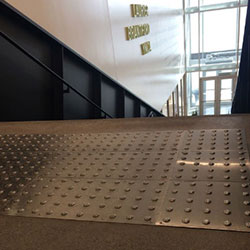
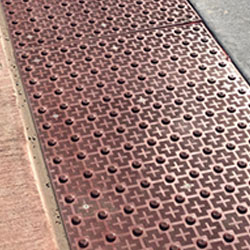
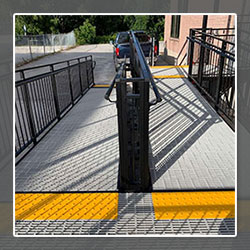
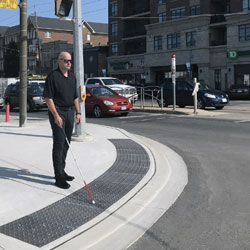
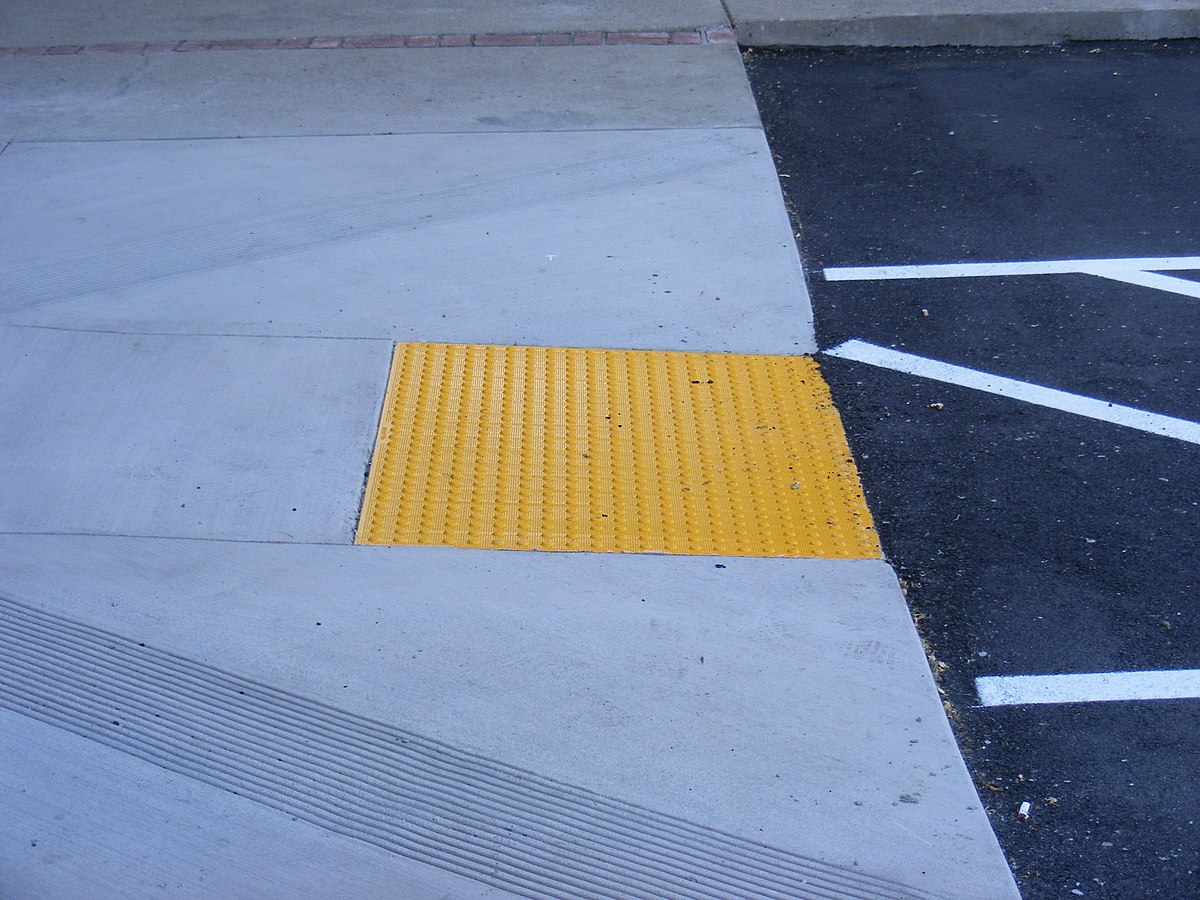
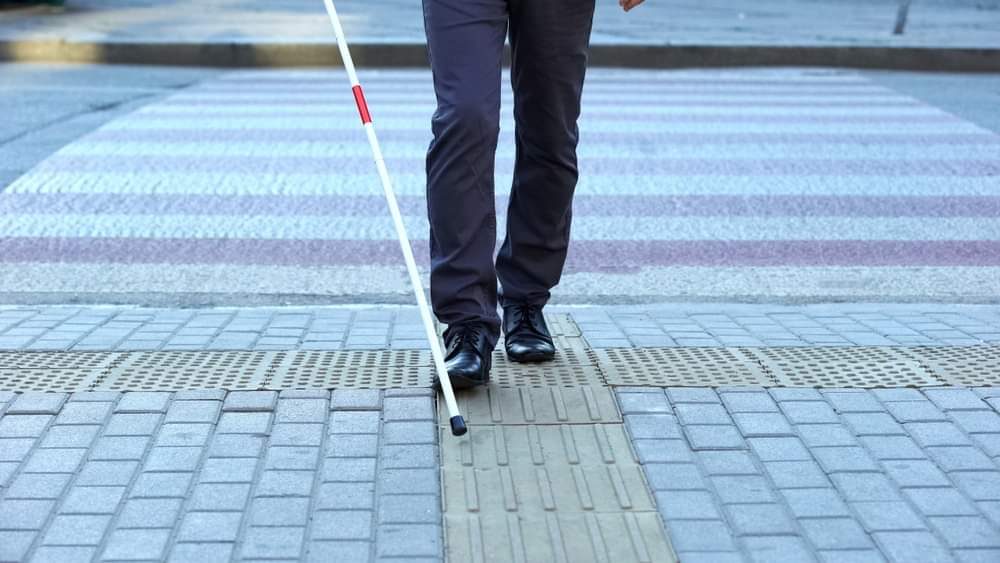
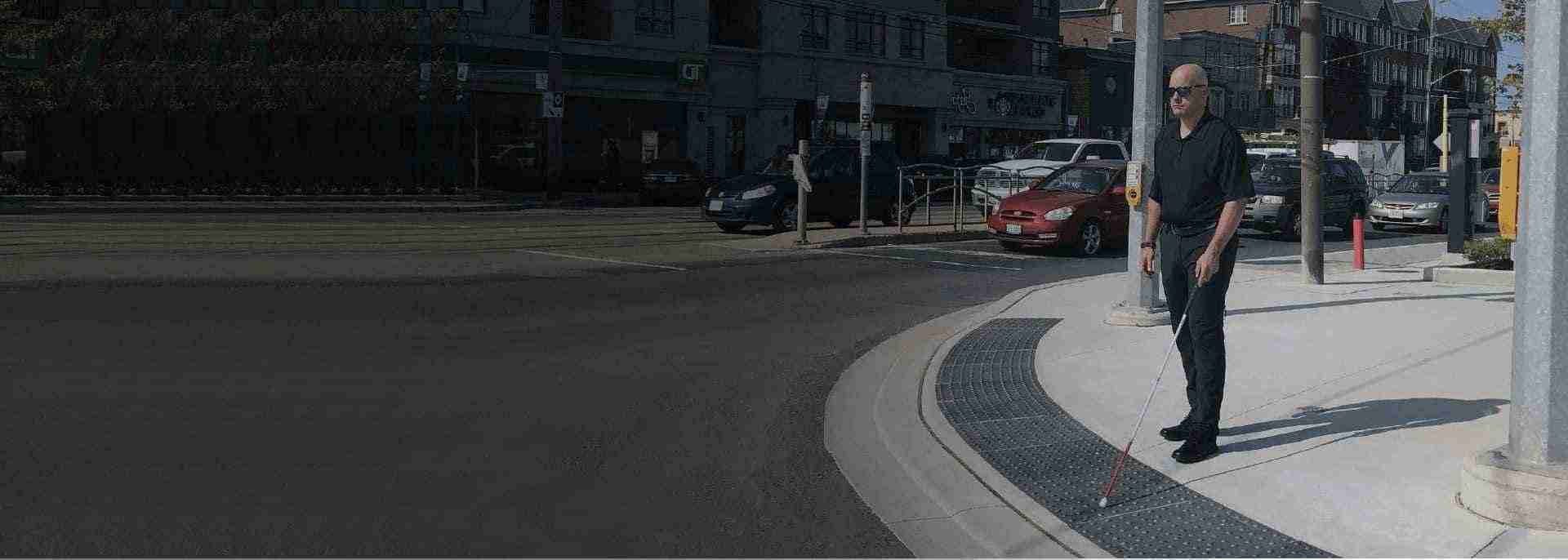
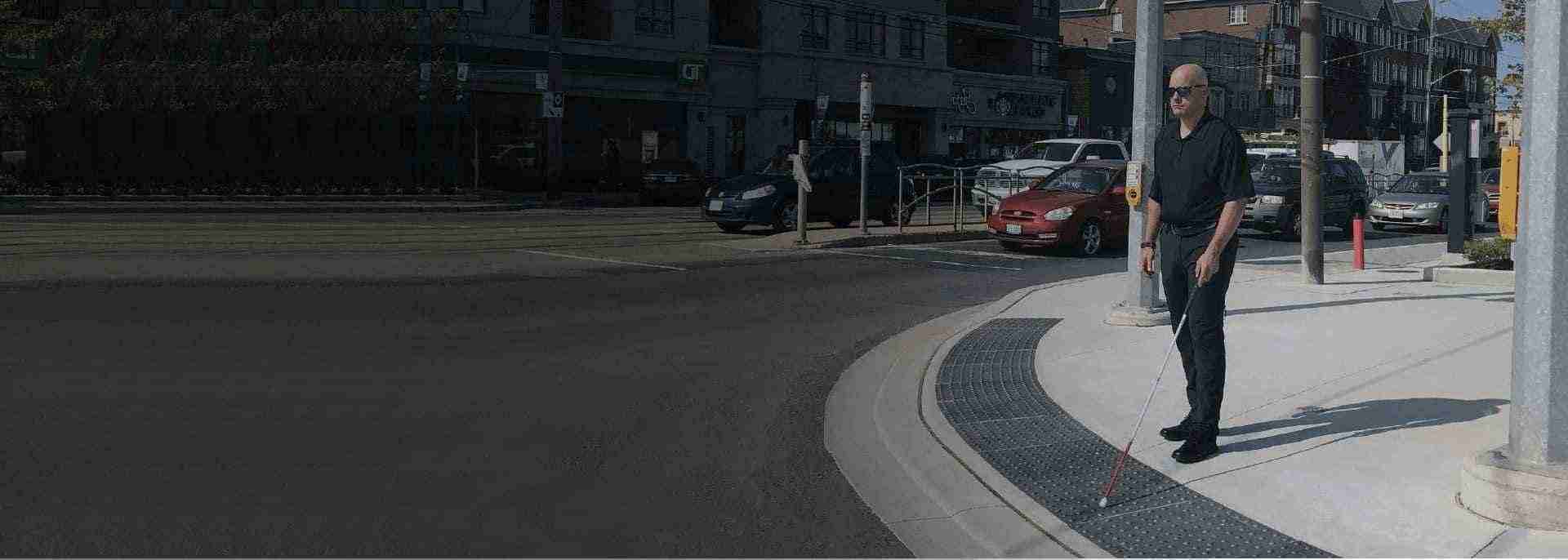
The most effective way to upgrade pedestrian crosswalks in large infrastructures is to install heavy-duty, code-compliant tactile warning domes. For massive city projects and busy intersections, you must use Cast-in-Place cast iron or engineered polymer tiles. These specific Tactile Walking Surface Indicators (TWSI) immediately alert visually impaired pedestrians to vehicular hazards while easily surviving harsh Canadian winters and municipal snow plows.
Upgrading a massive city intersection or a sprawling commercial transit hub is a serious responsibility. You are not just pouring concrete and painting white lines. You are building the physical safety cues that protect your community every single day.
If a visually impaired person cannot feel the boundary between a safe pedestrian sidewalk and a busy multi-lane roadway, the results can be catastrophic. Modern infrastructure requires precise, durable, and highly visible tactile solutions. At Tactile Solution Canada, we supply the exact safety materials that municipal contractors and city planners trust. Today, we will show you how to execute a flawless crosswalk upgrade that meets every single Canadian access code.
Let us look at a very real scenario that happens far too often. Mark is a municipal project manager in Calgary. Last year, his team overhauled a major downtown intersection connecting a busy shopping plaza to a transit station.
They poured beautiful, fresh concrete for the curb ramps. However, Mark used standard, low-grade plastic warning tiles to save a small portion of his budget. Winter arrived fast, and the city snow plows hit the intersection hard.
By March, half the plastic tiles were cracked, missing, or peeling off the concrete. A visually impaired resident tripped on a broken edge and filed a formal complaint. Mark failed his spring safety audit instantly.
He had to shut down the busy intersection, rip out the damaged plastic, and start over. This time, he called our team at Tactile Solution Canada. We supplied him with heavy-duty Advantage Cast Iron plates.
His crew locked the new iron plates directly into fresh concrete. A year later, those plates look brand new despite heavy plowing. The city now uses that specific intersection as the gold standard for accessibility.
When you manage a large infrastructure project, you must use the right tile for the right job. Using the wrong texture confuses pedestrians and leads to failed inspections.
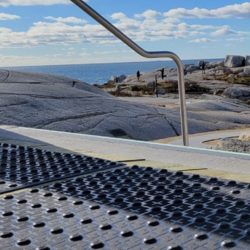
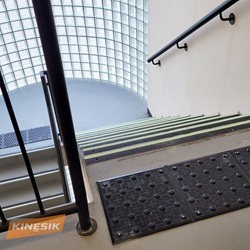
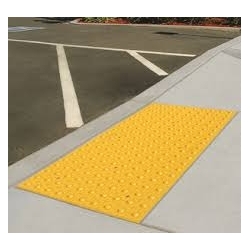
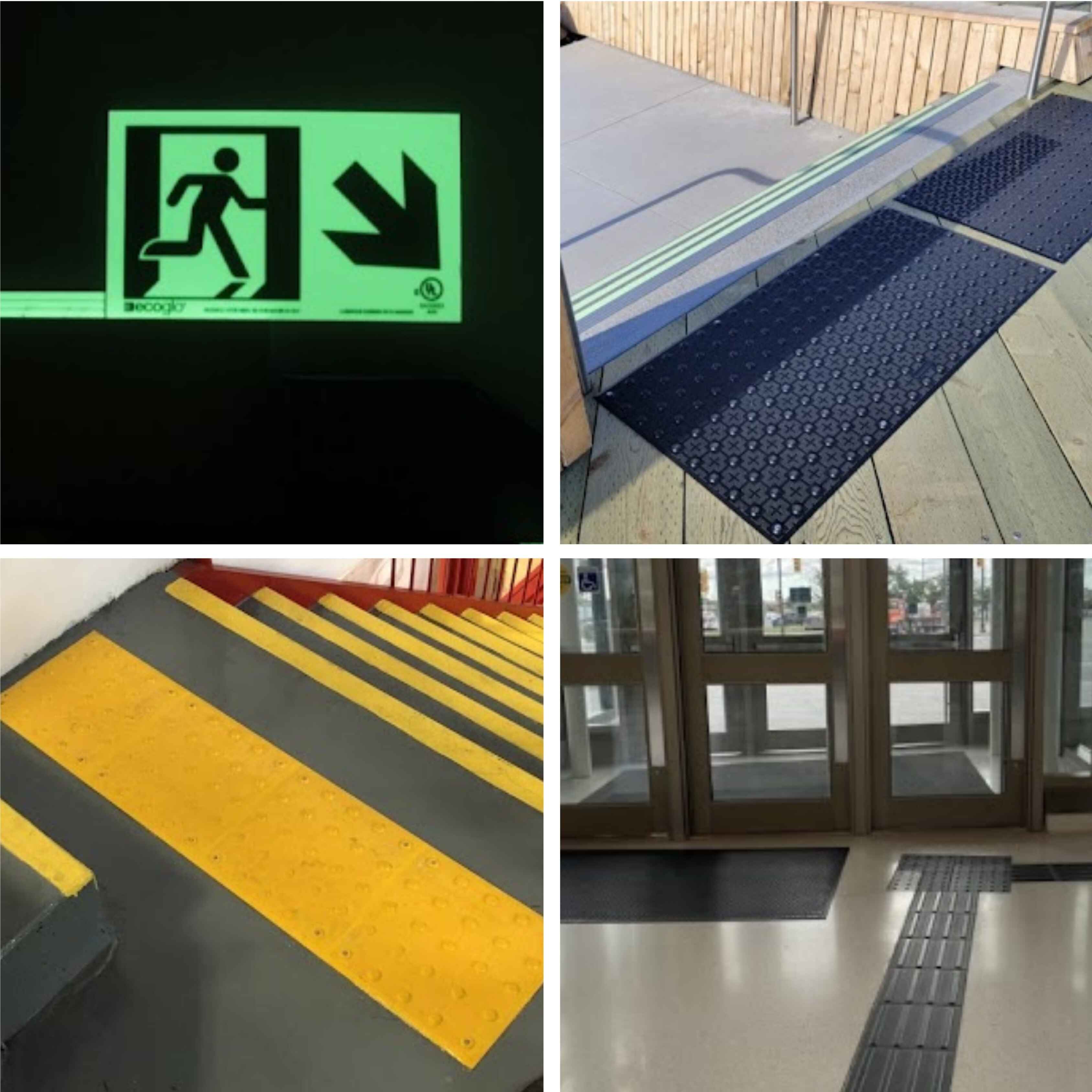
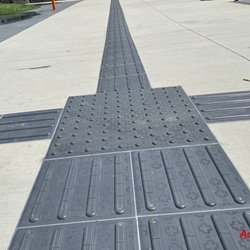
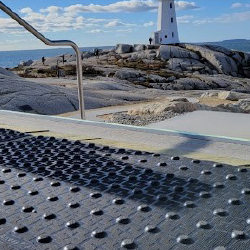
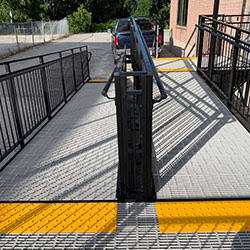
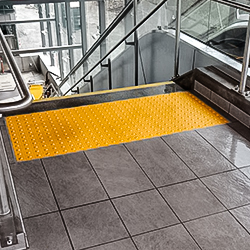
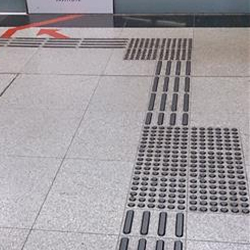
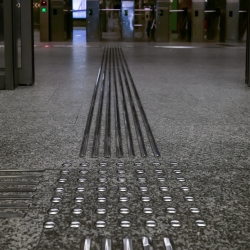
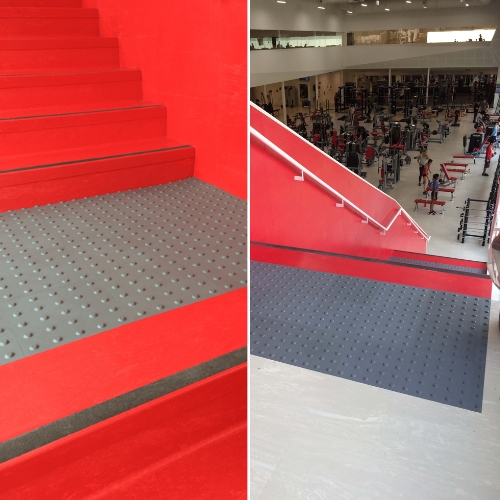
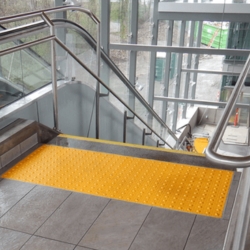
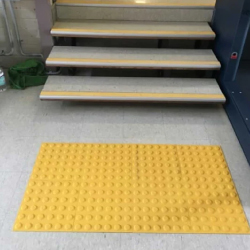
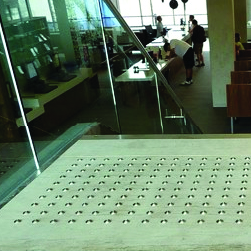
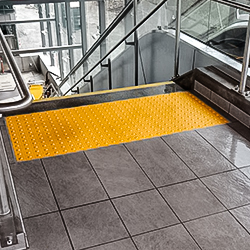
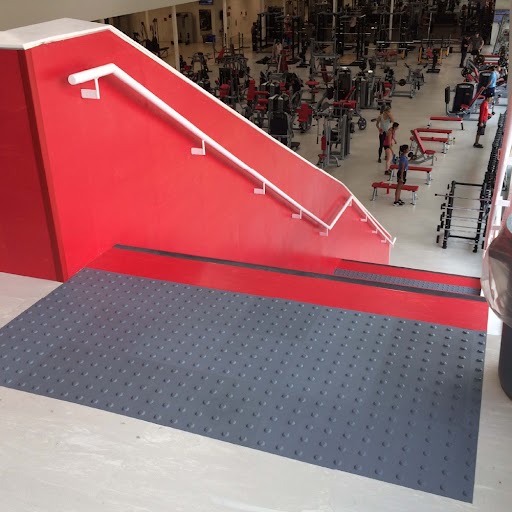
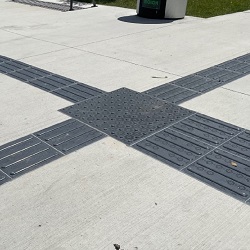
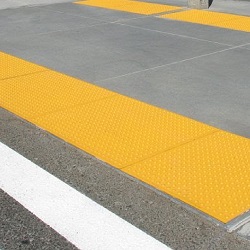
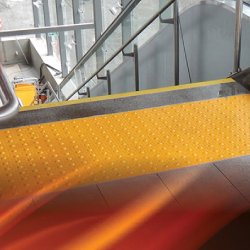
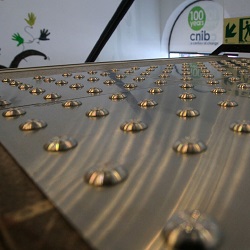
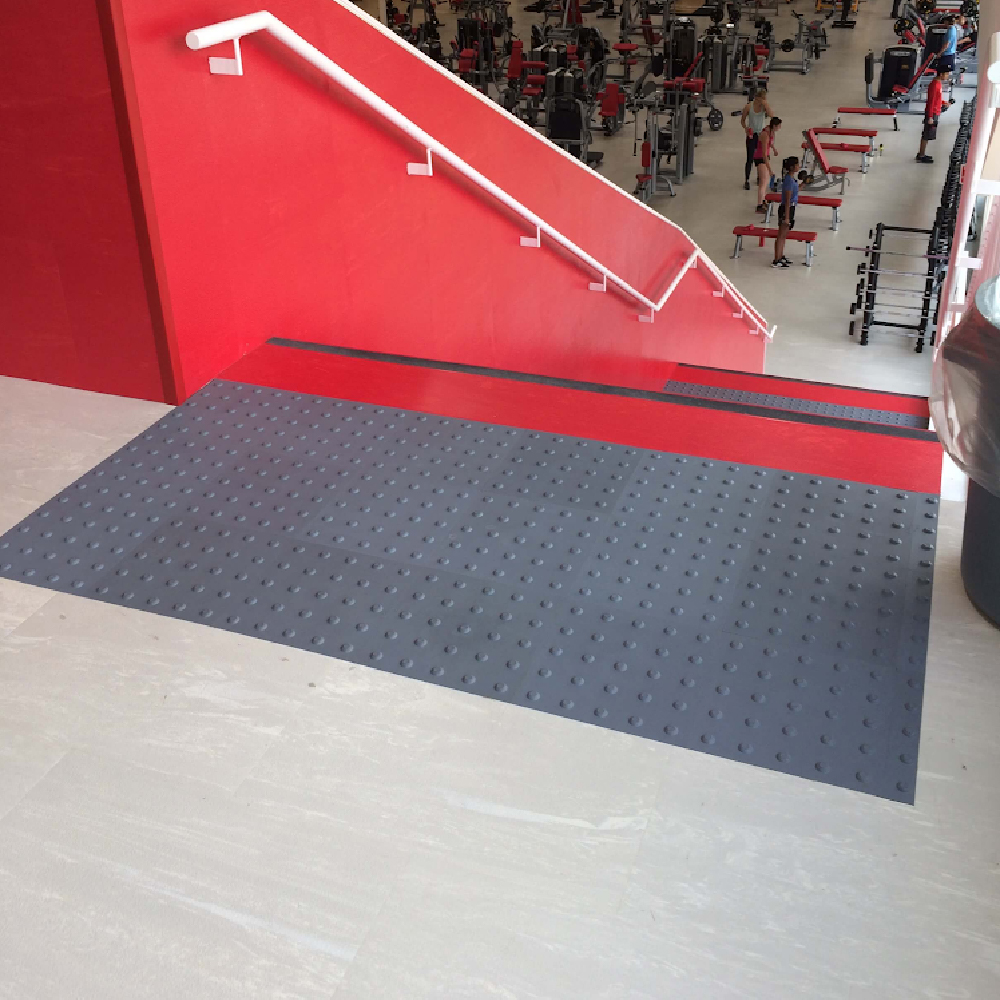
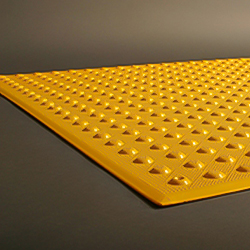
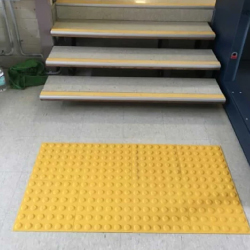
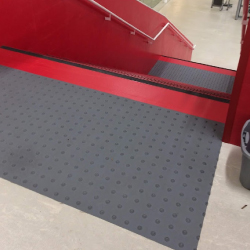
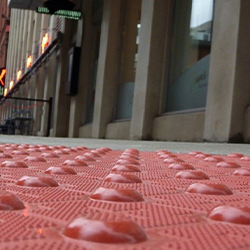
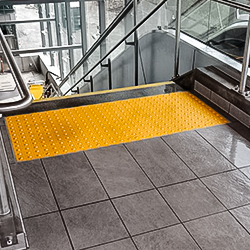
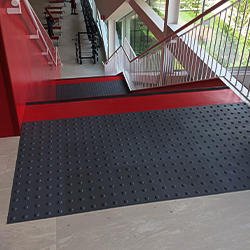
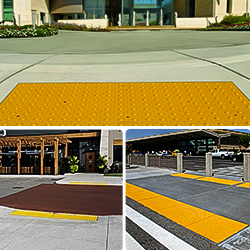
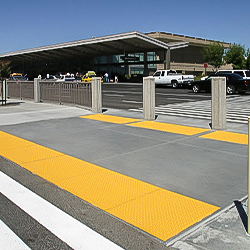
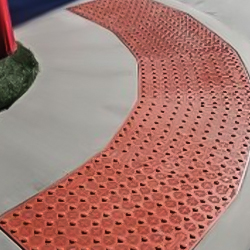
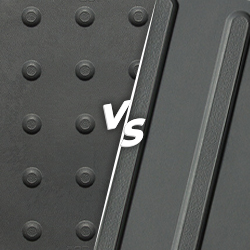
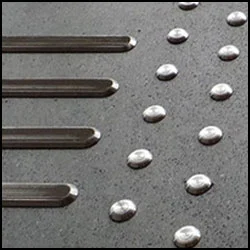
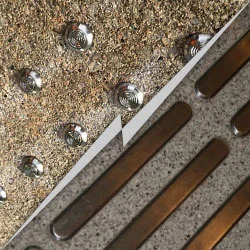
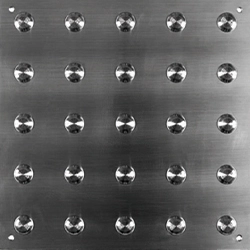
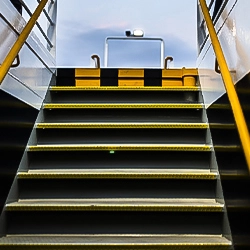
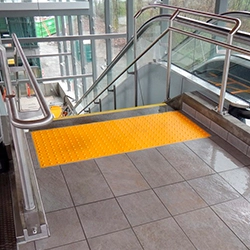
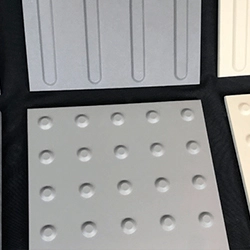
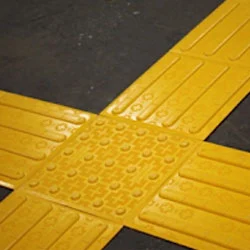
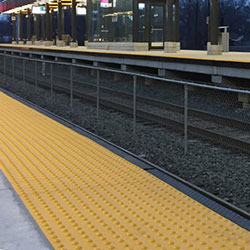
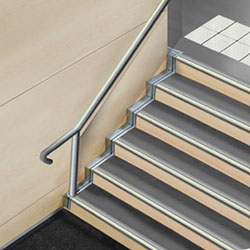
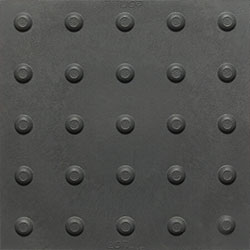
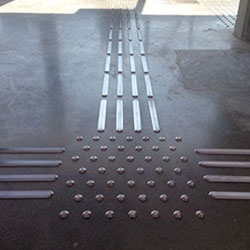
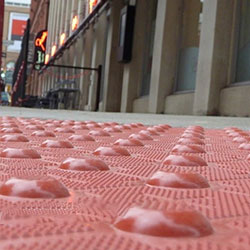
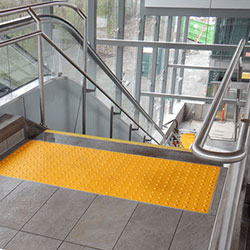
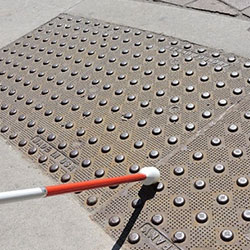
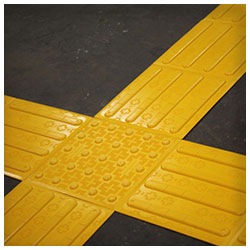
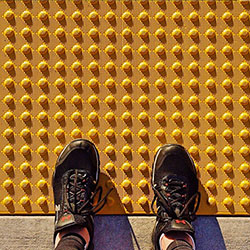
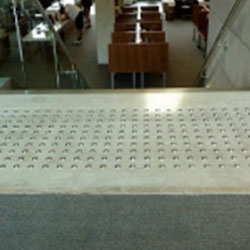
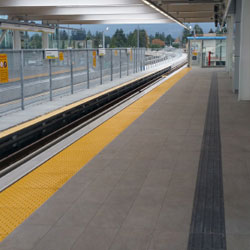
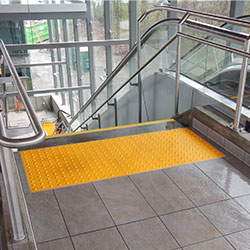
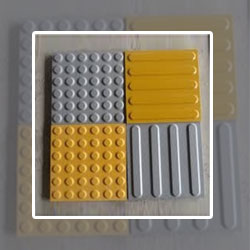
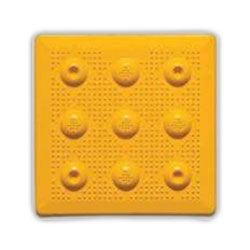
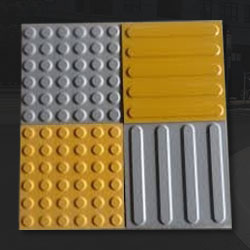
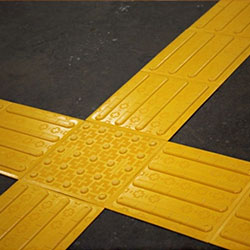
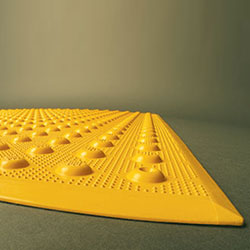
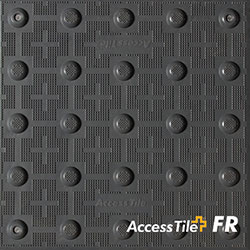
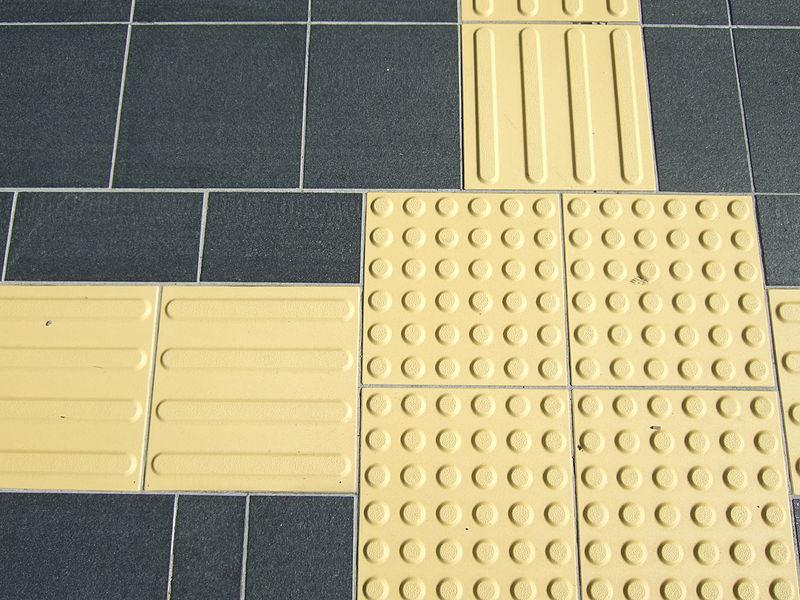
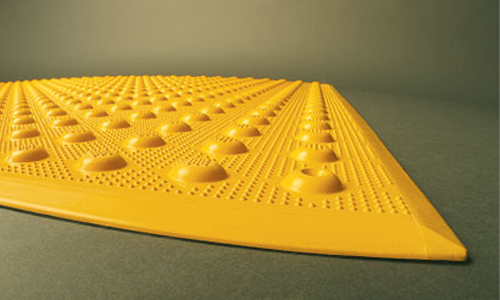
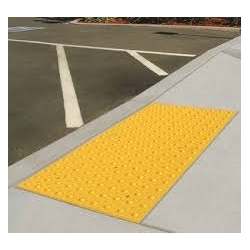
These tiles feature small, raised circular bumps. They act as a physical stop sign for pedestrians. You must install warning domes exclusively at hazard points. This includes the edge of a crosswalk, the top of a staircase, or an unprotected transit platform drop-off.
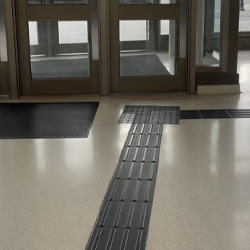
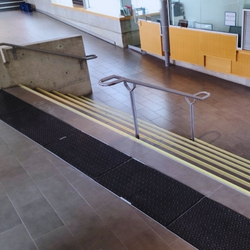
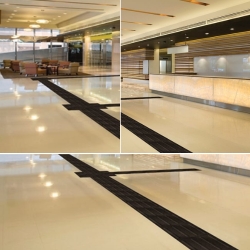
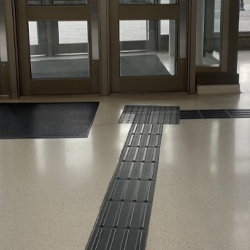
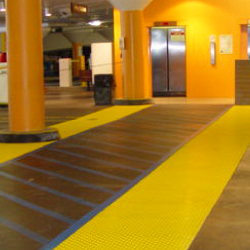
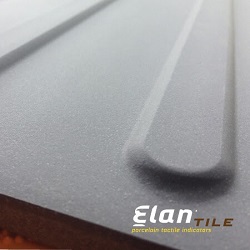
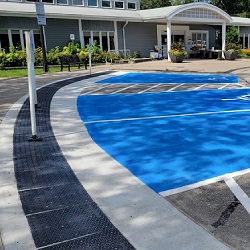
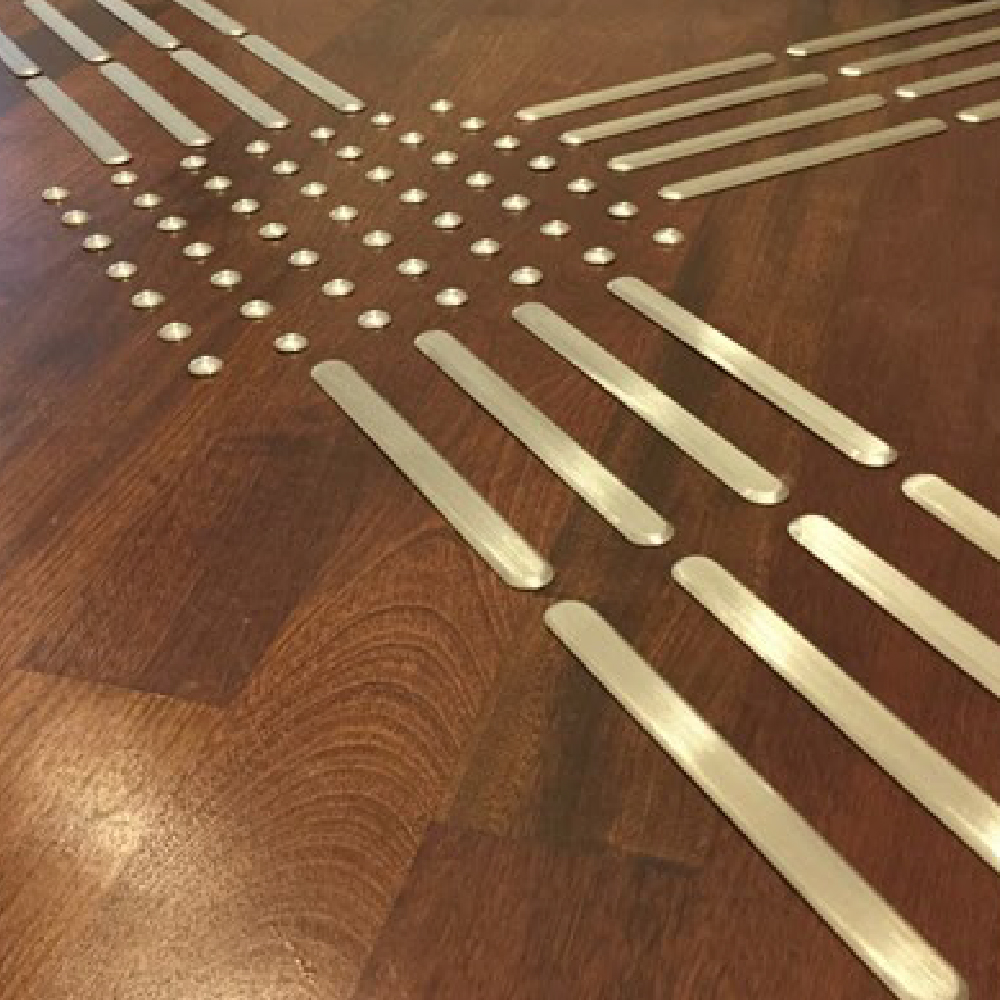
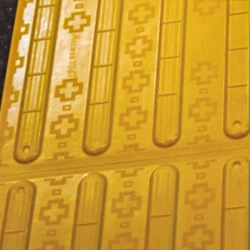
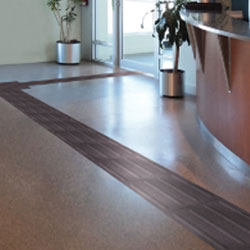
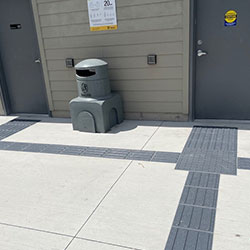
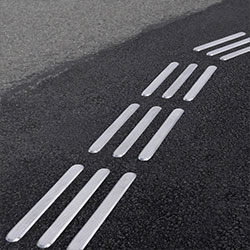
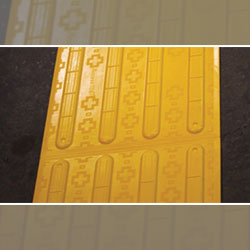
These tiles feature long, parallel ridges. They create a continuous, safe trail through wide open spaces. You use wayfinding bars to guide a person from a parking lot directly to a building entrance. You never use wayfinding bars at the edge of a crosswalk, as they mean "keep walking" instead of "stop".
You cannot guess your way through a municipal infrastructure upgrade. Canadian law dictates exactly how your crosswalks must function.
This law demands the complete removal of physical barriers in public spaces. Under AODA guidelines, every newly built or heavily renovated crosswalk must feature tactile warning indicators.
This is your technical master guide. CSA B651 provides the exact measurements for your installations. It dictates the spacing of the truncated domes and the required width of the tactile plate across the curb ramp.
The NBC enforces strict rules for barrier-free paths of travel. Your crosswalk transitions must be completely flush with the surrounding concrete. This ensures wheelchairs and strollers can roll over the domes without hitting a dangerous trip edge.
Large infrastructures face extreme abuse. You have heavy foot traffic, delivery trucks, freezing temperatures, and aggressive snow removal equipment. You need materials engineered for absolute survival.
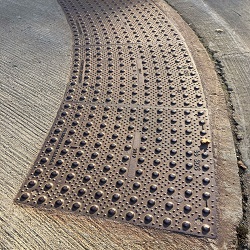
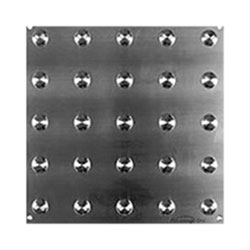
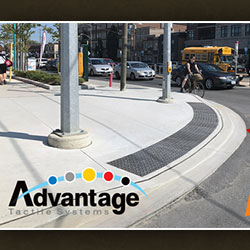
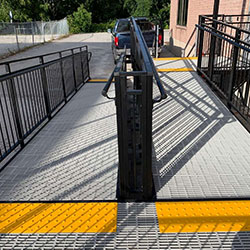
This is the ultimate heavyweight champion for city intersections. Made from durable ASTM A48 Class 35B Grey Iron, these plates resist snow plows and heavy salt corrosion flawlessly. They are the smartest long-term investment for any major municipal crosswalk.
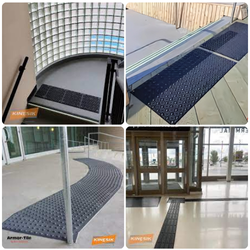
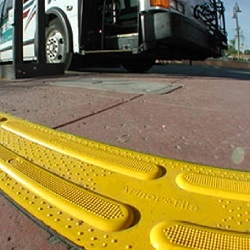
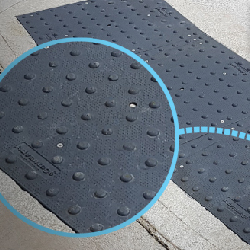
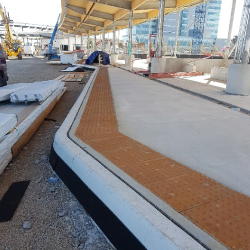
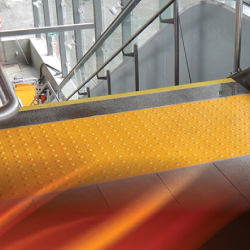
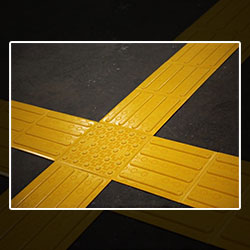
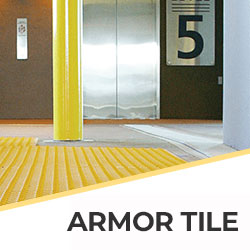
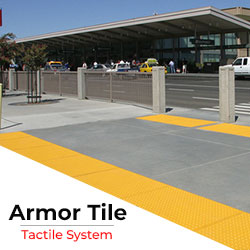
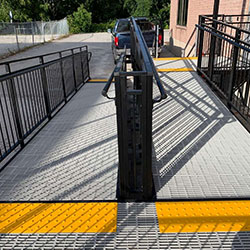
If you need a highly visible, weather-resistant option, Armor Tile is incredible. These engineered polymer tiles are UV-stabilized. Their bright safety yellow colors will not fade to a dull beige under the summer sun, ensuring continuous high contrast.
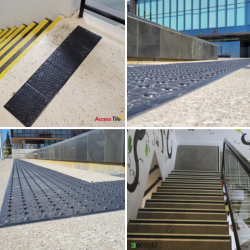
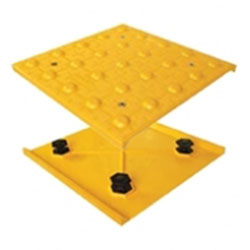
For massive new concrete pours, Access Tile provides a brilliant replaceable system. Your crew embeds the anchor system into the wet cement. If a tile suffers severe damage a decade later, your maintenance team can simply unscrew the top plate and drop in a fresh one in minutes.
Selecting the right material is only the first step. You must install the tiles correctly to ensure they survive a decade of heavy use.
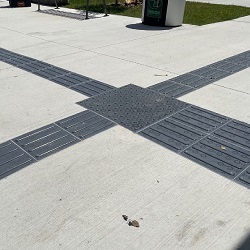
If your project involves pouring brand new concrete curb ramps, you must use Cast-in-Place tiles. Your construction crew presses the tiles directly into the wet cement. Once the concrete dries, the tile is permanently locked into the ground. This method provides the highest possible resistance against snow plows.
Sometimes, you need to upgrade an intersection without tearing up perfectly good asphalt or cured concrete. Surface-Applied tiles are the perfect fix. Your team cleans the existing pavement, applies a premium structural adhesive, and drills mechanical fasteners into the corners. This allows you to upgrade a crosswalk in a few hours with minimal traffic disruption.
Physical texture is incredibly important, but visual contrast is equally vital. Many people who are legally blind still retain some partial vision.
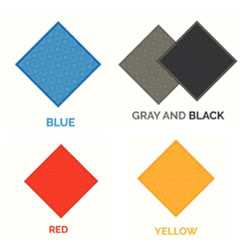
Your tactile warning domes must visually pop against the surrounding pavement. This concept is called luminance contrast. Canadian codes usually demand a 70 percent contrast difference between the tile and the street.
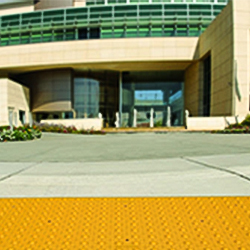
If you are pouring light grey concrete, you should install dark grey, black, or bright yellow tactile tiles. If you are working with dark black asphalt, bright safety yellow is the absolute best choice. This sharp visual difference grabs the attention of distracted pedestrians before they step into moving traffic.
Large infrastructure projects often blur the lines between private commercial property and public city streets. A massive shopping mall parking lot eventually connects to a municipal crosswalk.
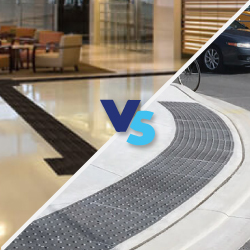
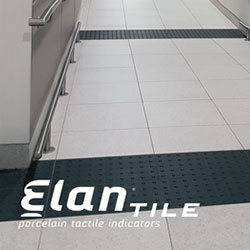
You must maintain a continuous chain of safety across these property lines. If your retail plaza uses porcelain tactile tiles indoors, you must switch to heavy-duty cast iron or polymer tiles where the property meets the city crosswalk. Consistency in your hazard warnings ensures every pedestrian feels secure from the store register to the bus stop.
Yes. Major codes like the AODA, the NBC, and CSA B651 strictly mandate tactile warning systems at public pedestrian crossings. This ensures safe, barrier-free access for people with visual impairments.
Warning tactiles use truncated domes to signal an immediate hazard, like a roadway crossing. Guidance tactiles use wayfinding bars to provide safe directional routing through large, open spaces.
The best defense is using Cast-in-Place cast iron tiles. Iron can easily withstand the scrape of a steel plow blade. You should also ensure the edges of the tile sit perfectly flush with the concrete to prevent the plow from catching a lip.
Yes, you can use surface-applied engineered polymer tiles. You must use an outdoor-rated structural adhesive and heavy-duty mechanical fasteners to ensure the tile bonds tightly to the rough asphalt surface.
When installed correctly in fresh concrete, high-quality cast iron tactile plates easily last 10 to 15 years in tough Canadian outdoor conditions. They offer the lowest total cost of ownership for large municipal projects.
Building safe pedestrian crosswalks requires serious attention to detail. You must balance strict legal codes, extreme weather conditions, and tight project budgets.
You cannot afford to treat accessibility as an afterthought on large infrastructure projects. When you install the right heavy-duty tactile domes, you protect your community and prevent expensive municipal lawsuits.
At Tactile Solution Canada, we supply the highest quality, code-compliant safety systems directly to contractors and city planners nationwide. From indestructible cast iron plates to highly visible polymer composites, we have exactly what you need. Browse our complete catalog online or contact our expert sales team today to secure the best products for your next major crosswalk upgrade.