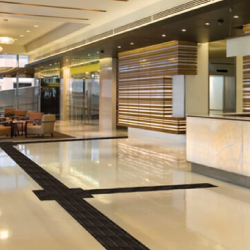
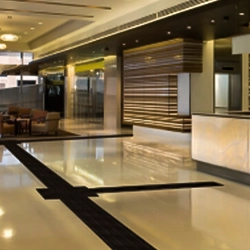
Think of the average modern Canadian condo. You probably envision a gleaming lobby with polished floors, bright hallways, and elevators with clear, accessible buttons. We tend to focus our safety efforts on these high-traffic public zones - the "front of house."
But every building has a backstage. Behind locked doors lie the mechanical rooms - the noisy, cluttered heart of the building’s infrastructure. Above the penthouse suites lie the rooftops - windswept spaces used for maintenance or sometimes emergency exits.
At Tactile Solution Canada, building managers often ask us: "Since the public doesn't go there, do we really need to install tactile safety products in these restricted areas?"
The short answer is yes. It’s not about who usually goes there; it's about keeping anyone safe during an emergency. Let's step away from the lobby and look at the safety needs of these "forgotten spaces."
It’s easy to assume mechanical rooms and rooftop access points get a pass on safety protocols because they aren't designated accessible routes for residents.
However, consider the reality. Mechanical rooms are often mazes of pipes and sudden floor level changes. Rooftops are disorienting with tripping hazards and the obvious danger of the building's edge.
Who uses these spaces? HVAC technicians, elevator mechanics, and superintendents. In an emergency - like a fire or total blackout - these professionals need the same guidance as a resident in the main hallway.
Canadian regulations, specifically the AODA and National Fire Codes, emphasize universal safety. As highlighted in our look at staircase safety in high-rises, compliance isn't selective.
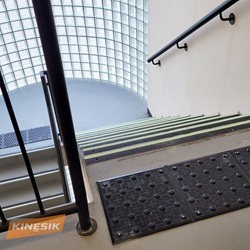
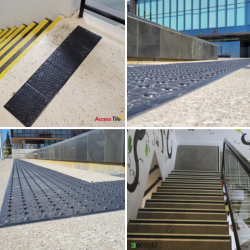
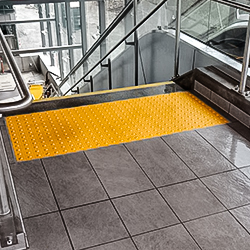
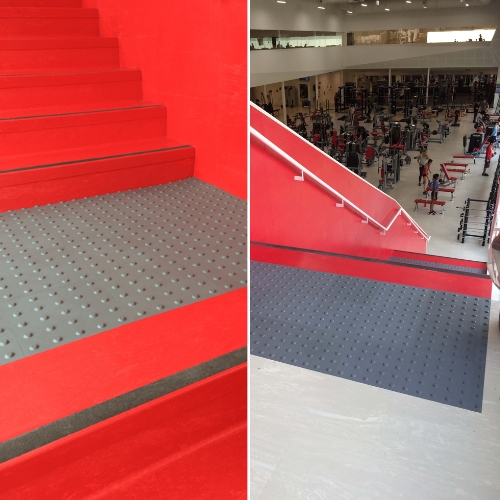
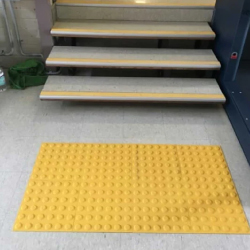
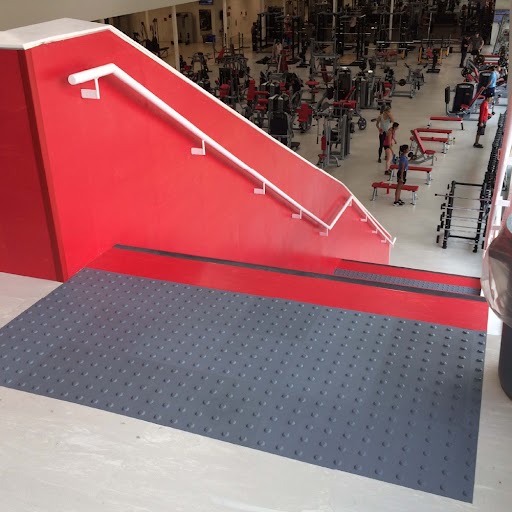
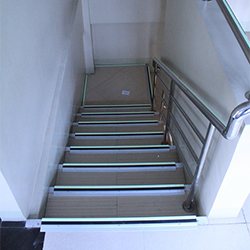
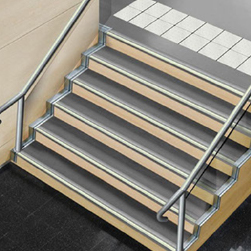
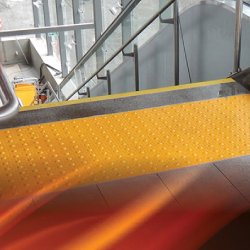
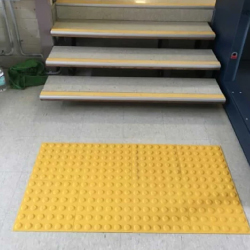
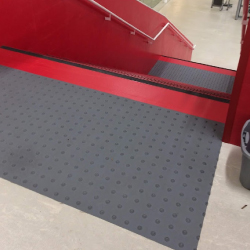
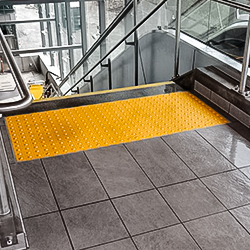
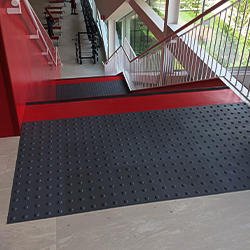
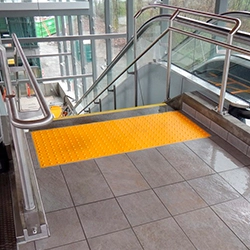
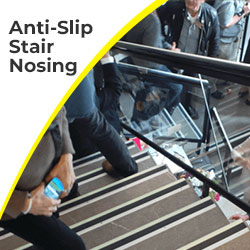
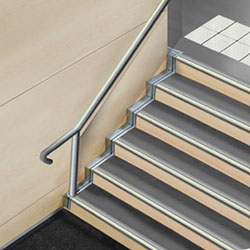
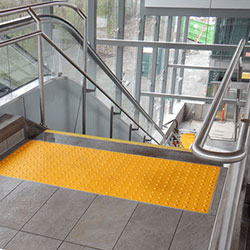
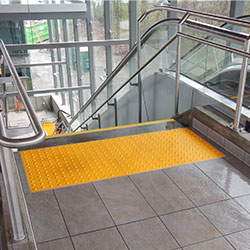
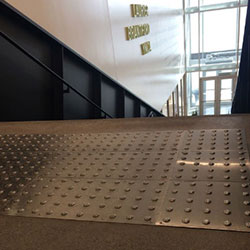
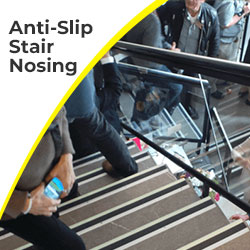
If a mechanical room door leads to a stairwell, that transition is a primary evacuation route. The building code requires that the interface be safe. If a mechanical room opens directly onto a stair path, you need compliant tactile indicators to prevent a stumble that could block escape for everyone.
Compliance here means translating lobby safety into industrial-grade durability. Here is how our specific product lines solve these "back-of-house" problems.
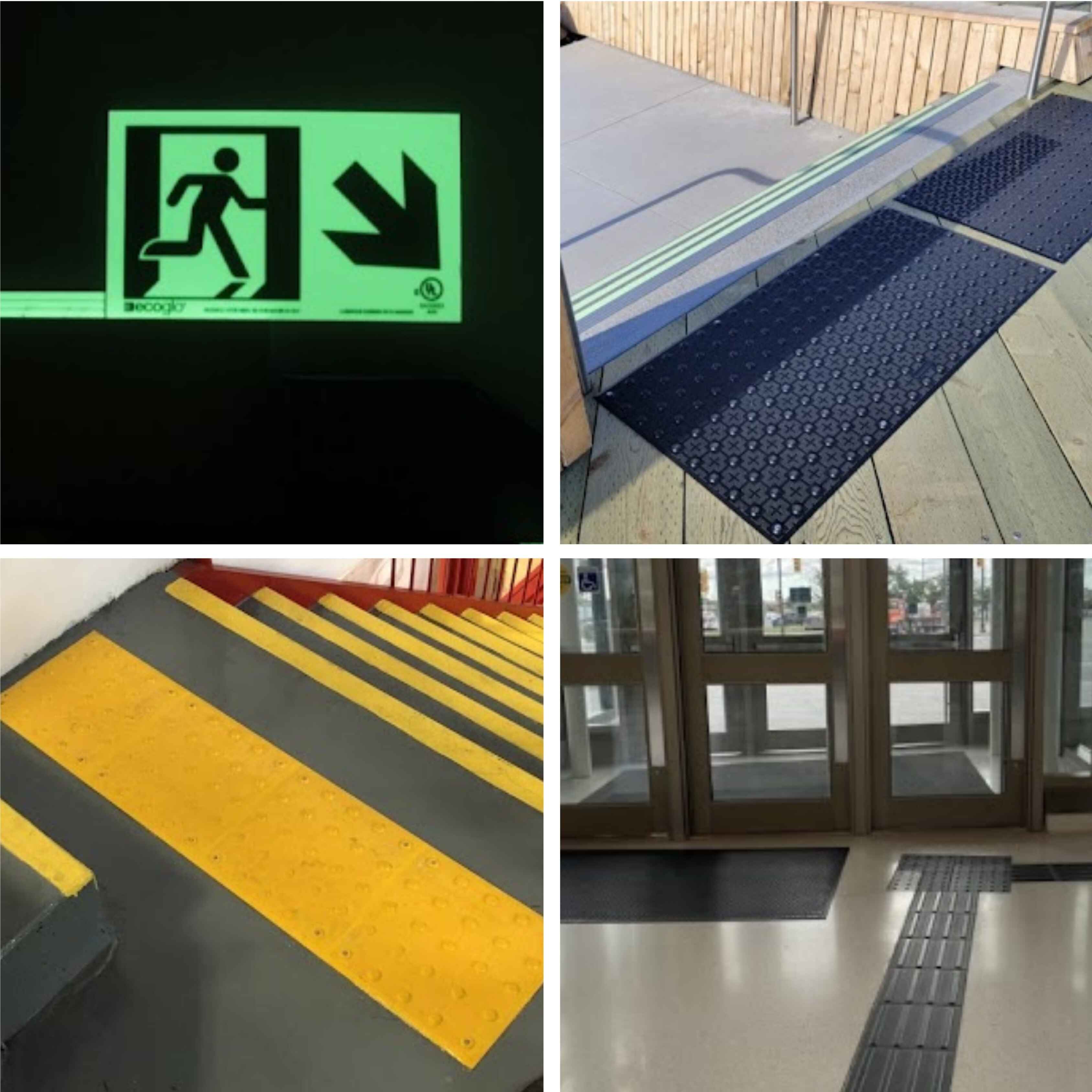
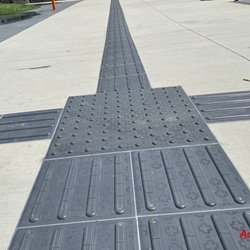
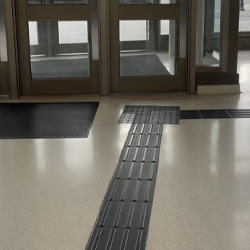
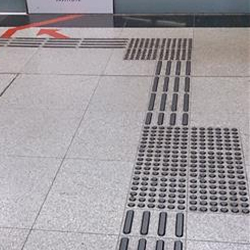
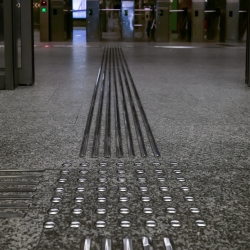
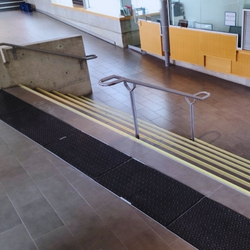
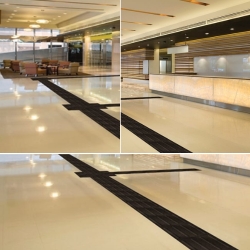
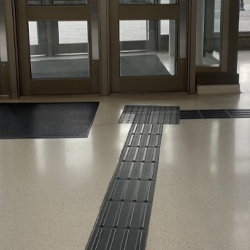
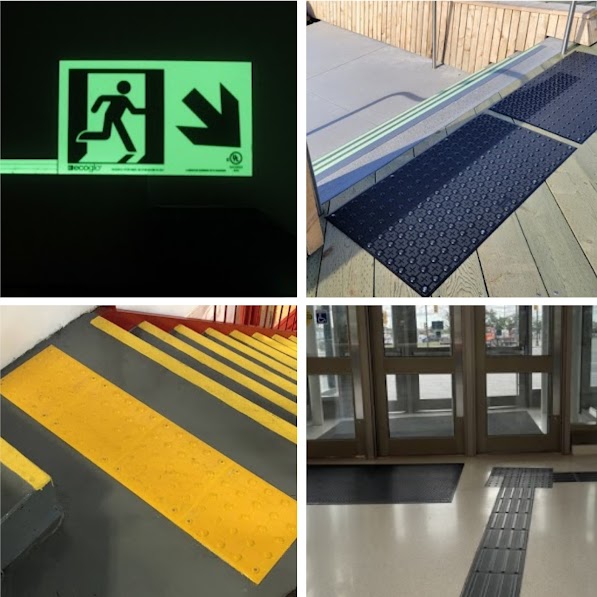
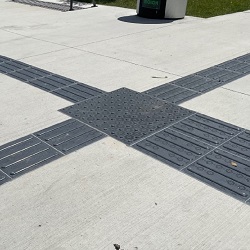
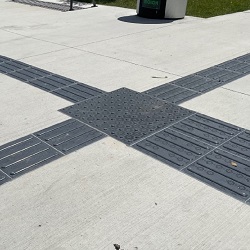
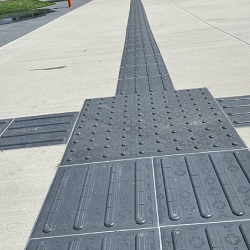
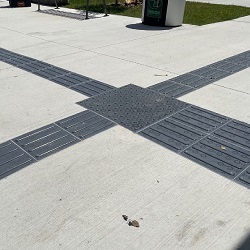
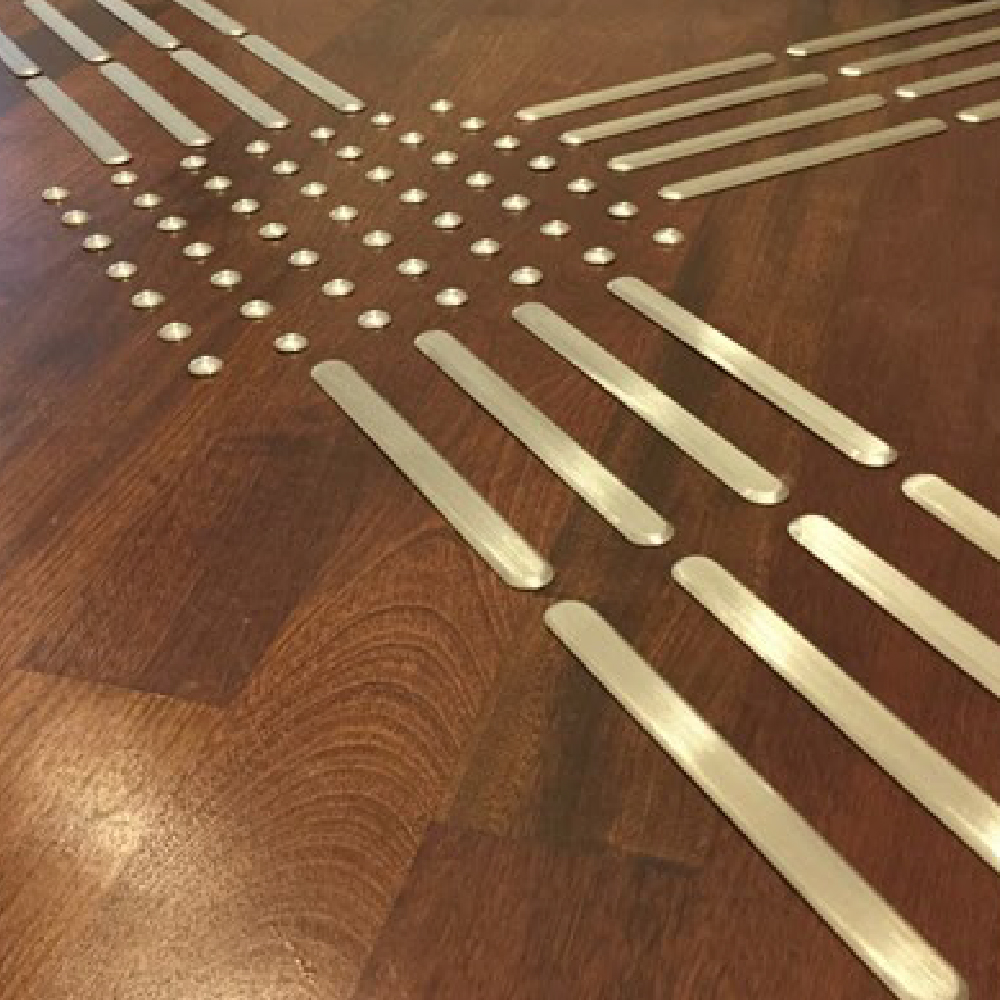
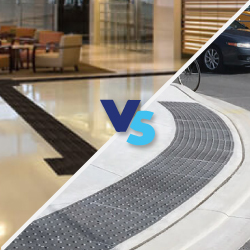
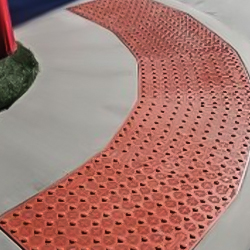
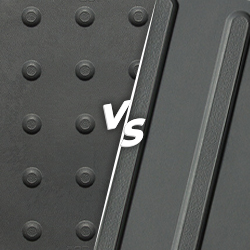
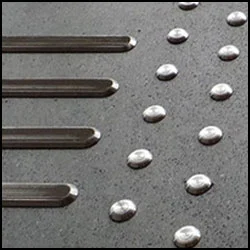
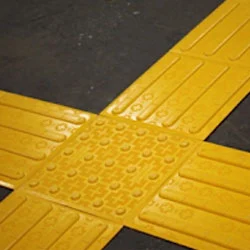
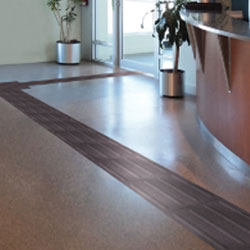
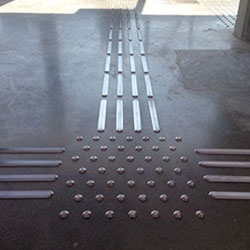
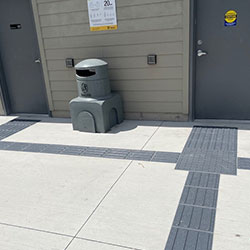
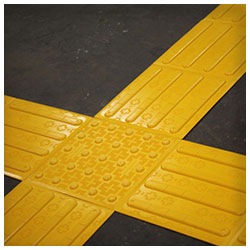
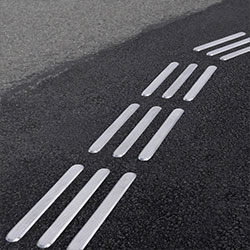
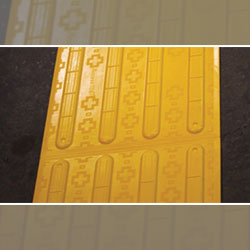
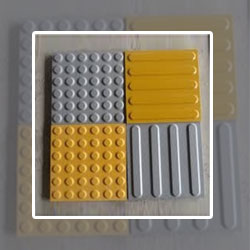
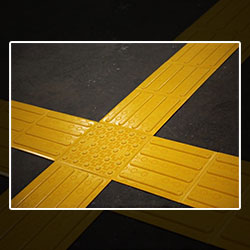
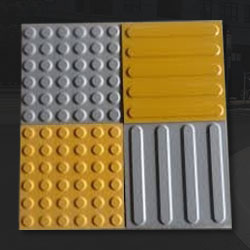
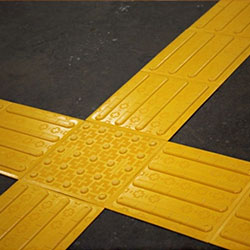
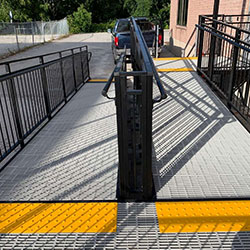
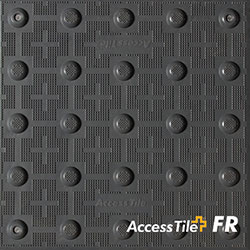
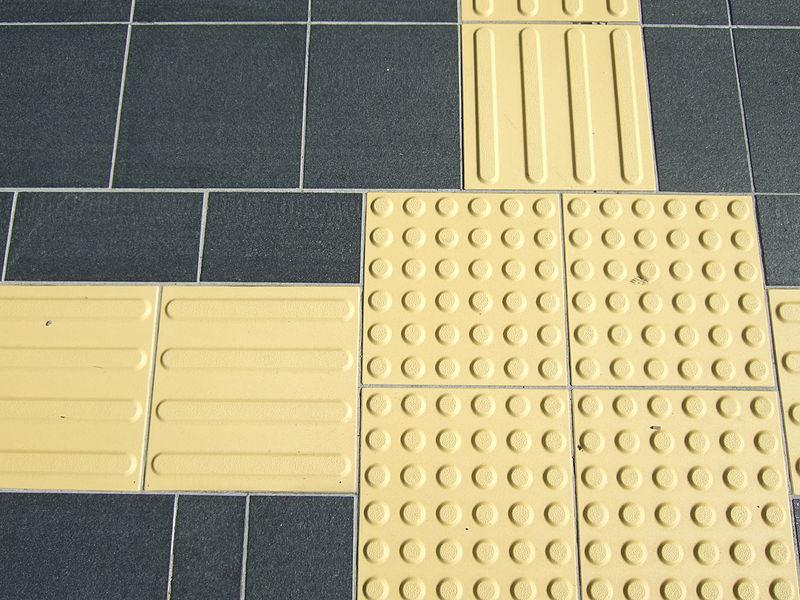
Mechanical rooms can be confusing. While you might not need warning domes on every flat surface, Guidance Bars are incredibly useful here.
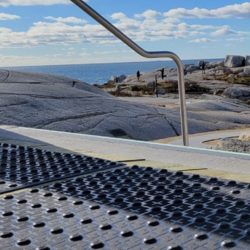
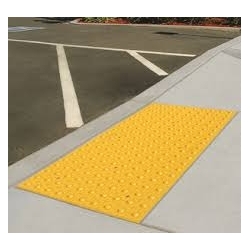
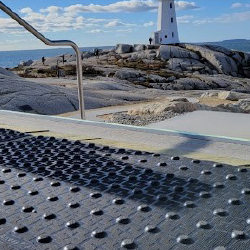
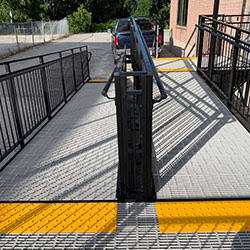
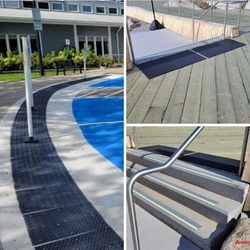
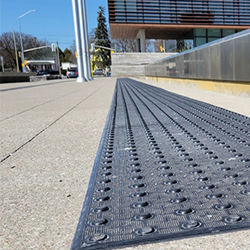
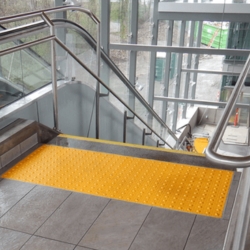
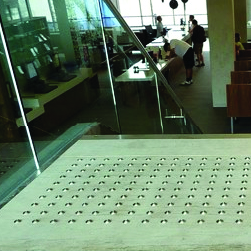
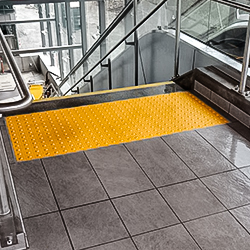
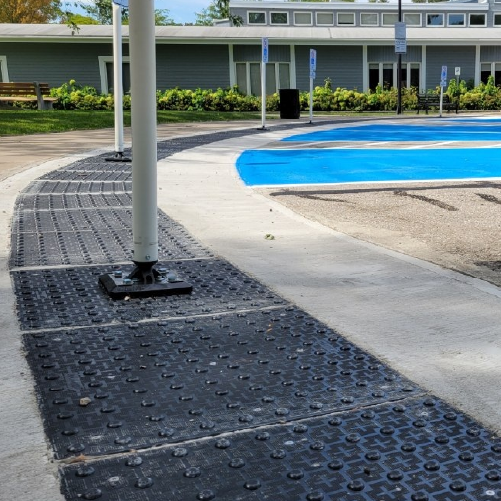
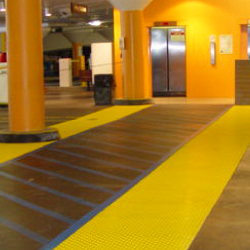
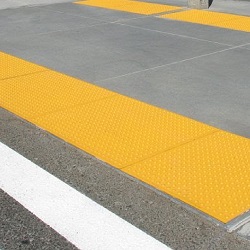
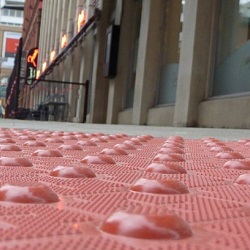
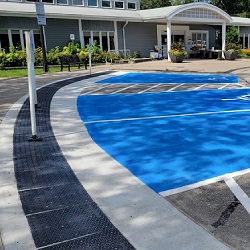
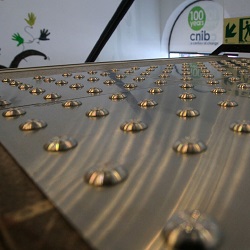
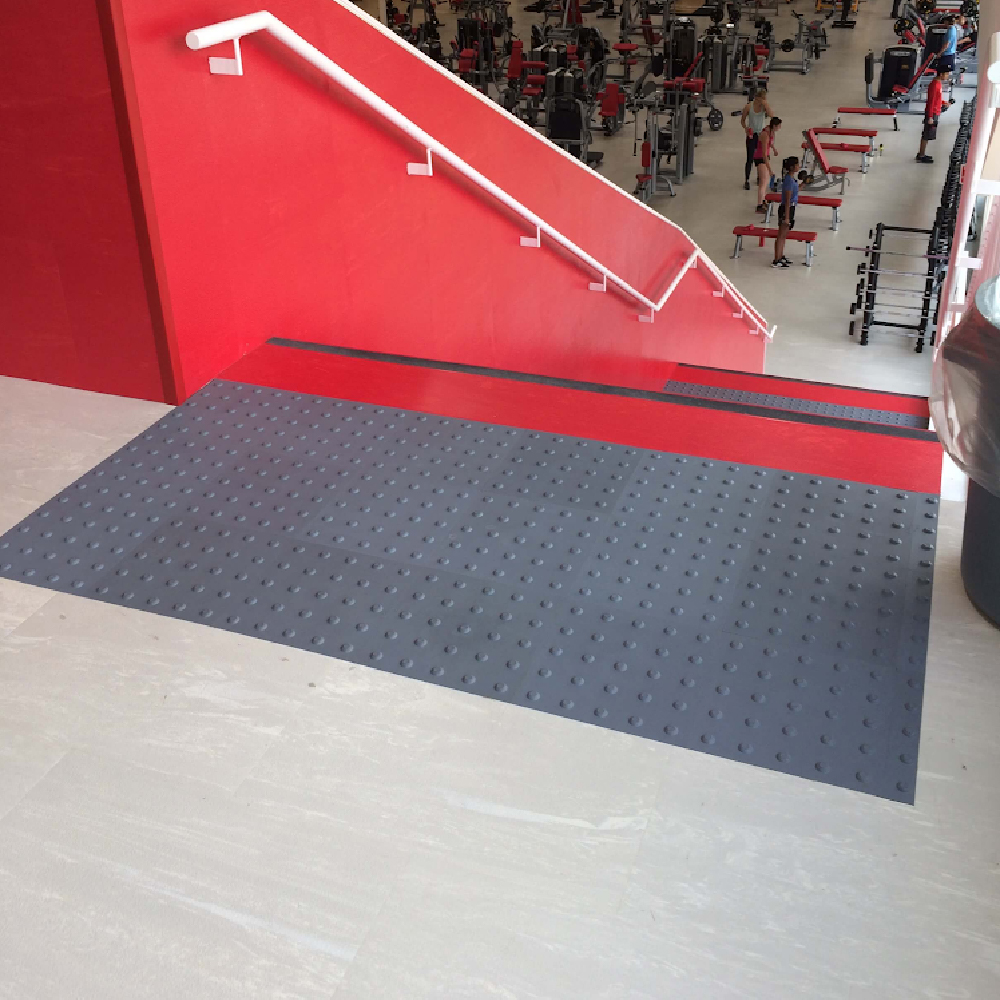
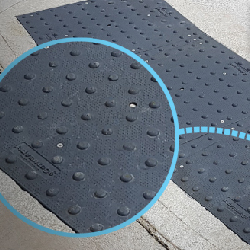
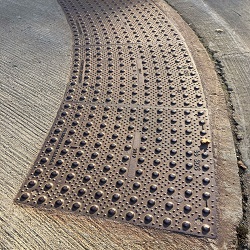
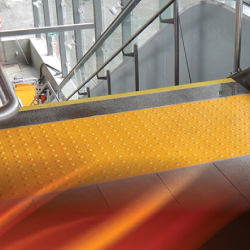
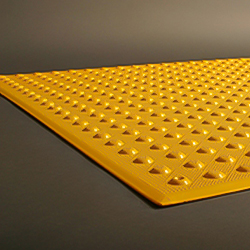
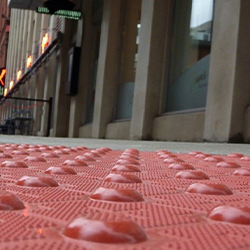
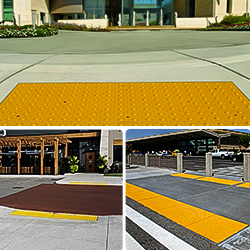
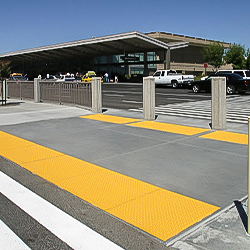
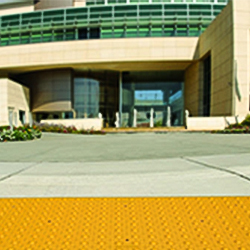
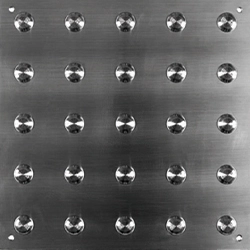
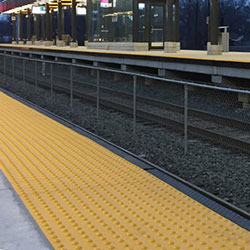
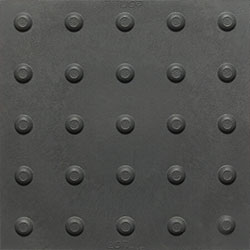
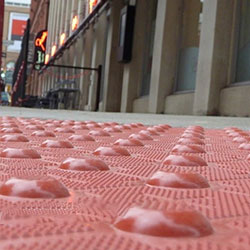
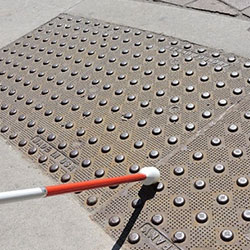
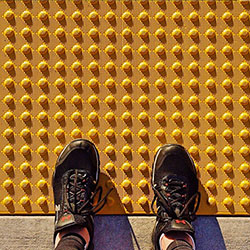
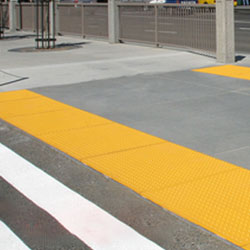
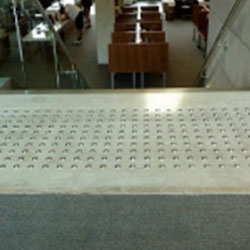
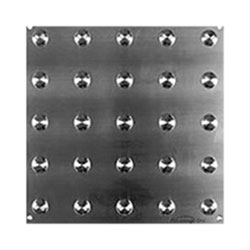
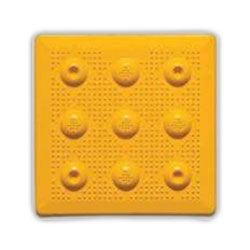
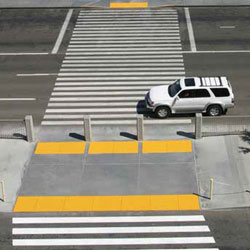
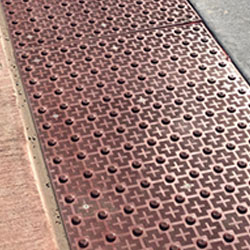
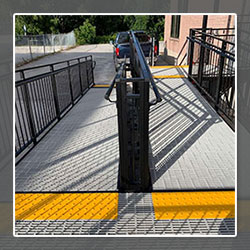
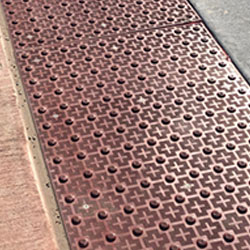
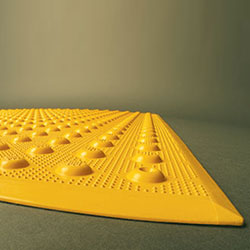
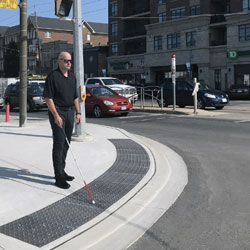
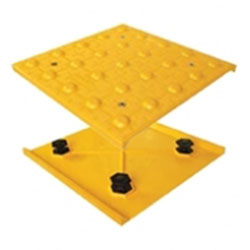
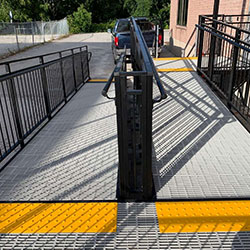
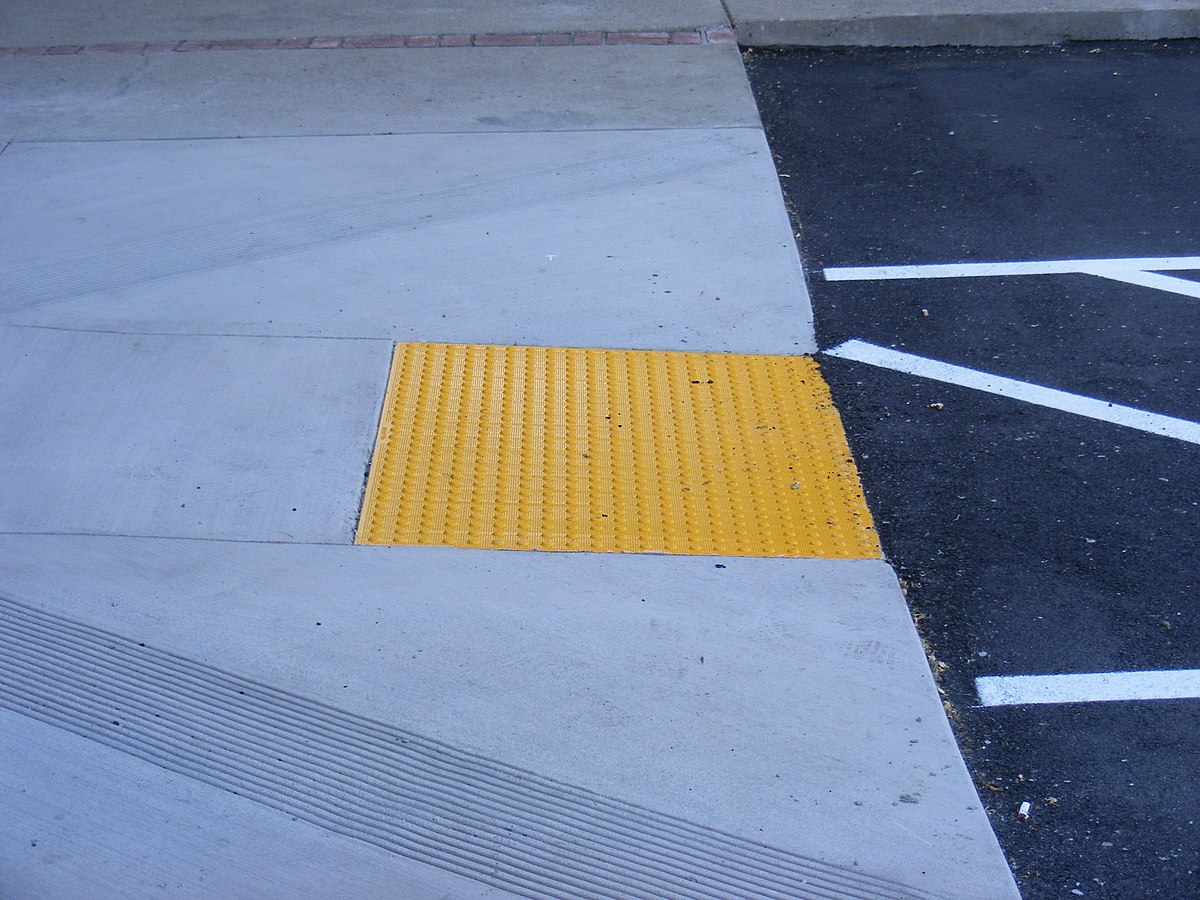
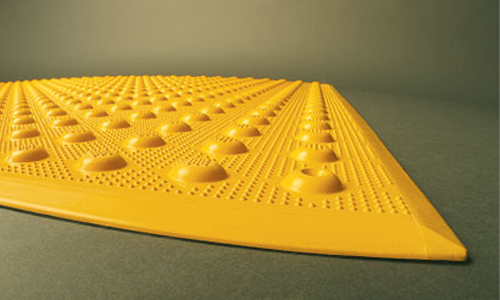
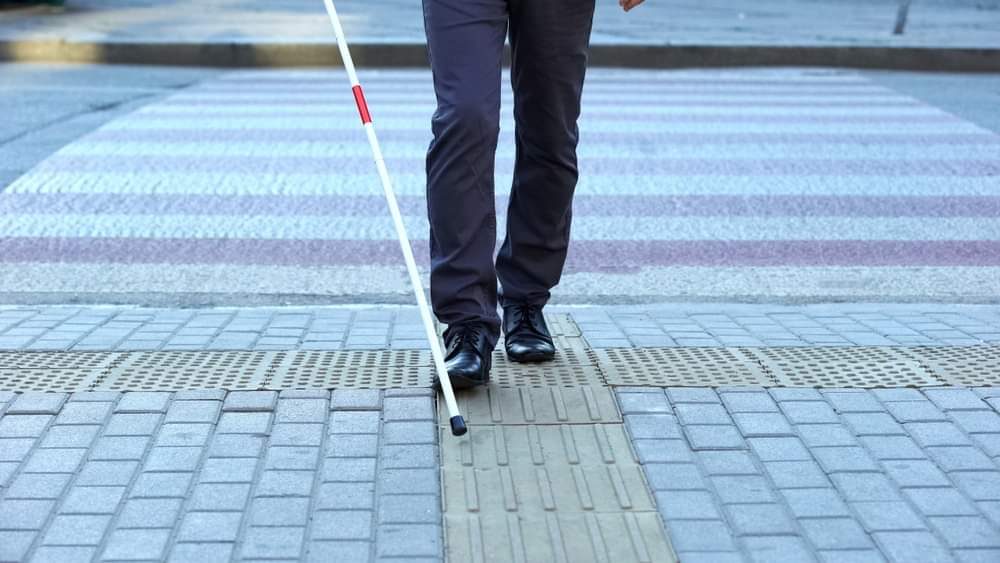
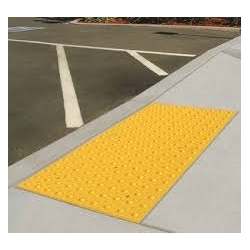
Rooftop exits are critical. If a door leads from the interior onto the roof, and there is an unprotected drop or a level change, you need Tactile Walking Surface Indicators (TWSIs).
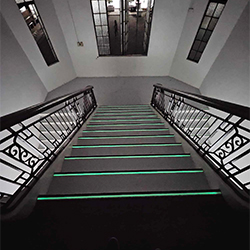
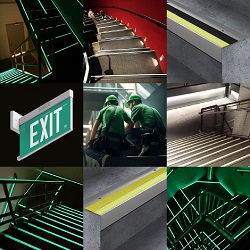
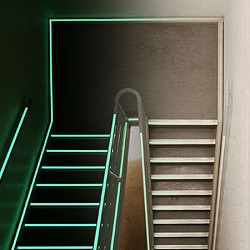
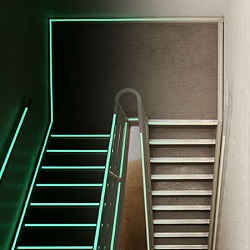
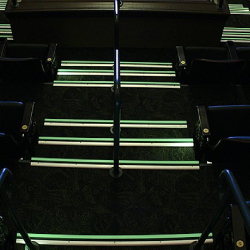
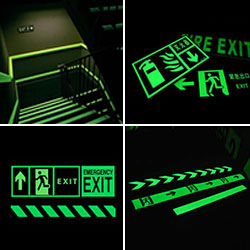
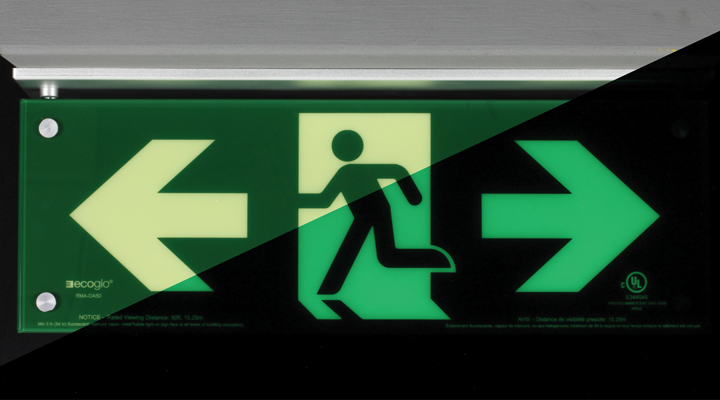
Rooftops and mechanical rooms rarely have windows. In a blackout, they go pitch black instantly. Relying on a flashlight isn't a safety strategy.
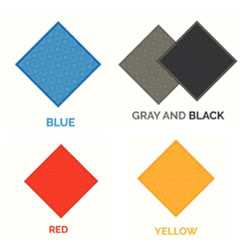
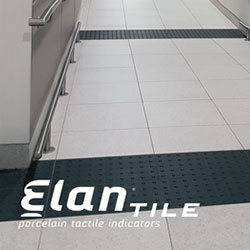
Installing tactile solutions on plush hallway carpet is one thing; installing them on rough concrete in a humid boiler room is another. As detailed in our guide on choosing and maintaining indoor tiles, material selection is key.
Yes. Safety codes account for situational impairment. Smoke, darkness, or panic can impair anyone's ability to navigate. Tactile warnings or attention domes provide a necessary safety layer for everyone during an evacuation.
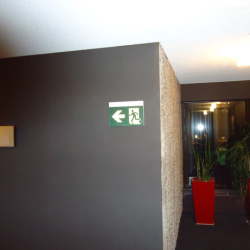
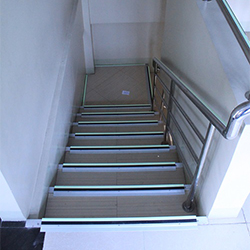
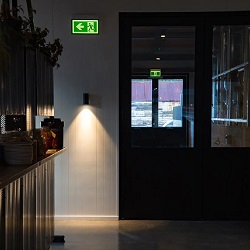
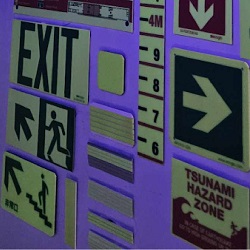
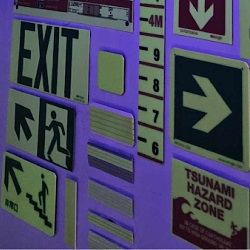
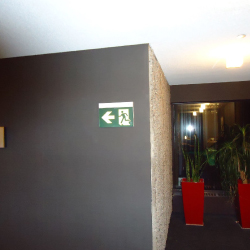
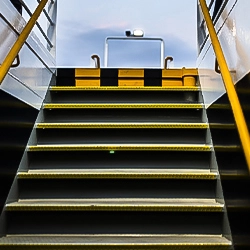
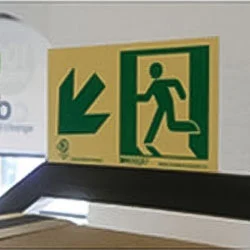
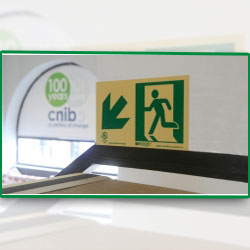
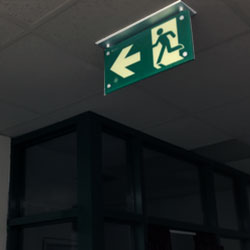
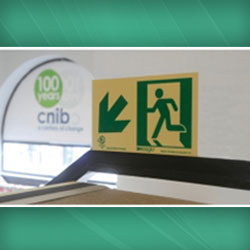
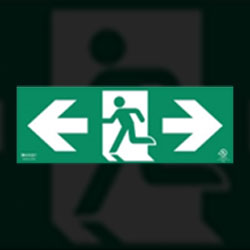
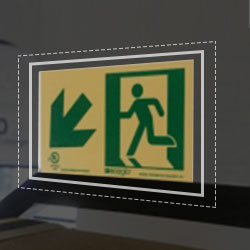
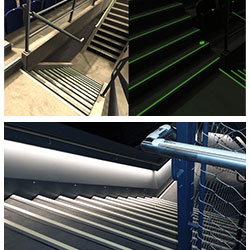
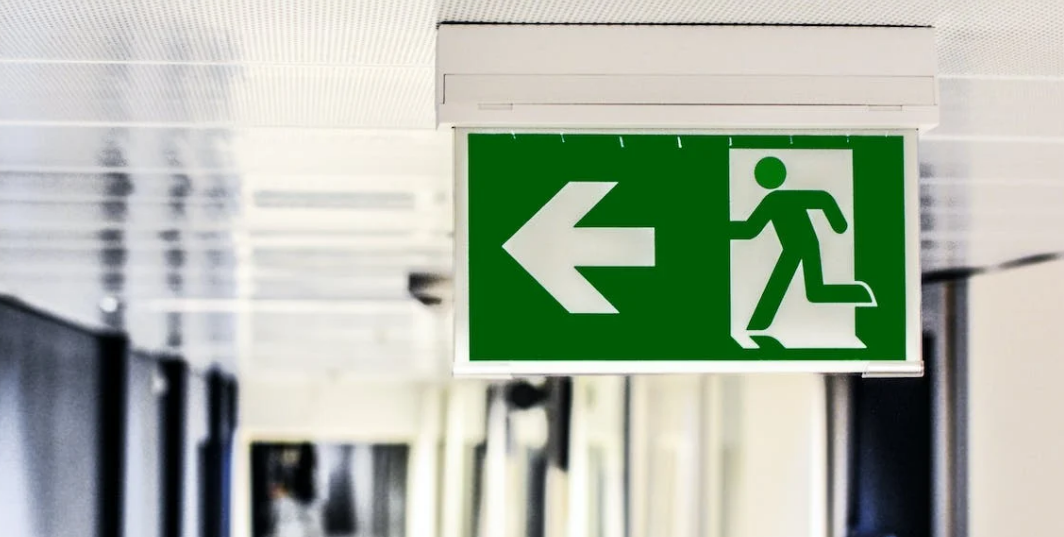
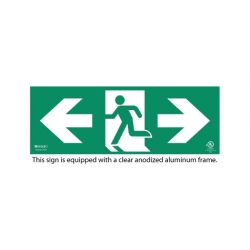
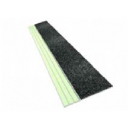
It is highly recommended. Emergency lighting can fail or get obscured by smoke. Photoluminescent signs and path markings low to the ground are often visible under smoke layers and require zero electricity to function, making them a fail-safe backup.
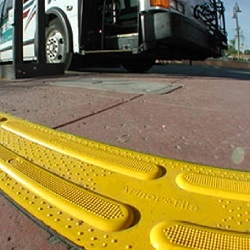
No. Rooftop environments need products engineered for the outdoors, offering UV resistance and anti-slip properties under wet or icy conditions. Always ask our team for "exterior-rated" solutions to ensure they last.
A condo corporation's duty of care doesn't stop at the "Employees Only" sign. Ensuring the safety of the people maintaining the building is just as critical as ensuring the safety of residents.
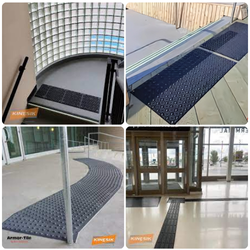
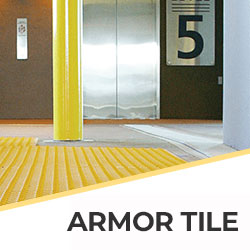
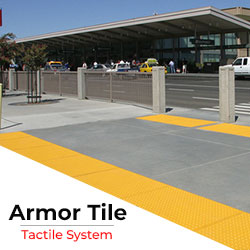
By implementing durable Armor-Tile wayfinding bars and reliable Ecoglo photoluminescent systems in mechanical rooms, you aren't just ticking a box. You are acknowledging that in an emergency, every second matters.
Don't let the "backstage" of your building become a liability. Visit Tactile Solution Canada today to browse our full catalog of industrial-grade safety solutions. Let’s get your entire building - from the basement boiler room to the rooftop exit - up to code.