Accessibility is not a charity project. It is dignity engineered right into the floors we walk on. - Thomas Schwartz
Picture a busy shopping plaza in downtown Toronto on a Saturday afternoon. Shoppers are walking in every direction. There are wide glass entrances, long glossy corridors, and steep escalators. For a sighted person, moving through this large space is simple. For a person with vision loss, this exact same building can feel like a maze full of hidden physical hazards.
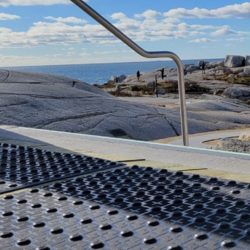
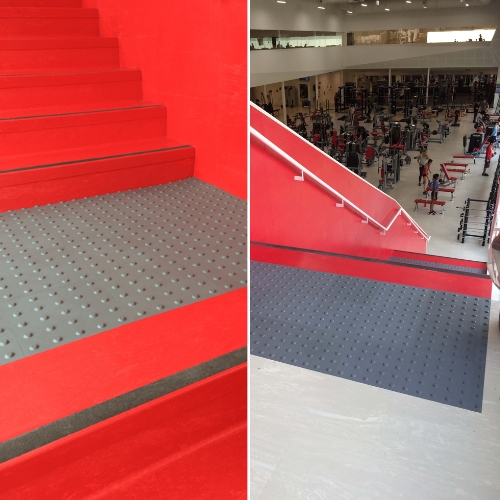
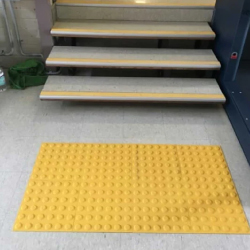
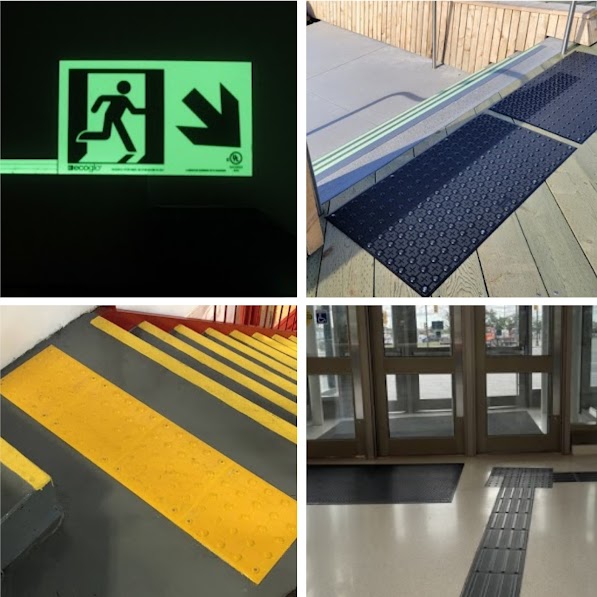
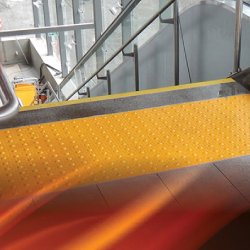
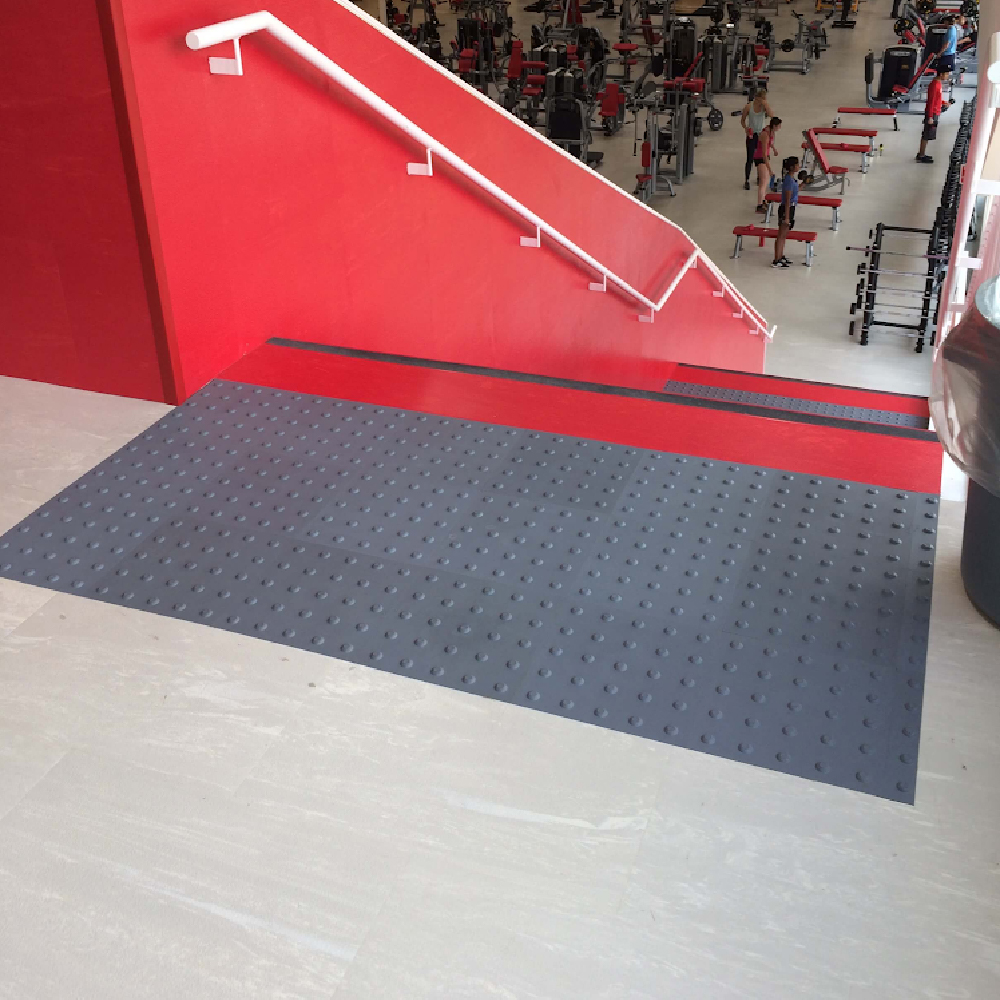
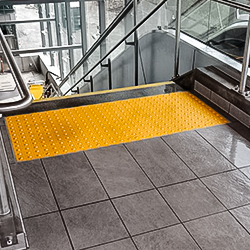
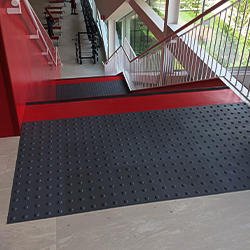
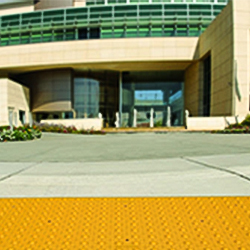
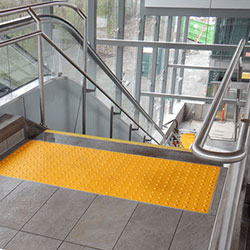
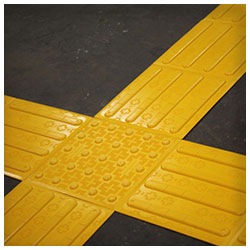
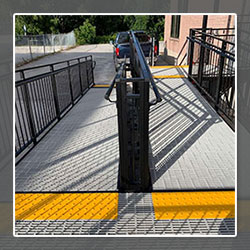
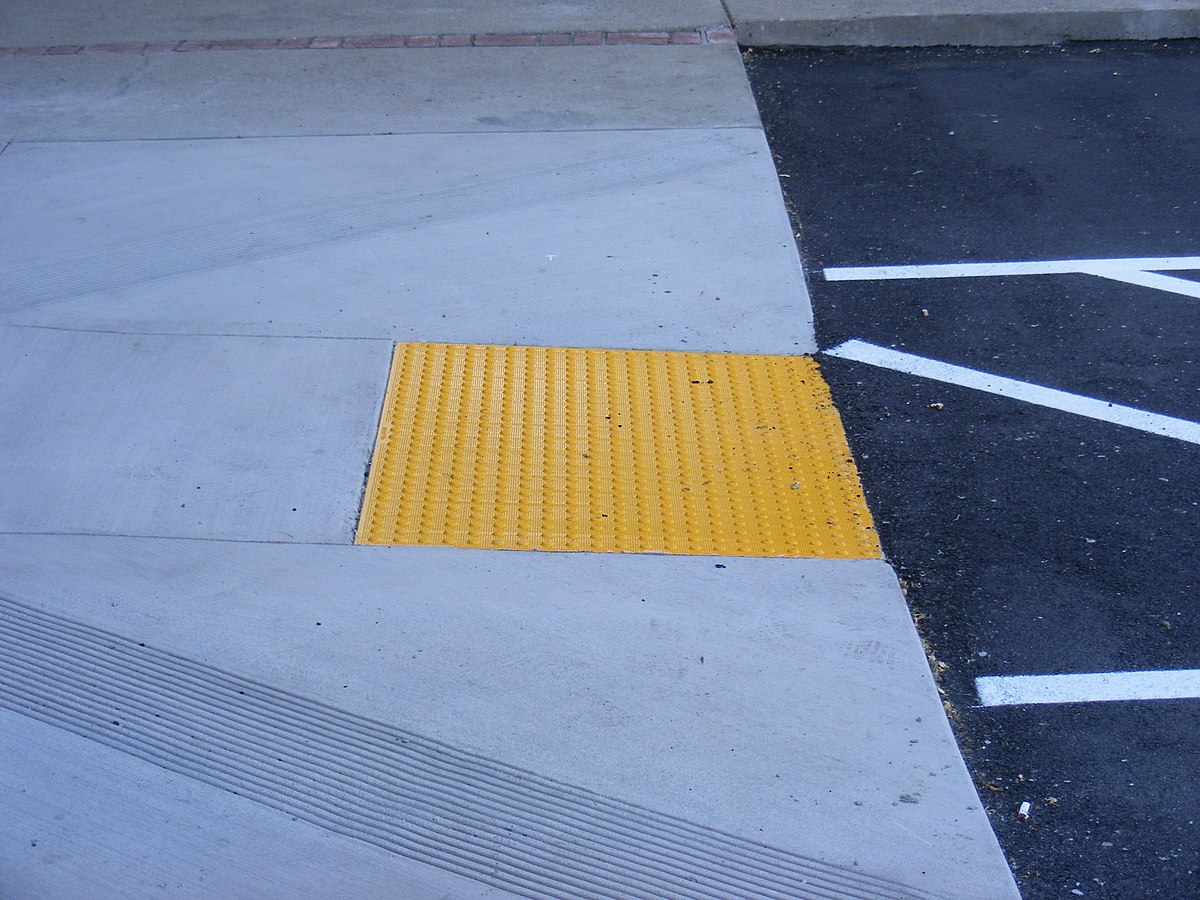
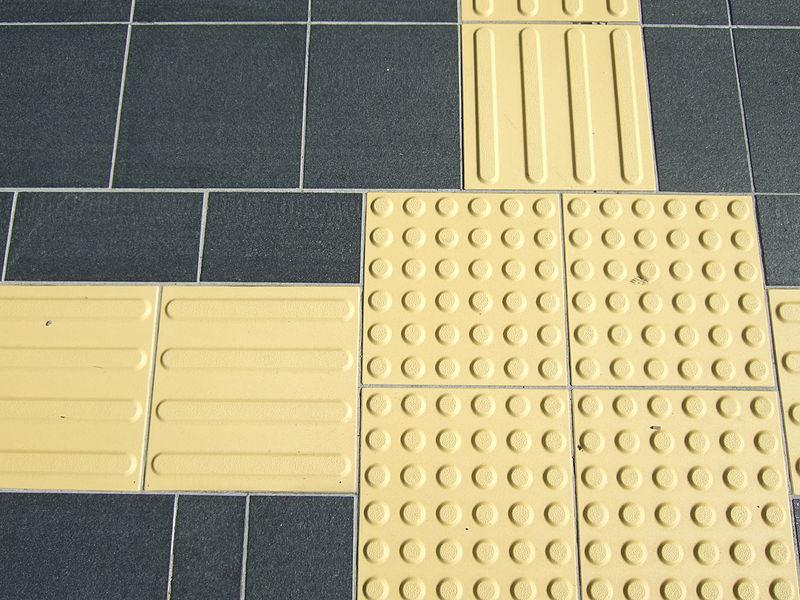
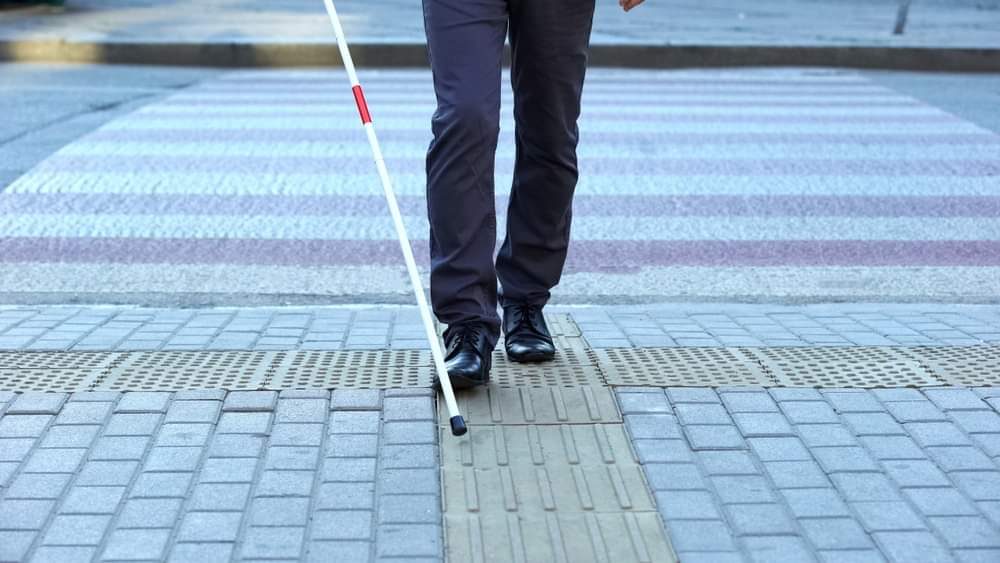
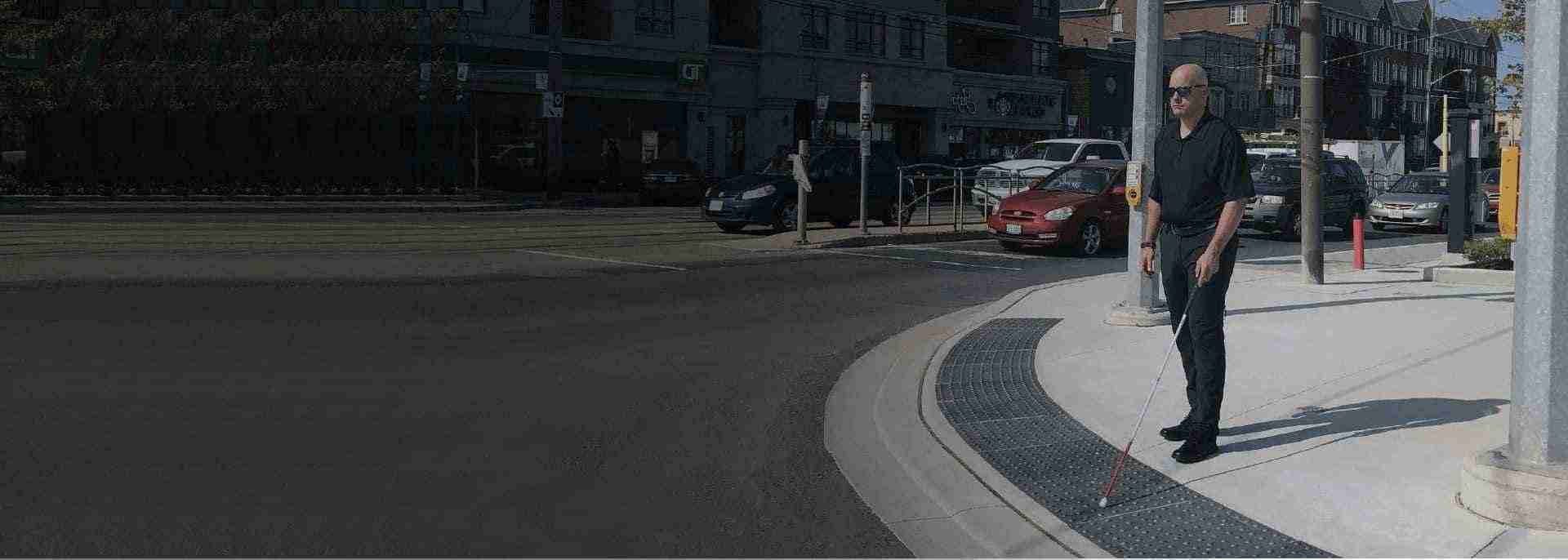
The floors in modern retail stores are often smooth and featureless. When a pedestrian cannot see a sudden drop-off or the top of a staircase, the results can be dangerous. This is why Tactile Walking Surface Indicators, commonly known as TWSI, are an absolute necessity. These products are the physical language underfoot that tells pedestrians where to stop and which way to go.
At Tactile Solution Canada, we help building managers, contractors, and landscapers choose the perfect safety products for their properties. Today, we will explore the best tactile products to improve your retail space in 2026. We will explain the Canadian codes you must follow and show you how to turn your commercial property into a safe, welcoming environment for every single customer.
Let us talk about a real scenario involving Alex. Alex is the property manager of a large commercial retail plaza in Vancouver. For years, he watched visitors struggle in his building. People using white canes had a hard time finding the main entrance doors from the parking lot. Older adults sometimes hesitated at the top of the escalators. The old plastic safety markers on the floor were worn out, smooth, and practically invisible against the grey tiles.
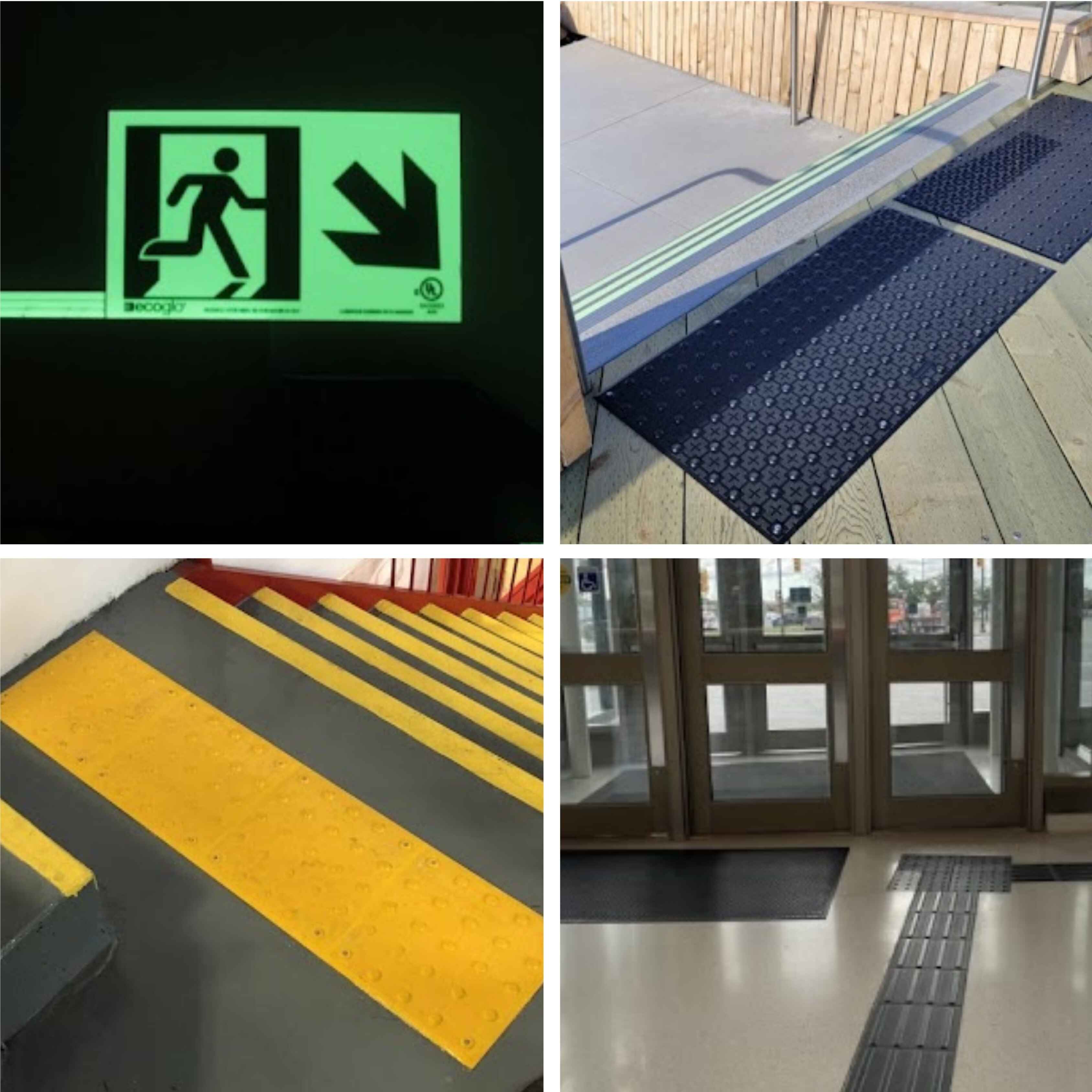
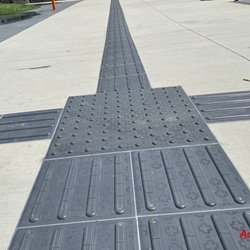
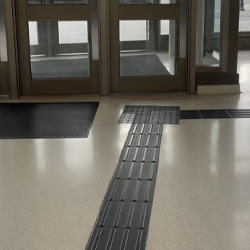
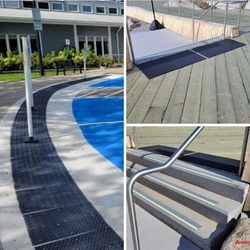
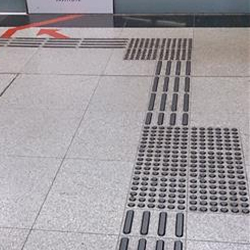
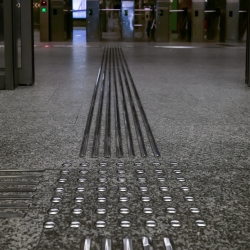
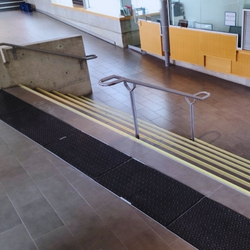
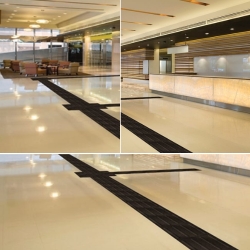
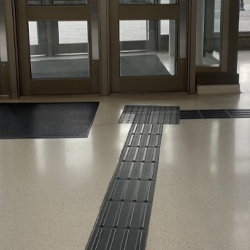
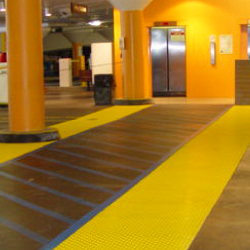
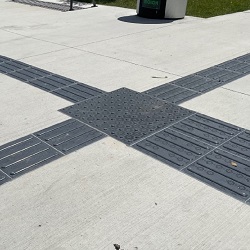
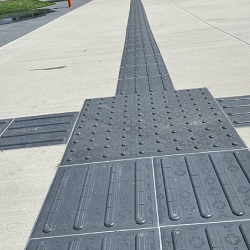
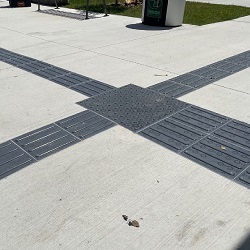
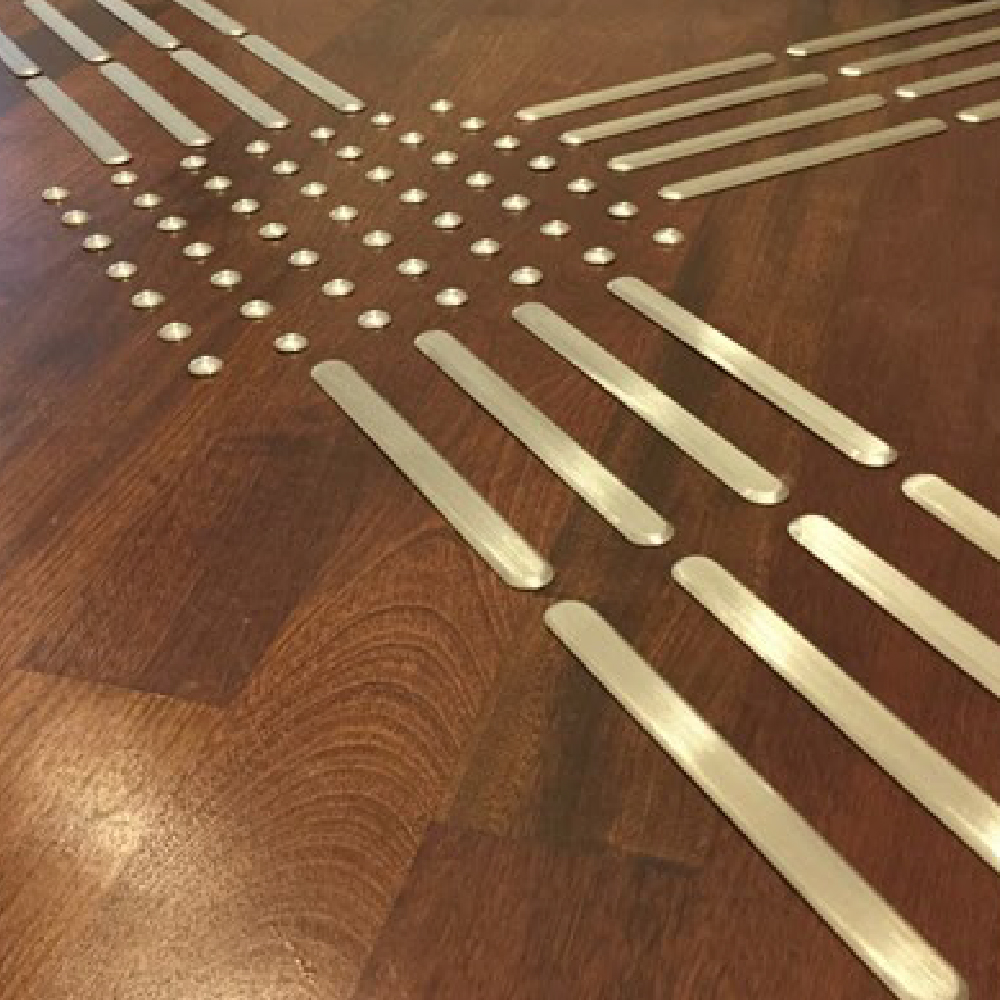
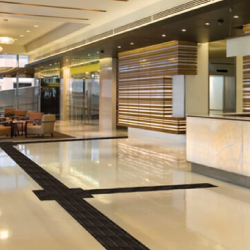
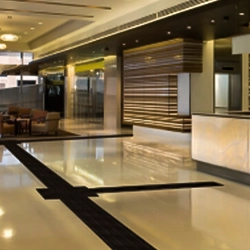
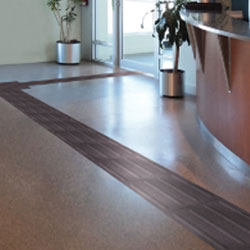
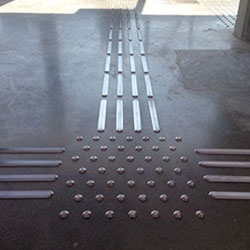
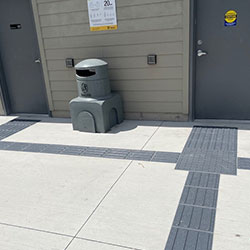
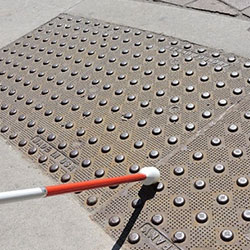
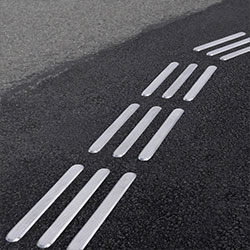
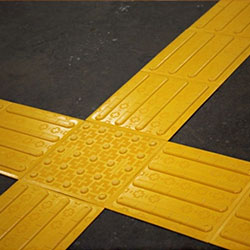
Alex knew he had to fix this problem before someone got hurt. He reached out to our team at Tactile Solution Canada to figure out a better approach. Together, we reviewed the high-traffic areas of his mall. Within a few weeks, Alex hired a local contractor to install a brand new system. They placed heavy-duty cast iron attention domes outside the main doors. Inside, they installed sleek wayfinding bars that guided foot traffic from the entrance directly to the elevators and customer service desks.
The transformation was incredible. A regular shopper named Charlotte, who has severe vision loss, actually wrote an email to the mall management. She explained that for the first time in years, she felt completely safe walking to her favorite stores alone. The clear tactile cues under her cane gave her total independence. Alex realized that upgrading his facility was not just about passing a building inspection. It was about creating a space where every person feels valued and secure.
If you are a building owner or contractor, you cannot guess when it comes to safety installations. Canadian law requires specific accessibility standards. Ignorance of these rules can lead to failed inspections, heavy fines, and forced renovations.
This law sets the ultimate standard for public spaces in Ontario. The AODA mandates that all newly built and heavily renovated public spaces must include tactile installations. The goal is to make the province completely barrier-free.
This is the master guide for accessible design across Canada. CSA B651 provides the exact technical details you need. It tells you how tall a tactile dome must be, how far apart wayfinding bars should be spaced, and how much luminous contrast is required against the surrounding floor.
The NBC enforces safety rules on a national level. It specifically covers barrier-free paths of travel, emergency egress routes, and stair safety. Your retail space must align with these federal expectations to ensure public health and safety.
A shopping mall is a massive, complex environment. You must place tactile indicators in very specific zones to give visually impaired shoppers the guidance they need. You need to focus on both hazard warnings and safe route guidance.
Retail spaces see millions of footsteps every single year. You cannot install cheap materials and expect them to last. You need products that resist heavy abrasion, winter salt, and harsh daily cleaning chemicals. Here are the absolute best tactile materials we supply for Canadian commercial spaces.
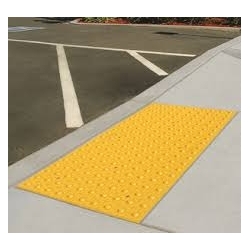
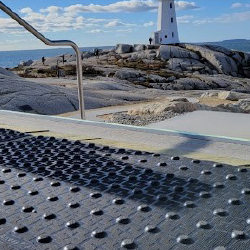
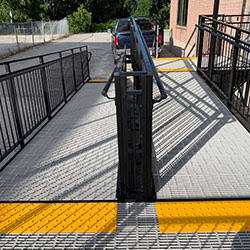
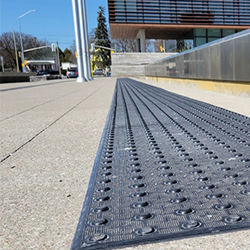
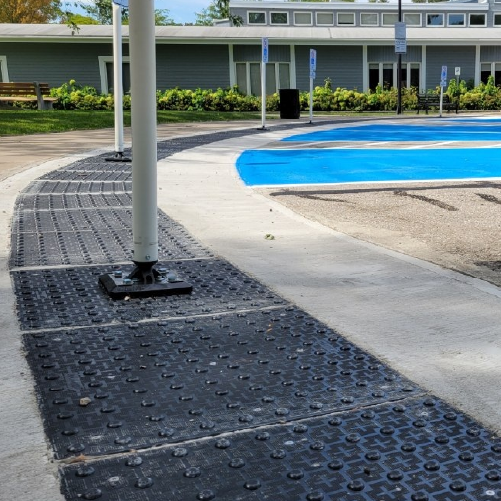
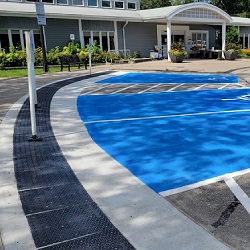
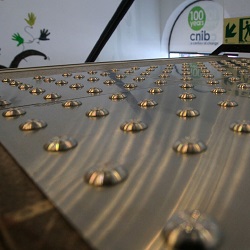
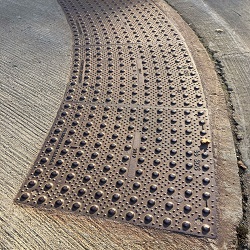
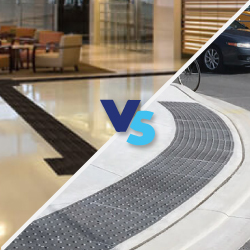
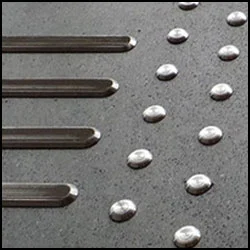
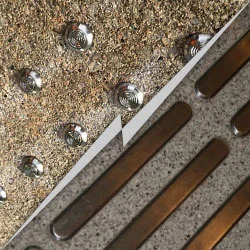
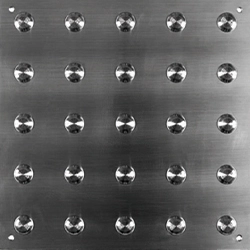
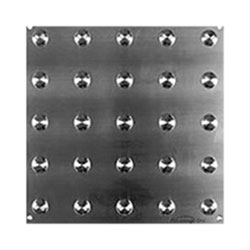
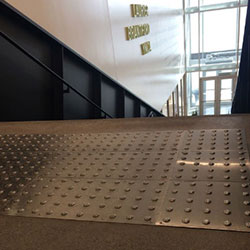
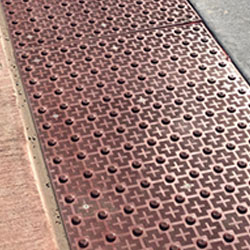
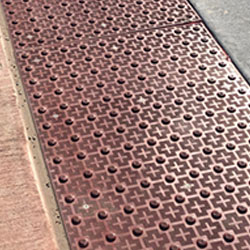
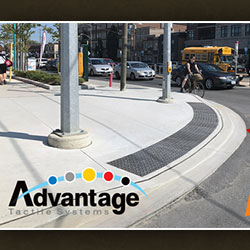
When you need extreme durability, you choose cast metals. The Advantage cast iron plates are engineered to handle unimaginable loads. They are perfect for your outdoor curb cuts and parking lot drop-off zones because they resist snow plows and salt corrosion. For upscale indoor areas, the Advantage ONE stainless steel single domes provide a high-end, elegant finish that architects love.
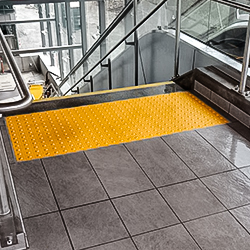
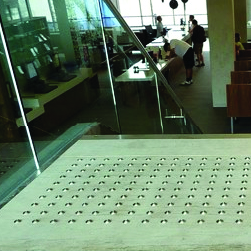
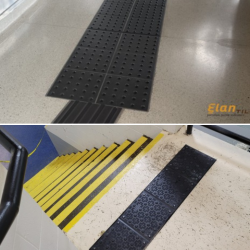
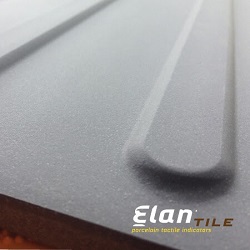
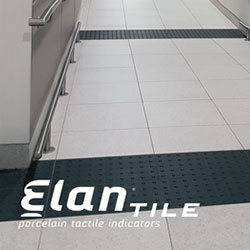
If your shopping plaza has a luxury aesthetic, you do not want to bolt down thick rubber mats. Elan Tile is made from certified porcelain stoneware. It is incredibly tough, highly slip-resistant, and maintains its beautiful finish for years. It blends perfectly into premium retail environments while strictly following all Canadian accessibility codes.
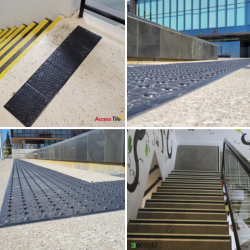
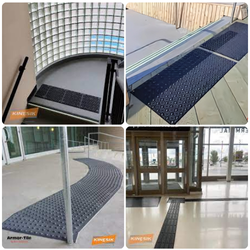
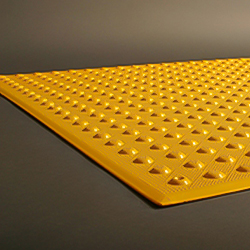
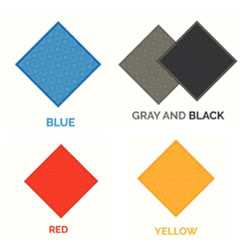
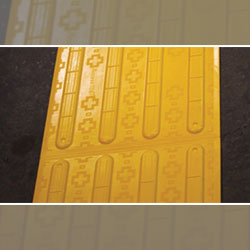
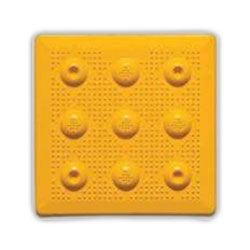
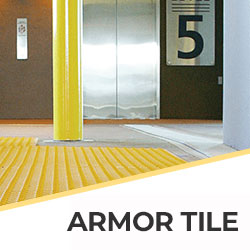
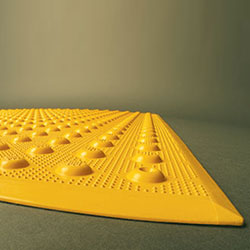
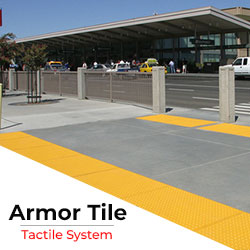
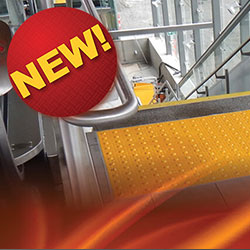
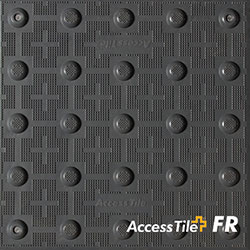
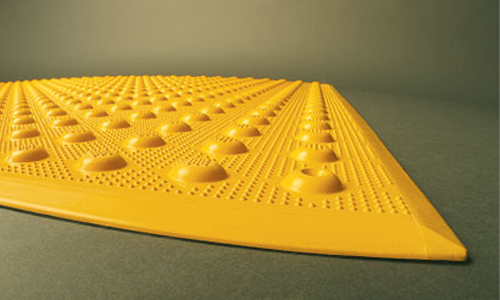
These are the industry workhorses. If you have a massive concourse to cover and a strict budget, engineered polymer composites are the way to go. Access Tile and Armor Tile offer brilliant luminous contrast and incredible wear resistance. They are available in bright safety colors that do not fade over time.
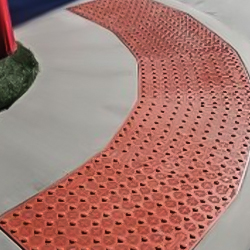
Eon rubber tactile tiles are extremely flexible and resilient. They are perfect for indoor environments like grocery store aisles or hospital corridors. EON Tile provides a comfortable walking surface and excellent slip resistance.
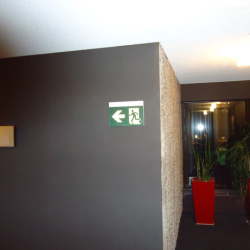
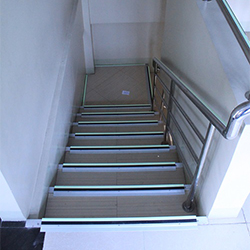
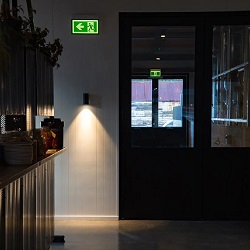
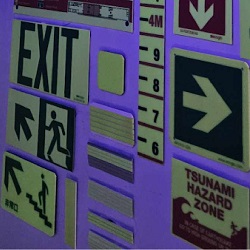
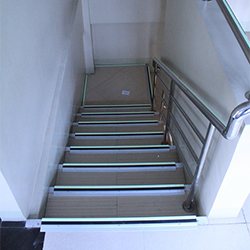
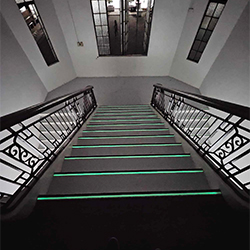
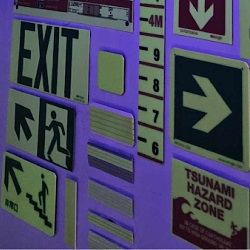
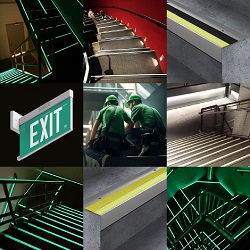
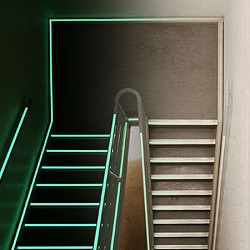
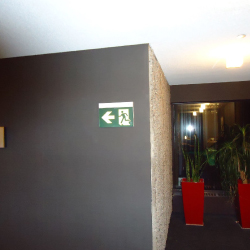
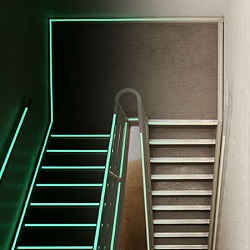
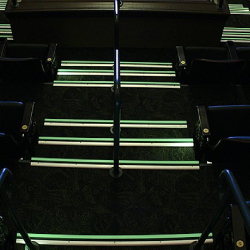
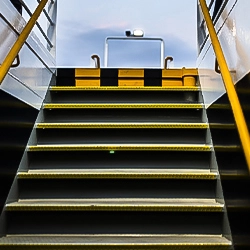
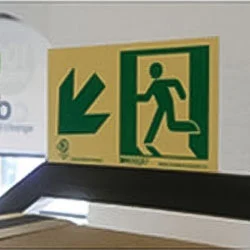
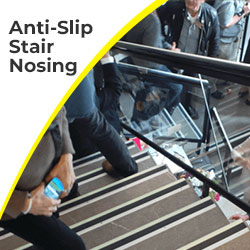
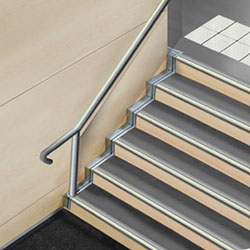
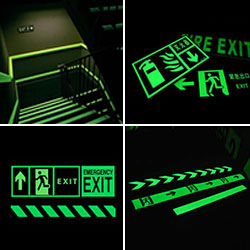
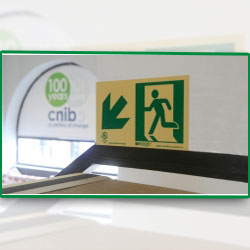
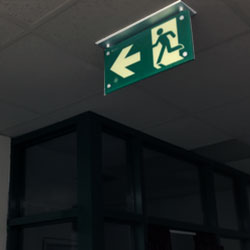
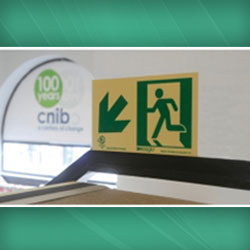
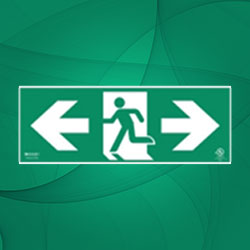
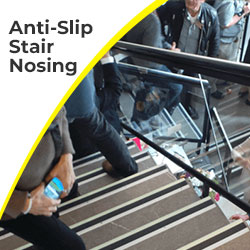
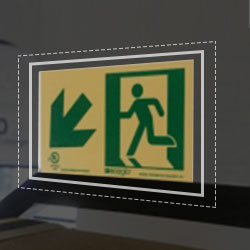
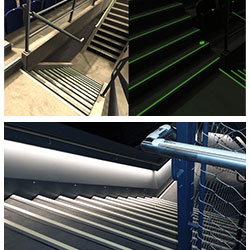
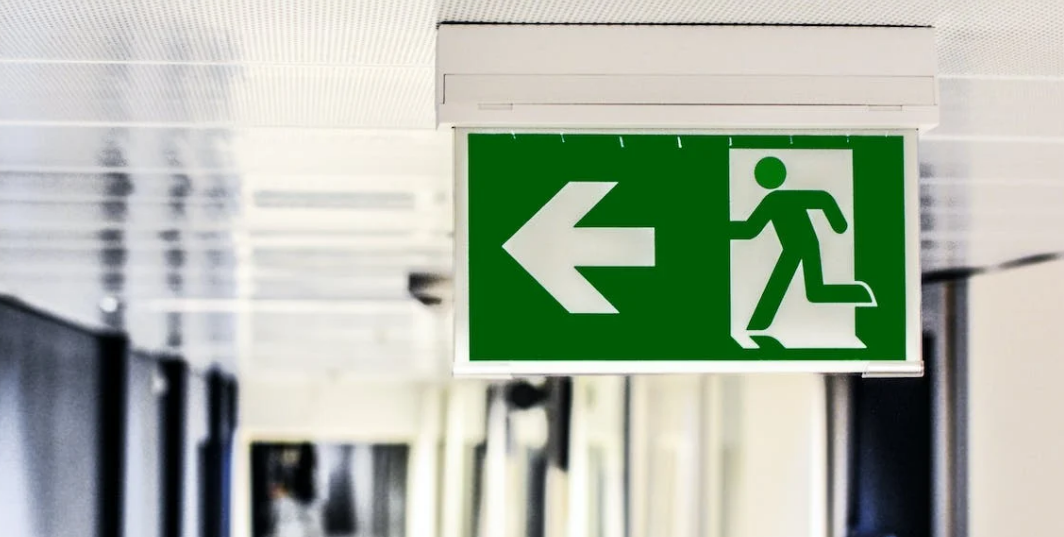
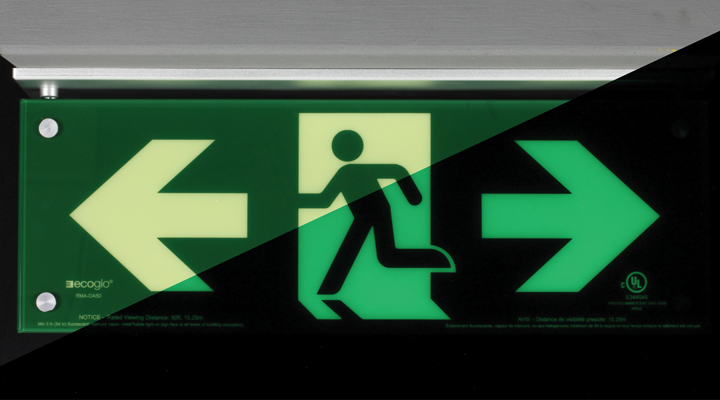
Safety in a retail space goes beyond the floor. If an emergency happens and the lights go out, panic sets in quickly. Ecoglo photoluminescent stair nosings and exit signs absorb regular room light and glow brightly in the dark. They guide your customers safely down stairwells without relying on electricity or batteries.
Contractors often ask us which installation method is best. The answer always depends on the current state of your floor.
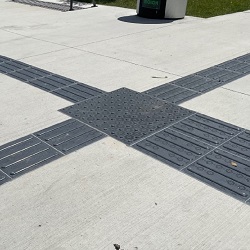
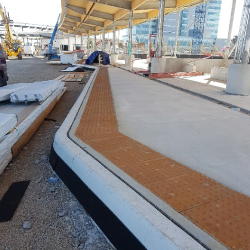
If you are pouring a brand new concrete walkway outside your retail store, you should use Cast-in-Place tiles. The construction crew presses these tiles directly into the wet cement. Once the concrete dries, the tile is permanently locked into the ground. This creates a completely flush surface that snow plows cannot easily rip up.
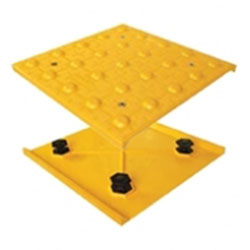
If you are upgrading an existing building, you cannot just tear up the floor. This is where Surface-Applied tiles save the day. You clean the existing tile or concrete floor, apply a heavy-duty structural adhesive, and drill mechanical fasteners into the corners. Your maintenance team can install these overnight. This means your retail stores do not face any disruptive downtime during business hours.
Are you ready to bring your shopping plaza up to code? Keep this quick checklist handy for your next project.
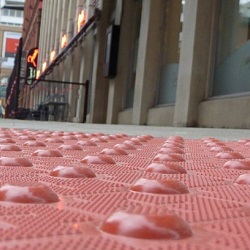
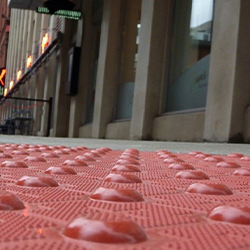
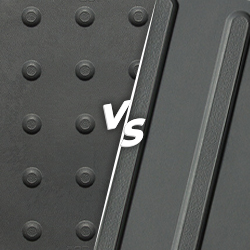
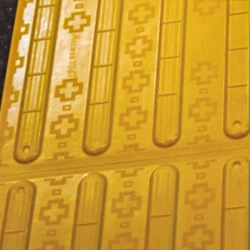
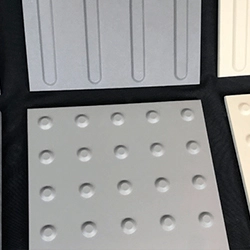
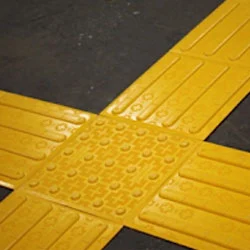
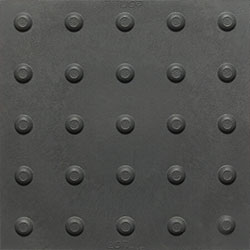
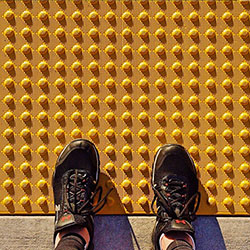
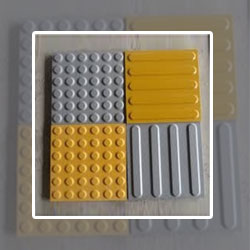
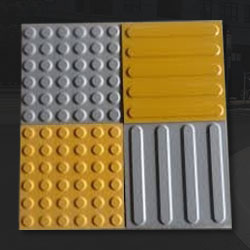
Tactile walking surface indicators are textured floor markers that help visually impaired individuals move safely. They feature specific raised patterns, like domes or bars, that a person can feel under their feet or with a white cane.
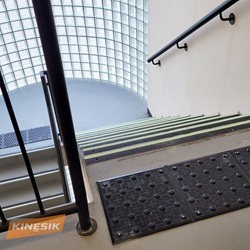
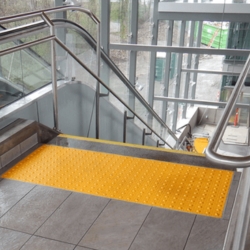
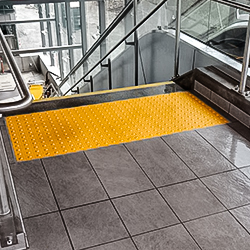
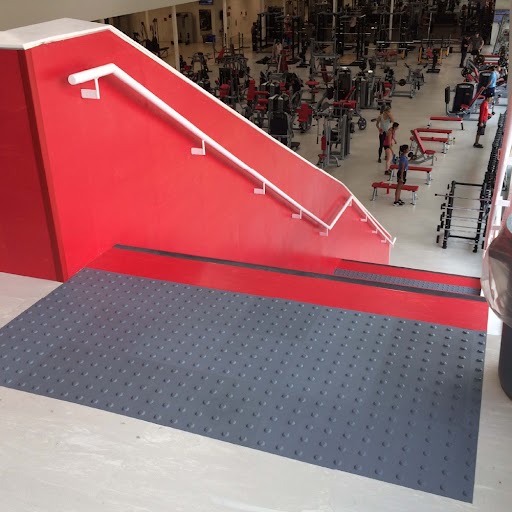
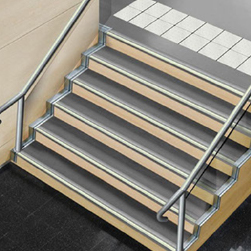
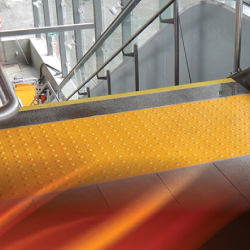
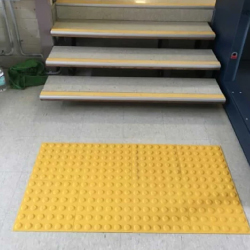
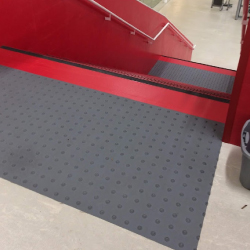
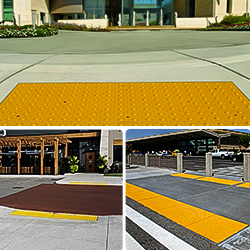
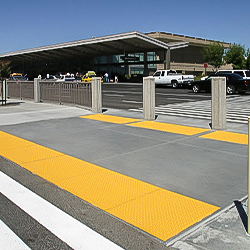
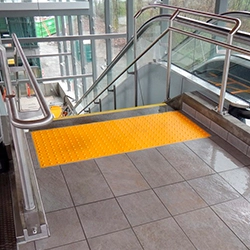
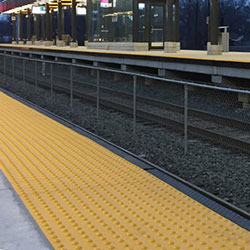
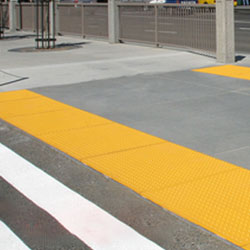
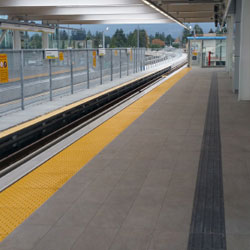
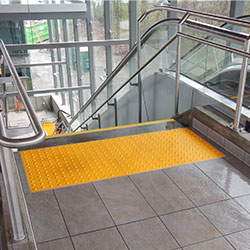
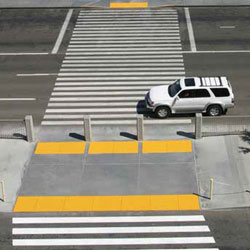
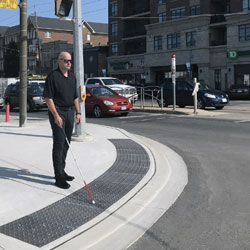
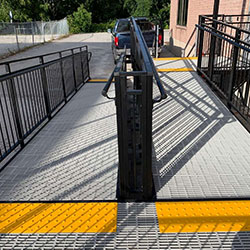
You must install these safety markers whenever there is a sudden change in elevation or a potential hazard. Common areas include the top of stairs, the beginning of an escalator, an unprotected drop-off, or an outdoor curb ramp that leads into a parking lot.
While they are primarily designed for people who are blind or have low vision, these systems protect everyone. The raised textures provide excellent slip resistance for all shoppers, and the bright colors grab the attention of distracted pedestrians.
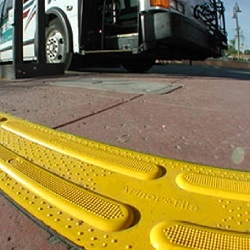
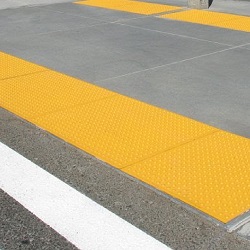
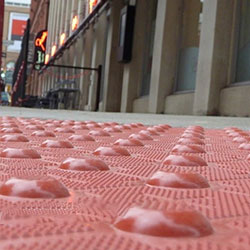
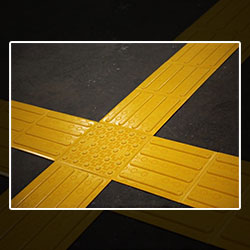
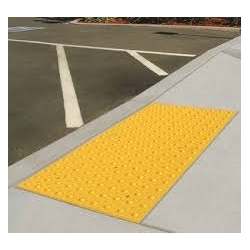
Many people with visual impairments still have some degree of sight. Luminous contrast means the tile color is very different from the surrounding floor color. A bright yellow tile on a dark grey floor acts as a massive visual warning sign that a hazard is approaching.
When installed correctly with premium adhesive and mechanical anchors, high-quality engineered polymer tiles can easily last five to ten years, even in high-traffic commercial environments.
Canadian retail spaces are vital community hubs. They are places where people gather, shop, and spend their free time. You have a legal and moral responsibility to make sure every single person can move through your building safely and with dignity.
Do not wait for a failed safety inspection to fix your floors. Take action today. At Tactile Solution Canada, we supply the highest quality, fully code-compliant products the industry has to offer. Contact our expert team right now to find the exact tactile solutions you need to protect your customers and improve your commercial property for years to come