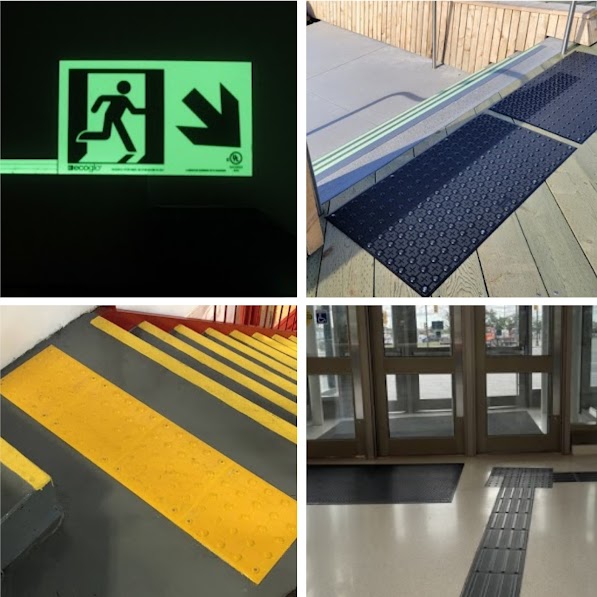
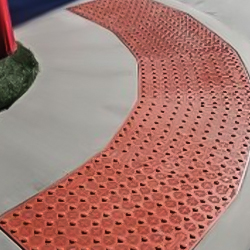
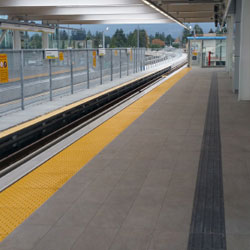
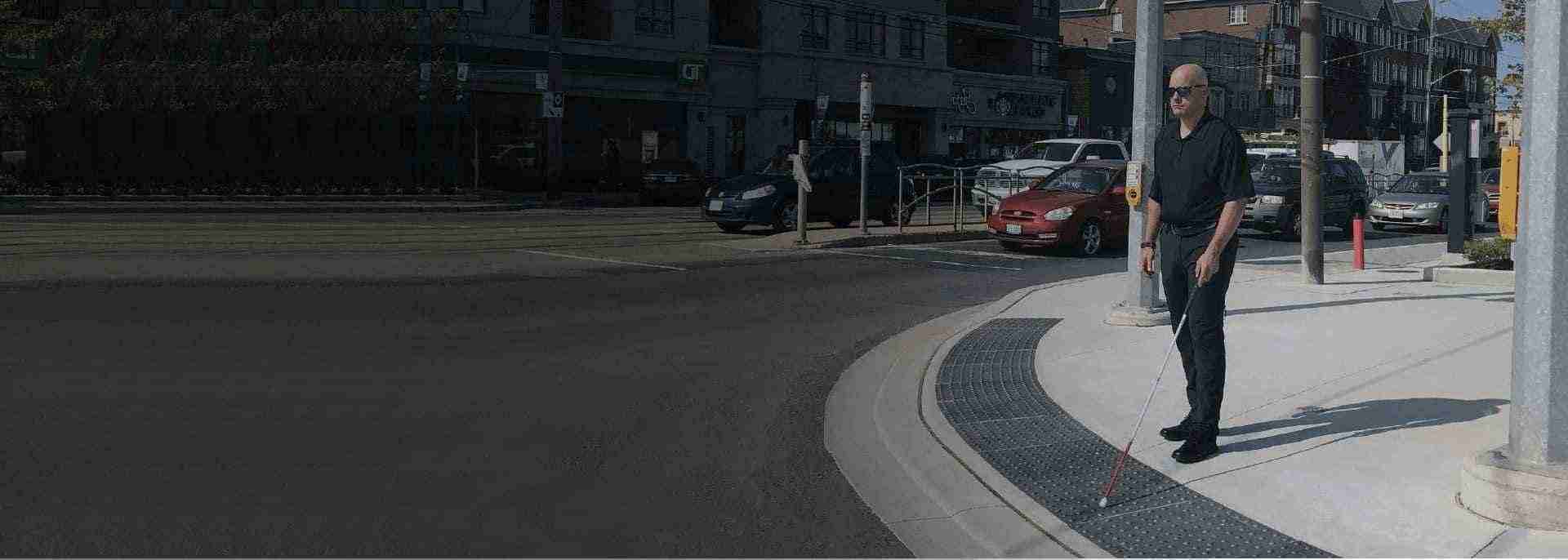
Imagine starting your Monday at a newly finished transit station in Calgary. The concrete is fresh. The finishes look incredible. Then the building inspector walks in with a clipboard. He taps the tactile ground surface with his boot, shakes his head, and hands you a failure notice. The tiles lack the required colour contrast, and the edges are lifting. Your heart drops. You are now facing thousands of dollars in rework costs and serious project delays.
At Tactile Solution Canada, we hear stories like this from hardworking contractors every single week. Creating accessible spaces is not a guessing game. It requires strict adherence to Canadian codes like the AODA, the CSA B651, and the National Building Code. You cannot just glue down a tile and hope for the best.
Accessibility is a life safety issue. People depend on these systems to travel safely every day. To help you protect your bottom line and build safe spaces, we created the ultimate pre and post-installation checklist.
Before you open a single bucket of adhesive or pour any concrete, you need a solid plan. Catching mistakes early is the easiest way to save money and keep your project strictly on schedule.
Your tactile products will only perform as well as the floor underneath them. You must prep the area properly.
Remove all dust, grease, and old paint. Adhesive will not bond to a dirty subfloor.
If you have dips or cracks in the concrete, the tile will bend and eventually crack. Patch any holes first.
Moisture trapped under a surface-applied tile will destroy the adhesive bond over time.
Canada has brutal weather. You must match the product to the environment.
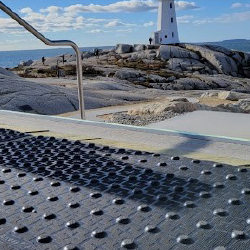
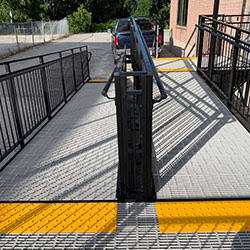
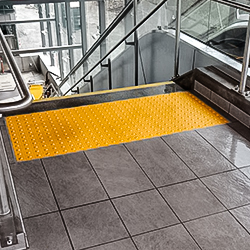
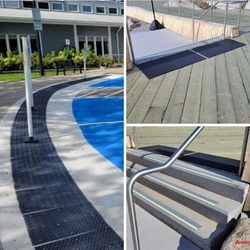
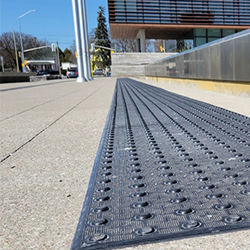
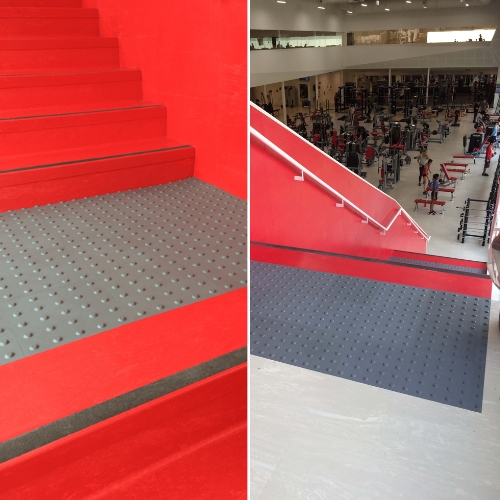
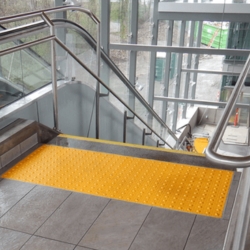
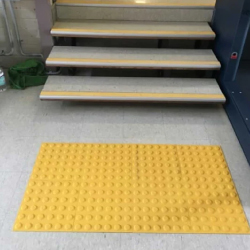
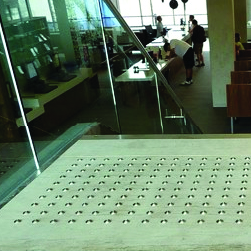
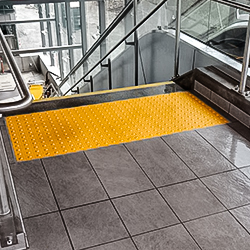
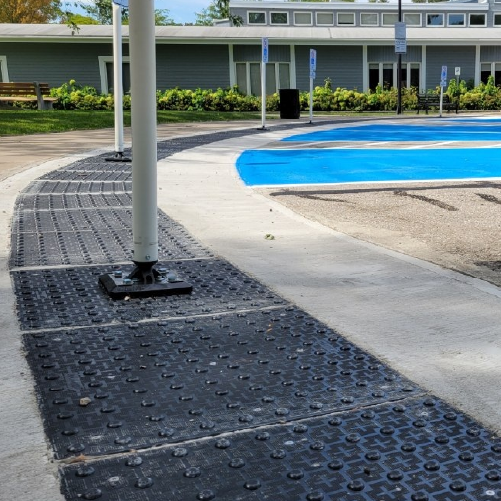
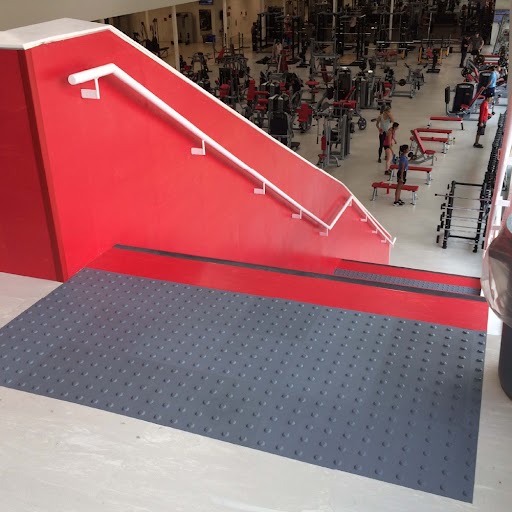
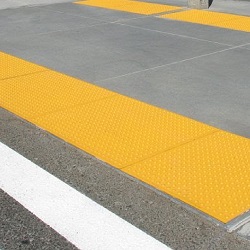
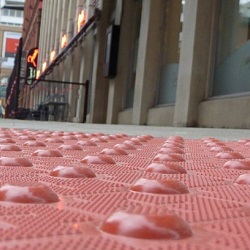
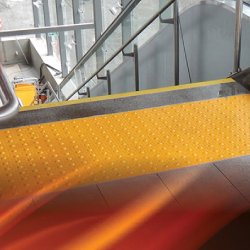
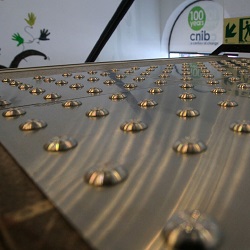
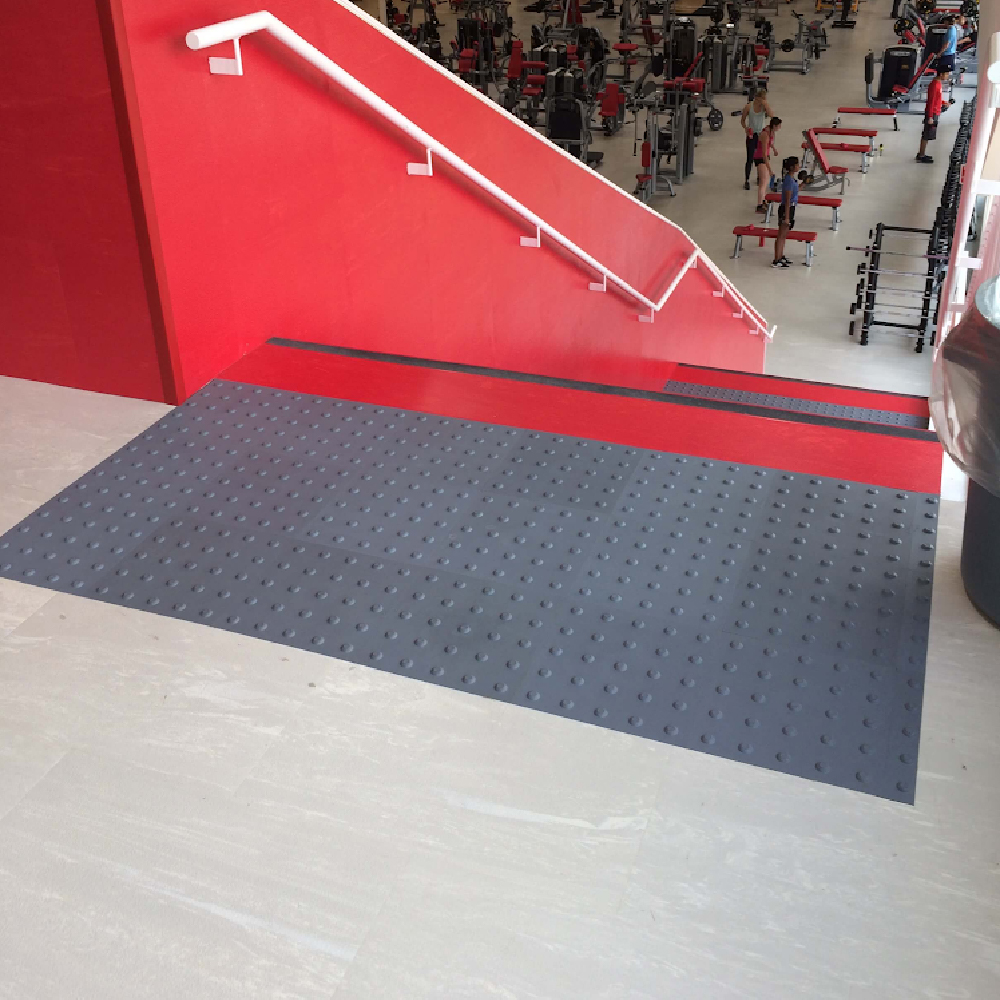
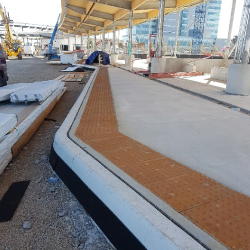
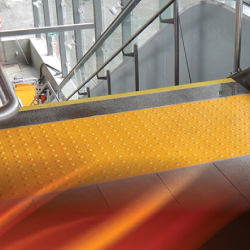
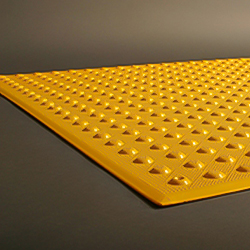
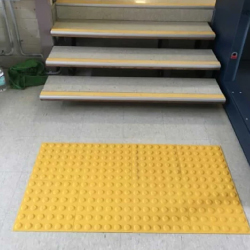
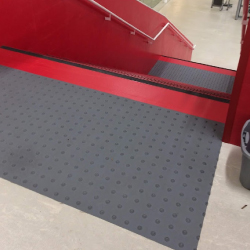
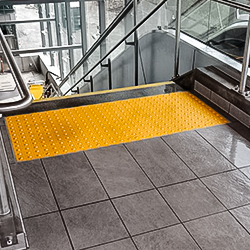
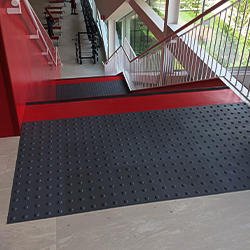
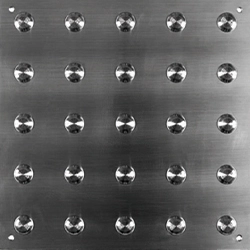
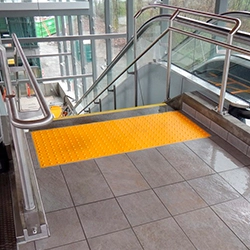
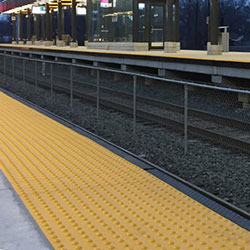
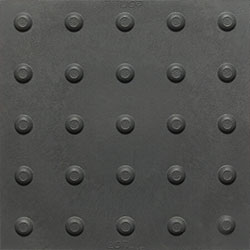
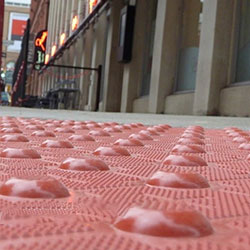
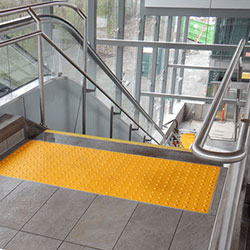
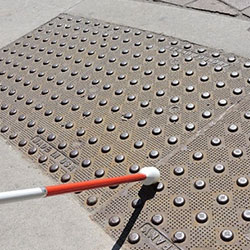
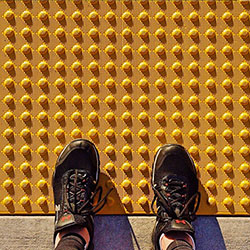
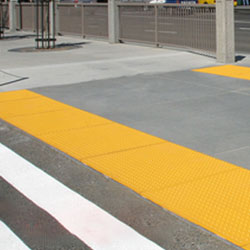
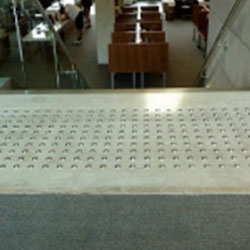
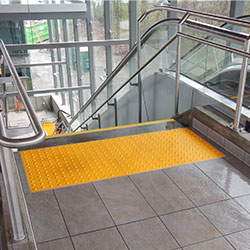
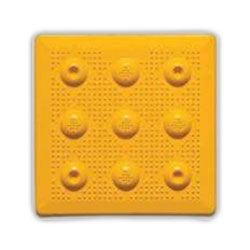
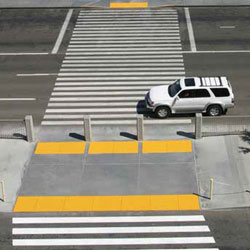
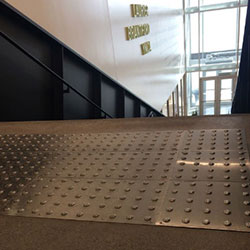
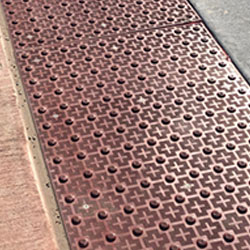
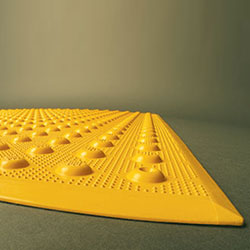
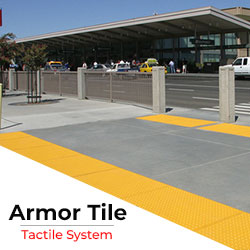
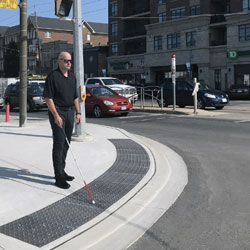
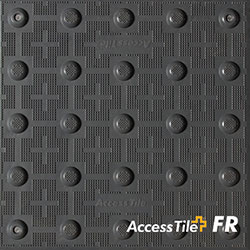
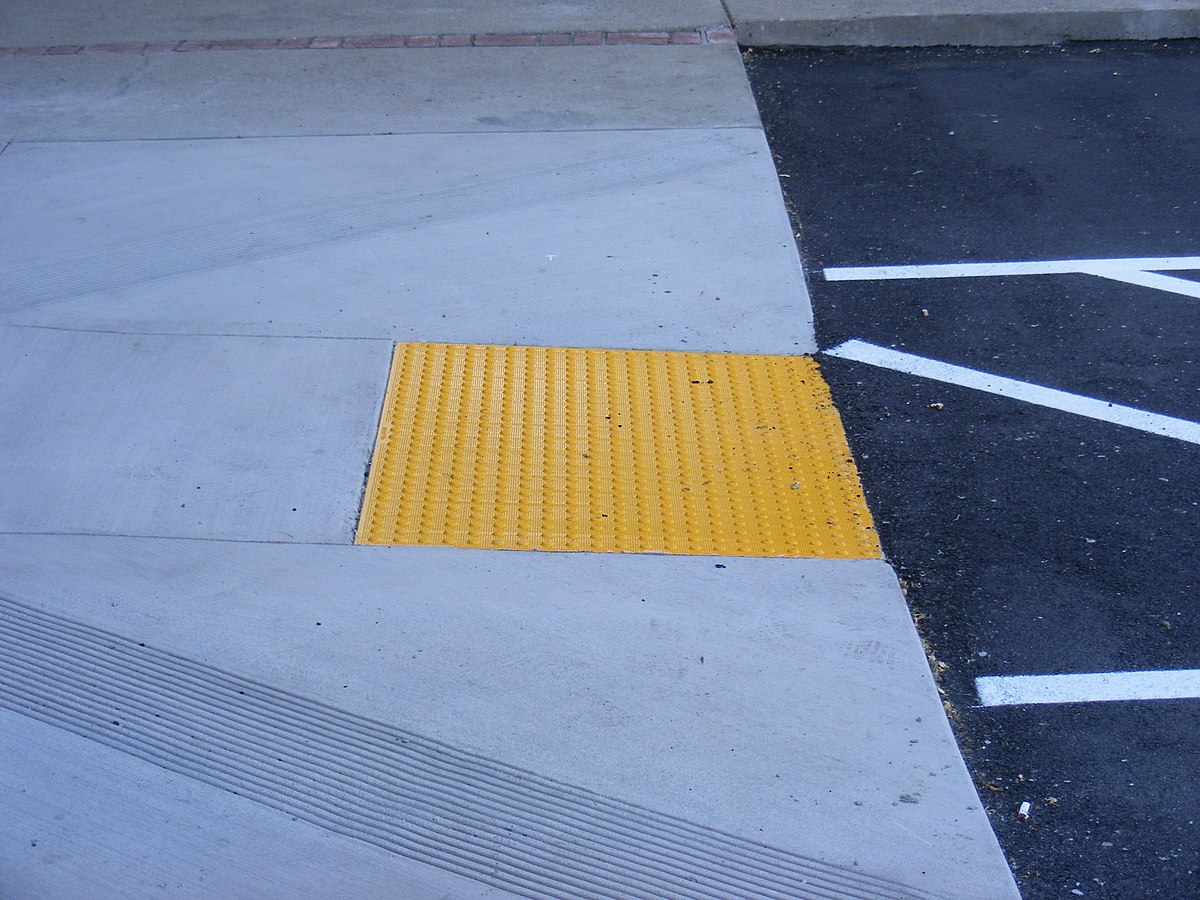
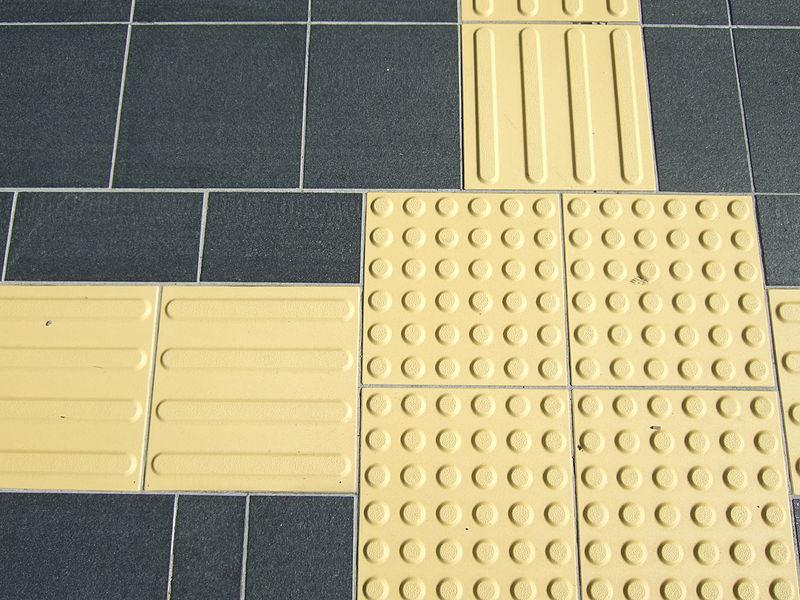
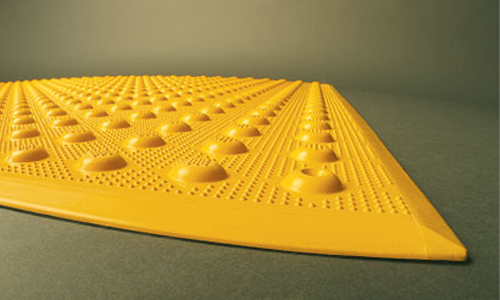
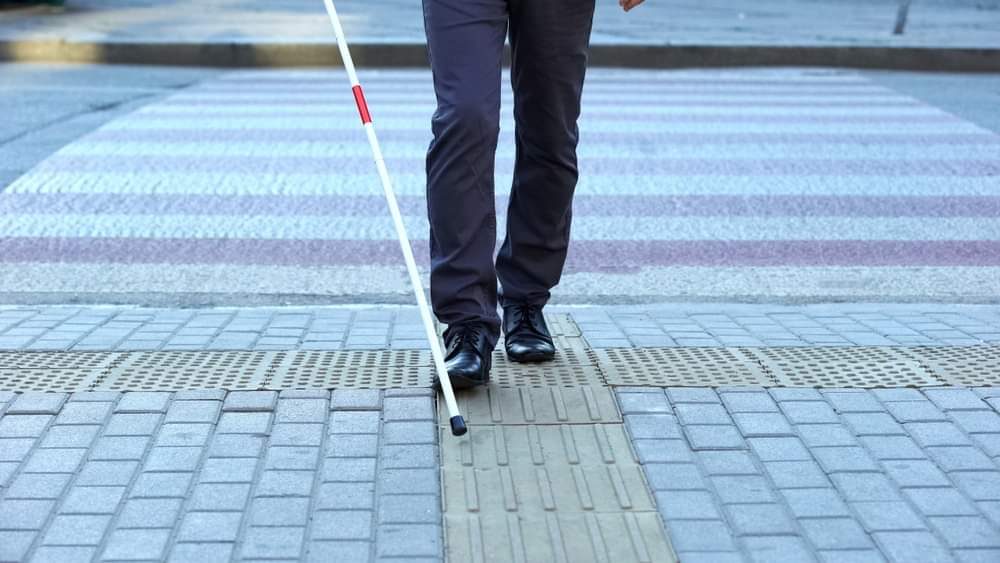
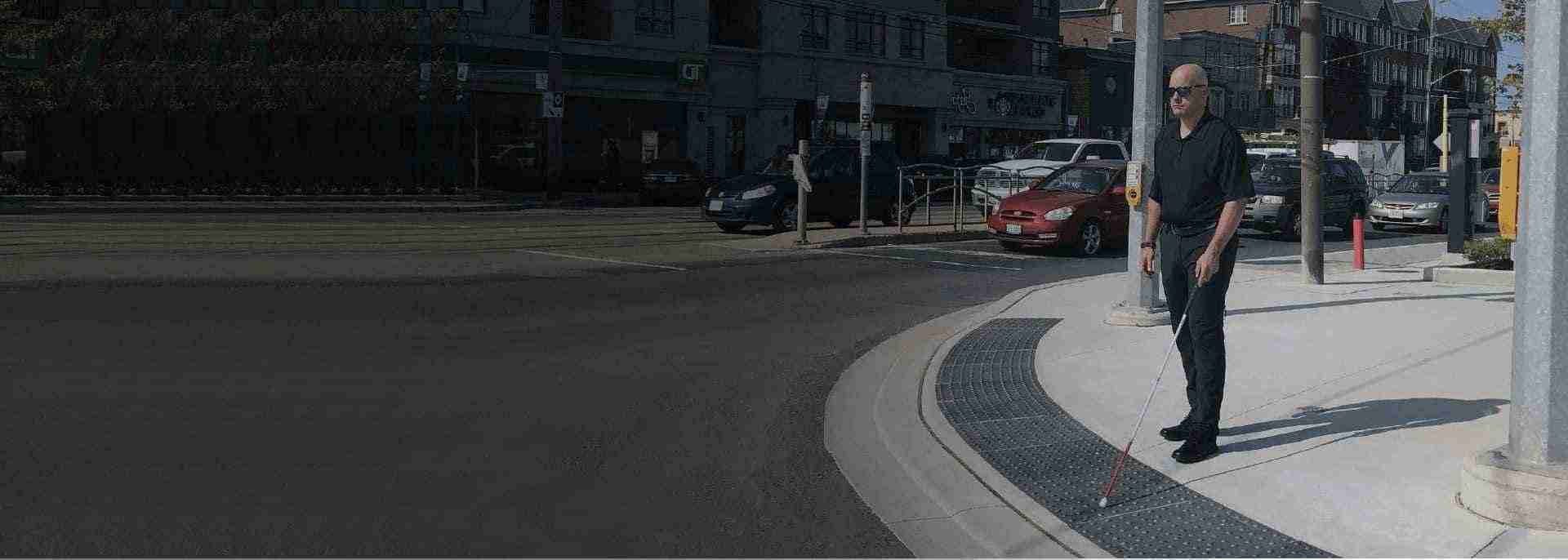
This is where many projects fail. Your Tactile Warning or attention domes must sit at a specific distance from the hazard. For example, the CSA B651 requires domes to start one tread depth back from the top of a staircase. If you place them right on the edge, a person with a visual impairment will not have enough time to stop safely.
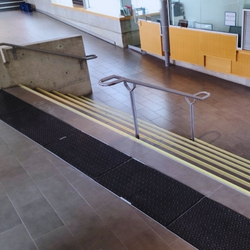
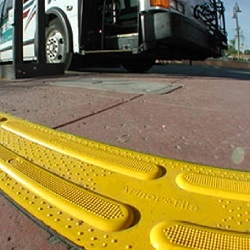
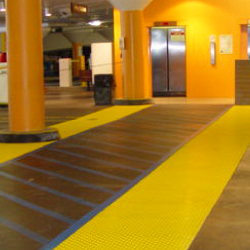
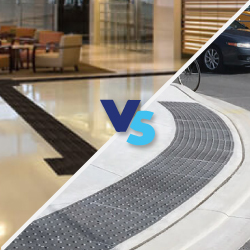
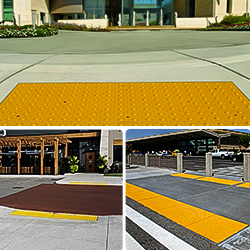
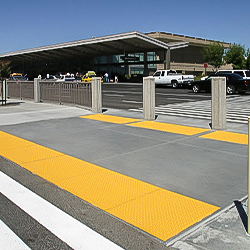
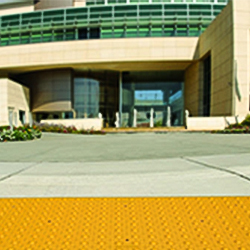
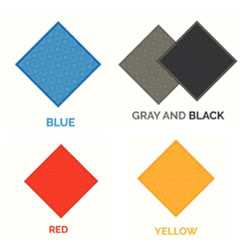
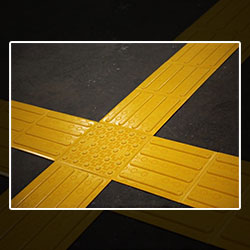
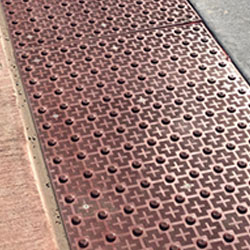
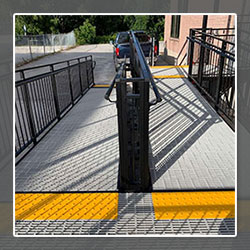
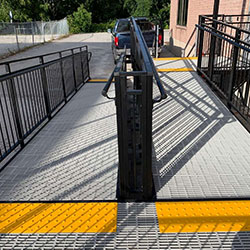
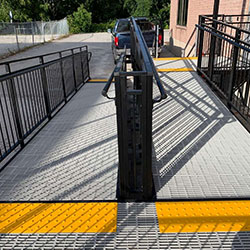
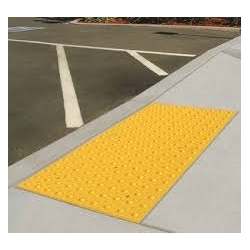
You also need visual contrast. The code requires at least a 50 to 70 percent luminance contrast between the tactile pad and the floor. A light grey tile on a dark grey concrete floor is virtually invisible to someone with partial sight. Always measure this contrast before you install.
Let me share a quick story about a contractor named David. He was working on a luxury condo lobby. The designer wanted everything to look sleek and minimalistic. They asked David to install custom grey tactile tiles to blend perfectly with the grey marble floors.
David followed the drawings exactly. But when the AODA inspector arrived, the project failed instantly. The tiles had zero visual contrast. The beautiful Systems for the Visually Impaired that David installed were completely useless for low-vision residents.
David had to tear out the brand-new marble, order high-contrast safety yellow tiles, and redo the entire entrance. It cost his company an extra week of labour and thousands of dollars in materials. He learned the hard way that safety codes always overrule aesthetic design.
The work does not stop when the adhesive dries. You must verify that your installation can handle daily foot traffic safely.
Run your boot along the edge of every installed tile. There should be no lifted corners. A lifted edge is an immediate tripping hazard. It will also catch the blade of a snow shovel in the winter, which will rip the tile completely off the ground.
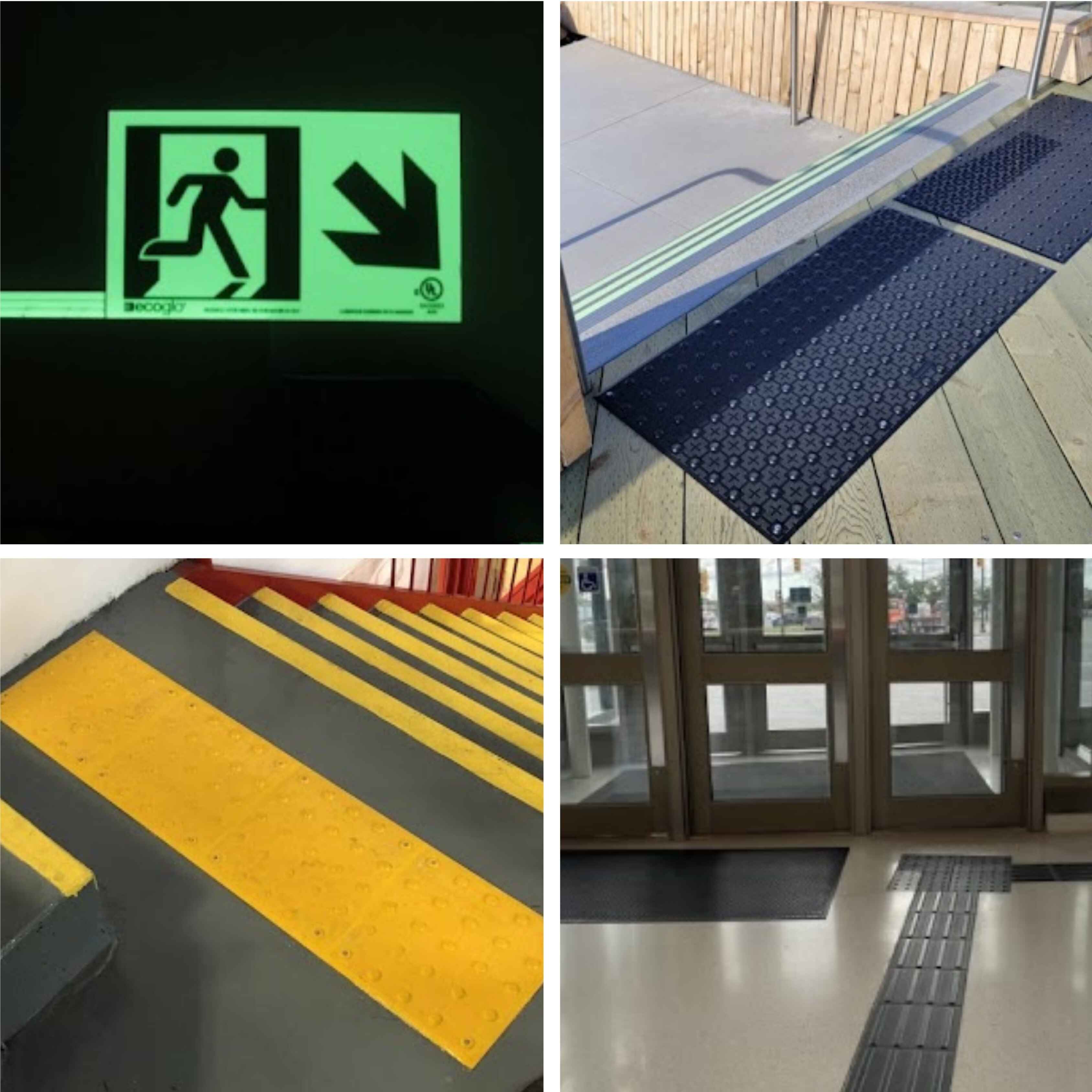
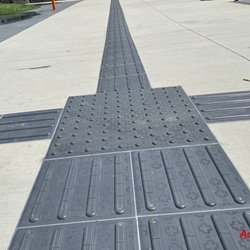
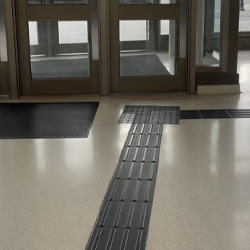
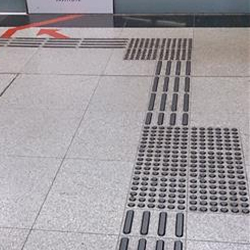
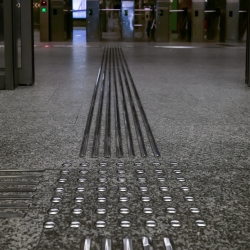
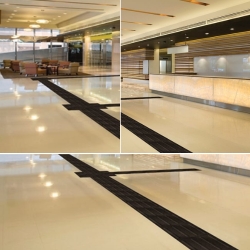
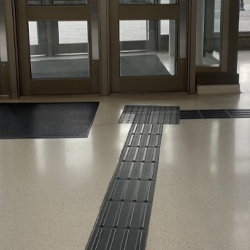
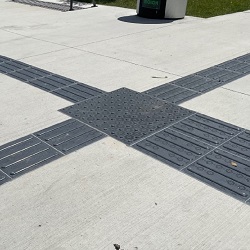
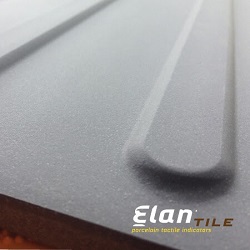
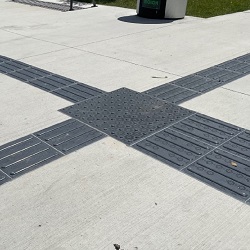
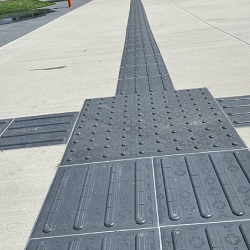
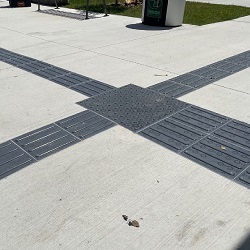
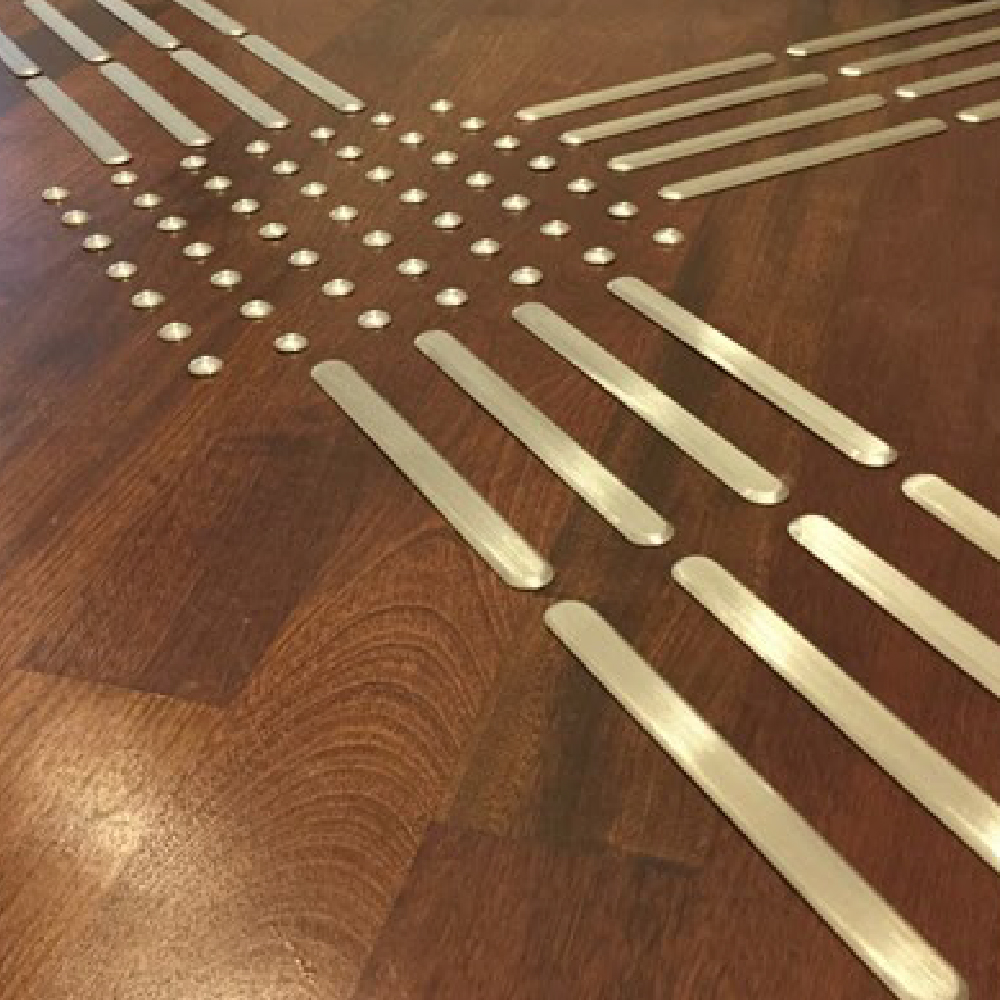
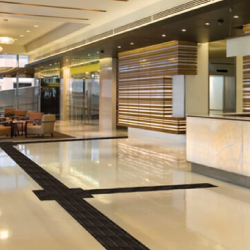
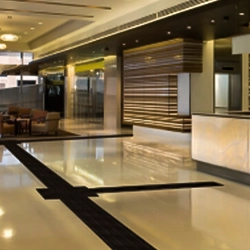
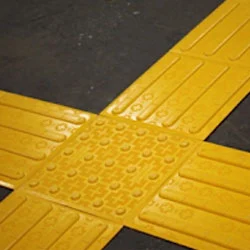
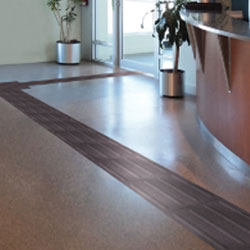
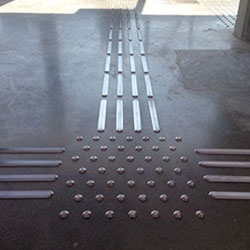
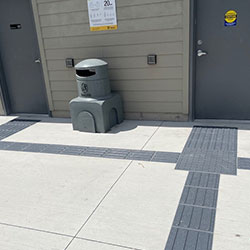
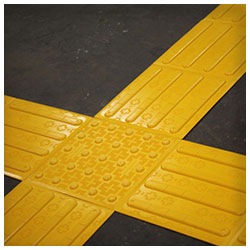
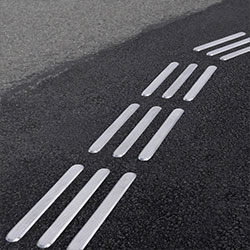
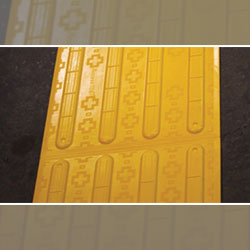
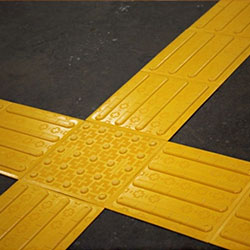
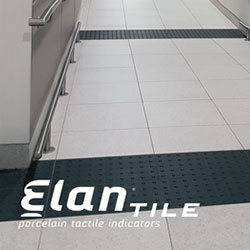
In large open spaces like shopping malls or transit hubs, warning domes are not enough. You need to create a continuous path of travel. Check your plans to ensure you included Guidance or Wayfinding bars. These raised directional bars act like a physical map on the floor. They guide users safely from the front door directly to reception desks, elevators, and washrooms.
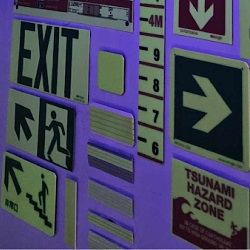
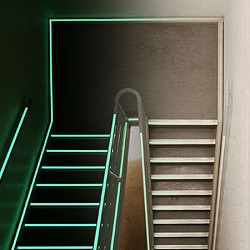
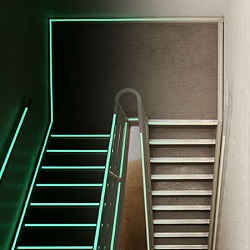
Safety in the dark is a critical code requirement. During a total power failure, standard electric signs can fail or become blocked by thick smoke. You need reliable backups.
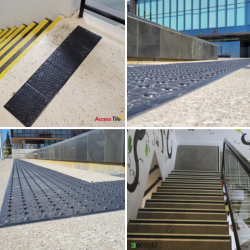
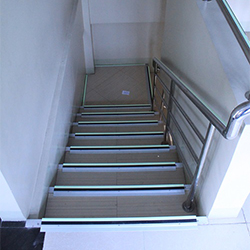
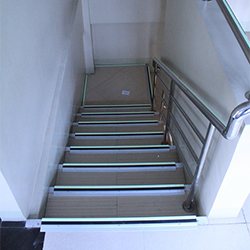
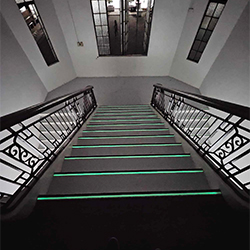
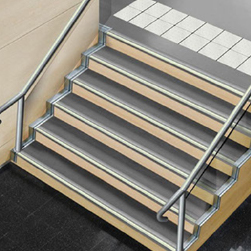
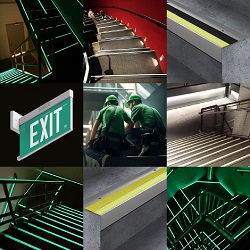
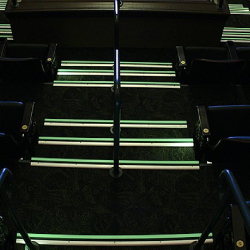
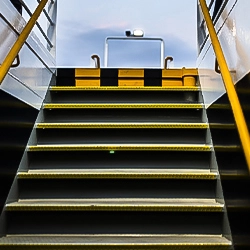
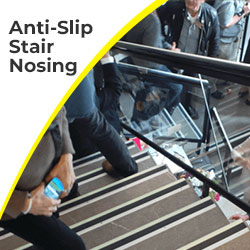
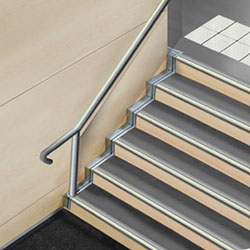
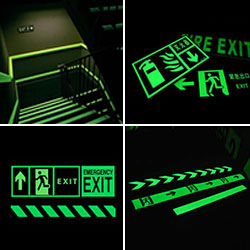
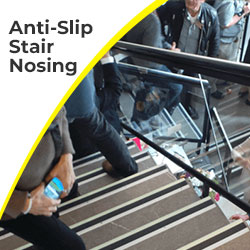
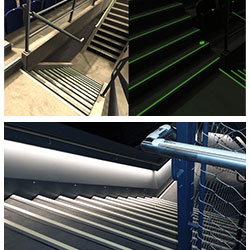
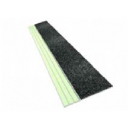
You must install photoluminescent and non-photoluminescent stair nosing on every single step. These strips prevent slips and clearly mark the edge of the stairs.
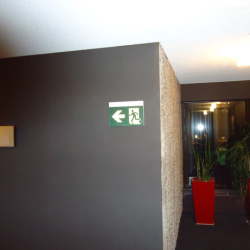
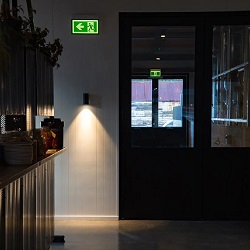
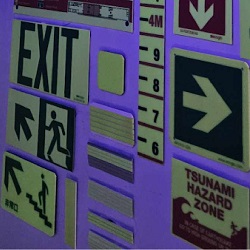
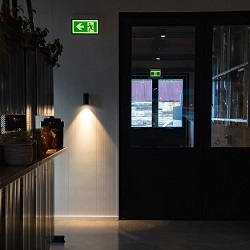
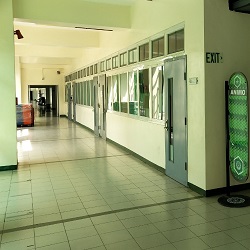
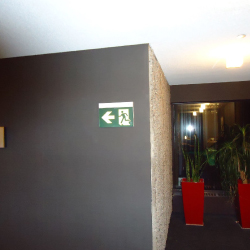
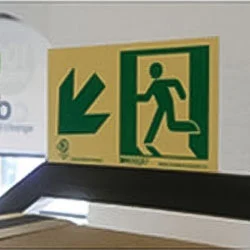
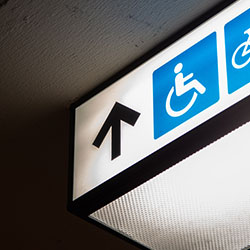
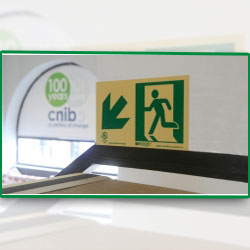
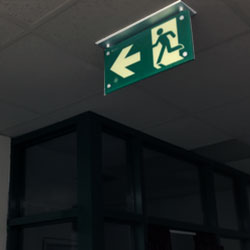
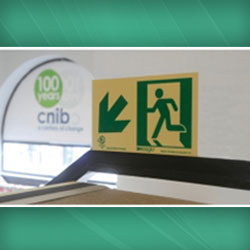
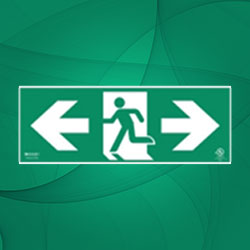
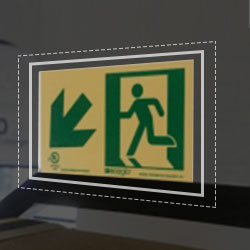
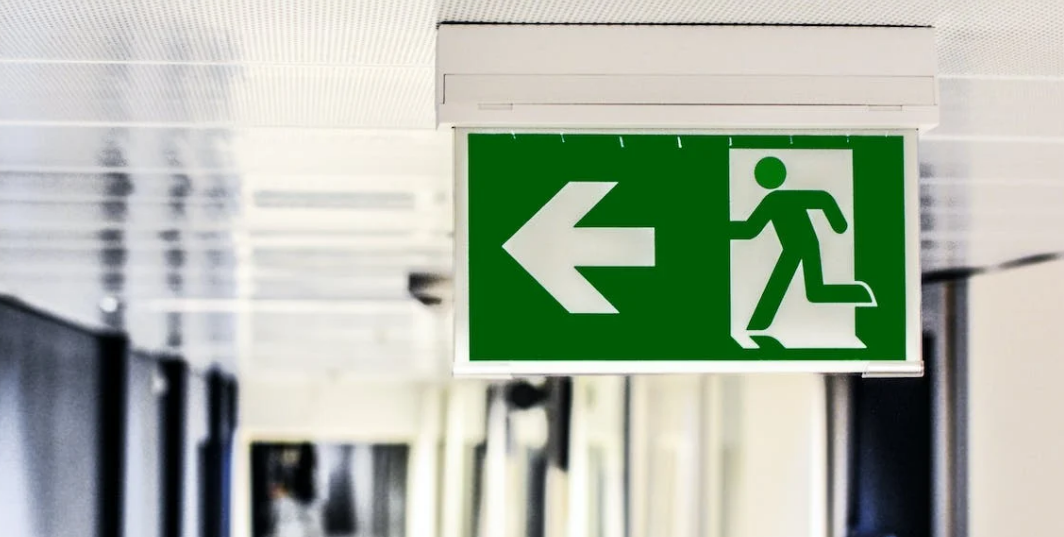
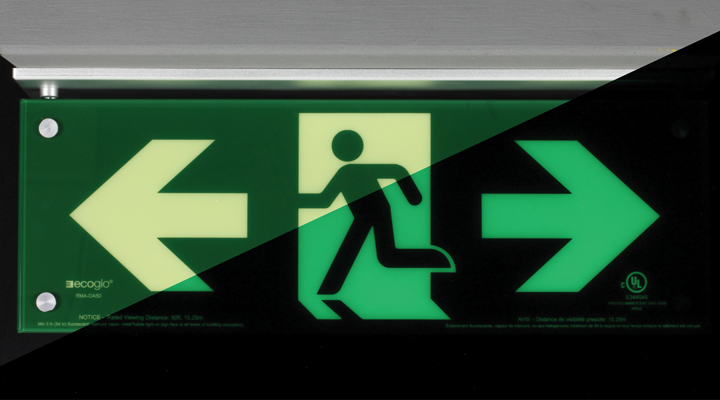
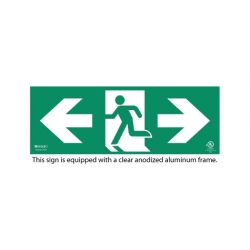
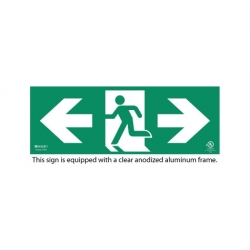
Ensure you have mounted directional exit signs at eye level.
Test your photoluminescent exit signs to ensure they absorb enough ambient light to glow brightly for hours in the dark. These zero-energy signs are a massive favourite among Canadian contractors because they require no wiring or costly batteries.
Long-Term Maintenance for Building Managers
Contractors hand the building over, but building managers have to maintain it. A well-maintained tactile system can last for decades if treated right.
Sweep the tiles weekly to remove dirt and small rocks. This debris can fill the gaps between the domes and make the texture harder to feel.
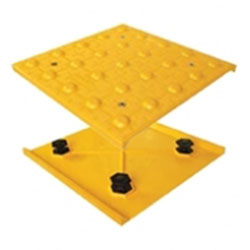
Walk the property four times a year. Check for worn-down domes, fading colours, or loose mechanical anchors.
If a tile gets damaged by heavy machinery, replace it right away. Ignoring a broken tile puts your visitors at risk and exposes your business to massive liability. In Ontario, AODA non-compliance can result in fines up to $100,000 per day for corporations.
Building an accessible Canada takes careful planning and the right products. At Tactile Solution Canada, we stock everything you need to pass your inspections and protect your community. We carry fully compliant solutions that take the guesswork out of your next big project.
No. You must repair and level the concrete first. If you glue a flat tile over a bumpy or cracked surface, the tile will eventually bend and break under the pressure of daily foot traffic.
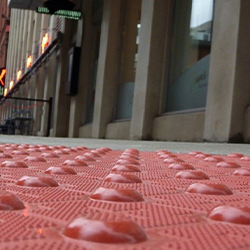
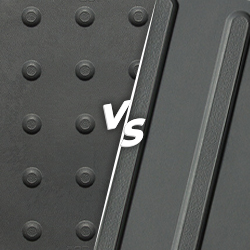
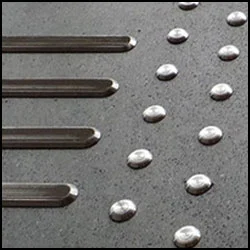
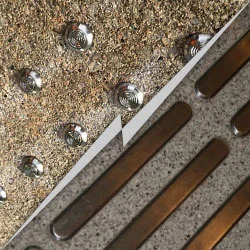
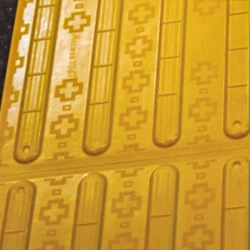
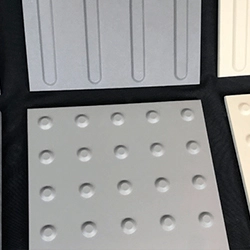
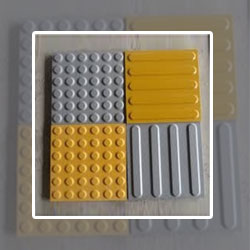
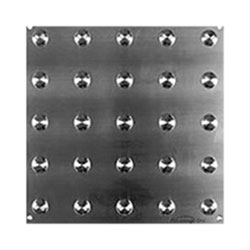
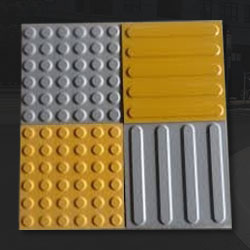
Warning domes feature a pattern of raised dots that tell a pedestrian to stop because a hazard is ahead. Wayfinding bars feature long raised lines that tell a pedestrian it is safe to keep walking in that specific direction.
Yes. Canadian building and fire codes highly recommend or mandate low-level glow-in-the-dark egress path markings. If the power goes out, these strips ensure people can safely find their way down stairwells without tripping.
Codes typically demand a 50 to 70 percent luminance contrast against the surrounding floor. If you are unsure, stick to industry standards like safety yellow for dark floors or black tiles for very light floors. A light meter can give you an exact, unquestionable reading.