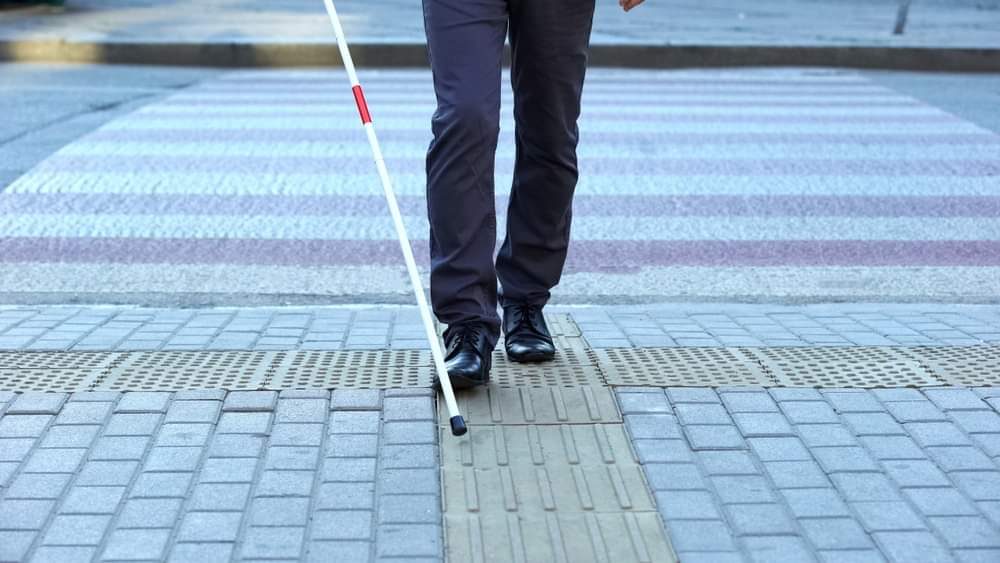
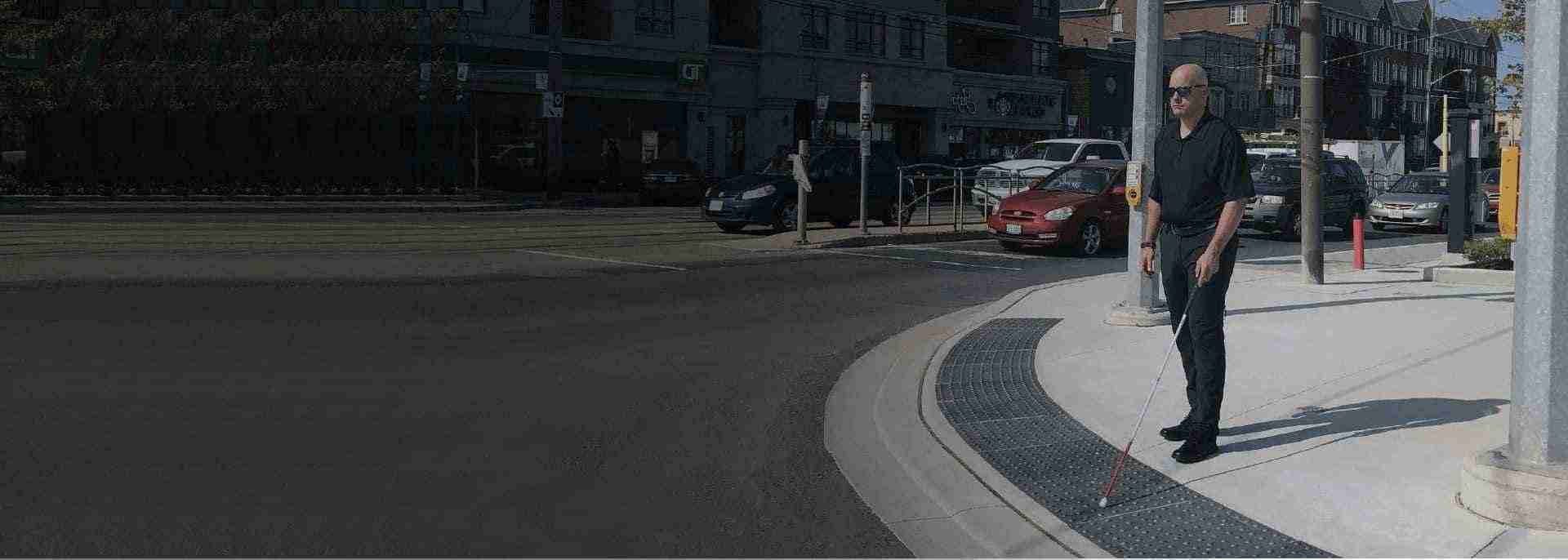
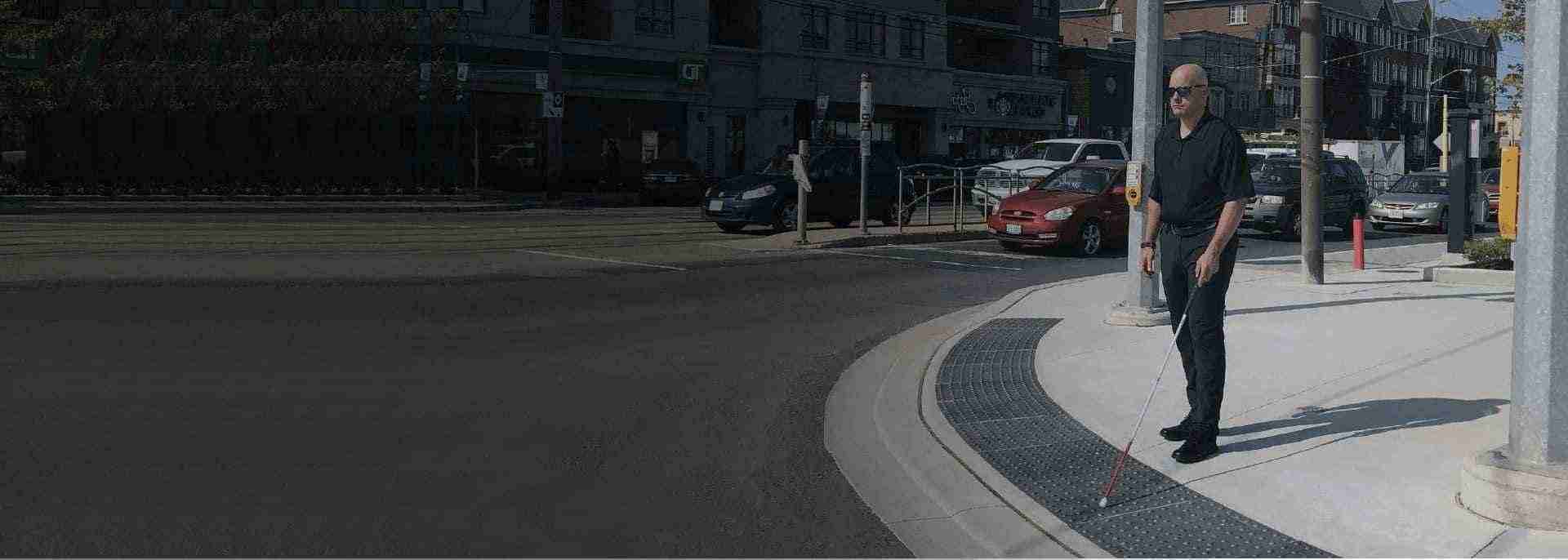
Just think of walking into a beautiful library built in the early twentieth century. The floors are original marble. The ceilings are incredibly high. The wooden staircases hold decades of history. The entire space feels magical. But then you notice an older gentleman with a white cane struggling to find the edge of the stairs. You see a family with a visually impaired child feeling confused near the main entrance.
Preserving our past should never mean compromising the safety of our future.
This is the exact dilemma facility managers and contractors face across Canada every single day. You have a gorgeous heritage building, but it completely fails modern accessibility standards. You need to install Tactile Walking Surface Indicators, guidance bars, and safe exit signs to comply with the law. However, you are terrified that heavy construction and bright plastic safety tiles will destroy the historic character of the space.
At Tactile Solution Canada, we understand this delicate balance. Today, we will show you exactly how to solve this problem. We will share real stories of successful upgrades and explain how to meet Canadian access codes flawlessly while keeping your historic charm intact.
Let us talk about a real project that highlights this issue. A facility manager recently took over a historic downtown public library. During her routine safety inspections, the gaps in the infrastructure became painfully obvious. Important wayfinding tactile indicators were completely absent. Slip resistant stair nosing did not exist on the beautiful old steps. The emergency exit signs relied on very old electric wiring instead of modern photoluminescent technology.
These shortcomings posed serious difficulties for library patrons with low vision or mobility impairments. The manager knew upgrades were necessary to ensure public safety. But she felt unsure about the best approach. She consulted several administrators facing similar problems. Unfortunately, most standard tactile products did not suit the classic architecture. The materials looked too industrial for a heritage site, and they feared a messy installation process.
Then, she discovered Tactile Solution Canada. By working with our team, she customized a strategic plan. She used surface mounted solutions to minimize the construction footprint. This approach maximized both safety and aesthetics. The library transformed into an inclusive space without losing its original soul. We can help you achieve this exact same result for your property.
What does the law actually say about older buildings? In Canada, accessibility commitments often trigger during substantial alterations. If you are doing a massive renovation, you cannot ignore the codes.
Obligations usually arise in a few specific scenarios.
When you hit these triggers, you must follow the rules carefully.
Failing to meet these codes can result in massive fines and failed building inspections. You must prioritize these upgrades from the very beginning of your project.
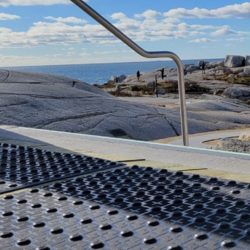
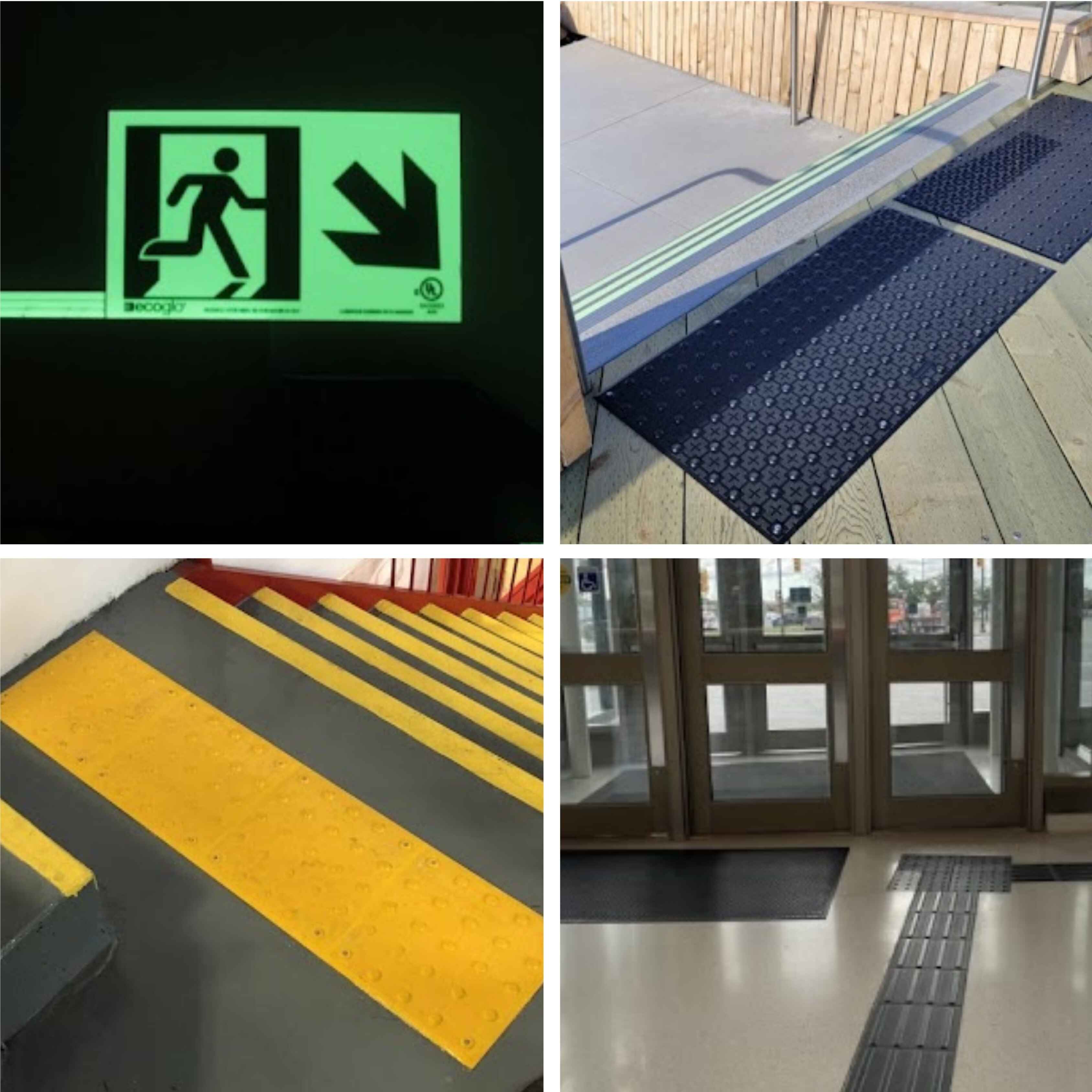
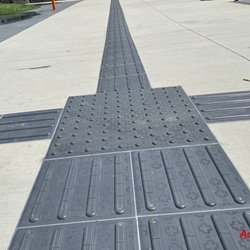
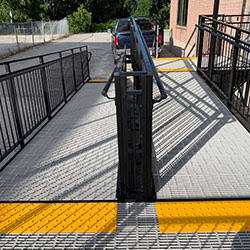
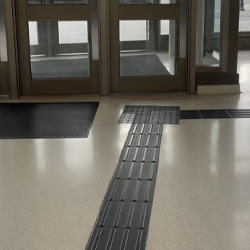
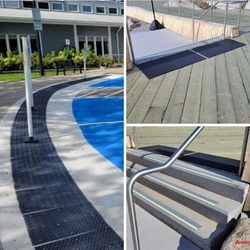
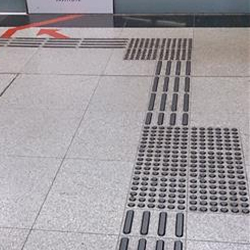
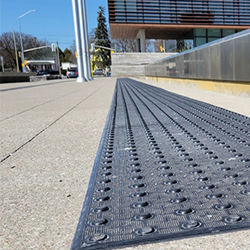
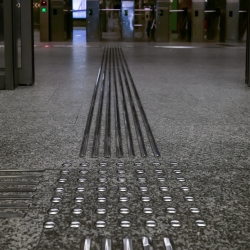
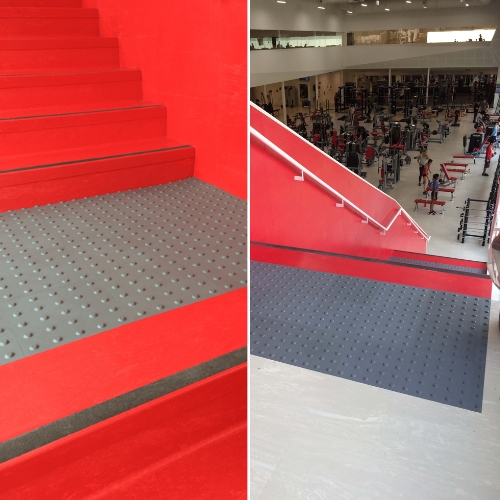
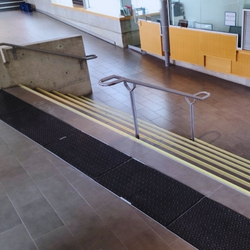
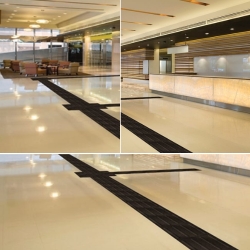
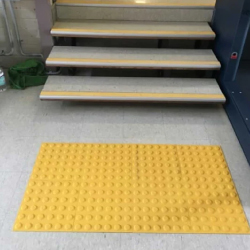
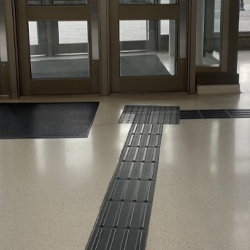
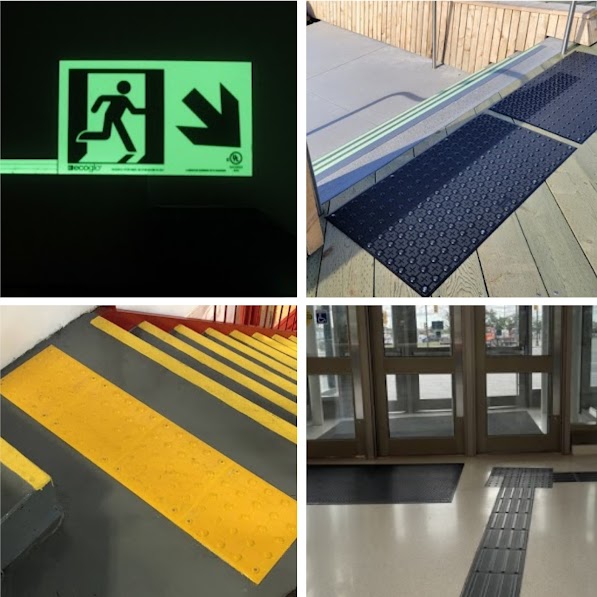
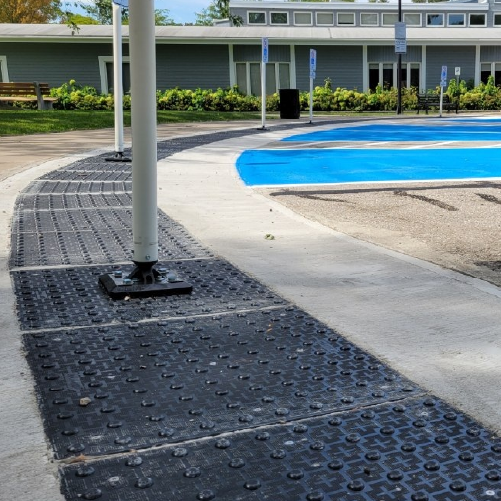
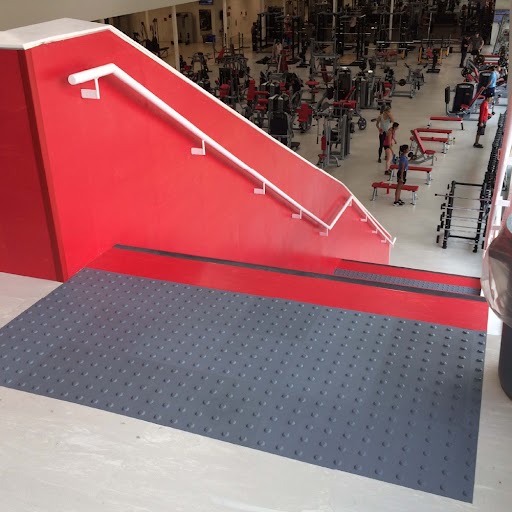
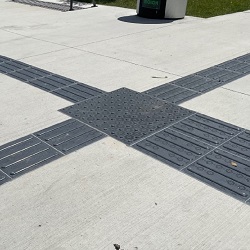
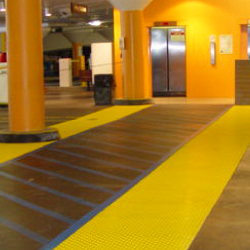
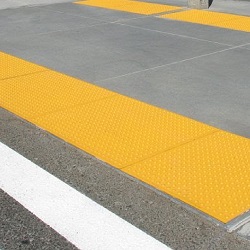
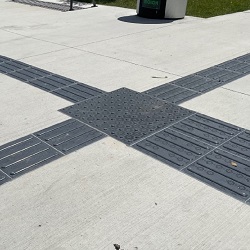
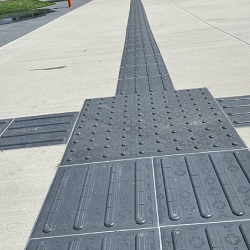
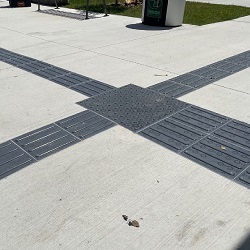
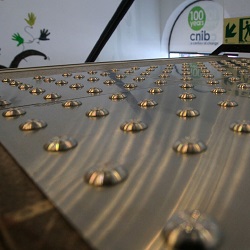
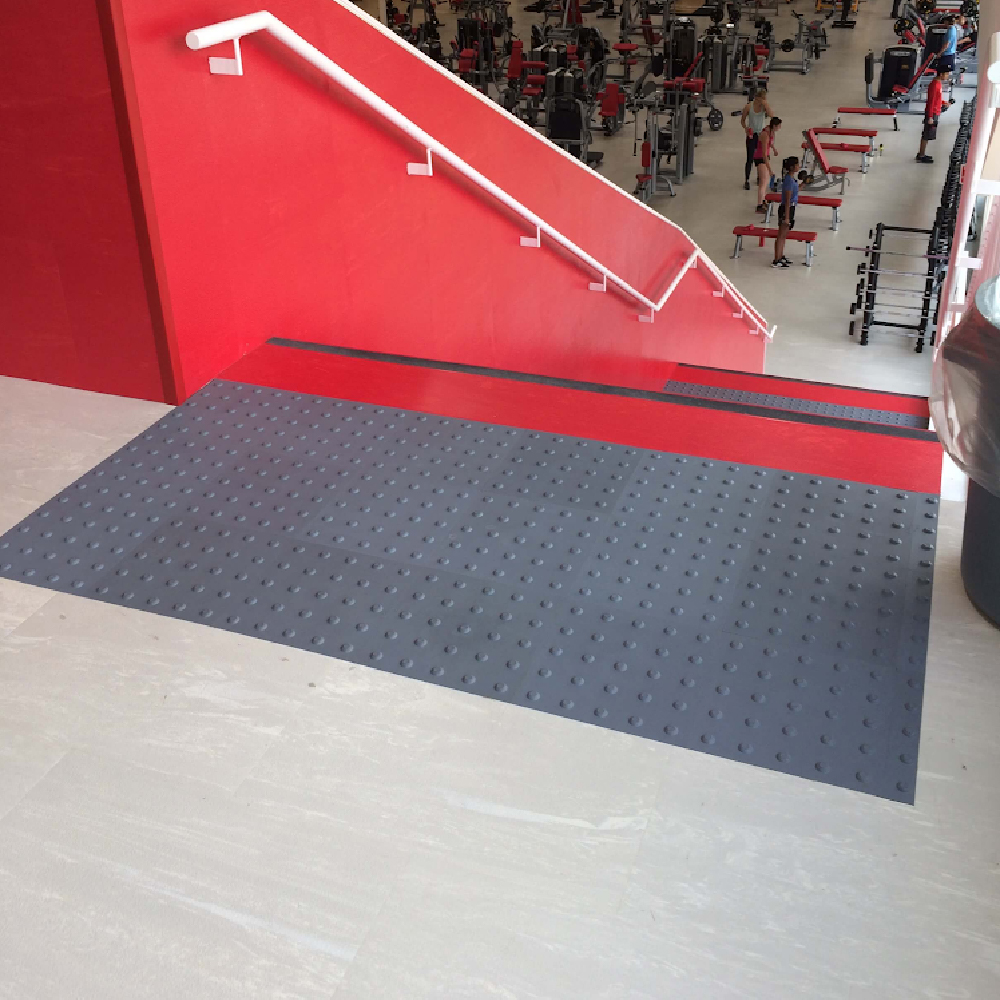
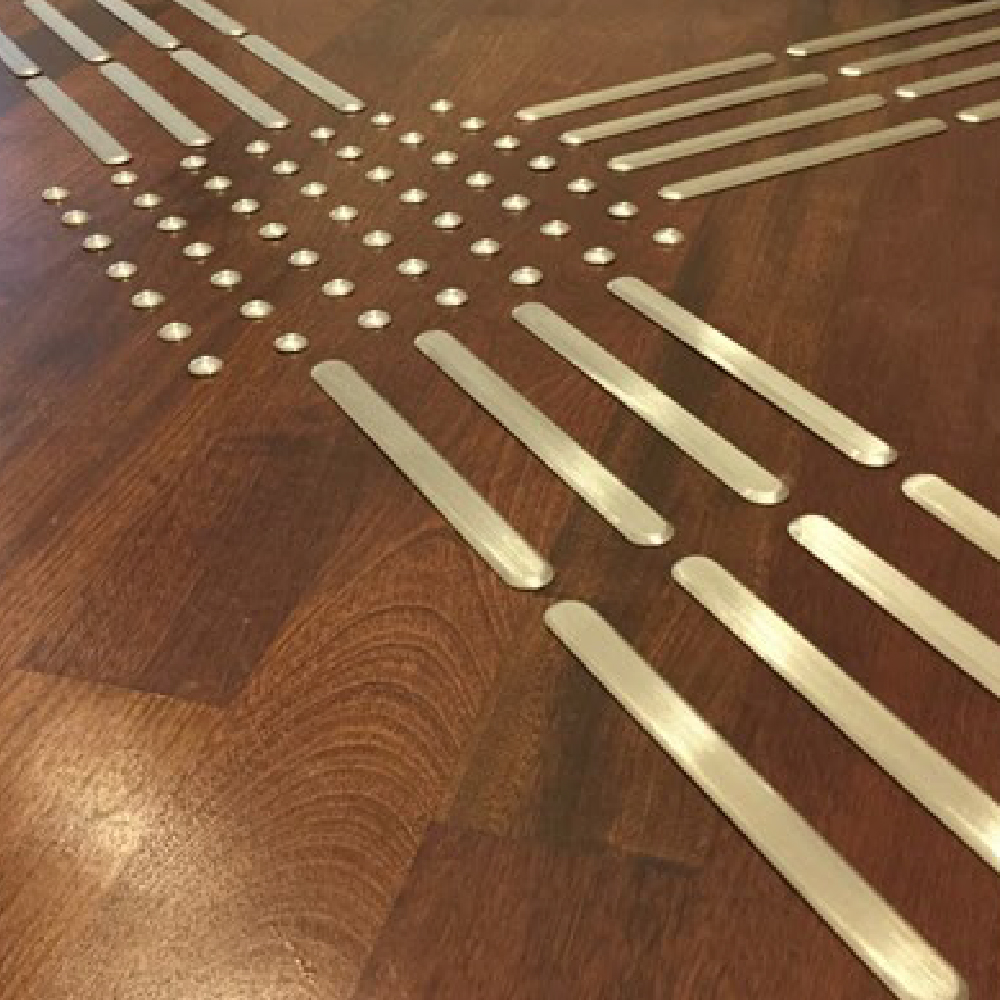
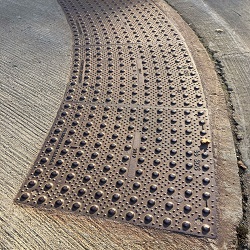
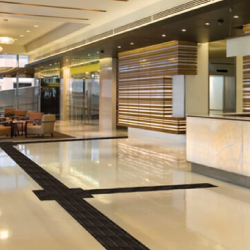
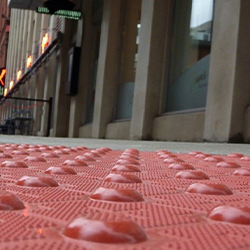
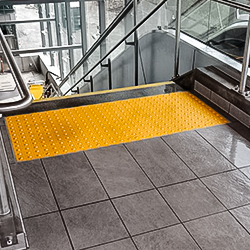
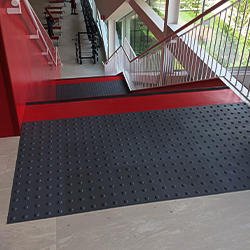
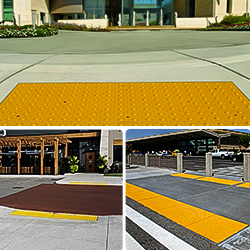
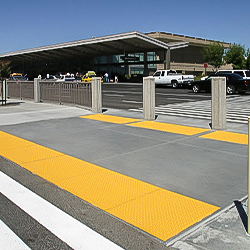
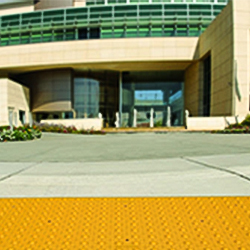
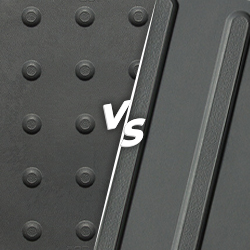
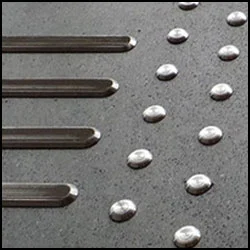
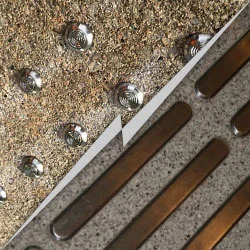
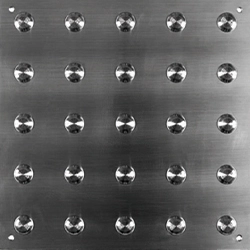
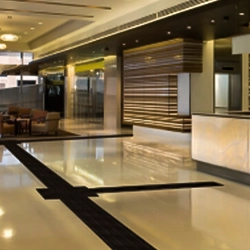
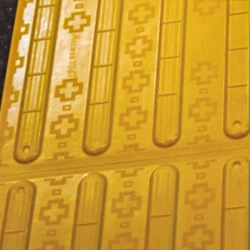
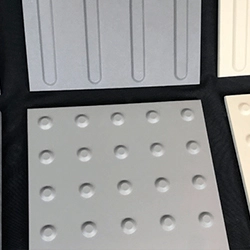
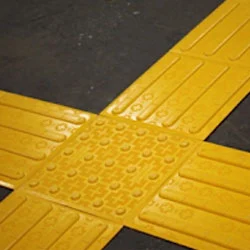
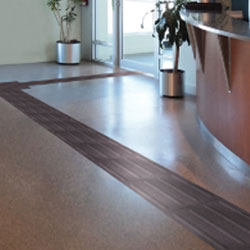
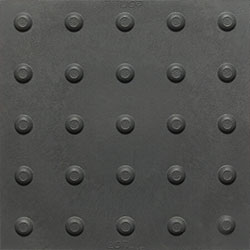
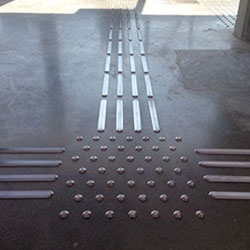
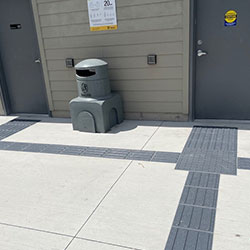
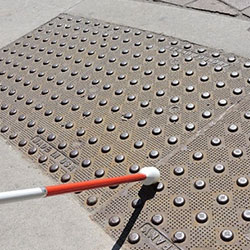
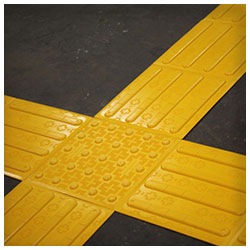
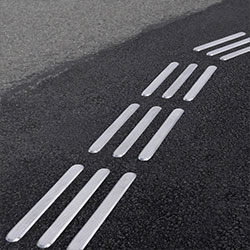
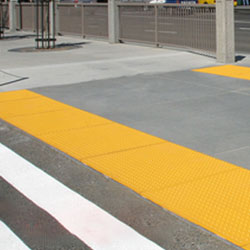
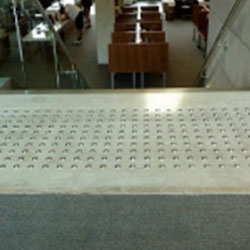
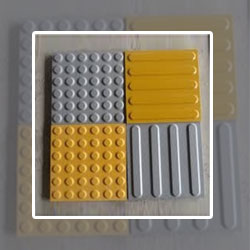
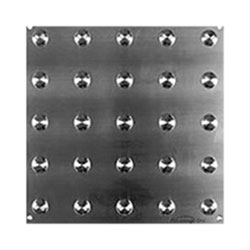
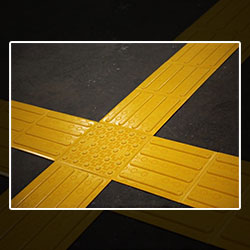
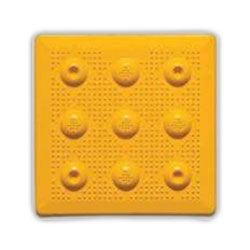
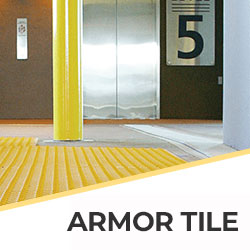
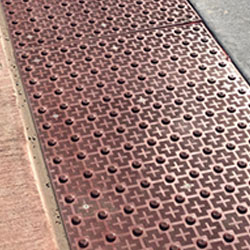
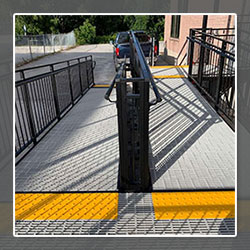
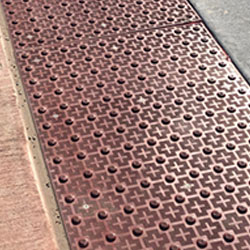
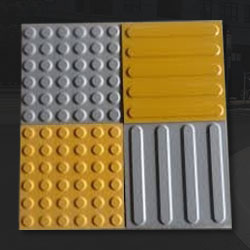
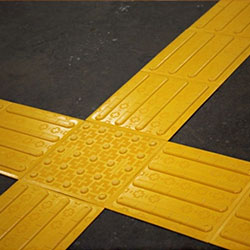
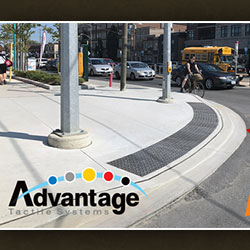
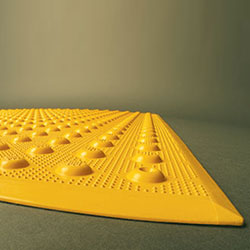
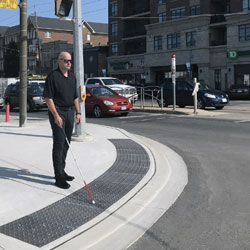
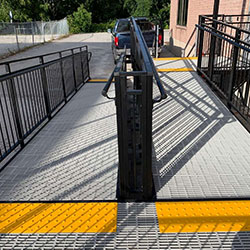
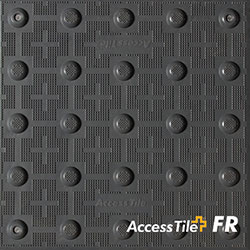
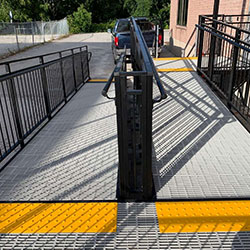
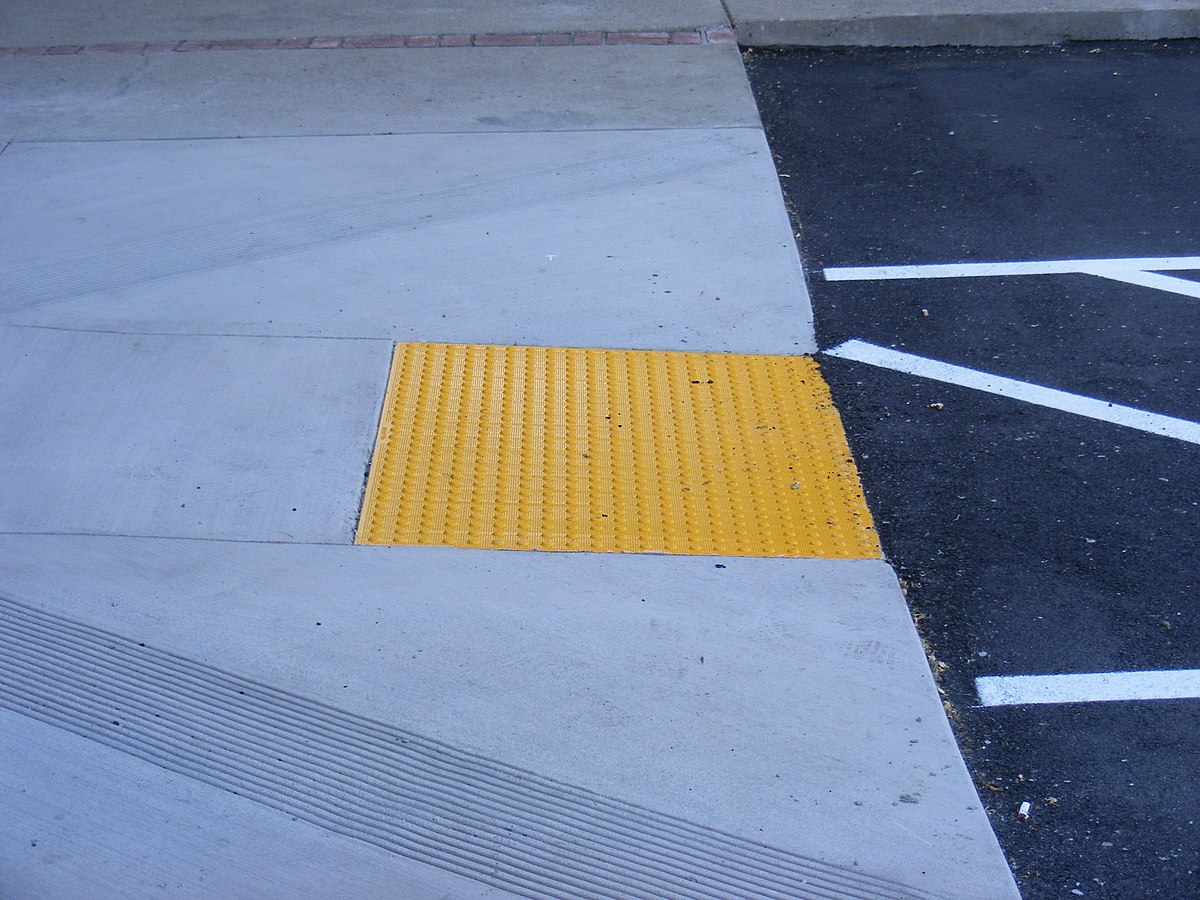
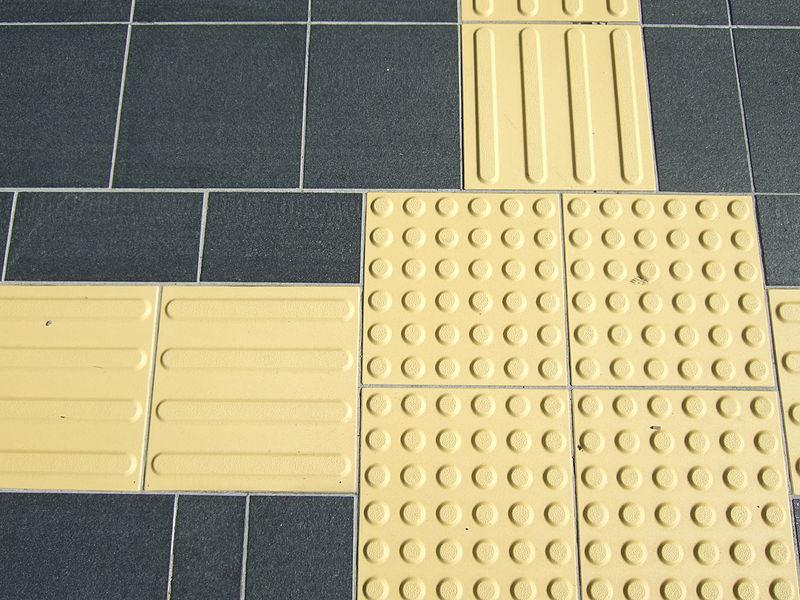
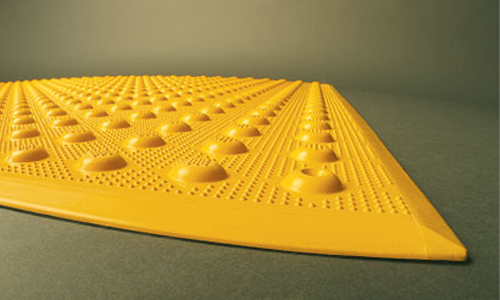
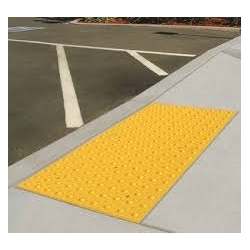
Large heritage buildings often have sprawling open floors. People with vision loss need help finding the service desks, the washrooms, and the main exits. You need to install Tactile Warning or attention domes to alert pedestrians to hazards. You also need Guidance or Wayfinding bars to create safe routes through the building.
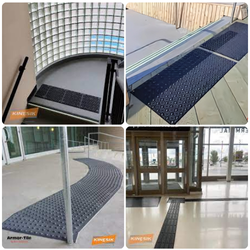
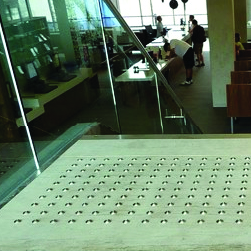
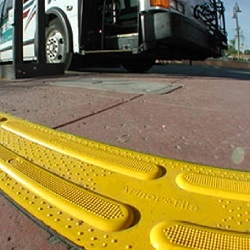
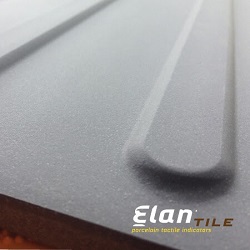
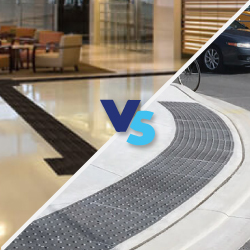
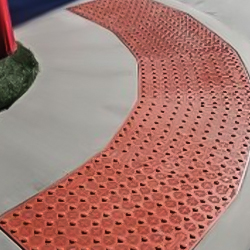
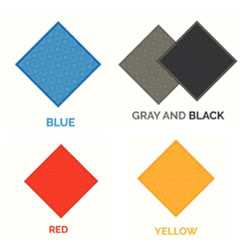
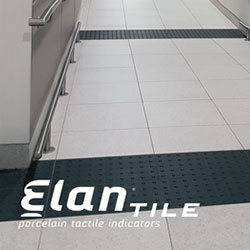
The secret to success is choosing the right materials. You do not have to use bright yellow rubber mats on a heritage marble floor. We offer several premium options that provide safety while blending into your design.
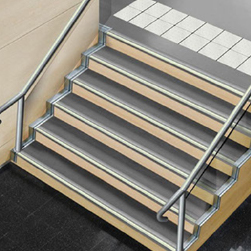
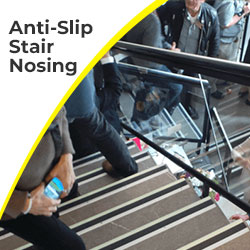
Stairways are often the most dangerous areas in any old building. Heritage stairs are usually made of worn stone or polished wood. They lack proper visual contrast and slip resistance. In Canada, falls on stairs are a major cause of injury, especially among older adults.
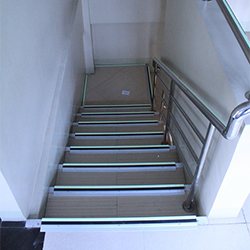
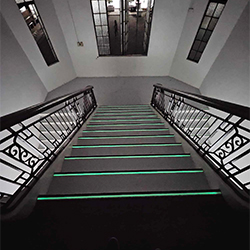
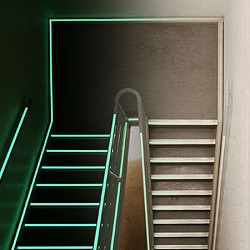
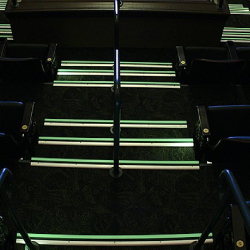
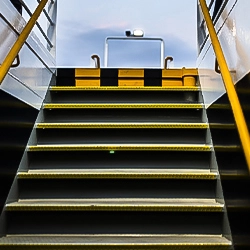
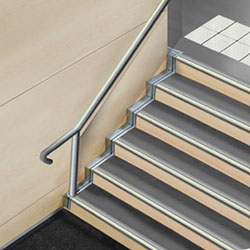
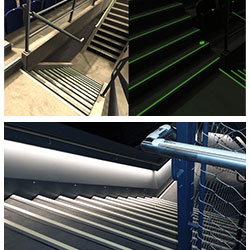
Upgrading your stairs is a critical life safety project. Canadian building codes expect your stair edges to stay visible in a blackout for at least 60 minutes. You must provide a continuous marking along the full width of each tread edge.
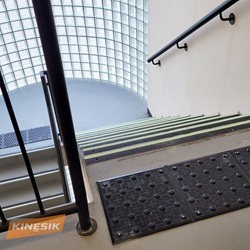
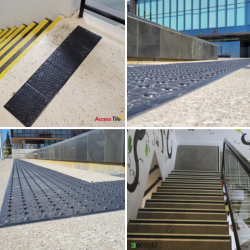
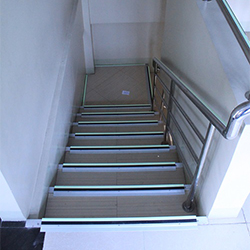
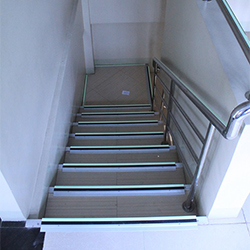
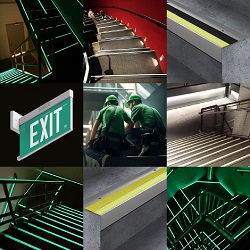
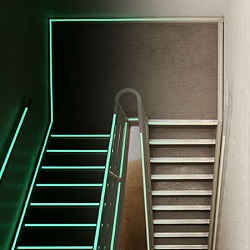
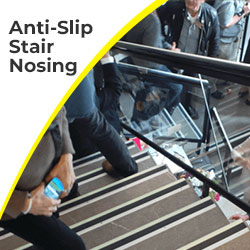
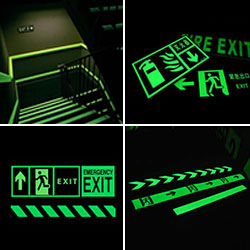
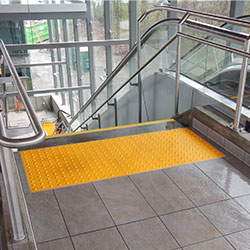
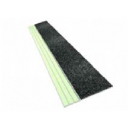
Ecoglo photoluminescent stair nosing is the perfect choice for historic properties. These non slip strips absorb natural or artificial light. They glow brightly for hours after a power failure. Because they do not require any electrical wiring, you do not have to drill into old plaster walls or historic ceilings. You simply secure them directly to the existing steps. This satisfies NFPA 72 stipulations and provides superior luminance during evacuations.
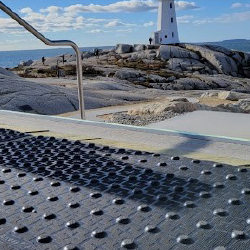
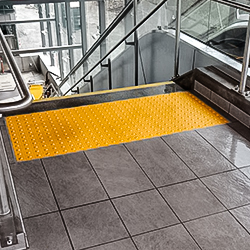
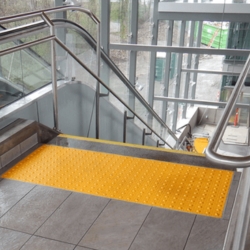
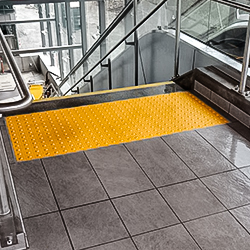
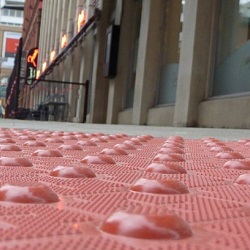
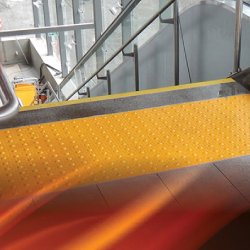
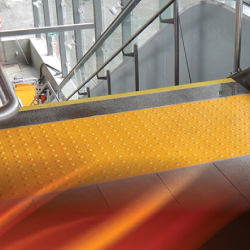
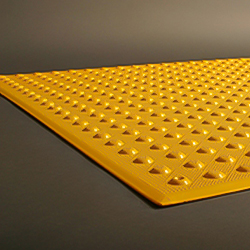
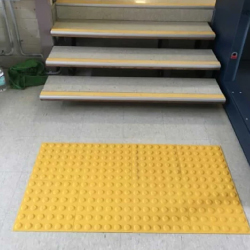
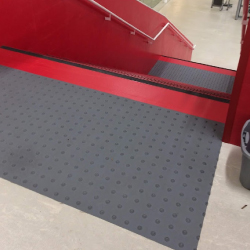
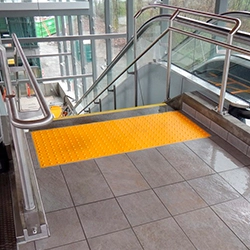
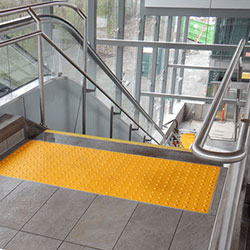
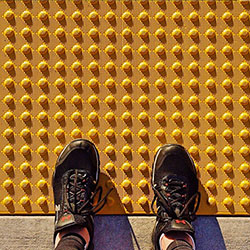
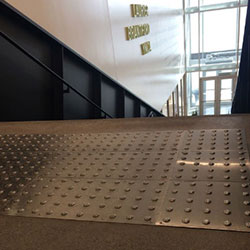
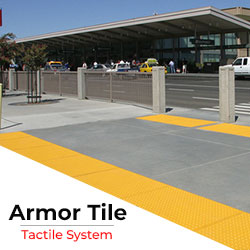
You must also place tactile attention indicators at the top of all interior and exterior stair flights. These truncated domes provide a clear warning message underfoot. They act as an invisible handrail that tells a visually impaired person to stop and check for the first step.
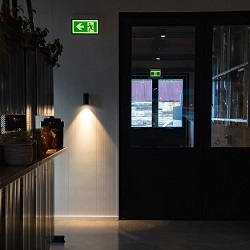
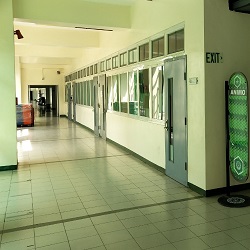
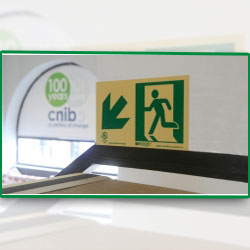
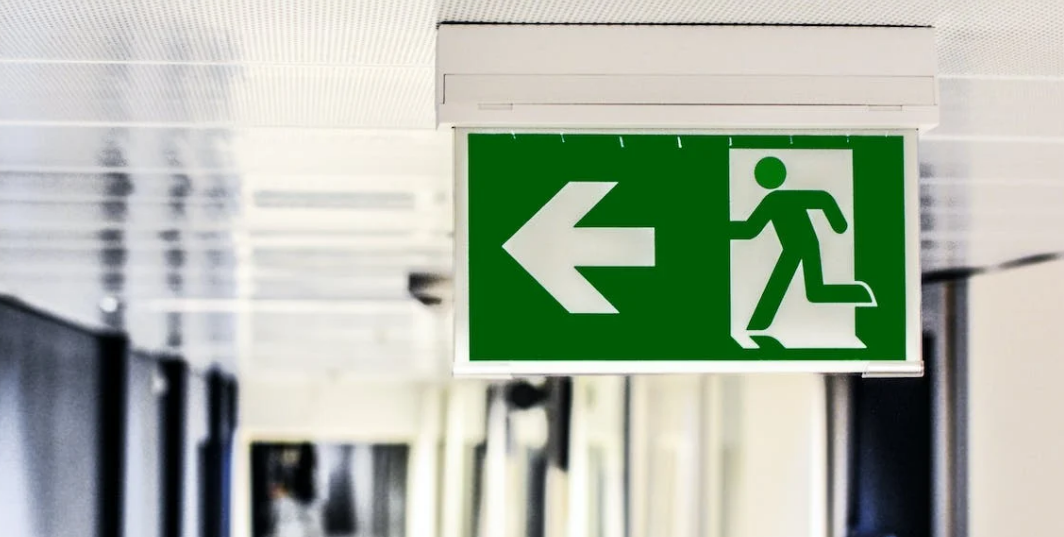
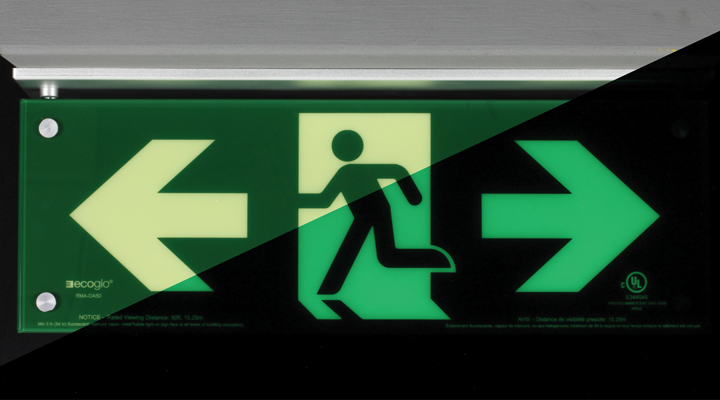
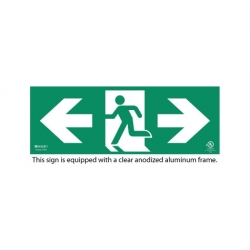
Old buildings often have outdated emergency signs. Traditional electric exit signs can fail during emergencies or power blackouts. Running new electrical wires through a heritage building is often incredibly expensive and damaging to the historic walls.
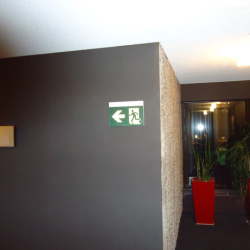
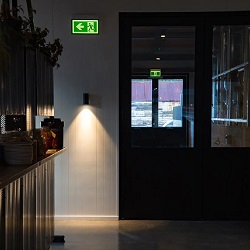
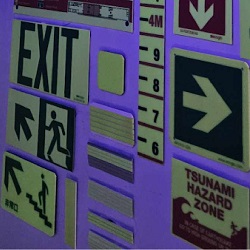
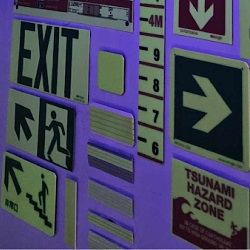
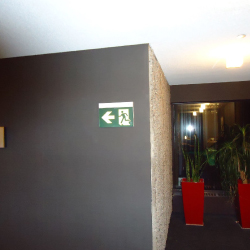
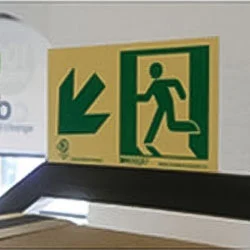
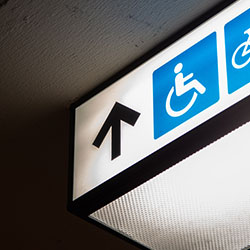
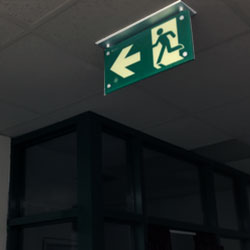
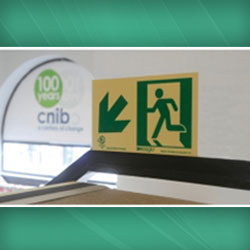
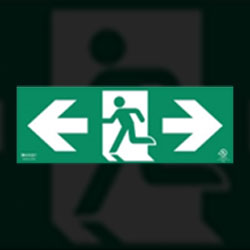
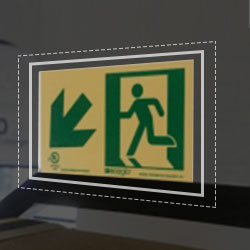
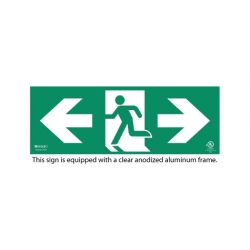
Upgrading to photoluminescent exit signs and directional exit signs solves this problem instantly. These signs charge from ambient light and never need batteries. They provide a clear and glowing path to safety during emergencies. They visibly demarcate all stairwells and enhance egress in complete darkness as per ISO standards. By choosing these zero energy solutions, you save money on electrical work while fully complying with the National Building Code expectations for emergency legibility.
Heritage buildings undergoing substantial renovations must comply with several standards. The main regulations include the Accessibility for Ontarians with Disabilities Act (AODA), the Canadian Standards Association (CSA) B651 guidelines, and the National Building Code of Canada (NBC). These codes ensure that barrier free paths of travel and emergency egress routes are safe for everyone.
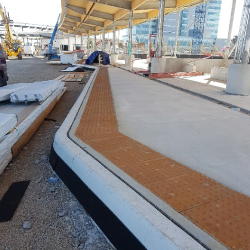
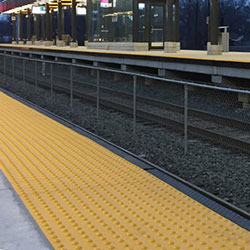
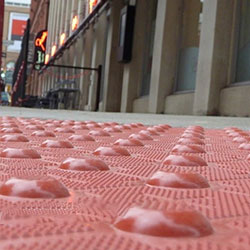
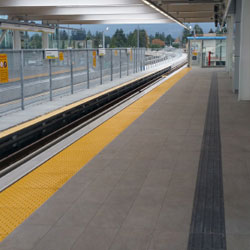
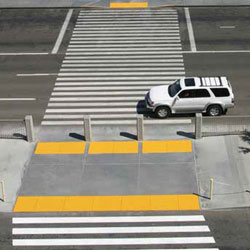
You must install these indicators when your renovation scope triggers code compliance. This usually happens when upgrades exceed 25 percent of the facility value or when building additions increase the area significantly. You must place attention domes at the top of stairs, at platform edges, and at transitions into hazardous vehicular zones.
Everyone benefits from glowing stair nosing. Visually impaired individuals rely on the high visual contrast to see the edge of the steps. Older adults benefit from the premium slip resistance. During a power outage, every single building occupant relies on the photoluminescent glow to safely evacuate the dark stairwells.
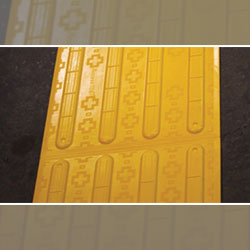
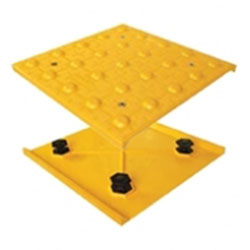
Surface applied tiles are the best choice for heritage buildings because they do not require heavy demolition. You do not have to destroy original marble or terrazzo floors. The tiles are securely fastened on top of the existing surface using strong adhesives. This preserves the historic foundation while meeting all modern safety requirements.
Undertaking a heritage renovation demands meticulous research. You must align modern safety solutions optimally with your unique infrastructure needs. Preserving your beautiful historic aesthetics does not mean you have to ignore the safety of your community.
At Tactile Solution Canada, we have the subject matter knowledge to guide you through these complexities. We deliver sensitive and compliant results that elevate safety and autonomy for all. Small yet meaningful adaptations truly open up participation for everyone.
Are you ready to bring your historic building up to code? Browse our full selection of Tactile Warning domes, Wayfinding bars, and photoluminescent exit signs today. Contact our team to find the perfect solutions for your next big project. Let us build a safer and more inclusive future together.