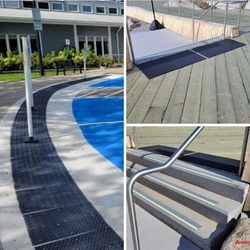
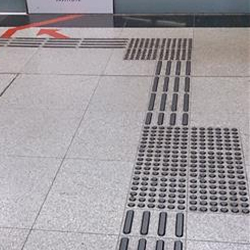
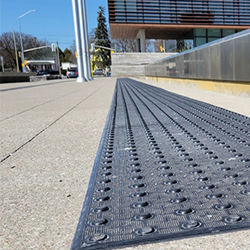
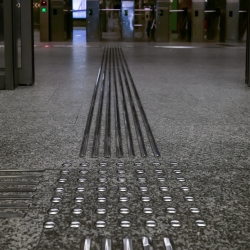
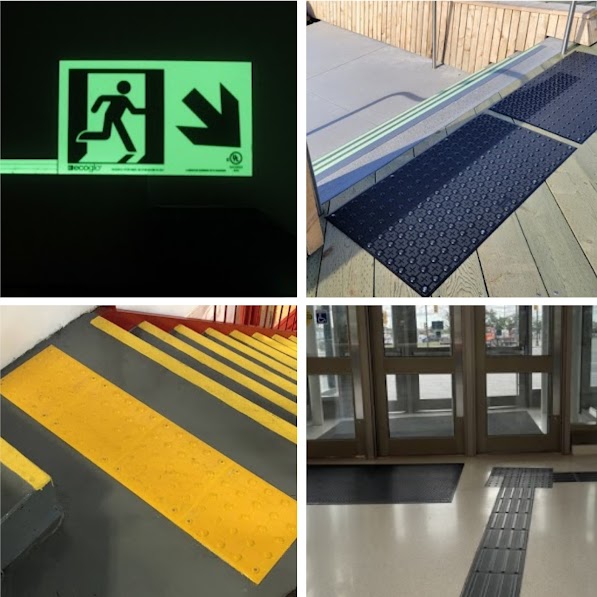
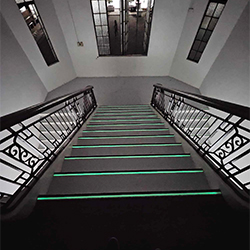
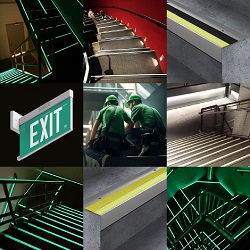
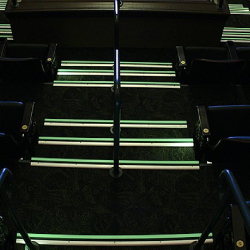
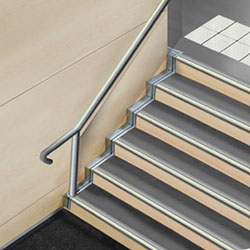
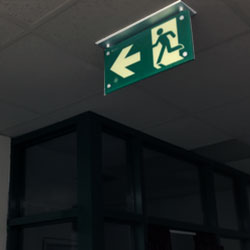
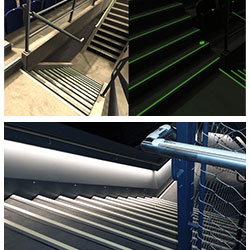
Imagine it’s 2:00 AM on a Tuesday. The fire alarm blares in a 40-story condominium tower in downtown Toronto or a bustling high-rise office complex in Vancouver. Hundreds of residents, some elderly, some parents carrying sleepy children, and perhaps a few with vision impairments, flood into the stairwells.
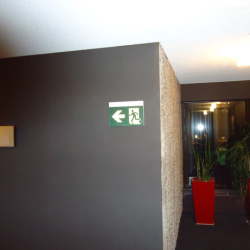
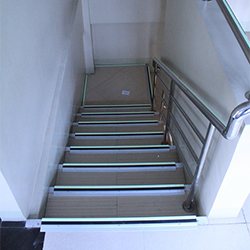
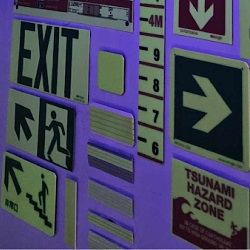
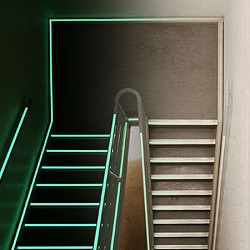
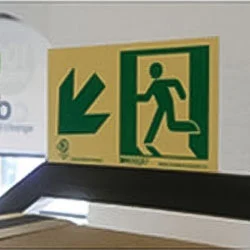
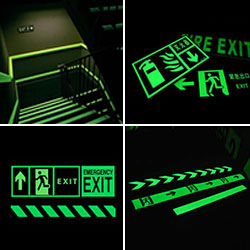
This is the "Vertical Exit Enclosure" - the lifeline of any high-rise building. In these critical moments, panic is the enemy, but so is the environment itself. We often think of fire safety in terms of sprinklers and alarms, but have you ever looked down at your feet?
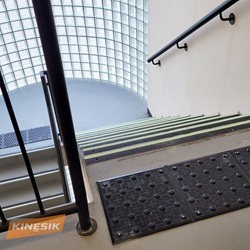
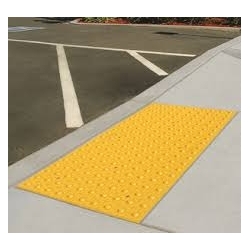
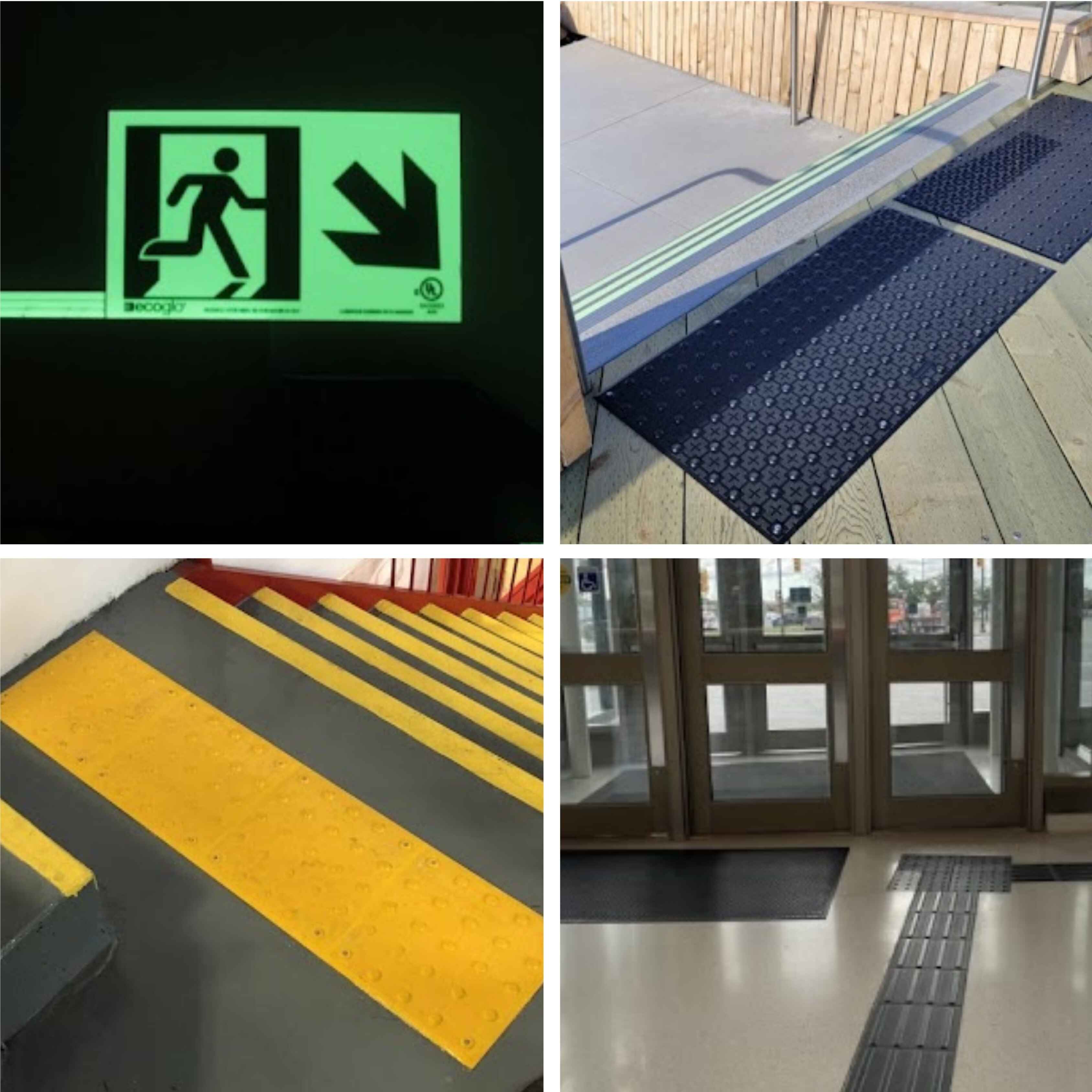
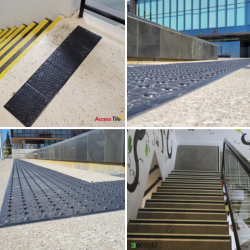
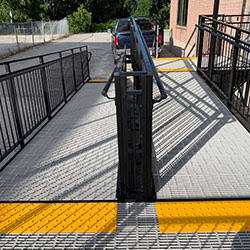
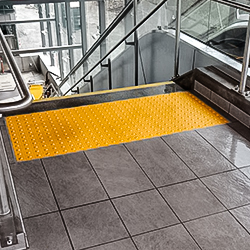
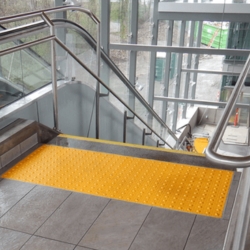
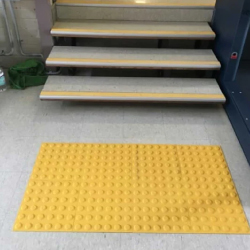
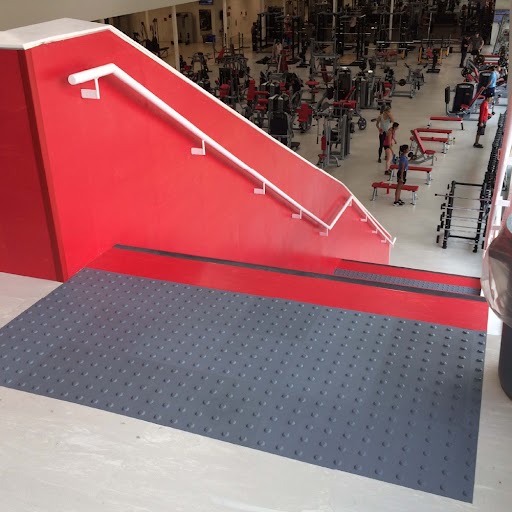
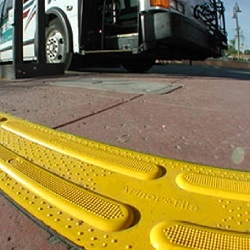
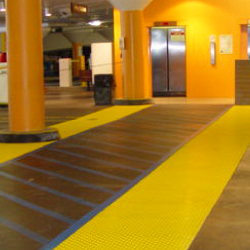
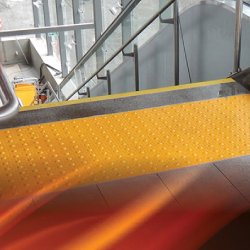
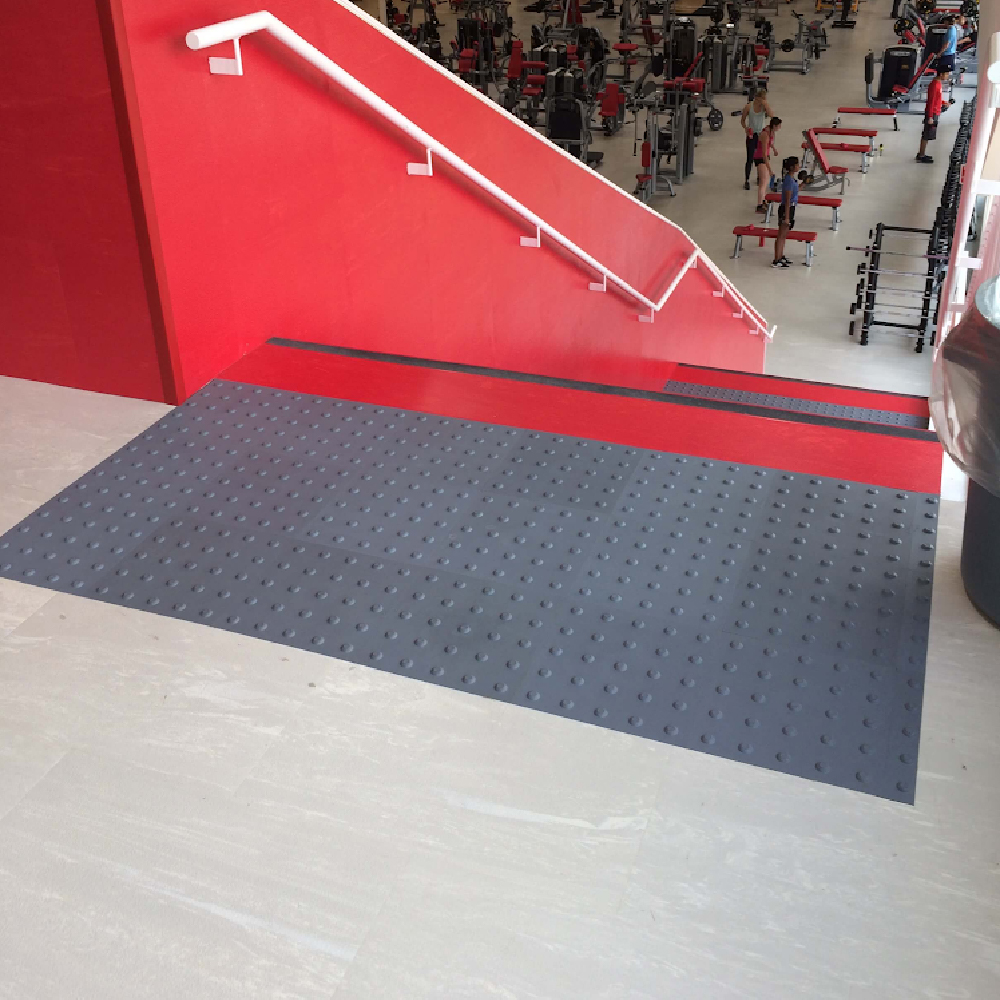
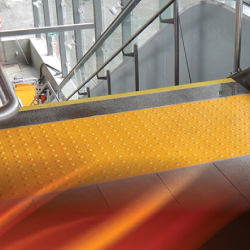
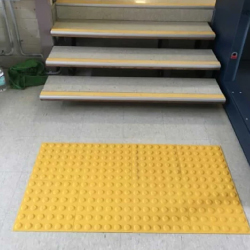
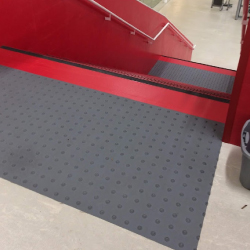
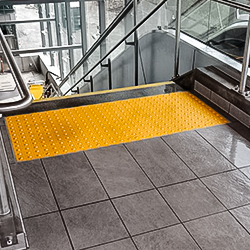
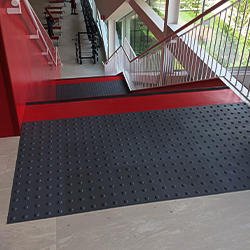
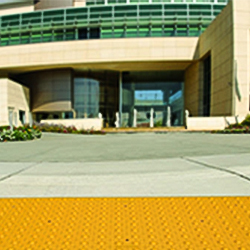
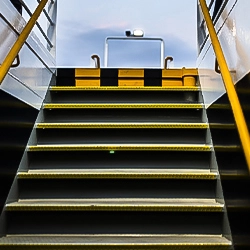
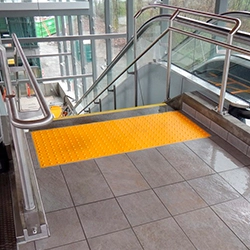
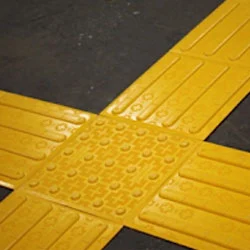
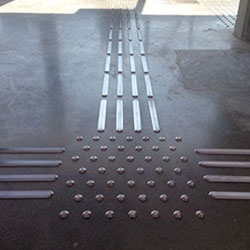
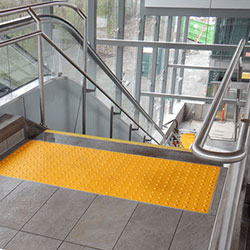
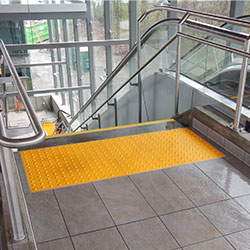
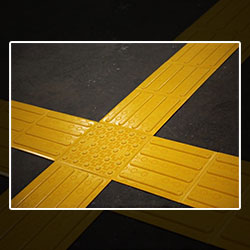
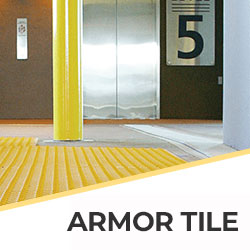
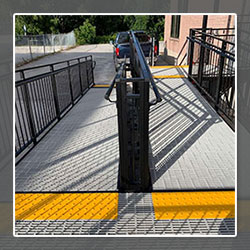
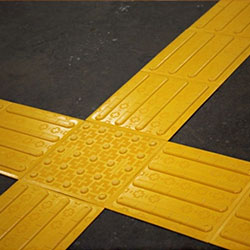
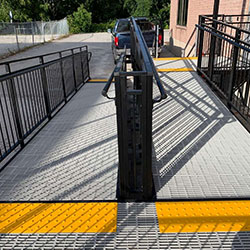
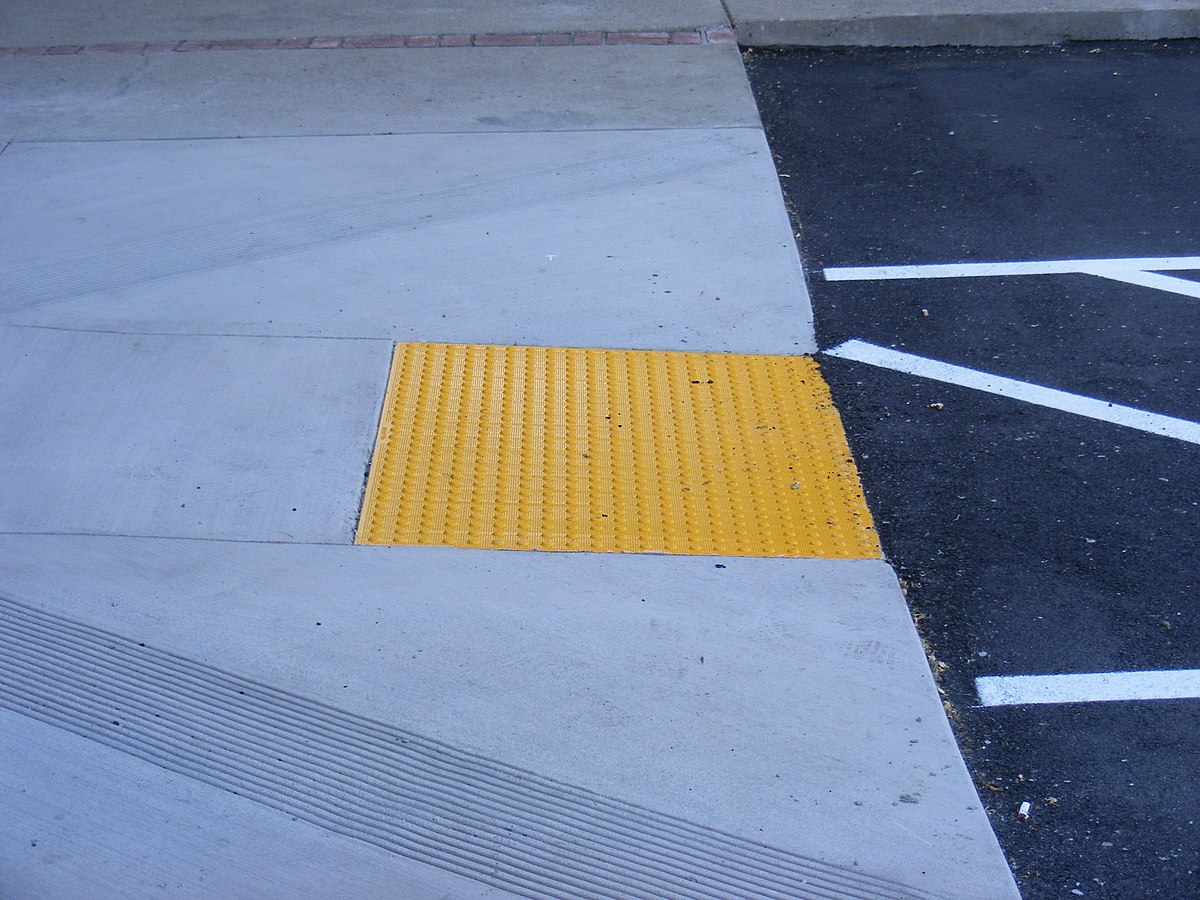
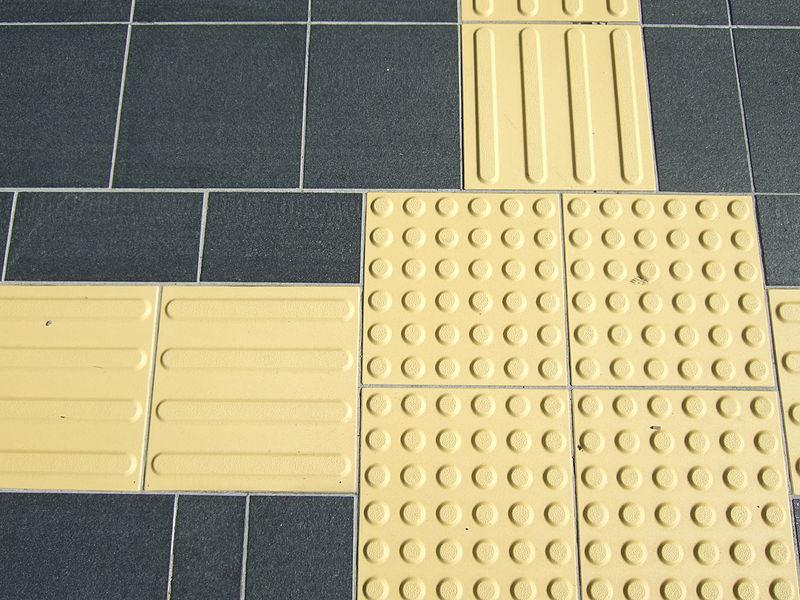
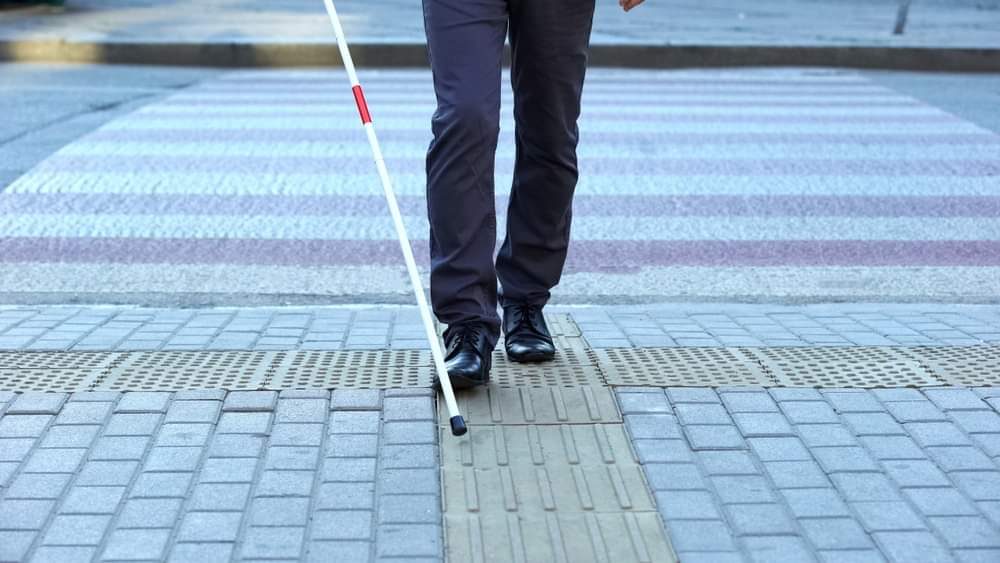
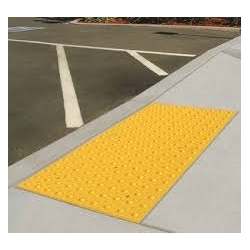
As a contractor or building manager, you might have installed bright yellow Tactile Walking Surface Indicators (TWSIs) at the landing of every stair flight to comply with the AODA (Accessibility for Ontarians with Disabilities Act) or local building codes. But here is the chilling question: If a fire reaches that stairwell, will those tactile tiles help save lives, or will they turn into a toxic smoke bomb?
This isn't just a dramatic storytelling hook; it is a regulatory minefield that many Canadian building owners walk into unknowingly. Today, we are diving deep into the intersection of accessibility and fire safety to answer the burning question: What is the best tactile tile solution for high-rise fire safety?
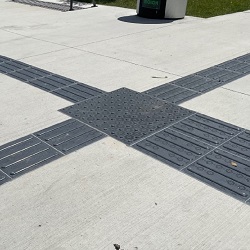
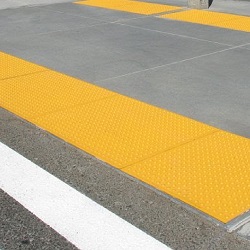
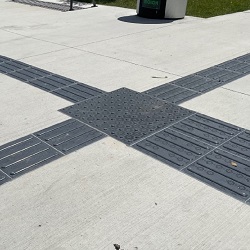
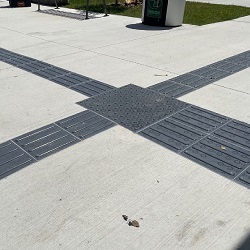
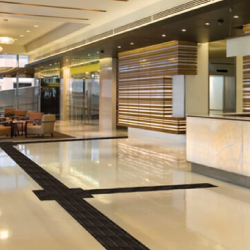
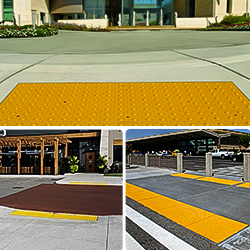
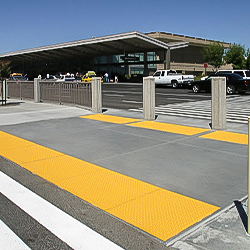
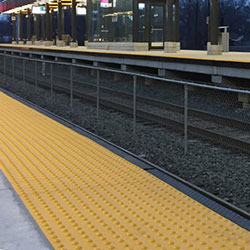
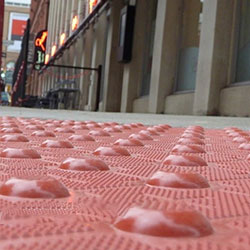
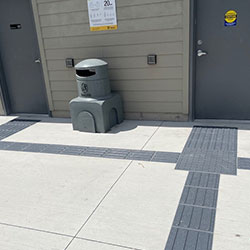
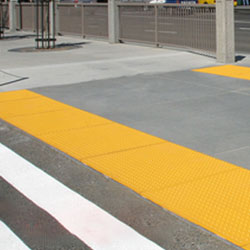
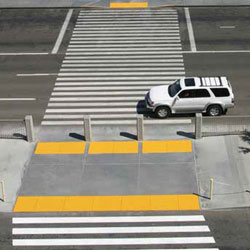
Let’s get technical for a moment, but keep it human. Standard tactile tiles are typically made from various polymers or plastics. They are fantastic for outdoor crosswalks or open lobbies. However, when you place a standard polymer tile inside an enclosed stairwell of a high building (defined typically as over 6 stories or 18 meters in height), the rules change drastically.
In a fire, standard plastics can melt, drip, and most dangerously, emit thick, black, toxic smoke. In a confined vertical shaft like a stairwell, that smoke doesn't just dissipate - it rises, choking the very escape route people are trying to use.
According to the National Building Code of Canada (NBC) and the Ontario Building Code (OBC), interior finishes in exits must meet rigorous standards for Flame Spread Rating (FSR) and Smoke Developed Classification (SDC).
"Safety isn't just about preventing the fall; it's about ensuring the path to safety doesn't become the hazard."
So, if standard tiles are a no-go for enclosed exits, what is the alternative? Do you have to sacrifice accessibility for fire safety? Absolutely not.
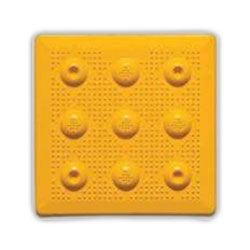
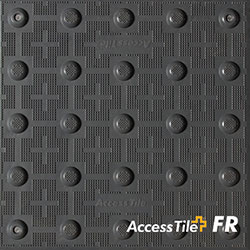
After rigorous testing and industry analysis, the gold standard for this specific application is the Access® Tile Surface Applied Fire Resistant (FR) Tactile.
Why do we at Tactile Solution Canada stand behind this specific product for high-rises? Because it was engineered specifically to solve the "Stairwell Dilemma." It is the bridge that connects the rigorous demands of the Fire Code with the mandatory requirements of the Accessibility Code.
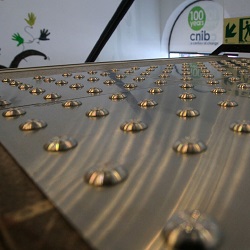
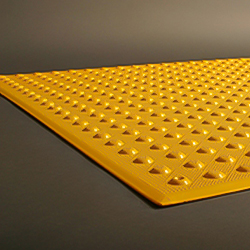
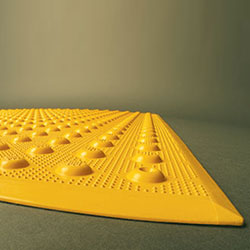
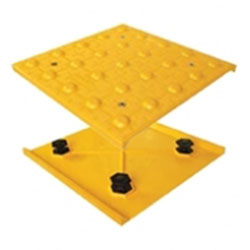
The Access® Tile FR isn't just a piece of plastic. It is manufactured from a sophisticated fire-resistant glass-carbon composite material.
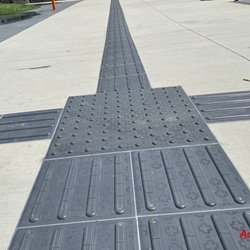
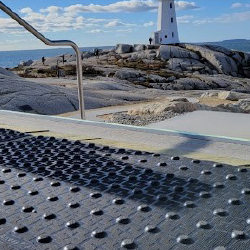
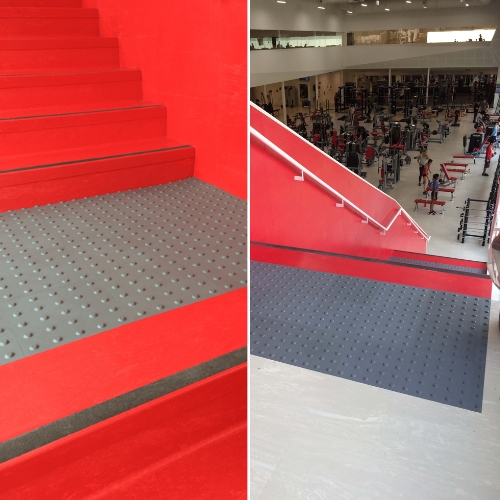
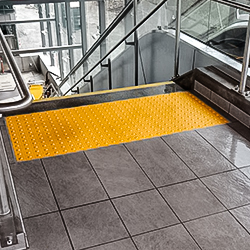
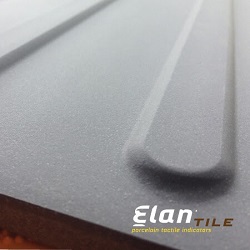
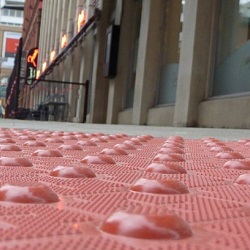
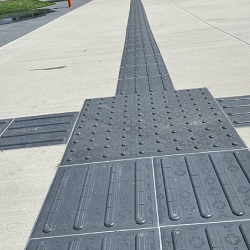
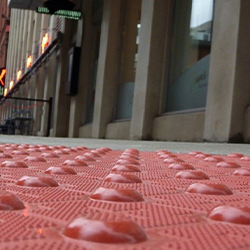
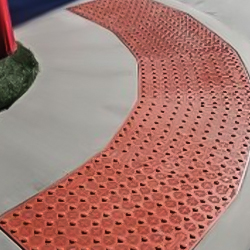
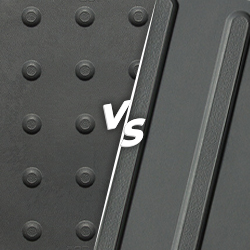
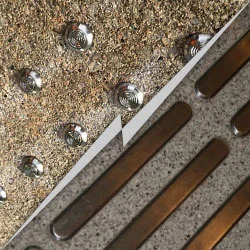
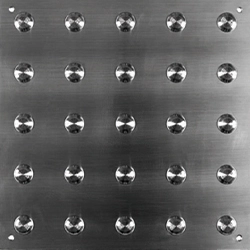
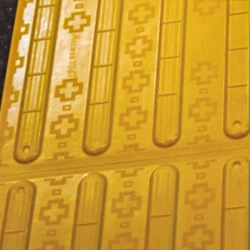
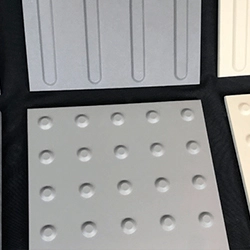
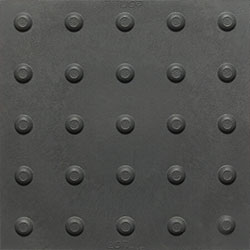
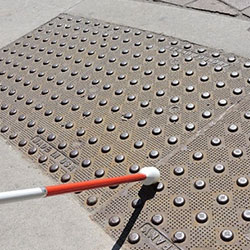
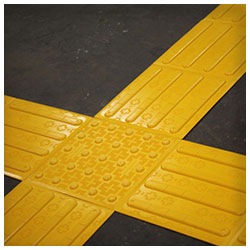
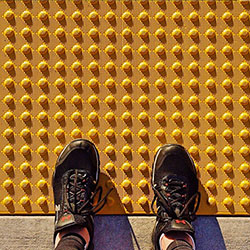
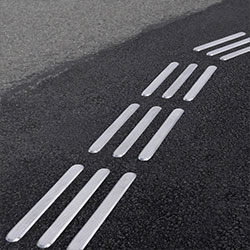
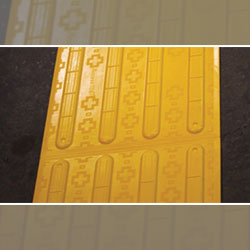
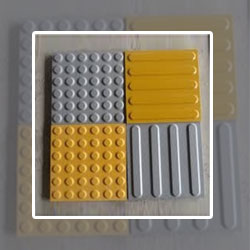
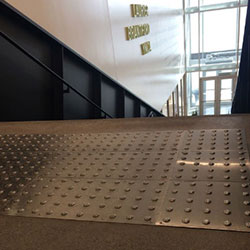
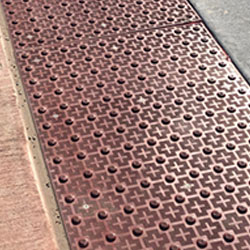
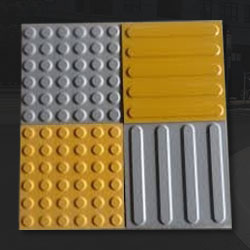
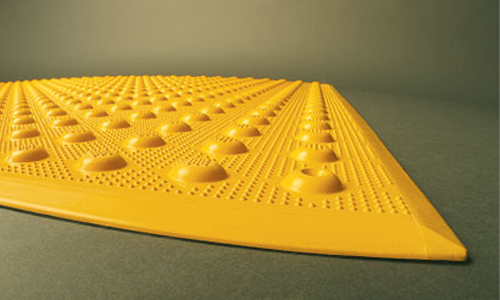
Think of it as the superhero of the tactile world. While it looks identical to standard attention domes - providing that essential truncated dome texture for the visually impaired - its chemical DNA is completely different. It is a thermoset composite, meaning it has been permanently hardened and won't re-melt when the heat turns up.
For the architects and specifiers reading this, let’s talk numbers. You need data to put on your spec sheets, and "it's safe" isn't enough.
To be installed in a high-rise exit stairwell in Canada, a tactile unit must pass the CAN/ULC-S102.2 test. This is the Standard Method of Test for Surface Burning Characteristics of Flooring, Floor Coverings, and Miscellaneous Materials and Assemblies.
Let me tell you about a project we assisted with in Mississauga. "Sarah," a property manager for a 30-year-old condo tower, was undergoing a massive corridor retrofit. The building inspector flagged the stairwells. They needed to add tactile indicators to the landings to meet updated accessibility standards.
Sarah’s initial contractor suggested standard surface-applied tiles because they were cheaper. Thankfully, Sarah called us first.
"If you install those," we explained, "you might pass the accessibility inspection on Tuesday, but you’ll fail the fire inspection on Wednesday."
We recommended the Access® Tile FR Surface Applied tiles.
If you are the one holding the drill, you care about two things: getting the job done right and not getting called back to fix it.
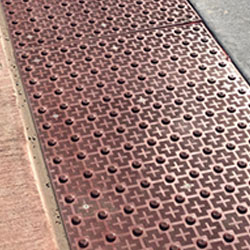
Despite being a "glass-carbon composite," these tiles are surprisingly lightweight compared to cast-iron options. This makes hauling them up to the 25th floor much easier on your crew's backs. Yet, they are exceptionally tough, resisting wear and tear from daily foot traffic.
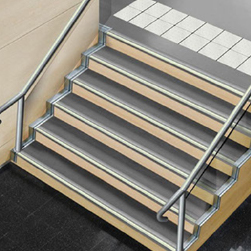
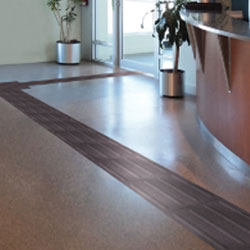
You don't need to pour fresh concrete. These are designed for retrofit applications. They come with beveled edges (to prevent tripping) and can be installed on existing concrete or tile surfaces in hours, not days.
Stairwells are often washed down or can become damp. The composite material is inherently corrosion-resistant (unlike some metals) and features a micro-texture that ensures high slip resistance, keeping grandma safe even if her shoes are wet.
A: Generally, the strictest requirements for Flame Spread Ratings apply to "High Buildings" (usually over 6 stories or 18 meters). However, fire safety is never a bad investment. Always check your local provincial code (like the OBC in Ontario) for specific "Vertical Exit Enclosure" requirements for your building height.
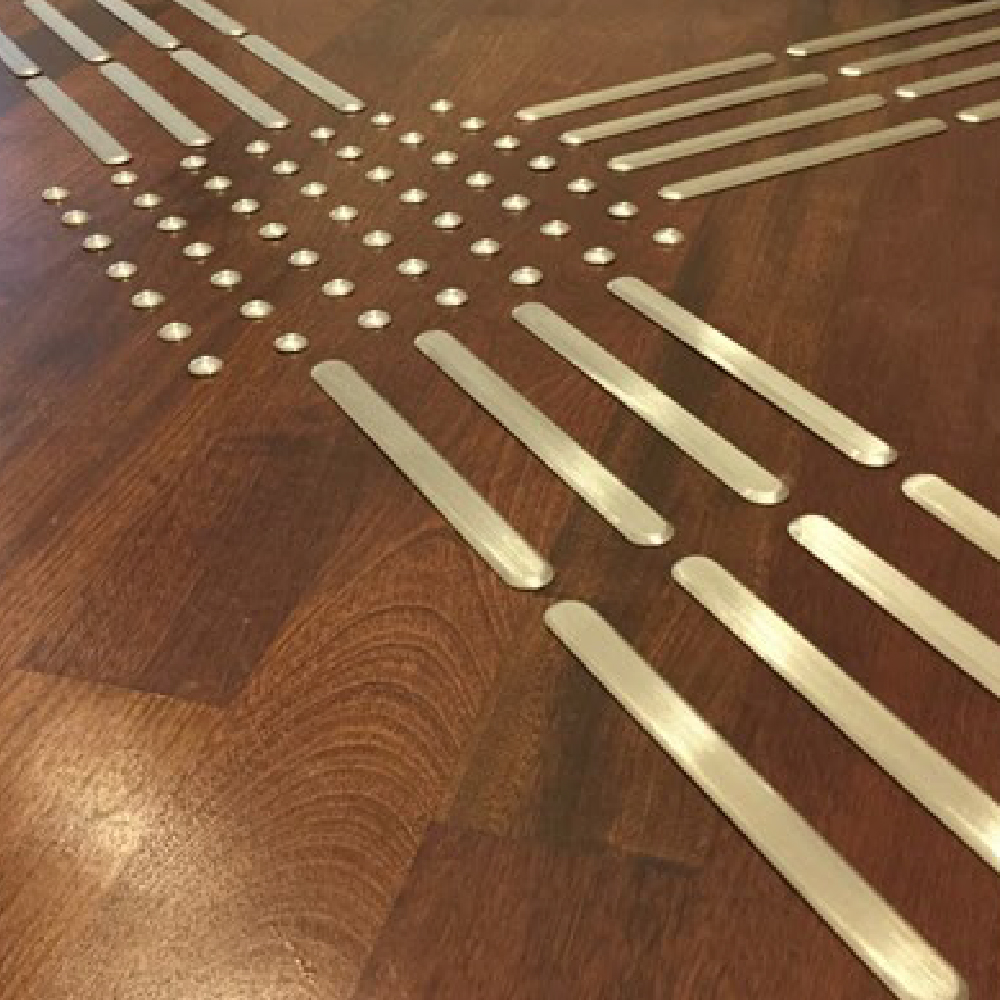
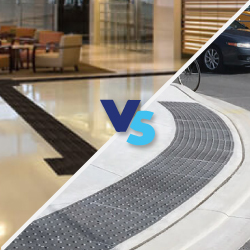
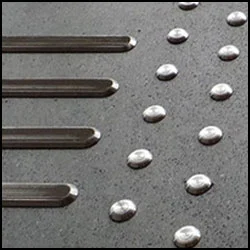
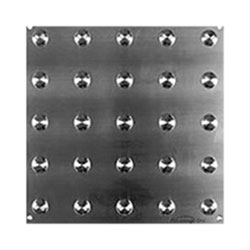
A: Stainless steel is fireproof, yes. However, cast-in-place steel can be expensive and difficult to retrofit onto existing concrete without major demolition. Steel plates can also be slippery if not properly textured and can be noisy. The Access® Tile FR offers a more cost-effective, quieter, and easier-to-install alternative for retrofits.
A: Do not just take a salesperson's word for it. Ask for the TDS (Technical Data Sheet). Look specifically for the CAN/ULC-S102.2 test results. If the sheet doesn't list an FSR and SDC rating, do not install it in an exit stairwell.
In the world of building management and construction, we often juggle budgets against requirements. It is tempting to save a few dollars on a "standard" tile. But when it comes to the Means of Egress in a high-rise, that gamble is too high.
The Access® Tile Surface Applied Fire Resistant Tactile is not just a product; it is an insurance policy. It ensures that your building is accessible to the visually impaired, welcoming to all, and - most importantly - safe when it matters most.
At Tactile Solution Canada, we believe in doing it right the first time. Whether you are retrofitting a 1970s apartment block or designing a state-of-the-art office tower, our experts are here to guide you through the maze of codes and compliance.
Ready to upgrade your stairwells with confidence? Don't wait for the inspection notice. Reach out to Tactile Solution Canada today. Let’s make your building safer, smarter, and fully compliant.