Imagine a Tuesday morning in Toronto. Mike, a seasoned contractor, stands in the lobby of a newly finished condo building. The marble floors shine, the lighting is perfect, and the project is done. Or so he thinks.
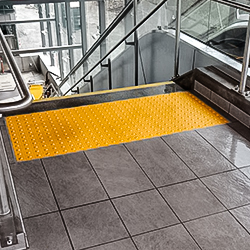
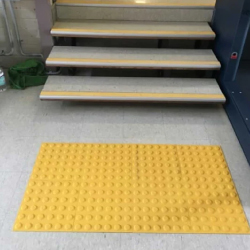
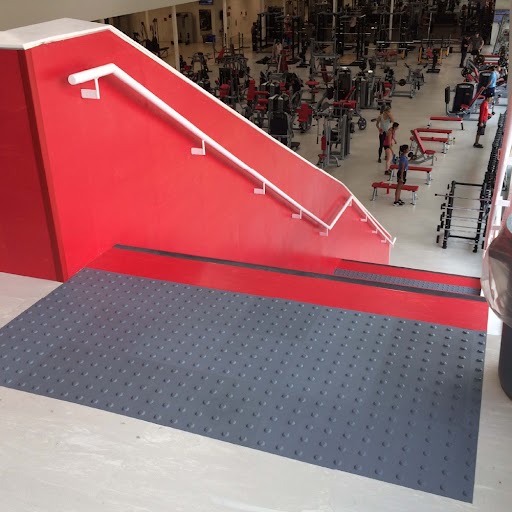
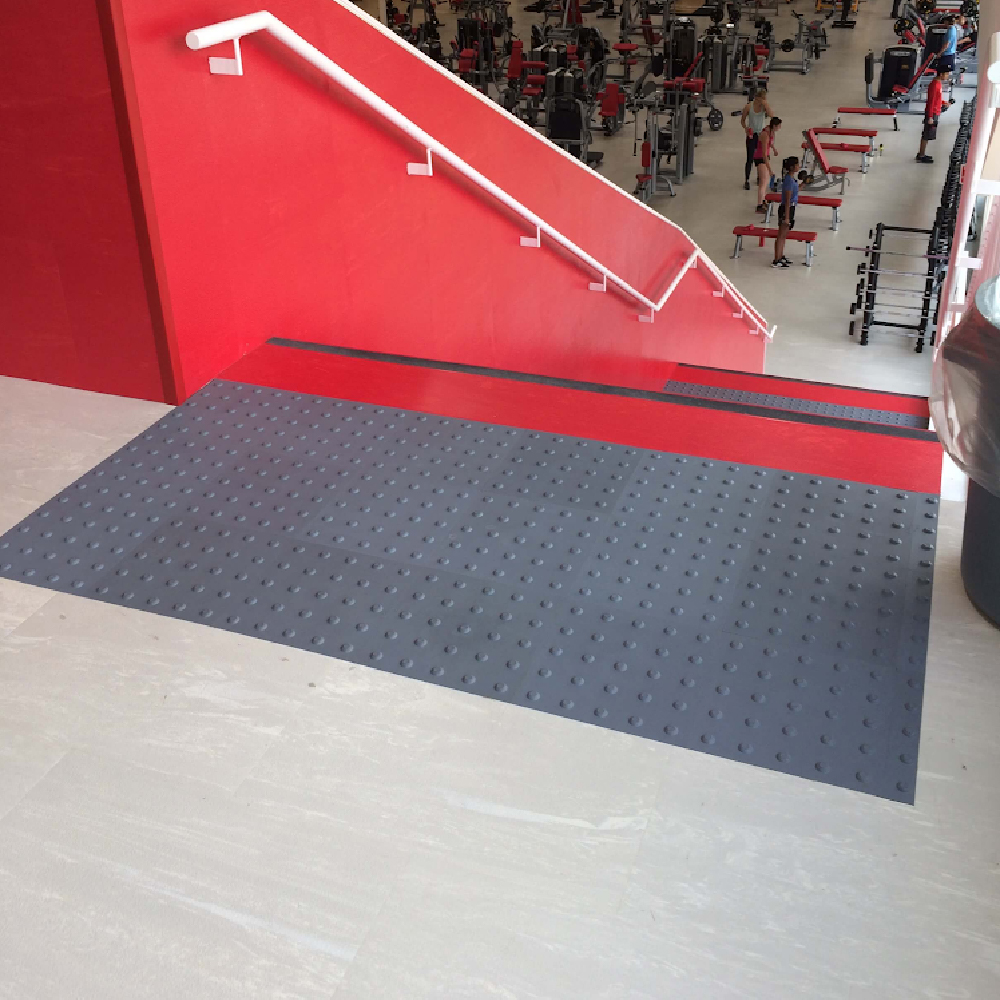
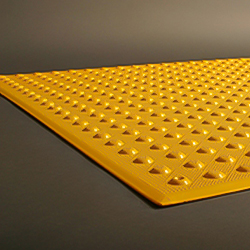
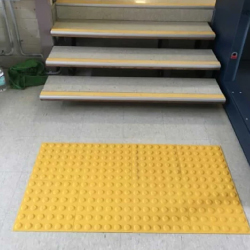
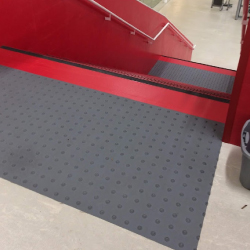
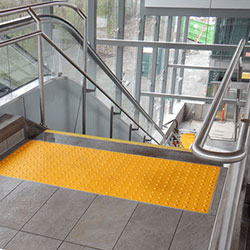
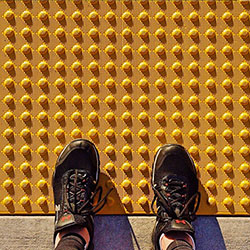
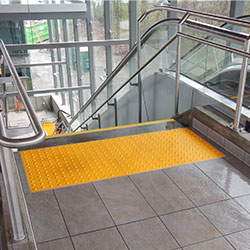
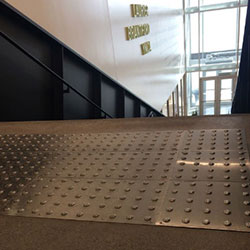
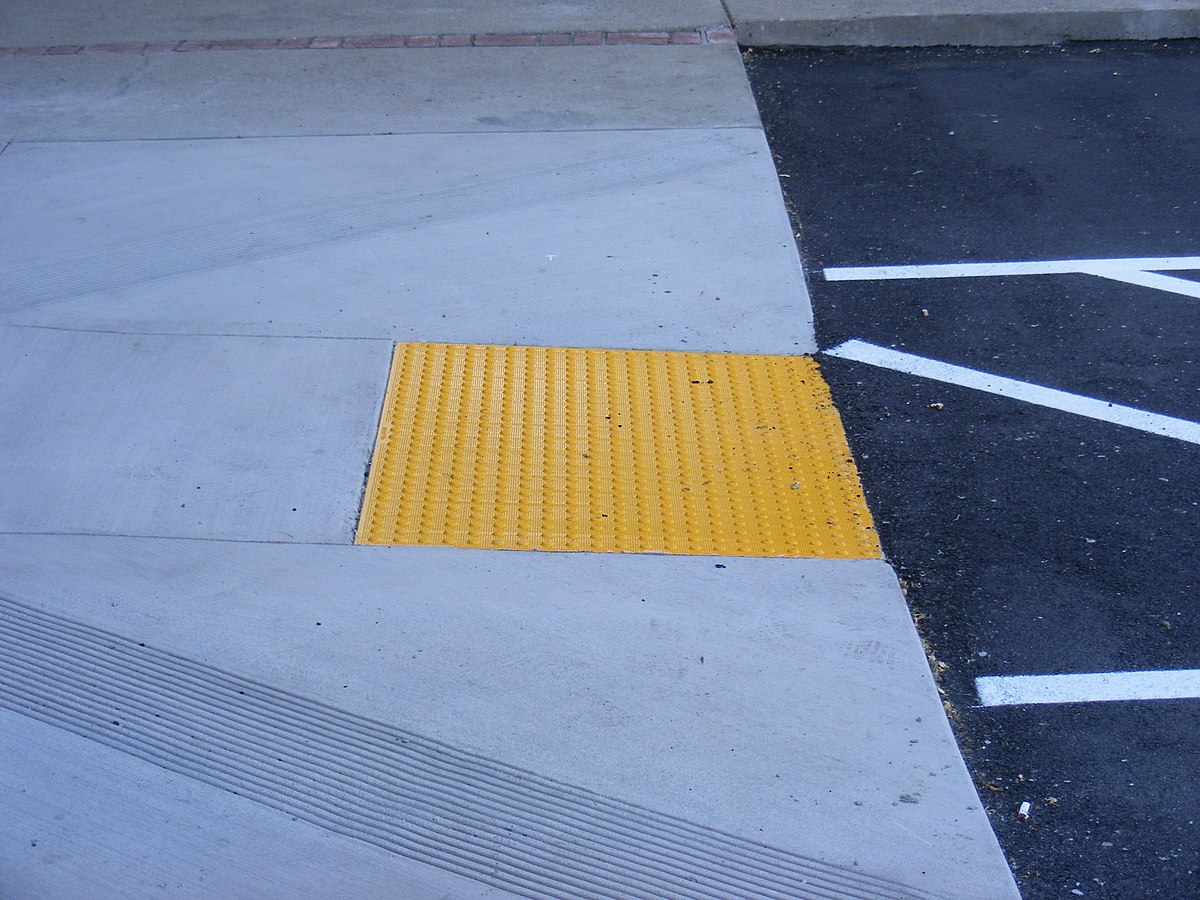
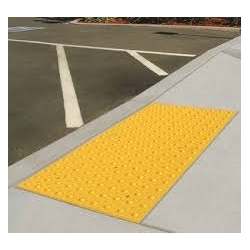
The building inspector walks in, clipboard in hand. He walks straight to the bottom of the grand staircase, looks at the tactile attention domes, and shakes his head.
"These aren't compliant, Mike. You have to rip them out."
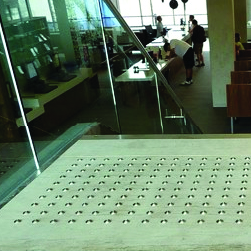
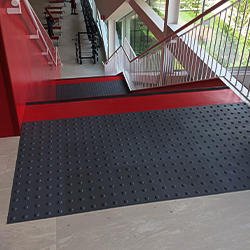
Mike’s heart sinks. He chose a subtle grey tile to match the aesthetic. But in doing so, he failed the contrast requirements of the AODA (Accessibility for Ontarians with Disabilities Act). Now, instead of handing over the keys, he is facing a delay and a bill for thousands of dollars in retrofitting costs.
At Tactile Solution Canada, we see this happen more often than you might think. Accessibility codes like the CSA B651 and OBC (Ontario Building Code) are strict because safety is non-negotiable. Ignoring them doesn't just risk a failed inspection; it risks fines of up to $100,000 per day for corporations.
Let’s look at the five most common installation mistakes we see across Canada and exactly how you can fix them before the inspector arrives.
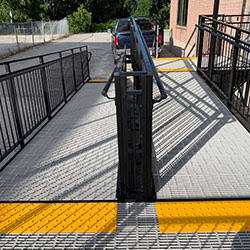
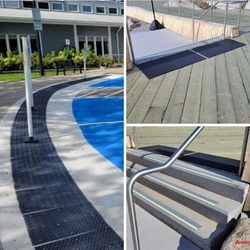
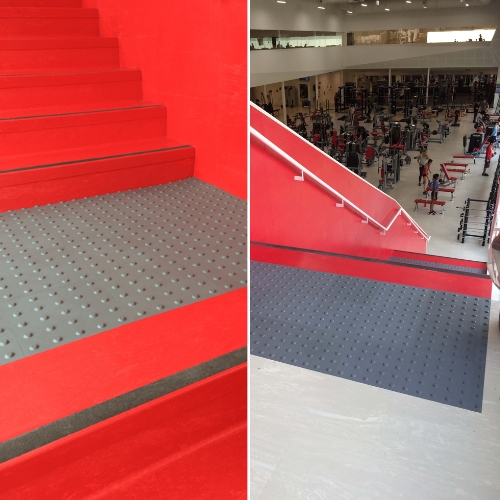
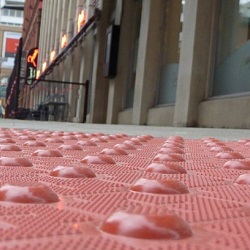
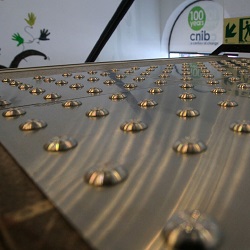
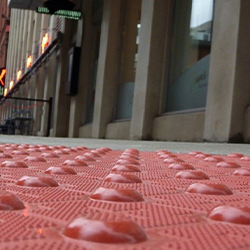
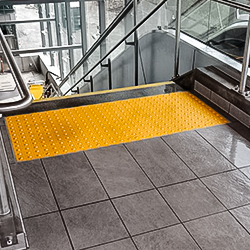
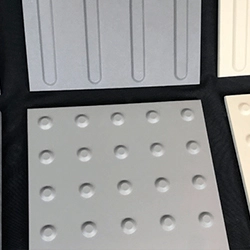
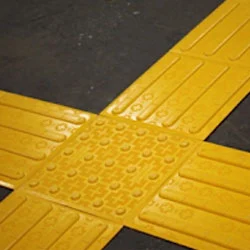
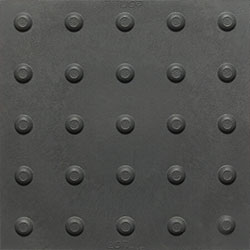
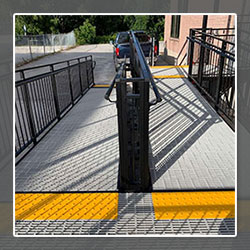
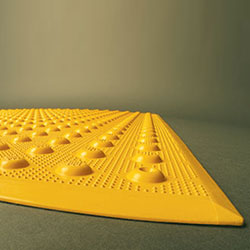
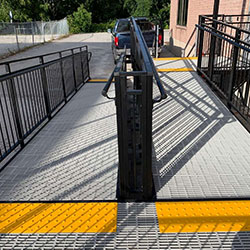
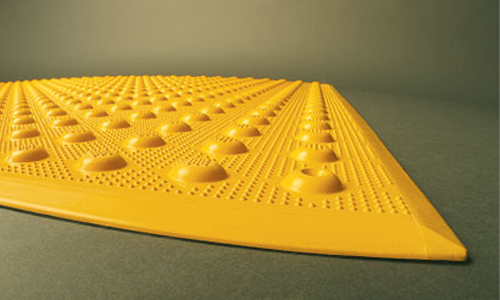
We get it. You want the tactile plates to blend in with the design. But the entire point of Tactile Warning or attention domes is to stand out.
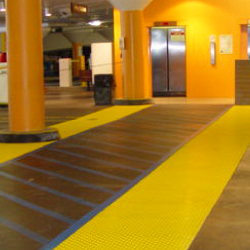
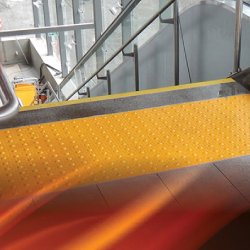
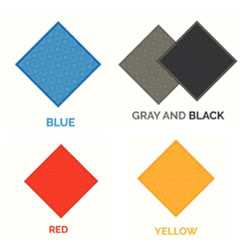
A common failure happens when installers choose a color that looks "nice" but lacks luminance contrast. For someone with low vision, a grey plate on a grey concrete floor might as well not be there.
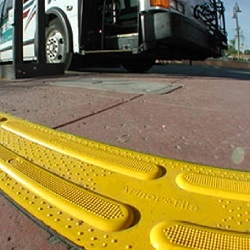
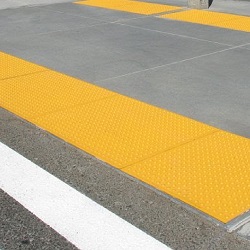
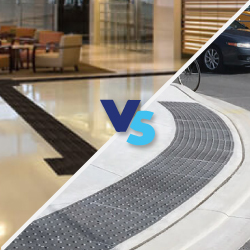
Canadian standards generally require at least a 50% to 70% visual contrast between the tactile surface and the surrounding floor. This ensures that someone with partial sight can distinguish the hazard before they step on it.
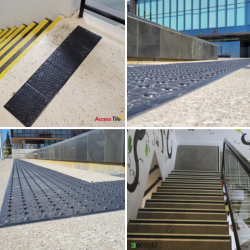
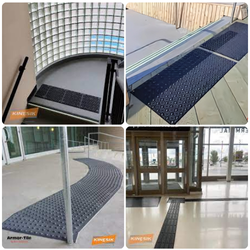
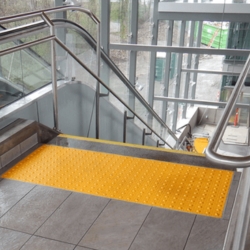
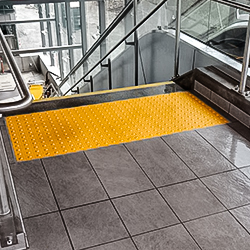
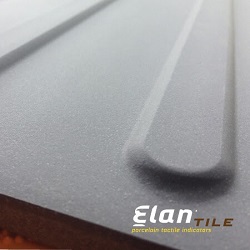
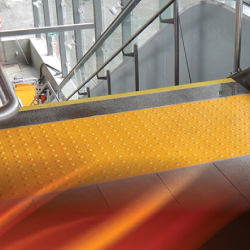
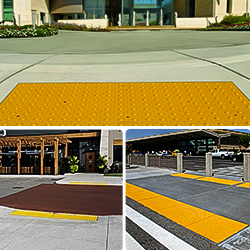
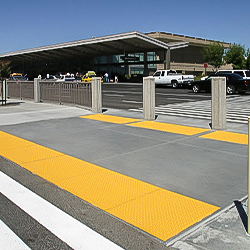
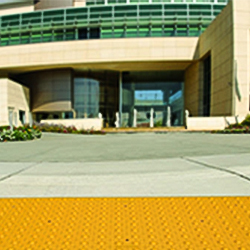
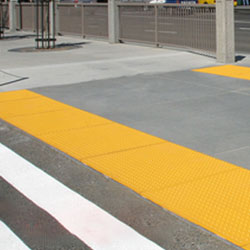
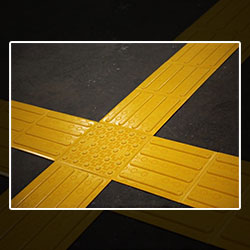
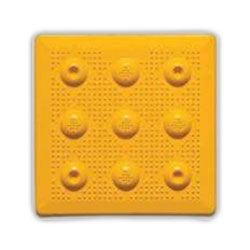
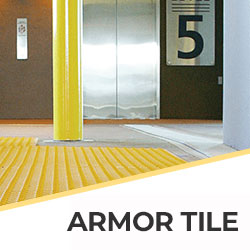
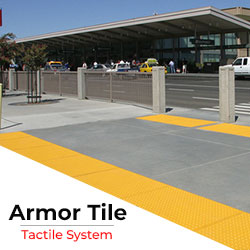
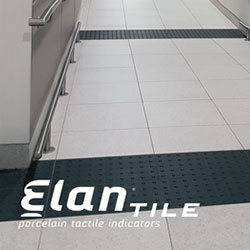
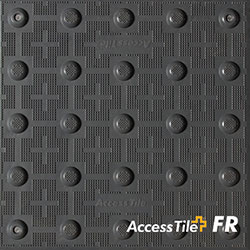
Don't guess. Use a light meter if you have to, or stick to the industry standard: Safety Yellow. If yellow clashes too much with your high-end lobby, consider AccessTile or ElanTile Porcelain in a color that provides the necessary contrast values against your specific flooring.
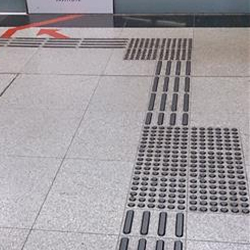
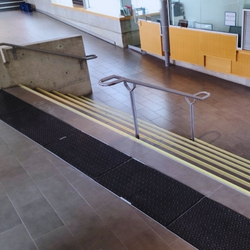
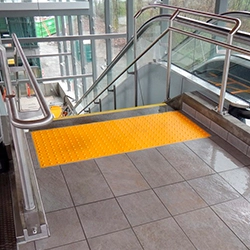
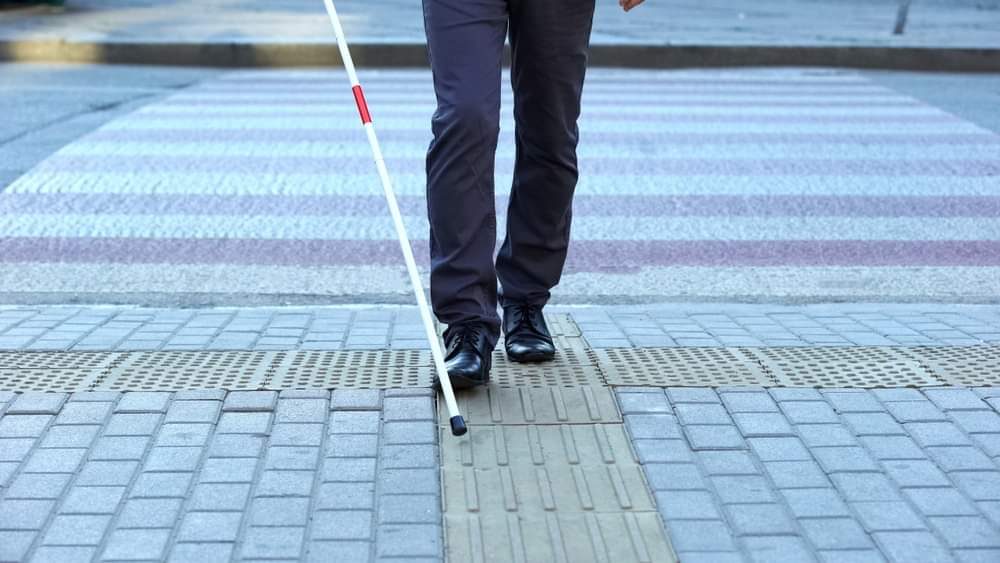
Spacing is everything. A major mistake is installing attention domes flush with the drop-off or, conversely, too far back.
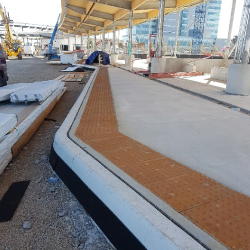
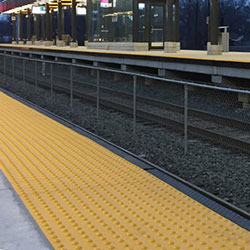
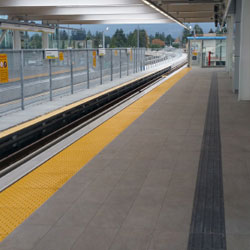
If you place the domes right at the edge of a train platform or the top of a flight of stairs, you aren't giving the person enough time to stop. They might feel the domes underfoot at the exact moment they are stepping into empty space.
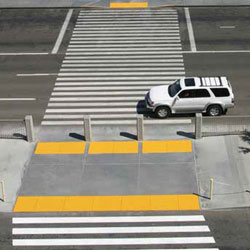
According to CSA B651 and ISO 23599, attention TWSIs (Tactile Walking Surface Indicators) must be installed with a specific setback.
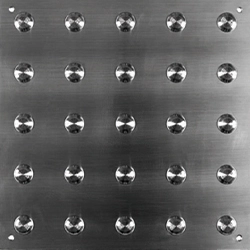
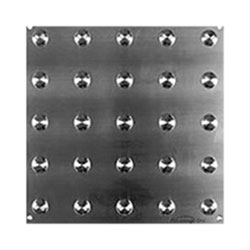
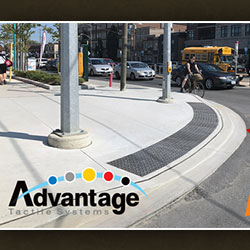
Always measure twice. Check the specific diagrams in the OBC or National Building Code (NBC) for your specific application (stairs vs. ramps vs. platform edges). When in doubt, call us. We can guide you on the exact placement for our Advantage Stainless Steel Domes or cast-in-place systems so you get it right the first time.
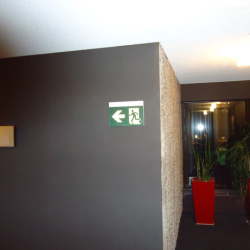
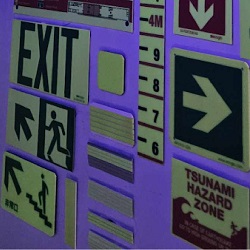
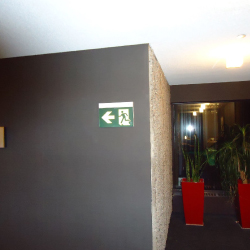
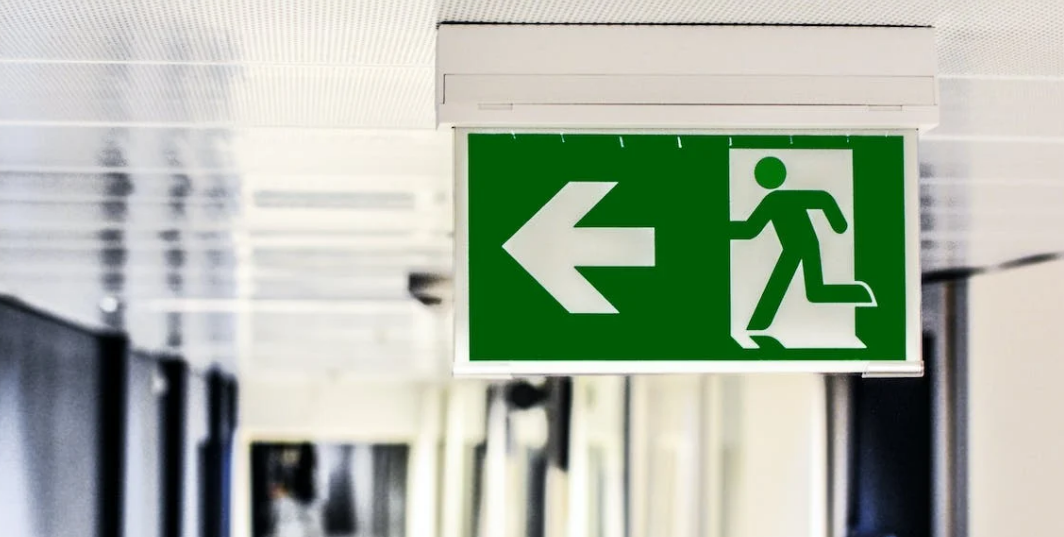
You installed the standard electric "EXIT" signs. You are good to go, right?
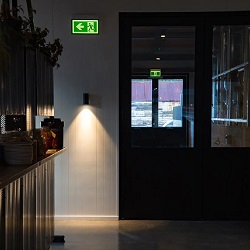
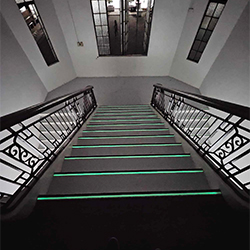
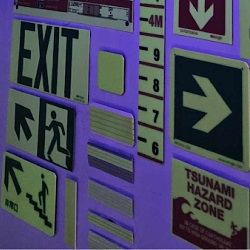
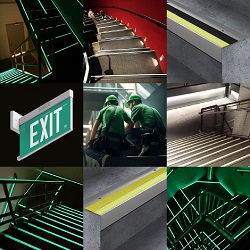
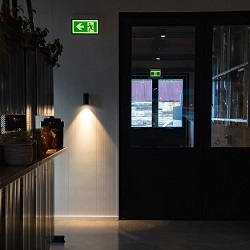
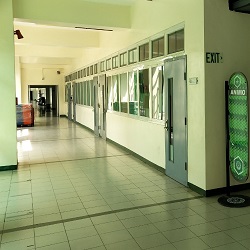
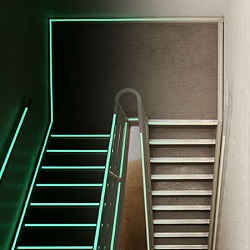
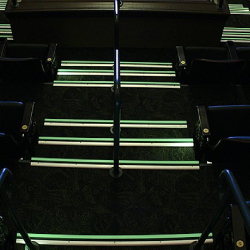
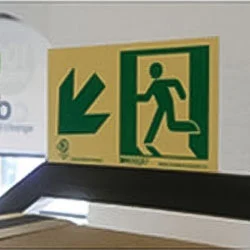
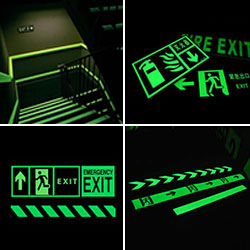
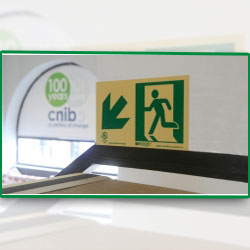
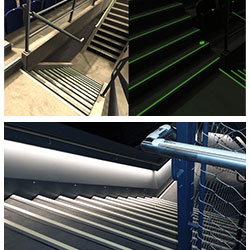
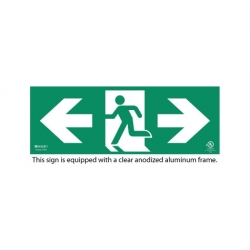
Not necessarily. In a fire or power outage, smoke can obscure high-mounted electric signs, and battery backups can fail. This is why strict codes now push for low-level exit path markings.
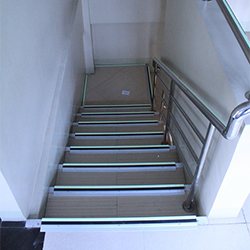
Relying solely on electrical signs and skipping the path-marking requirements found in NBC Section 1024. If the power cuts and the stairwell goes pitch black, your building is a liability.
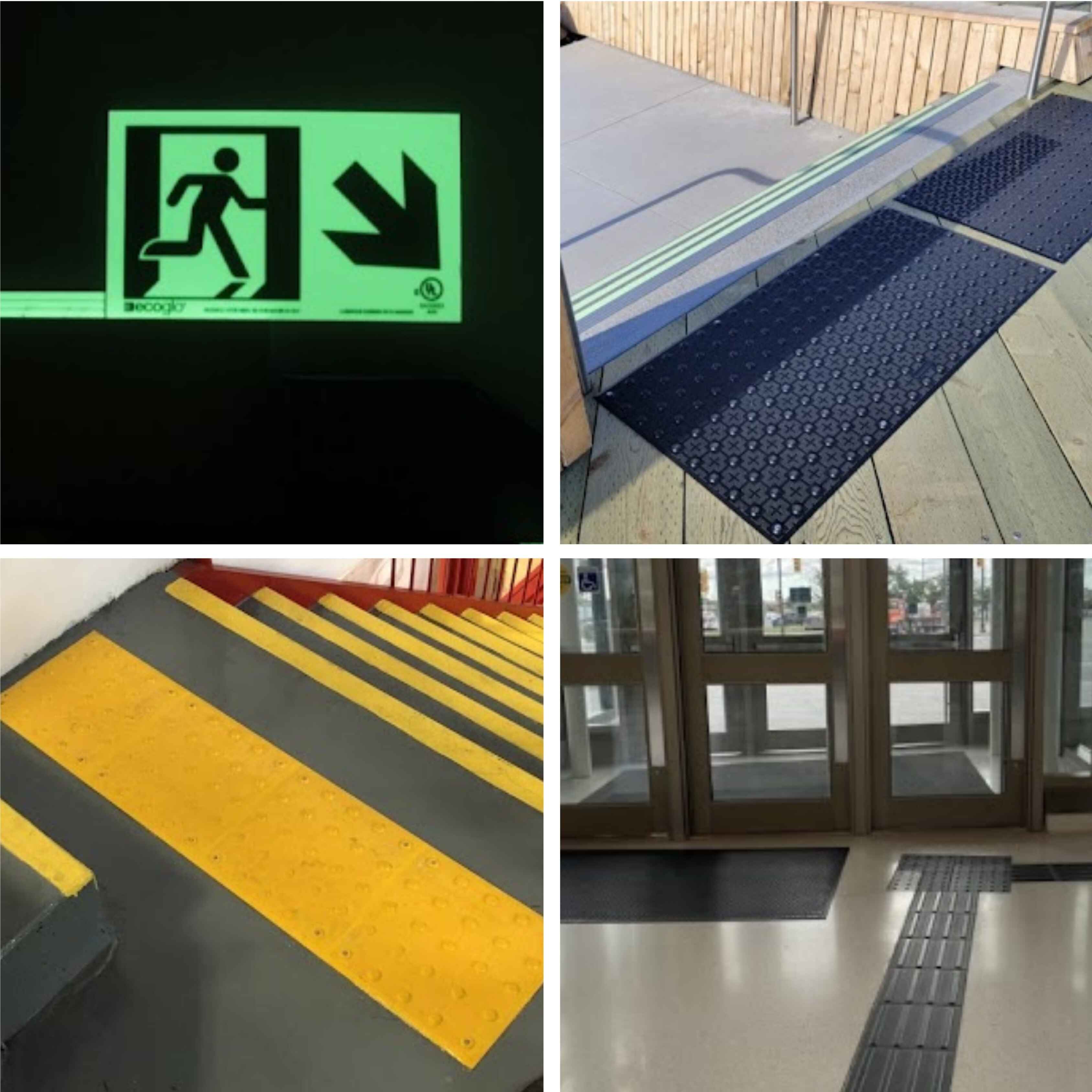
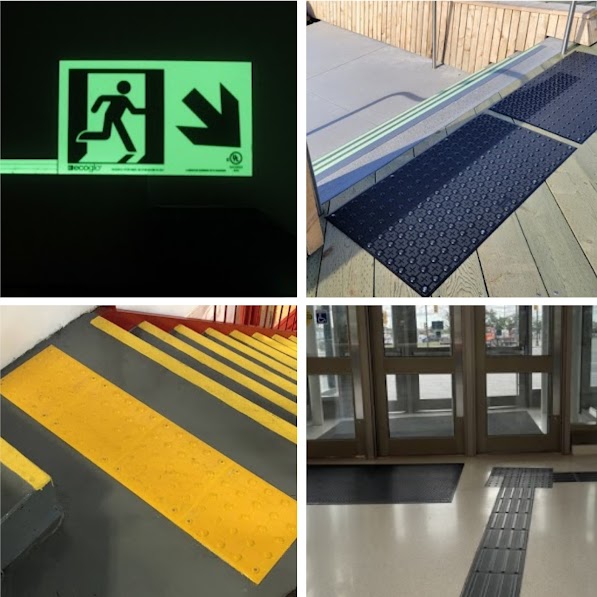
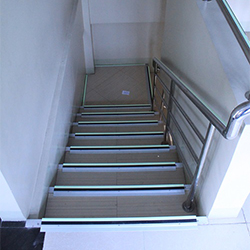
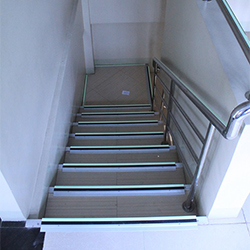
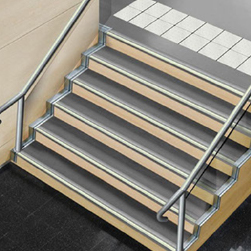
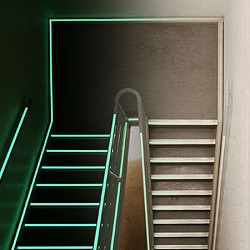
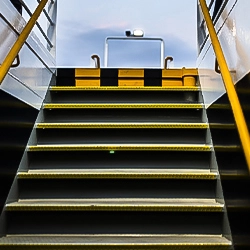
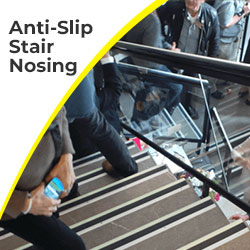
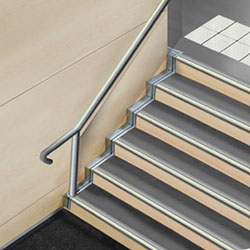
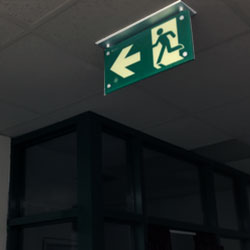
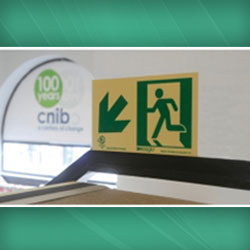
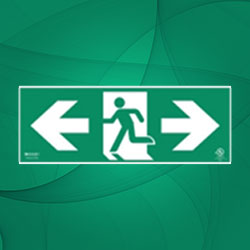
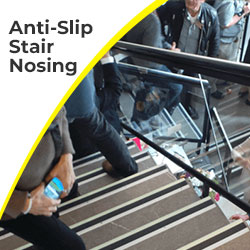
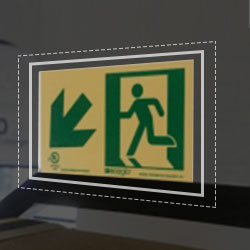
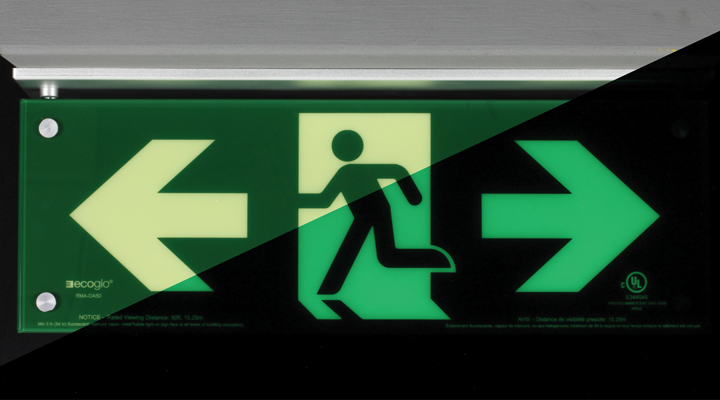
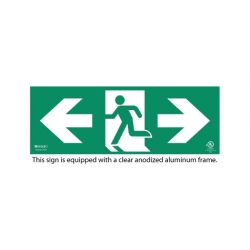
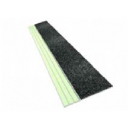
Install photoluminescent exit signs and photoluminescent stair nosing. Products like Ecoglo are a favorite in the Canadian market because they don't need batteries or wires. They charge from ambient light and glow brightly for hours in the dark.
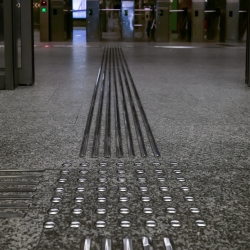
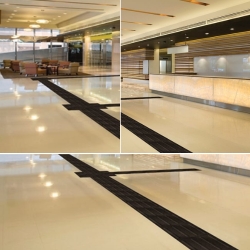
You put attention domes on the stairs and ramps. Great. But how does a visually impaired person find the reception desk in a 2,000-square-foot open lobby?
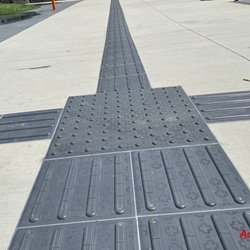
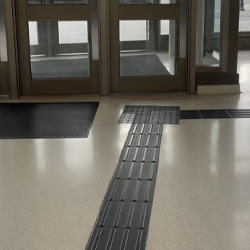
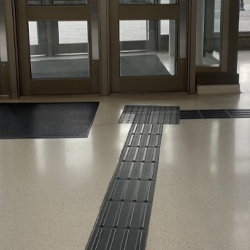
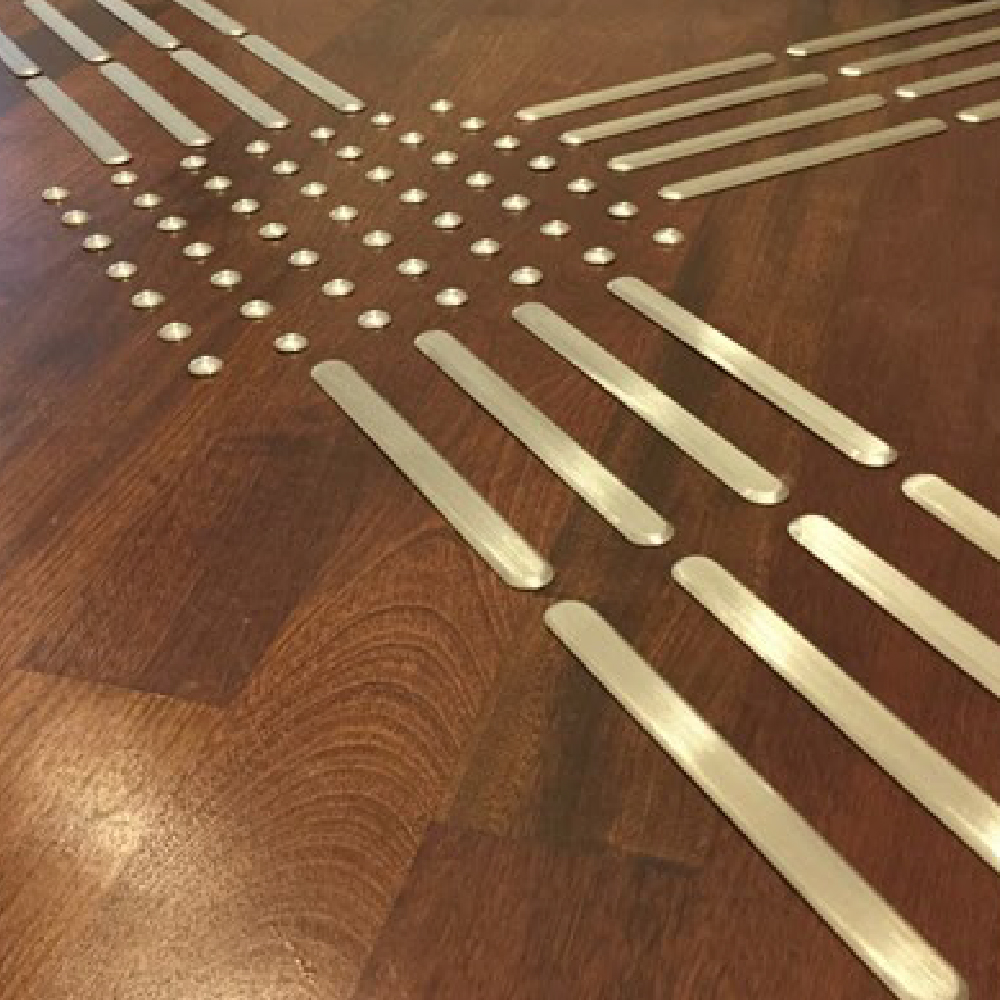
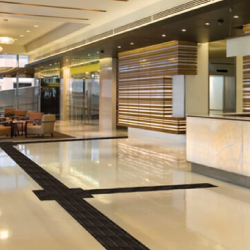
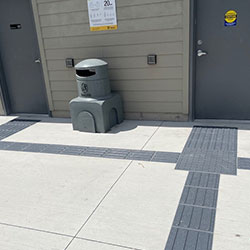
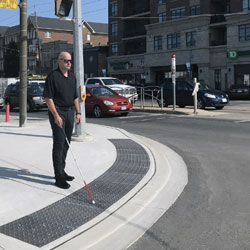
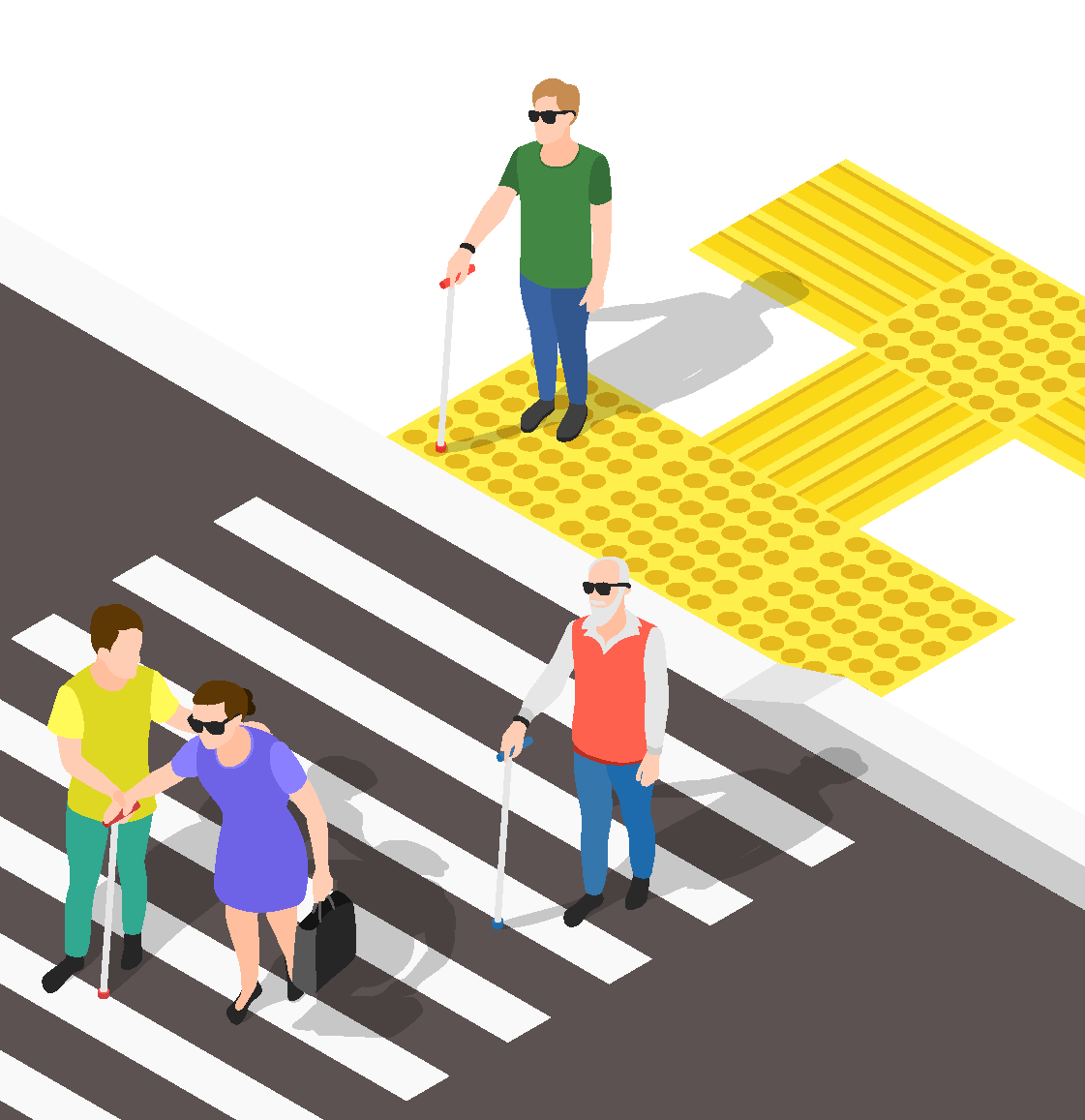
Treating accessibility as just "hazard marking." A huge open space is a maze for someone using a white cane. Without a defined path, they are left guessing where to go.
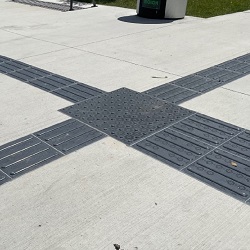
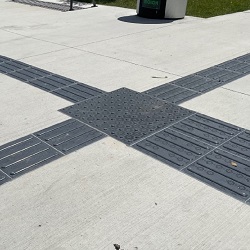
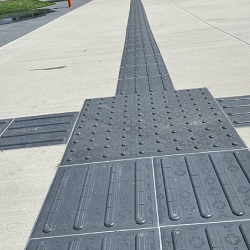
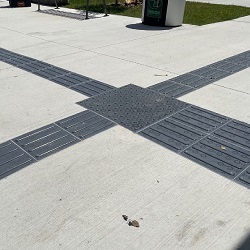
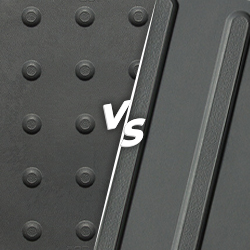
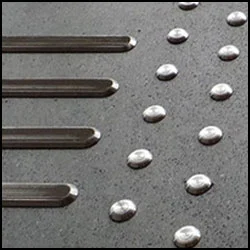
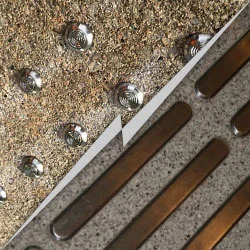
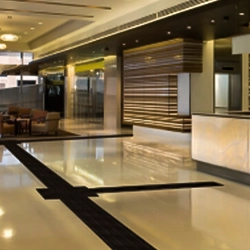
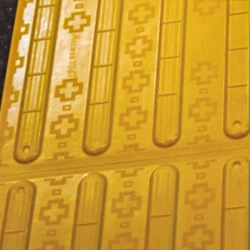
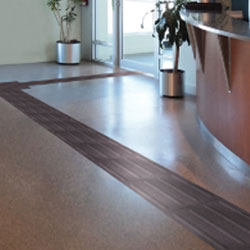
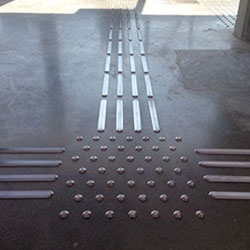
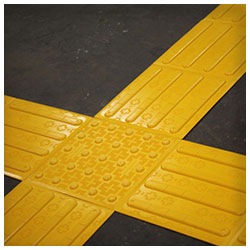
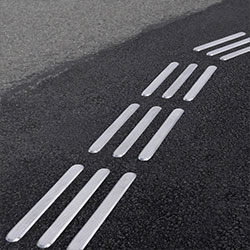
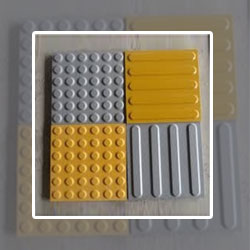
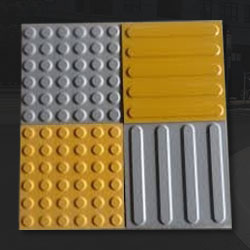
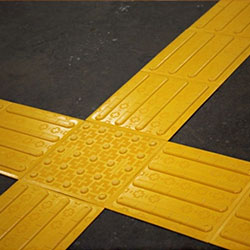
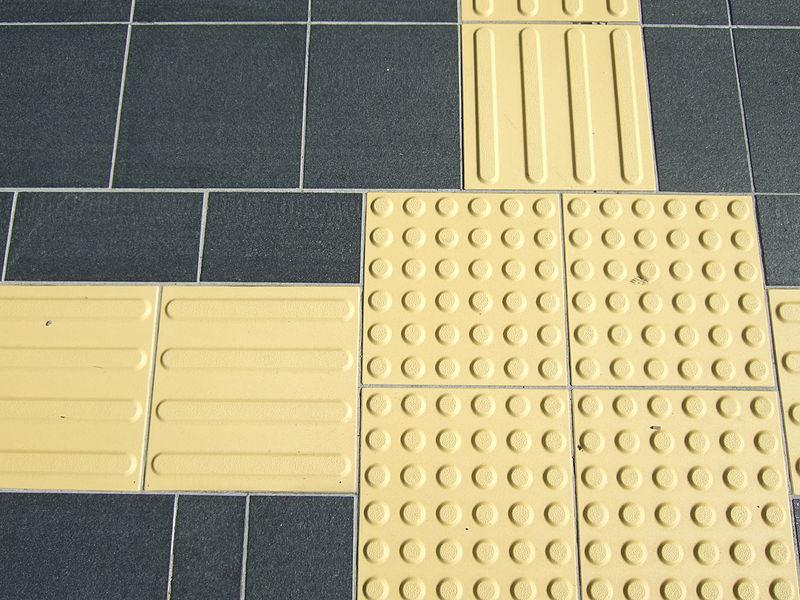
Use Guidance or Wayfinding bars. These are different from domes; they are long, flat-topped bars that indicate a safe path of travel.
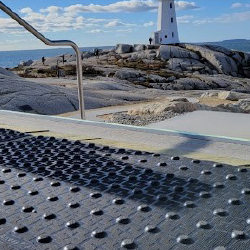
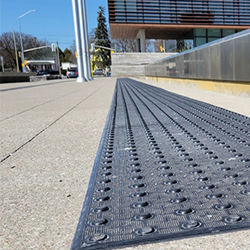
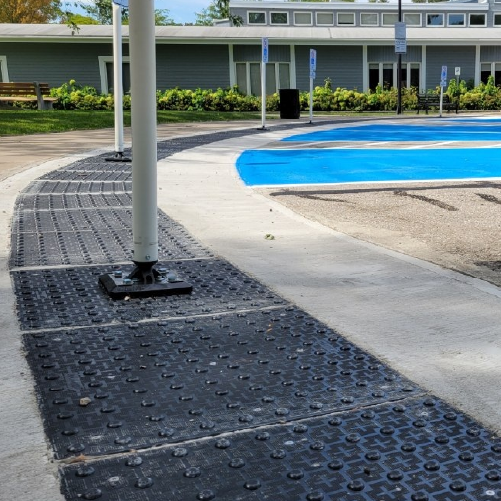
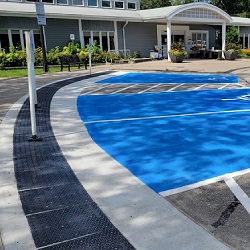
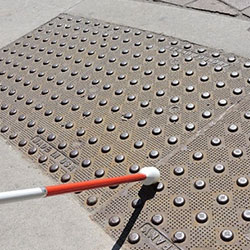
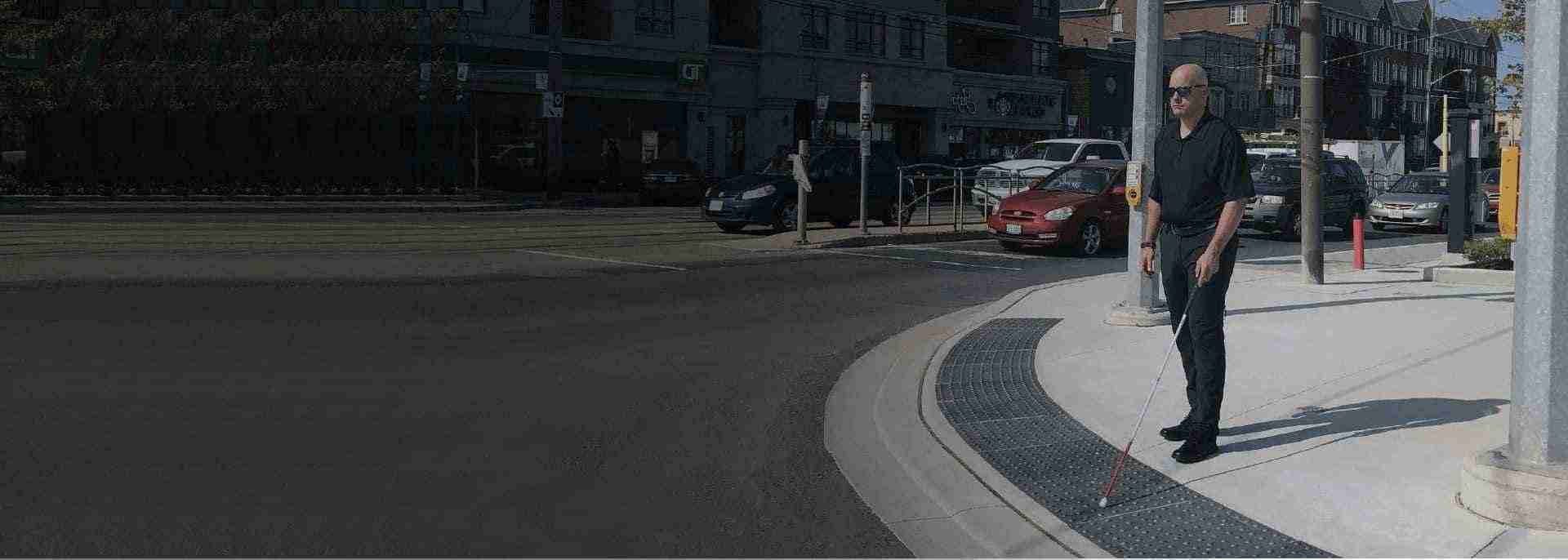
Canada has harsh weather. We all know this. Yet, we still see contractors using peel-and-stick tactile tiles meant for indoor, mild climates on outdoor sidewalks in Winnipeg or Ottawa.
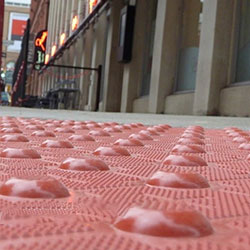
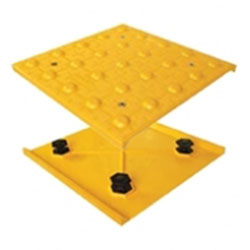
Using adhesive-only products on outdoor concrete. After one cycle of freeze-thaw and a few passes from a snowplow, those tiles will curl up, crack, and become a tripping hazard themselves.
For outdoor applications, durability is king.
"Meeting the code is step one. Making my space a haven for everyone? That's the goal." - A Toronto Building Owner
Fixing these mistakes after the fact is expensive. Retrofitting costs are typically three times higher than doing it right during the initial build. Plus, in 2025, accessibility upgrades are a smart investment. They boost your property value and widen your potential tenant pool.
At Tactile Solution Canada, we supply everything you need to pass that inspection on the first try. From non-photoluminescent stair nosing for high-traffic areas to complete Systems for the Visually Impaired, we have the expertise to help you build safer, more inclusive spaces.
Don't be like Mike. Get the details right, keep your project on schedule, and save yourself the headache of a failed inspection.
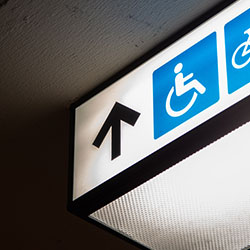
If your property is accessible to the public (like a store, office building, or condo lobby), generally yes. The AODA and NBC apply to public spaces to ensure safety for everyone.
No. Paint provides color contrast but not tactile contrast. A person using a cane needs to feel the texture change (the truncated domes) to know a hazard is approaching. Paint doesn't stop someone from walking off a ledge.
Fines can be severe. In Ontario, corporations can face fines of up to $100,000 per day for ongoing non-compliance.
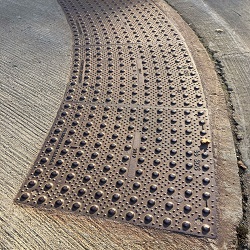
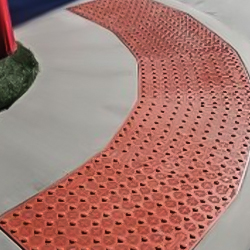
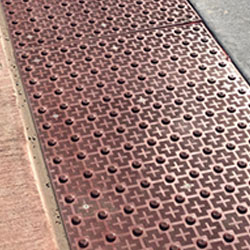
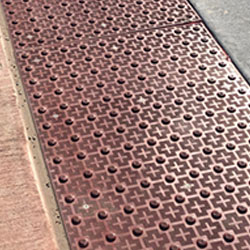
We recommend Cast-in-Place replaceable tiles for new sidewalks. They are extremely durable and handle snowplows well. For existing concrete, surface-mounted ArmorTile or AccessTile tactile tiles with proper anchors are excellent choices.
Yes, provided they meet the luminance standards (like ULC 572). Our Ecoglo signs meet these codes and are fully compliant for use in exit paths.