A staff kitchen can become difficult to use without a single alteration to its floor plan. A recycling bin moves beneath the sink. A drying rack occupies the clear counter space. A mixer handle becomes stiff, but the maintenance team closes the inspection because water still flows.
Shared showers develop similar problems. Cleaning staff return a handheld shower to the highest position on its rail. A replacement hose catches on nearby fittings. A control marking wears away, leaving users to discover its function by trial and error.
For facility managers responsible for workplaces, recreation centres and other shared buildings, accessibility needs attention throughout operation. The useful question is whether people can still complete everyday tasks independently after cleaning, repairs and equipment changes.
Handover information should explain how an amenity is intended to work. Alongside drawings, product references and maintenance manuals, record the approved arrangement of controls, dispensers, storage and movable furniture. Photographs can help cleaning and maintenance teams restore that arrangement consistently.
At a shared kitchen sink, identify the approach space, any required knee clearance and the counter area intended for setting down a cup or container. For a shower, record the relationship between the seat, controls, handheld spray and grab bars. A photograph of the fittings alone will miss those relationships.
This operational record supports ongoing checks; it does not establish that the original design was compliant. Applicable provincial or territorial requirements, approved project documents and the relevant technical specifications remain the basis for assessing the installation.
An accessible doorway is only part of the journey. Follow the route through the room to the position where someone fills a kettle, operates a mixer or transfers to a shower seat. Look for obstructions introduced during ordinary use, including supply boxes, laundry baskets, mobile shelving and cleaning carts.
Pay particular attention to items that staff consider temporary. A trolley parked for half an hour can make an amenity unavailable during the only break a person has. Provide a practical storage location so keeping the route clear does not depend on repeatedly moving the same obstruction elsewhere.
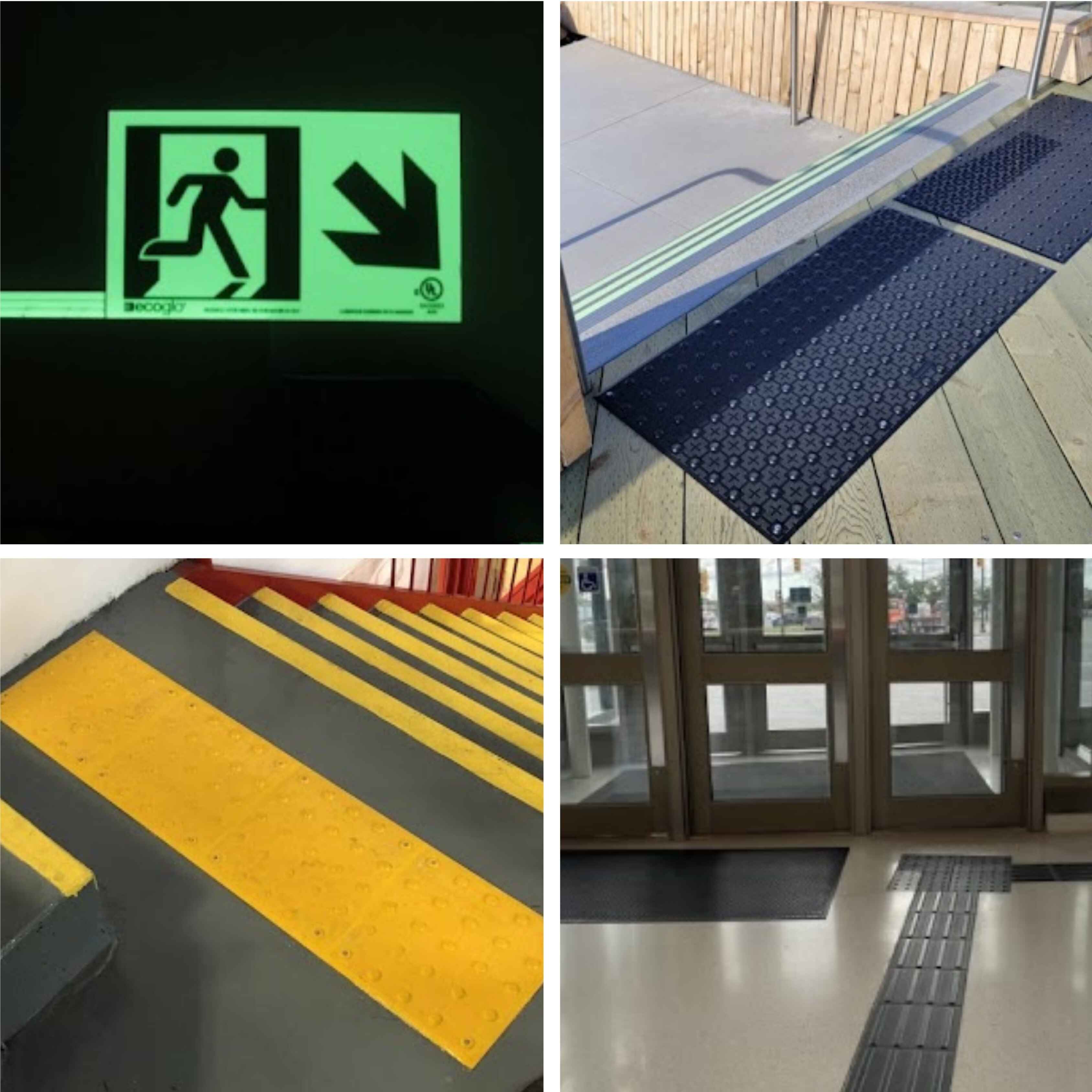
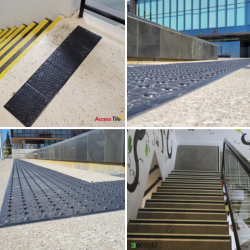
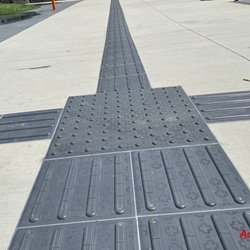
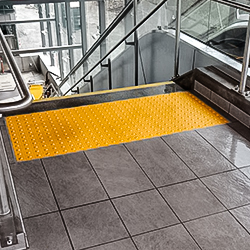
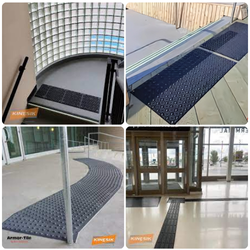
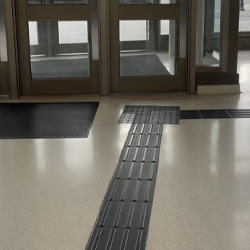
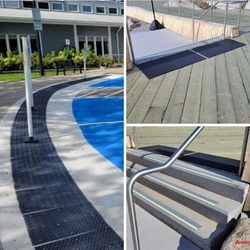
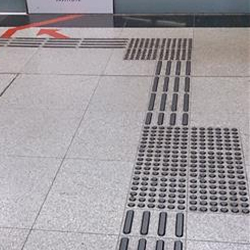
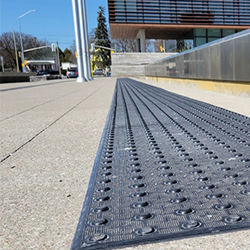
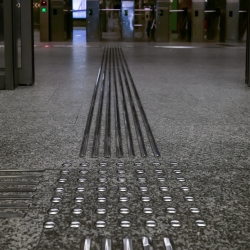
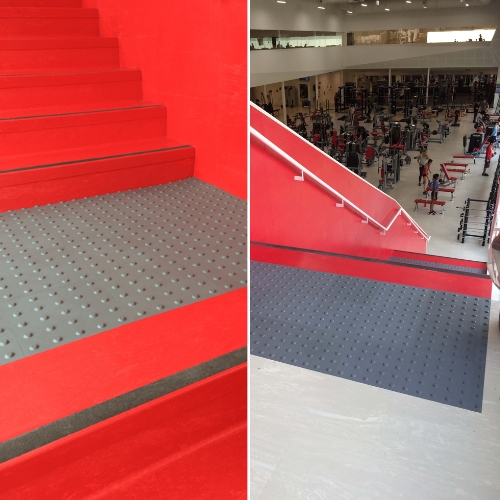
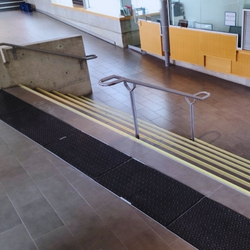
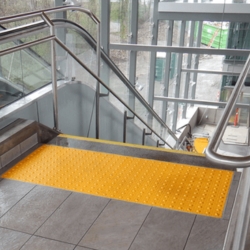
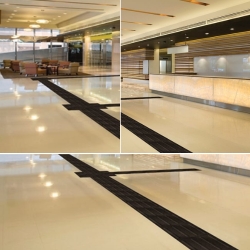
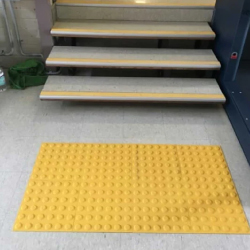
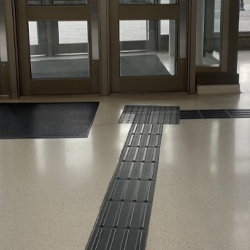
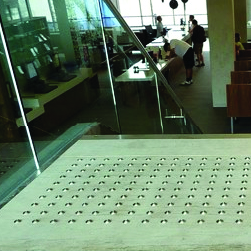
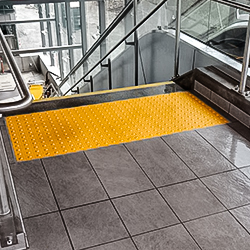
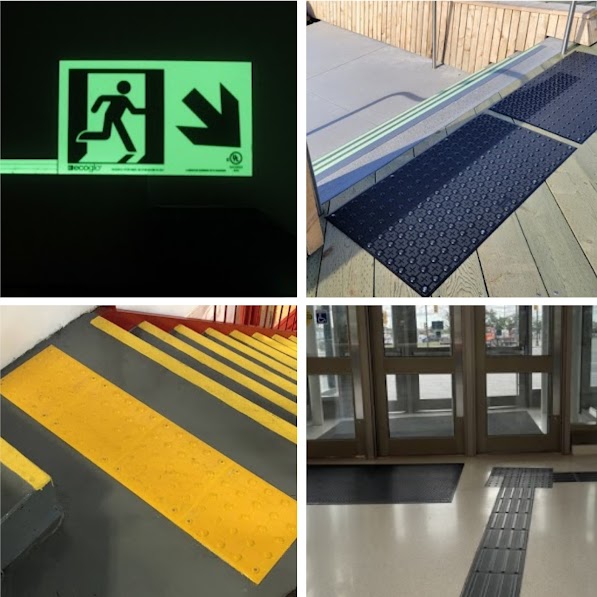
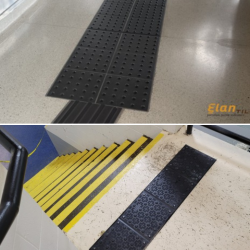
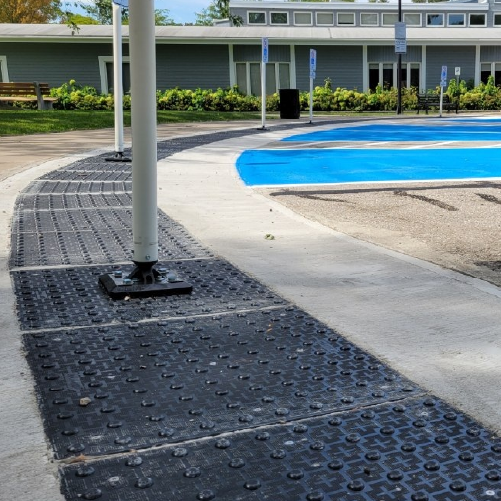
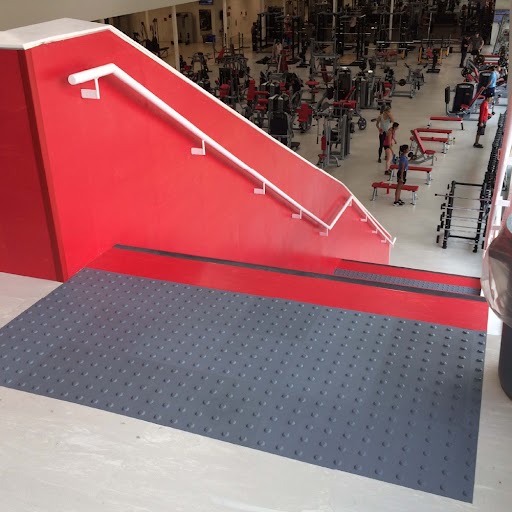
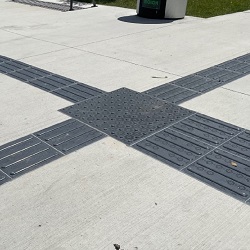
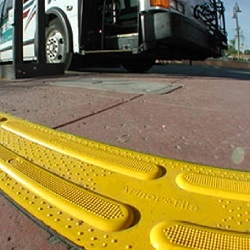
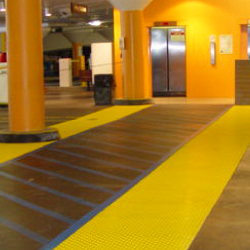
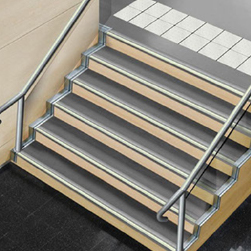
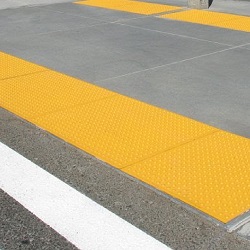
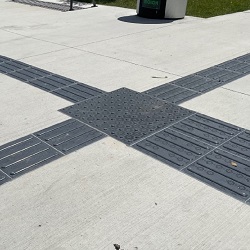
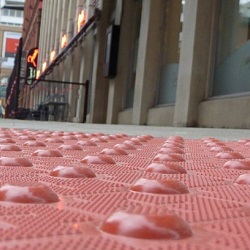
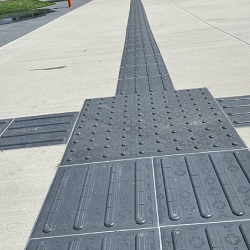
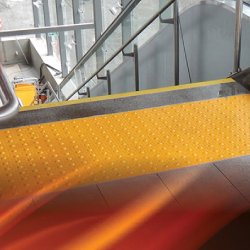
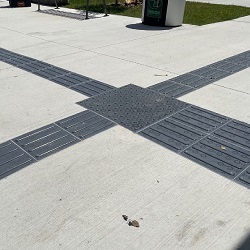
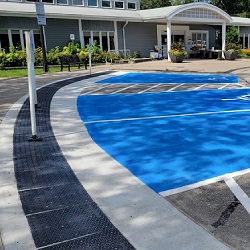
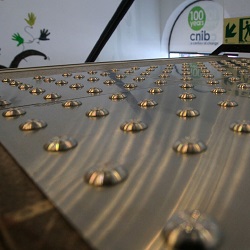
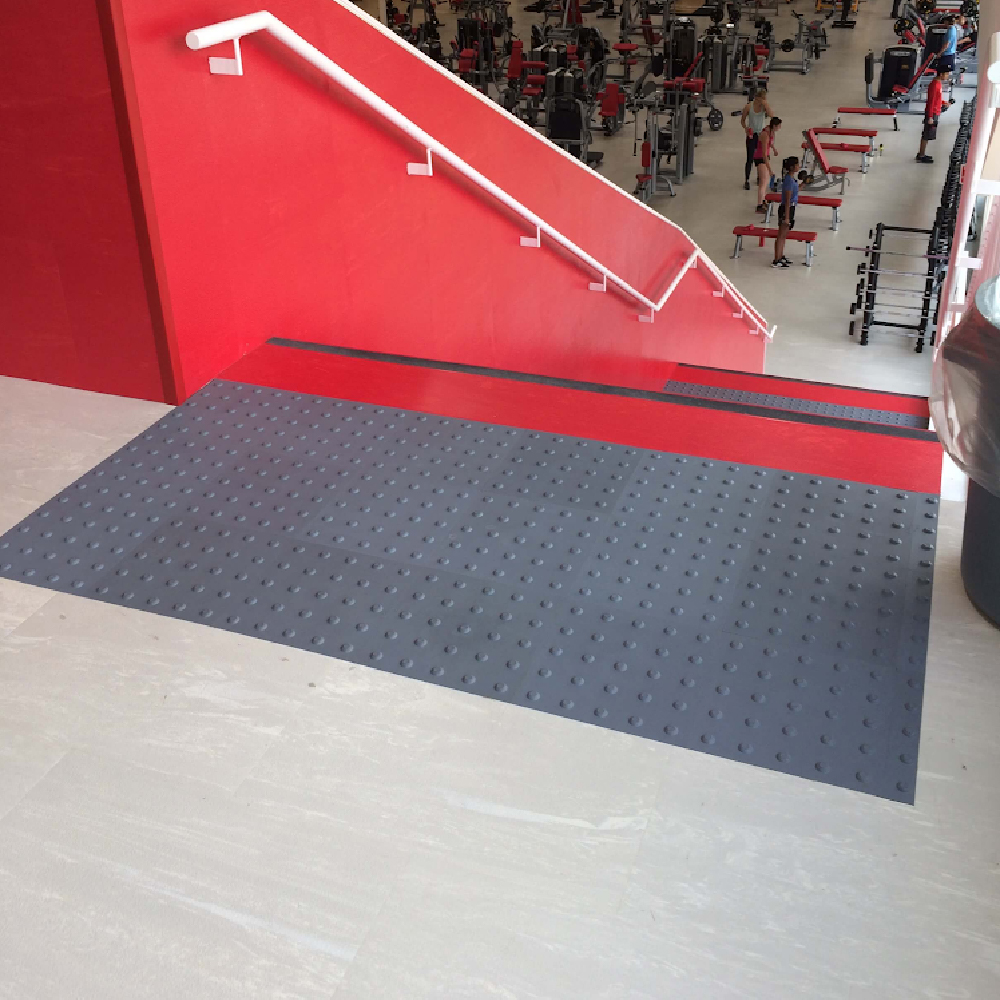
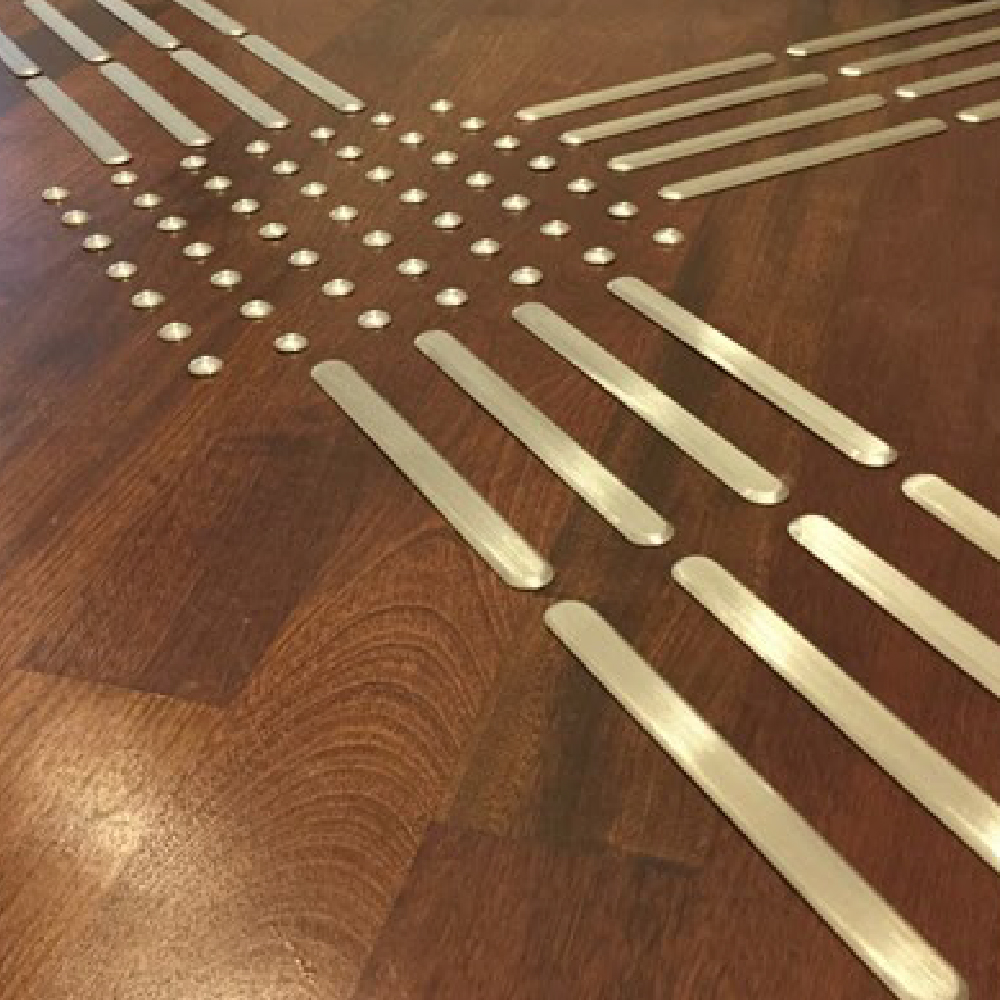
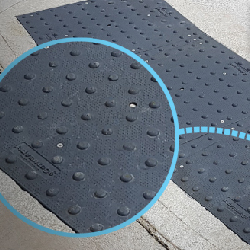
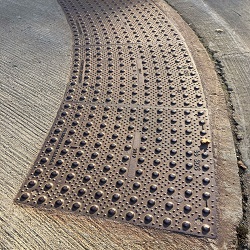
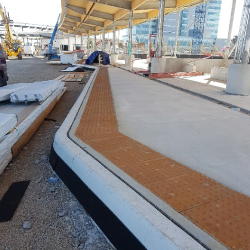
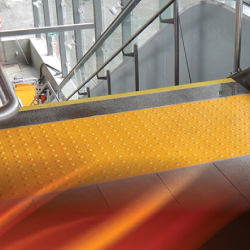
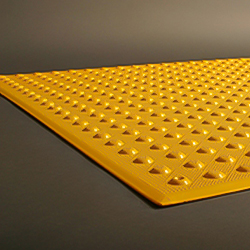
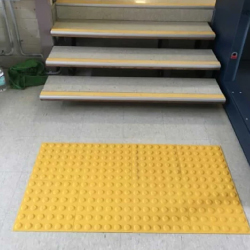
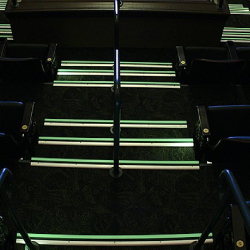
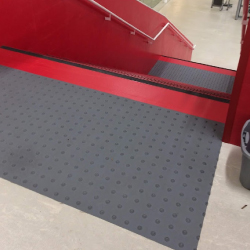
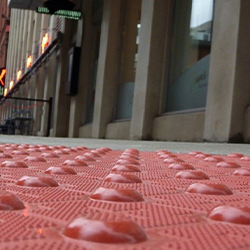
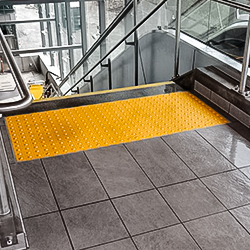
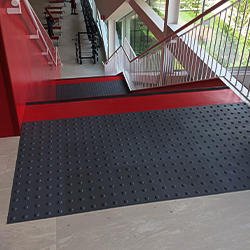
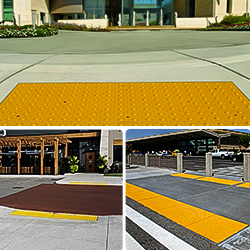
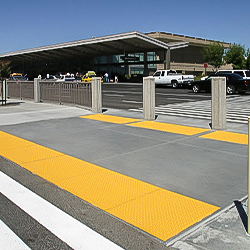
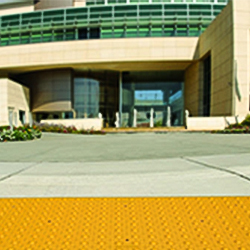
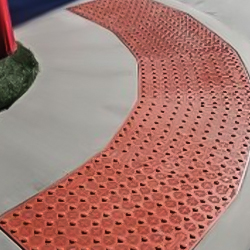
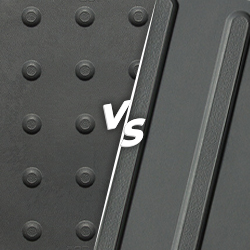
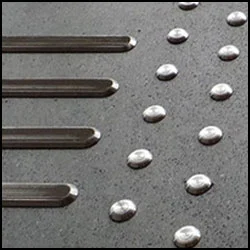
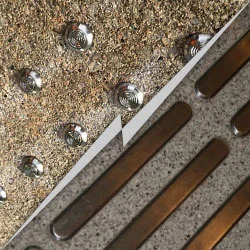
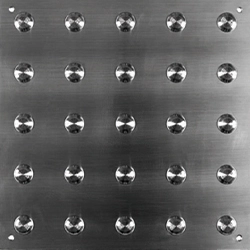
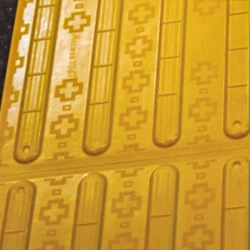
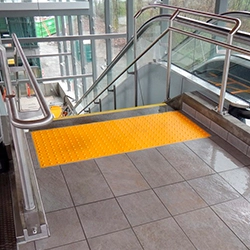
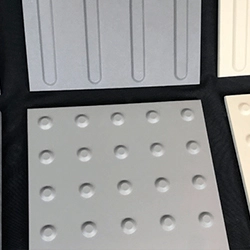
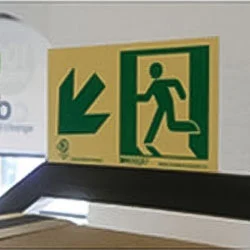
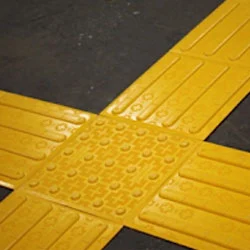
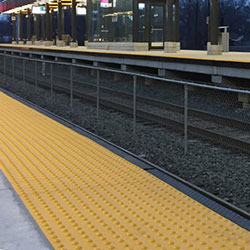
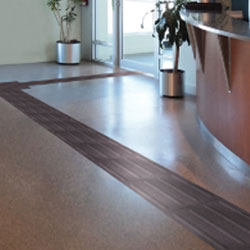
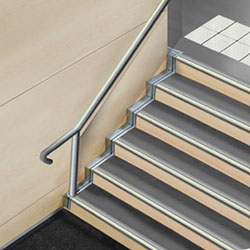
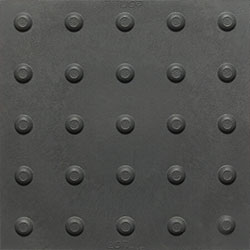
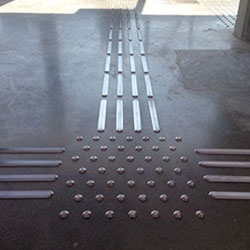
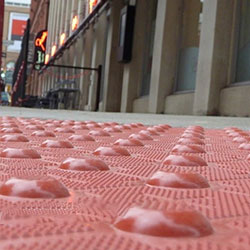
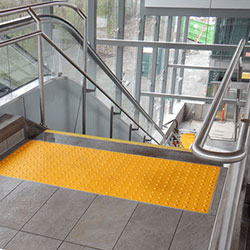
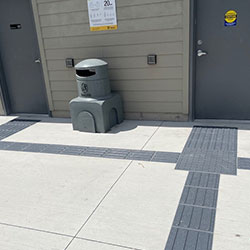
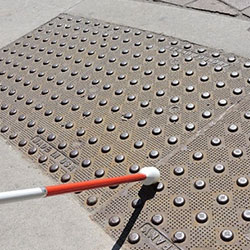
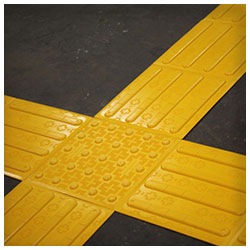
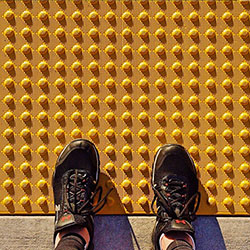
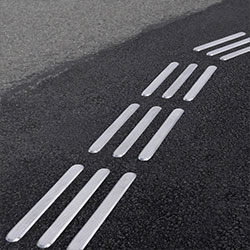
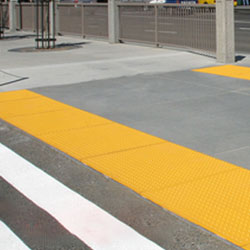
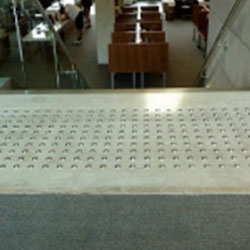
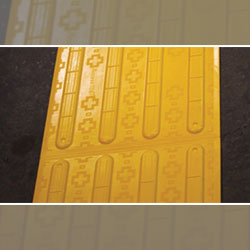
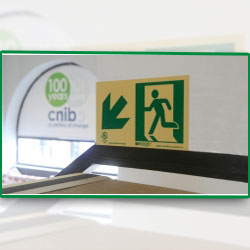
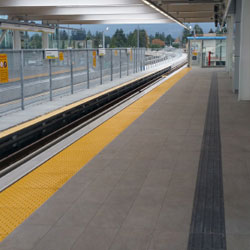
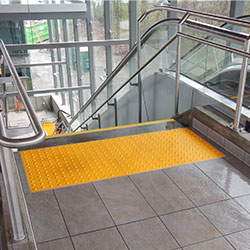
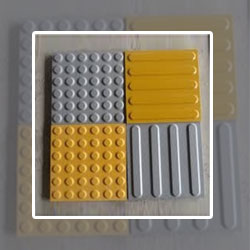
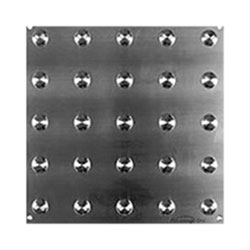
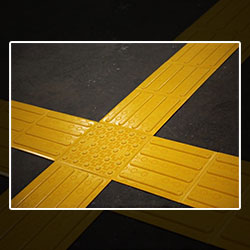
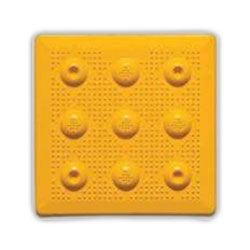
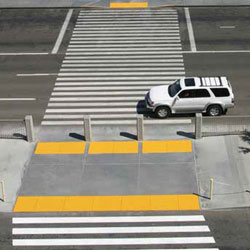
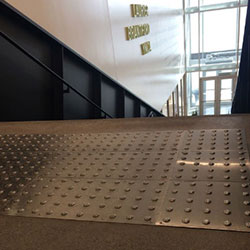
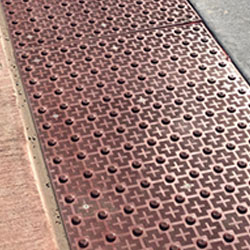
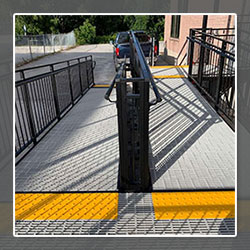
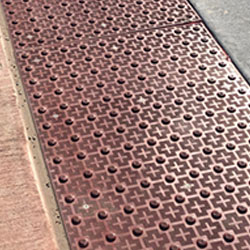
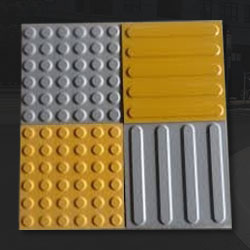
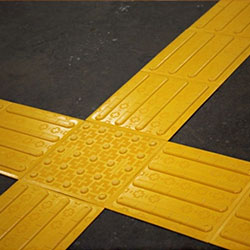
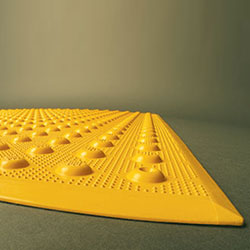
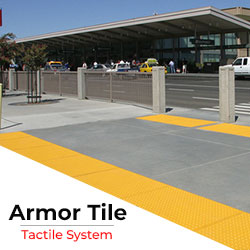
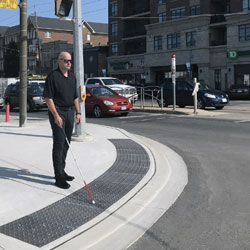
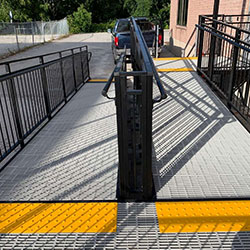
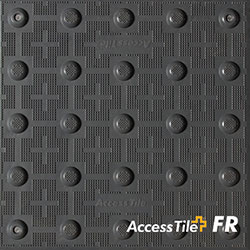
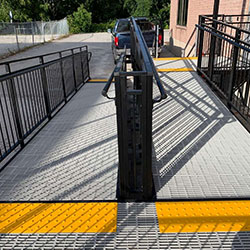
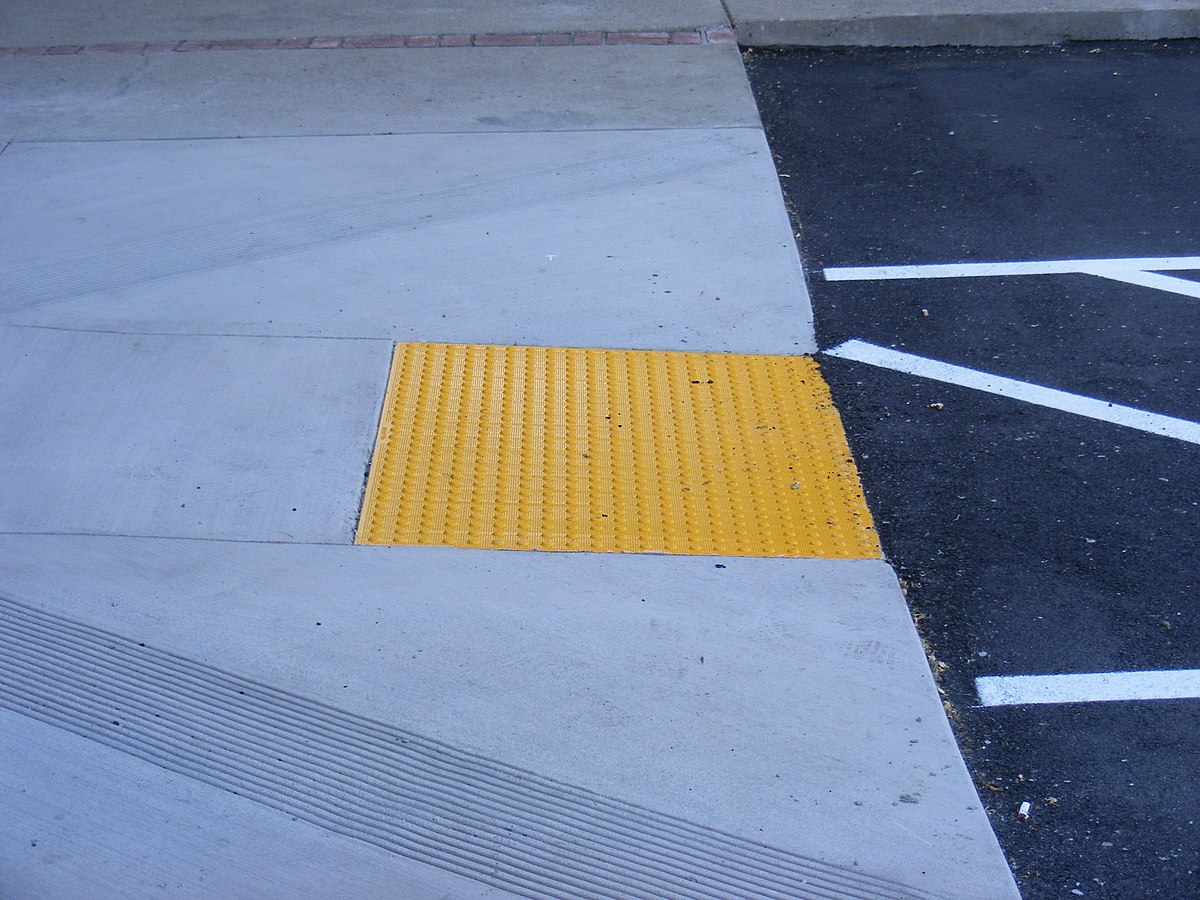
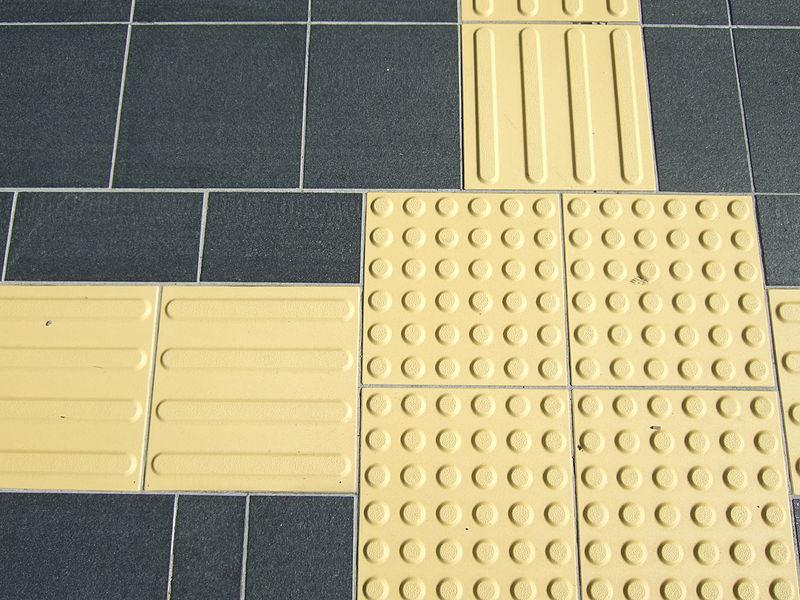
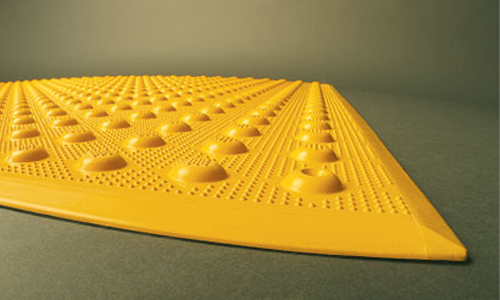
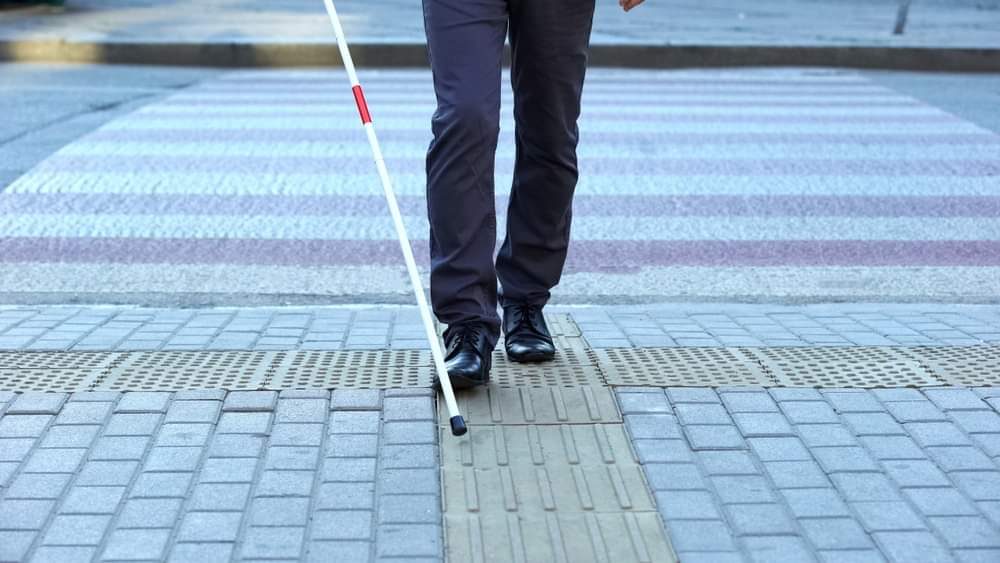
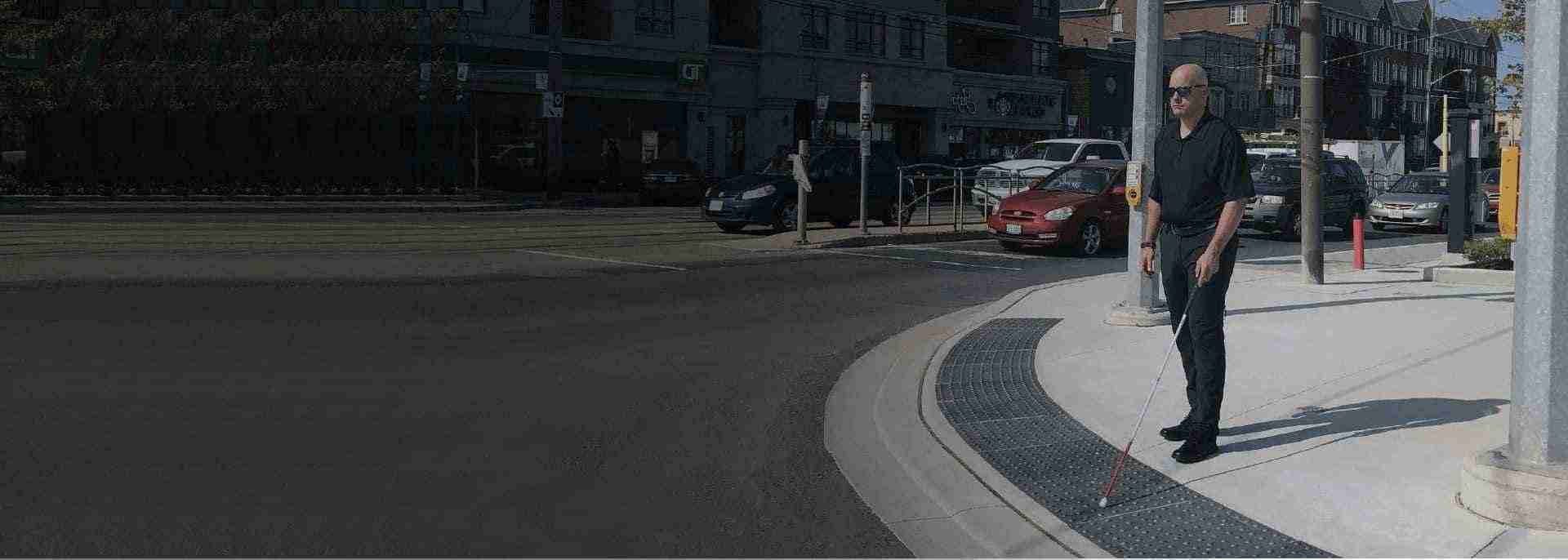
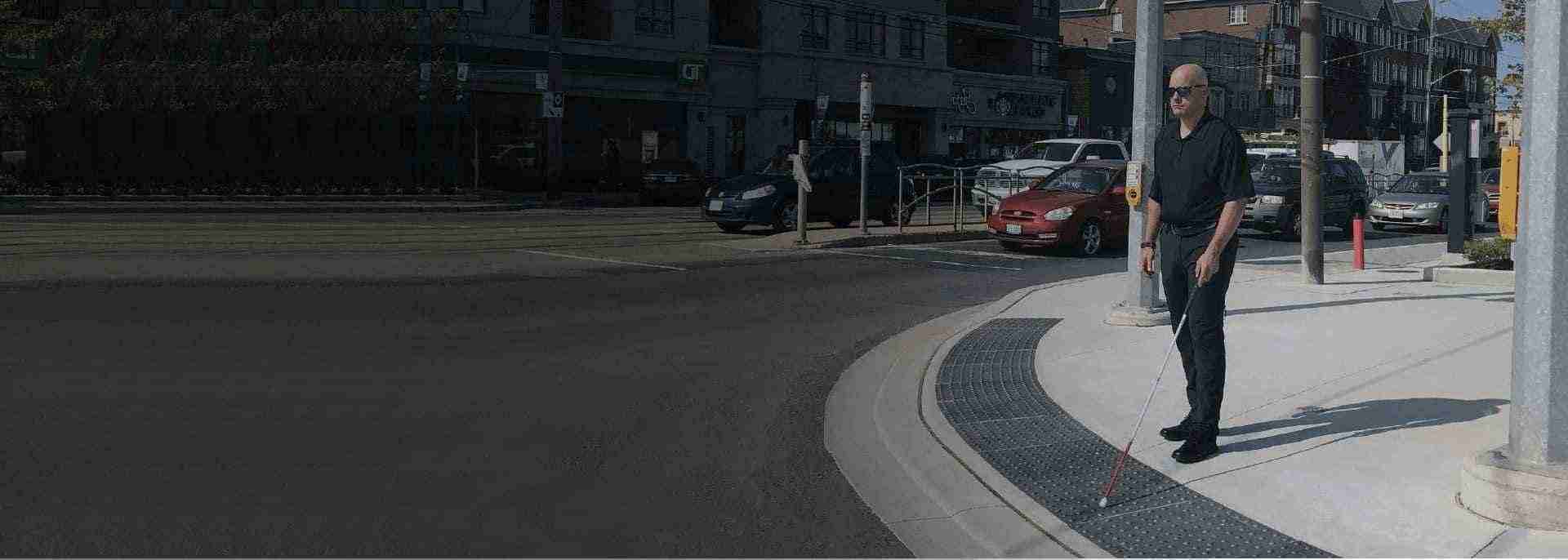
Where tactile indicators and wayfinding features are already installed, keep them visible, unobstructed and in good condition. Inside the amenity, check for loose mats, damaged flooring and persistent water accumulation. Recurring wet patches need investigation into leakage, drainage, cleaning practices or splashing rather than repeated placement of a warning sign.
A plumbing inspection may confirm that a tap opens, closes and does not leak. An accessibility review also considers whether a person can approach it, identify the control, operate it and use the water without an awkward stretch.
Consider a simple task such as filling a mug. Is there somewhere reachable to put it down? Does the spout deliver water into a useful part of the bowl? Can the handle travel through its full operating movement without striking the backsplash or an adjacent dispenser?
When comparing replacement kitchen taps, assess the control position and movement alongside the mounting dimensions. A fitting that occupies the same hole can place its handle farther away or require a different grip. Obtain the relevant technical information and evaluate it against the intended users and the project requirements before ordering.
Pull-out sprays deserve a separate check. Observe whether the head releases and docks smoothly, whether the hose moves freely, and whether users must keep pulling against resistance to complete a task. Inspect the space below the sink as well: stored supplies can obstruct the hose mechanism or occupy clearance intended for a seated user.
Include people with disabilities in reviewing the arrangement. A standing staff member reaching across the counter cannot establish how the sink works for someone approaching in a wheelchair or using one hand.
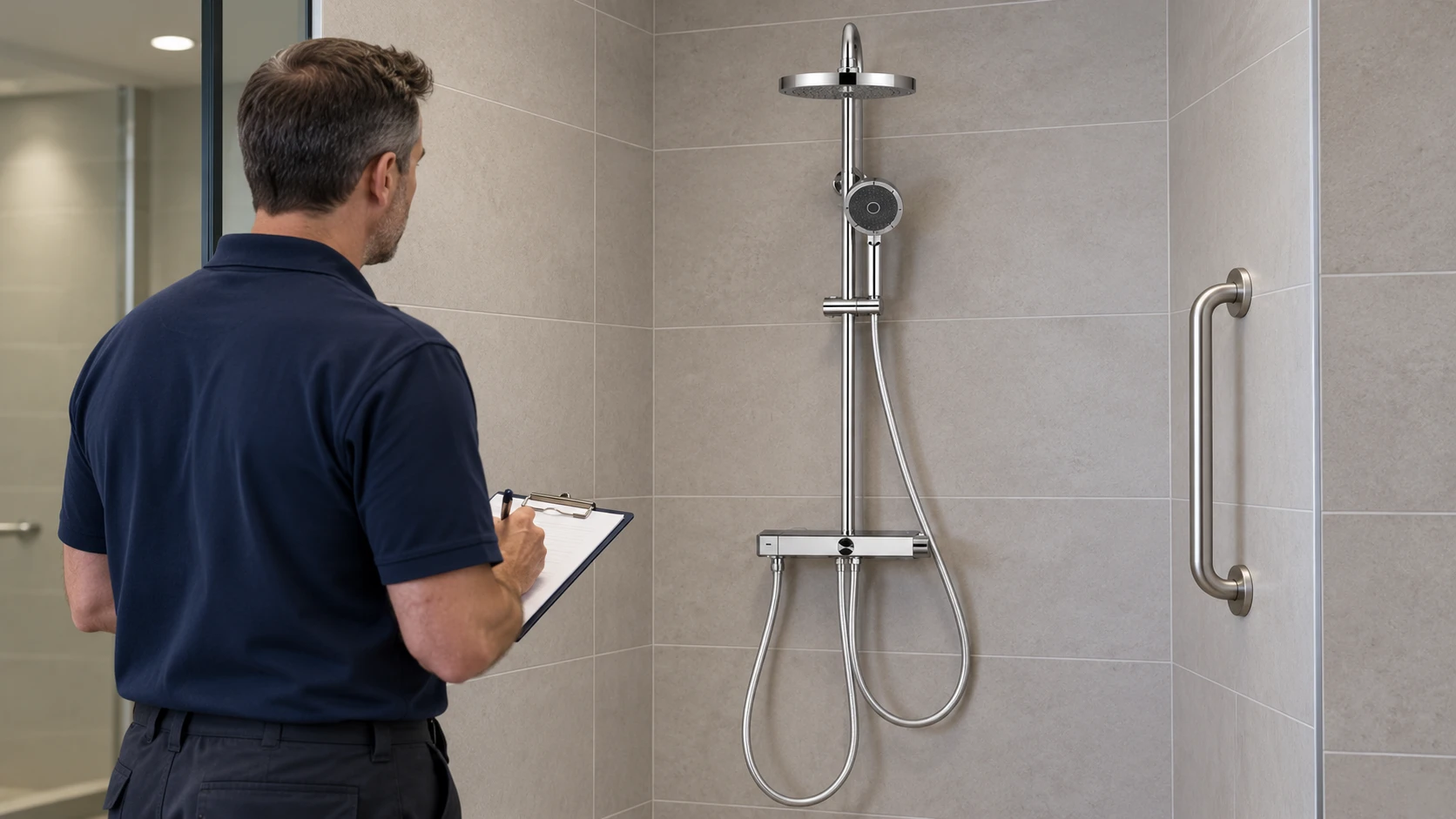
In a shared shower, the position from which staff test the equipment may differ from the position from which a visitor needs to operate it. Check the relationship between the controls and the intended seated or standing position, including access before the water starts running.
Inspect the handheld shower as an assembly: spray head, holder, adjustment mechanism and hose. A holder can slide correctly yet demand an awkward pinch to release it. A hose can remain watertight while becoming stiff enough to make handling difficult. Returning the spray head to a reachable position should be part of the room-reset procedure.
When sourcing replacement shower taps, review how users select the outlet, adjust the temperature and stop the water. Product photographs cannot establish operating effort, temperature protection or suitability for a particular accessible installation. Those decisions require the model documentation and an assessment of the complete arrangement.
Keep shower rails and grab bars distinct in inspection records. A rail supplied to support an adjustable shower head should not be treated as a body-support fitting unless it is specifically designed and installed for that purpose. Have qualified personnel investigate temperature instability and check protective controls according to the equipment instructions and applicable requirements.
A small repair can change the interaction with a fixture. A new cartridge may alter operating resistance. A different handle may change reach or grip. A replacement dispenser may project farther into an approach space.
Before approving a substitution, compare the proposed part with the original functional requirements. After installation, repeat the relevant task checks. Closing the work order because the component fits and does not leak leaves the effect on accessibility unexamined.
|
Observed change |
Possible effect on use |
Follow-up action |
|---|---|---|
|
A mixer handle becomes harder to move |
Users with limited grip or strength may struggle to control the water |
Arrange servicing and reassess operation after the repair |
|
A bin is placed beneath an accessible sink |
The intended seated approach is obstructed |
Relocate the bin and establish a suitable permanent position |
|
A handheld shower is returned above the agreed position |
A seated user may be unable to retrieve it |
Restore the position and update cleaning instructions |
|
A replacement control has different movement or markings |
Previously familiar operation may become difficult or unclear |
Check the replacement against the specification and review it with users |
Useful inspection records describe the task affected. “Shower checked” provides little information. “Handheld spray cannot be retrieved from the seat” identifies a problem that someone can investigate and verify after repair.
Record the location, the observed barrier, the person responsible for action and the target completion date. If an amenity must be taken out of service, communicate the interruption and any suitable alternative through the facility’s established channels.
Set inspection intervals according to usage, previous faults, equipment instructions and the facility’s maintenance plan. Add checks after repairs, layout changes and user reports. A lightly used staff shower and a heavily used recreation-centre changing area need different levels of attention.
Finally, close the loop with the people who use the space. Confirm that a repair has restored the task they reported, and carry any revised positioning instructions into cleaning and maintenance routines. This makes accessibility part of the building’s everyday operation, with clear responsibilities long after the installation team has left.