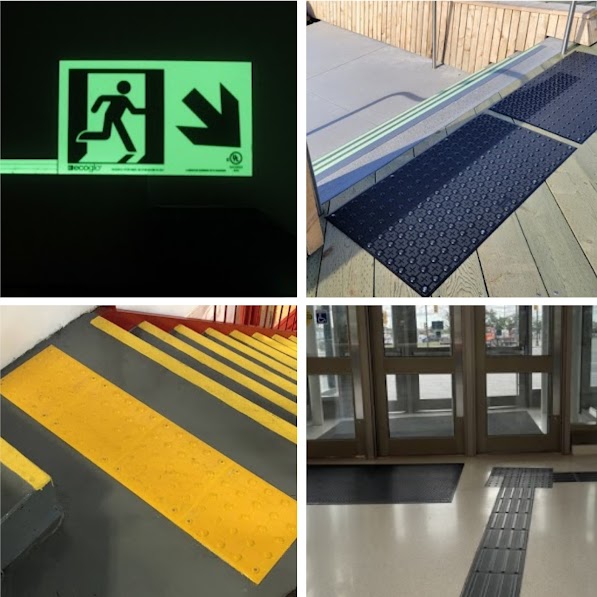
When property developers and facility managers review their construction budgets, accessibility features often get labeled as a mandatory, annoying expense. Many people see Tactile Walking Surface Indicators (TWSI) simply as a legal checklist item needed to pass a building inspection.
This mindset is completely backward. Installing premium tactile warning systems is one of the most profitable risk management decisions you can make.
The return on investment (ROI) for these safety products is not measured in direct revenue. It is measured in the massive financial disasters you completely avoid. A single slip and fall accident in a commercial building can bankrupt a small business and drain a corporate reserve fund instantly.
At Tactile Solution Canada, we help building owners across the country secure their properties economically. Today, we are breaking down the exact financial math behind accessibility. You will learn how spending a few hundred dollars on the right safety tiles protects you from hundreds of thousands of dollars in legal liability.
"Smart building management is never about cutting corners on safety. It is about understanding how protecting your visitors directly protects your bottom line." – Tactile Solution Canada
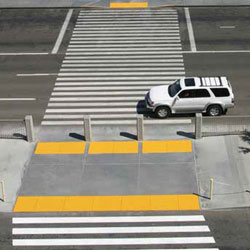
Let us look at a real scenario from a busy outdoor shopping plaza in Calgary. Mark is a seasoned property manager who recently oversaw a massive exterior pavement renovation.
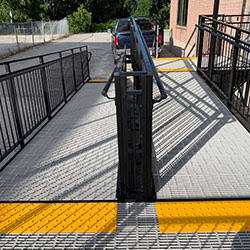
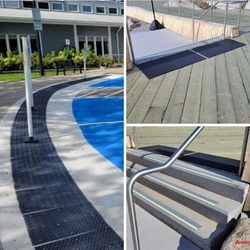
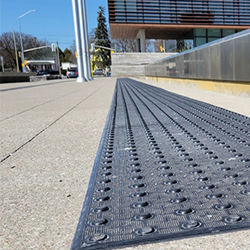
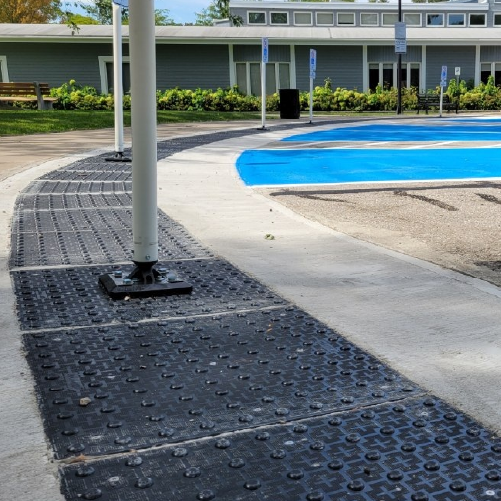
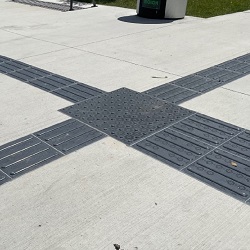
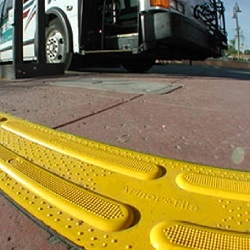
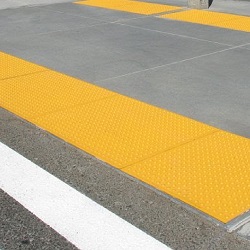
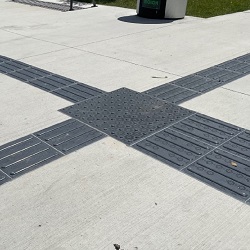
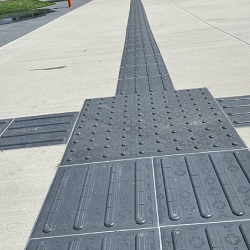
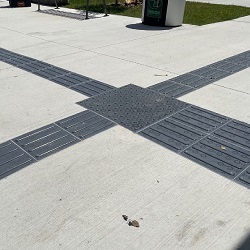
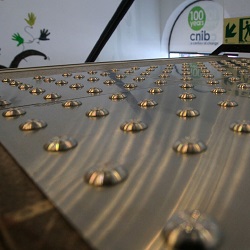
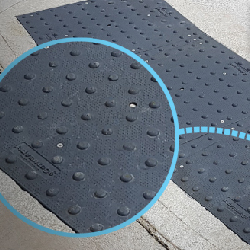
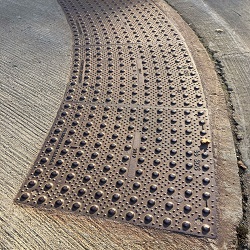
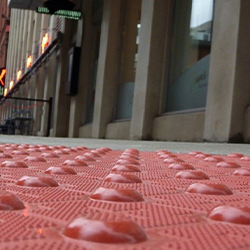
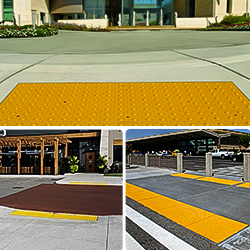
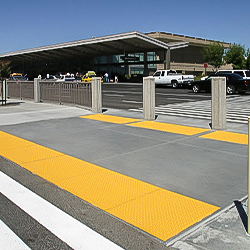
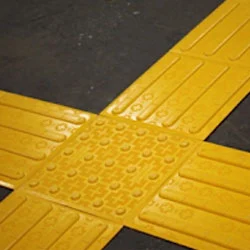
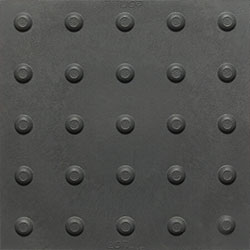
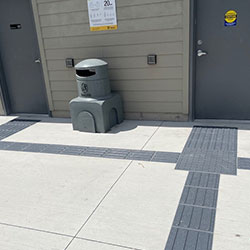
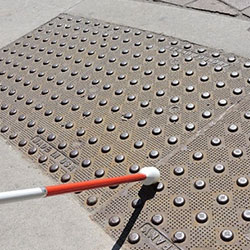
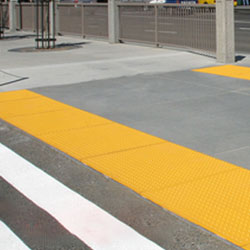
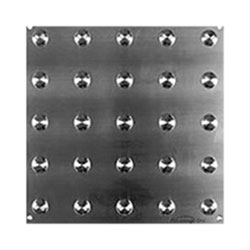
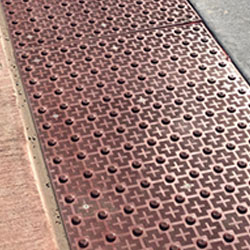
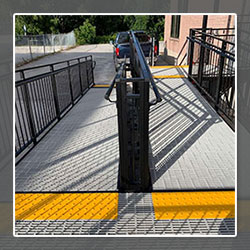
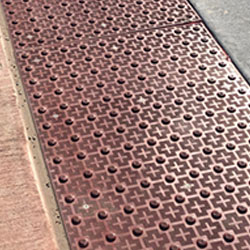
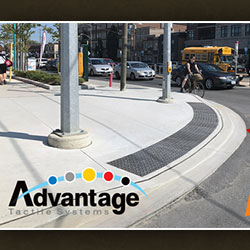
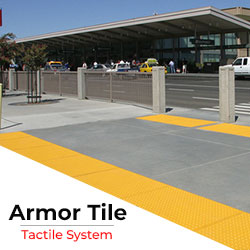
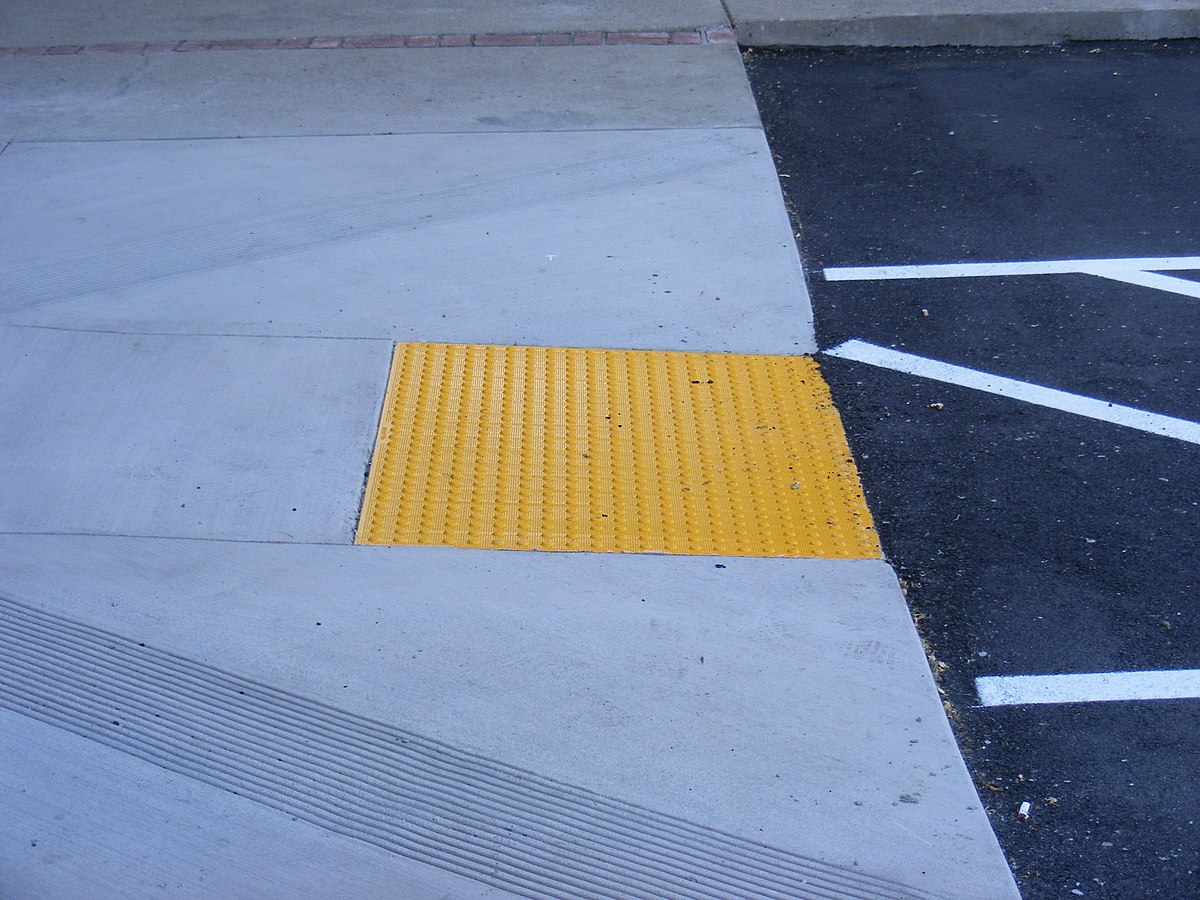
His contractor suggested installing heavy-duty cast iron attention domes at the four main pedestrian crosswalks. Mark checked the price tag and balked. He decided to skip the tactile indicators completely, assuming the fresh concrete slope was safe enough for his visitors.
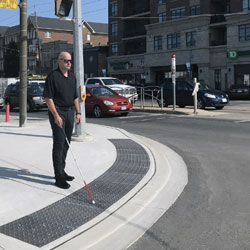
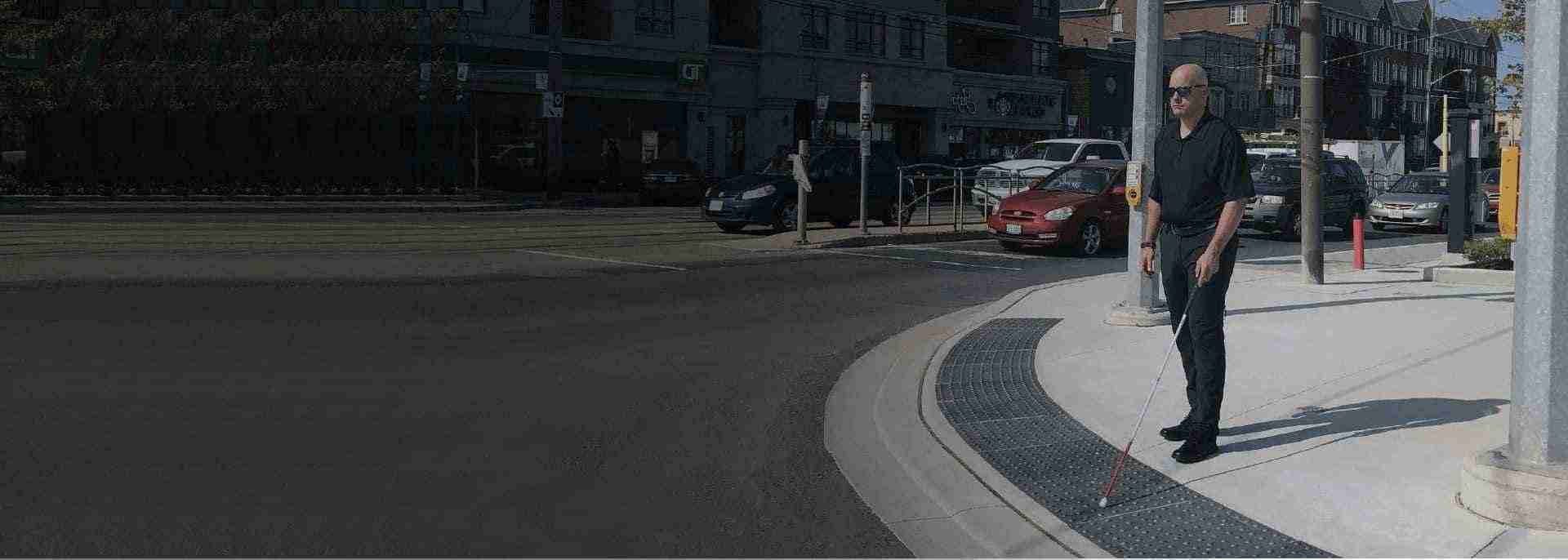
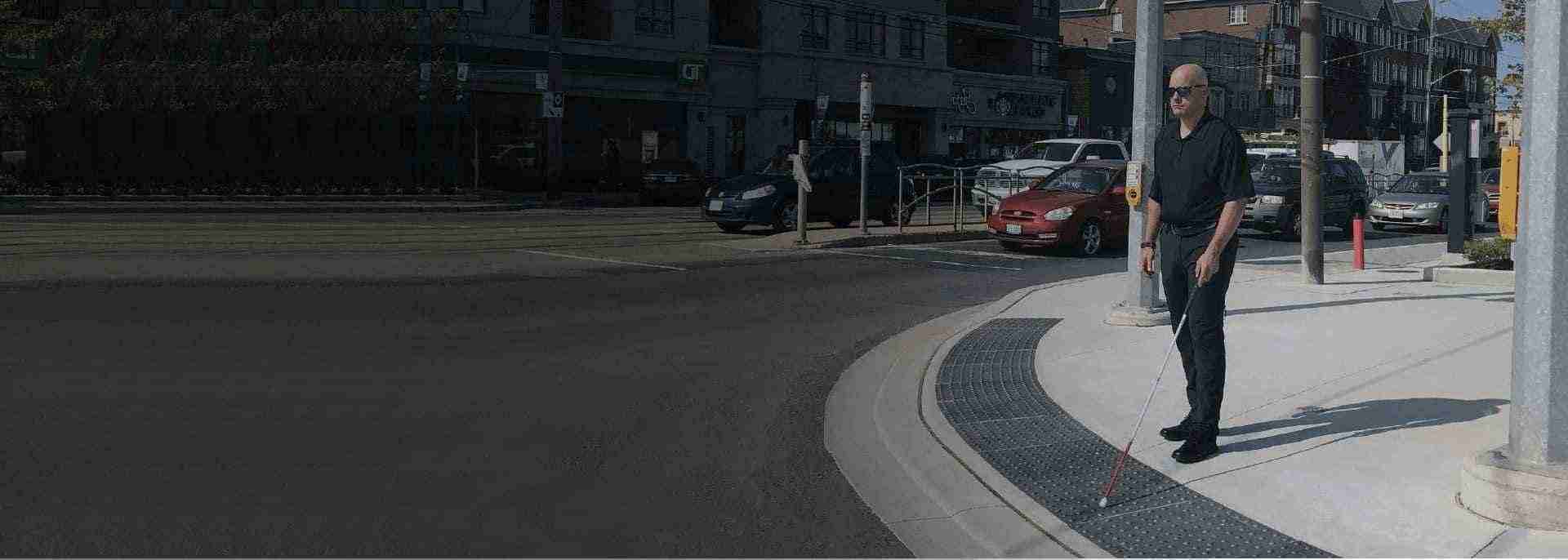
Six months later, a severe winter storm hit Alberta. A visually impaired customer stepped off the unmarked, icy curb ramp directly into an active driving lane and suffered a severe fall.
The resulting personal injury lawsuit settled for over $120,000. To make matters worse, Mark's commercial liability insurance provider doubled his annual premium immediately.
He was also hit with a provincial accessibility fine for failing to meet the Canadian Standards Association (CSA) B651 guidelines. Mark learned the hard way that saving a little money on safety infrastructure always costs you ten times more in the end.
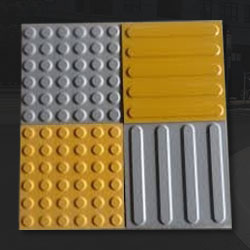
He called our team the very next day. We rushed an order of surface-applied polymer tiles to his site. His maintenance crew retrofitted the entire plaza over the weekend, finally making the property safe and compliant.
Personal injury lawsuits are a massive financial threat to Canadian businesses. If a guest trips and falls on your property because you failed to provide mandatory safety warnings, you are legally at fault.
The numbers are terrifying for property owners. Recent legal data shows that average slip and fall settlements in Ontario range from $30,000 for minor injuries to well over $100,000 for serious cases. In severe incidents involving long-term disability, payouts can easily exceed $500,000.
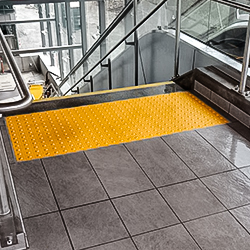
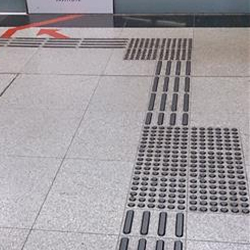
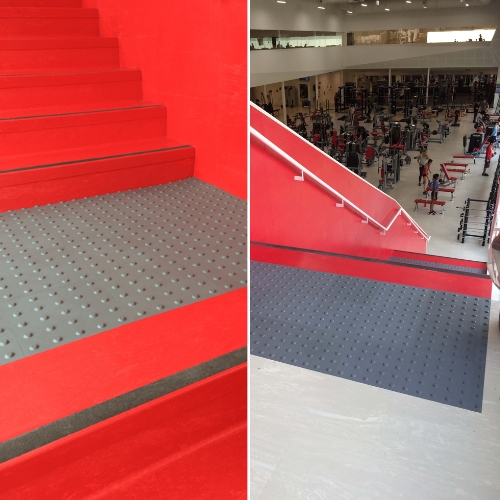
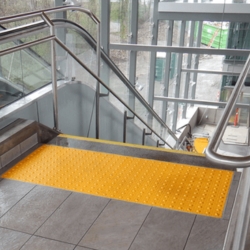
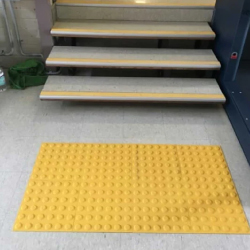
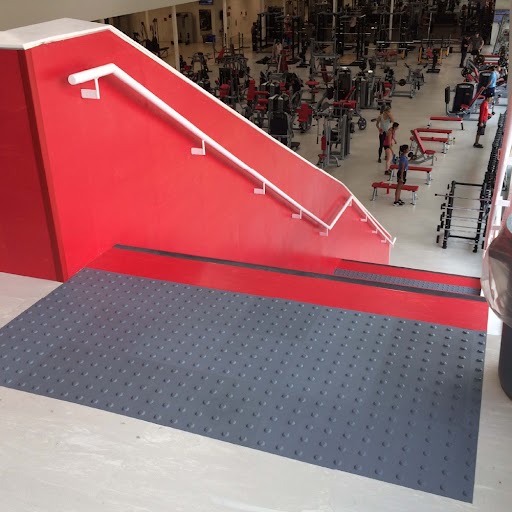
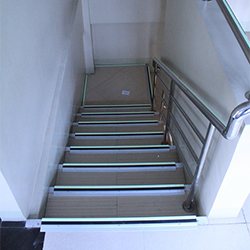
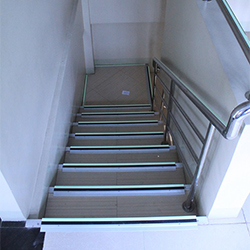
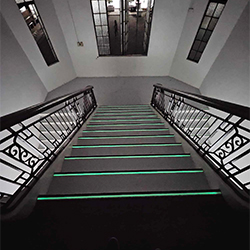
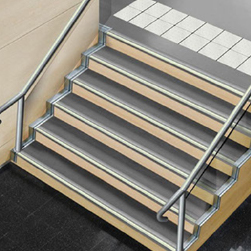
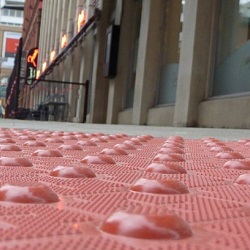
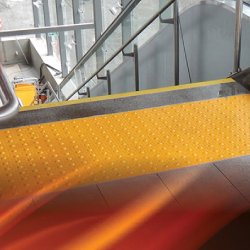
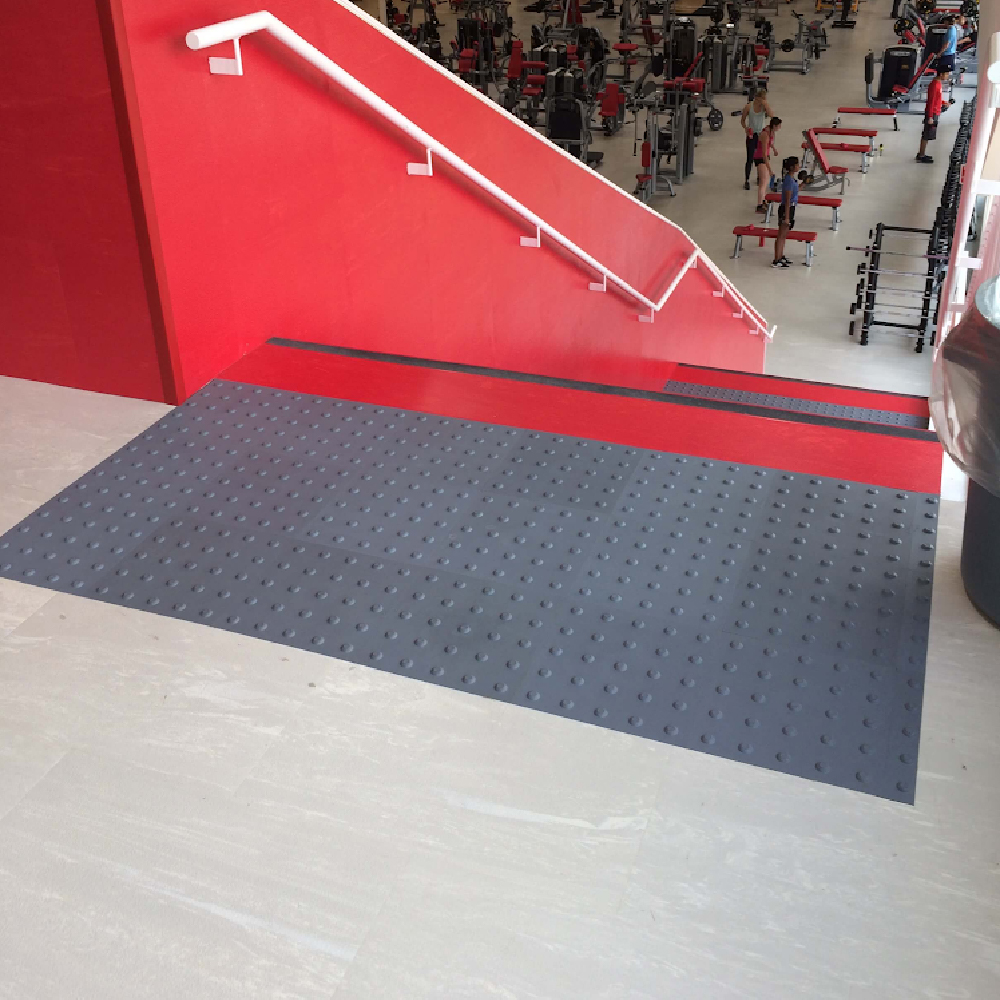
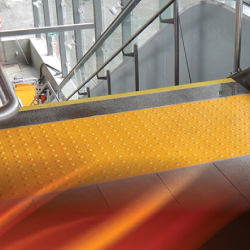
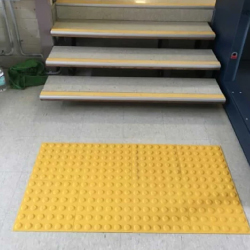
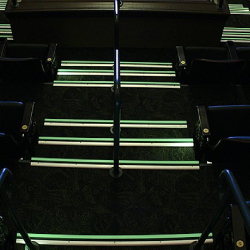
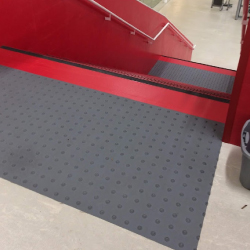
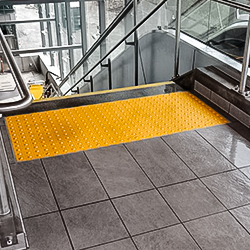
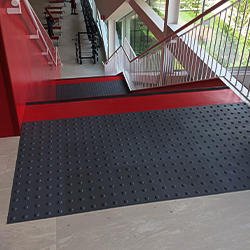
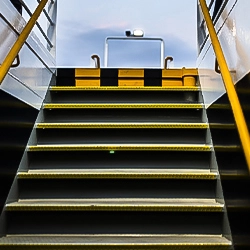
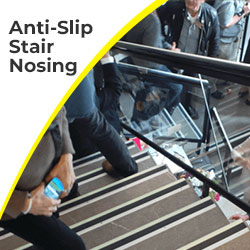
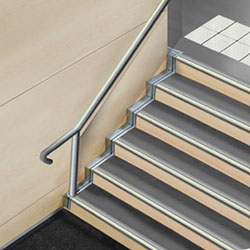
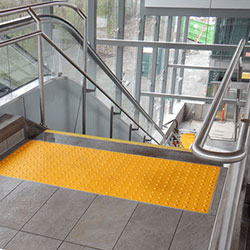
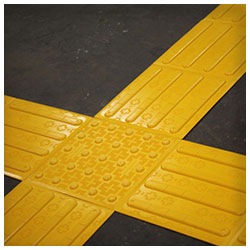
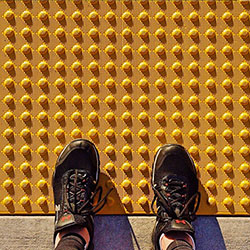
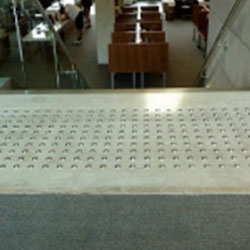
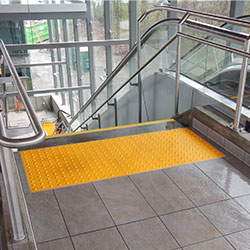
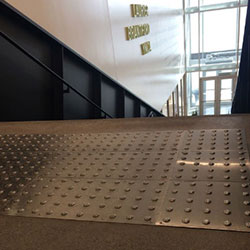
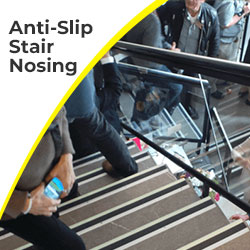
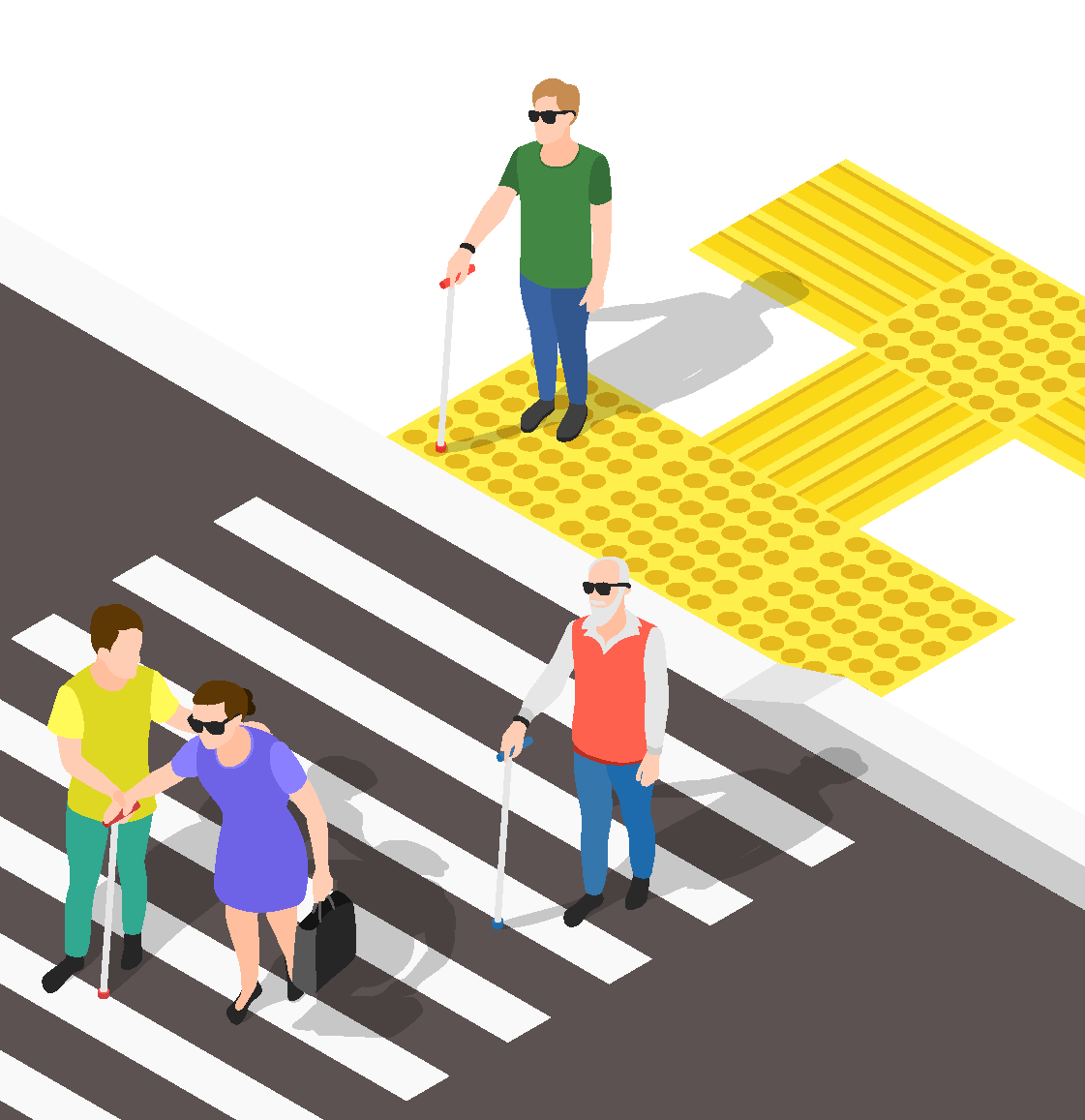
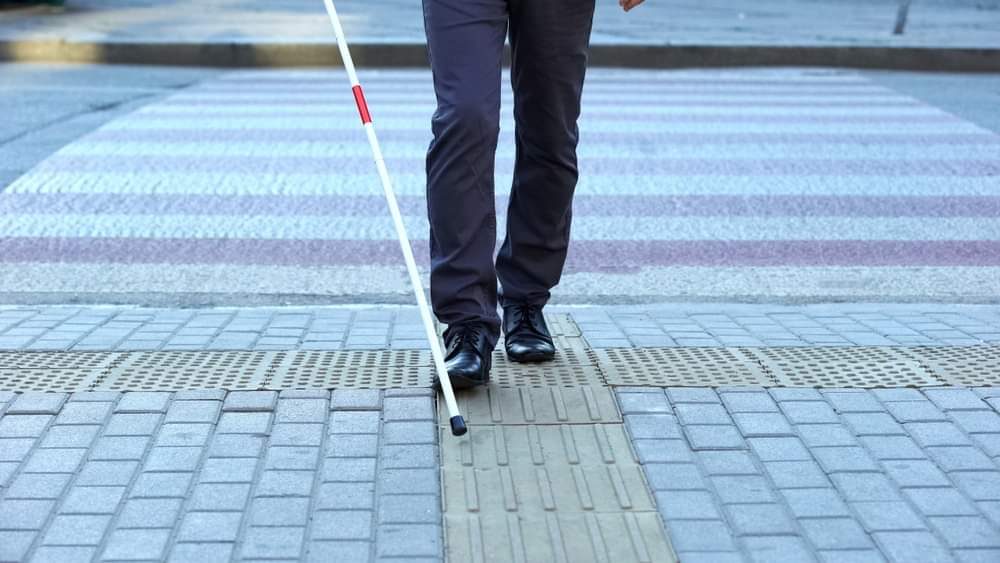
You must remember that a visually impaired pedestrian relies heavily on physical textures underfoot. If you do not install attention domes at the top of a grand staircase, you are essentially leaving an open pit in the middle of your building.
When you purchase high-quality products from our comprehensive tactile solutions, you buy a permanent insurance policy. A single row of tactile tiles costs a tiny fraction of a personal injury lawyer's retainer fee. It is the cheapest legal defense you can buy.
Your commercial liability insurance is directly tied to the physical safety of your building. Insurance providers send risk assessors to evaluate your property before they write your policy.
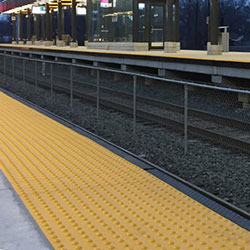
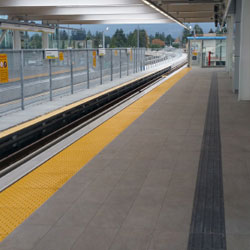
If an assessor notices that your transit platforms, parking lot crosswalks, or indoor stairs lack proper tactile warnings, they will flag your building as a high-risk property. This immediately drives up your monthly premium costs.
Worse still, if an accident actually occurs, your insurance rates will skyrocket upon renewal. Some insurance companies will even drop your coverage entirely if they discover you willfully ignored Canadian accessibility codes.
Installing proper safety infrastructure proves to your insurance provider that you actively mitigate risk. Many companies offer lower premiums to buildings that exceed the baseline national building codes for safety and accessibility.
Lawsuits are not the only financial threat you face. Provincial governments are cracking down hard on commercial buildings that ignore accessibility laws.
If you own a property in Ontario, you must comply with the Accessibility for Ontarians with Disabilities Act (AODA). The government conducts random safety audits on public and commercial spaces constantly.
If an inspector finds that you failed to install tactile indicators at a sudden drop-off, the fines are absolutely staggering. Corporations can face maximum penalties of up to $100,000 for every single day they remain non-compliant.
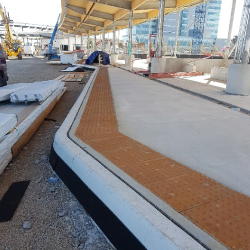
You cannot afford to treat these codes as gentle suggestions. Investing in the right materials from our tactile product categories guarantees that you pass your municipal and provincial inspections on the very first try.
The ROI of tactile tiles goes beyond avoiding negative legal consequences. A highly accessible building is actually worth more money on the commercial real estate market.
Modern corporate tenants actively seek out inclusive buildings. Large companies have strict Environmental, Social, and Governance (ESG) mandates. They will not sign a lease in a high-rise tower that is dangerous for employees with disabilities.
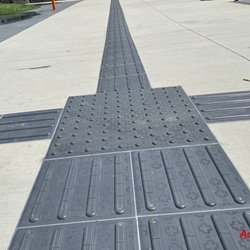
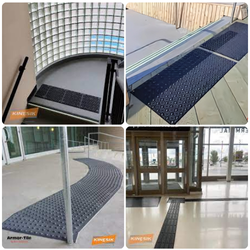
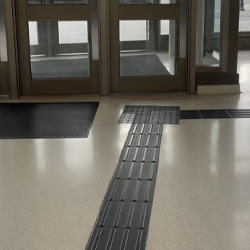
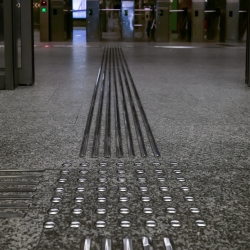
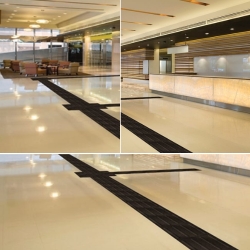
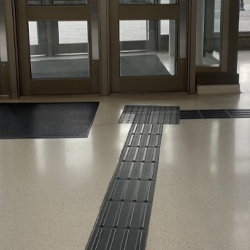
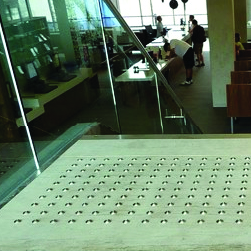
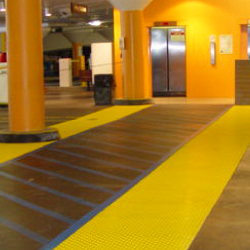
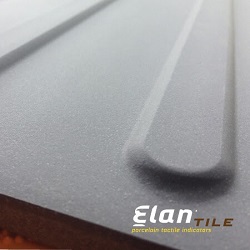
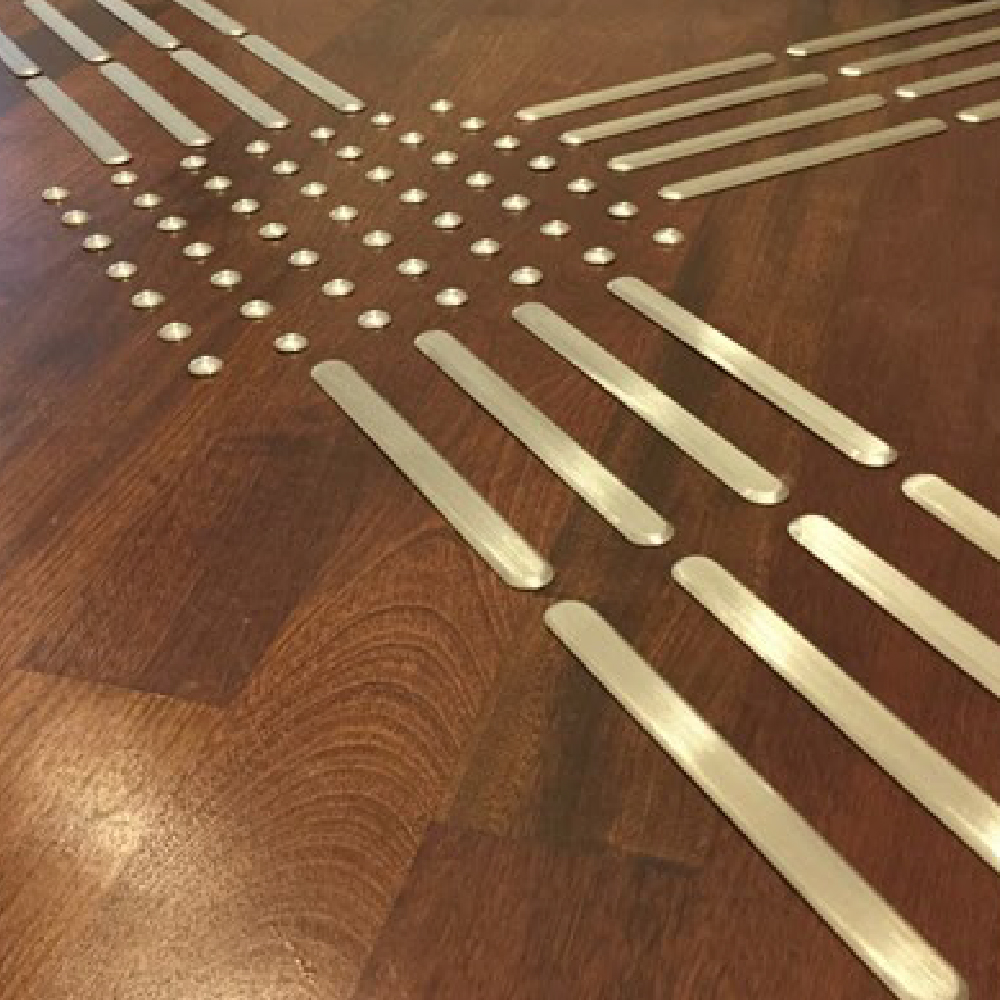
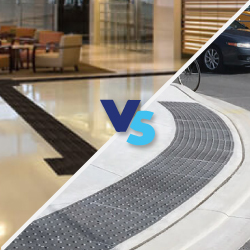
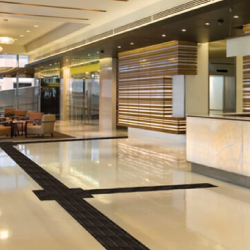
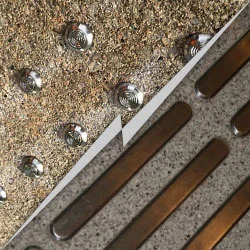
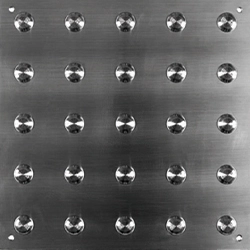
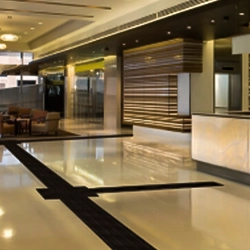
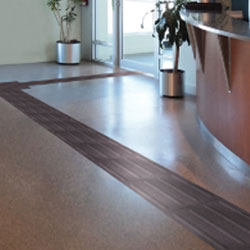
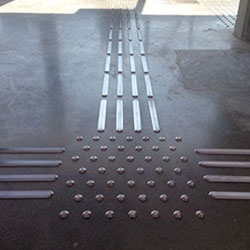
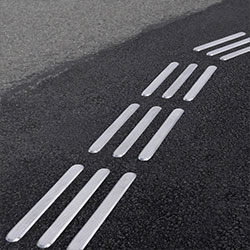
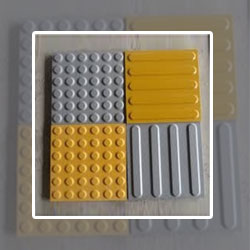
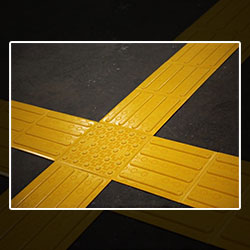
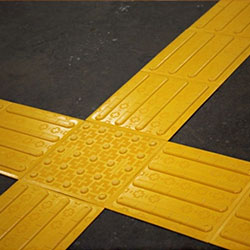
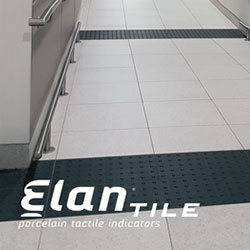
When you install premium safety features like porcelain wayfinding bars or stainless steel attention domes, you elevate the prestige of your property.
You attract high-paying commercial tenants who appreciate the safe, welcoming environment. A barrier-free building also sees higher overall foot traffic, which directly boosts the revenue of your ground-floor retail shops.
Your ROI completely disappears if you have to replace your safety tiles every single spring. Canada has a brutal climate that destroys weak building materials constantly.
To maximize your investment, you must match the exact material to your specific environmental threat. If you buy cheap plastic for an outdoor transit hub, the winter frost will shatter it instantly.
If you are upgrading an older building to meet modern codes, you might fear the cost of demolition. Tearing up cured concrete to install a safety tile is incredibly loud, dusty, and expensive.
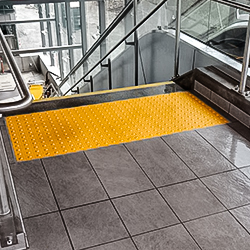
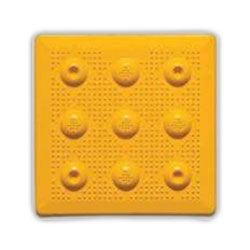
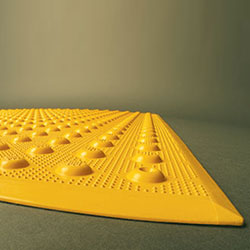
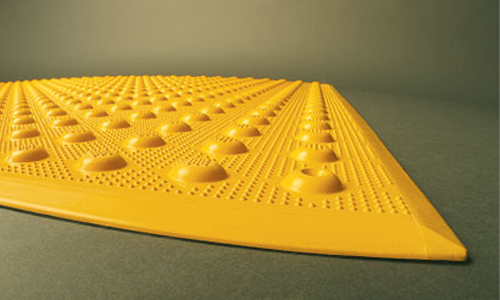
You can completely bypass these high labor costs by using surface-applied tactile solutions.
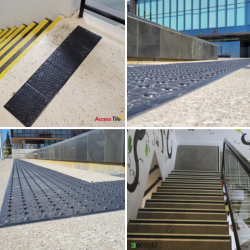
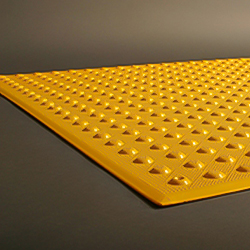
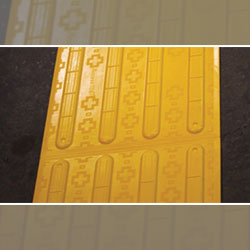
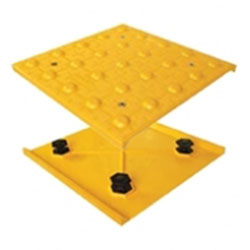
These specialized tiles are engineered to sit flat on top of your existing hard floors. Your maintenance contractor simply cleans the area, applies a structural polyurethane adhesive, and drives in mechanical fasteners.
This installation takes a few hours instead of a few weeks. You save thousands of dollars in construction labor, and your building stays fully operational for your tenants during the upgrade.
The fastest way to waste your project budget is by ordering the wrong material. If you accidentally order an indoor-rated plastic tile for an outdoor Canadian patio, you will have to replace it immediately after the first deep freeze.
We built a specific digital tool to stop this expensive mistake from happening.
Before you spend a single dollar, you should always use our Tactile Solution Finder tool. You simply input your surface type and your specific physical hazard.
The system instantly generates the exact, code-compliant product you need. This eliminates ordering mistakes entirely. It ensures you buy the correct, durable material the very first time, protecting your budget and your project timeline.
Accessibility is a direct investment in human dignity and financial stability. When you protect the visually impaired members of your community, you simultaneously build an impenetrable shield around your business.
You cannot afford to ignore the massive financial risks of a non-compliant building. A proactive safety strategy is always cheaper than a reactive legal defense.
At Tactile Solution Canada, we provide the highest quality safety materials on the market. We are here to help you navigate Canadian building codes and select the perfect, cost-effective products for your property.
Use our digital tools to find your exact match, or contact our expert team today at 1-877-761-5354. Let us help you maximize your ROI and build a genuinely safe, barrier-free environment for everyone.
The cost varies heavily based on the material and installation method you choose. Surface-applied polymer tiles are highly affordable and quick to install, making them great for tight maintenance budgets. Heavy-duty cast iron requires a larger initial investment but offers the absolute best long-term ROI because it almost never needs replacement.
Yes, they do. By providing a clear physical and visual warning at hazards like stairs or transit platforms, you actively prevent accidents. If a guest ignores these warnings, the presence of code-compliant tiles proves in court that you took all necessary safety precautions, shielding you from liability.
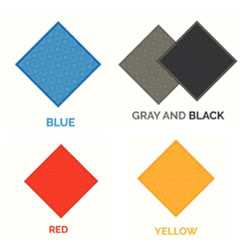
Many visually impaired individuals are not completely blind. They rely heavily on their partial sight to detect hazards. High luminance contrast ensures your tactile tile stands out brightly against the floor. Failing to provide this contrast violates CSA B651 standards and exposes you to severe legal liability.
While the process is straightforward, we strongly recommend using a professional contractor or an experienced in-house maintenance team. The floor must be perfectly clean and dry, and the mechanical fasteners must sit completely flush to prevent the tile itself from becoming a tripping hazard.
Standard commercial property insurance generally covers sudden accidental damage, not voluntary building upgrades. However, you should check directly with your provider. Many insurance companies offer specialized grants or premium discounts to businesses that proactively upgrade their safety infrastructure.