Community recreation centres are the heartbeat of Canadian municipalities. On any given Saturday, these facilities host screaming toddlers at the splash pad, teenagers playing minor league hockey, and seniors attending water aerobics.
A building designed for the entire community works best when every single person can move through it safely and independently.
Facility managers face a massive challenge when handling these properties. You must balance the wet, slippery environment of a municipal pool deck with the steep, crowded grandstands of an ice arena. When you factor in Canadian accessibility codes, this job becomes highly complex.
At Tactile Solution Canada, we partner with municipal contractors and city planners to solve this exact puzzle. Today, we will show you how to apply Tactile Walking Surface Indicators (TWSI) across your entire recreation facility. You will learn how to keep your public pools and arenas safe, compliant, and highly welcoming for people with vision loss.
Let us look at a real-world example from a community complex in Ontario. Marcus manages a massive facility featuring an Olympic-sized swimming pool and a twin-pad hockey arena.
Last year, the city funded a major renovation for the pool deck. Marcus hired a contractor who poured beautiful, non-slip concrete around the water's edge. However, the contractor skipped installing tactile indicators. They assumed the rough concrete finish was enough to warn visually impaired swimmers about the drop-off into the deep end.
The provincial accessibility inspector arrived and failed the site immediately.
Marcus had to delay the grand reopening. He faced massive pressure from the city council and angry residents. He called our team for an urgent fix. We explained that Canadian codes strictly require attention domes at unprotected pool edges to prevent accidental drownings.
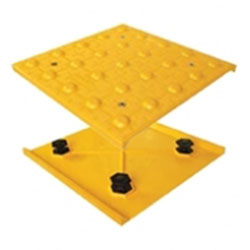
We rushed an order of surface-applied engineered polymer tiles to his facility. The contractor installed them using waterproof structural adhesive. Marcus passed his second inspection, but the stress taught him that planning for tactile compliance is never optional.
You must understand the law before you start buying safety products. Municipal buildings face the absolute strictest accessibility rules in the country.
Here are the specific codes your recreation centre must follow:
A community complex contains multiple distinct environments under one roof. Visually impaired visitors need clear physical cues to understand where they are going and what hazards approach.
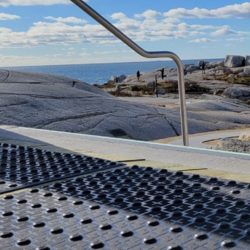
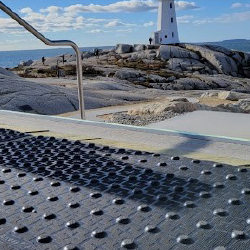
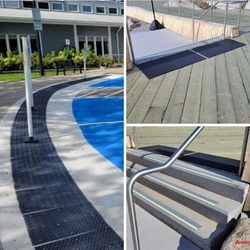
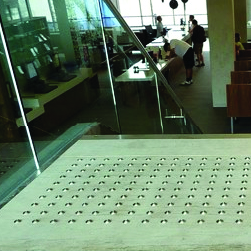
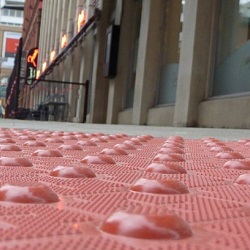
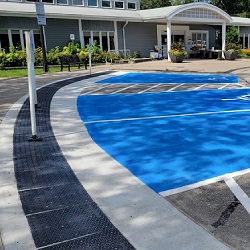
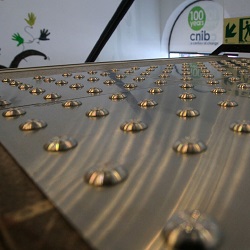
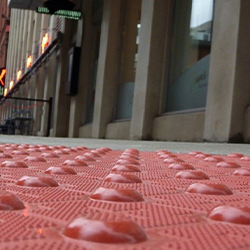
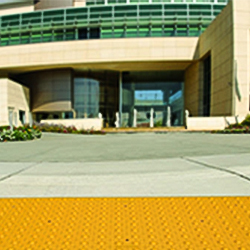
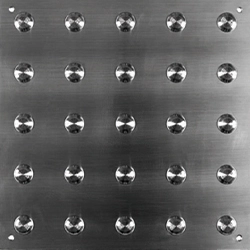
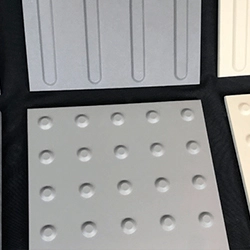
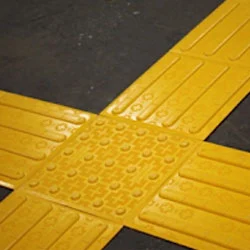
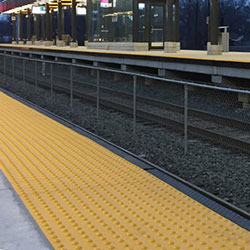
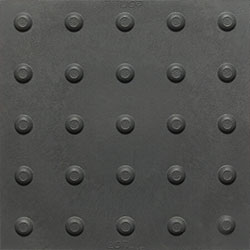
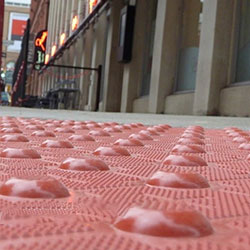
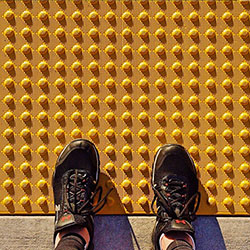
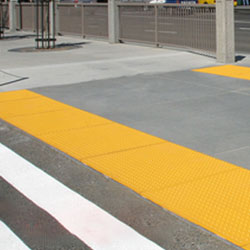
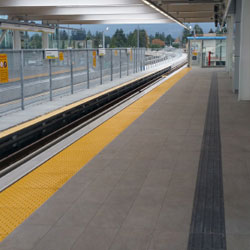
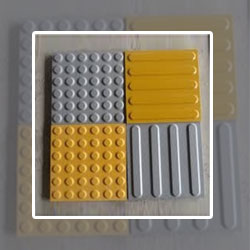
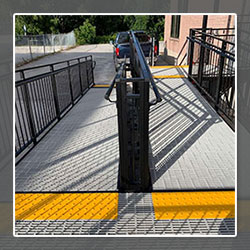
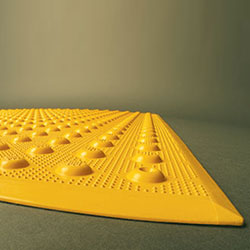
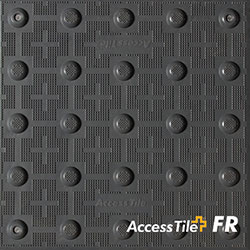
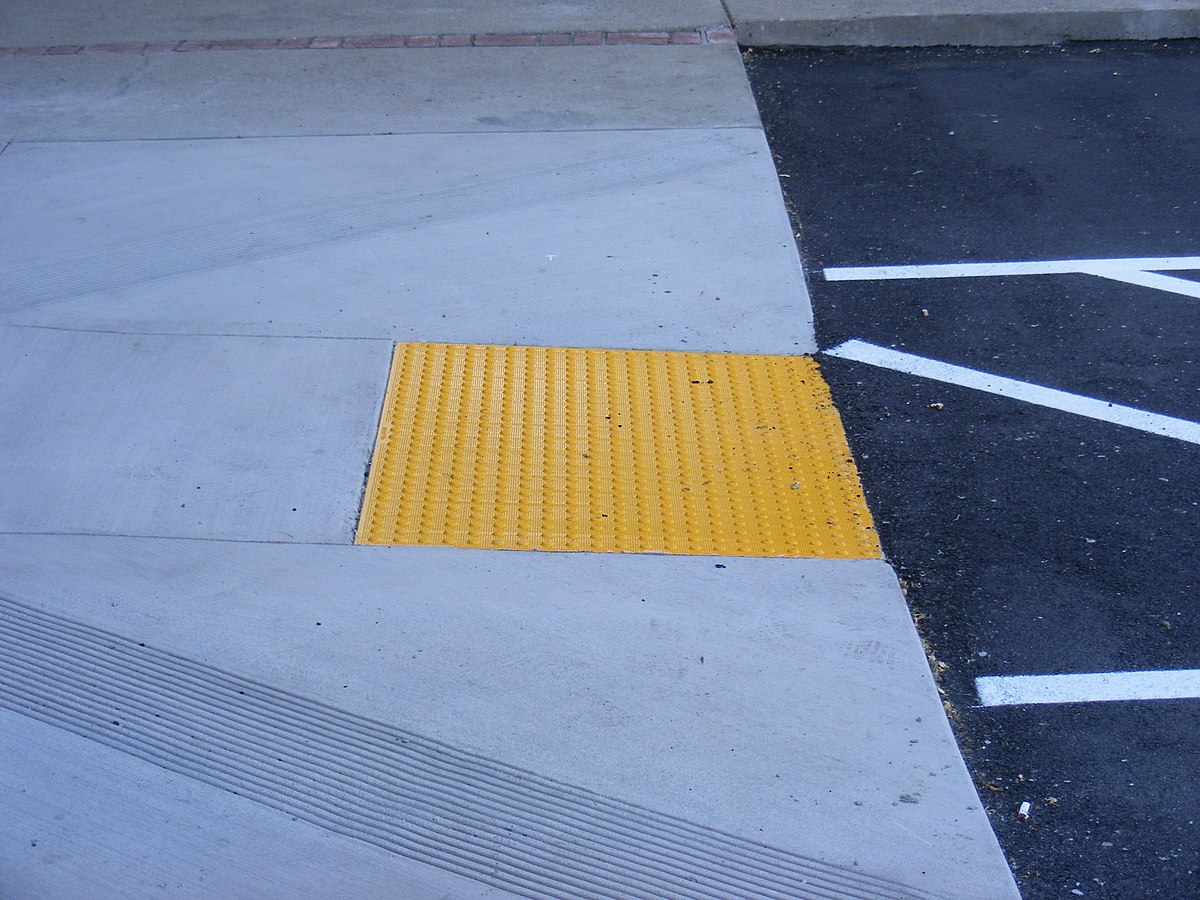
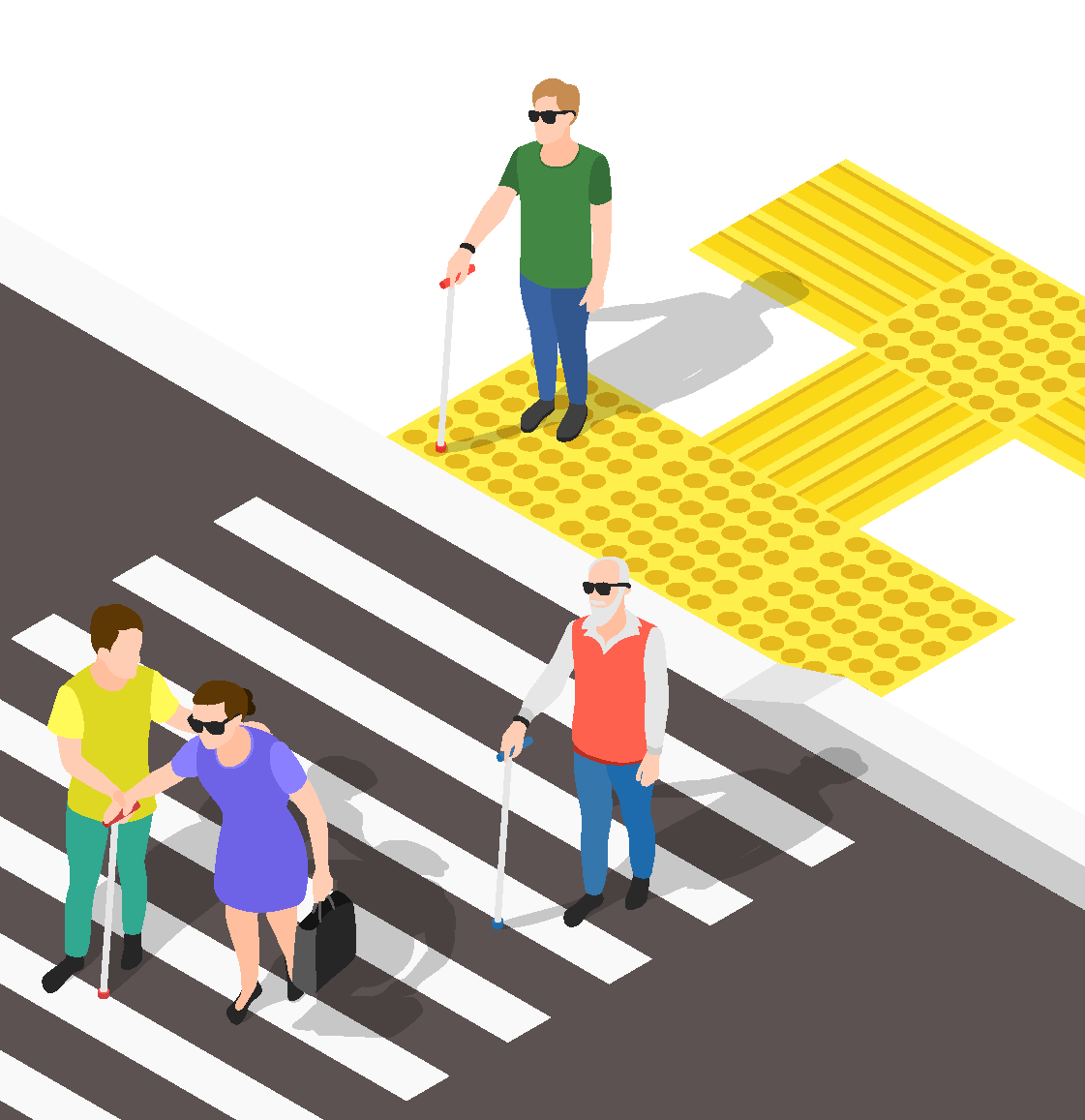
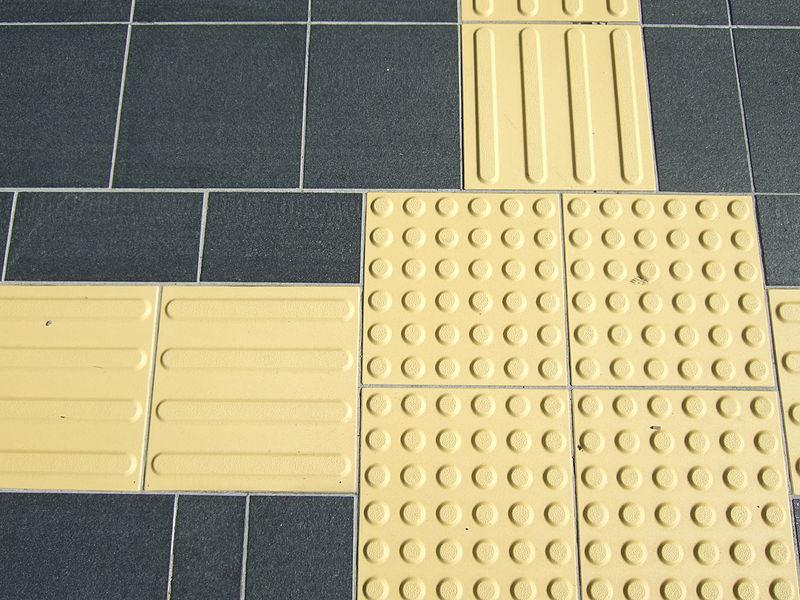
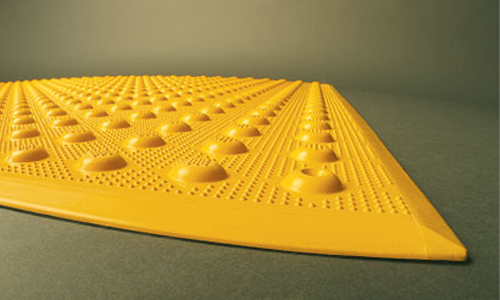
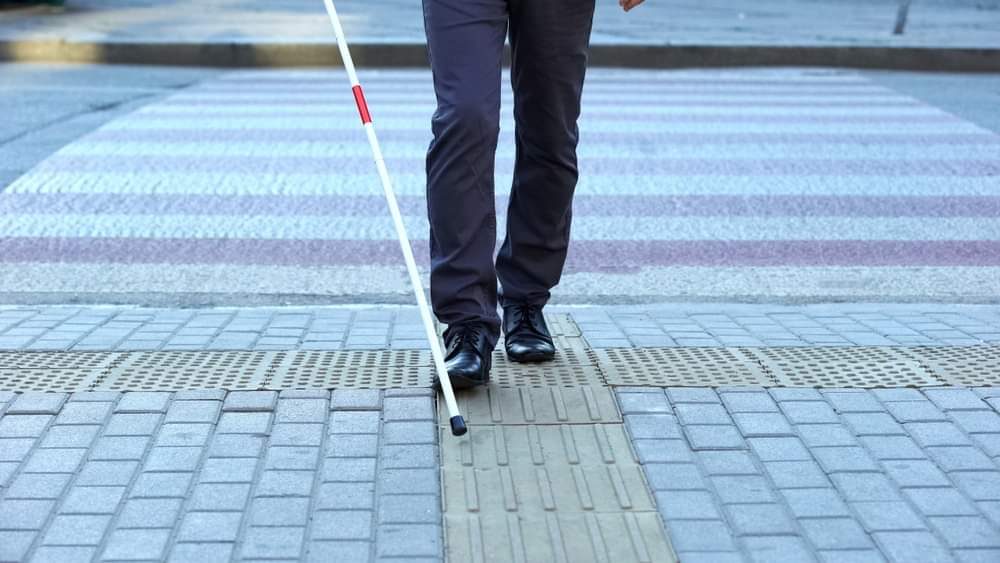
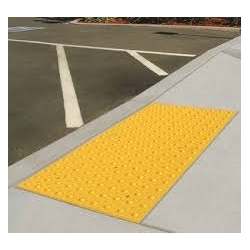
The edge of a swimming pool is an unprotected drop-off. You must install truncated domes along the perimeter of the pool edge. These raised bumps act as a physical stop sign. They tell a visually impaired swimmer exactly where the solid ground ends and the water begins.
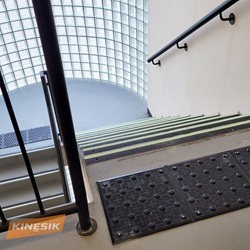
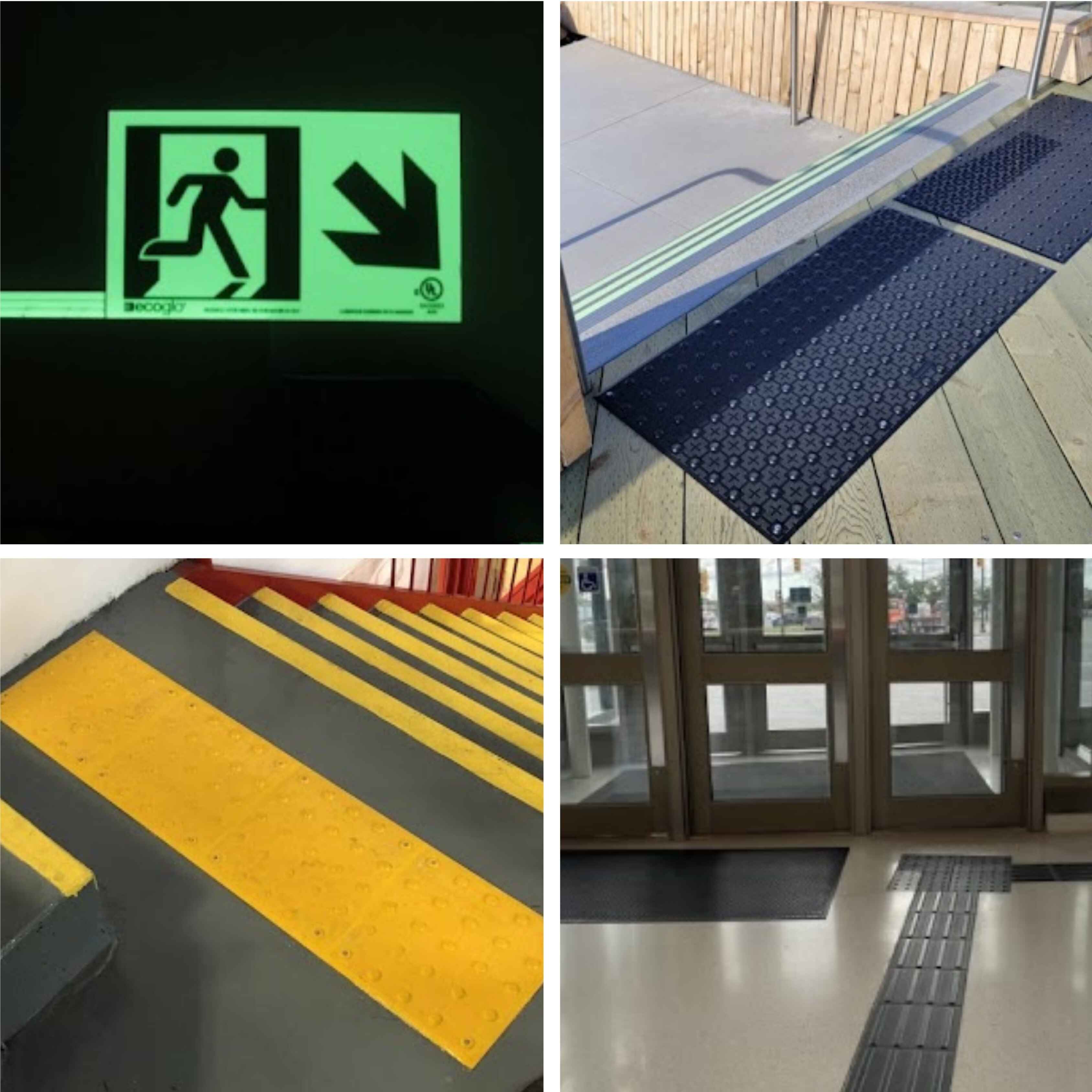
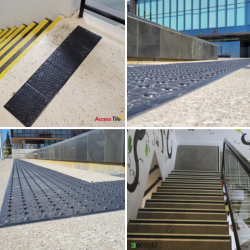
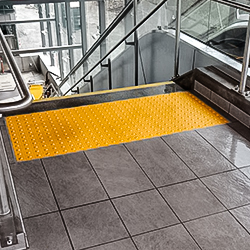
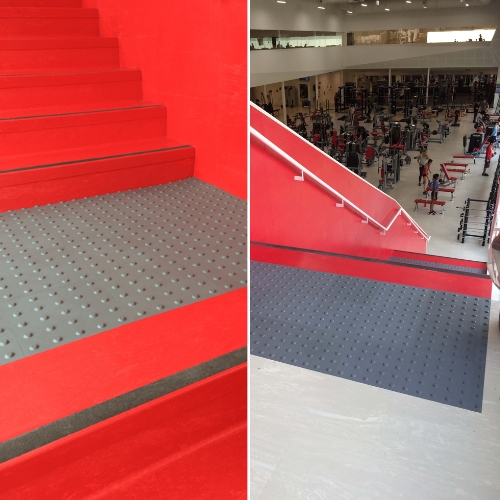
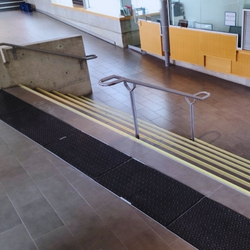
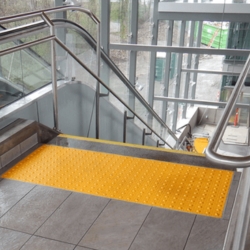
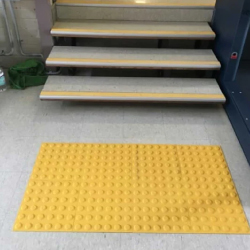
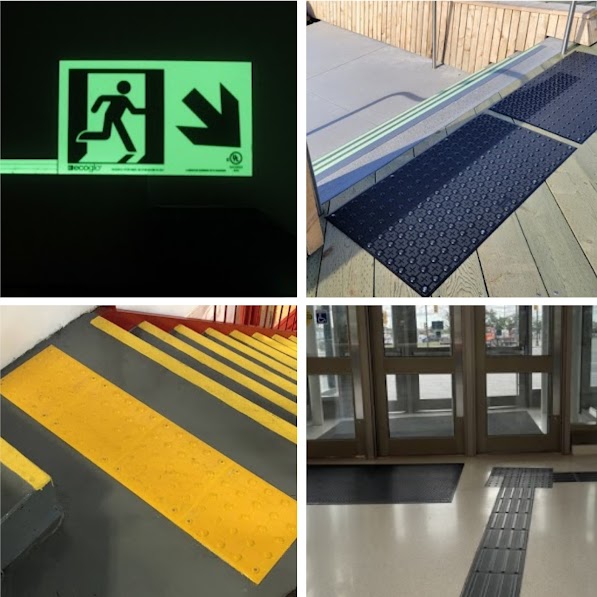
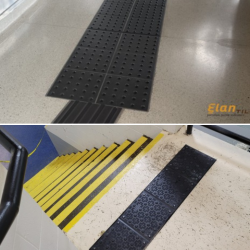
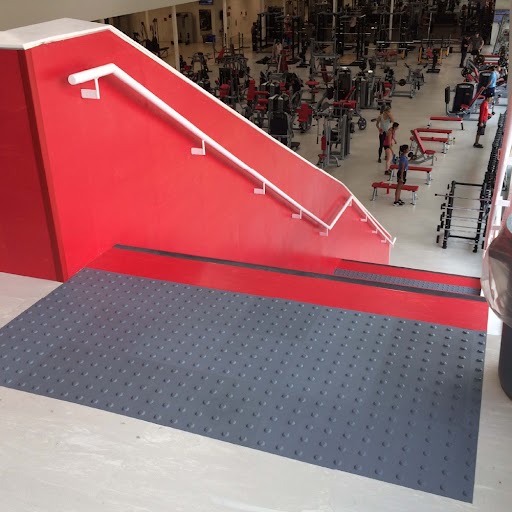
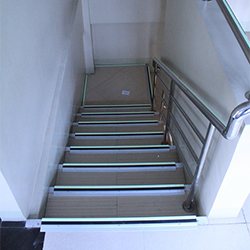
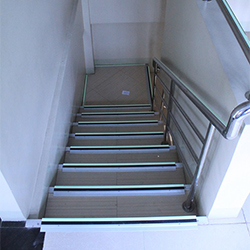
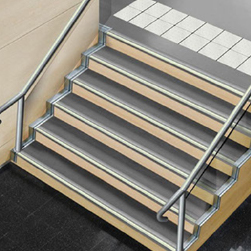
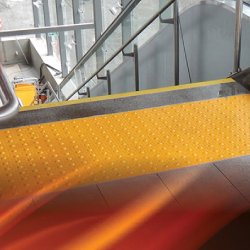
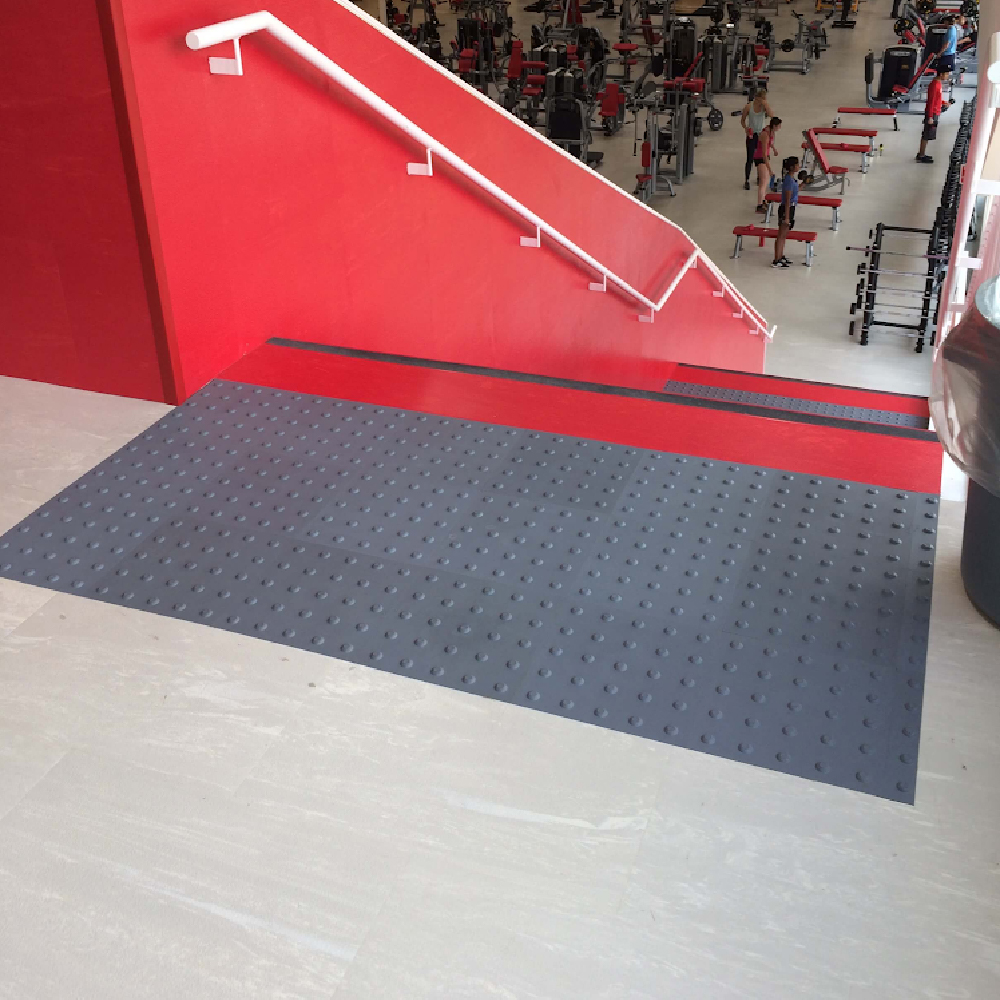
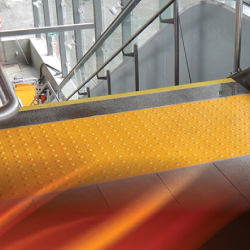
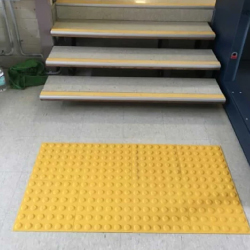
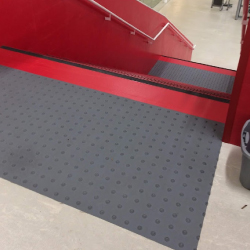
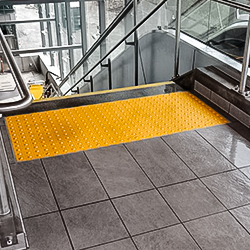
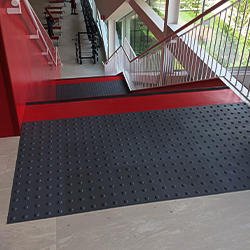
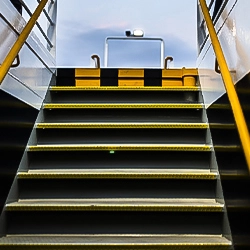
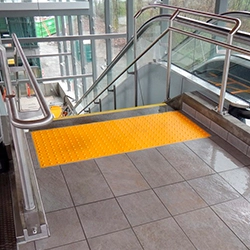
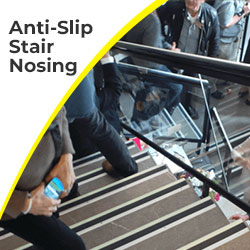
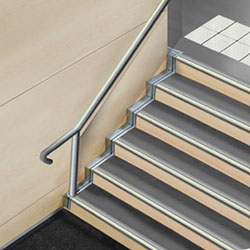
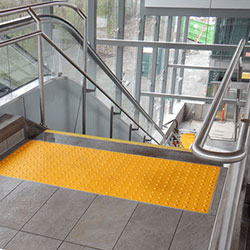
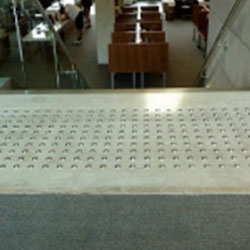
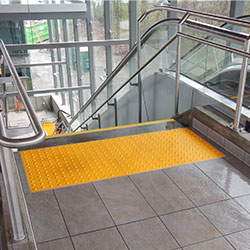
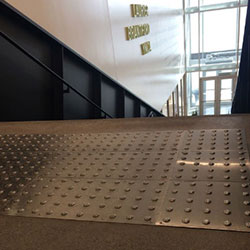
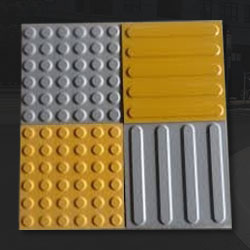
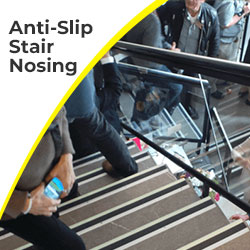
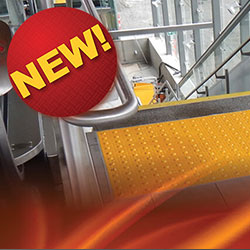
Hockey arenas present a massive liability. The grandstand stairs are steep, and the overhead lighting constantly dims during pre-game laser shows. A tactile attention indicator surface must be installed to caution people that they are approaching the onset of descending stairs. You must pair these domes with heavy-duty anti-slip stair nosing on every single step.
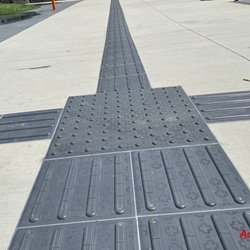
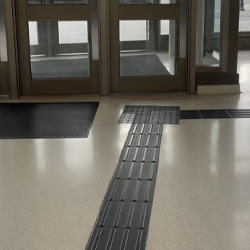
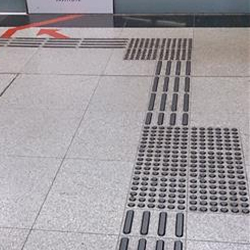
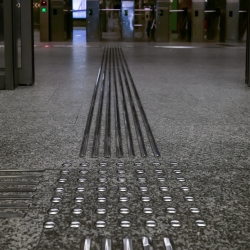
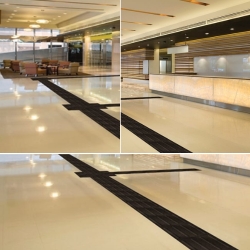
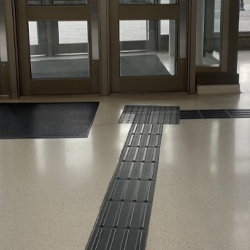
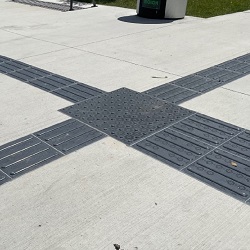
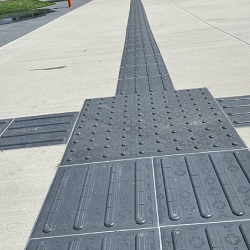
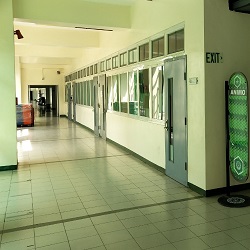
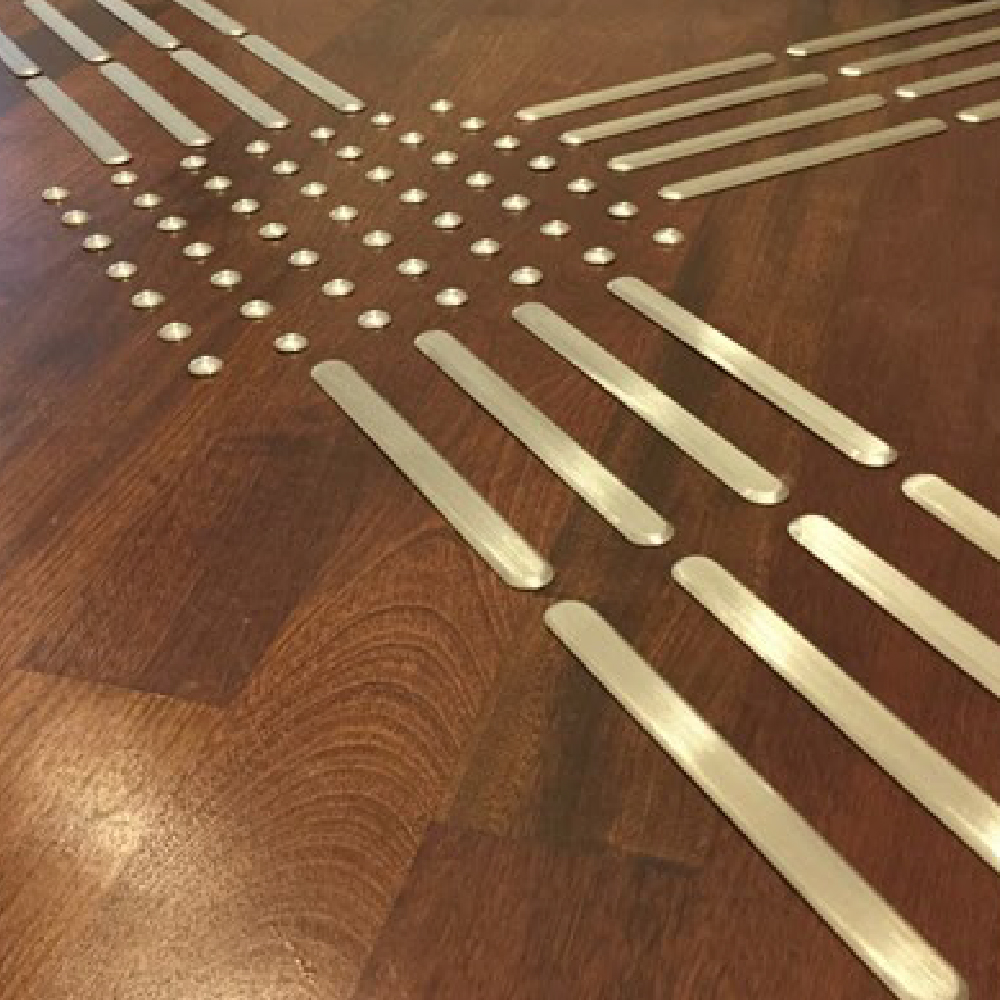
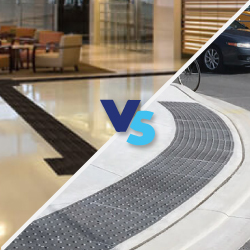
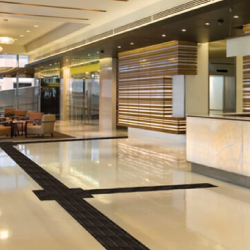
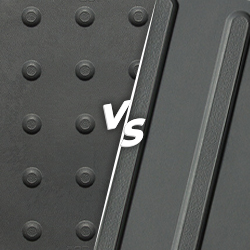
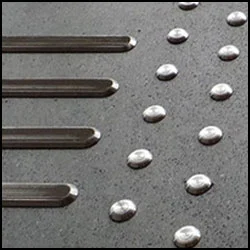
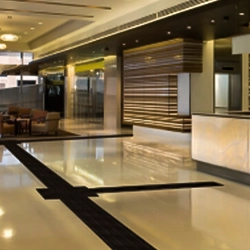
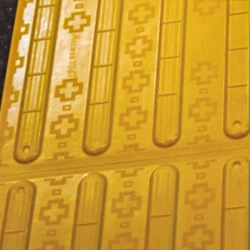
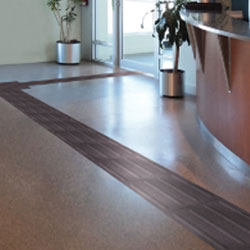
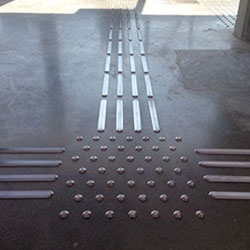
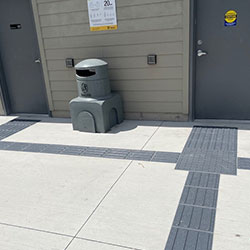
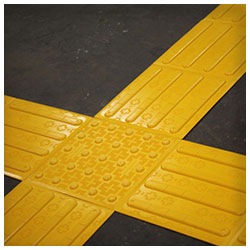
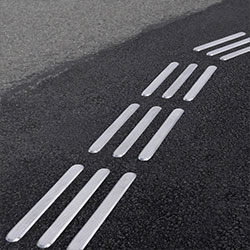
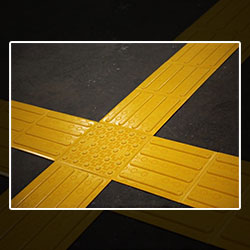
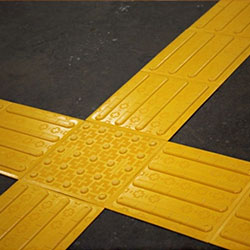
When guests move from the dry lobby into the wet locker room, the floor texture changes drastically. You should use guidance or wayfinding bars to help visually impaired residents find the locker room entrances safely. These long, parallel ridges guide pedestrians securely past busy concession stands.
You cannot use the exact same material for an outdoor parking lot and an indoor swimming pool. You must mix and match different products to suit the specific environment perfectly.
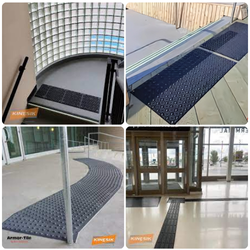
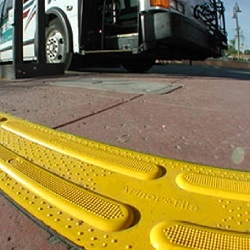
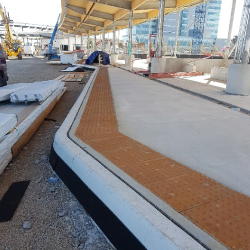
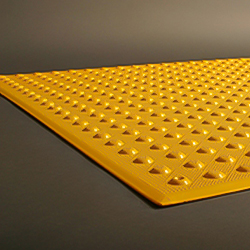
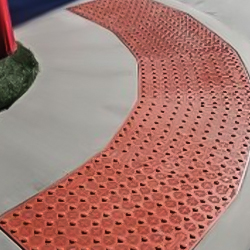
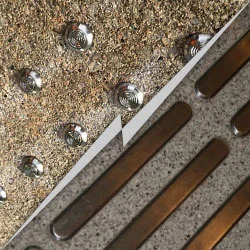
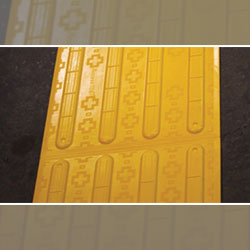
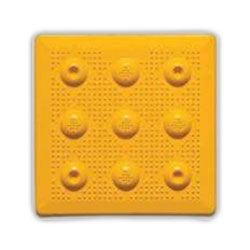
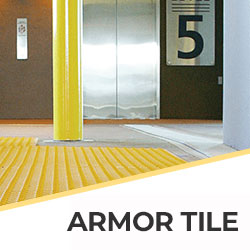
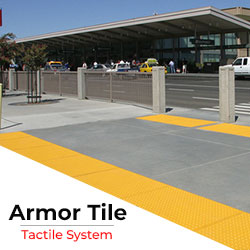
For wet, chemically treated pool areas, engineered polymer composites are absolutely perfect. Products like Armor Tile and Access Tile offer exceptionally low water absorption. They resist damage from chlorine and harsh cleaning chemicals flawlessly while providing intense slip resistance.
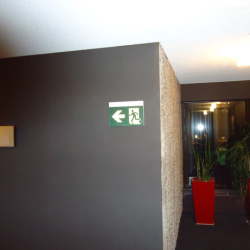
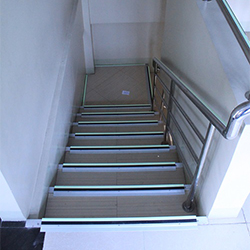
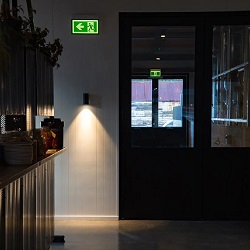
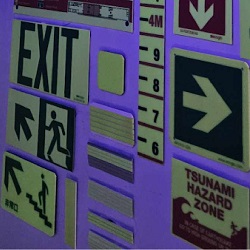
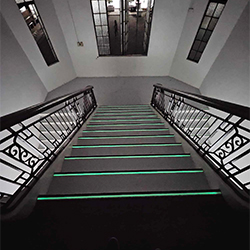
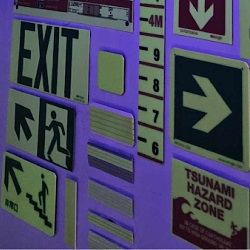
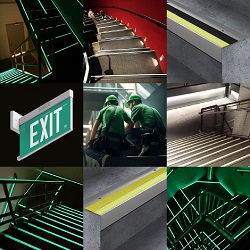
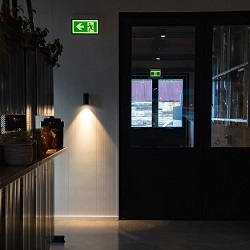
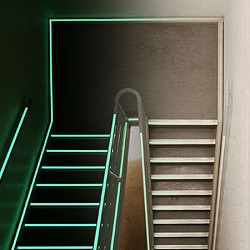
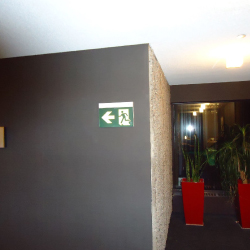
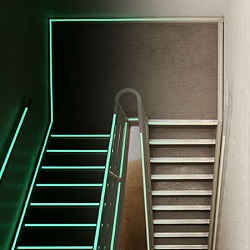
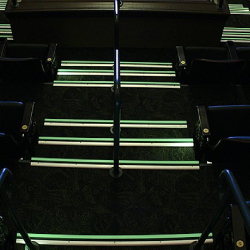
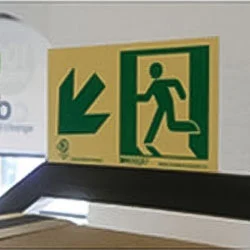
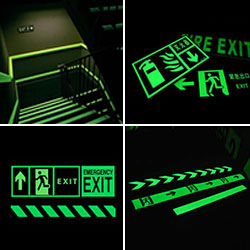
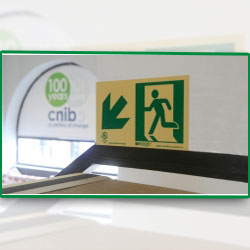
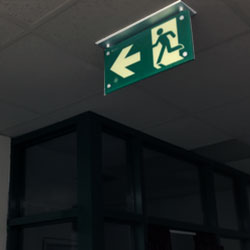
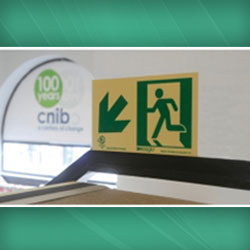
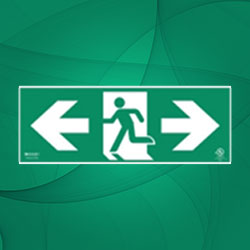
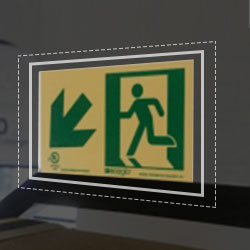
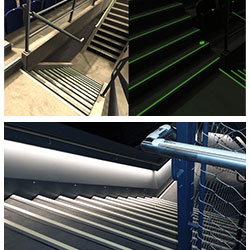
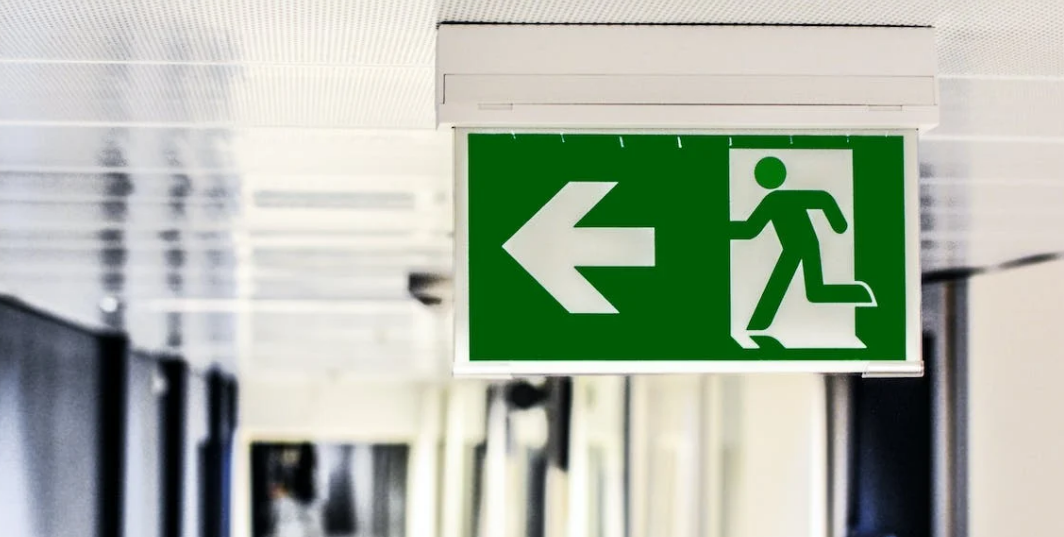
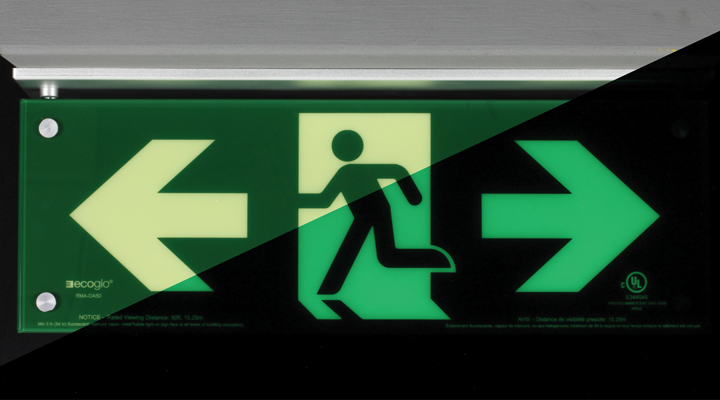
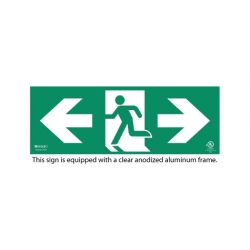
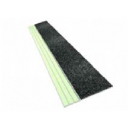
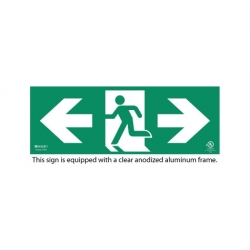
Evacuating a dark, crowded arena is incredibly dangerous. Ecoglo Photoluminescent signs and stair nosings aid safe evacuation during fire emergencies by remaining illuminated even when the main lighting fails. These zero-energy strips absorb ambient light and glow brightly, guiding families to safety without relying on electricity.
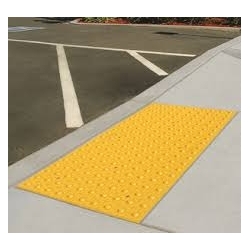
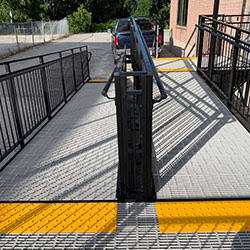
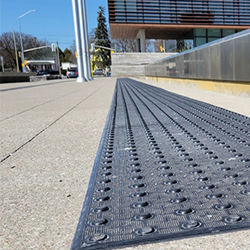
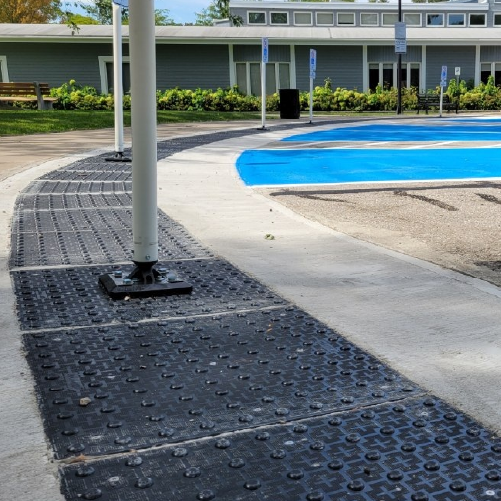
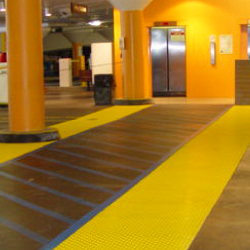
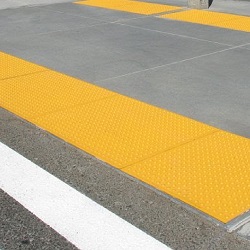
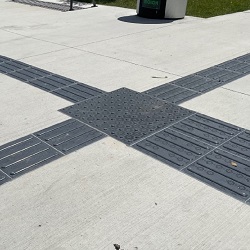
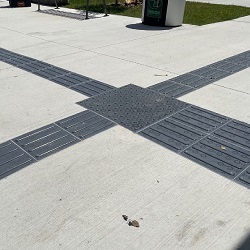
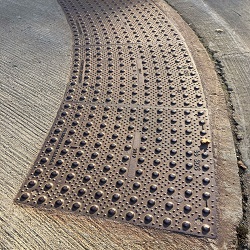
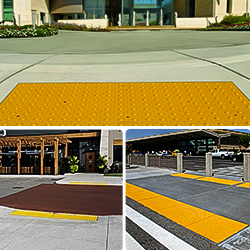
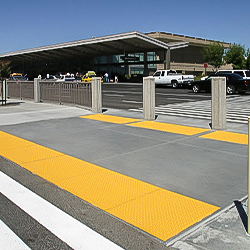
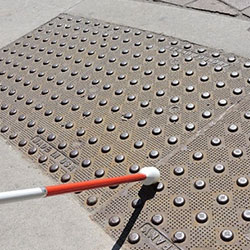
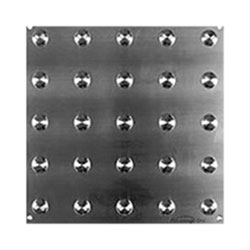
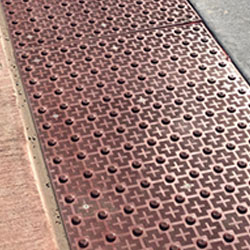
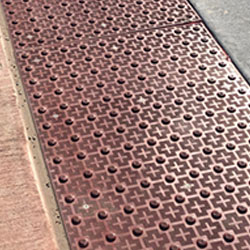
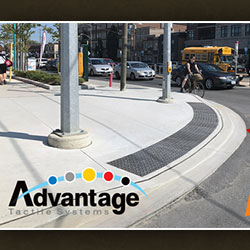
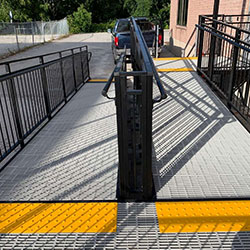
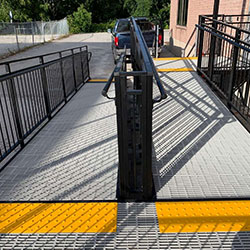
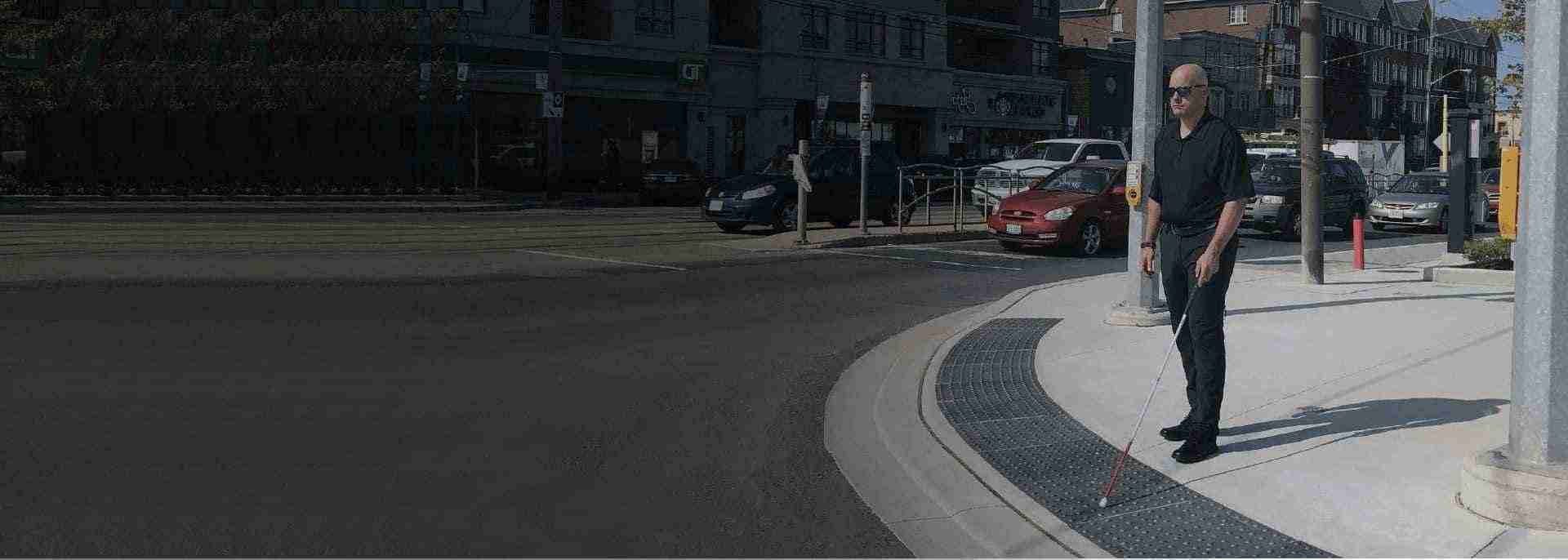
Your recreation centre parking lot handles heavy delivery trucks and municipal snow plows. For these outdoor zones, Advantage Cast Iron Tactile Warning Plates are engineered for maximum durability and performance. They are heavily trusted by municipalities because they withstand aggressive winter maintenance perfectly.
If you are the contractor hired to upgrade a community centre, proper installation prevents ninety percent of future maintenance issues. You must follow strict protocols to protect the city's investment.
You must place tactile warning domes along any unprotected drop-off, including the deep end of a pool. These indicators must offer a slip-resistant surface and high visual contrast against the pool deck tiling.
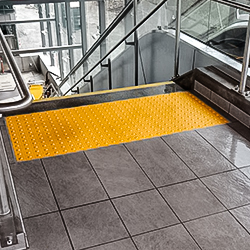
Yes. National building codes and CSA B651 strictly require tactile attention indicators at the top of all public staircases. They serve as an immediate physical warning that a downward elevation change is approaching.
Electric emergency lights can fail during severe storms or grid outages. Photoluminescent strips charge using everyday room light and glow in the dark automatically, ensuring a foolproof escape route down steep arena grandstands.
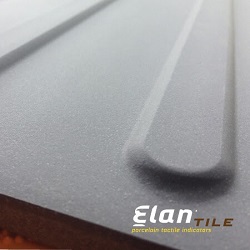
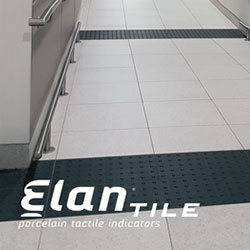
Yes, if you choose the correct material. High-quality engineered polymers and porcelain tactile tiles feature incredibly low water absorption rates and resist degradation from standard pool maintenance chemicals.
Contractors must ensure the tile features a heavily beveled edge. If using the cast-in-place method, they must embed the tile directly into the wet concrete so it dries perfectly flush with the surrounding floor.
Managing a community recreation centre is a massive responsibility. You must balance the chaotic energy of hockey tournaments and swim meets while strictly following federal safety laws.
Proper planning and the right materials make code compliance easy, functional, and beautiful. When you install high-quality tactile systems, you protect your residents and prevent expensive municipal lawsuits.
At Tactile Solution Canada, we supply the highest quality safety products for public and commercial applications. From durable cast iron plates to glowing stair strips, we have exactly what you need to pass your city inspections. Browse our complete online catalog today or contact our expert team to secure your public facilities.