Safety does not happen by accident. It is the result of constant attention.
Imagine a busy commercial plaza in Toronto. Sarah, the property manager, installed tactile walking surface indicators five years ago. She thought her building was perfectly safe and fully compliant.
But millions of footsteps, heavy delivery carts, and harsh floor cleaners took a serious toll. Sarah did not notice the slow damage until the accessibility inspector arrived. He handed her a massive compliance failure immediately. The raised dots were completely flattened. The bright yellow colour had faded to a dirty grey. Her safety system had become a slipping hazard.
At Tactile Solution Canada, we see this all the time. Installation is not the finish line. Codes like the AODA and CSA B651 demand strict compliance year after year. In Ontario, ignoring these rules can lead to fines of up to $100,000 a day.
Let us review the top warning signs that mean it is time to replace your tactile products right now.
Accessibility products are life safety tools. Systems for the Visually Impaired rely on distinct physical texture and stark colour contrast to warn people of danger. When these physical cues fade away, the danger returns instantly.
Contractors and facility managers must perform regular visual audits. You cannot wait for an inspector to point out a broken tile or a faded exit path. You need to spot the red flags long before someone gets hurt or a massive fine is issued.
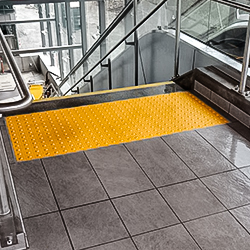
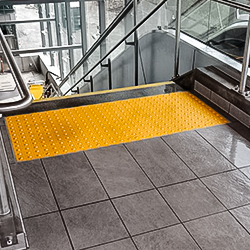
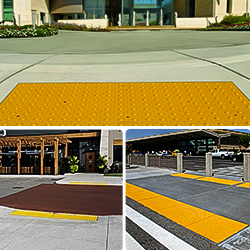
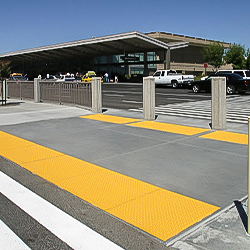
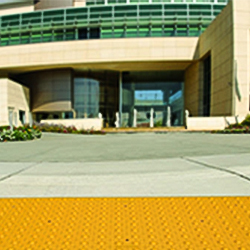
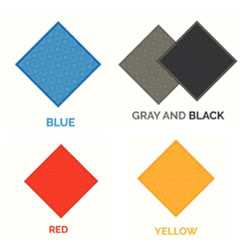
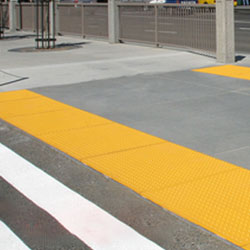
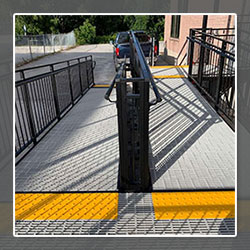
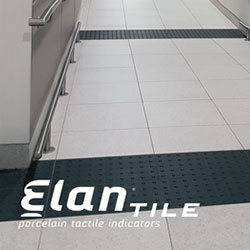
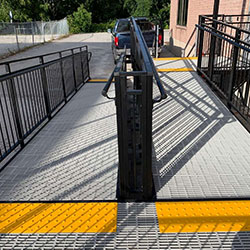
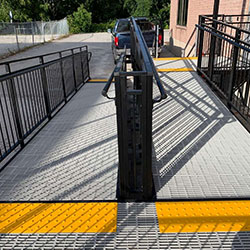
Canadian building codes require specific colour contrast levels. You generally need a 50 to 70 percent visual contrast between the tactile surface and the surrounding floor. This high contrast helps individuals with low vision see the hazard area clearly.
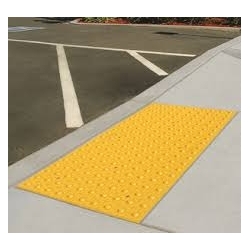
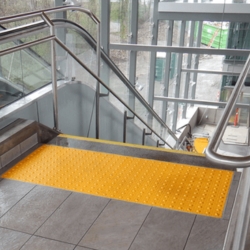
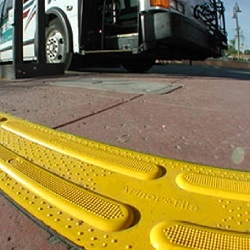
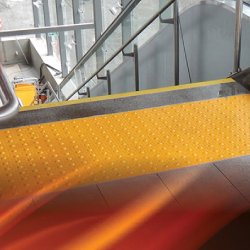
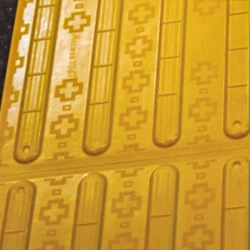
Over the years, UV rays from the sun and harsh cleaning chemicals fade bright safety yellow tiles.
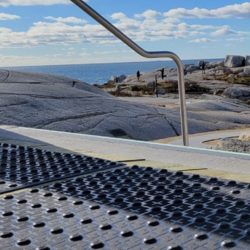
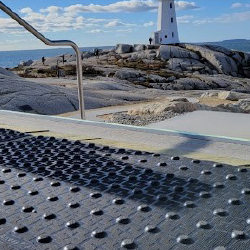
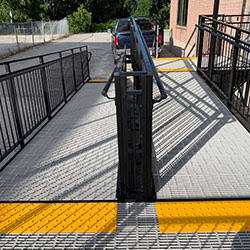
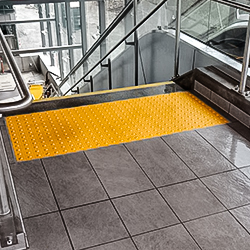
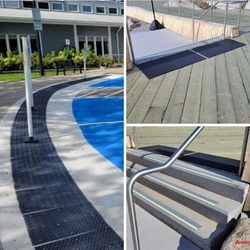
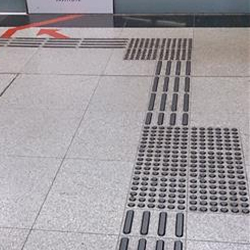
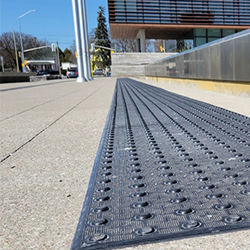
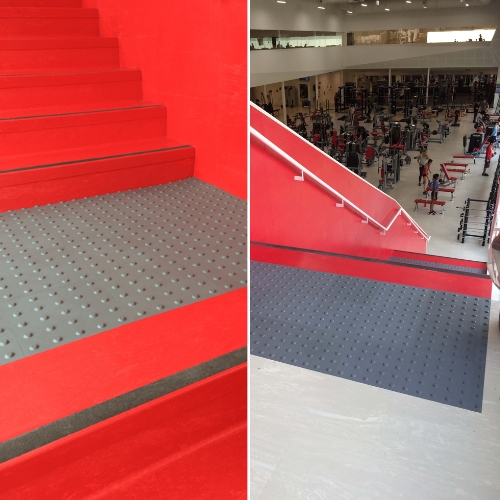
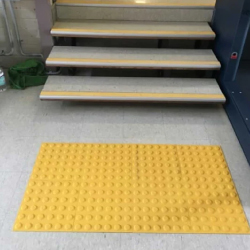
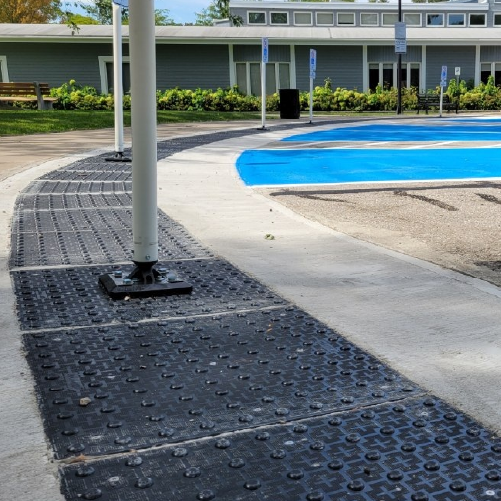
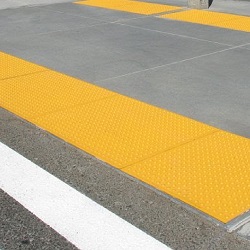
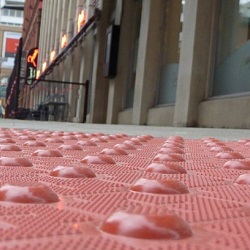
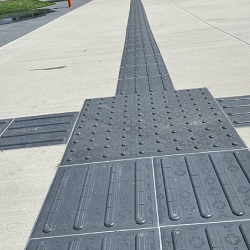
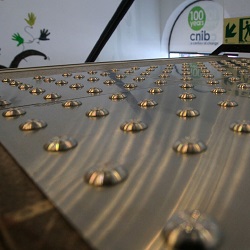
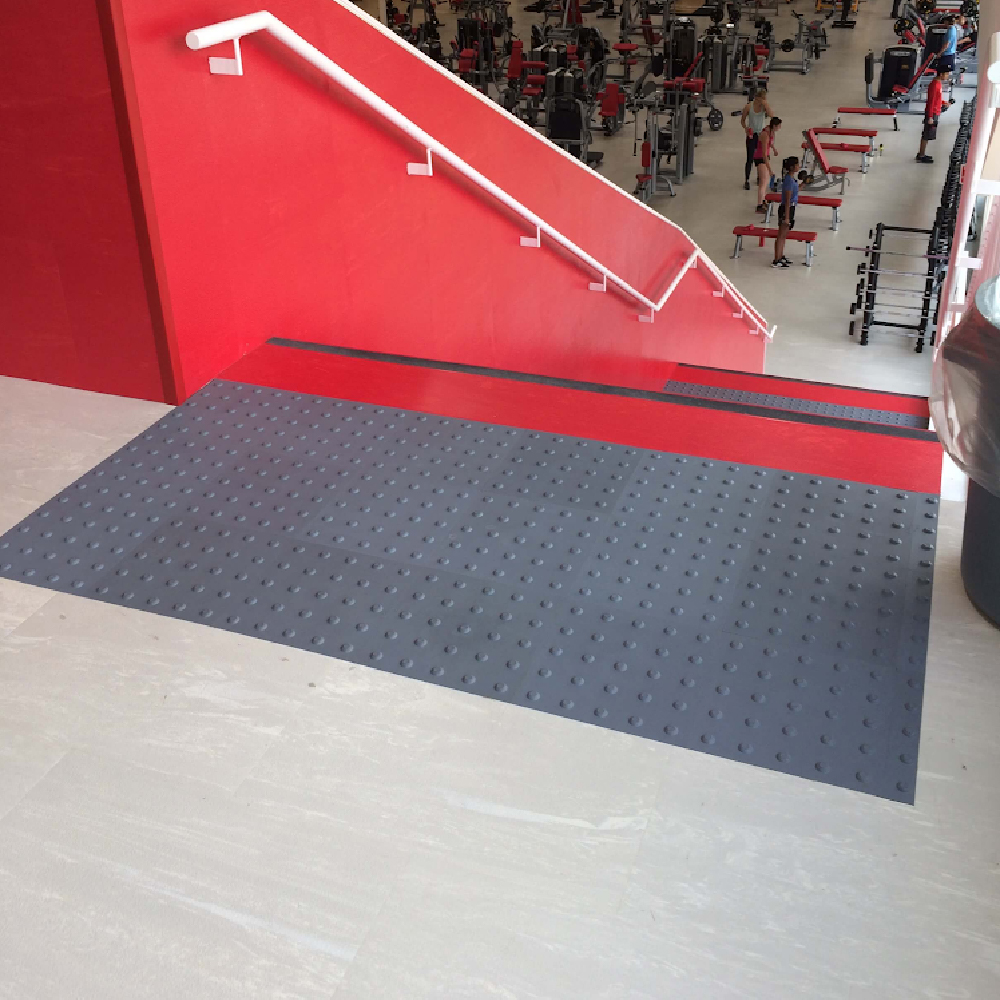
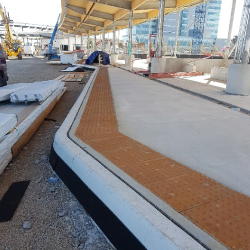
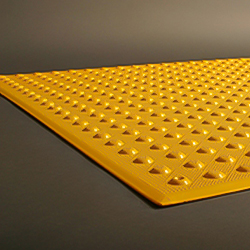
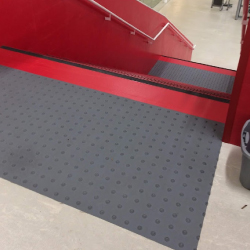
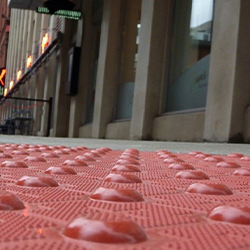
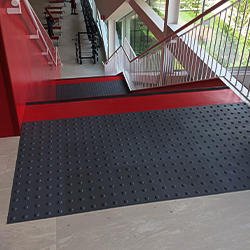
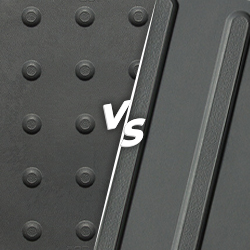
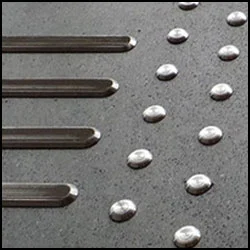
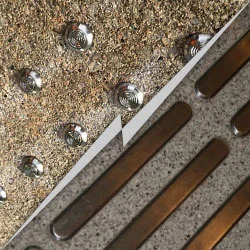
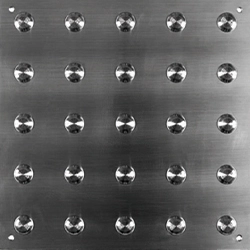
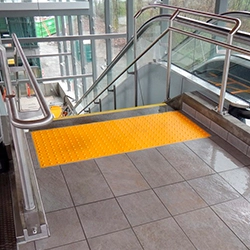
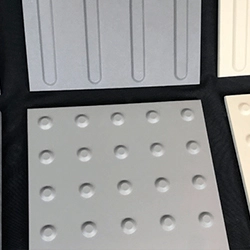
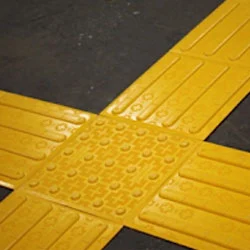
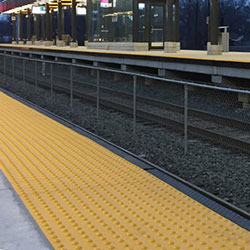
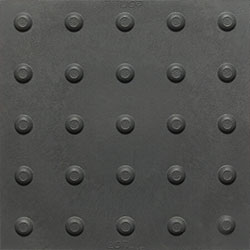
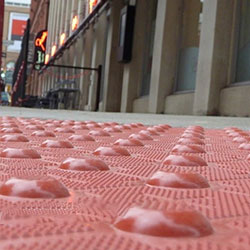
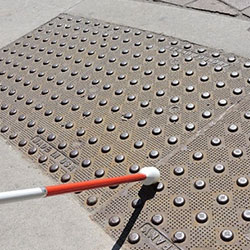
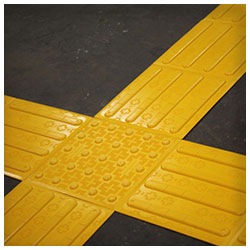
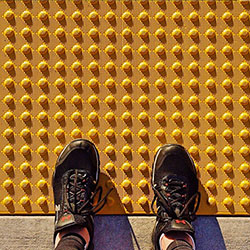
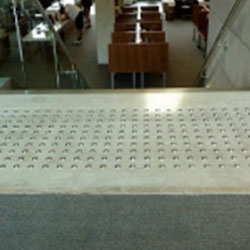
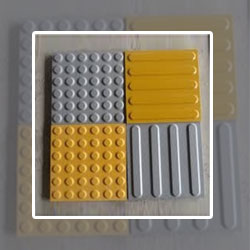
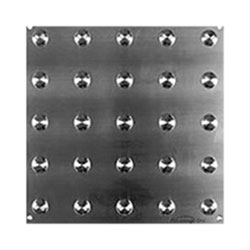
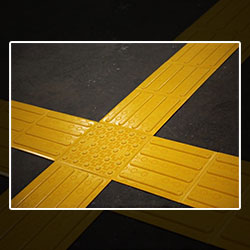
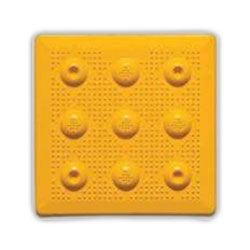
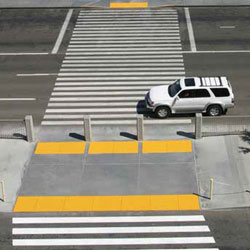
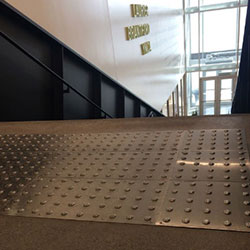
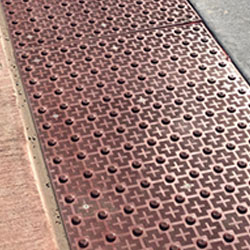
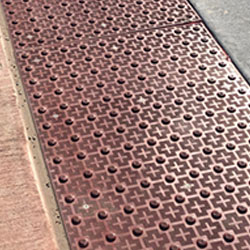
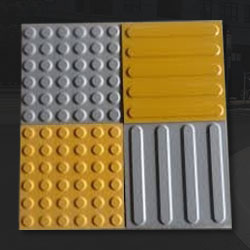
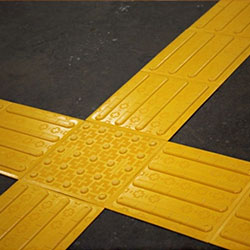
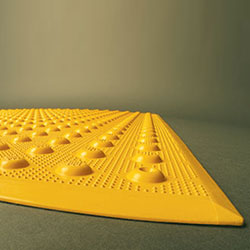
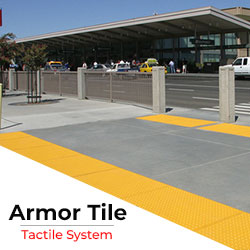
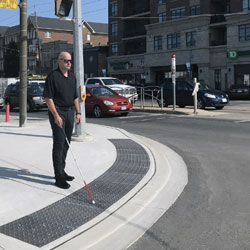
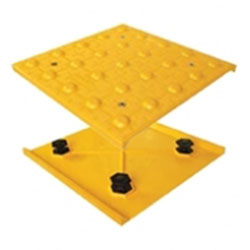
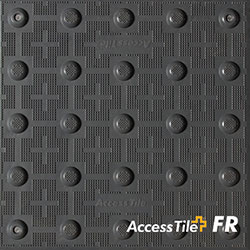
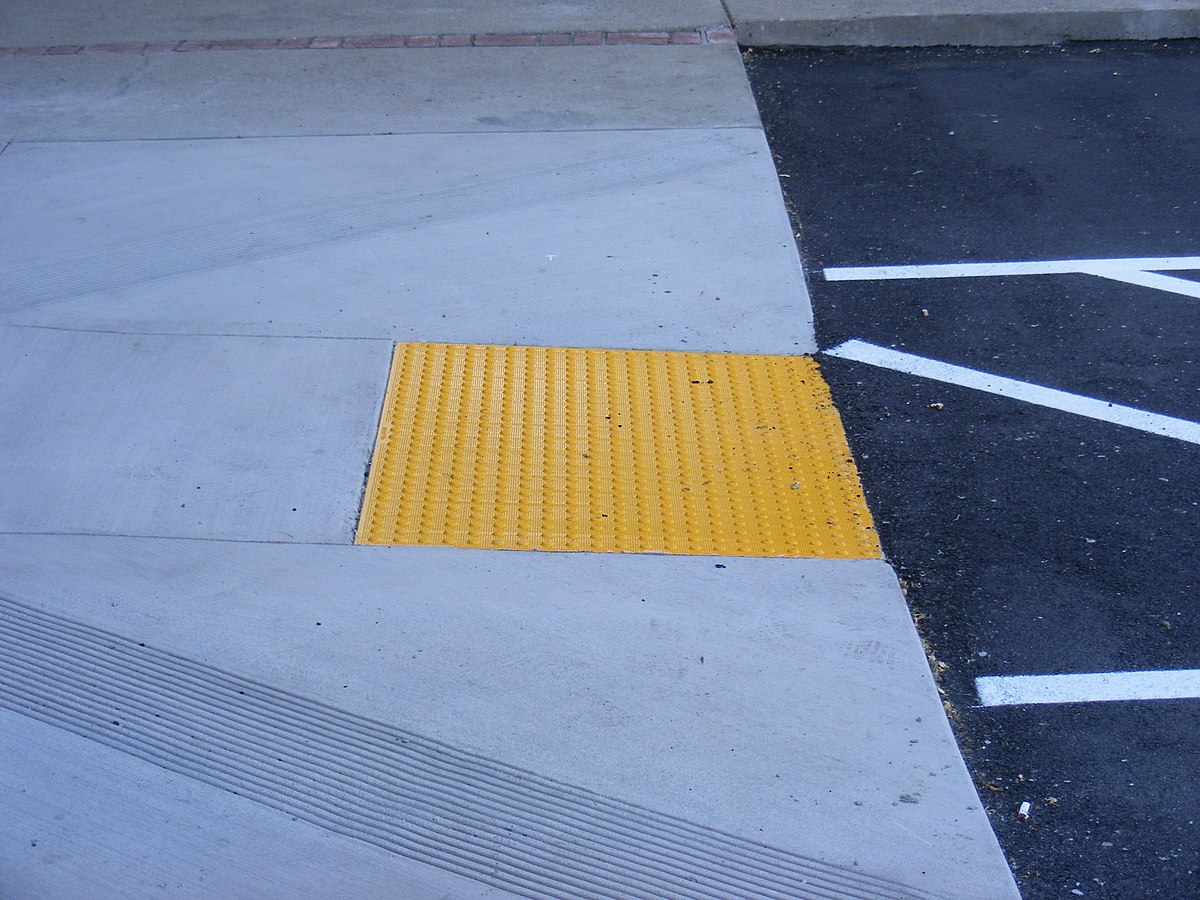
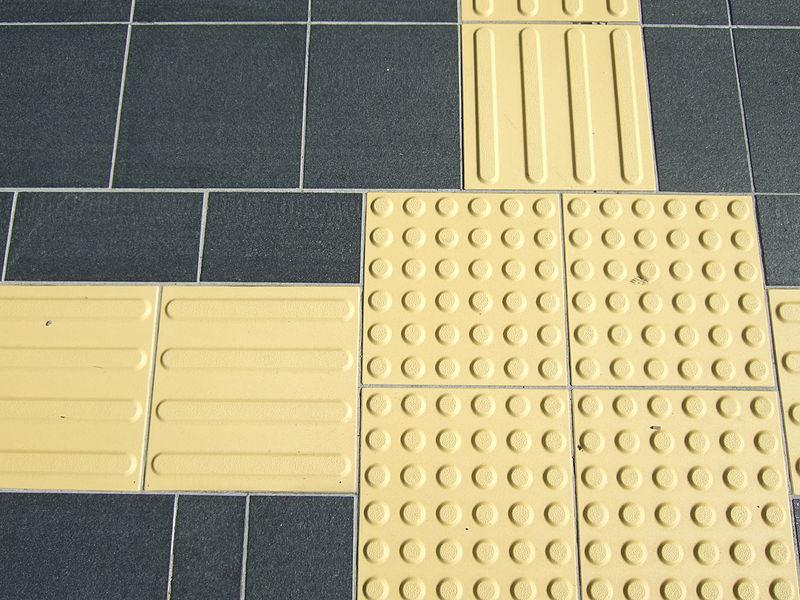
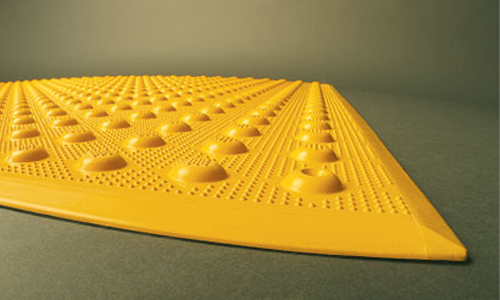
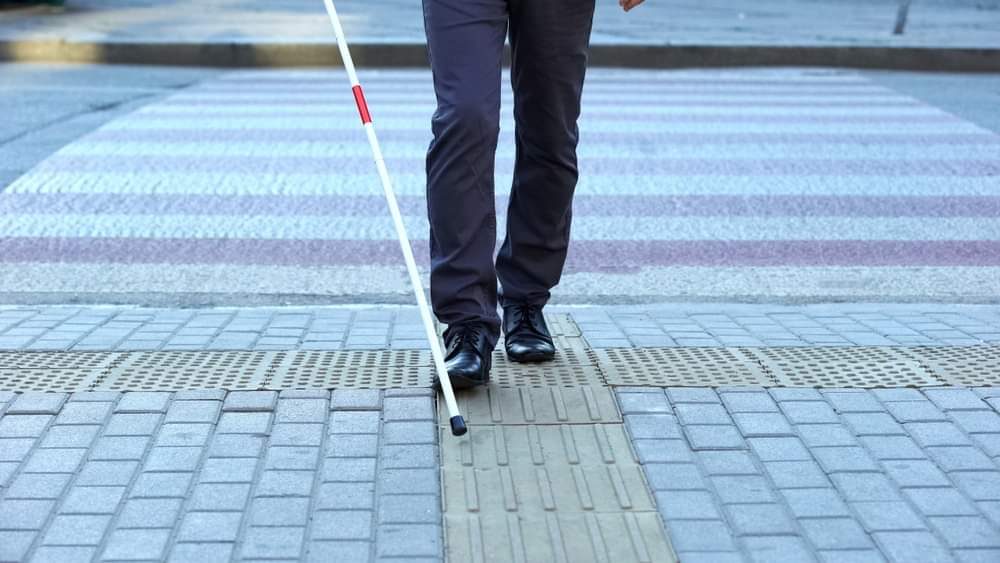
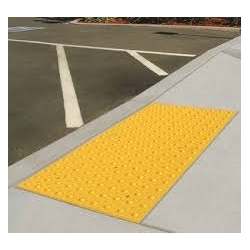
The physical texture is the most important feature of your setup. Tactile Warning or attention domes feature truncated dots like on AccessTile systems. These raised dots tell a cane user or a pedestrian to stop immediately because a hazard is close.
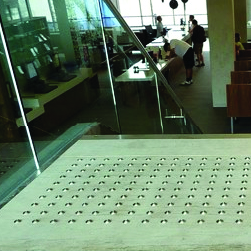
Constant friction from shoes, rolling carts, and heavy luggage wears these domes down over time.
You must replace worn-down surfaces with durable cast iron or cast-in-place concrete tiles for better longevity in harsh environments.
We see this common installation mistake constantly. Sometimes a contractor uses a cheap peel-and-stick tile outside. The Canadian freeze and thaw cycle destroys weak adhesives very quickly.
When the corners of a surface-applied tile lift, two bad things happen. First, the warning system shifts out of its required placement. Second, the lifted edge creates a massive tripping hazard. If water gets under the tile, the entire piece will pop off the concrete by spring. You must replace loose tiles using strong mechanical fasteners and premium construction adhesive.
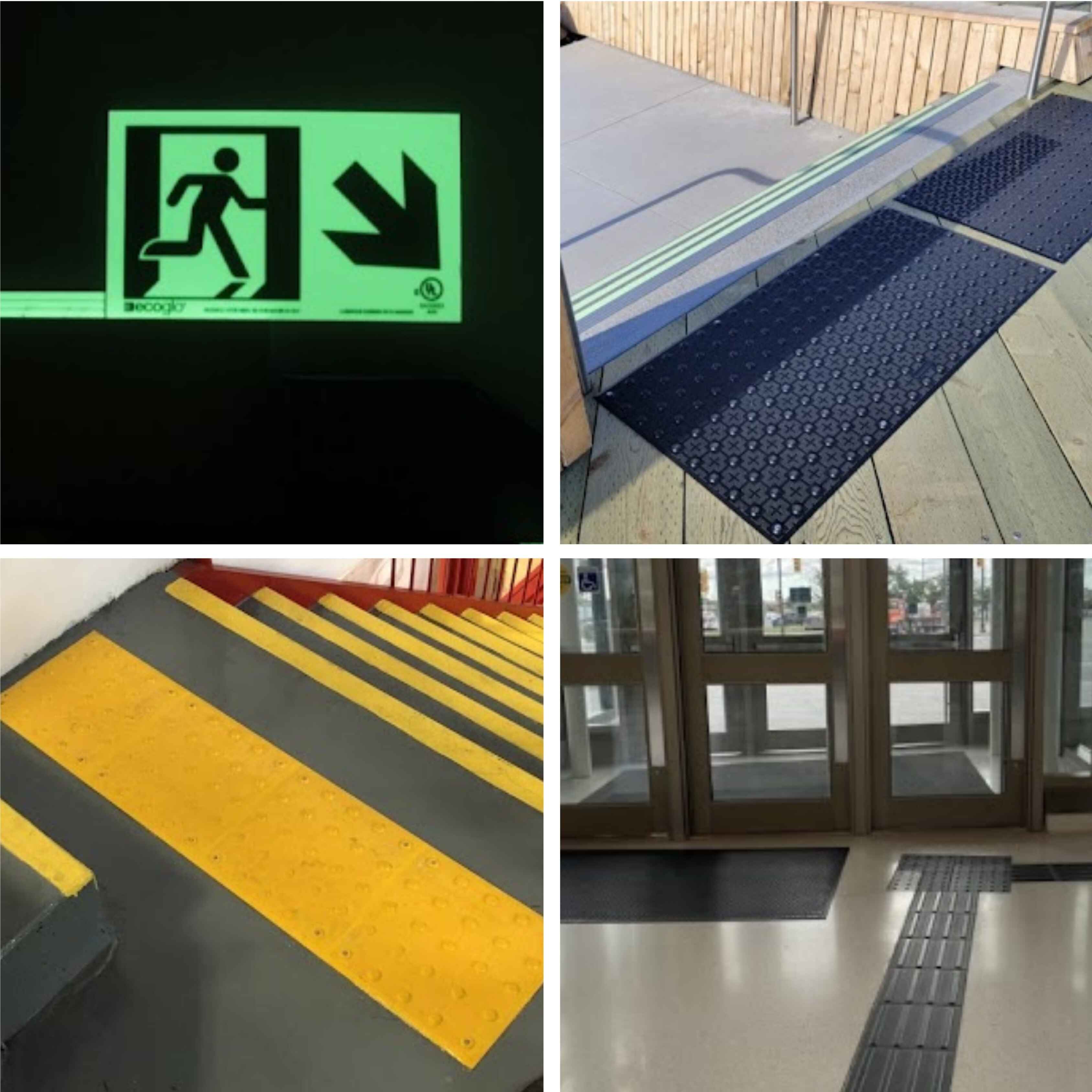
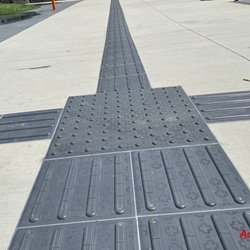
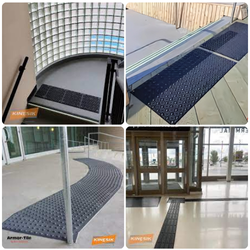
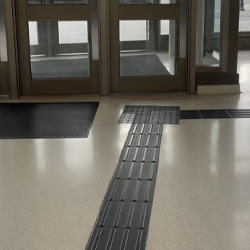
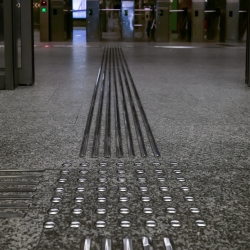
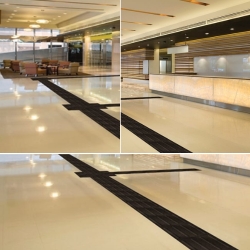
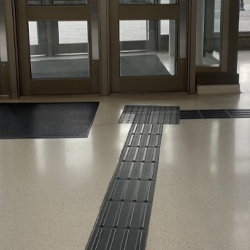
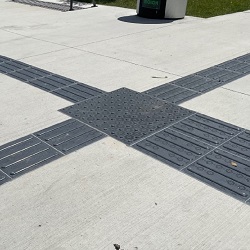
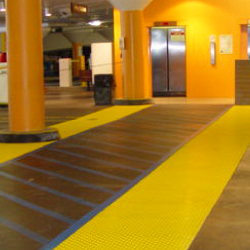
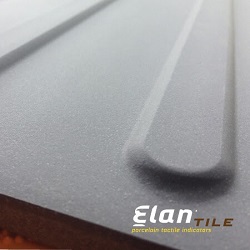
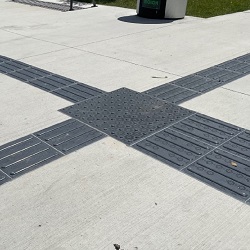
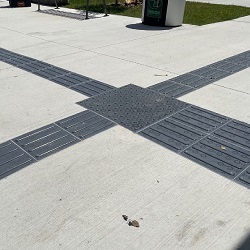
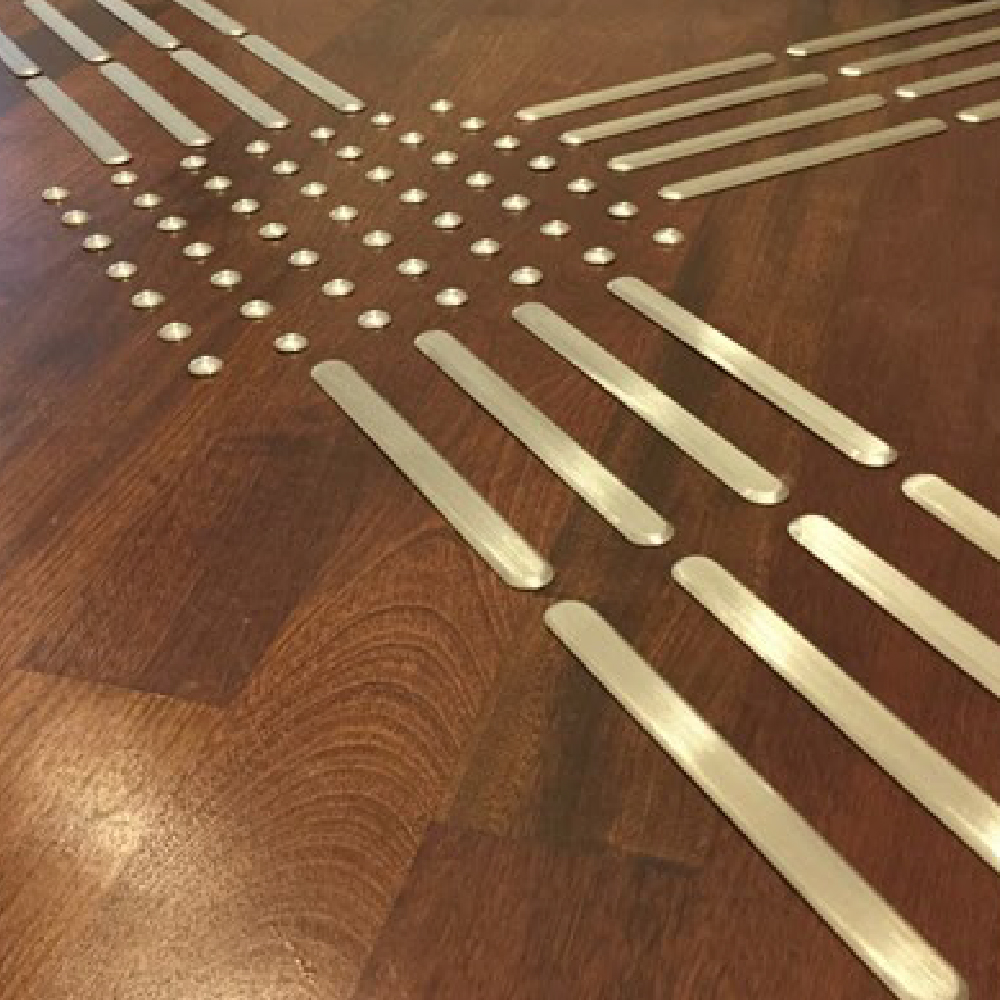
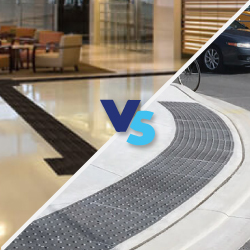
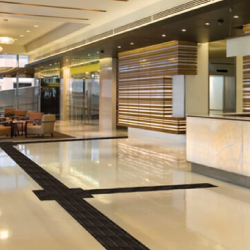
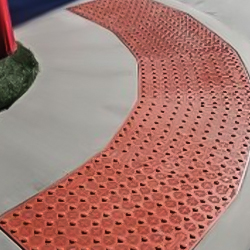
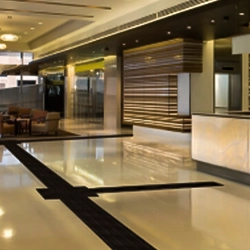
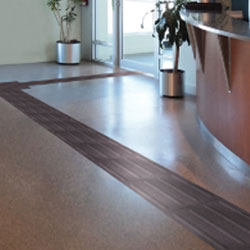
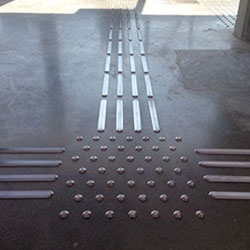
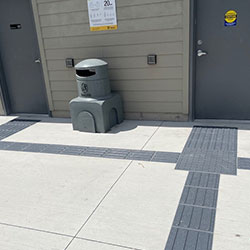
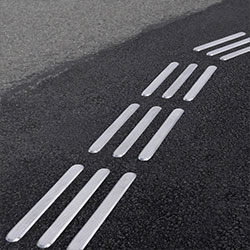
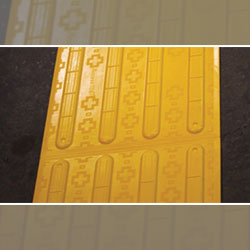
Large open lobbies can confuse anyone. Guidance or Wayfinding bars solve this by creating a physical path of travel. These long, flat-topped bars direct pedestrians to information desks, elevators, and safe exits.
If sections of these bars crack or chip away, your floor map is broken. A person relying on their white cane will suddenly lose their path. Missing sections mean you are failing accessibility inspections. Keep your pathways continuous. Replace any cracked directional bars immediately to maintain a clear, safe route.
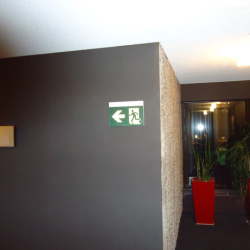
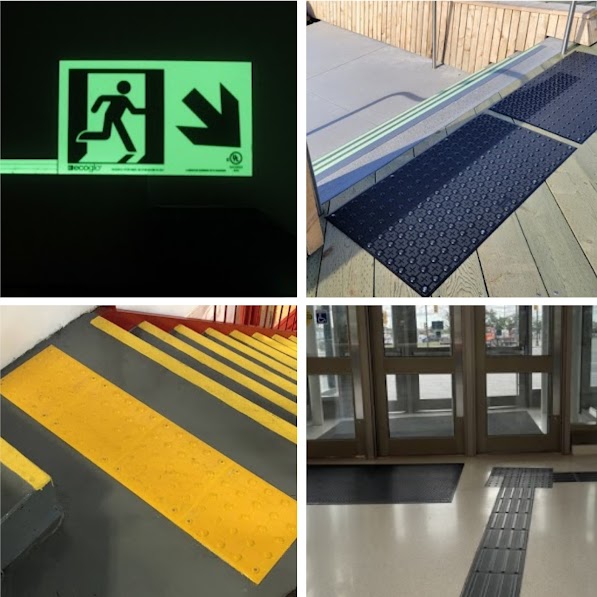
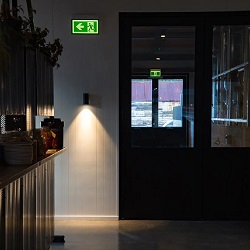
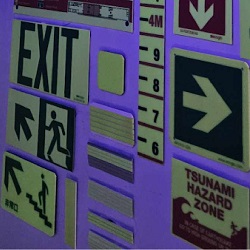
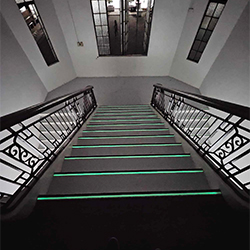
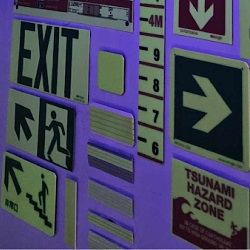
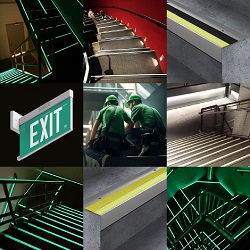
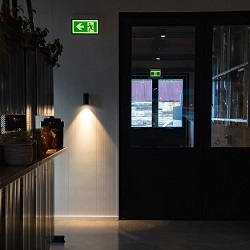
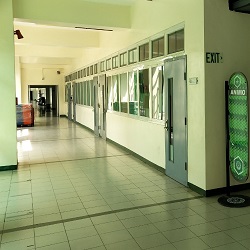
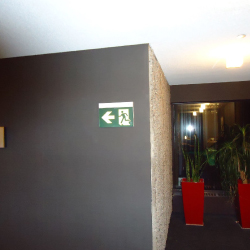
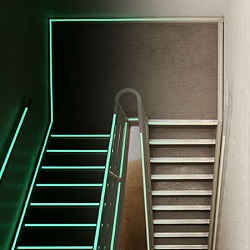
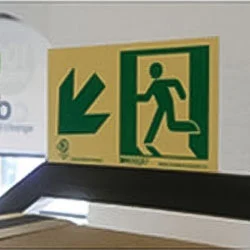
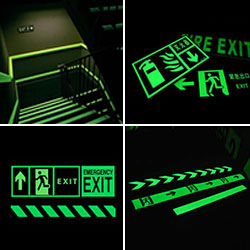
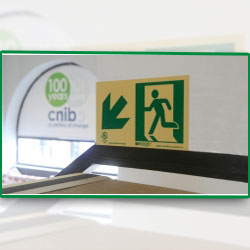
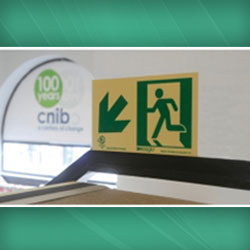
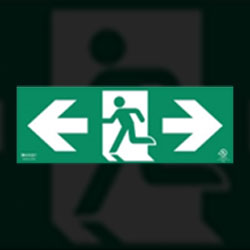
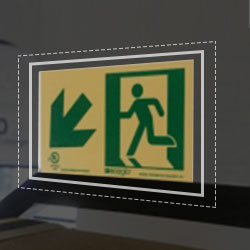
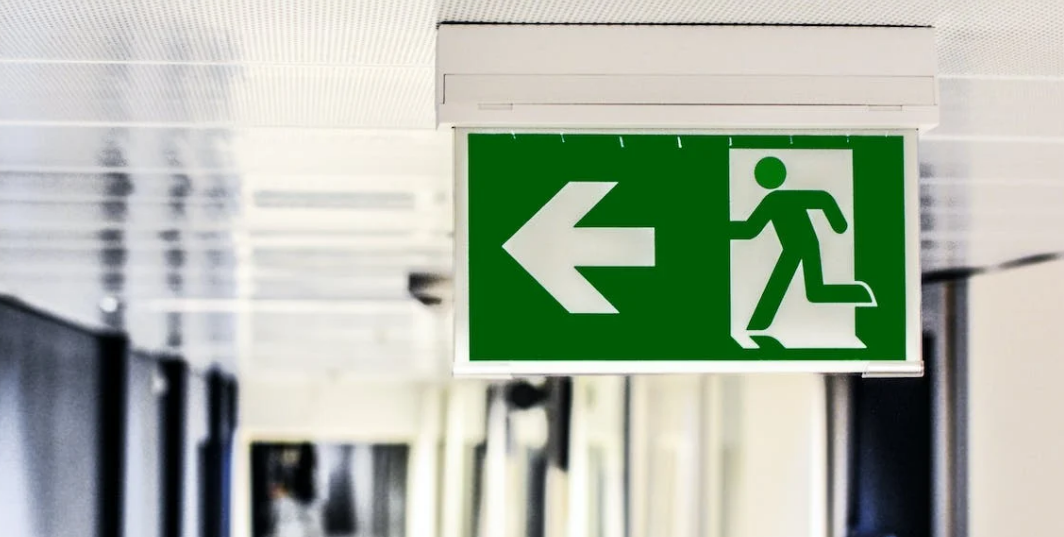
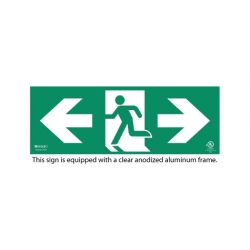
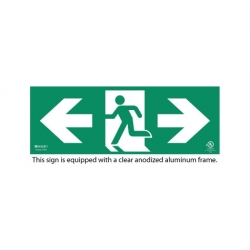
Safety codes now heavily emphasize low-level lighting for emergency situations. Standard electric exit signs are great. But thick smoke obscures high-mounted signs very quickly during a real fire.
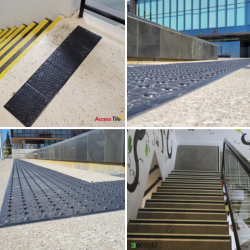
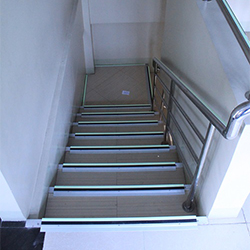
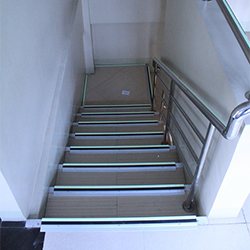
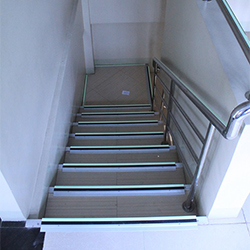
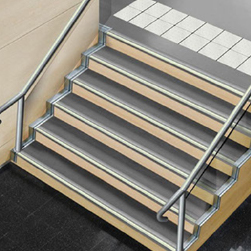
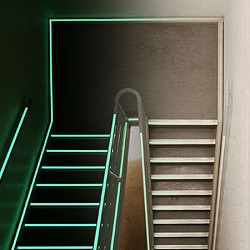
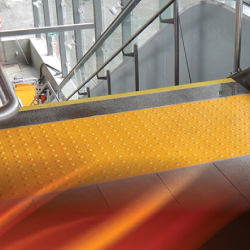
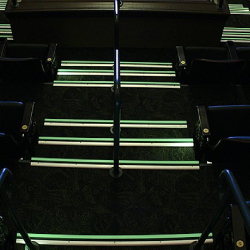
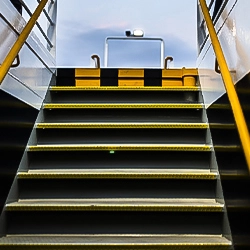
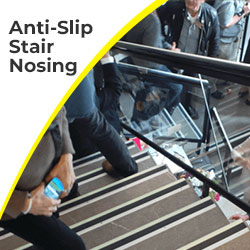
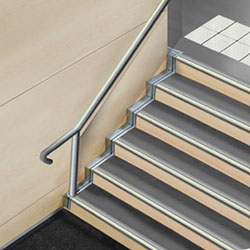
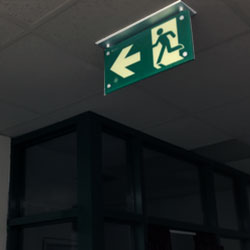
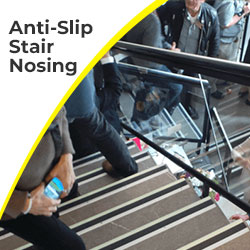
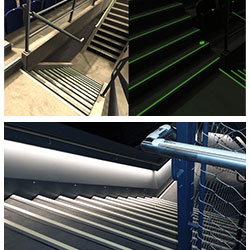
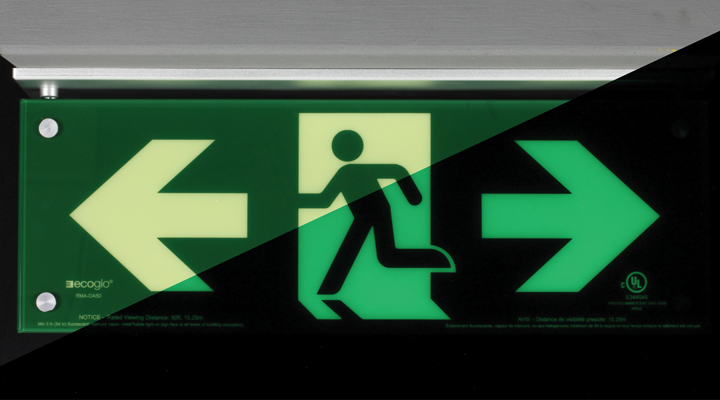
You must regularly check your photoluminescent exit signs and your stairwell safety strips.
These zero-energy items charge from ambient room light. They must stay clean and fully intact to function when the electrical power grid fails.
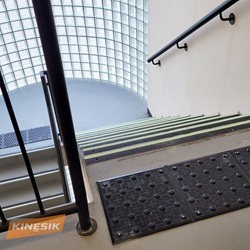
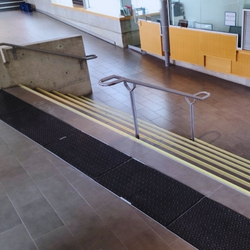
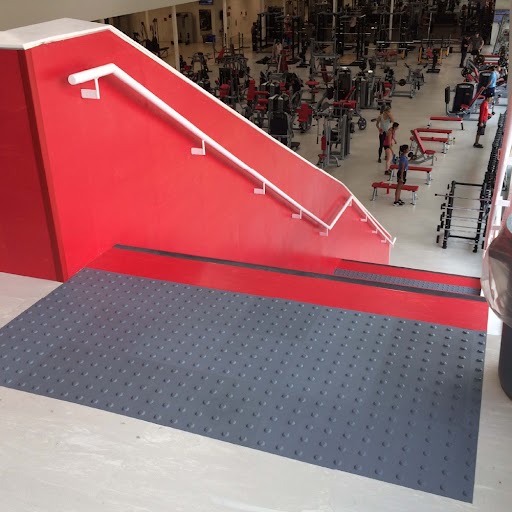
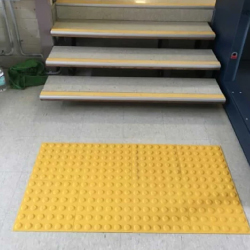
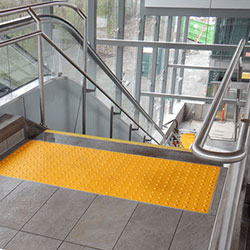
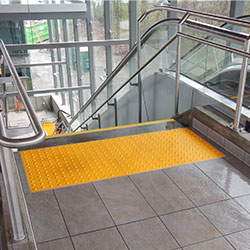
Inspectors do not just check if a tile exists on your floor. They check if it functions perfectly according to strict Canadian codes. A damaged tile might sit flush against the top of a staircase. But if the domes are gone, the warning is gone.
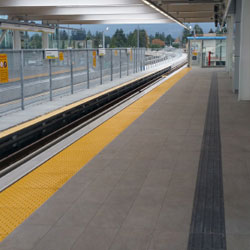
We often find that old tiles were installed too close to a drop-off in the first place. Building standards like the NBC and OBC have strict setback rules. For stairs, domes typically must start one full tread depth back from the top step. For platform edges, the required setback is often 600mm to 650mm.
If you are replacing old, worn-out tiles, this is your chance to fix poor placement mistakes from the past. Do not just put the new tile exactly where the old one was. Measure your setbacks. Check your blueprints. Ensure you give pedestrians enough time to detect the texture and stop safely before the hazard.
Fixing these issues before an inspection saves you stress and protects your budget. Retrofitting costs spike sharply when you face mandatory, rush-order compliance orders from an inspector. Proactive maintenance is always the cheaper and smarter route.
At Tactile Solution Canada, we provide heavy-duty, code-compliant materials built specifically for Canadian weather and high-traffic commercial buildings. We have the exact products you need to swap out those fading, cracking, and peeling hazards. Upgrade your property value and widen your tenant pool by keeping your spaces accessible for absolutely everyone.
Do not let an old, flat tile cost you a massive fine. Walk your property today. Check your contrast levels. Feel the tactile domes. If you see any of the red flags we discussed, give our expert team a call. We will help you select the perfect, long-lasting replacement.
It depends heavily on the material and the specific location. High-quality outdoor cast iron tiles can last over twenty years. Surface-applied polymer tiles in heavy foot traffic areas may show significant wear after five to seven years and require replacement.
No. Patching or gluing a broken tile does not meet Canadian building codes. A repaired tile compromises the uniform texture needed for cane detection. You must remove the damaged section and install a completely new tile.
You can use a digital light meter to check the luminance contrast between the tile and the surrounding floor. If the reading drops below the required 50 percent mark, the tile has faded too much and needs immediate replacement.
This usually happens due to severe weather changes or poor initial installation. Extreme cold causes concrete to shift and cheap adhesives to fail. When replacing them, we strongly recommend using mechanical fasteners along with a premium adhesive for a secure hold.
Yes. Many updated provincial building codes and fire codes now mandate low-level photoluminescent path markings in commercial buildings. They act as a crucial, battery-free backup to electric signs during total power failures or heavy smoke events.