Before you pour a single yard of concrete for a commercial sidewalk this fall, you need to ask yourself a serious question. Will your safety infrastructure survive February in Canada?
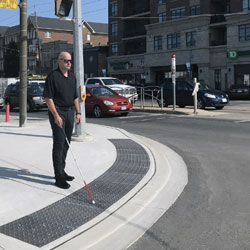
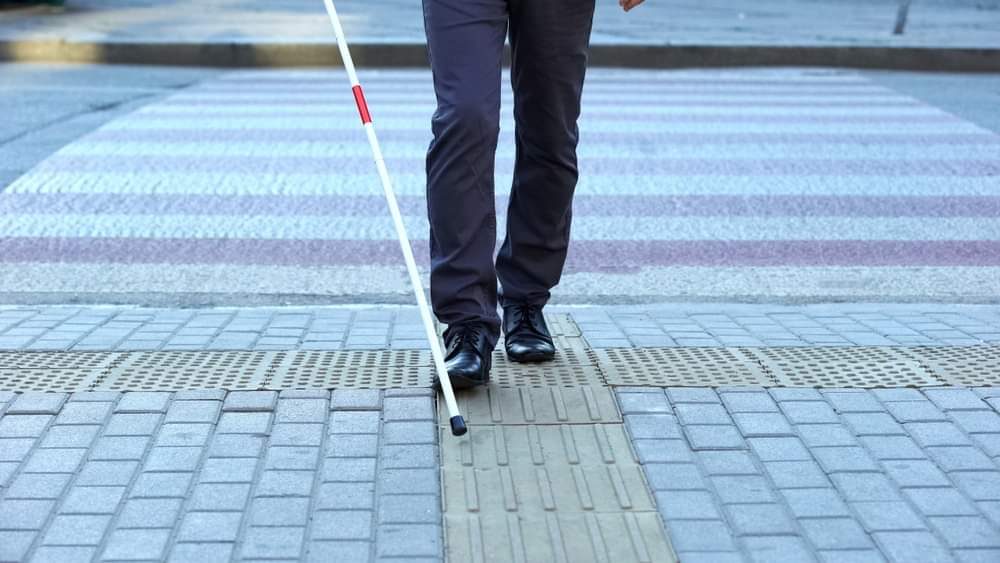
A visually impaired pedestrian relies entirely on physical textures underfoot to know where a safe sidewalk ends and a dangerous intersection begins. When those textures are sheared off by a snow plow or shattered by freezing temperatures, your property instantly becomes a severe hazard.
Choosing the right Tactile Walking Surface Indicators (TWSI) for a Canadian winter requires a specific strategy. At Tactile Solution Canada, we supply contractors, landscapers, and building managers with heavy-duty products engineered for survival. Today, we will show you exactly how to choose the right tactile systems for your outdoor areas, pass your safety inspections, and avoid expensive spring replacements.
Let me share a story that happens far too often in our industry. Liam is a senior facility manager for a sprawling commercial plaza in Ottawa. Last summer, he upgraded the property to meet modern accessibility codes.
To save a fraction of his budget, Liam purchased standard, lightweight plastic tactile mats for the outdoor parking lot crosswalks. He had his contractor surface-apply them right over the old concrete.
Then, a brutal January storm hit the city. The temperature dropped to twenty degrees below zero, making the plastic mats incredibly brittle. A heavy municipal snow plow cleared the lot at high speed. The steel plow blade caught the raised lip of the plastic tiles and sheared the warning domes completely off the base.
The next morning, visually impaired visitors had zero warning before stepping into the active driving lanes. Liam failed a surprise municipal safety audit a week later.
He was forced to cordon off the intersection, rip out the ruined plastic, and start over. He reached out to our team for a permanent fix. We directed him to our Tactile Solution Finder Tool to ensure he never bought the wrong material again. He upgraded to heavy-duty cast iron plates, embedded them flush into fresh concrete, and completely weatherproofed his facility.
You cannot treat outdoor tactile installations in Canada the same way you would treat a project in a mild southern climate. Our winters introduce three massive forces that destroy weak building materials.
Water is the enemy of any outdoor surface. When snow melts during a sunny afternoon, the water seeps into tiny cracks under poorly installed tiles. When the temperature drops at night, that water freezes and expands. This process, known as frost heaving, will violently lift cheap tiles right off the concrete.
City plows and heavy-duty front-end loaders do not care about your delicate floor markers. If a tactile tile is surface-applied with a thick, blunt edge, a steel plow blade will catch it. You need materials that can handle the sheer force of a heavy machine dragging a blade across them.
Road salt, calcium chloride, and liquid brine mixtures eat away at low-grade metals and cheap plastics. Your tactile indicators must resist heavy chemical corrosion to maintain their structural integrity and bright safety colours over the years.
You must understand the law before you start buying safety products. Municipal inspectors do not give you a pass just because the weather is bad.
Here are the critical standards your facility must maintain year-round:
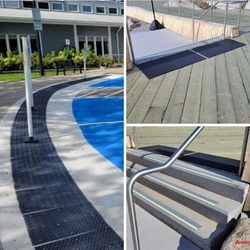
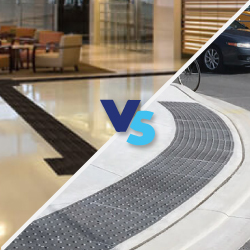
You cannot use the exact same material for a busy city intersection and a covered outdoor patio. By exploring our tactile product categories, you can match the specific material to your exact environmental threat.
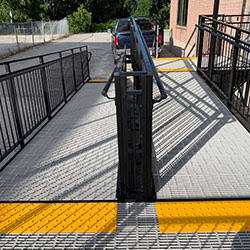
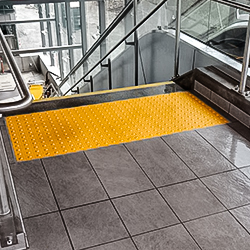
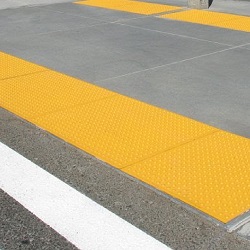
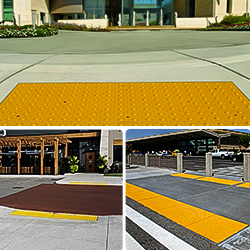
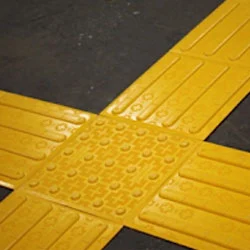
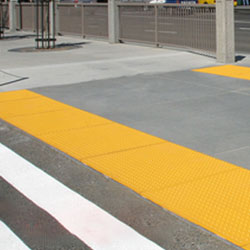
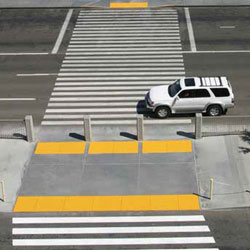
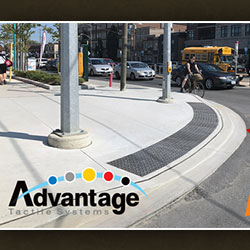
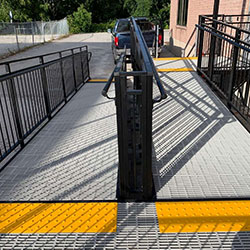
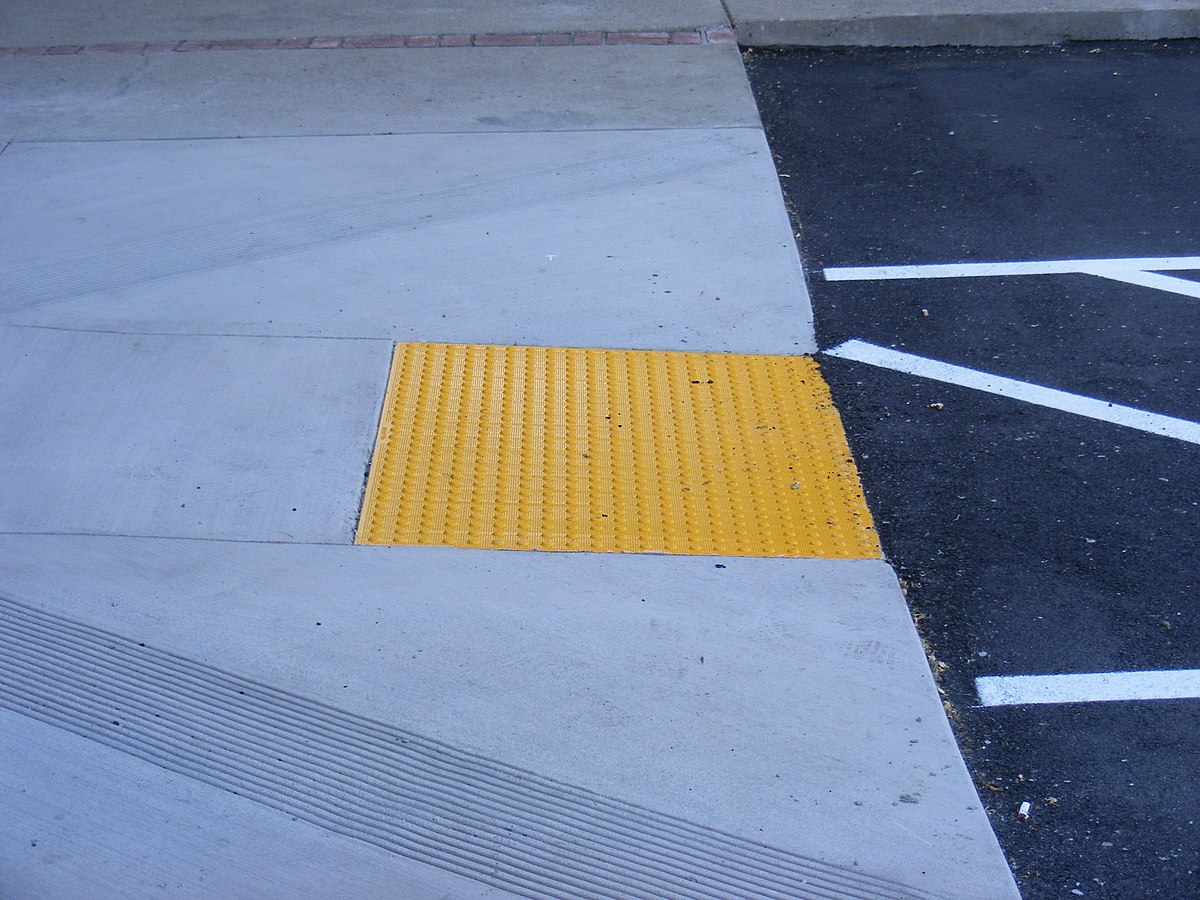
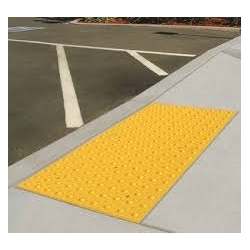
When a sidewalk slopes down to meet a busy multi-lane street, the risk to pedestrians is incredibly high. These areas also see the most aggressive municipal snow clearing.
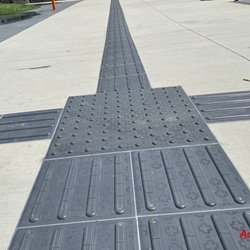
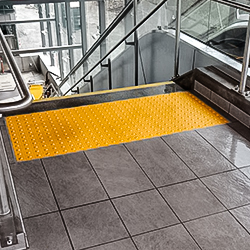
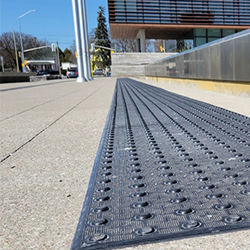
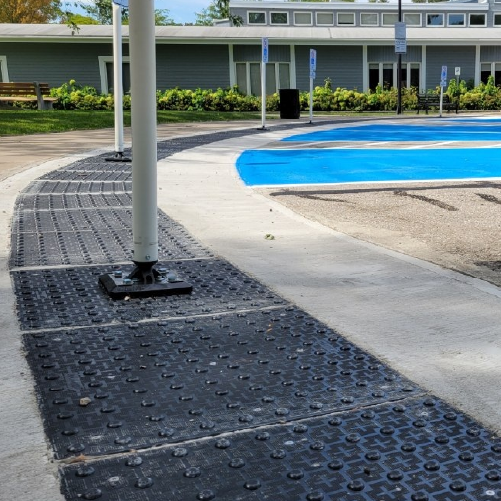
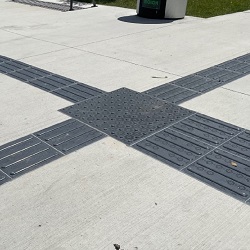
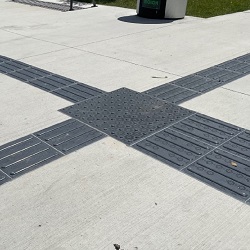
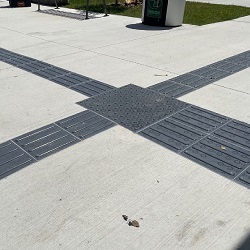
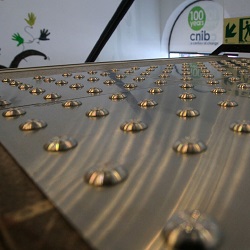
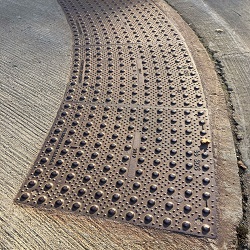
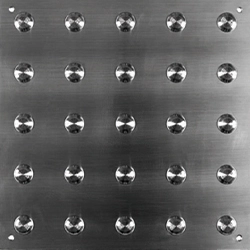
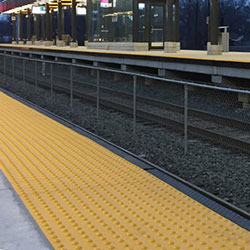
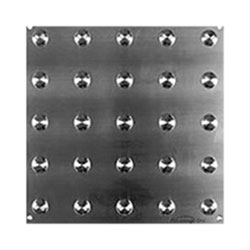
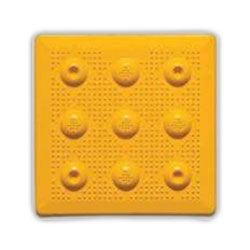
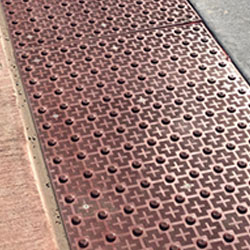
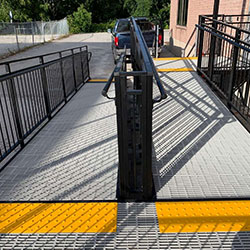
For these brutal environments, you must use Advantage Cast Iron Tactile Tiles.
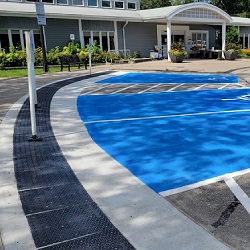
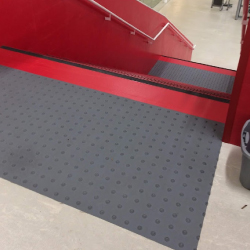
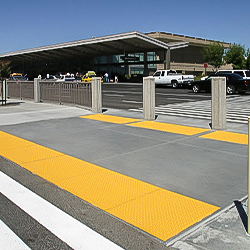
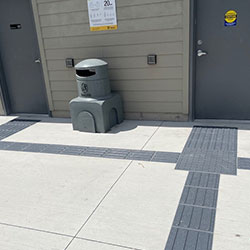
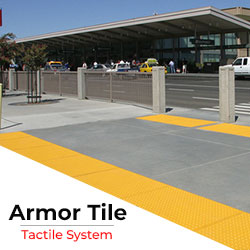
Parking lots require clear tactile warnings where pedestrian walkways cross active driving lanes. These zones often see heavy foot traffic and frequent salt application, but they usually avoid the high-speed city plows.
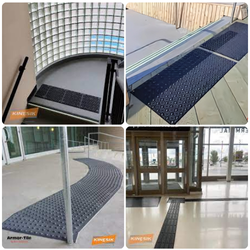
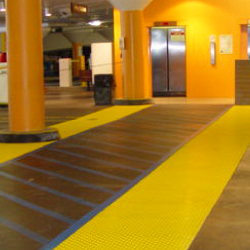
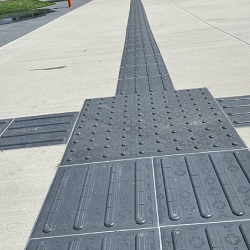
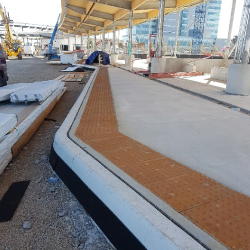
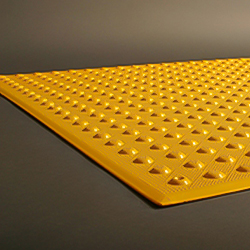
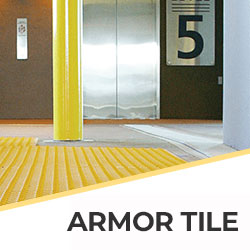
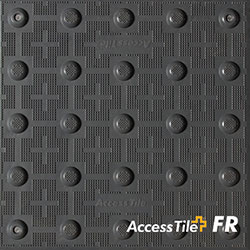
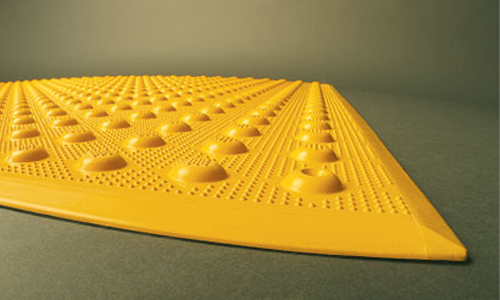
For retail parking lots and commercial crosswalks, Armor Tile Polymer Composites are a fantastic choice.
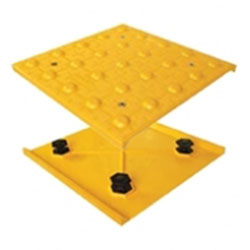
If you are worried about occasional heavy machinery damage, use the Access Tile Replaceable Cast-In-Place system. If a snowblower accidentally gouges a panel, your maintenance team can simply unscrew the top plate and drop a fresh one into the existing concrete anchor.
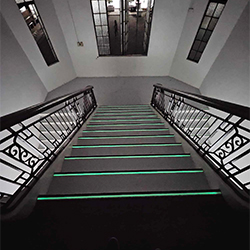
Outdoor stairs are the single biggest liability for a property owner during the winter. A light coating of freezing rain turns a concrete stairwell into an ice rink.
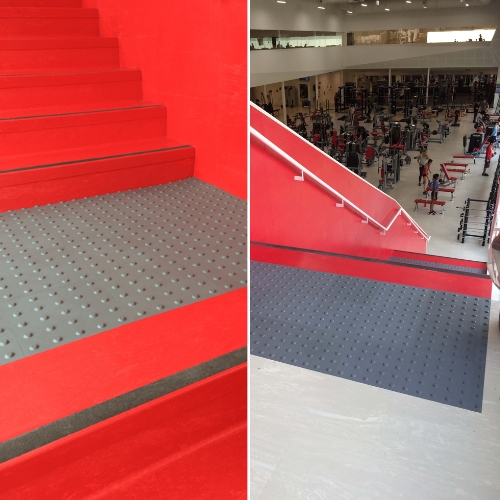
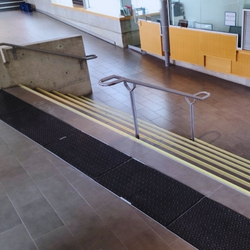
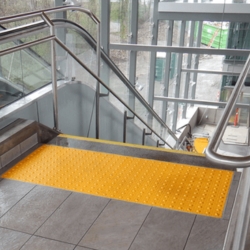
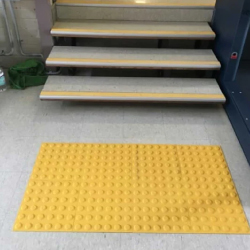
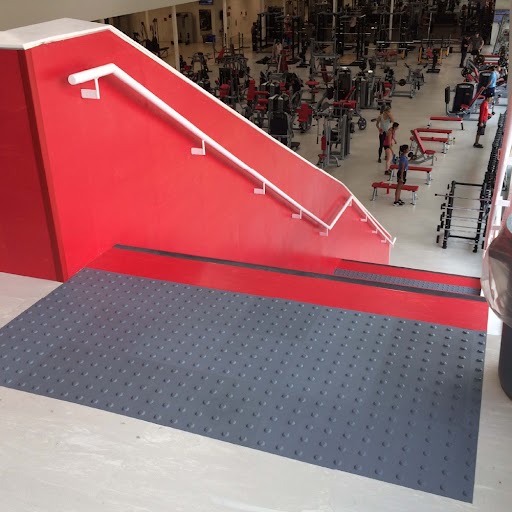
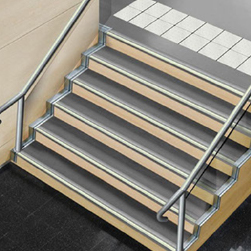
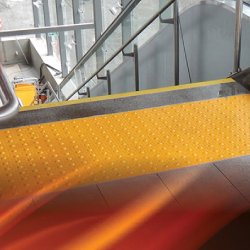
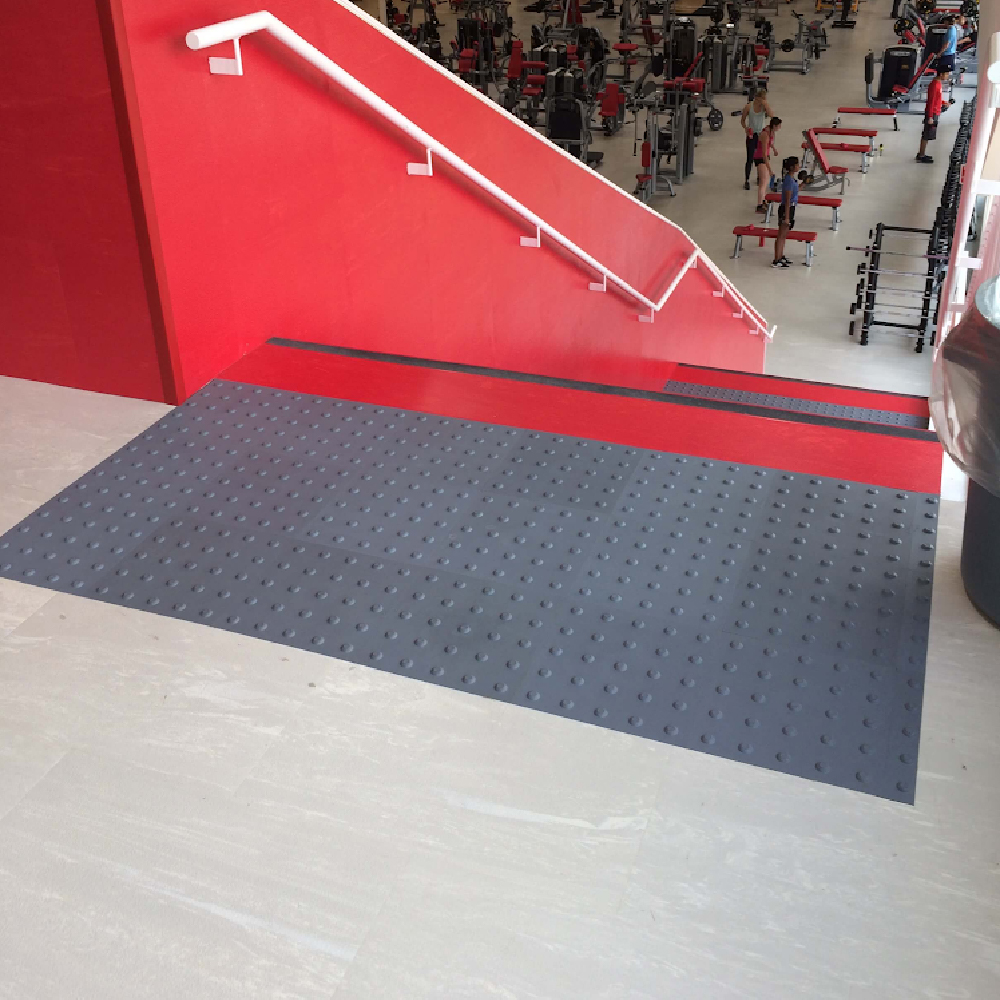
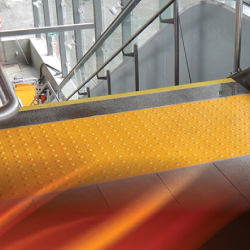
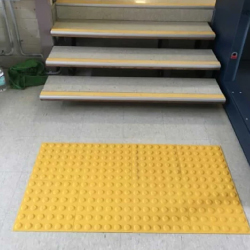
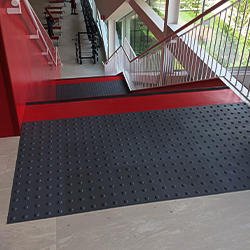
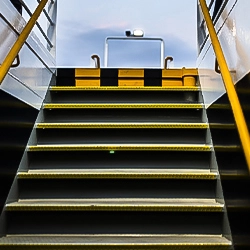
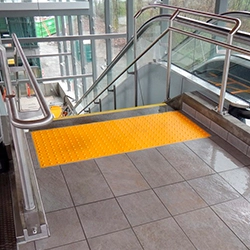
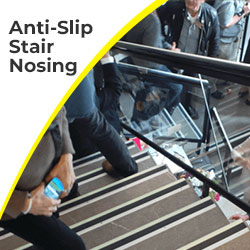
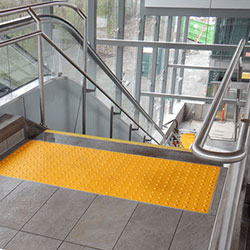
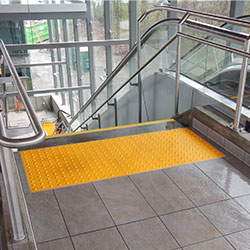
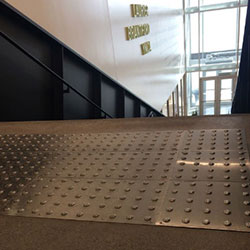
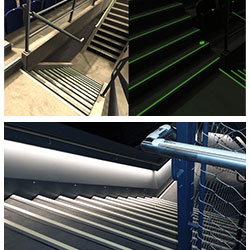
You must place a tactile attention indicator at the top landing to warn pedestrians of the impending drop. More importantly, you must secure the edge of every single step.
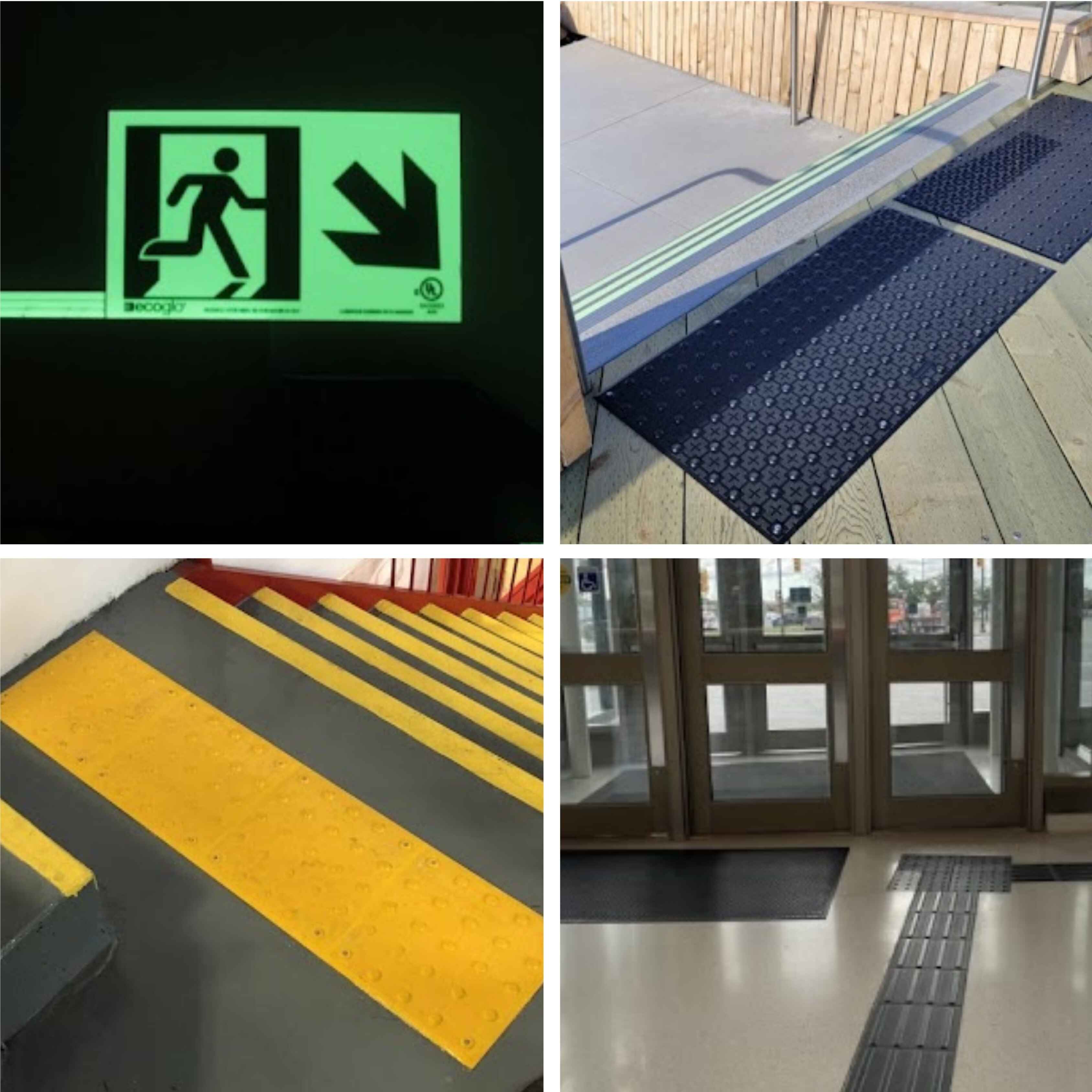
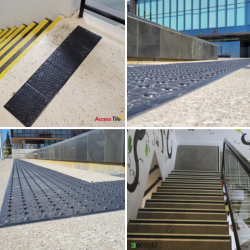
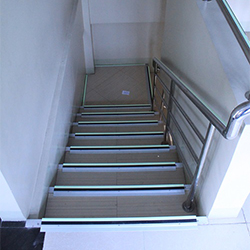
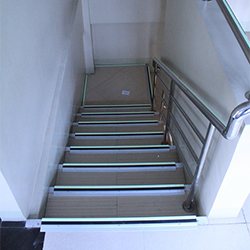
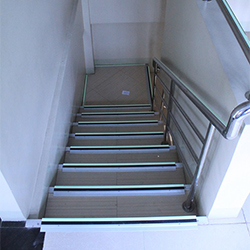
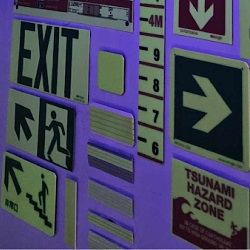
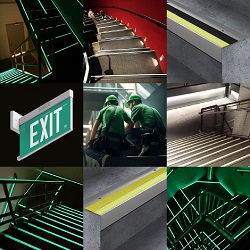
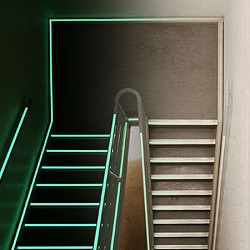
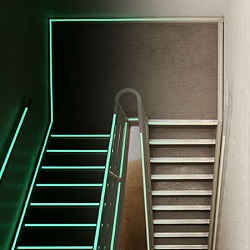
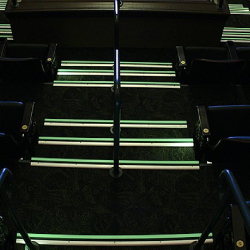
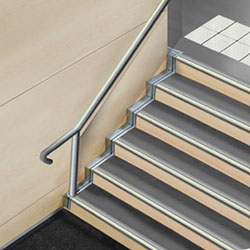
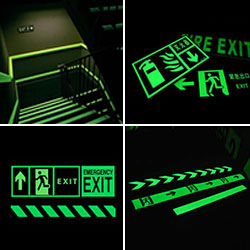
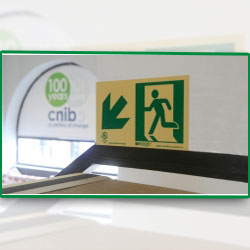
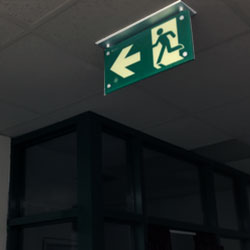
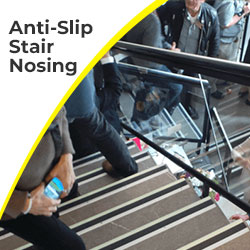
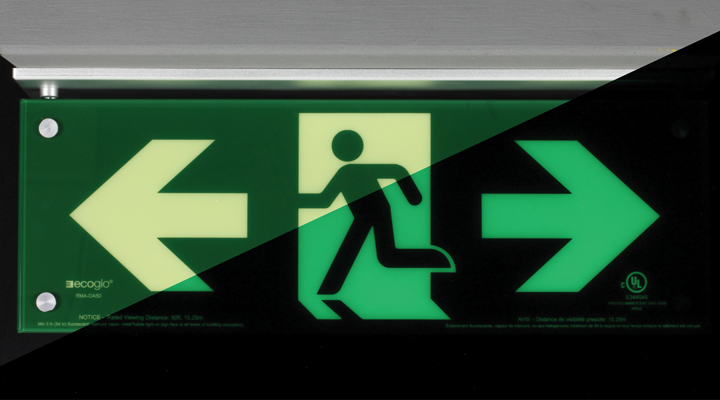
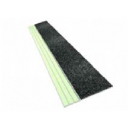
We highly recommend installing Ecoglo Photoluminescent Stair Nosing on your exterior stairs.
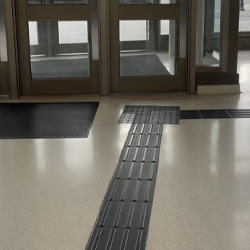
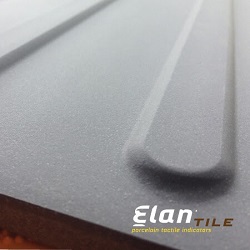
Building entrances and vestibules present a very unique winter challenge. Pedestrians track in massive amounts of slush, melting snow, and harsh road salt from the street.
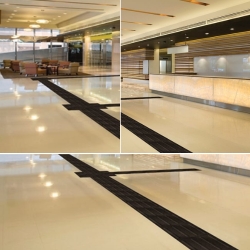
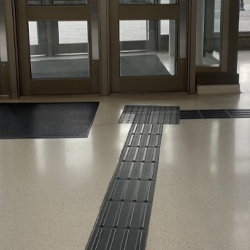
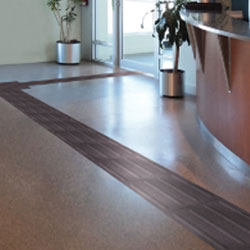
The floor material suddenly changes from rough outdoor concrete to smooth indoor tile, creating a severe slip hazard. You need a tactile system that handles wet conditions while maintaining a premium aesthetic.
Buying the right high-quality material is only half the battle. Your installation technique ultimately decides if your tactile system survives the winter.
If you are a contractor working in Canada, follow these strict rules to ensure your work passes inspection and lasts for decades.
Whether you use cast-in-place or surface-applied tiles, the beveled edge of the tile must sit flush with the surrounding concrete. If you leave a noticeable lip, a snowplow blade will eventually catch it.
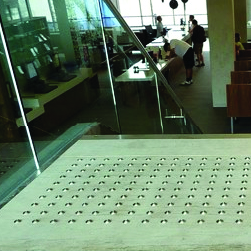
When installing cast-in-place tiles, you must press them firmly into the wet mix. Use a rubber mallet to tap the surface gently. This eliminates tiny air pockets trapped underneath the panel. If air pockets remain, water will fill them, freeze, and pop the tile out of the ground.
Run your trowel carefully around the outside edges of the tactile plate. Creating a smooth, clean transition ensures water drains away from the tile rather than pooling around the edges.
If you are forced to retrofit a tile onto dry concrete in the late fall, the ground must be completely clean and bone dry. If you trap moisture under a surface-applied tile, the structural polyurethane adhesive will fail during the first deep freeze.
Designing safe outdoor spaces in Canada requires serious foresight. You have to balance strict accessibility laws with some of the harshest winter weather on the planet.
You cannot afford to treat TWSI installations as a last-minute afterthought. When you invest in heavy-duty, weather-resistant materials, you protect the visually impaired members of your community. You also protect your business from expensive lawsuits and constant spring repair bills.
At Tactile Solution Canada, we provide comprehensive tactile solutions tailored specifically to your unique environment. From indestructible cast iron to zero-energy glowing stair strips, we have exactly what you need to finish your project right.
Browse our complete catalog online today. Use our expert digital tools to find your perfect product, and let us help you build an accessible, winter-proof property.
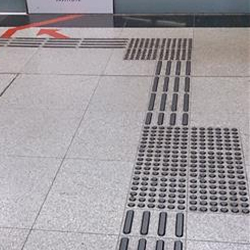
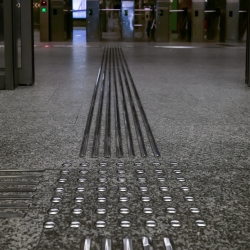
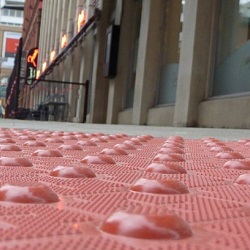
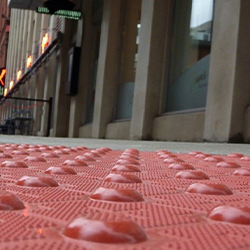
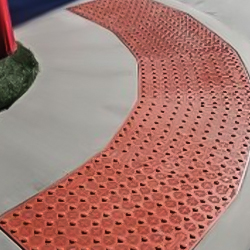
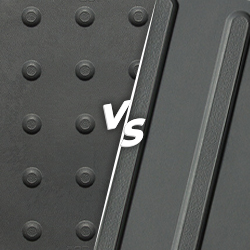
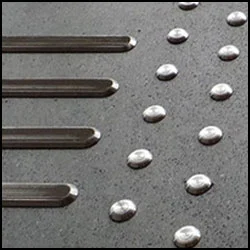
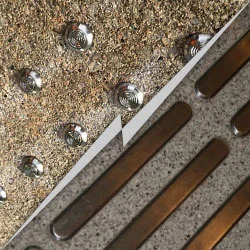
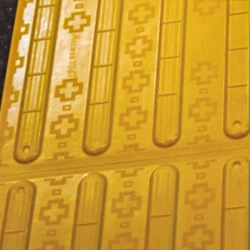
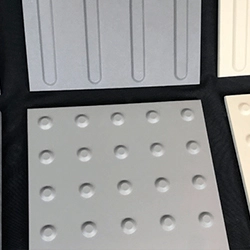
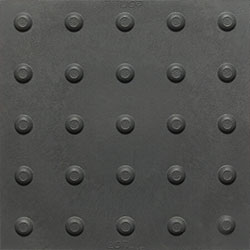
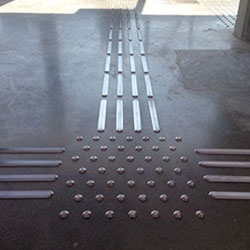
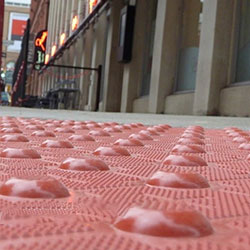
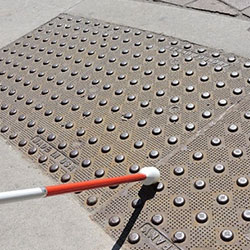
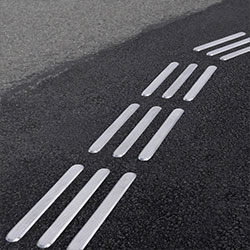
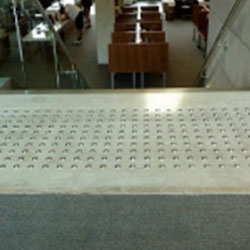
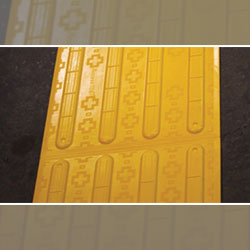
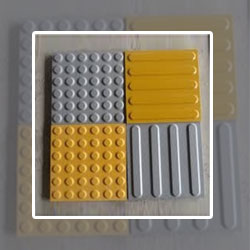
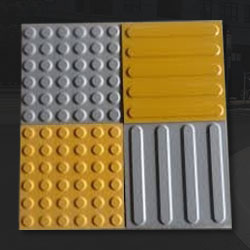
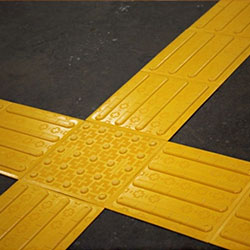
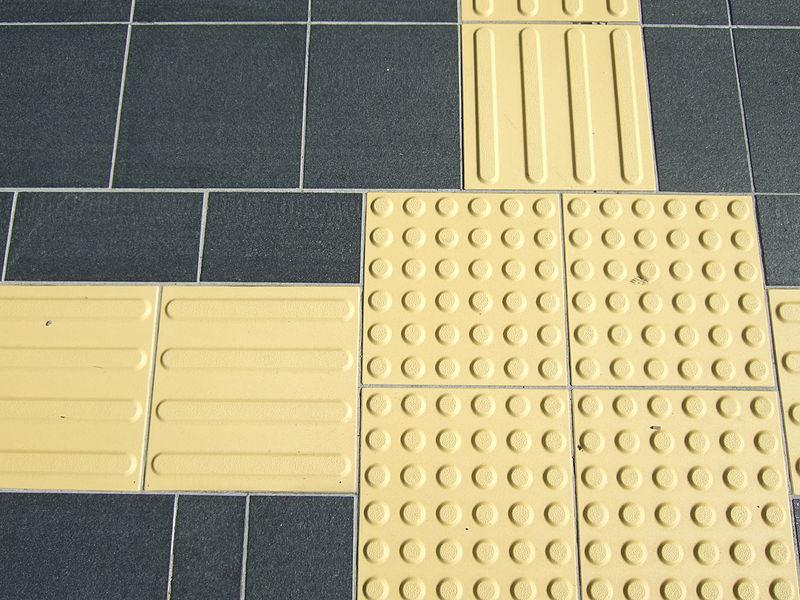
TWSI are textured ground markers designed to assist people who are blind or have low vision. They use specific patterns, like truncated domes or wayfinding bars, to communicate safety information through the soles of shoes or a white cane.
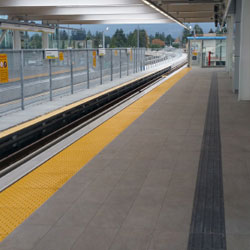
You should always use heavy-duty cast iron tactile plates in areas subjected to aggressive municipal snow plowing. They are required for public city sidewalks, transit platforms, and high-speed intersection curb ramps.
Local municipal building inspectors and provincial regulators enforce these codes. If your outdoor property fails an AODA or CSA B651 inspection, the government can issue massive financial fines and delay your occupancy permits.
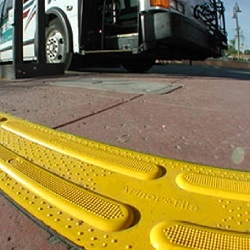
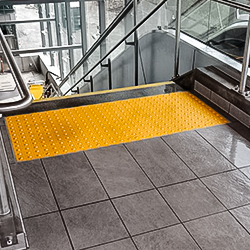
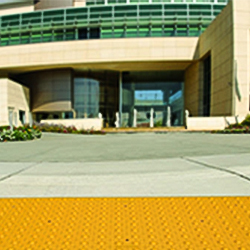
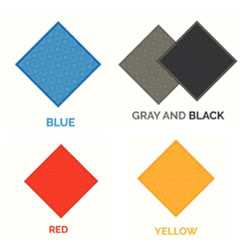
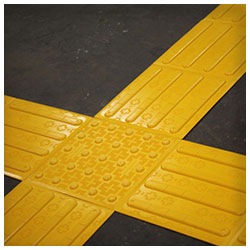
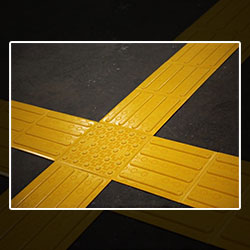
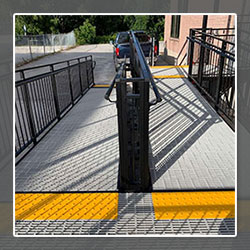
They do not strictly have to be yellow, but they must provide a minimum 70 percent luminance contrast against the surrounding pavement. Since most outdoor Canadian concrete and asphalt is dark grey or black, safety yellow provides the sharpest, most effective visual warning.
You should instruct your maintenance staff to use a stiff-bristled broom or a snow shovel with a rubber edge guard. Avoid using heavy metal ice choppers directly on top of polymer tiles, as aggressive chopping can crack the domes.