"Efficiency is doing things right. Effectiveness is doing the right things." - Peter Drucker.
When you manage commercial properties in Canada, time is your most expensive asset. Waiting for an electrician to run conduit through existing drywall burns through your budget. Testing backup batteries every single month drains the energy of your maintenance crew.
If you need to install emergency signage fast, you need a method that skips the grid entirely. You need a system that simply works when the lights go out. You want passive safety.
Today, we will explain exactly how to achieve this. We will cover the science, the building codes, and the precise installation steps. By the end of this guide, you will know exactly how to secure your building without pulling a single electrical wire.
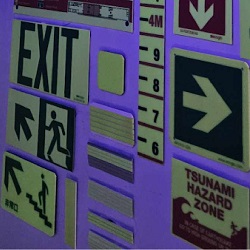
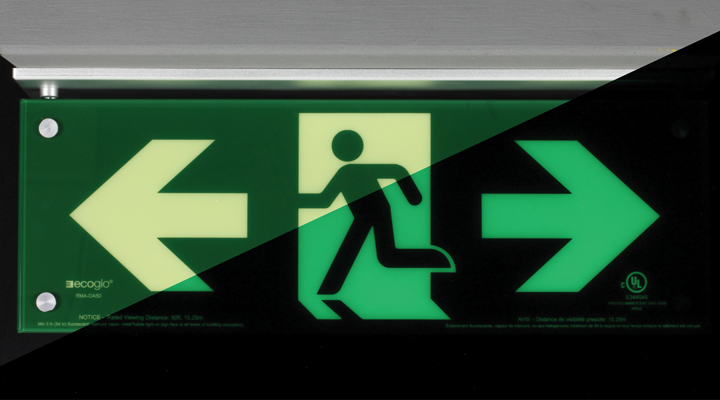
Photoluminescent technology represents passive safety at its absolute finest. These signs do not require a connection to your building's electrical panel. They have no fragile LED bulbs to replace and no heavy backup batteries to test.
Instead, they rely on brilliant, stable chemistry. The signs are coated with high-grade, light-absorbing pigments. In the past, companies used older materials like zinc sulphide. Today, premium signs use a powerful compound called strontium aluminate.
These materials act like tiny light sponges. They sit quietly on your wall and absorb photons from your everyday building lights. This is a completely passive process.
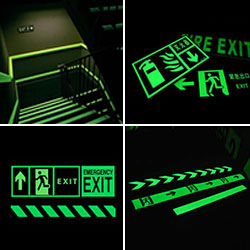
When the power grid fails, these stored photons are forcefully released. The sign re-emits a bright, steady, and highly visible green glow. They are always on and always ready for an emergency. This means your building occupants can easily find their way out in total darkness.
Understanding the science helps you see why these products are so reliable. Strontium aluminate is an advanced photoluminescent phosphor. When normal room light hits this material, the light energy excites the electrons inside the pigment.
These electrons jump to a higher energy state. As long as the room lights are on, the electrons stay charged up. When the room goes completely dark, those excited electrons slowly return to their normal resting state.
As they drop down, they release the stored energy in the form of visible light. Because strontium aluminate is highly efficient, this release process takes a very long time. The glow stays bright for hours, providing a clear path to safety long after the initial power failure.
This chemical physics reaction does not degrade quickly. Unlike a smartphone battery that ruins over a few years, these signs last for decades. They are practically ageless compared to standard wired fixtures.
Since you do not need to pull wires, the installation process is incredibly fast. You only need a measuring tape, a level, a drill, and basic wall anchors. Here is the fastest way to get your building up to code.
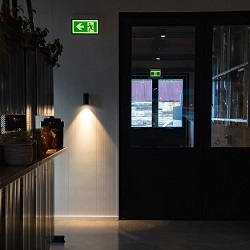
First, find the required location above your exit doors or along the main egress path. The National Building Code dictates specific height and spacing rules for emergency signage. Measure carefully to ensure the sign sits perfectly centered.
This is a critical step. The spot you chose must receive at least 54 lux (5 foot-candles) of continuous ambient lighting. This room light acts as the permanent "charger" for the sign. You can use a simple digital light meter to verify this brightness.
Most high-quality Directional Exit Signs come with simple mounting hardware. Use your level to mark a straight line on the wall. Then, use a drill to secure the aluminum bracket directly to the drywall, concrete, or drop ceiling.
Once the bracket is firmly attached, slide the photoluminescent panel into place. Tighten the holding screws to secure it. Wipe the face of the sign with a clean microfiber cloth to remove any installation dust.
Finally, check your building's lighting controls. Confirm that the surrounding room lights are not attached to a motion sensor or an automatic timer. The room lights must remain on the entire time the building is occupied. This guarantees the sign stays fully charged.
That is the entire installation process. What normally takes an electrical crew two hours will take your regular maintenance worker ten minutes per door.
You might wonder if these non-electric signs are actually legal. Yes, they are completely approved across the country. However, you must follow the rules precisely. Canada takes emergency egress very seriously for commercial properties.
To be installed in a Canadian commercial building, the sign must pass the CAN/ULC-S572 standard. This is the official testing benchmark for Photoluminescent and Self-Luminous Signs and Path Marking Systems. Ensure your supplier provides proof of this certification.
This strict certification proves three important things. First, it guarantees visibility from a specific distance, usually 15.25 meters or 22.86 meters in total darkness. Second, it proves the glow duration. The sign must maintain its luminance for a minimum of 60 minutes to match the National Building Code (NBC) emergency rules. Finally, it tests durability against harsh environmental factors.
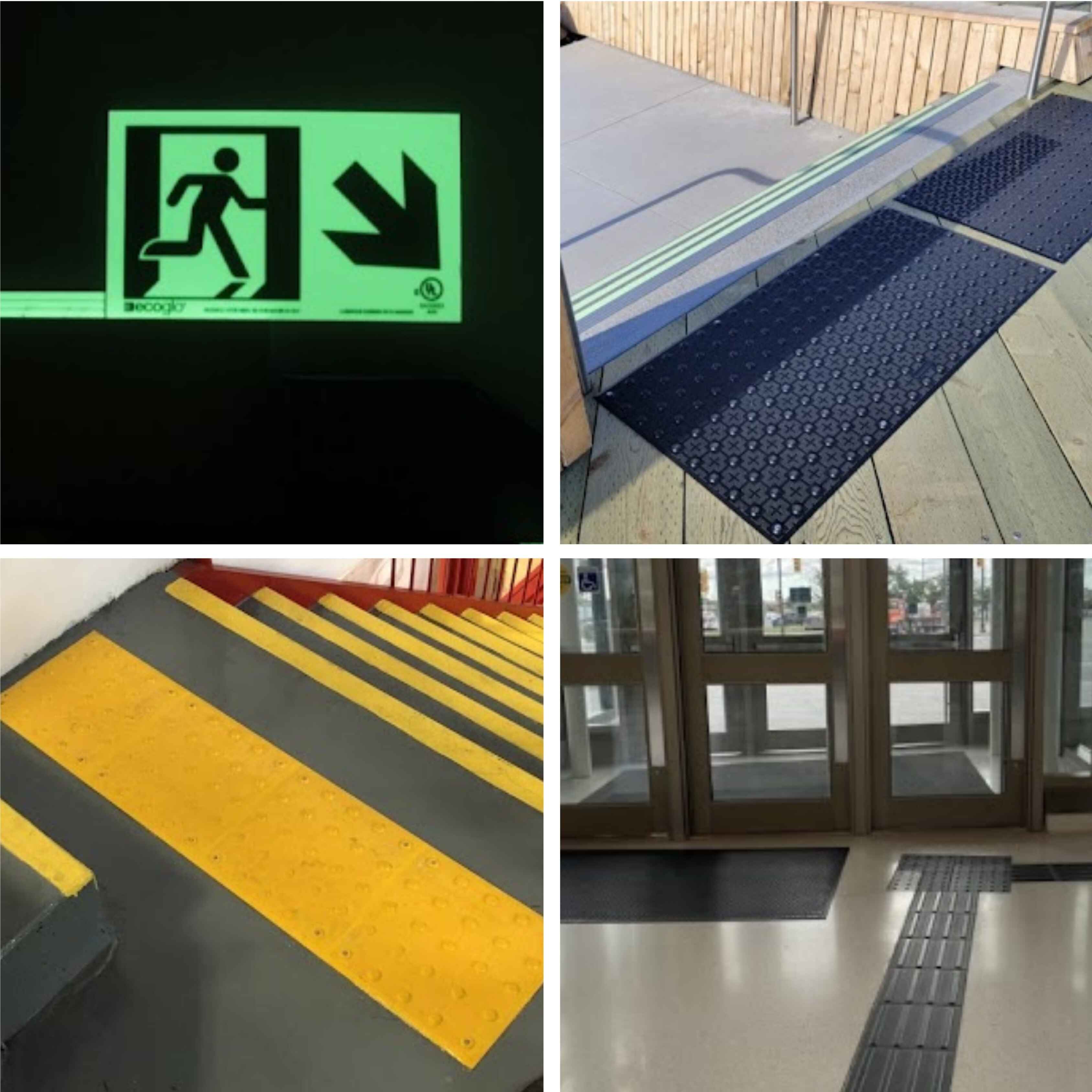
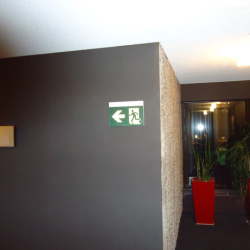
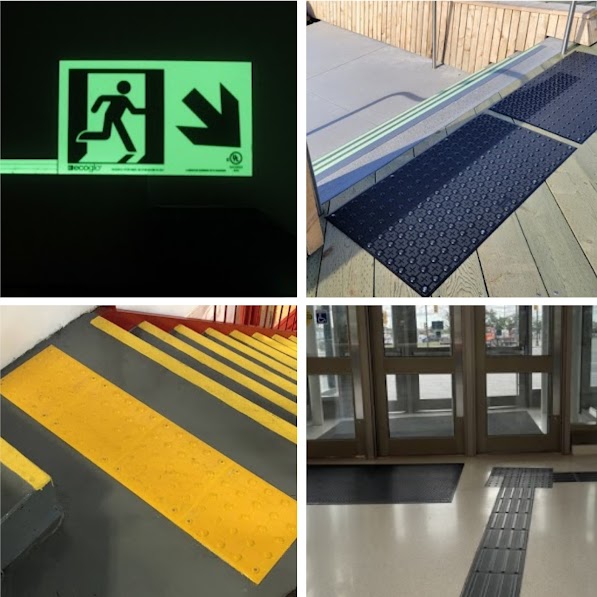
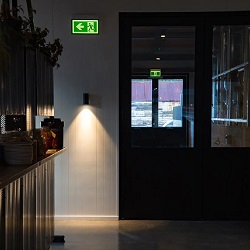
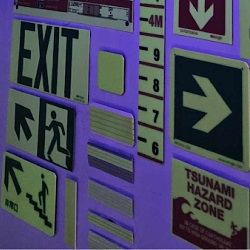
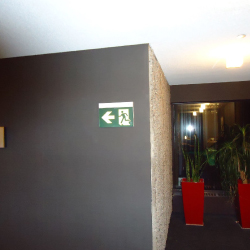
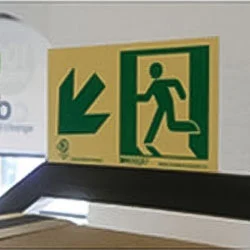
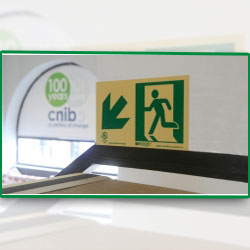
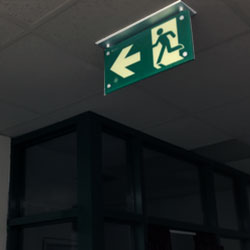
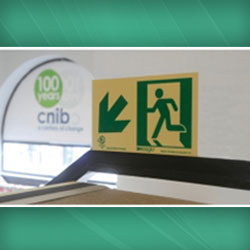
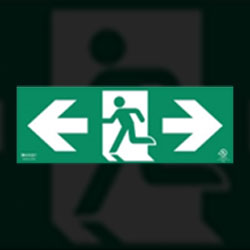
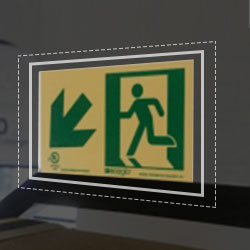
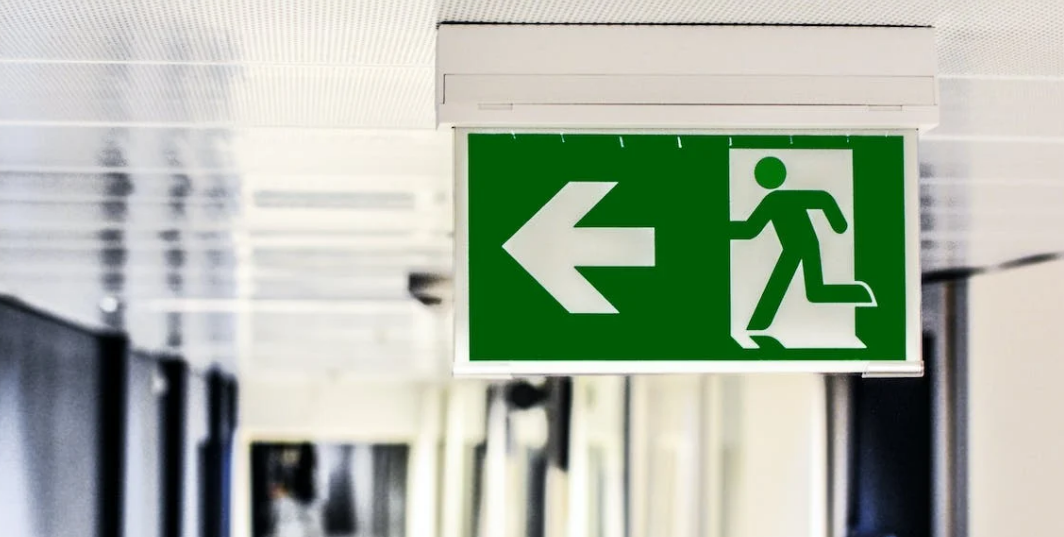
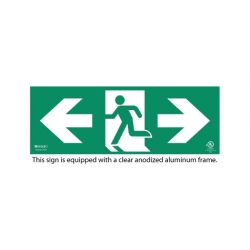
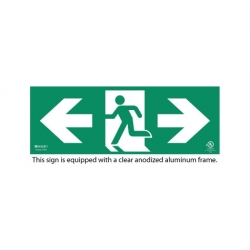
The days of red letters spelling out the word "EXIT" are completely gone. The NBC now mandates the internationally recognized ISO 3864-1 pictogram. This is commonly known in the industry as the "Running Man".
This green and white graphic is completely universal. It overcomes language barriers instantly in emergencies. If you are in Vancouver, Montreal, or Halifax, a green figure running toward an open door clearly means safety.
An exit sign only tells people where the final door is located. A truly safe building guides people all the way down the long stairwells and corridors. The National Research Council (NRC) highly recommends building a holistic safety wayfinding system.
At Tactile Solution Canada, we provide every piece of this accessibility puzzle. You can combine multiple passive products to create an unbreakable safety route.
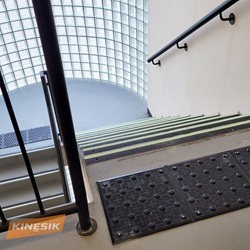
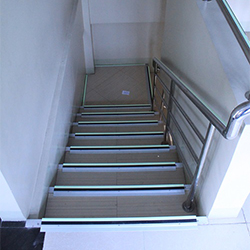
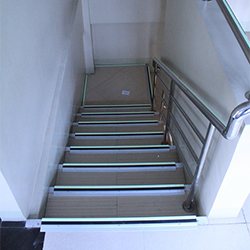
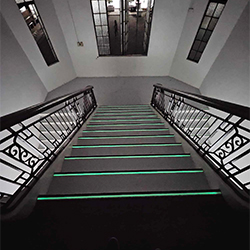
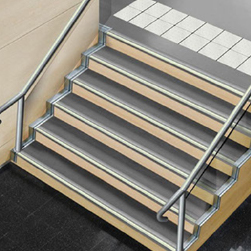
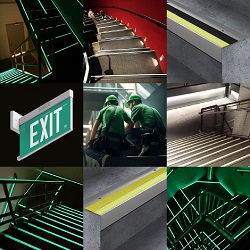
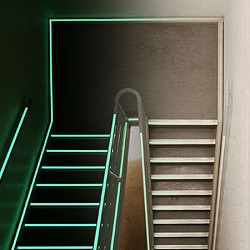
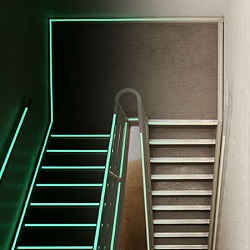
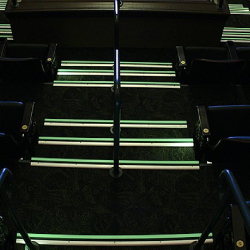
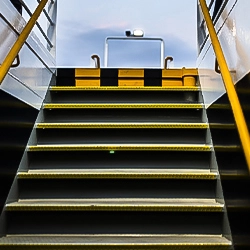
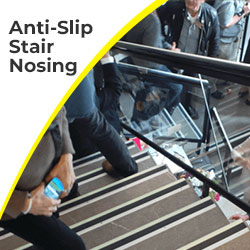
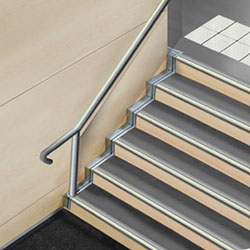
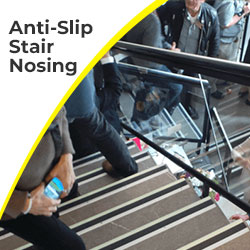
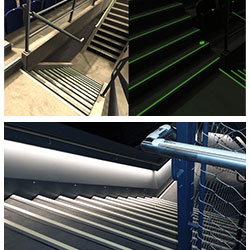
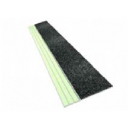
In a sudden blackout, the biggest hazard is tripping and falling down the stairs. You need to clearly define the edge of every single step. Applying Photoluminescent stair nosing to the leading edge of the stair tread prevents slips and falls.
We offer premium Ecoglo stair nosings that integrate perfectly with your exit signs. They absorb ambient light the exact same way. When the main power cuts out, the entire stairwell edge glows brightly, creating a safe walkway.
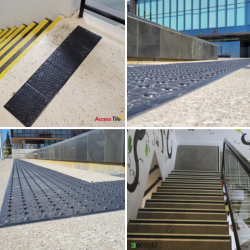
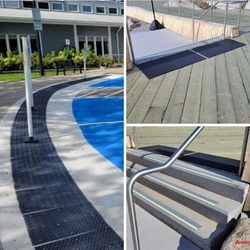
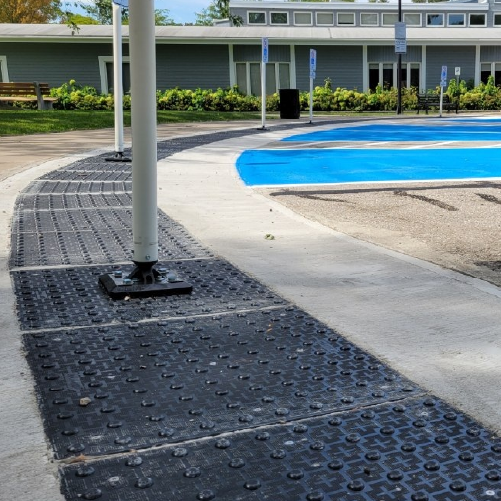
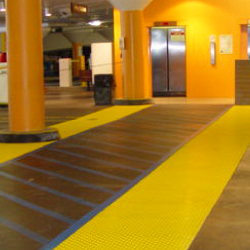
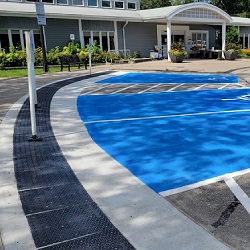
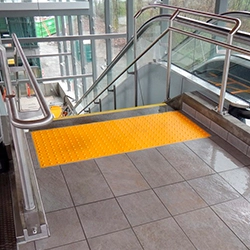
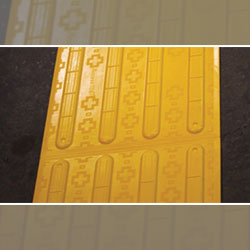
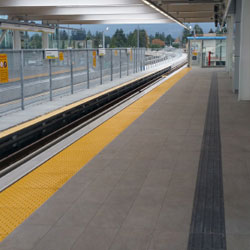
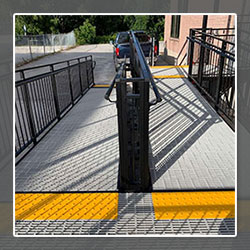
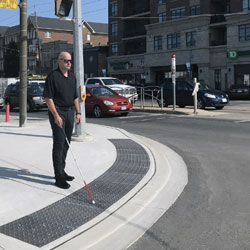
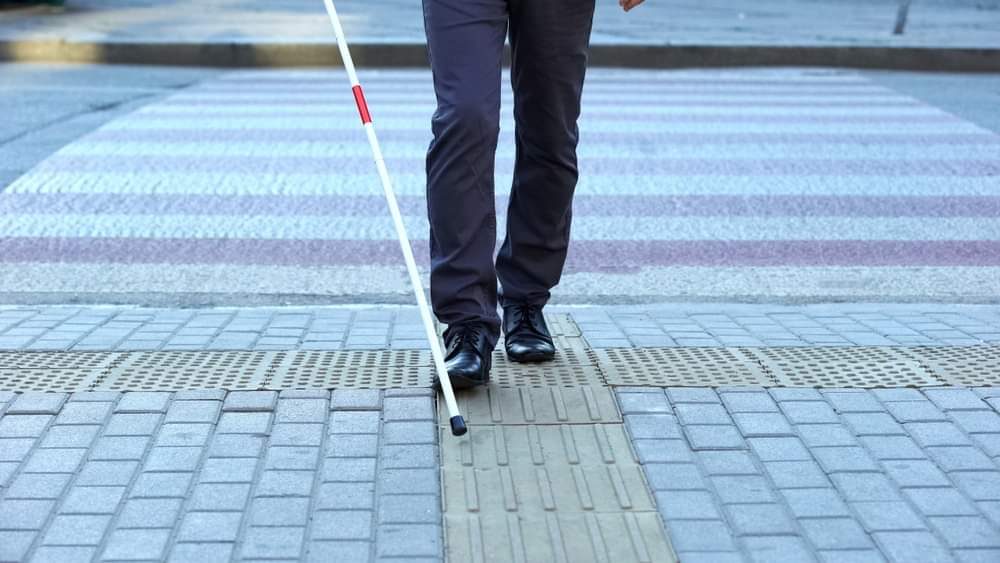
Accessibility is just as important as visual brightness. You must cater to people who rely on canes or foot sensitivity to walk safely. This is where tactile walking surface indicators become mandatory.
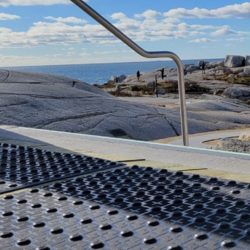
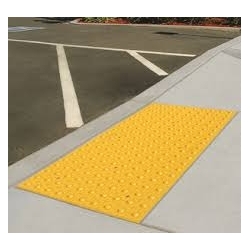
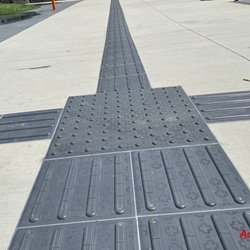
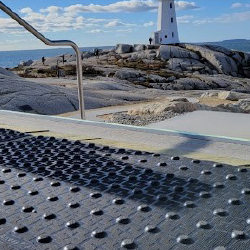
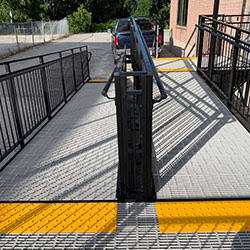
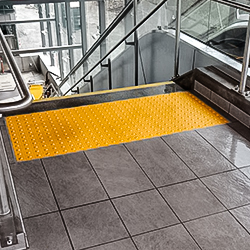
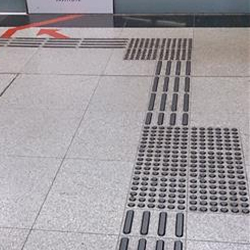
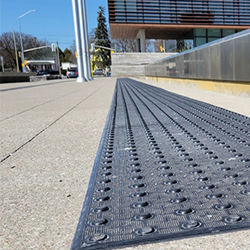
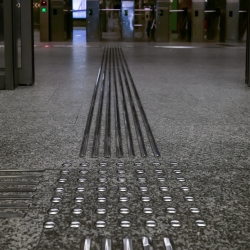
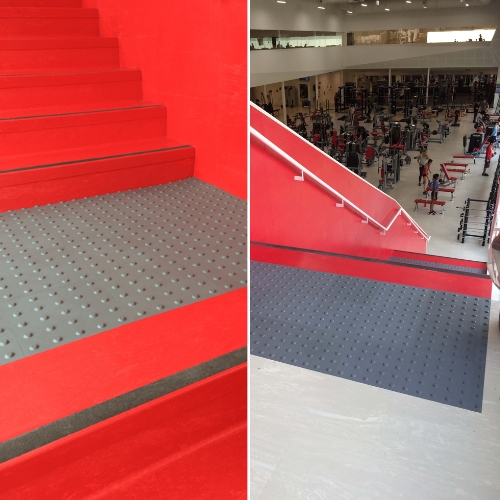
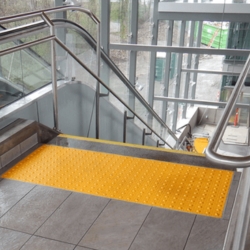
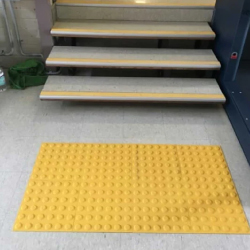
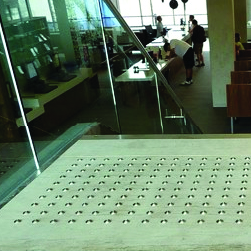
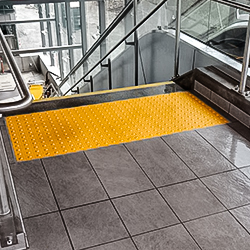
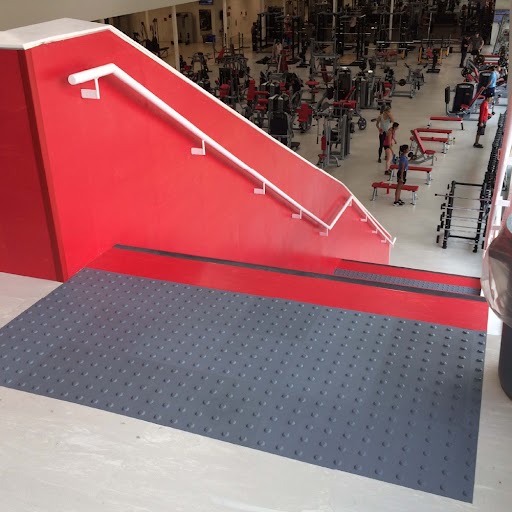
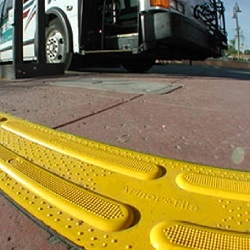
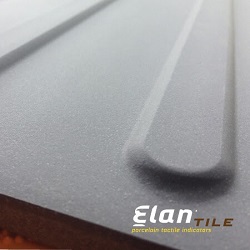
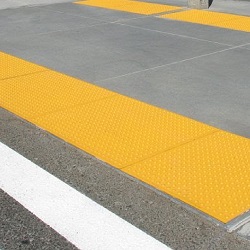
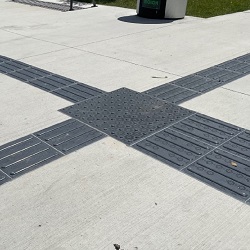
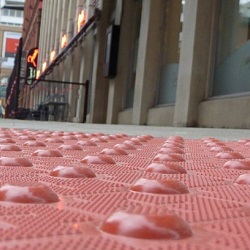
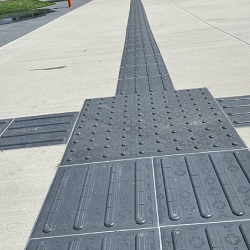
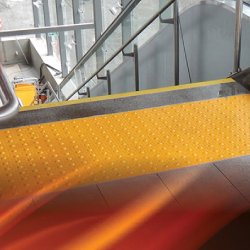
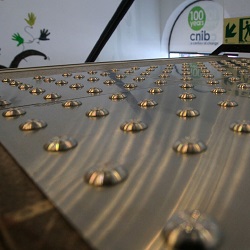
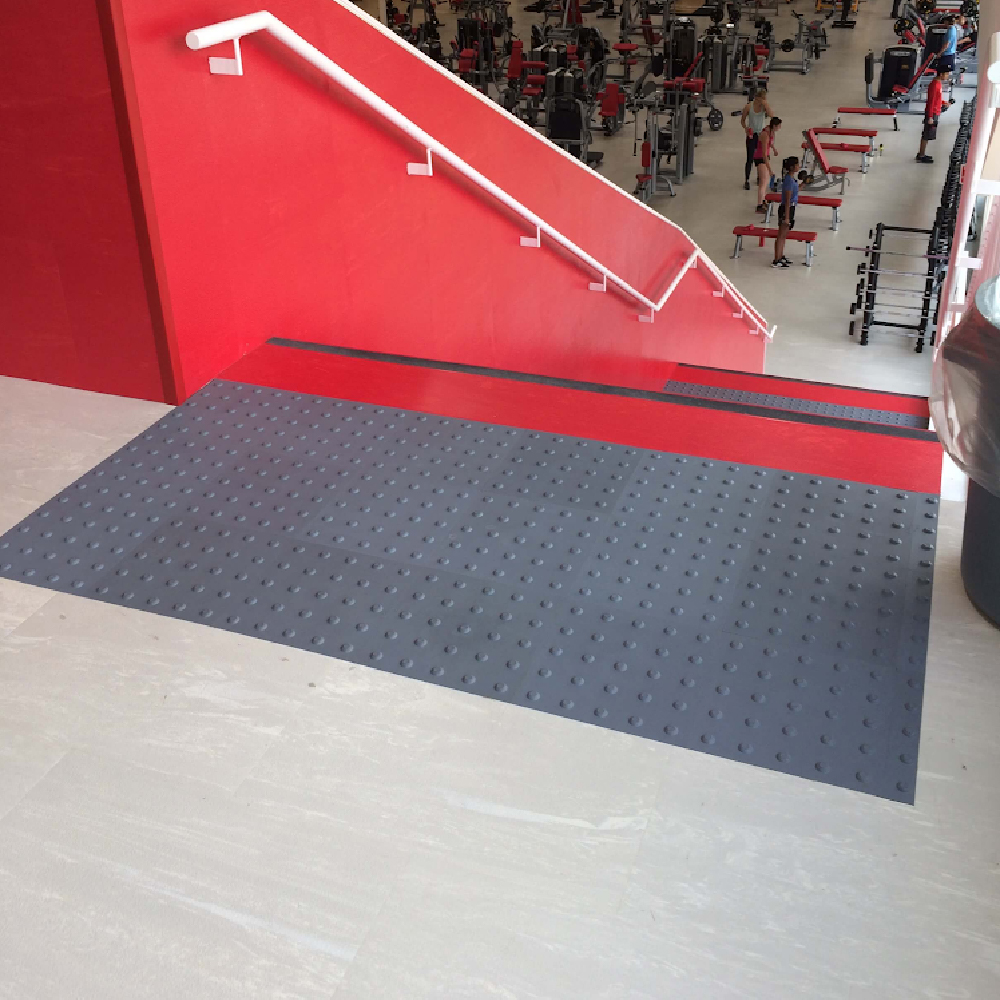
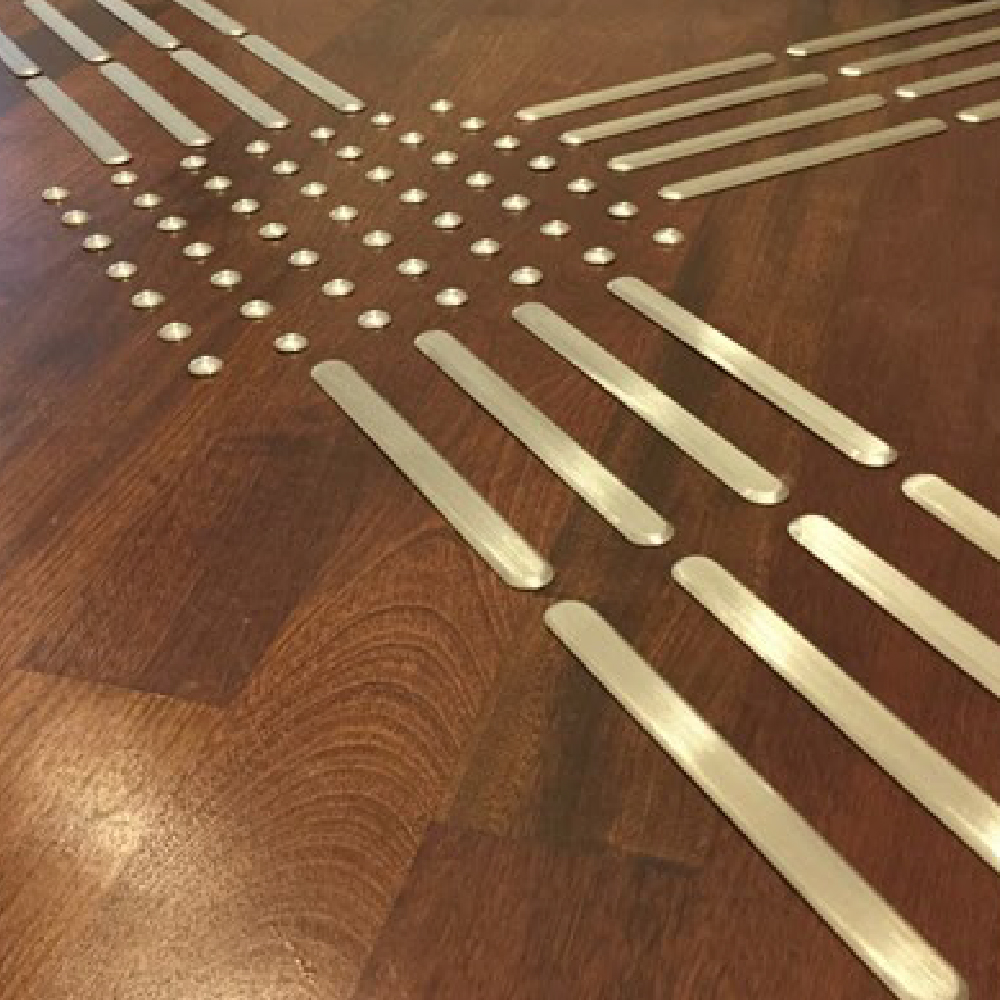
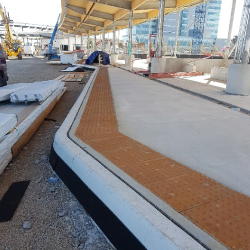
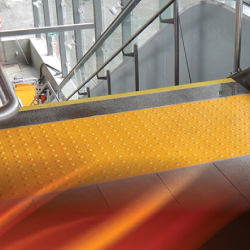
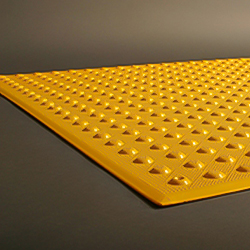
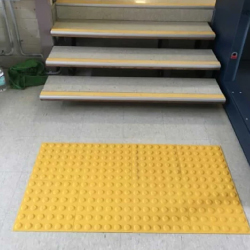
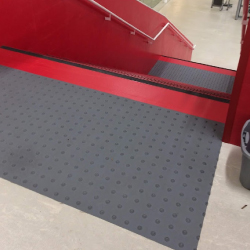
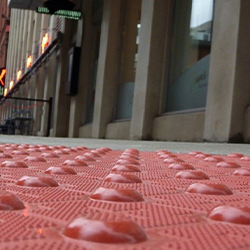
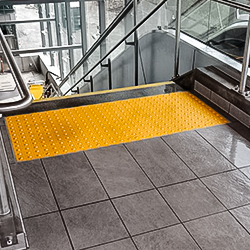
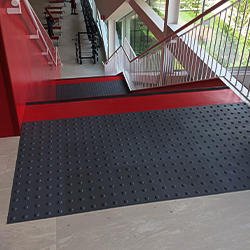
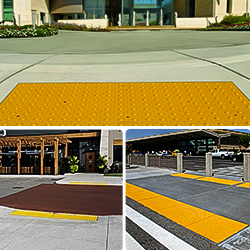
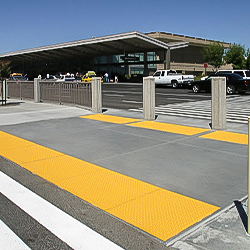
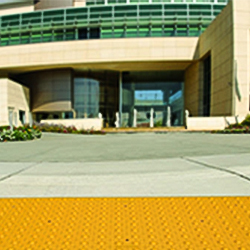
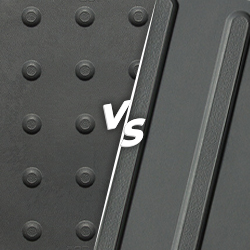
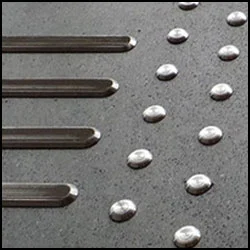
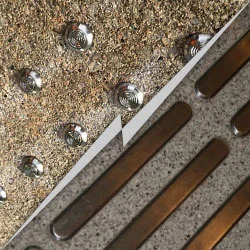
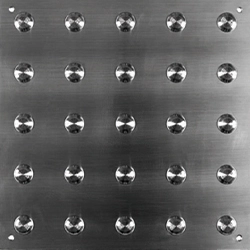
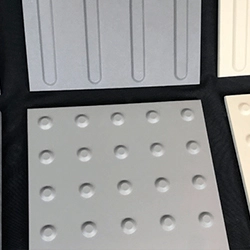
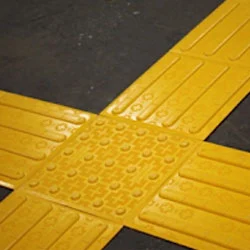
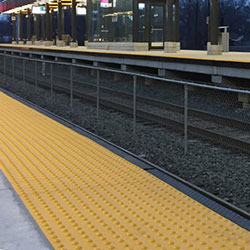
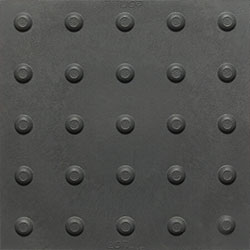
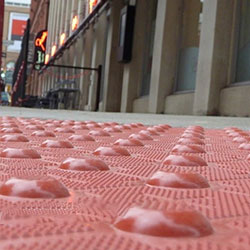
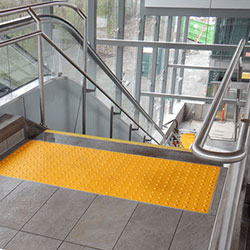
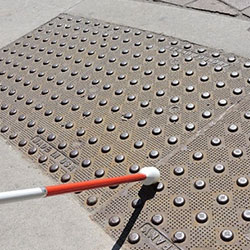
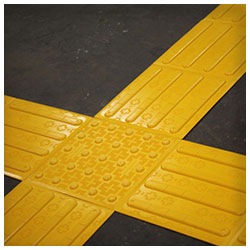
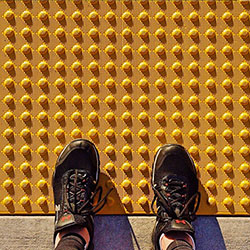
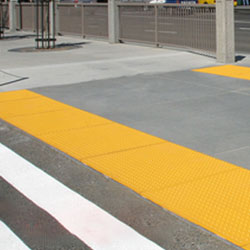
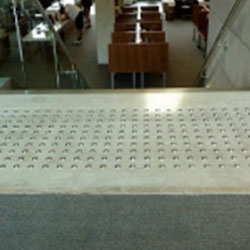
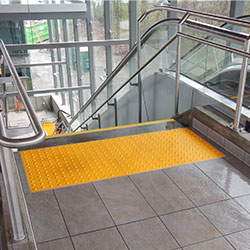
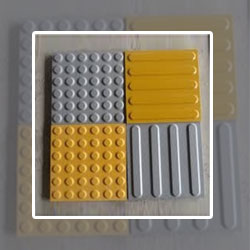
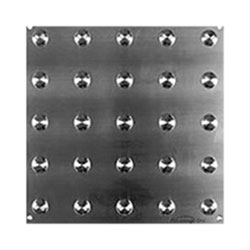
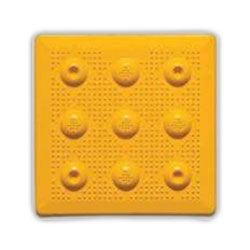
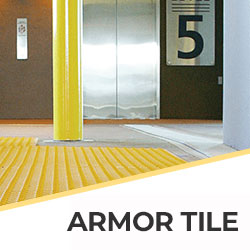
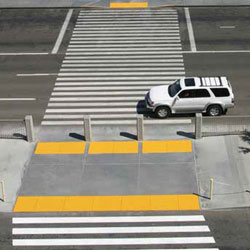
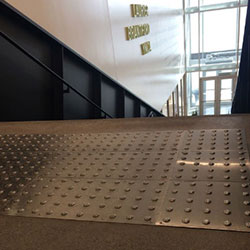
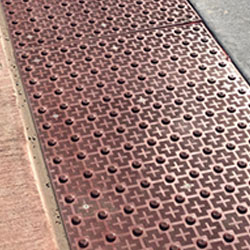
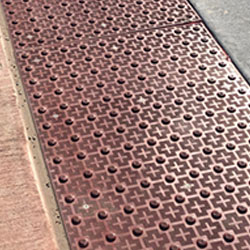
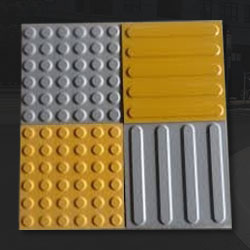
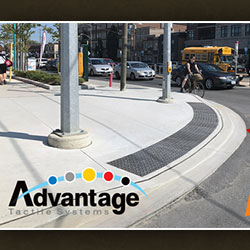
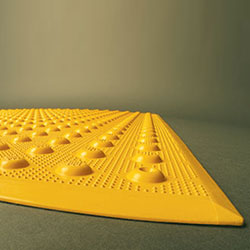
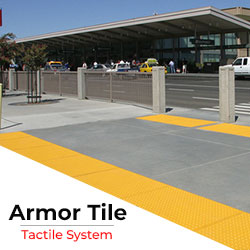
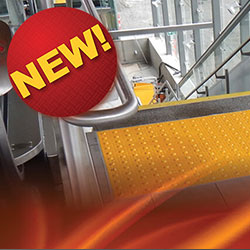
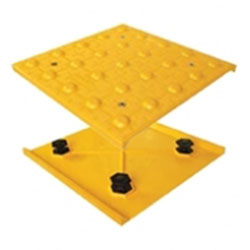
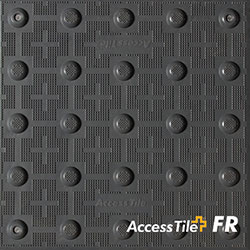
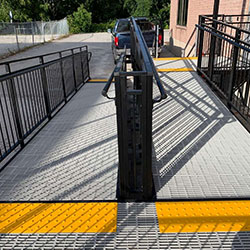
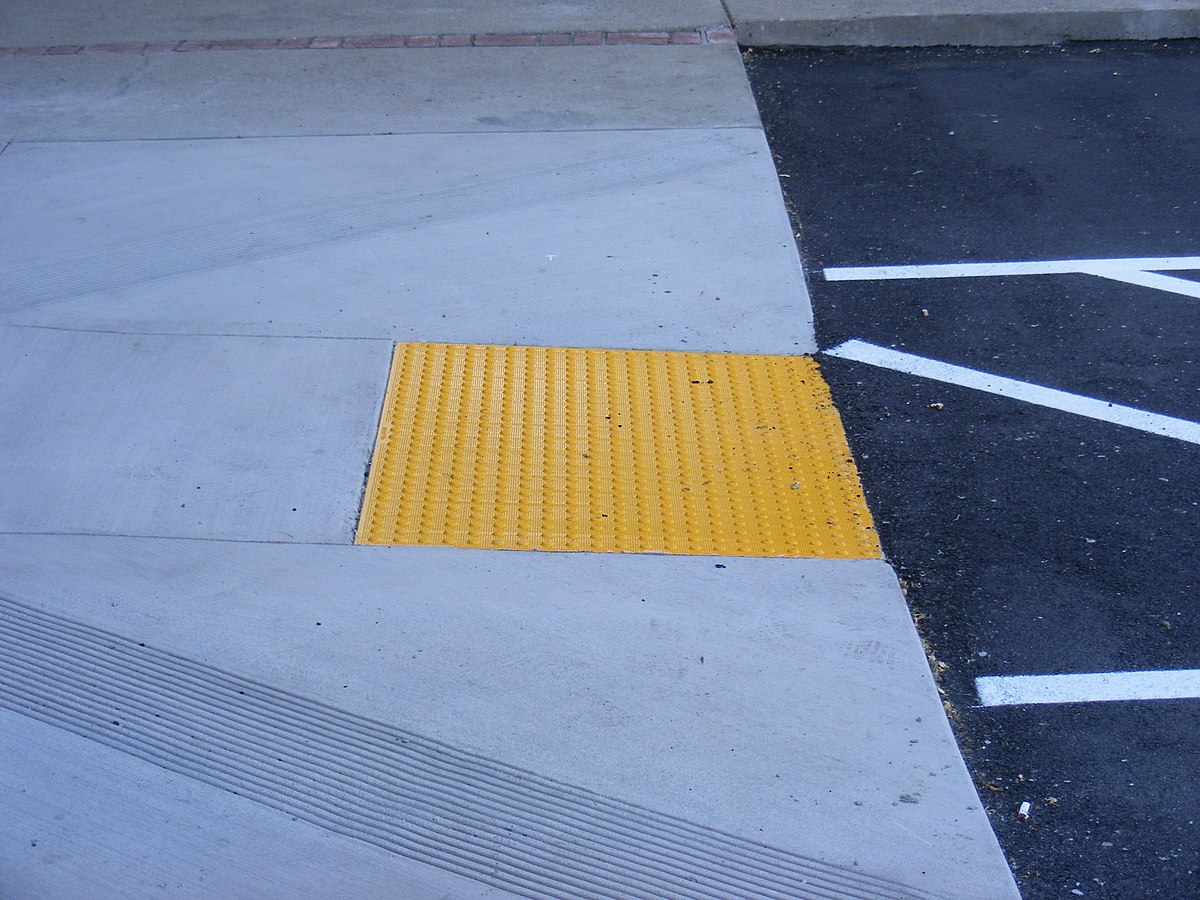
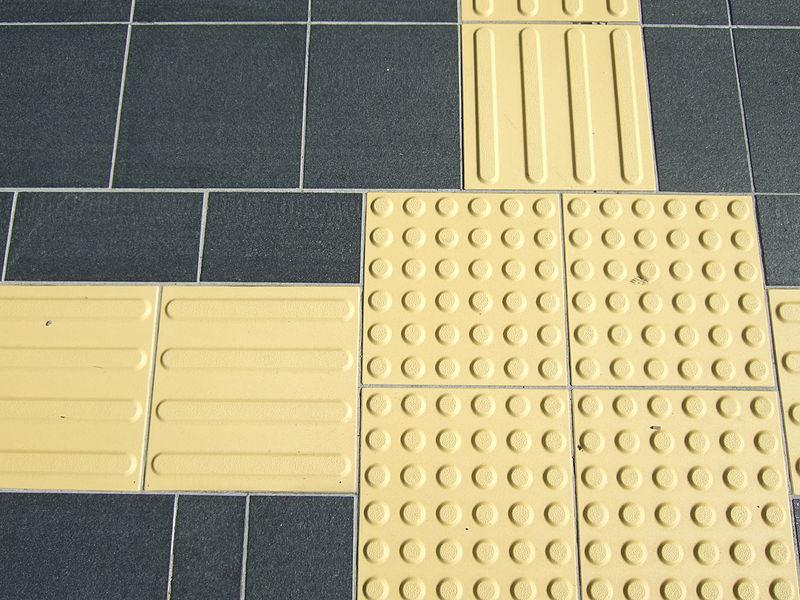
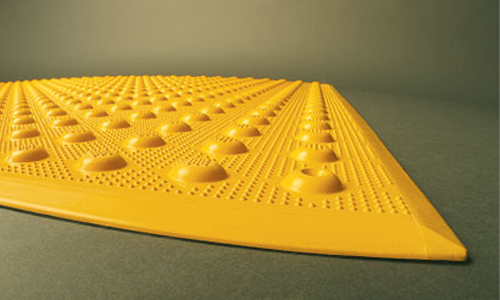
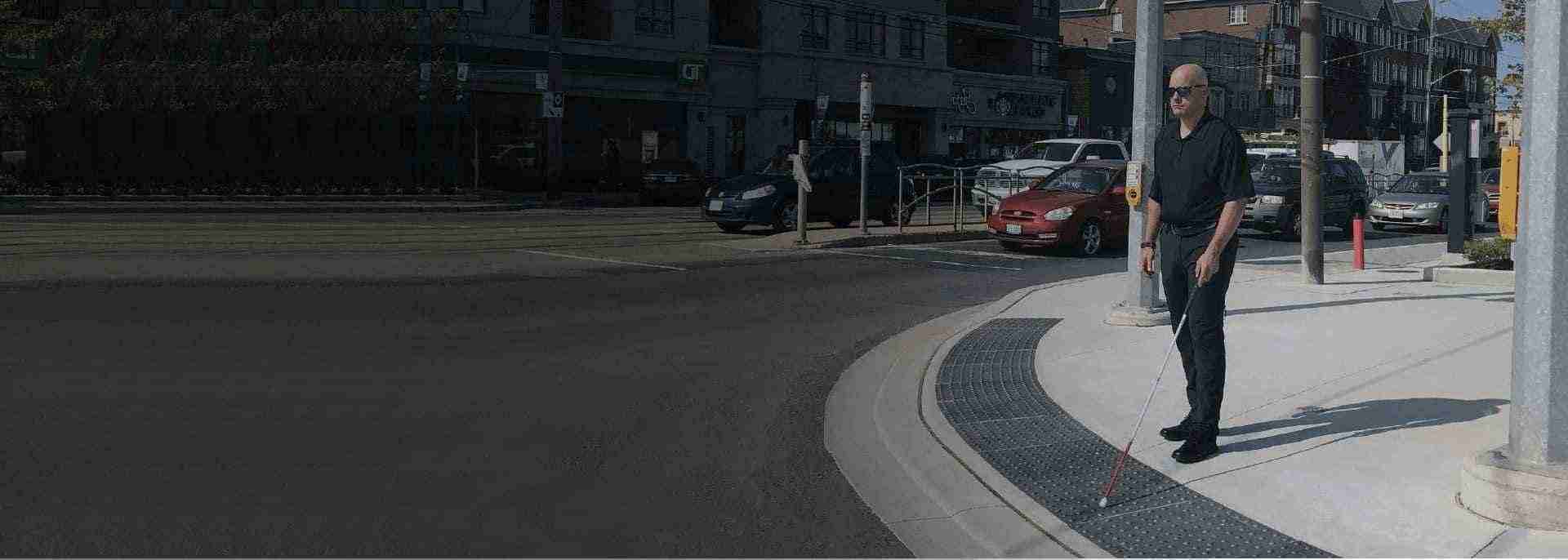
Installing Tactile Warning or attention domes at the top of a stairwell warns visually impaired individuals of the upcoming drop. These domes can be made from durable polymer, cast iron, or stainless steel to match your building decor. They provide a physical warning beneath the feet.
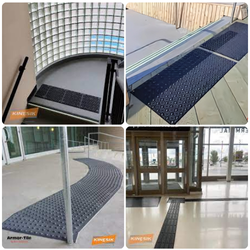
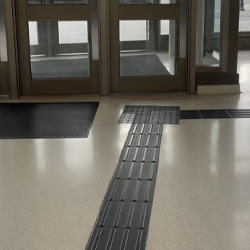
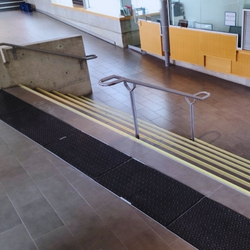
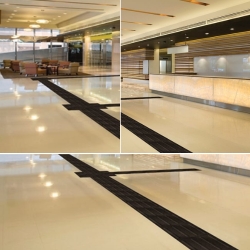
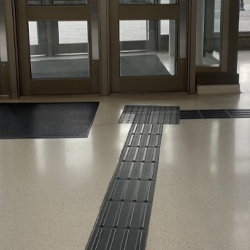
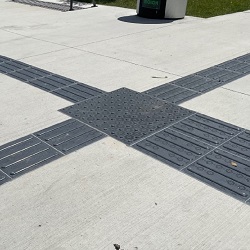
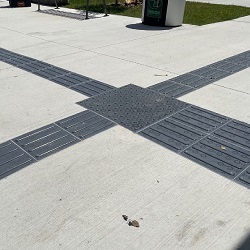
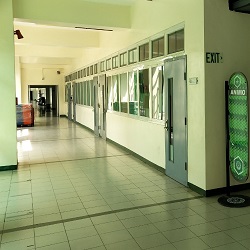
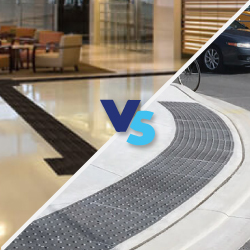
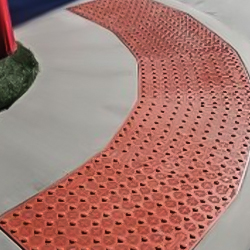
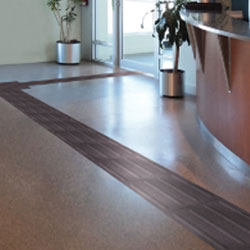
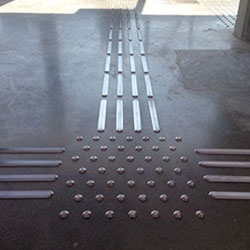
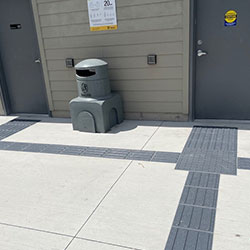
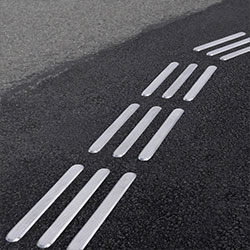
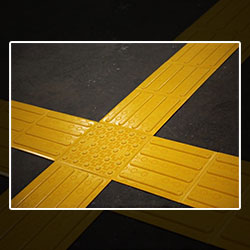
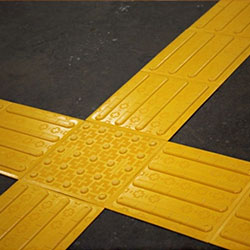
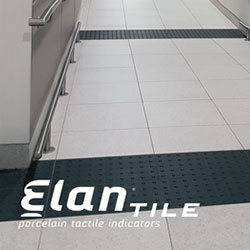
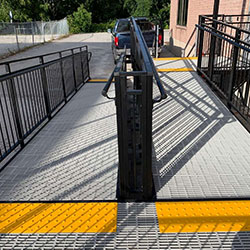
For long corridors, Guidance or Wayfinding bars create a detectable straight path on the floor. Combining these physical tactile solutions with glowing directional markers creates the ultimate, code-compliant safety route.
Switching to passive safety systems makes incredible financial sense. It removes the daily friction from facility management and boosts your bottom line. Let's break down the core benefits.
Safety is not just a frustrating checkbox on a municipal inspection form. It is the deep peace of mind knowing your building is prepared for the absolute worst-case scenario. When the power grid completely fails, your occupants need a reliable, highly visible path to the outside world.
By eliminating copper wires, heavy batteries, and constant maintenance, you save a massive amount of money. At the same time, you actually increase the overall reliability of your emergency system. The physical installation process takes just a few minutes, but the safety benefits last for decades.
Stop relying on outdated, bulky electrical boxes that constantly drain your maintenance budget. Stop stressing over monthly battery tests and failed city inspections. Upgrade your commercial space with smart, passive technology today.
Visit Tactile Solution Canada to explore our massive inventory of Canadian code-compliant solutions. We stock the best tactile walking surface indicators and photoluminescent safety systems in the country. Protect your people, pass your inspections with flying colors, and make safety visible for everyone.
Yes. The Ontario Building Code (OBC) perfectly aligns with the National Building Code for these exact products. The province accepts photoluminescent exit signs that conform to the CAN/ULC-S572 standard. You just need to ensure your team installs them with the correct external illumination source shining on the face.
Because they rely on chemical physics instead of delicate electrical components, they last an incredibly long time. High-grade strontium aluminate signs can last indoors for twenty to thirty years. They show minimal degradation over time and are practically ageless compared to standard LED fixtures.
Absolutely. Many Ecoglo photoluminescent products are completely UV-resistant and weatherproof. They will not fade in the sun or short out in the rain. They are the perfect, cost-effective solution for outdoor parkades, sports stadiums, and exterior egress routes where running electrical conduit is far too expensive.
The face of the sign requires a minimum of 54 lux. This equals roughly 5 foot-candles of continuous ambient light. Most standard commercial fluorescent or modern LED office lighting easily meets this basic requirement. Just ensure the charging lights are not connected to a motion sensor or an automatic timer.
While the exit sign specifically marks the door, Canadian accessibility standards often require tactile indicators nearby. You must install attention domes at the top of unprotected stairs or near hazardous floor transitions. This ensures you fully comply with strict AODA and CSA B651 accessibility standards.