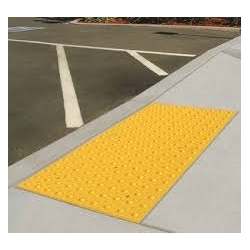
You’re committed to making your property safer and more accessible. But the thought of jackhammers, dust, closed-off lobbies, and frustrated tenants is enough to make any property manager or building owner pause. What if the path to AODA and CSA compliance could be smoother than you think?
Let’s clear the air - modern tactile retrofitting doesn’t have to be a disruptive nightmare. With today’s advanced surface-applied solutions and strategic planning, you can achieve a seamless upgrade that respects your tenants’ peace and your operational flow. This guide will show you how.
Take Patrick, a property manager for a 20-year-old Toronto apartment complex. Facing the dual pressures of aging infrastructure and stringent new accessibility codes, he felt stuck. "I was torn trying to balance compliance, budget, and minimizing impact on over 150 residents," he shared.
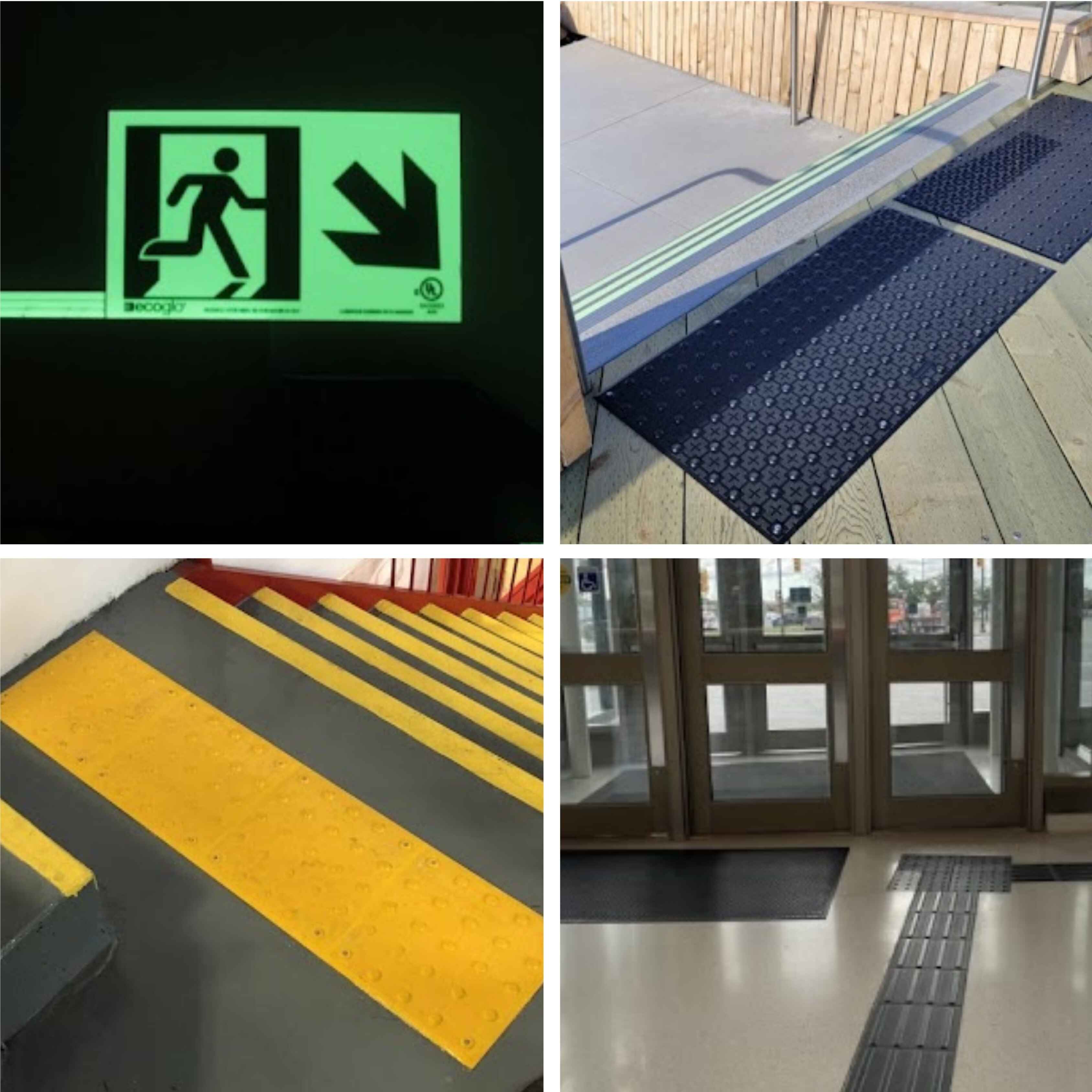
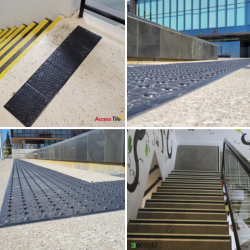
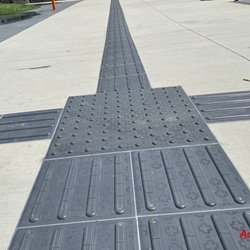
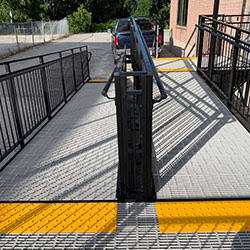
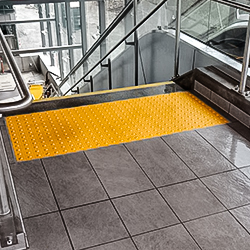
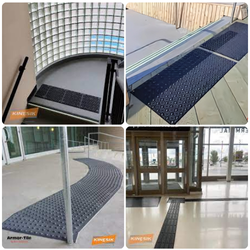
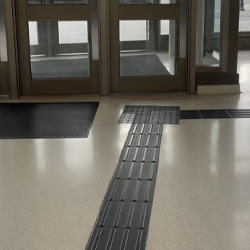
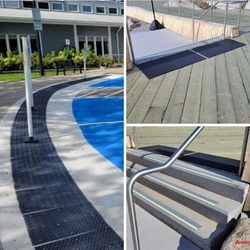
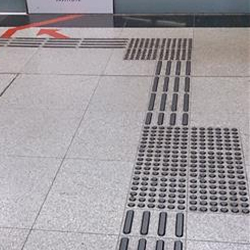
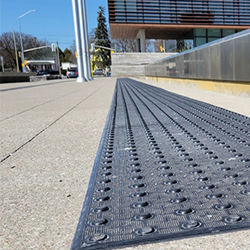
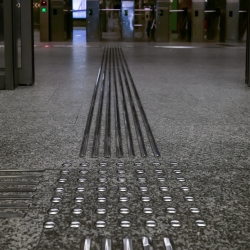
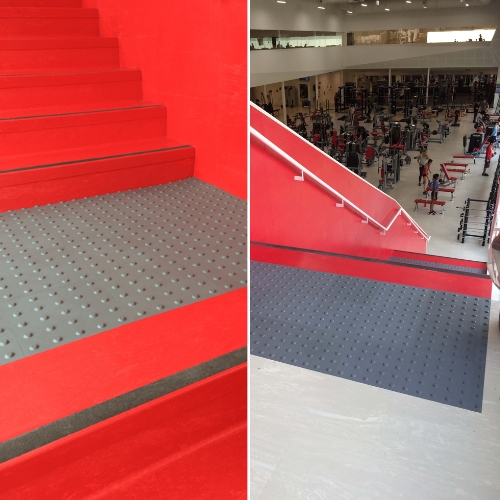
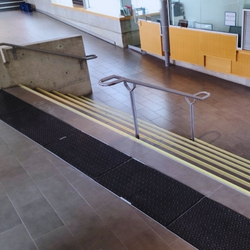
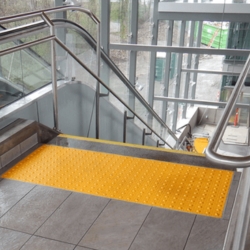
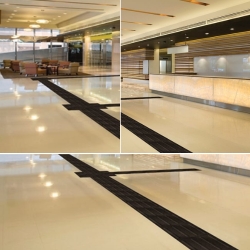
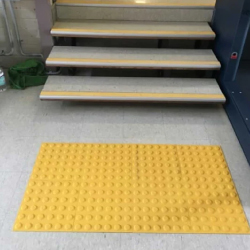
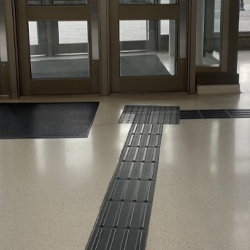
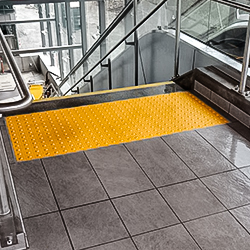
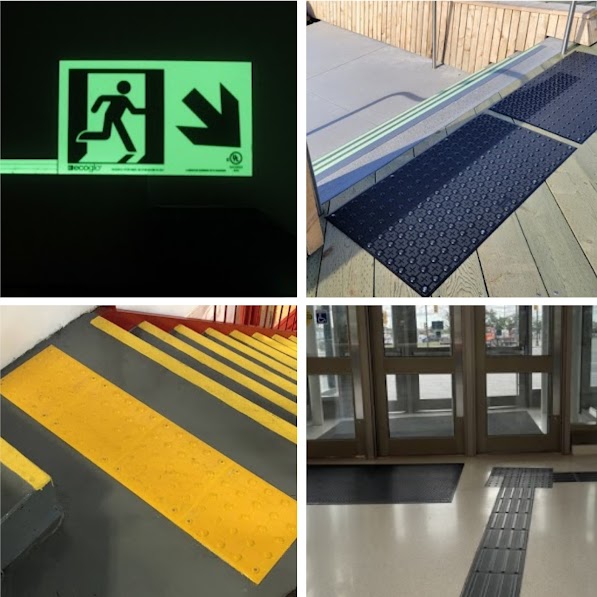
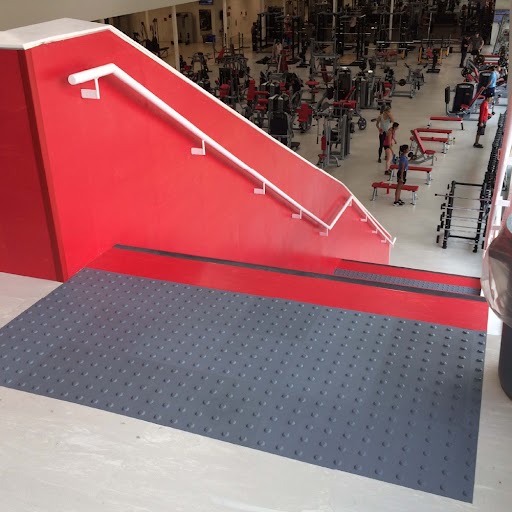
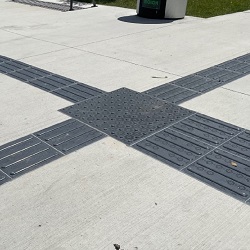
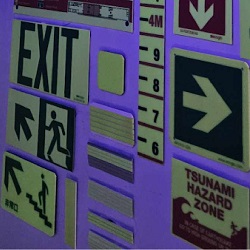
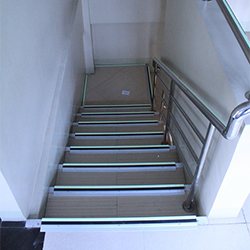
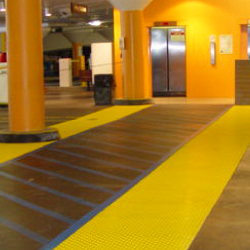
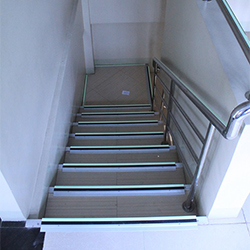
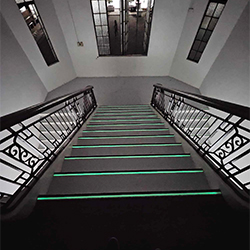
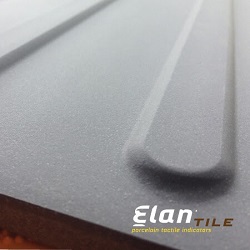
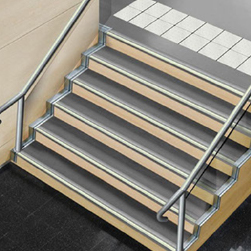
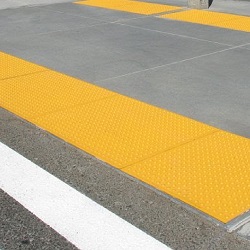
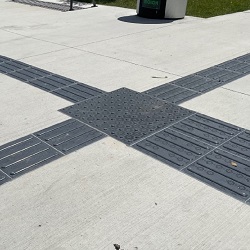
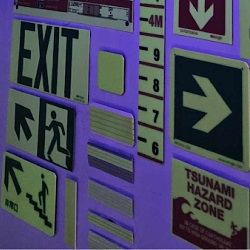
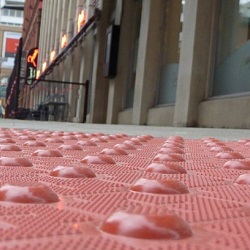
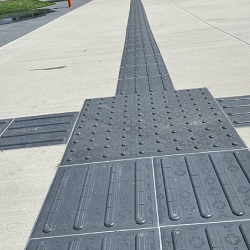
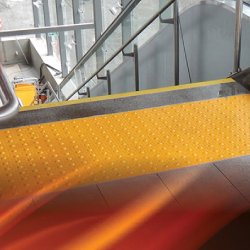
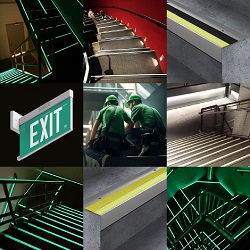
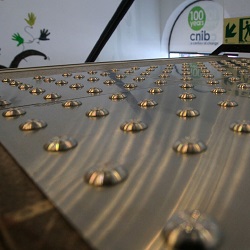
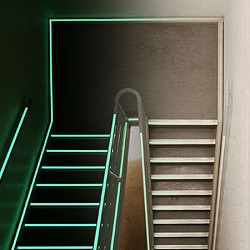
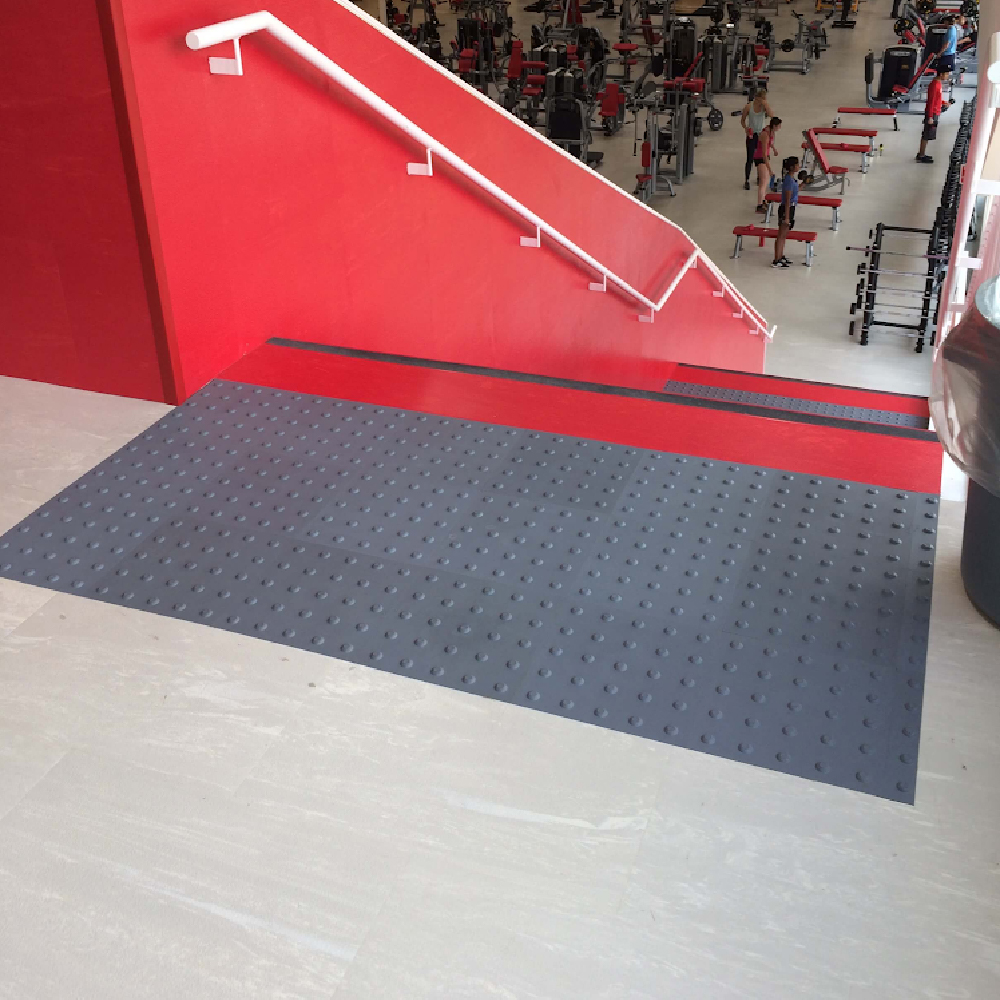
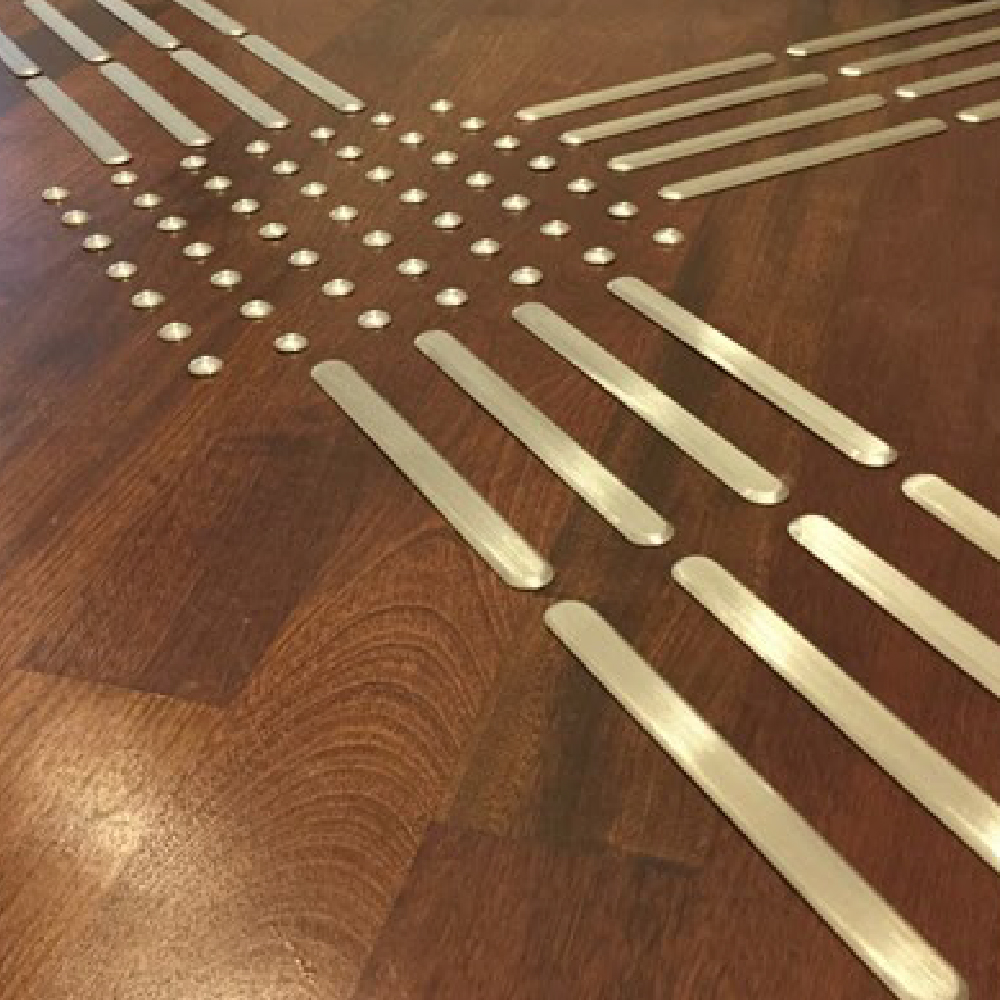
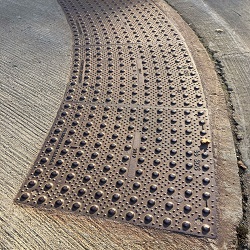
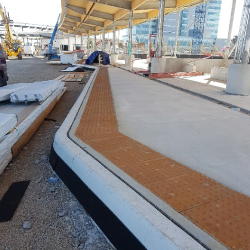
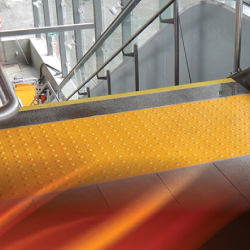
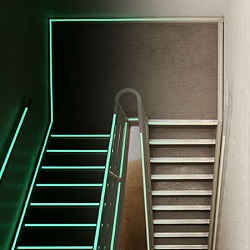
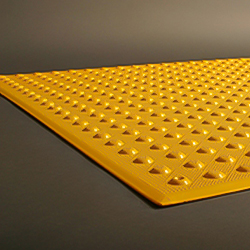
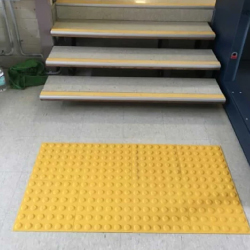
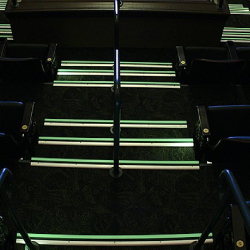
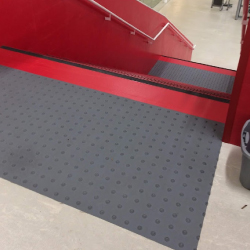
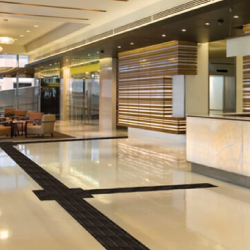
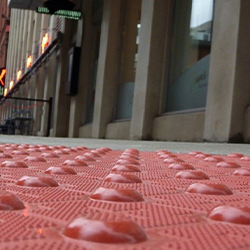
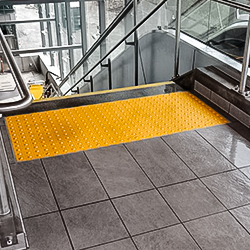
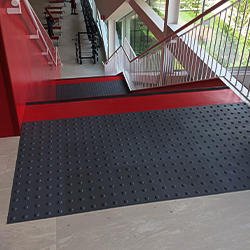
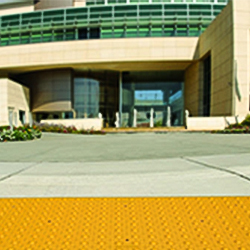
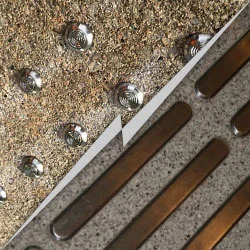
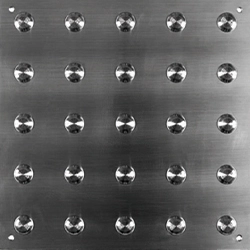
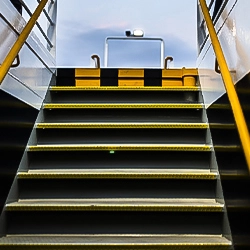
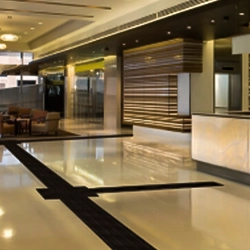
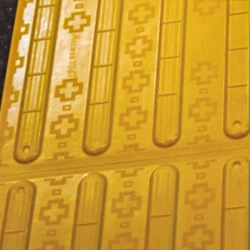
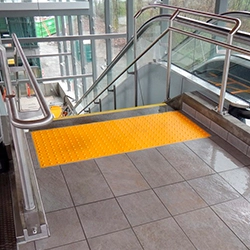
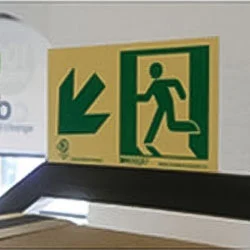
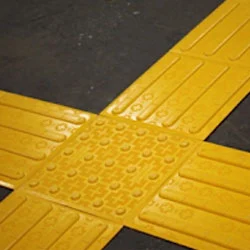
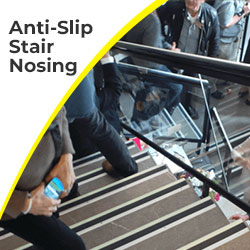
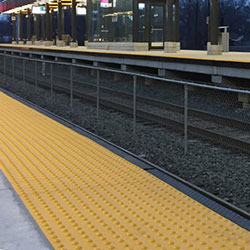
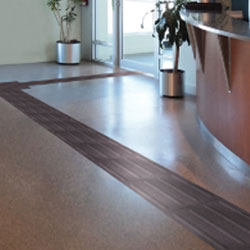
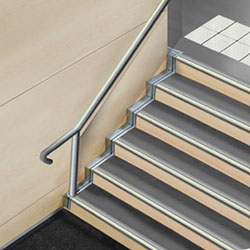
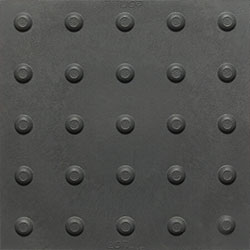
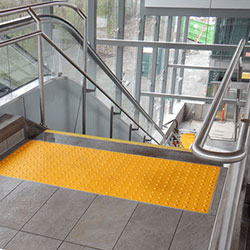
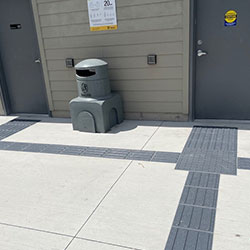
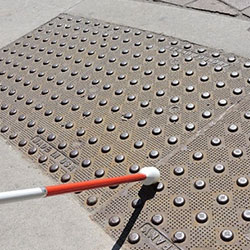
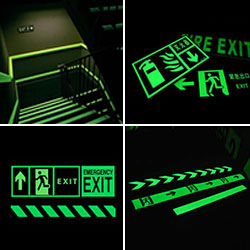
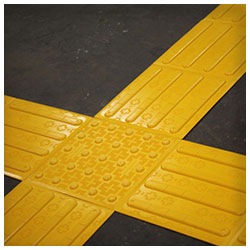
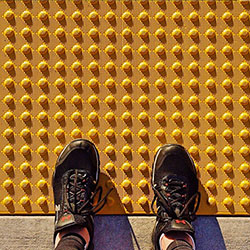
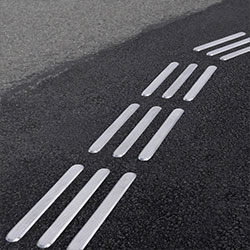
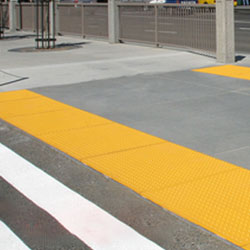
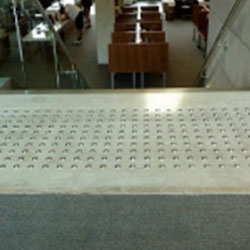
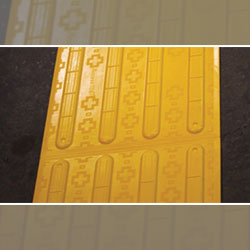
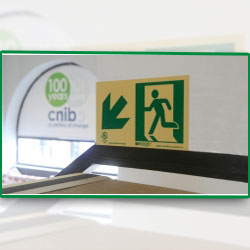
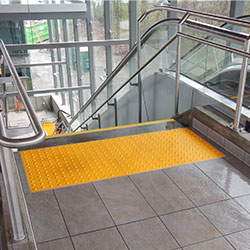
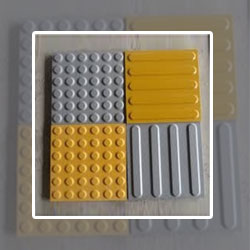
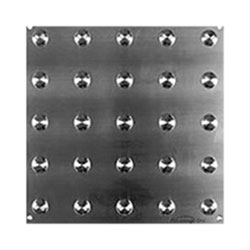
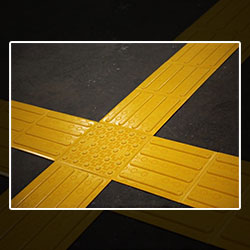
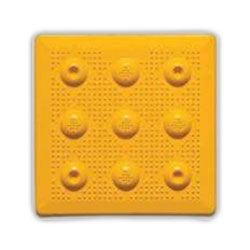
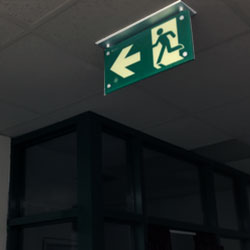
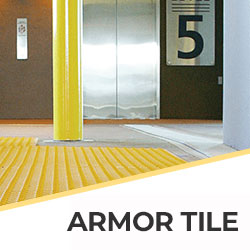
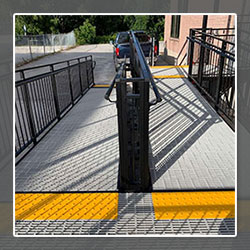
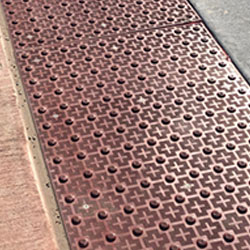
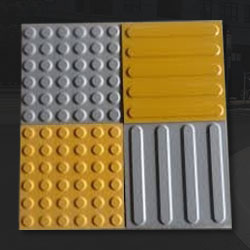
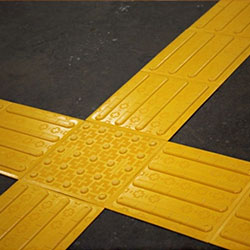
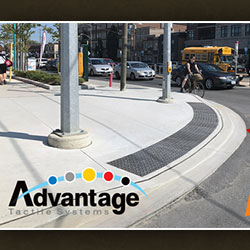
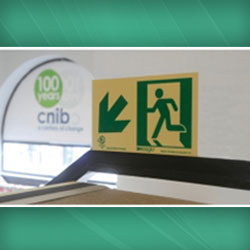
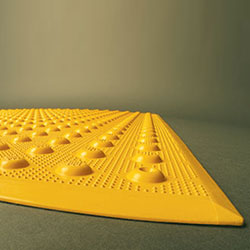
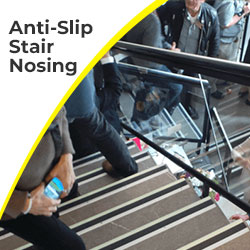
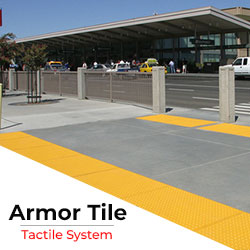
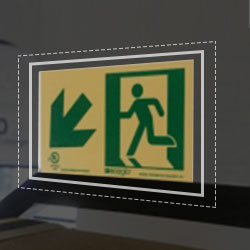
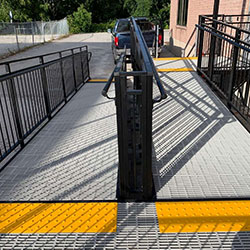
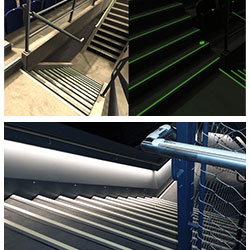
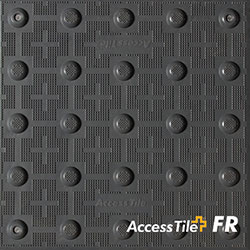
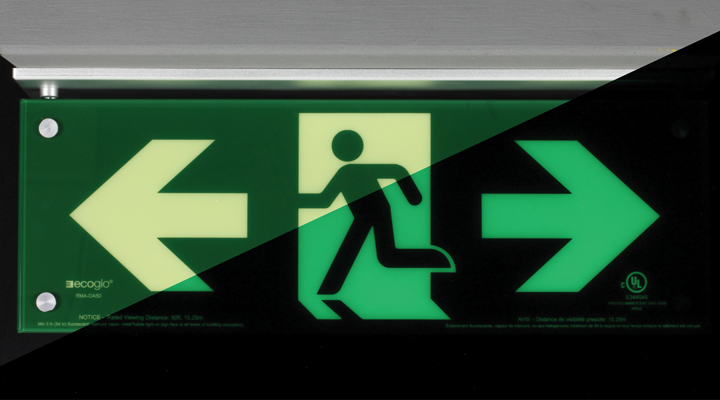
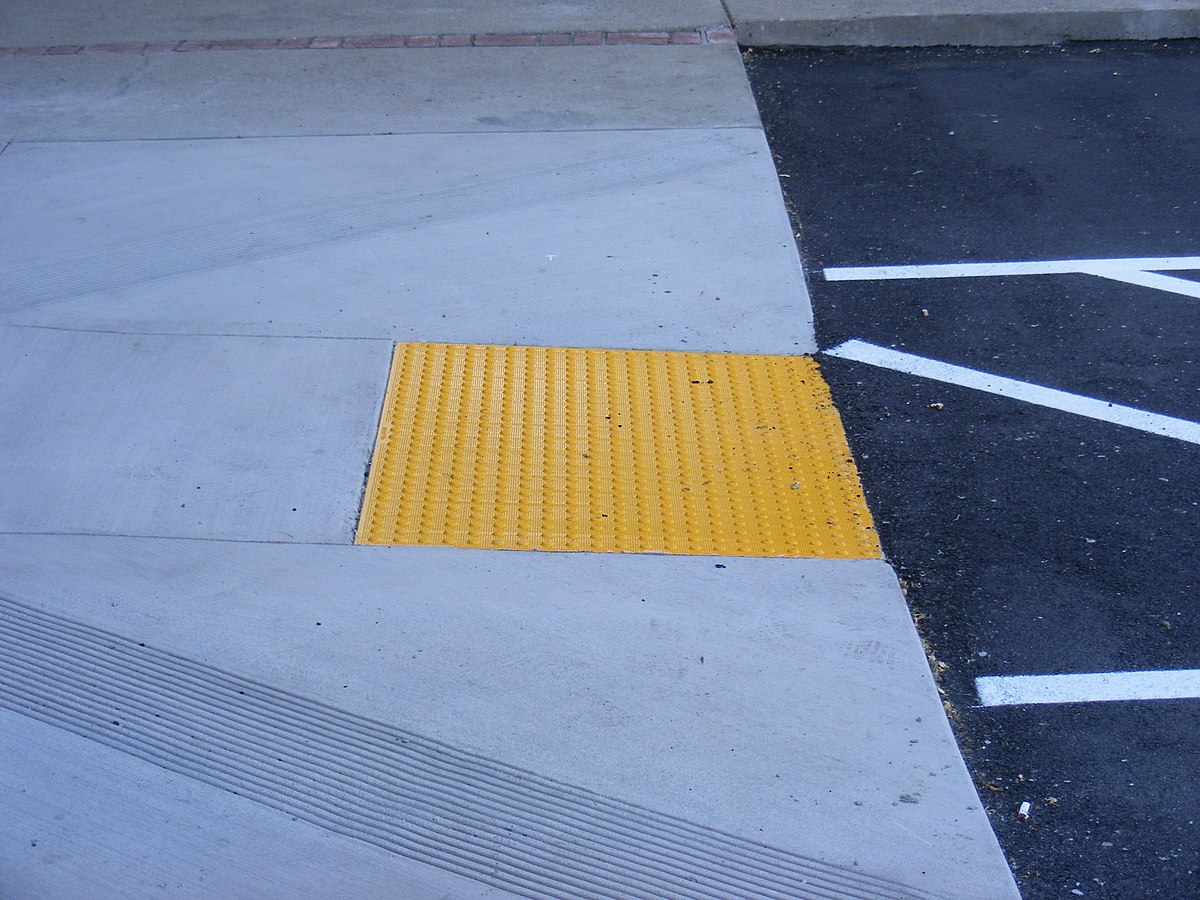
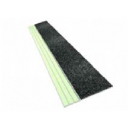
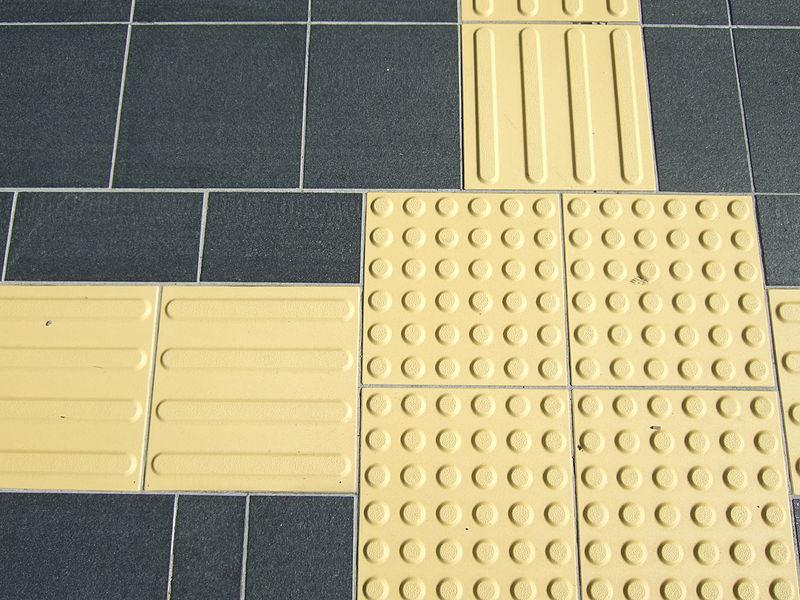
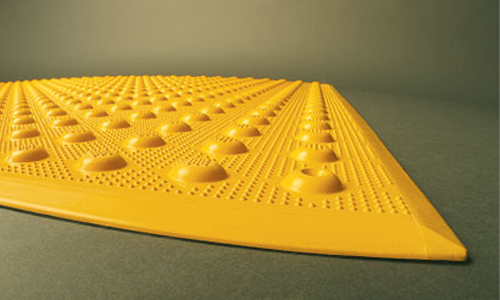
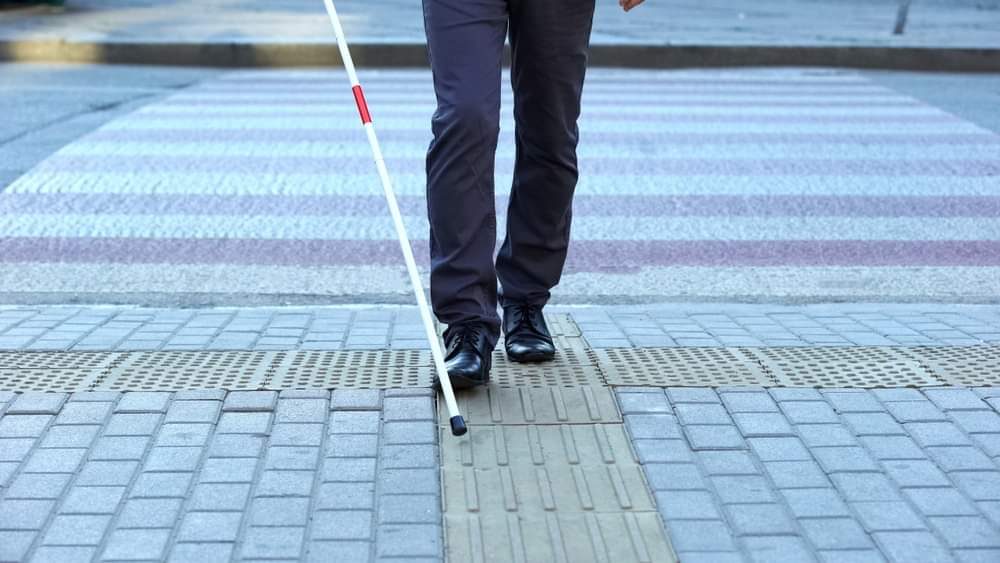
His breakthrough came from rethinking the method, not just the goal. Instead of assuming retrofitting meant tearing up concrete, he discovered high-performance surface-applied tactile tiles. These systems are designed to adhere securely to existing floors, sidewalks, and staircases. Patrick’s team opted for durable options like Armor-Tile surface applied tactile tiles for the lobby and Ecoglo photoluminescent stair nosing for exit paths.
The installation was methodical and quiet. For interior areas, work was scheduled during lower-traffic hours. The adhesive-based systems meant no loud core drilling or concrete pouring. "The transformation was profound," Patrick noted. "We achieved greater safety and accessibility without the expected mess or noise. Most residents barely noticed the work being done, but they certainly felt the new sense of security."
The key to a smooth project is upfront clarity. Start by using tools like our Solution Finder Tool, designed for Canadian building professionals. It helps you instantly narrow down options by answering a few questions:
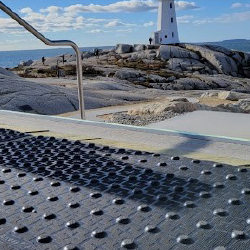
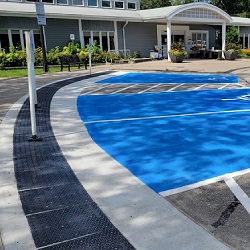
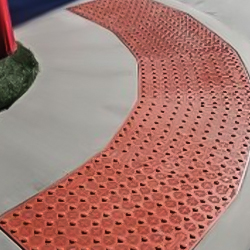
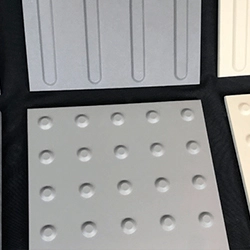
This step ensures you select the right product from the start - like choosing flexible and durable Access Tile or Eon Tile systems for curved walkways or durable Armor Tile for a high-traffic entrance, avoiding costly mid-project changes.
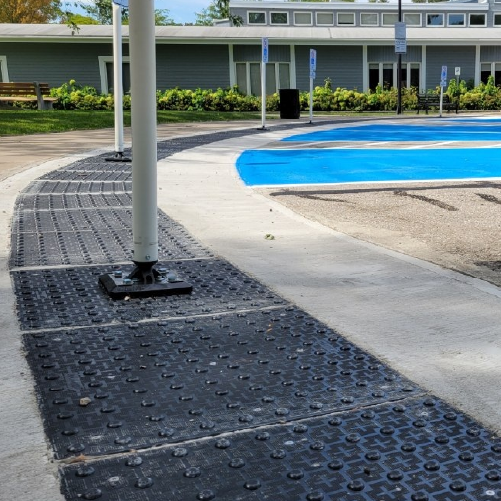
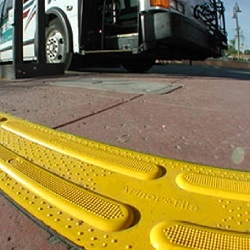
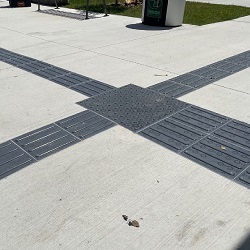
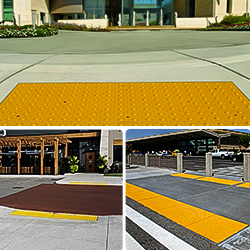
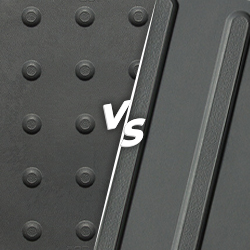
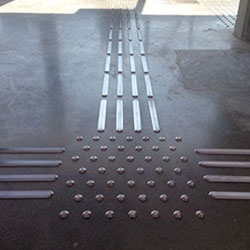
The core of a no-mess solution lies in modern installation methods. For retrofits, surface-applied tiles are your best friend. As highlighted in our guide on budget-friendly options, these tiles "offer a pragmatic solution for upgrading tactility on existent surfaces" without excavation.
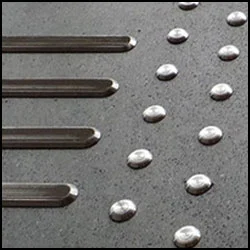
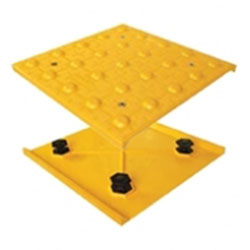
Installation typically involves adhesive bonding, precise cutting, and securing with color-matched screws - not demolition.
There’s no concrete grinding or sandblasting.
Many surface-applied solutions can be installed in under an hour per location, limiting the window of any potential disturbance.
Transparency turns tenants from critics into advocates.
Tackle one floor, wing, or entrance at a time. This maintains clear alternate routes for pedestrians.
Schedule noisy tasks (like limited cutting) for evenings or weekends in commercial settings, or during weekday business hours in residential complexes.
Use polite, informative signs to alert occupants to fresh adhesive or slightly cordoned-off areas.
Upgrading with minimal disruption isn’t just about convenience; it delivers powerful returns:
A compliant, accessible building stands out in the market. It can lead to higher occupancy rates and even increased rent premiums.
Meeting CSA B651, National Building Code (NBC), and AODIA standards mitigates the risk of significant fines and lawsuits.
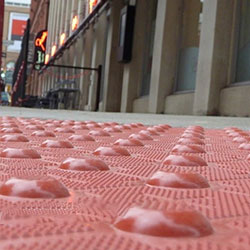
Tactile solutions don’t just aid the visually impaired. They create clearer, safer navigation for seniors, children, and anyone in an emergency, potentially reducing slip-and-fall incidents.
Demonstrating a commitment to inclusive safety builds tremendous goodwill and fosters a community where everyone feels considered.
Not with modern surface-applied systems. The process is primarily adhesive-based, avoiding the major demolition, concrete pouring, or grinding that creates significant noise and dust.
Absolutely. Brands like AccessTile and Eon Tile are specifically designed to offer a cost-effective balance of durability, compliance, and ease of installation for retrofit projects, without sacrificing quality or meeting standards like AODA and CSA.
I’m overwhelmed by codes and product choices. Where do I start?
You’re not alone. Start with our Solution Finder Tool. It cuts through the complexity by asking you simple questions about your project and instantly providing tailored, code-compliant recommendations, product specs, and even a quote.
You have a responsibility to make your building accessible. But you also have a responsibility to your current tenants to provide a peaceful environment.
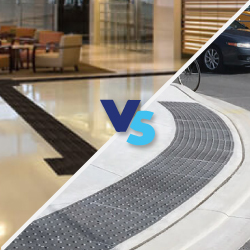
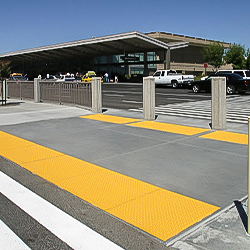
Surface Applied Tactile Tiles bridge this gap perfectly. They are the "Low-Dust" solution that lets you upgrade your facility without the headache of major construction. And when you do decide to build that new wing or pour a new sidewalk? We’ll be right here with the best Cast-in-Place tiles on the market.
Don't let the fear of disruption delay your safety upgrades. A non-compliant building is a liability waiting to happen. An accessible building is an asset that welcomes everyone.
Ready to find the quietest solution for your floor? Use our Solution Finder Tool today. In just a few clicks, you will see exactly which surface-applied products fit your project needs.
Let’s make Canada accessible - quietly, quickly, and professionally.