Blog
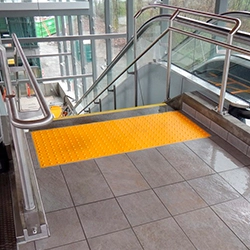
Exploring the Budget-Friendly Tactile Options for Retrofit Projects
12th Aug 2024
When retrofitting existing structures to comply with accessibility regulations, choosing the most cost-effective tactile solutions becomes quite important. As the leading tactile products supplier in Canada, here at Tactile Solution Canada, we understand this challenge well. This blog highlights some highly affordable tactile options well-suited for upgrading structures on a tight budget.
Regulatory Need for Tactile Upgrades
As per the Accessibility for Ontarians with Disabilities Act (AODA) and the National Building Code of Canada (NBC), installing tactile tiles is mandatory to ensure safe navigation for pedestrians with vision impairment. While newbuilds can seamlessly integrate cast-in-place tiles, retrofits usually need " tactile, "glued" to the existent surface".
"Surface Applied Tiles" - Affordable Compliance for Retrofits
As discussed in our previous blog, " surface applied tiles" offer a pragmatic solution for upgrading tactility on "existent surfaces" like pavements and flooring. These tiles offer a convenient and affordable way to install tactile walking surface indicators on existing surfaces, unlike more expensive options, embedded concrete. These durable tiles attach securely to surfaces like sidewalks, ramps, platform edges, stair treads, or landings with special adhesives built to withstand heavy foot traffic, freeze/thaw cycles, salt, and moisture.
Compared to tearing up and re-pouring concrete, installing surface-mounted tactile pads provides tremendous cost and labor savings. Tiles offer flexibility to contour curved surfaces and radii seamlessly. They can also be precision cut onsite to fit any shape. Color choices contrast against surroundings to enhance detectability. These versatile solutions work excellently to create accessible routes through public parks, transit centers, government buildings, healthcare campuses, shopping centers, and other facilities.
We'll highlight four great surface-applied tactile products that meet Canadian standards that balance durability and ADA/AODA compliance with affordability!
AccessTile Surface-Applied Truncated Domes
AccessTile leads the industry for affordable detectable warning systems perfect for retrofit applications. Their surface-applied truncated dome tiles are installed easily to add tactile curb ramps, platform edges, and other hazards needing bright visual and textured contrast between pedestrian and vehicular routes such as curb ramps, wheelchair ramps, top of stairs/escalators, and blended transitions.
Key Features:
- Beveled edges ensure smooth, wheelchair-friendly transitions
- Lightweight material cuts easily onsite for custom sizing
- Color-contrast domes molded from durable composite polymers
- Full installer kit included
- 5-year manufacturer warranty
Suitable Applications:
- Curb ramps
- Transit platform edges
- Stair/ramp landings
- Accessible pedestrian crossings
- Multimodal transit stations
- Reflecting pool perimeters
- Angled driveway curb cuts
- And more
AccessTile Surface-Applied Wayfinding Bars
AccessTile's surface-mounted wayfinding bars are installed together with their truncated dome tiles to create full AODA-compliant accessible routes. These detectable directional bars guide users along paths between destinations like information kiosks, registration desks, and elevator banks.
Key Features:
- Installs together with detectable warning tiles
- Lightweight material cuts easily into custom sizes
- Beveled edges provide smooth wheelchair transitions
- Full installer kit included
- 5-year manufacturer warranty
Suitable Applications:
- Public parks & plazas
- Transit terminals
- Government & healthcare corridors
- Museum galleries
- University walkways
- Shopping malls / retail stores
Armor-Tile Surface-Applied Tactile Tiles
Boasting excellent durability and traction, Armor-Tile surface-applied tactile pads bring enhanced accessibility anywhere without breaking budgets. The tiles made from proprietary polymers blend optimal slide resistance, sound properties, and textured profiles to improve detectability and grip for canes/walkers.
Key Features:
- Extreme all-weather durability
- The complete kit includes adhesive and color-matched screws
- Visual color contrast options
- 5-year warranty
Suitable Applications:
- Public places & plazas
- Complexes
- Healthcare settings
- Academic institutions
- Recreational centers
Eon Tile Rubber Surface-Applied Tactile Systems
Eon Tile's flexible rubber tactile tiles suit both interior and exterior applications requiring custom sizing to unique measurements. These durable, resilient pads install perfectly along curved walkways and radii.
Key Features:
- Flexible rubber tiles form fit curved surfaces
- Installer kit included
- Visual color contrast domes
- 5-year warranty
Suitable Applications:
- Curving pathways
- Landscaped walkways
- Blended transition ramps
- Irregular platforms
- Corner store produce areas
- Complex lobbies
Guidance on Accessibility Budgeting for Tactile Retrofitting
Installing proper TWSI tiles improves accessibility and minimizes liability risks across properties receiving public foot traffic. Tactile warning surfaces represent excellent return on investment over their long lifespans.
1. Plan Ahead
Ideally, begin budgeting early once consider enhancing accessibility among retail spaces, transit platforms, public parks, and government sites. This allows for appropriate funding for quality tactile installations.
2. Leverage Grants
Explore federal and provincial grants incentivizing accessibility upgrades under the Accessibility for Ontarians with Disabilities Act (AODA) supporting goals for barrier-free Canada by 2040.
3. Consider Phases
For large-scale retrofitting, break projects into budget-friendly phases, first addressing high-priority areas to balance immediate needs against stretched capital resources.
As Canada's leading supplier of durable ADA and AODA-compliant tactile solutions, Tactile Solution Canada stands ready to assess retrofitting requirements, recommend appropriate systems balancing durability, detectability, and affordability, plus support contractors through environmentally friendly installations, improving accessibility at facilities across provinces.
Frequently Asked Questions
What are the most budget-friendly tactile options for retrofitting projects to meet accessibility regulations?
Quality surface-applied tiles from AccessTile, Armor-Tile, and Eon Tile balance affordability with durability, ADA/AODA, CSA compliance, and ease of installation for retrofit applications. Their customizable modular designs allow cost-effectively tailoring detectable warnings to site parameters.
How long do surface-applied tactile tiles typically last?
When installed adequately following manufacturer guidelines onto concrete or asphalt surfaces, most surface-applied tactile systems provide 10-15 years lifespans in outdoor conditions and 20+ years indoors before needing replacement.
What materials work best for exterior tactile applications facing freezing weather, salt, and snow plows?
Look for surface-applied tactile tiles containing polymers, composite metals, or porcelain stoneware materials resistant to corrosion, fractures, wear, and wear-and-tear. Avoid natural woods or plastic composites vulnerable to exterior conditions.
Where can I find grants, tax credits, or other funding to help make our aging buildings more accessible?
Great information sources include the Canadian Revenue Agency, Canada Mortgage and Housing Corporation, Ontario Renovates Program, and local provincial accessibility directorates. Consulting an accessibility specialist also helps navigate the best funding support.
What accessibility regulations apply towards public buildings and facilities in Canada?
The federal Accessible Canada Act harmonizes nationally with provincial laws like Ontario's Accessibility for Ontarians with Disabilities Act (AODA), which provides standards all public buildings must achieve. Local building codes often reference these laws.
We hope these surface-mounted tactile solution options and budgeting tips assist your team's planning process when navigating important retrofitting decisions ahead. Please get in touch with Tactile Solution Canada for personalized guidance tailoring the optimal product recommendations unique to your retrofitting project requirements and budget.
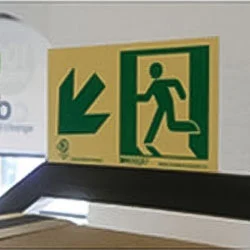
Facilitating Safe Evacuation with Ecoglo Exit Signs
8th Jul 2024
Ensuring safe evacuation during emergencies has always been a top priority in Canada, considering the stringent code standards and accessibility laws. As a reputed supplier of code-compliant tactile solutions, here at Tactile Solution Canada, we understand the significance of prompt egress guidance, especially for people with disabilities or vision loss. Our photoluminescent products, like Ecoglo exit signs, have significantly been helping contractors and building authorities achieve 100% compliance.
In this blog, we'll explore how Ecoglo Photoluminescent Exit Signs in Canada can facilitate safe evacuation from buildings and why they should be your go-to choice for indoor/outdoor exit signage. We'll also discuss the code requirements regarding emergency signage in Canada, along with installation and maintenance best practices. But first, let's understand how these innovative signs work their magic.
How Ecoglo Building Exit Signs Work?
Ecoglo exit signs use photoluminescence science to glow brightly even without electricity. They absorb ambient light during the day and re-emit that stored light at night or during power outages. This long-lasting glow makes them highly visible, allowing people to see the way out.
The secret lies in a special luminous pigment called zinc sulphide, which is applied over the sign's surface. When this pigment absorbs visible or UV light, electrons in the material jump to a higher energy state. Once the light source is removed, the electrons slowly decay back to their normal state, releasing the stored light photons in the process.
This photoluminescence continues until all the photons are released, providing a glow for many hours. Over multiple charge-discharge cycles, Ecoglo signs can retain 80-90% of their initial luminance, ensuring long-lasting performance throughout their lifespan. If you are thinking - Are Photoluminescent Exit Signs Code Compliant? Then read on:
Photoluminescent Fire Exit Signs Regulations and Code Requirements in Canada
As per the National Building Code of Canada and provincial codes like the Ontario Building Code, illuminated or photoluminescent exit signs are mandatory in any building that requires an emergency lighting system. Some essential requirements include:
- Exit signs must be located near exits, along the path of egress, and wherever directional changes occur.
- In addition to normal "EXIT" text signs, evacuation plans with directional arrows are also required on floor/exit plans.
- Signs should be high mounted between 1800-2400 mm from the floor for optimum visibility.
- They must provide contrast against the surrounding decor and illuminate to a minimum intensity of 10 lux.
- Photo-luminescent signs like Ecoglo must provide at least 60 minutes of glow time without external illumination.
- Procuring and installing code-compliant emergency Signage for Fire Exit has become extremely important after the Grenfell Tower fire incident in the UK that claimed 72 lives during the 2017 evacuation.
Canadian regulations explicitly require properly marked exit pathways in buildings to enable efficient emergency evacuation:
- As per the National Building Code 2010, Clause 3.4.5.1. (2), "Exit signs conforming to Sentence (3) shall be installed to indicate the direction of egress from each exit level clearly."
- NBC 2010 Clause 3.4.5.1. (3) further states, "Exit signs shall show an illuminated white or luminous green pictogram on a contrasting background." Exit signs with illuminated or white lettering on a green background are also permitted.
- The National Fire Code 2010 Division B, Section 2.7.3 mandates, "Except as otherwise required by this Part, exit signs shall consist of a green pictogram and a white or lightly tinted graphical symbol meeting the color specifications referred to in ISO 3864-1."
Ecoglo signs help meet these legal requirements for exit path marking. Their bright green glow and directional arrows fulfill code mandates on exit sign visibility and wayfinding.
Let's see why Ecoglo Exit Directional Signs are a highly recommended solution.
Why Ecoglo Exit Directional Signs Facilitate Safe Evacuation?
1. No Power Required
As Ecoglo signs do not require electricity to glow, they can continue guiding occupants to safety even during complete power outages caused by disasters like fires or earthquakes.
2. Excellent Visibility
The evenly distributed luminous surface area and minimum luminance of 10 lux as per codes ensure Ecoglo signs are highly conspicuous from long distances, clearing all visibility hazards.
3. Long-lasting Performance
After just 30 minutes of daylight or ambient light exposure, Ecoglo Glow in the Dark Exit Signs in Canada can glow brightly for a minimum of 60 minutes as codes mandate. This allows adequate time for evacuation, even from the most extensive facilities. These signs can glow for more than 70 hours after just 54 minutes of lux charging.
4. Indoor and Outdoor Use
Ecoglo signs are weatherproof, UV resistant, and ideal for both indoor and outdoor installations, eliminating the need for multiple signage types.
5. Reduced Lifecycle Costs
Being maintenance-free, Ecoglo signs last over a decade, far exceeding typical LED signs, reducing the total cost of ownership. There is no requirement for frequent battery replacements, too.
6. Compliance with AODA & NBC
As the only photoluminescent exit sign endorsed by accessibility organizations across Canada, Ecoglo assures effortless AODA and NBC compliance for all projects.
Best Practices for Ecoglo Sign Installation
Here are some recommended practices to ensure maximum performance and durability of Ecoglo signs post their installation:
- Mount signs high between 1.8m to 2.4m at standard eye level for best visibility.
- Face signs towards oncoming traffic flow and avoid surfaces that cause glare or reflections.
- Fasten signs securely at least seven mounting points using corrosion-resistant hardware suitable for outdoor/indoor use.
- Clean signs regularly using a soft cloth and plain water to remove dirt, keeping the photoluminescent surface scratch-free.
- Inspect signs periodically and replace them if 10% or more of the photoluminescent coating is damaged or worn out.
- Conduct regular fire evacuation drills to ensure signs continue functioning as per codes.
Frequently Asked Questions
Q. How long will an Ecoglo sign last?
A. Ecoglo signs can continuously glow bright for 10-15 years of service life if installed correctly and with adequate daily charging.
Q. Do Ecoglo signs meet NBC requirements for emergency lighting?
A. Yes, Ecoglo exit signs are independently tested and certified to meet all NBC guidelines for luminance, duration, and location of emergency lighting and signage in Canada.
Q. Can Ecoglo signs be used both indoors and outdoors?
A. Absolutely, Ecoglo signs are fully weatherproof, UV resistant, and CSA certified for indoor or outdoor use without requiring any cover or protection.
Q. What is the best way to clean an Ecoglo sign?
A. Wiping the luminous surface with a lint-free cloth or tissue paper dampened with plain water is the recommended cleaning method for Ecoglo signs.
We hope this detailed blog has given you good insights into Ecoglo photoluminescent exit signs and how they can play a pivotal role in facilitating safe evacuation according to Canada's accessibility codes. As a leading supplier, Tactile Solution Canada is committed to supplying only top-quality, thoroughly tested, and code-certified tactile solutions. Please feel free to contact us for any order queries.
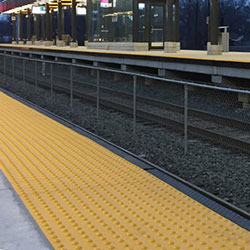
What the Ontario Building Code Says About the Tactile Attention Indicators
8th Jul 2024
Tactile attention indicators, also known as Tactile Walking Surface Indicators (TWSI), are an important accessibility feature required by the Ontario Building Code (OBC) to help visually impaired persons safely navigate buildings and public spaces.
As a leading supplier of tactile products, we at Tactile Solution Canada want to provide a comprehensive overview of what the current OBC says about tactile attention indicators to help architects, contractors, building owners, and property managers understand the code requirements and select compliant products.
OBC Standards for Tactile Attention Indicators
The key section outlining standards for tactile attention indicators in the current OBC is Section 3.8.3.18. It states that where a tactile attention indicator is required, it shall conform to the specifications outlined in Sentence (2) and Clauses 4.1.1 and 4.1.2 of ISO 23599 standard for Assistive Products for Blind and Vision-Impaired Persons – Tactile Walking Surface Indicators.
Some key criteria for OBC-compliant tactile attention indicators as per ISO standard 23599 are:
- Detectable from surrounding surfaces by raised profiles and visual contrast
- Durable and maintain long-term detectability
- Beveled edges to prevent tripping hazards
- Slip-resistant
- Installed in a consistent square grid pattern aligned perpendicular to the path of travel
- Sufficient depth for detectability underfoot
- Extend across the full width of the accessible path or travel
Where Tactile Indicators Are Required
The OBC mandates the installation of tactile attention indicators in the following locations:
1. At Stair Edges
Per OBC 3.8.3.17, tactile attention indicators must be installed:
- At the top of the stairs, start one tread depth back from the edge of the top step
- At the leading edge of landings where a doorway opens onto stairs
This alerts those with vision impairments that they are approaching a set of stairs.
2. At Platform Edges
As per OBC 3.8.3.17, tactile indicators are required:
- Along platform edges not protected by guard and higher than 250 mm above floor or ground
- At platform edges with slopes steeper than 1 in 3
This prevents people from unintentionally walking off the edge of an elevated or steeply sloped platform.
3. At Accessible Paths Near Vehicular Areas
Per OBC 3.8.3.18, tactile attention indicators must be demarcated:
- Where an accessible pedestrian path enters a vehicular route or area where no curb or element separates the two
This warns pedestrians when they are entering a potentially dangerous vehicular travel way.
OBC Specifications for Tactile Profiles
The OBC requires tactile attention indicators to have truncated dome textures with specific dimensions:
- Dome height: 4 to 5 mm
- Top diameter of domes: 12 to 25 mm
Spacing between centers of adjacent domes:
Dome Top Diameter Spacing
- 12 mm 42 - 61 mm
- 18 mm 48 - 65 mm
- 25 mm 55 - 70 mm
- 15 mm 45 – 63 mm
- 20 mm 50 – 68 mm
These specifications allow the tactile cues to be easily discernible underfoot and detectable with a cane without posing a tripping risk.
How Tactile Solutions Can Help
At Tactile Solutions, we supply a wide range of OBC-compliant tactile attention indicators to help buildings and public spaces meet Canadian accessibility standards. Our products are:
- Manufactured to ISO 23599 specifications
- Available in a variety of durable materials like composite, aluminum and stainless steel
- Customizable in size, color, engraving and installation method
- Ideal for indoor and outdoor applications
- Complimented by installation services
With over 20 years of experience supplying tactile solutions across Canada, we can recommend the right products for your specific project requirements. We also provide hassle-free shipping across the country.
Our customer service team is happy to answer any questions on OBC tactile indicator requirements and provide code consultation. We aim to ensure architects, contractors and property owners have access to compliant tactile safety solutions for all projects.
Frequently Asked Questions
Q: What are some common indoor applications for tactile attention indicators?
A: Indoors, tactile attention indicators are commonly installed at stair nosings, elevated platforms and stages, exit doors, accessibility ramps, and high-contrast surroundings to define paths of travel.
Q: How are tactile attention indicators installed?
A: These products come with rear-applied tape or can be installed using mechanical fasteners. Set into fresh concrete during new construction. Indicators must be flush with the ground surface.
Q: How often do tactile indicators need replacing?
A: With proper installation and maintenance, quality-compliant tactile indicators can last 10-15 years outdoors and 20+ years indoors. Replace immediately if damaged, lifted or missing.
Let Tactile Solution Canada help make your building or public space accessible and OBC-compliant with quality tactile indicators installed correctly. Contact our experts today to discuss your tactile attention indicator needs.

New CSA/ASC Accessibility Standards: Tactile Solutions Canada
8th Jul 2024
In February 2023, Accessibility Standards Canada (ASC) and CSA Group announced a new collaboration to publish three updated accessibility standards that will help create more inclusive and barrier-free spaces across Canada.
As Canada's premier supplier of tactile solutions for the visually impaired, Tactile Solution Canada recognizes the immense value these new standards will have in advancing accessibility and safety in the built environment.
In this blog post, our team of experts will provide an overview of these landmark standards, highlight key improvements and takeaways, and discuss the importance of regulatory compliance for Canadian contractors, architects, and property managers.
An Introduction to Accessibility Standards Canada
First, let's provide some background on Accessibility Standards Canada. ASC is an accredited standards development organization created in 2019 under the Accessible Canada Act.
The mandate of ASC is to develop voluntary accessibility standards, fund research, and share information to help achieve a barrier-free Canada by 2040. ASC brings together a wide range of stakeholders, including persons with disabilities, industry representatives, regulators, and subject matter experts, to create consensus-based accessibility standards.
These standards aim to remove barriers and enhance accessibility in priority areas like employment, built environment, transportation, information & communication technologies, and service delivery. They outline technical requirements and best practices that organizations, including federal entities, can voluntarily adopt to improve accessibility.
While not legally mandatory, ASC's standards are considered the gold standard for accessibility and are increasingly being referenced in provincial and local regulations across Canada.
Overview of the Three New Accessibility Standards
Now, let's take a closer look at the three critical accessibility standards recently published through the collaboration between ASC and CSA Group:
1. CSA/ASC B651 - Accessible Design for the Built Environment
This revised standard provides best practice requirements for making buildings and facilities accessible for persons with varying disabilities. Key updates in this edition include:
- New anthropometric data for better dimensional guidelines
- Enhanced luminance and color contrast specifications for signs, controls, and walking surfaces
- Expanded guidance on addressing functional and cognitive limitations
- Revised recommendations for door controls and water stations
2. CSA/ASC B651.2 - Accessible Design for Self-Service Interactive Devices
This standard sets recommendations for creating accessible automated banking machines, self-checkout kiosks, self-order menus, and other public-facing interactive systems. The main focus areas are:
- Improving physical access through reach range, clearance, and usage requirements
- Enhancing perceptual accessibility via visual, tactile, and audio feedback
- Optimizing usability by accommodating diverse users and abilities
3. CSA/ASC B652 - Accessible Dwellings
This new residential accessibility standard establishes best practices for designing adaptable and accessible homes. Key provisions include:
- Minimum area allowances for manoeuvering and living spaces
- Guidelines for reachable controls, work surfaces, and storage
- Tactile and visual wayfinding recommendations
- Lighting and acoustics criteria for accessibility
- Accessibility considerations for all residential rooms and amenities
These standards were developed through extensive consultations with subject matter experts, alongside invaluable lived experience input from persons with disabilities.
Why Do These Standards Matter?
The publication of these new standards represents a major milestone in ensuring accessibility for all Canadians. Here are some of the key reasons they are so important:
- They set consistent, nationwide criteria for accessibility in priority areas like housing, banking, and the built environment. This benefits both consumers and providers/contractors.
- With a rigorous development process and evidence-based guidelines, they reflect the latest knowledge and best practices in accessible design.
- They will be increasingly referenced in building codes, municipal by-laws, and procurement policies across Canada, underscoring the need for compliance.
- Adherence to these standards demonstrates a strong organizational commitment to inclusivity and universal design.
- For contractors and architects, meeting these voluntary standards signals your expertise in accessibility and helps attract clients.
- Ultimately, widespread adoption of these standards will tangibly transform communities by removing barriers to participation and enhancing the quality of life for all Canadians.
Compliance is Crucial for Constructors and Property Managers
While voluntary, compliance with standards like ASC/CSA B651 is becoming a crucial part of risk management for constructors and property managers in Canada.
Here are some reasons why adhering to accessibility standards is vital:
- It helps avoid legal liability and penalties under laws like the Accessibility for Ontarians with Disabilities Act (AODA), which references accessibility standards for the built environment.
- It lowers the risk of human rights complaints and lawsuits from consumers impacted by inaccessible facilities.
- It meets the requirements of increasing municipal building codes, zoning by-laws, and development standards across Canada.
- Federal, provincial, and municipal agencies now actively integrate compliance with standards like ASC/CSA B651 into procurement frameworks as evaluation and eligibility criteria. Compliance is key if contractors want to tap into lucrative public sector bids.
- Certifications like LEED are also beginning to reference these standards. Constructors can gain a competitive edge by showcasing their commitment to voluntary accessibility standards.
By proactively ensuring projects meet or exceed ASC's accessibility standards, constructors and property managers demonstrate leadership, responsibility, and expertise in inclusive design. This open approach to accommodating Canadians of all abilities represents the future of ethical and sustainable construction.
Tactile Solutions Canada - Your Partner in Accessibility
As Canada's leading tactile solutions provider, Tactile Solution Canada helps constructors, architects, building owners, and property managers enhance accessibility and regulatory compliance with our diverse product range, including:
- Access Tile® Tactile Systems - Replaceable and surface-applied tactile tiles made of durable engineered polymers.
- Armor Tile® Tactile Systems - Heavy-duty outdoor tactile tiles made of polymers, concrete, and metals. Withstand extreme weather and loads.
- Advantage® Tactile Systems – Tactile tiles made of robust metals like stainless steel and cast iron plate suitable for high-traffic locations.
- Ecoglo® Photoluminescent Wayfinding - Provides visual guidance and orientation in low-light emergency conditions.
- Eon Tile – Flexible rubber tactile tiles suitable for retrofitting existing surfaces. Available with anti-slip truncated domes.
- Elan Tile – Smooth porcelain tile with slip-resistant tactile domes. Aesthetically pleasing for indoor settings.
Designed for strength, slip resistance, and CSA/AODA/ISO standards compliance, our solutions create accessible built environments that accommodate Canadians of all abilities.
By consulting our team of experts early in your project, we can recommend optimal tactile solutions tailored to your unique specifications and compliance needs. Contact us today!
Frequently Asked Questions
What are some key benefits of the new CSA/ASC accessibility standards?
The new standards provide consistent, nationwide criteria for accessibility across priority sectors. They reflect the latest evidence and universal design best practices. They also demonstrate an organization's commitment to inclusivity.
Who developed these new voluntary accessibility standards?
The standards were developed through extensive consultation between Accessibility Standards Canada, CSA Group subject matter experts, and persons with lived experience of disabilities.
What risks do contractors and owners face by ignoring accessibility standards?
Potential risks include:
- Lawsuits.
- Human rights complaints.
- Failing to meet building code/zoning requirements.
- Ineligibility for public projects.
- Reputational damage.
How do Tactile Solutions from Tactile Solution Canada enhance accessibility?
Our tactile tiles, pavers, and wayfinding solutions provide critical visual, tactile, and orientation cues for persons with visual disabilities as per CSA and AODA regulations.
How can constructors ensure projects meet accessibility standards?
By consulting accessibility experts like Tactile Solution Canada early in the design process, constructors can seamlessly integrate compliant tactile solutions into public space projects.
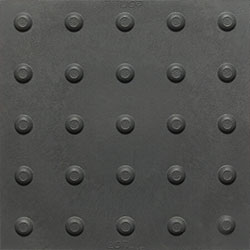
How to Choose the Right Detectable Warning Tiles
8th Jul 2024
Installing compliant and durable detectable warning tiles is crucial for architects, contractors, and property owners to enhance accessibility in public spaces. But with a myriad of tile options available, choosing the right product tailored to your unique project requirements can get confusing.
This comprehensive guide provides expert insights to simplify the selection of appropriate detectable warning tiles based on factors like setting, traffic, longevity, costs, and aesthetics. Let’s explore how to pick ideal solutions to fulfill form and function.
Understanding Detectable Warning Tiles
Detectable warning tiles, also known as tactile walking surface indicators (TWSIs), are textured ground surface tiles that provide critical, non-visual navigation and hazard detection cues. Installed on pedestrian walkways, the tiles contain standardized textures like:
- Truncated domes – Small raised and flattened domes indicating upcoming hazards
- Elongated bars – Parallel raised bars providing directional guidance
As per provincial accessibility legislation, integrating compliant detectable warning tiles is mandatory in public spaces to accommodate individuals with vision impairments or blindness.
Properly installed tiles serve dual purposes:
- Caution users about potential dangers like platform edges or curbs
- Outline safe walking routes through open spaces
Factors to Consider When Selecting Warning Tiles
With a wide variety of tile materials, textures, sizes, and installation formats available today, how do you pick the ideal options aligned to your project’s unique specifications?
Here are the five key factors experts recommend considering:
1. Indoor vs. Outdoor Setting
Will the tiles be installed in exterior spaces exposed to weather or interior environments? Indoor options focus on fire ratings, noise reduction, and aesthetics. Rubber, stainless steel, composite polymers, and porcelain tiles suit interior spaces.
While outdoor spaces demand extra durability to withstand heavy foot traffic, UV radiation, moisture, freeze-thaw cycles, and abrasive agents like sand. Popular exterior tile materials are metals, porcelain, and engineered polymers.
2. Installation Format
Is this a new construction or retrofit project? For new builds, tiles can be directly embedded into fresh concrete to create a seamless finish. Access Tile and Armor Tile offer excellent cast-in-place detectable warning tiles.
For existing surfaces, self-adhesive surface-applied tiles are ideal for rapid upgrading. Access Tile, Eon Tile rubber tiles, Armor or Advantage Tactile stainless-steel plates suit surface-applying.
3. Expected Traffic
Footfall volume impacts longevity; for high-traffic zones like transit platforms, durable metal or porcelain tiles withstand decades of walking. Where occasional use is expected, composite polymer tiles suffice.
4. Maintenance Needs
Certain tiles allow replacing only the damaged section instead of the entire installation. Access Tile Cast-In-Place and Cast-Iron replaceable Tactile Systems enable this. Other tiles require complete tile replacement. Assess long-term costs.
5. Aesthetics
Composite polymer or rubber tiles offer more color/texture options to match surrounding finishes. Metals like stainless steel complement modern designs. Porcelain tiles provide upscale aesthetics for indoor lobbies.
Top Tile Options for Public Spaces
Based on the above factors, here are some recommended compliant detectable warning tiles suitable for diverse public space projects:
- Access Tile Cast-In-Place - Durable replaceable polymer tiles installed directly into concrete for exterior use. Withstands heavy loads.
- Armor Tile Cast-In-Place - Concrete detectable warning tiles embedded in concrete for high-traffic exterior areas. Heavy-duty and weather-resistant.
- Eon Tile Rubber Tiles - Flexible surface-applied rubber tiles. It is ideal for interior retrofits needing acoustic dampening.
- Advantage Cast Iron Tile - Robust metal tiles installed into concrete for enduring performance in harsh conditions. Withstands decades of abuse.
- Elan Porcelain Tile - Classy porcelain tile with inlaid detectable warnings. Suitable for upscale interior lobbies and walkways.
- Access Tile Surface-Applied - Adhesive polymer tiles easily affixed to existing hard surfaces. Rapid upgrade solution for interiors.
- Advantage Stainless Steel Plates - Single stainless-steel plates screwed into floors. It has a sleek, modern look and is easily replaceable.
Tile Installation Tips
Proper installation is vital for tiles to have optimal longevity and meet standards. Here are expert tile installation recommendations:
- Follow manufacturer instructions for setting, orientation, adhesive usage, and spacing.
- Ensure proper tile alignment, primarily perpendicular to the path of travel for wayfinding bars.
- Provide sufficient ambient lighting for maximum visibility. Use colors contrasting with flooring.
- Confirm there are no lips or gaps between tiles and surrounding surfaces to prevent tripping hazards.
- Check for damaged or lifted tiles regularly. Undertake prompt replacement to maintain accessibility.
- Consider user testing and feedback from vision impairment groups post-installation.
Achieving Compliance through Tile Selection
In Canada, detectable warning tiles must adhere to accessibility legislation and standards to ensure safety. Key regulations include:
- Accessibility for Ontarians with Disabilities Act (AODA)
- CSA B651 - Provides specifications on tile material, visual/tactile detectability, installation methodology, labeling, high color contrast, etc.
- Ontario Building Code
- National Building Code of Canada
By consulting these codes, you can select options that fulfill crucial compliance mandates around tile durability, detectability, dimensions, slip resistance, and placement in public spaces.
Shop Tactile Warning Tile at Tactile Solution Canada
As Canada’s premier accessibility solutions provider, Tactile Solution Canada offers the widest selection of detectable warning tiles from trusted brands like Access Tile, Armor Tile, Advantage Tile, Eon Tile, and Elan Tile.
Engineered to be long-lasting, weather-resistant, and easy to install and replace, our tiles facilitate compliance with Canadian regulations like the AODA and CSA.
With in-house technical experts providing personalized recommendations, we simplify the selection of complaint tiles tailored to your unique specifications and setting.
Contact our team today for advice on finding suitable tactile warning tiles for your next public space project. Let us pave the path to universal accessibility and safety.
FAQs
What are the main types of detectable warning tiles?
Key options are:
- Cast-in-place tiles.
- Surface-applied tiles.
- Replaceable polymer or metal tiles.
- Porcelain.
- Single-embedded domes or bars.
Where are detectable warning tiles mandatory?
As per the regulations in Canada, locations like transit platforms, information kiosks, ticket counters, sidewalks, building entrances, curb ramps, stairs, and pedestrian crossings require compliant detectable warning tiles.
How frequently should damaged tiles be replaced?
Based on setting and traffic, tiles may need replacement every 5-10 years. Durable options like metals and porcelain can last decades with minimal replacement needs.
How do detectable warning tiles enhance accessibility?
The tiles provide standardized tactile and visual cues to help visually impaired individuals detect hazards, navigate safely, avoid disorientation, and travel independently.
What factors should one consider when selecting tiles?
Key considerations are the indoor vs. outdoor setting, expected traffic and loads, required longevity, ability to replace tiles, costs, required aesthetics, and applicable accessibility codes.
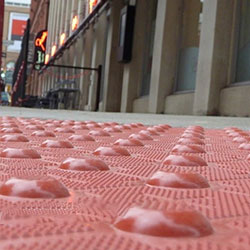
2025 Canadian Accessibility Deadline: Meeting Tactile Regulations
8th Jul 2024
The landscape for accessibility and inclusion is rapidly evolving in Canada. With several landmark regulations like the Accessibility for Ontarians with Disabilities Act (AODA) already in place, a major milestone is set to arrive in 2025 that will impact federal accessibility standards nationwide.
This upcoming deadline pertains to the Accessible Canada Act (ACA), the ambitious federal law that seeks to make Canada barrier-free by 2040. By June 1, 2025, all federally regulated public and private sector organizations with ten or more employees must comply with the ACA’s first phase of accessibility regulations.
This deadline carries major implications for contractors, architects, and construction companies involved in building and renovating public spaces. The ACA mandates extensive accessibility upgrades to buildings, transportation, urban design, communications technology, and, crucially, walking surfaces.
This means integrating code-compliant tactile walking surface indicators and guidance systems will become a legal obligation for making public realm spaces accessible under the ACA.
As Canada’s leading tactile solutions provider, Tactile Solution Canada is the ideal partner for contractors seeking expert guidance on selecting and installing ACA-compliant tactile systems ahead of the 2025 deadline.
This blog covers what Canadian builders need about tactile surface compliance under upcoming ACA regulations.
The Accessible Canada Act: An Overview
The Accessible Canada Act (ACA) became law in 2019 and is among the most progressive federal accessibility legislations globally. The ACA aims to achieve a “barrier-free Canada” by 2040.
The law defines a “barrier” as anything hindering the full participation of people with disabilities in society. The ACA takes an expansive view of accessibility, going beyond the built environment to address barriers to accessibility in:
- Employment
- Transportation
- Procurement of goods, services and facilities
- Built environment
- Information and communication technologies
- Communication
- Delivery of programs and services
This broad scope encompasses both physical and digital aspects of accessibility. The ACA empowers the Canadian Radio-television and Telecommunications Commission (CRTC) and the Canadian Transportation Agency to develop binding accessibility regulations and codes in phases targeted for 2025, 2030, and ultimately 2040.
These regulations will impose significant accessibility upgrades to federally regulated workplaces, buildings, transportation networks, pedestrian infrastructure, communications technology, and media.
ACA Tactile Surface Regulations for Contractors
Of particular relevance for Canadian contractors and builders are the regulations under the ACA mandating enhanced accessibility in pedestrian walking surfaces and the built environment.
The ACA requires upgrading outdoor and indoor pedestrian circulation routes, corridors, floors, stairs, elevators, escalators, doors, wayfinding systems, and other architectural features to remove mobility barriers.
A key focus area is installing standardized tactile walking surface indicators (TWSIs) on pedestrian circulation paths, both indoors and outdoors. TWSIs, called tactile attention or guidance indicators, are textured ground surface markers that provide vital orientation cues and warnings of potential hazards to users through their feet or mobility canes.
The ACA mandates installing compliant tactile attention and guidance systems across all new, extensively renovated public buildings and spaces. This will enable millions of Canadians with vision loss or mobility disabilities to navigate the built environment safely and seamlessly.
For public realm contractors and builders, meeting the ACA tactile surface regulations necessitates:
1. Installing Code-Compliant TWSIs
All new and upgraded pedestrian walking surfaces must integrate compliant tactile attention and guidance indicators as per the upcoming enforceable CRTC regulations modeled after current standards like:
- CSA B651: Sets technical specifications for tactile walking surface indicators in Canada
- ISO 23599: International tactile walking surface standard
This requires understanding optimal materials, textures, dome/bar sizing, beveling, visual contrast, installation methods, and placement locations.
2. Consulting Users when Selecting Tactile Solutions
The ACA requires involving people with disabilities when planning and implementing accessibility upgrades. Their input on preferences and needs is invaluable for choosing suitable tactile systems.
3. Training Staff on Tactile Installation Procedures
Proper tactile installation as per codes demands trained professionals. Staff needs instruction on surface prep, layout, application, setting, orientation, and beveling to optimize tactile functionality.
4. Rigorously Testing Surfaces Post-Installation
User testing by people with vision disabilities is essential to ensure the installed tactile solutions enhance accessibility as intended. User feedback needs to inform modifications.
5. Developing Maintenance Plans
Keep installed tactile surfaces compliant over the years via scheduled inspections, damage repair, replacements, and preservation of visual contrast.
Following these best practices and the CRTC regulations will allow builders to integrate the optimal ACA-compliant tactile solutions in their projects.
Why Partner with Tactile Solution Canada?
Tactile Solution Canada supplies the most comprehensive range of tactile walking surface indicators from leading brands like Armor Tile, Access Tile, and Advantage Tile.
Our world-class tactile systems enable ACA compliance by providing the following:
- Rigorous load testing for heavy footfall
- Durability against harsh Canadian weather extremes
- Standards compliance with CSA, ISO, AODA
- Customization to specification needs
- Easy installation and replacement
- Extensive safety certifications
With over a decade of supplying tactile solutions for accessibility projects, our experts will recommend the ideal systems to suit your public space requirements.
By consulting us early in your project design process, we can ensure the integration of optimal ACA-compliant tactile walking surfaces to make infrastructure accessible for all.
Frequently Asked Questions
What does the Accessible Canada Act require for tactile surfaces?
The ACA requires installing compliant tactile attention and guidance tiles on pedestrian circulation paths in new and upgraded public buildings and spaces. This enables accessibility for people with vision disabilities.
What are the benefits of proper tactile installations?
Benefits include enhanced mobility for blind and low-vision users, hazard warnings, clear wayfinding, safety for all pedestrians, meeting code compliance, and inclusive, accessible design.
What areas need tactile tiles?
- Building entrances: Mark doorway thresholds
- Lobbies and atriums: Direct to key areas like reception
- Retail aisles: Help navigate large open floors
- Transit stations: Guide to platforms, Information kiosks, ticket areas
- Corridors: Define walkways in expansive spaces
- Sidewalk curb ramps: Alert to transition from sidewalk to street
- Transit platforms: Warn of platform edge drop-off
- Pedestrian crossings: Mark the crosswalk area on the road surface
- Stairways and ramps: Indicate change in level
- Parks and plazas: Guide across open spaces
Who needs to comply with ACA tactile regulations?
The ACA applies to federally regulated public and private sector organizations in Canada with 10+ employees. This includes contractors involved in building and renovating public spaces.
How can contractors install correct tactile tiles?
Follow manufacturer specifications, use trained installers, test surface effectiveness post-installation, and develop maintenance plans to preserve functionality.
Let Tactile Solution Canada Guide Your ACA Tactile Compliance
Achieving full ACA accessibility compliance across Canada’s vast public infrastructure by 2040 will require considerable collective effort. For contractors charged with upgrading public buildings and spaces, integrating code-compliant tactile walking surfaces is an essential piece of this mission.
As Canada’s premier tactile surface experts, Tactile Solution Canada is ready to assist. Our advisors can prescribe the ideal tactile warning systems to make your upcoming projects inviting and safe spaces for all citizens, regardless of ability.
Let us help pave the path to a truly accessible Canada. Contact Tactile Solutions Canada today!
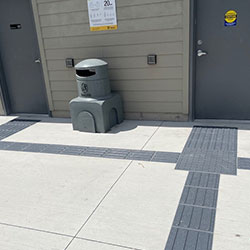
Why Urban Canada Needs More Tactile Navigation
5th Jul 2024
As Canada continues its rapid urbanization, city planners face the crucial challenge of making built environments accessible for all people, including vulnerable groups like citizens with visual or mobility impairments. While great strides have been made in accessibility over the decades, many public spaces still pose navigation challenges for those with disabilities.
This is where tactile wayfinding solutions come in as an indispensable tool for enhancing accessibility. Tactile wayfinding leverages textured ground surface indicators that can be felt underfoot or with a cane to guide users and impart crucial spatial information to pedestrians with visual disabilities.
In this blog, we delve into the world of tactile wayfinding and how it is fast becoming a vital investment for forward-thinking Canadian cities aiming to ensure accessibility and foster inclusion as they continue expanding.
Understanding Tactile Wayfinding
Tactile wayfinding refers to embedded tactile ground surface indicators that outline designated pedestrian circulation paths and key points of interest across public landscapes like transit hubs, parks, and plazas. They provide a tangible navigation channel that users with vision impairments can detect through their feet or canes.
Tactile wayfinding solutions feature flat-topped bars, cone bars, or raised dots arranged in the direction of travel. This consistent alignment perpendicularly to the path of movement provides essential orientation cues. Users can trace the patterns with their foot or cane to discern the safe walking direction.
Well-implemented tactile wayfinding fulfils two essential functions:
- Directional Guidance: The cues direct pedestrians along appropriate circulation routes in spaces where navigation is challenging. This prevents disorientation.
- Spatial Mapping: The network of tactile indicators allows users to build a mental map of the configuration of spaces and routes. This boosts environmental awareness.
Together, these functions foster safer mobility and independence for the visually impaired. They can navigate safely on their own without over-reliance on aids like sighted guides or verbal directions.
The Need for Tactile Wayfinding in Canadian Cities
Canada is rapidly urbanizing, with over 80% of Canadians residing in large metro areas as of 2016. This urban population boom makes accessibility a prime concern for cities.
The number of Canadians with age-related vision loss is also rising steadily with our aging population. Over 1.5 million Canadians currently live with vision disabilities. And this is expected to double by 2031.
These demographic factors compound the need for tactile wayfinding across Canadian cities. Let's look at how tactile surfaces can foster accessibility in our urban public spaces:
Sidewalks & Crosswalks
Tactile guidance paths on sidewalks and crosswalk bars at intersections guide pedestrians safely across busy vehicular routes. Tactile indicators at curbs alert users to the transition between pedestrian and traffic zones.
Transit Hubs
Tactile routes at metro stations, bus terminals, airports, and train platforms enable intuitive access between arrival points and ticketing/information kiosks, washrooms, boarding zones, and staircases.
Parks & Plazas
Sprawling open public spaces can be disorienting to navigate, but tactile paths leading through parks, squares, and markets make them more welcoming.
Government Buildings
Library squares, courthouse stairs, and city hall entrance plazas become accessible when tactile surfaces lead the way to their doorsteps.
Streetscapes & Shopping Districts
Retail areas thrive on footfalls. Tactile paving along storefronts, restaurants, and malls keeps them connected, safe, and navigable.
By retrofitting these key zones with compliant tactile wayfinding, cities gain the building blocks of an accessible public realm to serve all citizens.
Tactile Wayfinding Standards in Canada
To ensure consistent non-visual communication and compliance with regulations, tactile wayfinding must adhere to accessibility codes and standards. In Canada, key regulations include:
- Accessibility for Ontarians with Disabilities Act (AODA)
- CSA B651: Provides standards for wayfinding surface design specifications
- Ontario Building Code
- National Building Code of Canada
These standards outline crucial specifications for tactile wayfinding related to:
- Bar dimensions: width, height, spacing, arrangement
- Minimum walkway width between bars
- High visual contrast between bars and ground plane
- Durable yet non-slip materials
- Consistent orientation perpendicular to the direction of travel
Conforming with these codes ensures the tactile installations safely and effectively serve the mobility needs of Canadians with vision disabilities.
Selecting Appropriate Tactile Surfaces
When planning tactile wayfinding for public realm projects, urban designers and city planners should consider the following:
- Indoor vs. outdoor setting
- Foot traffic volumes
- Ability to replace damaged tiles
- Contrast needs for low-vision users
- Aesthetic cohesion with surroundings
- Budget
- Site-specific size requirements
With numerous tactile products available, expert guidance helps select solutions tailored to each application's unique specifications and accessibility needs.
FAQs
What are some examples of public spaces that can benefit from tactile wayfinding?
Key public spaces that should integrate compliant tactile wayfinding include sidewalks, pedestrian crossings, parks, transit platforms, shopping districts, office plazas, airports, government buildings, hospitals, educational institutions, and recreational facilities.
How exactly does tactile wayfinding help people with vision loss?
Tactile wayfinding provides essential non-visual orientation cues and directional guidance, allowing people with vision disabilities to navigate safely and independently. It fosters mobility and spatial awareness.
What are the main accessibility regulations concerning tactile wayfinding in Canada?
The main regulations are the Accessibility for Ontarians with Disabilities Act (AODA), CSA Standard B651, the National Building Code of Canada, and various provincial and municipal building codes.
Should tactile wayfinding contrast visually with the ground surface?
Strong visual contrast between tactile wayfinding bars and the surrounding surface, through colour and brightness differentiation, is recommended by standards for maximum visibility.
How can city planners and contractors integrate tactile wayfinding into public spaces?
They can retrofit existing spaces with surface-applied tiles or install new tactile surfaces built into concrete. Consulting experts ensure standards compliance and optimal product selection tailored to each site.
Tactile Wayfinding Transforms Cities for the Better
Well-designed cities put people first. For too long, disabled citizens have faced exclusion from the seamless enjoyment of public spaces. Thoughtfully planned tactile wayfinding finally brings accessibility to the core of urban design.
These textured guidance networks transform disorienting surroundings into intuitive, navigable places, empowering people with vision disabilities. Integrating compliant tactile wayfinding solutions is an ethical imperative and intelligent investment that positions Canadian cities to lead the charge toward inclusive, barrier-free communities that leave no one behind.
As Canada's foremost tactile solutions provider, Tactile Solution Canada partners with cities across the nation to make public realm accessibility a reality. Our expertise in code-compliant solutions tailored to each project's unique needs streamlines the integration of tactile wayfinding.
To equip your city with world-class accessibility, explore our wide range of wayfinding solutions today. Let us pave the path to a brighter future.
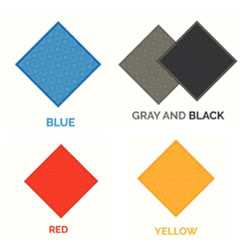
Guide to Using Color Contrast in Tactile Surface Design
5th Jul 2024
In an accessible design, color contrast plays a vital role in enhancing detectability, especially for those with visual impairments. Tactile walking surface indicators (TWSIs) rely heavily on high color contrast to make their textures visually discernible. This allows partially sighted individuals to supplement the tactile cues with visual information.
For architects, contractors, and engineers specifying tactile surfaces, understanding effective color contrast principles is key to creating accessible and compliant installations. This guide will explore the significance of color contrast, guidelines from Canadian standards, and factors to consider when selecting colors for tactile tiles and surfaces.
The Importance of Color Contrast
While tactilely discernible textures form the foundation of accessible design, sufficient color contrast takes detectability to the next level. Color contrast makes tactile surfaces more visible to those with partial sight, allowing them to spot upcoming changes in the walking surface and respond appropriately.
The high color contrast draws people's attention to the tactile surface, whether it is a warning indicator or a directional path. This prompts individuals to be more observant of their surroundings when they detect the shift in visual appearance between the tiles and adjacent surfaces.
For example, bright yellow truncated domes on a sidewalk curve ramp strongly contrast with the grey concrete pavement. This alerts a pedestrian with low vision to assess their surroundings and identify the upcoming transition from sidewalk to street.
By making textures “pop” visually, strong color contrast enhances safety in public realm navigation for all individuals, especially those who rely on multiple senses beyond just touch.
Standards for Tactile Surface Color Contrast
In Canada, recognized standards guide appropriate color contrast for tactile walking surface indicators. These include:
- CSA B651: States detectable warning surfaces must contrast by at least 70% with adjacent walking surfaces in light reflectance value (LRV) or visual contrast.
- AODA: Requires at least 70% LRV contrast between surface materials along accessible routes and the surrounding surfaces.
- ISO 23599: Specifies TWSIs have a light reflectance value of at least 30 points difference from adjoining surfaces.
Additionally, certain colors are designated for specific tactile surface types by convention and best practice, including:
- Truncated domes: Safety Yellow
- Directional indicators: Brick red, yellow, black
- Hazard markings: Safety yellow, black
Factors to Consider for Tactile Surface Color Selection
When choosing colors for a tactile installation, consider the following:
1. LRV Contrast
Pick colors with at least 70% light reflectance value contrast per accessibility standards. Lighter colors against darker substrates provide the most substantial contrast.
2. Color Associations
Stick to standardized colors - like safety yellow for warning domes - that align with universal design conventions.
3. Visibility in Different Lighting
Select colors providing sufficient contrast in daytime and night lighting for maximum discernibility. Light-on-dark often performs better in low light.
4. Surrounding Materials and Finishes
Aim for hues contrasting with adjacent material finishes like concrete, stone, metal, carpet, etc., to make the tactile surface clearly distinguishable.
5. Aesthetic Harmony
Colors should stand out but complement the overall visual cohesion design scheme. Neutrals like grey and beige are easily paired.
6. Functional Environment
In outdoor settings, increased contrast is key for visibility under varied conditions. Indoors, softer contrasts may suffice, depending on context.
7. Size of Installation
Higher contrast is beneficial for smaller installations, whereas larger contiguous tactile surfaces already stand out, requiring less contrast.
8. Standard Availability
Select from colors that are readily available from manufacturers to avoid custom color minimums and long lead times.
Tactile Solutions with Effective Color Contrast
Here are some examples of tactile solutions using color contrasts that enhance accessibility:
Cast Iron Tactile Tiles
These heavy-duty metal tiles come in a bold matte yellow that strikingly contrasts against concrete sidewalks, cinder block walls, asphalt roads, and other common exterior materials. The strong dark-on-light contrast ensures high visibility outdoors.
Advantage Tactile Systems One Plate with Domes
This stainless-steel plate with embedded truncated domes has a stamped textured finish that makes it pop against floor surfaces. The grey metallic color contrasts nicely both indoors and out against materials like tile, terrazzo, concrete, granite, wood, etc.
Detectable Warning Porcelain Tile
For upscale interior installations, these porcelain pavers are available in softer earth tones like cultured grey, vogue black, and sandstone that sufficiently contrast with stone, wood, or neutral floor tiles. The organic hues blend in aesthetically while remaining discernible.
Custom Contrast Tactile Solutions
Many tactile products can be custom color-matched or manufactured using specific polymers or resins on request to achieve the required color contrast against planned surfaces. Consulting manufacturers or suppliers is advised to develop optimal color-contrasted solutions for unique projects.
Standards like CSA B651 also recommend installing a test placement area to check if the specified color contrast meets minimum light reflectance value requirements through on-site verification before full-scale installation.
Using Color Thoughtfully
While maximizing contrast for accessibility, aesthetics and design harmony should not be sacrificed. This balances visibility needs with aesthetic vision. By thoughtfully incorporating contrast and color, tactile surfaces can enhance function without compromising form. The right colors elevate safety intuitively.
Tactile Solutions from Tactile Solution Canada
As Canada’s premier accessibility solutions provider, Tactile Solution Canada offers a complete selection of tactile walking surface indicators from leading brands designed to meet all major codes and standards in Canada.
Our extensive range includes detectable warning surfaces, directional guidance tiles, and photoluminescent stair nosings in high-contrast colors created in consultation with accessibility experts.
With a client-focused approach, our team provides guidance at every stage - from initial color selection to onsite quality checks - to deliver compliant tactile installations that are impactful, functional, and harmonious.
To learn more about engineering optimal color contrast for your next project or to view our range of accessible tactile solutions, contact the experts at Tactile Solution Canada today!
FAQs
What is the minimum color contrast required between tactile surfaces and surroundings?
A light reflectance value (LRV) contrast of at least 70% is recommended per Canadian accessibility standards like the CSA B651.
How does color contrast make tactile surfaces more detectable?
High color contrast enhances the visibility of tactile textures for those with partial sight, allowing for warning indications to be both felt underfoot and seen.
Which colors are typically used for warning tactile and directional tactile surfaces?
Standard colors are safety yellow for warning domes or tiles and brick red, yellow, or black for directional bars or indicators.
Should there be color consistency across different locations?
Yes, colors should conform to universal conventions. For example, yellow domes indicate hazards everywhere. Consistency aids recognition.
How can color contrast be verified on-site?
Conducting test placements and using a color contrast analyzer tool will validate if the contrast meets reflectance value requirements.
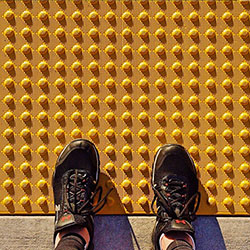
Liability Risks: Why Warning Tactile Code Compliance Matters
5th Jul 2024
In recent years, installing (TWSIs) has become an indispensable part of designing public spaces and facilities in Canada. TWSIs, also known as detectable warning surfaces, are standardized textured ground surfaces that convey critical information to pedestrians through touch and sound cues. They are vital in enhancing accessibility and safety for all users, especially those with visual impairments.
However, even with the growing awareness of TWSIs' importance, many public and private spaces remain non-compliant regarding required tactile installations. This non-adherence poses severe liability risks for property owners, facility managers, contractors, and architects if accidents or injuries occur due to the lack of proper tactile warnings.
This blog explores the importance of tactile code compliance in Canada and outlines key liability risks for stakeholders regarding TWSIs.
The Need for Tactile Code Compliance
In Canada, tactile installation requirements are mandated by various federal, provincial, and municipal regulations, most notably:
- Accessibility for Ontarians with Disabilities Act (AODA)
- Ontario Building Code
- CSA B651 Standards on Accessible Design
- Municipal bylaws and accessibility policies
These regulations require TWSIs to be installed in some public regions to warn pedestrians with vision impairments about potential hazards like stairs, curbs, platform edges, intersections, etc. Compliance is crucial from both an ethical and legal standpoint.
By failing to adhere to tactile installation codes, property owners and constructors deny persons with disabilities their right to accessible infrastructure, putting them at risk of accidents. It reflects poorly on an organization’s commitment to inclusivity and universal design.
Key Liability Risks of Non-Compliance
Violating mandated tactile installation codes and standards poses several significant legal risks:
1. Trip and Fall Hazards
Lack of required TWSI installations means hazards like unexpected stairs, curbs, ramps, etc., go undetected. This significantly increases the chances of trip and fall accidents for pedestrians with vision loss. Any resulting injuries can lead to costly litigation and compensation claims against property owners.
2. Code Violation Penalties
Breaching provincial and municipal accessibility legislation can attract heavy fines and penalties. For example, violating the AODA can incur fines of up to $100,000 per day for organizations, plus potential damage suits.
3. Reputational Damage
Legal penalties combined with media coverage of accidents can also lead to substantial reputational damage for owners, negatively impacting property values, leasing, and public perception.
4. Retrofitting Costs
If scandals or accidents occur, there will be eventual costs for retroactive tactile installation and upgrades to become compliant. Taking a proactive approach right from the planning and construction phase is wiser.
How to Reduce Liability Through Compliance?
Here are some tips to ensure tactile code compliance and mitigate risks:
- Consult regulations like the OBC, AODA Design of Public Spaces Standards, CSA B651, etc., during the design and planning of any public facilities, like malls, parks, transit platforms, etc., to determine the exact tactile installation requirements.
- Hire consultants who are experts in accessible design and tactile systems to conduct thorough audits and develop a compliance strategy tailored to the project.
- Select high-quality TWSI products that meet the highest standards from reputable providers like Tactile Solution Canada. Opt for cast-in-place or embedded solutions for maximum durability and safety.
- Ensure proper installation by certified professionals following the regulations and manufacturer’s instructions.
- Perform routine maintenance checks on installed TWSIs to identify any damage or wear and tear requiring replacement.
- Provide adequate safety warnings and barricades during maintenance or repair tasks at public facilities so that inaccessible areas don’t lead to accidents.
- Keep informed about changes or updates to local tactile installation codes and update existing facilities accordingly.
- Develop a proactive maintenance and replacement schedule for installed TWSIs based on expected wear from foot traffic.
Key Tactile Codes and Standards in Canada
Constructors, designers, and property managers need to be well-versed with Canada’s major tactile compliance codes:
Accessibility for Ontarians with Disabilities Act (AODA)
The AODA is a landmark accessibility legislation in Ontario that mandates the installation of TWSIs at public facilities. The Design of Public Spaces Standards under AODA provides detailed technical specifications on required tactile installations at various public spaces like sidewalks, crosswalks, transit platforms, recreational trails, play spaces, etc. It also imposes heavy fines for non-compliance.
Ontario Building Code
The OBC legally governs construction across Ontario. Section 3.8 on barrier-free design prescribes TWSI requirements for buildings, including specifications on types of TWSIs and correct locations for installation like stairs, curb ramps, pedestrian crossings, platform edges, etc. It sets the minimum legally required tactile installations.
CSA B651 Standards on Accessible Design
Canada's nationally recognized B651 standard provides comprehensive specifications on TWSIs. It sets optimal technical requirements for tactile surface dimensions, materials, color/tonal contrast, placement locations, etc., for enhanced accessibility. While voluntary, the CSA standard represents industry best practices.
Municipal Codes and Policies
Municipal governments like Toronto also impose bylaws and facility accessibility policies mandating and regulating the installation of TWSIs at public facilities within their jurisdiction. These codes should be consulted for any localized tactile requirements.
Consequences of Legal Action
In recent years, multiple high-profile lawsuits and human rights complaints have been filed against public and private property owners related to the lack of mandated TWSIs leading to accidents and injuries.
Such outcomes illustrate the enormous risk posed by non-compliance with tactile installation codes. Being proactive about the proper tactile application per all relevant regulations can help avoid tragic accidents while demonstrating a solid commitment to creating infrastructure that is accessible and inclusive to all.
FAQs
What are some common locations that require tactile installation as per Canadian codes?
Some typical locations requiring compliant TWSI application per codes like the AODA, OBC, and CSA B651 are stairs, curb ramps, pedestrian crossings, transit platforms, escalators, hotel room balconies, playgrounds, recreational trails, parking lots, food courts, etc.
What happens if a facility is found non-compliant with mandated tactile installation codes?
Consequences include heavy fines of up to $100,000 daily, lawsuits and damage claims by injured persons, orders to retrofit inaccessible facilities, negative publicity, and reputational damage.
Who is responsible for ensuring tactile code compliance?
Liability extends to all parties involved in the design and construction process, including property owners, facility managers, developers, architects, contractors, and construction companies.
What options are available for installing complaint TWSIs?
Typical solutions include metal, durable polymer, rubber, porcelain, or concrete TWSIs installed via surface-mounting, embedding into fresh concrete, replacing existing tiles with compliant tactile tiles, etc.
Stay code-compliant & Accessible
By selecting high-quality tactile products from reputable suppliers like Tactile Solution Canada, having proper installation by trained professionals, and conducting routine maintenance checks and prompt replacement when any wear/damage is detected, facilities in Canada can stay accessible, durable, and code-compliant over time.
Canadian Disability Stats: Why Accessible Infrastructure Matters
5th Jul 2024
Canada prides itself on being an inclusive, welcoming, and accessible society for all. However, for over 6 million Canadians living with disabilities, navigating the built environment poses daily challenges. Disability statistics in Canada reveal the pressing need to create more accessible, barrier-free infrastructure and public spaces.
This blog delves into the latest data on Canadians with disabilities and explains how it underscores the importance of investing in accessible design, including tactile guidance systems and hazard warnings. We will also explore how Tactile Solution Canada’s products can equip builders, architects, and property managers to meet accessibility obligations.
Disability in Canada - A Statistical Snapshot
Recent data from Statistics Canada provides insights into the prevalence of disability across the Canadian population:
- In 2017, 6.2 million (22%) Canadians aged 15 and older had a disability. This represents about 1 in 5 individuals.
- Women (24%) were more likely than men (20%) to report having a disability.
- The most common disability types related to pain, flexibility, mobility, and mental health conditions.
- Among youth aged 15-24 years, mental health disabilities were the most prevalent at 8%.
- Among working-age adults (25-64 years), 59% of persons with disabilities were employed versus 80% of those without disabilities.
- Of persons with disabilities not working or in school (ages 25-64 years), 39% or 645,000 individuals had the potential to work.
- Senior citizens aged 65+ had the highest disability rate at 38%. Age-related visual and mobility impairments were common.
This cross-section of Canadian society faces diverse functional limitations in seeing, hearing, mobility, flexibility, dexterity, pain, learning, mental health, memory, and more. These impede their full participation in society.
Barriers in Public Realms
For persons with disabilities, the design of infrastructure and public spaces frequently poses barriers to accessibility:
- Perceptual Barriers - Signage, tactile cues, announcements, etc., may not effectively communicate information for those with sensory disabilities.
- Physical Barriers - Lack of ramps, elevators, accessible routes, etc., impedes entry and mobility within built environments.
- Attitudinal Barriers - Societal attitudes and assumptions limit opportunities and accessibility for Canadians with disabilities.
- Technological Barriers - Digital systems, tools, and interfaces often overlook accessibility, excluding persons with disabilities.
Such barriers infringe on rights, isolate citizens, and exclude valuable perspectives. They highlight the need for accessibility-focused design.
Key Data Highlights Need for Accessible Infrastructure
The disability data presents a compelling case for accessibility in Canada:
- With over 6 million Canadians facing functional limitations, the market need for accessible design is immense. Builders and property managers can tap into this segment.
- As the population ages, age-related disabilities will rise. Accessibility is key to keeping aging Canadians active, engaged, and independent.
- With lower employment rates among working-age adults with disabilities versus those without, accessibility can help remove barriers to education and employment.
- Youth with disabilities need accessible infrastructure to fully participate in social activities, education, sports, recreation, and community life.
- Women experience higher disability rates in Canada, underlining the need for a gender-conscious approach to accessibility.
- Disabilities encompass a wide spectrum. Accessible design must address diverse needs, capacities, and requirements.
Mandating Accessibility Nationwide
Federal, provincial, and municipal regulations mandate accessibility and barrier-free design in infrastructure projects across Canada:
- Accessibility for Ontarians with Disabilities Act (AODA)
- Ontario Building Code
- National Building Code of Canada
- Nova Scotia Accessibility Act
- Manitoba Accessibility Act
- CSA Standards on Barrier-Free Design
- Municipal bylaws
These laws require public spaces and buildings to integrate accessibility features like ramps, wayfinding aids, tactile surfaces, and visual cues.
Tactile Solutions for Accessible Public Realms
As a pioneering provider of tactile solutions in Canada, Tactile Solution partners with builders, architects, and property managers to integrate accessibility into public spaces and building projects.
Our product portfolio includes essential tactile systems like:
- Access Tile® - Composite polymer tactile tiles ideal for indoor and outdoor use. Available as surface-applied and embedded cast-in-place.
- Armor Tile® - Heavy-duty tactile tiles withstand harsh weather and hefty loads. Multiple tile options for diverse applications.
- Advantage® Tiles - Extremely durable stainless steel and cast-iron tactile tiles. Withstand decades of high footfall and vehicles.
- Eon Tile® - Made with durable and flexible rubber, these tactile systems come in both truncated domes and wayfinding categories.
- Elan Tile® - These porcelain tactile indicators are stylish and durable at the same time and can be used for interior as well as outer applications.
- Ecoglo® Photoluminescent Products - Exit signs, stair nosings, and directional signage provide critical visual guidance in emergencies.
These solutions promote accessibility and universal design through:
- Hazard Warnings - Tactile indicators alert pedestrians to potential dangers like platform edges or busy intersections.
- Directional Guidance - Tactile wayfinding tiles guide users safely along intended paths through public areas.
- Visibility - High color/brightness contrast aids visibility for those with low vision.
- Emergency Egress - Photoluminescent signs illuminate exit routes when lighting fails.
By investing in compliant tactile design, forward-thinking builders and property managers create welcoming environments where all citizens can participate fully.
FAQs
What are some key accessibility regulations in Canada?
Major regulations mandating accessibility compliance for infrastructure projects include the Accessibility for Ontarians with Disabilities Act (AODA), provincial building codes, CSA accessibility standards, and municipal bylaws.
What are some examples of disabilities that impact navigating public spaces?
Disabilities that can impede accessing public realms include vision loss, hearing impairments, mobility limitations requiring wheelchairs or walkers, chronic pain, and cognitive disabilities.
How do tactile solutions enhance accessibility?
Tactile guidance paths and hazard indicators provide critical navigation cues and warnings through touch and visual contrast to pedestrians with vision loss.
Where are tactile walking surface indicators required?
Key locations requiring compliant tactile tiles or pavers are transit platforms, sidewalks, pedestrian crossings, building entrances, stairs, parks, and parking areas.
How can Canadian disability data inform investment in accessible infrastructure?
The prevalence of disability across age groups and genders indicates a widespread need for accessibility. This data supports the business case for organizations to invest in inclusive design.
Let's Build an Accessible Canada Together
The need for accessible infrastructure is clear - over 6 million Canadians face barriers when navigating the built environment. Universal design benefits us all.
As Canada works towards its 2040 accessibility goals, organizations like Tactile Solution Canada equip stakeholders with practical solutions to transform spaces. Contact us today to make accessibility a reality.
